
Locals Know To Visit This Massive Arkansas Summer Fair Before The Sun Goes Down
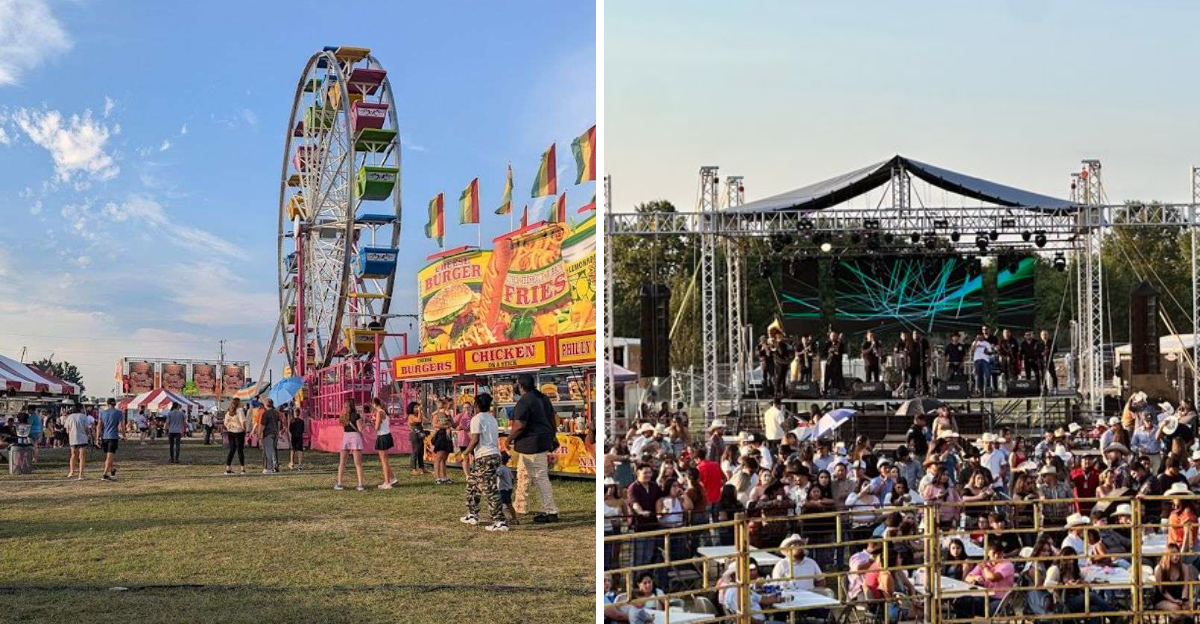
A summer fair can feel like two events packed into one day. Before evening, the grounds move at a friendlier pace.
Visitors can spend time in the livestock barns and browse exhibits without squeezing through the busiest crowds. After sunset, the mood changes almost instantly.
Lights spin above the midway, while every popular stop seems to draw a line. Locals understand the difference, which is why many arrive early and stay late.
This Arkansas tradition is worth seeing during both stretches. The daytime hours make it easier to notice details that disappear once the rush begins.
The evening brings the visual drama people expect from a major fair. Timing the visit well means you never have to choose between them.
Walk in before the grounds get packed, take your time exploring, and let the changing light turn an afternoon into a full fair-night experience that feels bigger with every hour.
The Fairgrounds Before The Evening Rush
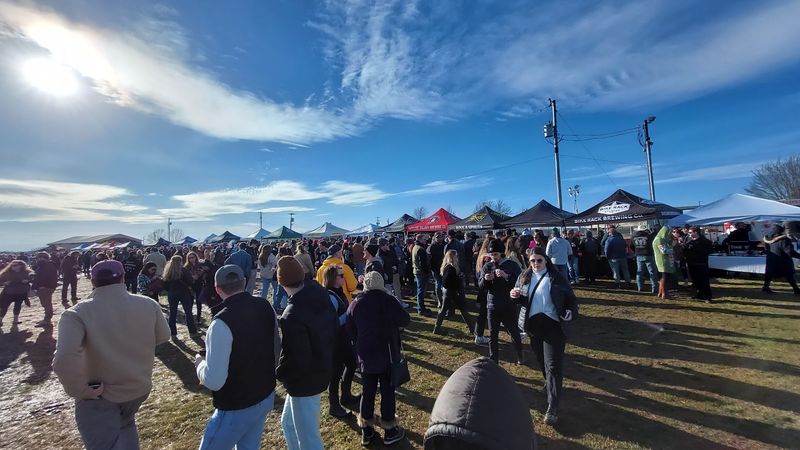
Early birds get a version of the fairgrounds that most visitors never see.
Gates open at 10:00 AM daily, and that first window of time before the afternoon crowds pile in is genuinely the most comfortable stretch of the day.
Pathways are wide open, vendors are freshly stocked, and the heat has not yet peaked.
Food stalls that sell out by evening still have full menus, and you can actually hear yourself think while browsing.
Families with younger kids especially benefit from arriving at opening time, since the grounds are generally less crowded then and the overall pace feels relaxed.
The grounds themselves cover a generous footprint, so having extra time to orient yourself before the crowds arrive makes a real difference.
Parking is also far easier in the morning hours, with attendants directing traffic smoothly before the evening surge turns the lot into a puzzle.
Seasoned fairgoers know that this quiet window is worth setting an early alarm for at Washington County Fair, located at 2537 N McConnell Avenue, Fayetteville, AR 72704.
Midway Lights Beneath The Arkansas Sky
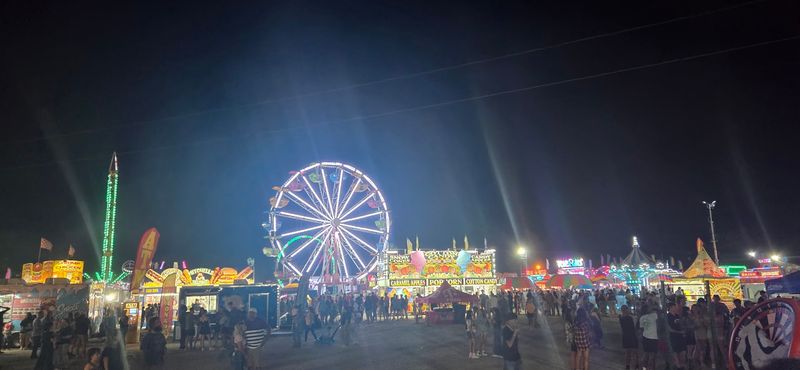
When the sun dips toward the horizon, the midway at this fair shifts into a completely different experience.
Colorful carnival rides across the main midway fire up their full lighting rigs, and the effect against the open Arkansas sky is genuinely stunning.
Streaks of color spin and flash overhead while the warm evening air carries the smell of fried food from every direction.
The midway transforms from a daytime fairground into something closer to a traveling light festival, and the energy level among visitors jumps noticeably once the sun goes down.
Locals who time their visit to catch both the golden hour and the full midway illumination describe it as the highlight of the entire fair week.
Kids who have already worn themselves out on daytime activities somehow find a second wind the moment the ride lights come on.
For anyone who has not experienced a summer fair after dark in this part of the country, the midway at this event makes a very convincing first impression.
Arriving before dusk means you get to watch the whole transformation unfold in real time, which is a small but satisfying reward for good timing.
Inside The Lively Livestock Barns
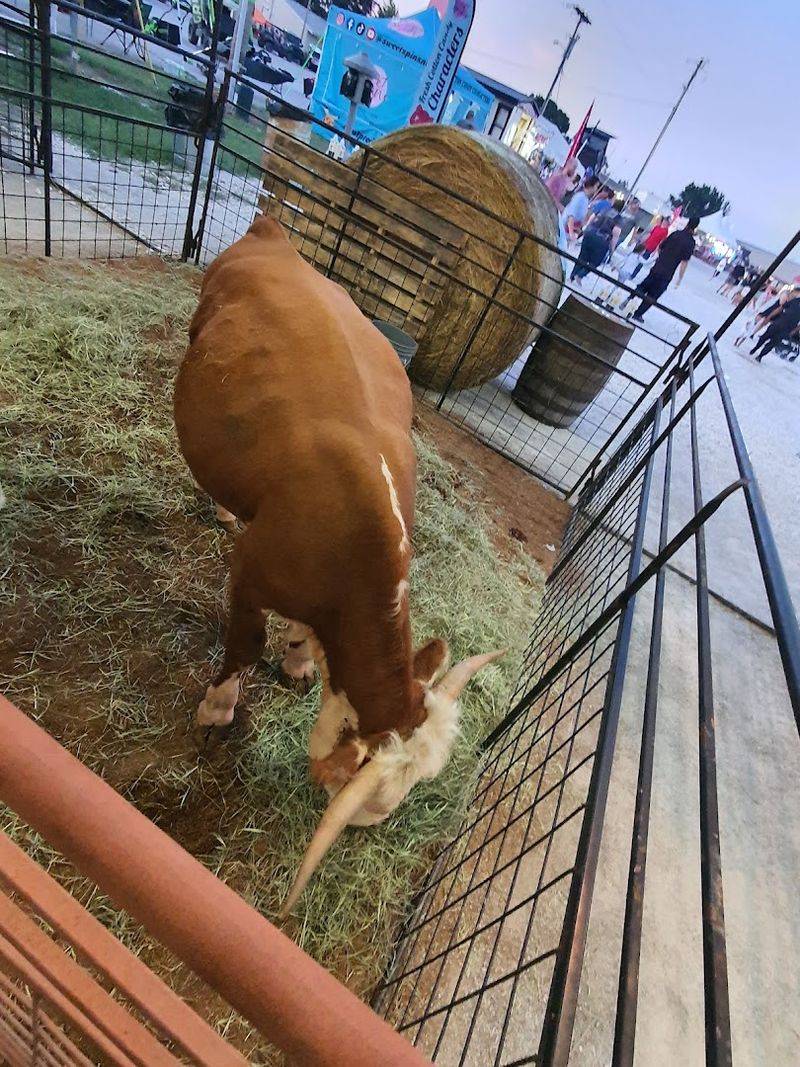
Step inside the livestock barns and the fair takes on a completely different personality.
Poultry, cattle, sheep, swine, and goats fill the stalls, tended by exhibitors who have spent months preparing their animals for competition.
The barns carry that unmistakable mix of hay, sawdust, and summer heat that feels completely at home at an agricultural fair of this scale.
Young exhibitors, many of them participating through 4-H or FFA programs, can be found grooming and walking their animals with serious focus and quiet pride.
Watching a teenager guide a well-trained steer through a show ring while a crowd of onlookers leans over the rail is one of those fair moments that sticks with you long after the week ends.
For visitors who grew up in cities or suburbs, the livestock barns offer a hands-on education that no classroom can replicate.
The animals are real, the competition is genuine, and the dedication on display from every exhibitor gives these barns a warm, community-driven atmosphere.
Plan to spend more time here than you expect, because the barns have a way of pulling you deeper in with every new stall you pass.
County Traditions Fill The Exhibit Halls
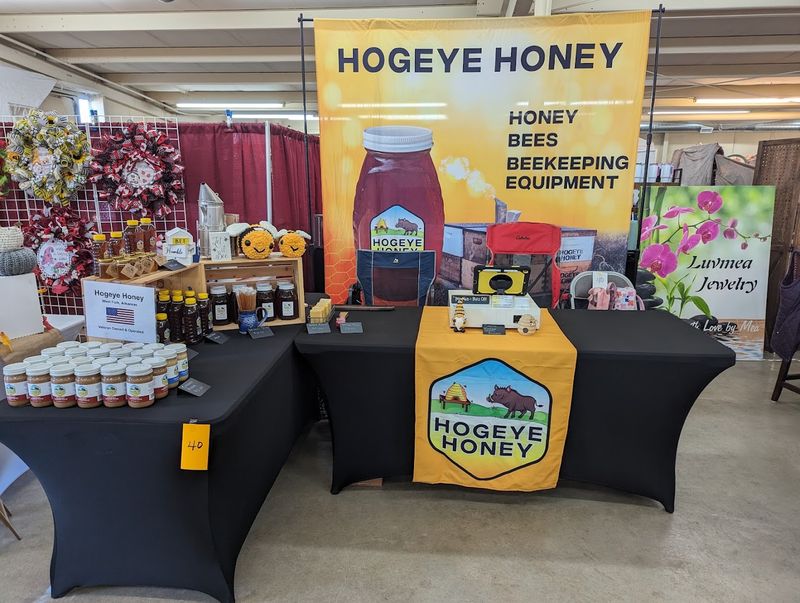
Not every great moment at this fair involves a ride or an animal.
The air-conditioned exhibit halls are packed with entries from community members who have been perfecting their crafts all year long.
Home economics displays sit alongside horticulture arrangements, handmade quilts, framed photography, baked goods, and artwork created by participants of all ages.
The halls serve as a living catalog of what people in this corner of Arkansas make, grow, and care about, and browsing them feels more like visiting a community gallery than a standard fairground exhibit.
Competition ribbons hang from winning entries, and the range of skill on display is genuinely impressive.
A first-place pie crust sits next to a hand-stitched embroidery piece, which sits next to a photograph of a local landscape that deserves a proper frame on someone’s wall.
The air conditioning is also a practical bonus on a hot summer afternoon, giving visitors a cool place to slow down and appreciate the fair from a quieter angle.
These halls represent the heart of what a county fair is actually about, and skipping them in favor of the midway means missing the most personal part of the whole event.
Carnival Rides Tower Above The Grounds
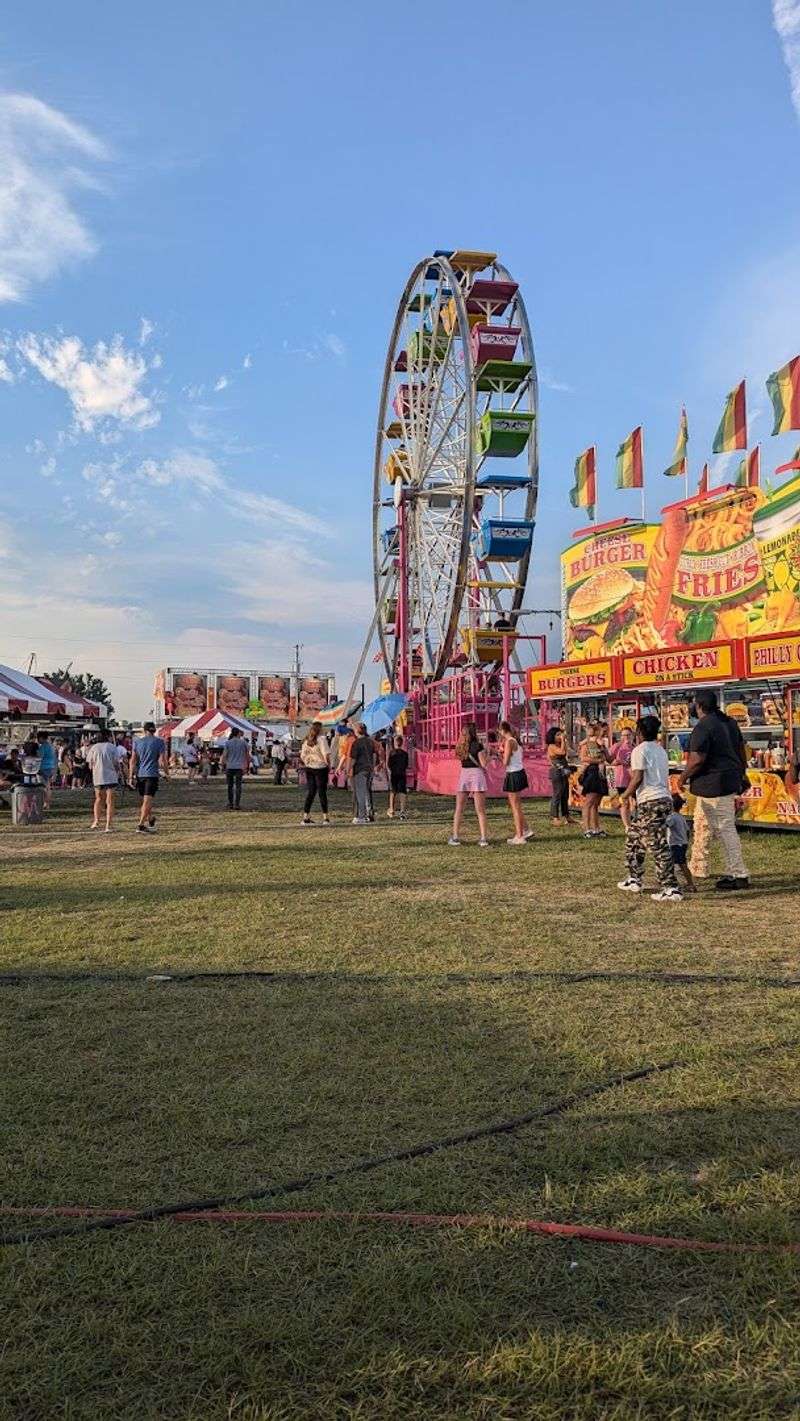
The carnival midway brings a full amusement experience to this fair, and the ride lineup covers every level of thrill-seeking.
Towering structures rise well above the rooflines of the surrounding fairground buildings, visible from the parking lot before you even pay admission.
Children’s carousels and gentler spinning rides occupy one end of the midway, while the bigger machines that flip, drop, and spin at high speed anchor the other.
The physical scale of the setup is part of what makes this fair feel genuinely massive rather than a modest local gathering.
Ride tickets and special promotions may be available, so families planning to ride frequently should check current fair details before visiting.
Lines for the most popular rides build quickly after the early afternoon, so hitting the high-demand attractions first thing after arrival saves a lot of standing around.
Parents who are not riding can find good viewing spots along the midway where they can watch without losing track of their group.
The sheer variety of carnival attractions brought to the grounds each year is one of the main reasons this fair keeps drawing large crowds back to Fayetteville season after season during the busy week.
Crowds Gather Along The Main Midway
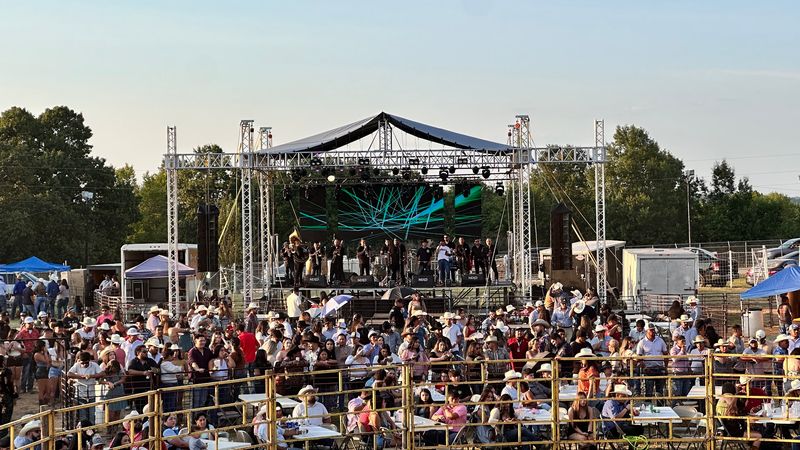
More than 25,000 people pass through this fair during its run, and the main midway is where most of them end up at some point during the day.
Game booths line both sides of the central walkway, staffed by vendors calling out to passersby with the kind of practiced enthusiasm that is entirely specific to county fairs.
Food trucks and permanent food stalls add their own layer of sensory input, with the smells of fried dough, smoked meat, and fresh-cut fries drifting across the whole stretch.
The midway crowd has its own rhythm, moving in loose waves that speed up near popular attractions and slow to a pleasant shuffle near the food vendors.
Families, couples, and groups of teenagers all share the same narrow strip of pavement, and the mix of ages gives the space a genuinely communal feel.
Navigating the midway during peak evening hours requires patience, but that slow pace also creates natural opportunities to spot something you might have walked past at full speed.
Vendors here range from classic ring-toss games to newer prize setups with oversized stuffed animals hanging from every available hook.
The midway is loud, crowded, and completely alive, which is exactly what draws people back to a fair like this one every single year.
Prize Animals Beneath The Barn Lights
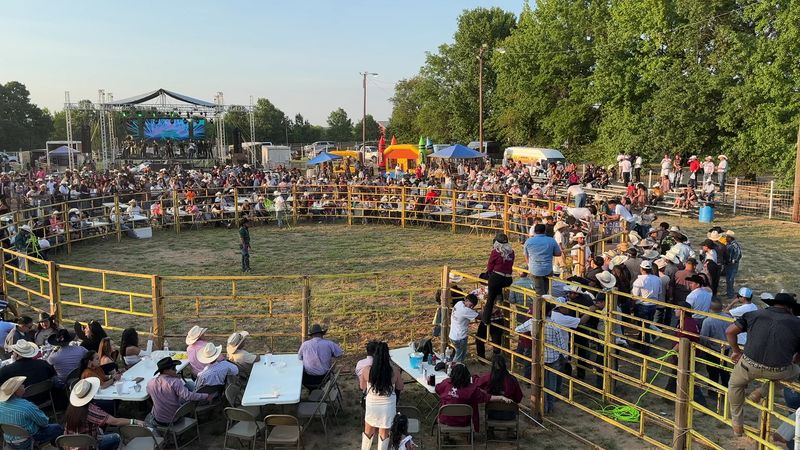
Competitive livestock events are a cornerstone of what makes this fair meaningful to the agricultural community it serves.
Exhibitors bring animals that represent months of careful feeding, training, and grooming, and the barn lights during judging give the whole scene a focused, almost theatrical quality.
Judges move methodically through the ring, evaluating conformation, conditioning, and presentation with the kind of practiced eye that comes from years of experience at events like this.
The atmosphere inside the judging area is noticeably different from the rest of the fair, quieter and more concentrated, with exhibitors standing straight and still while their animals are assessed.
Winning a ribbon here carries real weight within the community, and the pride on the face of a young exhibitor who earns a top placement is one of the most genuinely moving things the fair has to offer.
Even visitors with no background in agriculture tend to get drawn into the competition once they understand what they are watching.
The bond between each exhibitor and their animal is visible in the small gestures, a reassuring hand on a flank, a quiet word before entering the ring.
These competitive moments under the barn lights connect the fair directly to the farming traditions that have defined this region of Arkansas for generations.
Golden Hour Sweeps Over The Fairgrounds
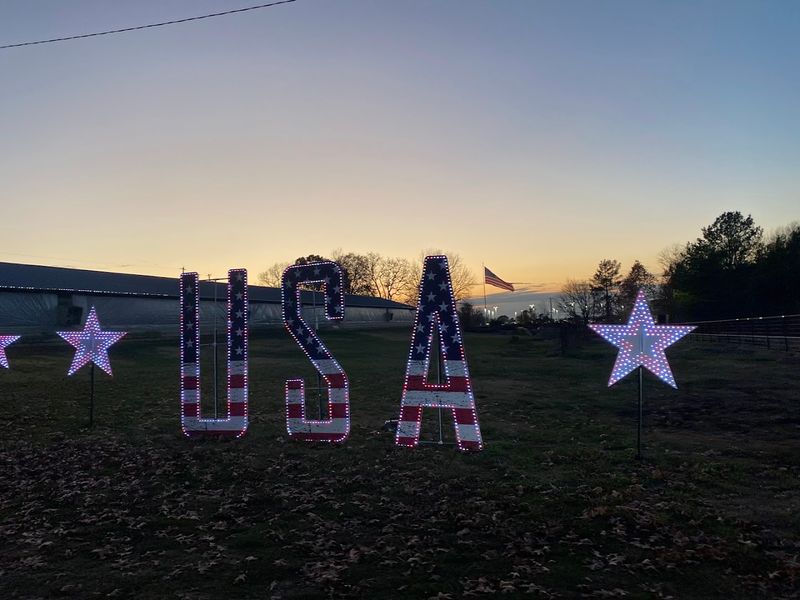
Few things at a summer fair are as quietly spectacular as the golden hour, and the open layout of these grounds gives it plenty of room to perform.
Warm orange and amber light spreads across the fairground buildings, ride structures, and open walkways in a way that makes even the most ordinary corners look photogenic.
The transition from afternoon to evening also brings a noticeable shift in the crowd’s energy, as the day visitors start to wind down and the evening crowd begins to fill in.
Food lines that were manageable in the afternoon start to grow, ride operators pick up their pace, and the whole fair seems to take a breath before its busiest hours.
Photographers and casual phone snappers alike tend to stop and point their cameras toward the western sky when the light hits its peak, framing ride silhouettes against bands of color.
The golden hour is also the ideal time to grab a seat near the main stage or a quiet bench near the exhibit halls and simply take in the scene around you.
All of this unfolds at Washington County Fair, where the sky over northwest Arkansas puts on its own free show every single evening of fair week.