
Locals Say This Arizona Lake Town Has Been Ruined By Summer Tourists
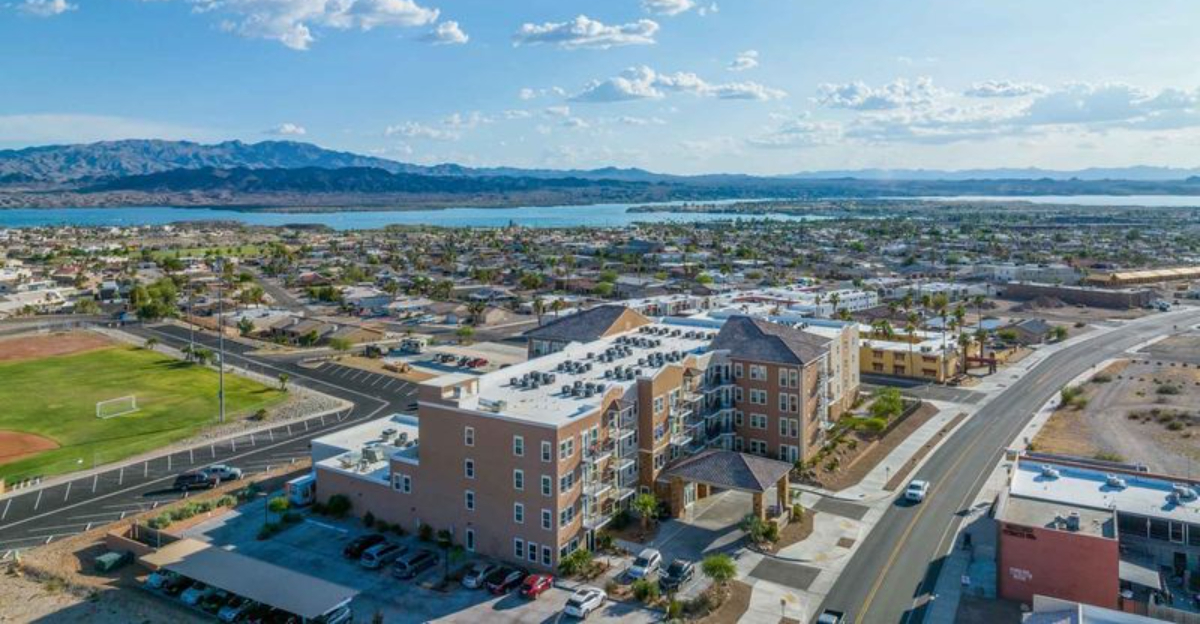
I used to think my hometown was a well-kept secret, the kind of lakeside paradise where you could actually hear yourself think over a cold drink. Then summer arrived. If you live anywhere near the water in Arizona, you know the exact day the peaceful vibe shatters.
Suddenly, every grocery store aisle is blocked by oversized floaties, and driving down Main Street feels like navigating a Mario Kart track fueled by cheap beer and bad decisions.
Don’t get me wrong, I love sharing the sunshine, but lately, my slice of heaven feels less like a quiet retreat and more like Spring Break’s unruly, sunburnt cousin. The locals have officially hit their boiling point, and honestly?
Can you blame us? Grab some iced tea, and let me tell you what it’s really like when the seasonal circus rolls into town. Long-time residents remember quieter days when the lake felt like their own secret, but those days feel increasingly distant.
The London Bridge That Started It All
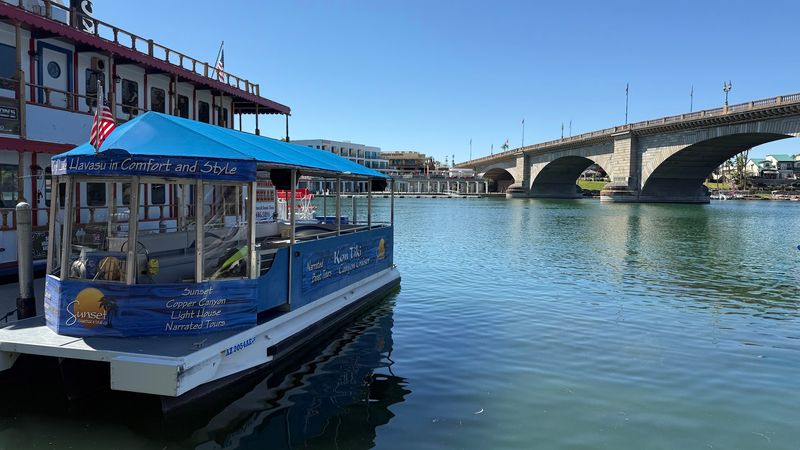
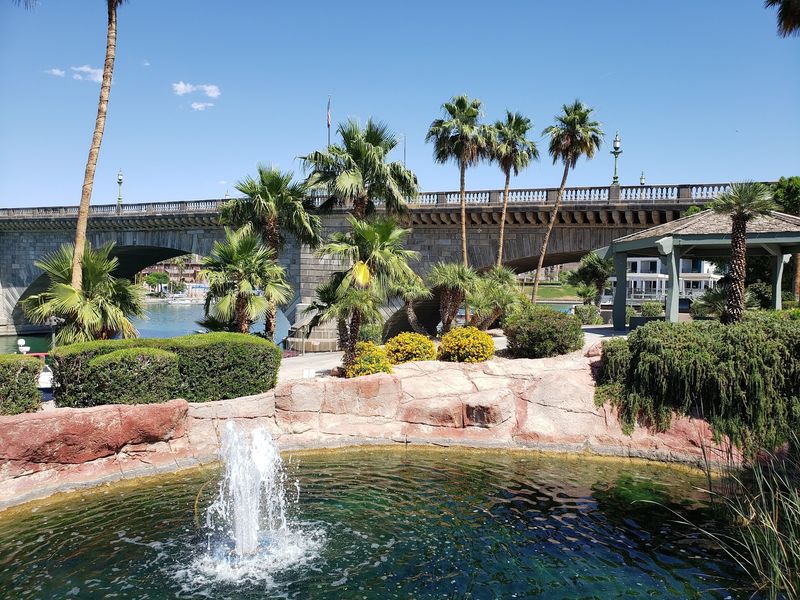
Few towns can claim their biggest attraction was literally shipped from another continent, but Lake Havasu City is not most towns. In 1968, entrepreneur Robert P. McCulloch purchased the original London Bridge for around 2.46 million dollars and had it dismantled brick by brick in England.
The stones crossed the Atlantic Ocean and were painstakingly reconstructed over the Bridgewater Channel, completing in 1971.
The relocation created an artificial island and instantly put this remote Arizona desert town on the global map. Today, the bridge draws an estimated three million visitors annually, making it Arizona’s second-biggest tourist attraction behind only the Grand Canyon.
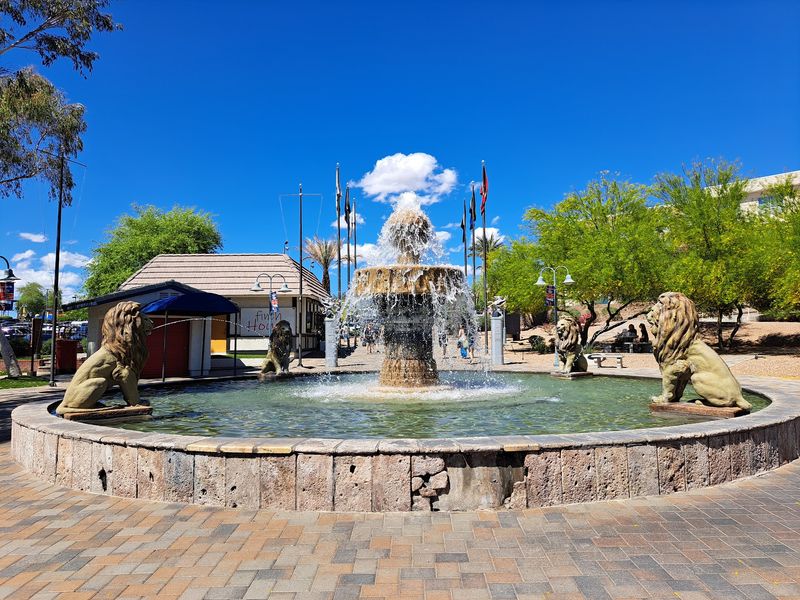
The English Village at its base adds a quirky British twist, with shops and eateries tucked beneath desert skies. For locals, the bridge is a source of genuine pride, but it is also the very thing that opened the floodgates to the crowds they now wrestle with every summer season.
That double-edged legacy shapes almost every conversation about the town’s identity. What began as an ambitious relocation project became the landmark that permanently changed Lake Havasu City’s trajectory.
More than five decades later, its presence still shapes both the town’s appeal and the pace of its busiest months.
Summer Crowds That Push Locals To Their Limits
Ask any year-round resident what July feels like, and you will likely get a tired sigh before the answer. From Memorial Day through Labor Day, the population of Lake Havasu City can feel like it triples overnight as visitors pour in from Phoenix, Las Vegas, and Southern California.
The Bridgewater Channel and surrounding beaches become packed wall to wall with boats, jet skis, and sun-seekers by mid-morning. Noise complaints spike dramatically during peak weekends.
Locals report that favorite fishing spots become inaccessible, grocery store lines stretch out the door, and traffic on McCulloch Boulevard crawls at a frustrating pace. Parks that once felt like neighborhood retreats now require early arrival just to secure a picnic table.
The frustration is not directed at any single visitor but at the sheer scale of the seasonal surge. Many long-timers simply plan their own lake outings for the shoulder months, quietly ceding the waterfront they love to the summer wave and counting the days until September brings relief.
For many residents, summer means adjusting routines around the busiest hours and busiest parts of town. Once the crowds thin, the lake settles back into the slower rhythm locals know best.
Rising Housing Costs Squeezing Permanent Residents
There is a quieter crisis unfolding away from the waterfront, one that does not show up in tourism brochures.
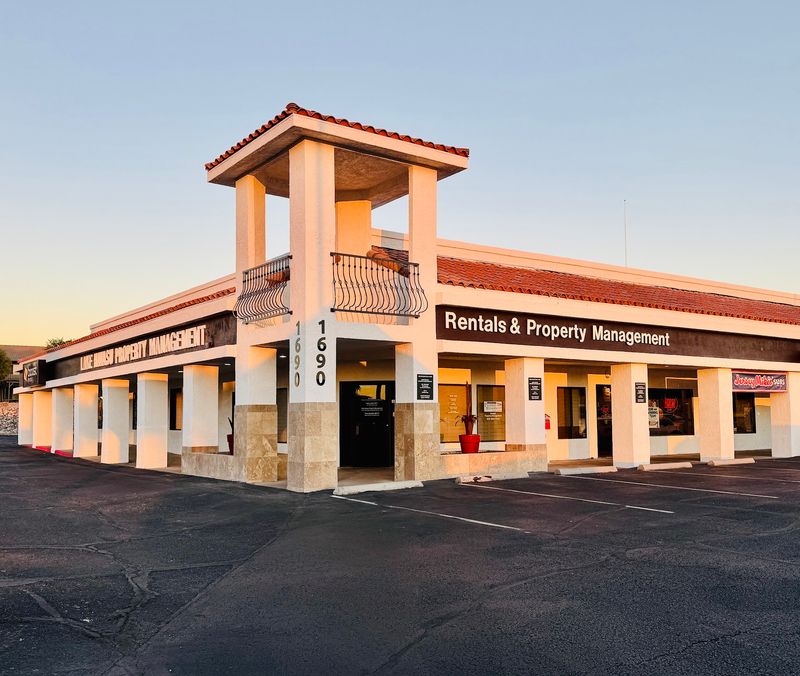
The surge in visitors has made short-term vacation rentals enormously profitable, prompting property owners to convert long-term housing into nightly listings on platforms like Airbnb and VRBO. The result is a shrinking supply of affordable rentals for people who actually live and work in Lake Havasu City full time.
Home prices have climbed steadily in recent years, outpacing wage growth in a town where many jobs are tied to hospitality, retail, and service industries.
Teachers, nurses, and tradespeople who form the backbone of any functioning community find themselves priced out of neighborhoods they once called home.
Community forums and local Facebook groups buzz with frustration about this shift, with residents calling on city leaders to impose stronger regulations on short-term rentals.
The conversation mirrors what is happening in tourist-heavy towns across the American West, where the economics of vacation culture increasingly clash with the needs of the people who keep the lights on year-round.
The Lake Itself
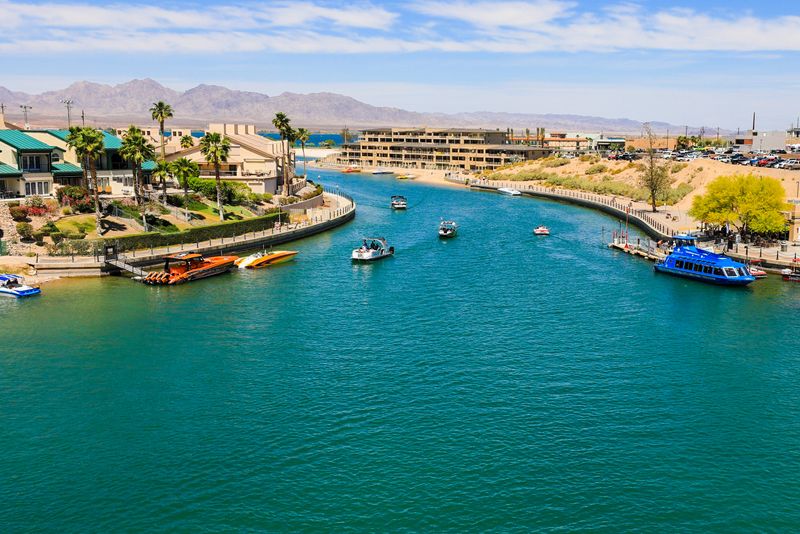
Stretching 45 miles along the Arizona-California border and offering roughly 400 miles of shoreline, Lake Havasu is genuinely one of the most visually striking bodies of water in the American Southwest.
The reservoir, created by Parker Dam on the Colorado River, glows an almost unreal shade of blue against the burnt-orange desert terrain surrounding it. On a calm early morning, the surface looks like polished glass.
Boating, paddleboarding, swimming, and kayaking are the primary ways people experience the lake, and rental operators do brisk business throughout the warmer months. The 27 replica lighthouses scattered along the shoreline add a charming navigational quirk unique to this destination.
Rotary Community Park and London Bridge Beach both offer public access points with picnic areas and playgrounds.
The challenge is that the lake’s beauty draws more people every year, and the infrastructure surrounding it has not always kept pace.
Water quality, boat traffic management, and shoreline erosion are ongoing concerns that local conservationists and city planners continue to address, hoping to protect what makes the lake worth visiting in the first place.
Desert Trails And Cool-Season Adventures
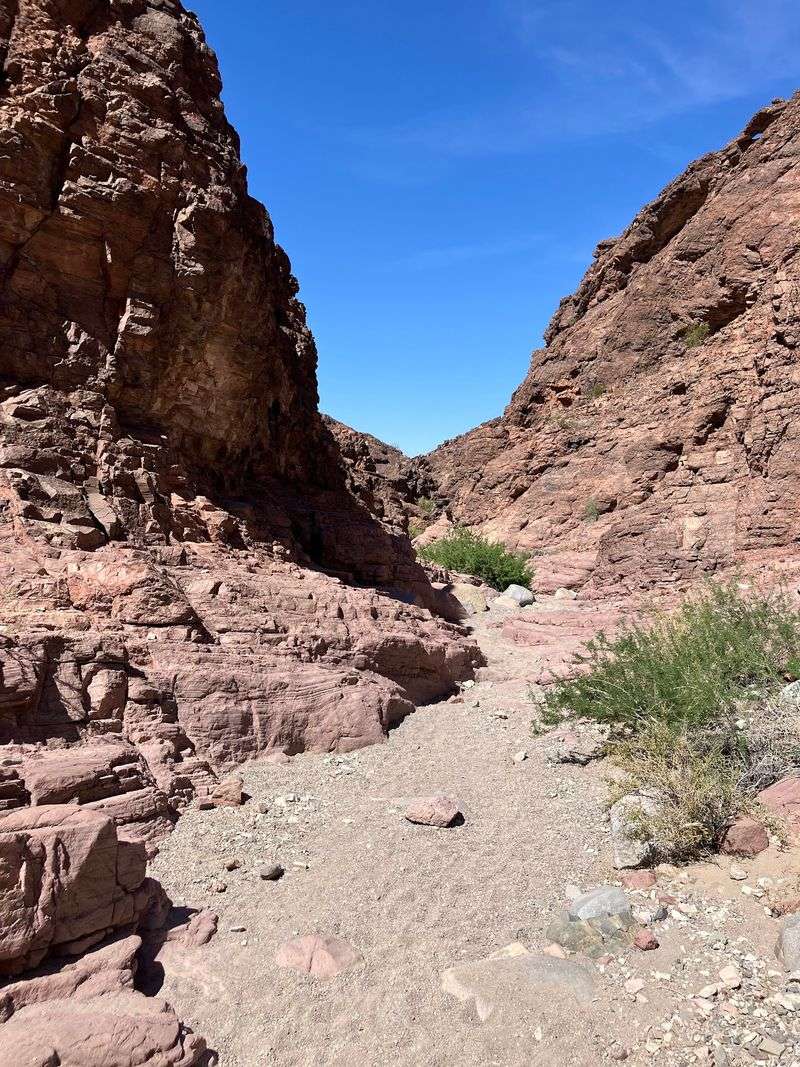
Most visitors come for the water and never look beyond the shoreline, which means they miss some genuinely rewarding desert terrain right on the city’s doorstep.
When temperatures cool between late October and April, the surrounding landscape transforms into an accessible outdoor playground that attracts hikers, mountain bikers, and off-road enthusiasts.
SARA Park, located just outside town, offers trails ranging from family-friendly walks to more technical routes for experienced adventurers.
Sara’s Crack at SARA Park is a particular favorite, guiding explorers through a compact slot canyon with dramatic sandstone walls that glow warm gold in morning light. The Mohave Sunset Trail delivers sweeping panoramic views of the lake and surrounding desert that reward even a moderate effort.
Early starts are strongly recommended on any trail, as midday heat can arrive quickly even in the shoulder seasons.
Stargazing is another underrated reason to visit during the cooler months. The low light pollution surrounding Lake Havasu City creates spectacular nighttime sky conditions, and the clear desert air makes constellations pop with vivid clarity that urban visitors rarely experience back home.
Cooler months reveal a completely different side of the area, one that has little to do with crowded beaches or busy marinas. For visitors willing to explore beyond the water, the desert becomes an attraction all its own.
Spring Break Culture And Its Complicated Legacy
For decades, Lake Havasu City held a reputation as one of the premier spring break destinations in the American Southwest, drawing thousands of college students each March.
The energy was electric, the lakefront businesses thrived, and the town briefly became a national name for warm-weather celebration. Old-timers remember both the excitement and the headaches that came with that particular crowd.
City officials eventually took deliberate steps to tone down the spring break scene, including stricter noise ordinances, increased law enforcement presence, and targeted messaging campaigns aimed at repositioning the town as a family-friendly destination.
The strategy worked to a meaningful degree, shifting the demographic mix toward families and retirees during that window of the calendar.
However, the broader summer tourist surge that replaced it has proven equally disruptive in different ways. Locals who hoped for a calmer community found that the visitors simply changed shape rather than volume.
The spring break chapter remains a complicated part of the town’s identity, a reminder that managing the character of tourism is rarely as simple as turning a dial up or down.
What Locals Love
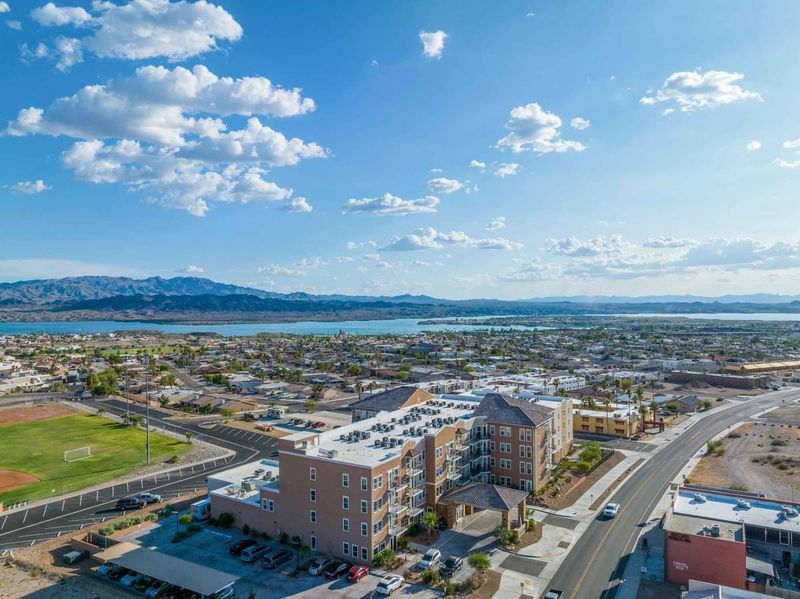
Beneath the tension between residents and tourists lies something genuine and worth preserving.
People who chose to build their lives in Lake Havasu City did so because of the sunsets that paint the desert in shades of copper and rose, the quiet mornings on the water before the crowds arrive, and the tight-knit neighborhoods where neighbors actually know each other’s names.
That sense of community is what locals fight to protect.
Most residents are not opposed to visitors in any fundamental way. They simply ask for basic courtesy: respect noise limits, follow boating safety rules, clean up after yourself, and treat the lake and surrounding desert with the care they deserve.
Small businesses in town genuinely depend on tourist spending to survive, and that reality is not lost on anyone who lives here.
The hope among long-timers is that visitors will arrive with curiosity rather than just appetite, taking time to learn the town’s story, support local shops over chain restaurants, and leave the place a little better than they found it. That kind of visitor, they say, is always welcome back.