
Locals Say This Quiet Florida Lake Town Has Been Overtaken By Summer Crowds
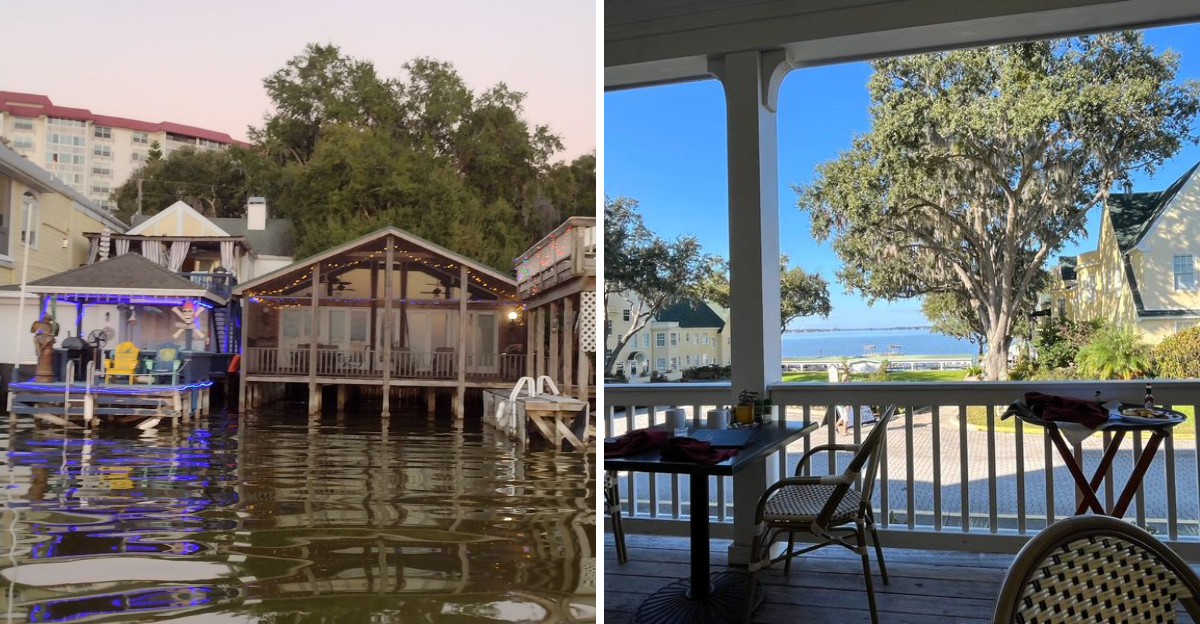
A quiet lake town in Florida used to promise three things.
Shady streets. Slow mornings.
A parking space without a strategy.
Then the internet found it.
Now, peaceful sidewalks fill with summer visitors, antique shops stay busy, and locals who once kept their favorite corners to themselves are watching the town become everyone else’s weekend plan.
Ever seen a hidden gem stop being hidden?
The charm is still here. Historic buildings line the streets.
Trees create welcome shade. The lake adds the kind of scenery that makes people reach for their phones before they even park.
The difference is that far more people are reaching for those phones now.
This is the familiar story of a small town becoming famous for everything that once made it feel wonderfully undiscovered. Florida travelers arrive looking for a slower pace, then create one of the busiest scenes in town.
The lake remains peaceful. Finding a quiet Saturday morning beside it may take a little more work.
The Downtown District Is Hitting Capacity On Weekends
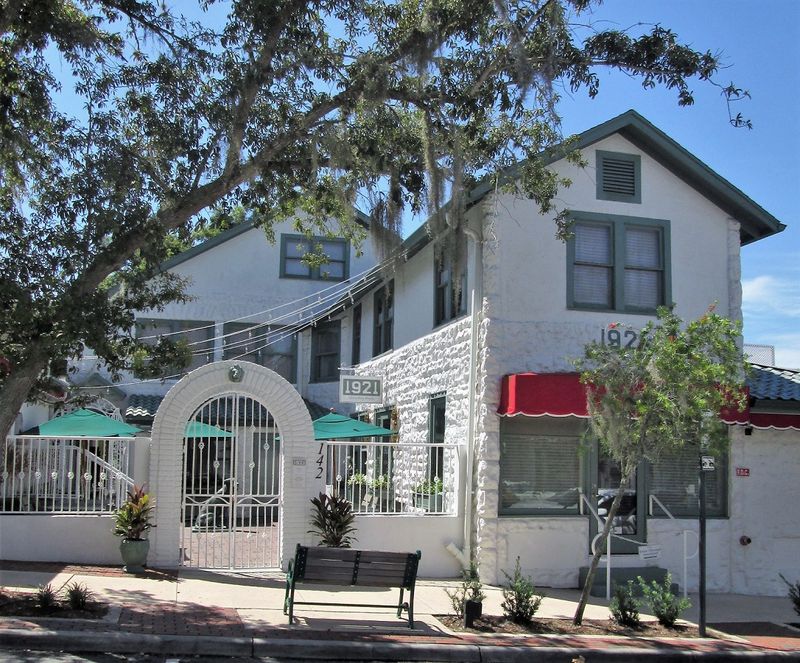
Locals remember when a Saturday stroll through downtown Mount Dora meant bumping into neighbors, not strangers from three states away.
The compact historic district, centered around Donnelly Street and Baker Street, has always had character to spare, with its Victorian storefronts, covered walkways, and handpainted signs pulling people in at every turn.
But summer 2024 changed the math in a serious way, with parking lots filling before 9 a.m. and restaurant wait times stretching past an hour by noon.
Shop owners are not exactly complaining, since more foot traffic means more sales, but longtime residents have started timing their errands for early weekday mornings just to avoid the crowds.
The district was built for a slower pace, and its narrow sidewalks were never designed to handle the kind of volume that Instagram popularity brings.
If you plan to visit, arriving before 8 a.m. on a weekend gives you the best shot at experiencing the town the way locals always have.
Lake Dora Boat Tours Are Selling Out Days In Advance
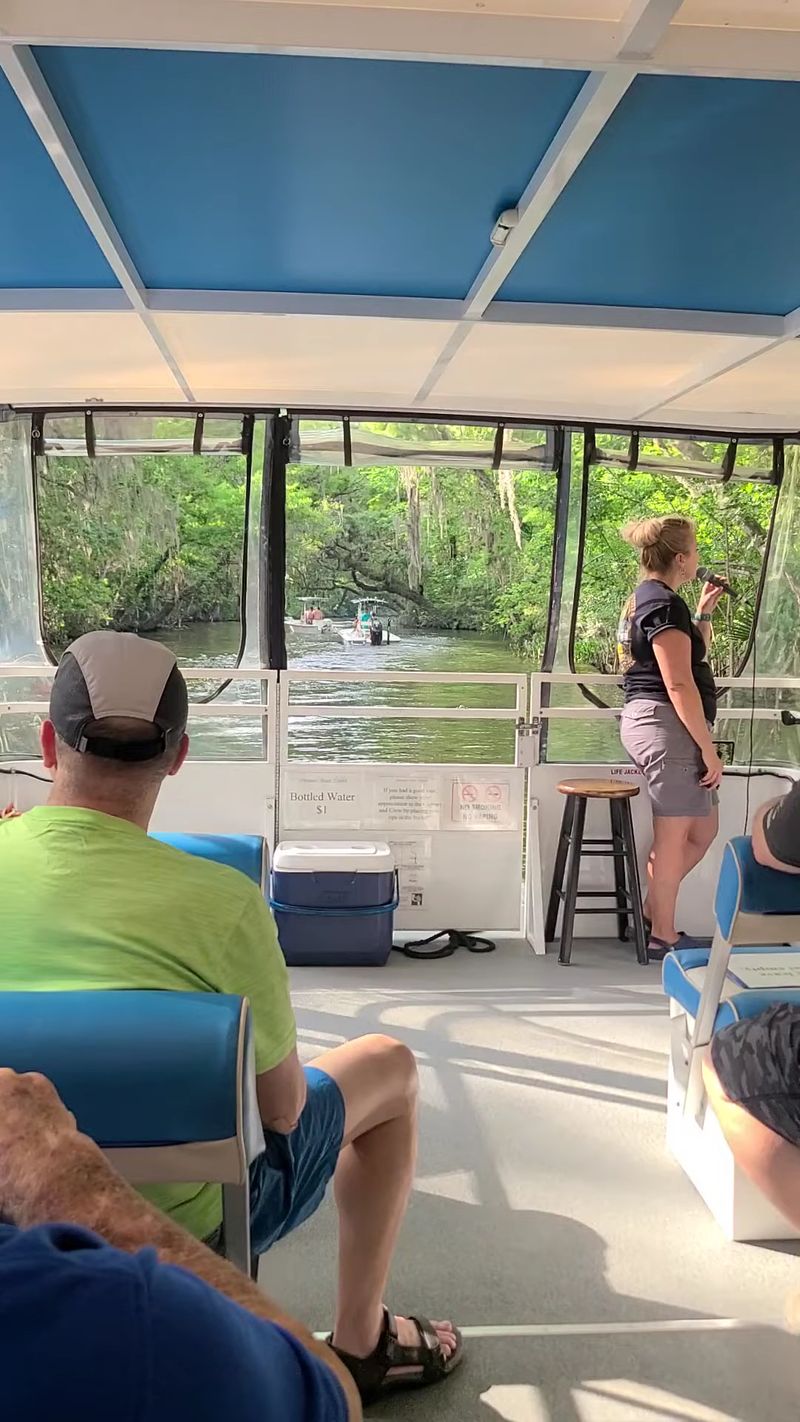
There was a time when you could show up at the dock on a whim and grab a seat on one of the popular pontoon tours that wind through Lake Dora and its connected waterways.
That era is officially over, at least for the summer season.
Tour operators have reported that their boats are now booking out three to five days ahead, which is something that simply did not happen before the town started attracting national media attention.
Lake Dora is genuinely stunning, with its glassy surface reflecting Spanish moss-draped oaks and the occasional osprey diving for a meal, so the appeal is easy to understand.
The lake is part of the Harris Chain of Lakes, one of the most connected freshwater systems in Florida, giving paddlers and boaters an almost endless network to explore.
Reserving your spot online before you even pack your bag is now less of a suggestion and more of a survival strategy for anyone hoping to get on the water.
The Annual Festivals Now Draw Massive Regional Crowds
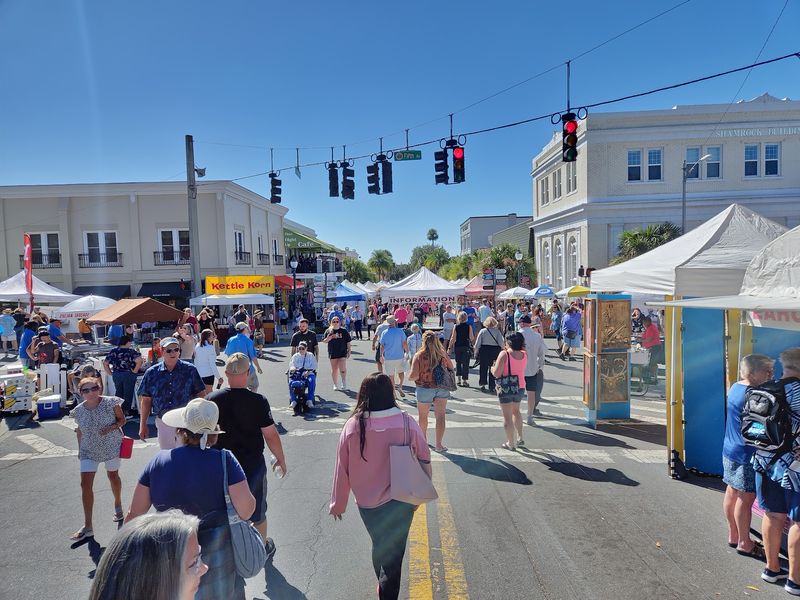
Mount Dora has always worn its festival calendar like a badge of honor, hosting events that range from arts and crafts fairs to the beloved Mount Dora Arts Festival, which typically lands in February and pulls in serious collectors from across the Southeast.
Summer festivals, however, have taken on a new intensity in recent years.
Events that once felt like friendly neighborhood gatherings now resemble small regional fairs, complete with vendor queues, food truck lines that stretch half a block, and parking situations that require a strategy and a little patience.
The town sits at Florida 32757, and the roads leading into the historic core simply were not engineered for festival-level traffic loads.
Residents near the festival grounds have started leaving town for the weekend rather than dealing with the noise and congestion that now comes with every major event.
For visitors, the festivals are still absolutely worth attending, but carpooling or using the shuttle services the town organizes can save a significant amount of frustration.
Antique Shops Are Thriving But Losing Their Relaxed Vibe
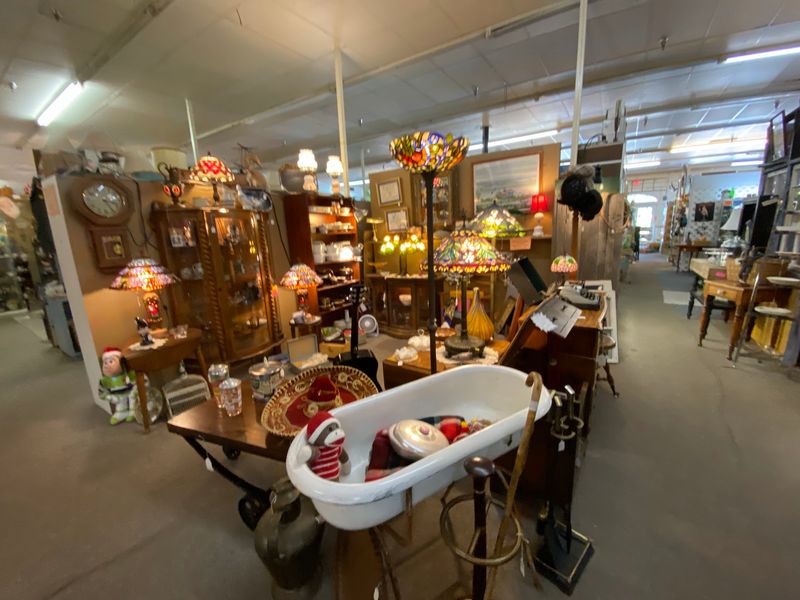
Antique hunting in Mount Dora used to feel like a quiet treasure hunt, where you could spend an hour in a single shop without feeling rushed or jostled.
The town earned its reputation as one of Florida’s top antique destinations fair and square, with dozens of dealers offering everything from mid-century modern furniture to Depression-era glassware and vintage Florida memorabilia.
Summer crowds have changed the atmosphere inside those shops considerably, turning what was once a contemplative browsing experience into something closer to a busy flea market on a hot Saturday.
Dealers say sales are up, but several have mentioned that the relaxed, personalized conversations they used to have with customers are harder to maintain when the shop is packed wall to wall.
Serious collectors who want to negotiate, ask questions, and really study a piece now find weekday visits far more productive than weekend trips.
The quality of the inventory has not changed, but the mood surrounding it certainly has shifted with the season.
Parking Has Become A Genuine Problem For Residents
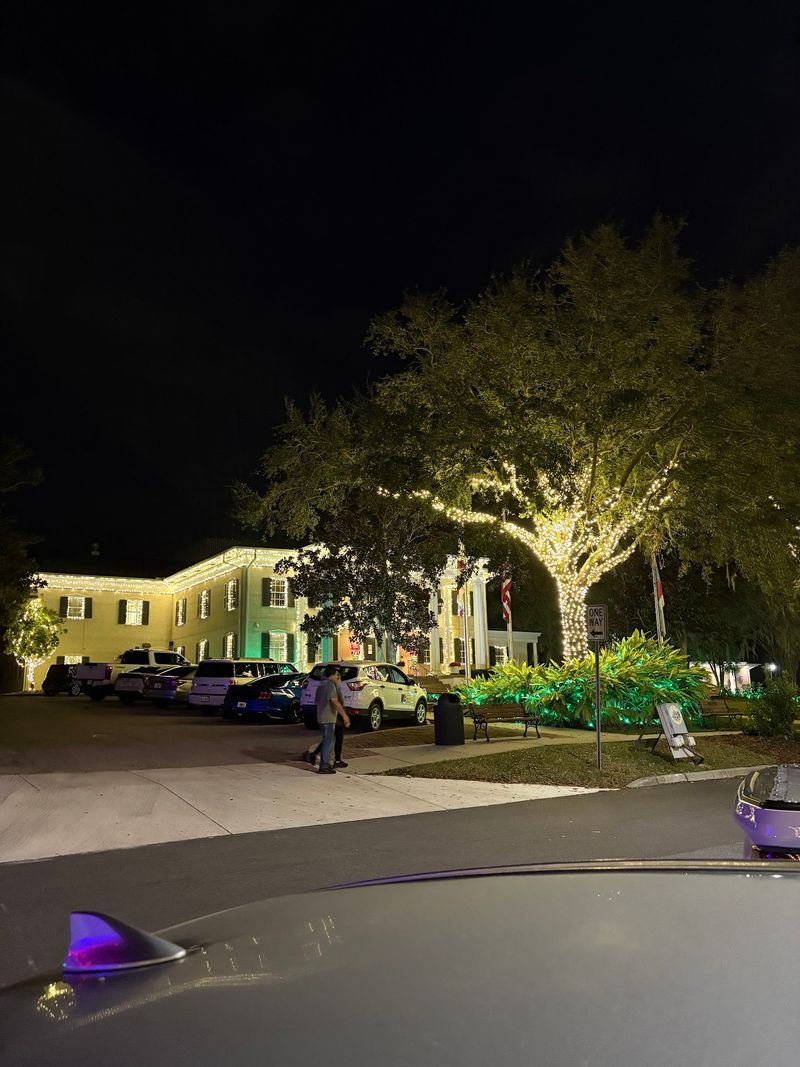
Ask any Mount Dora local what their biggest summer complaint is, and parking will come up within the first thirty seconds of the conversation.
The historic downtown grid was designed for a much smaller population, and the addition of thousands of weekend visitors has pushed the available parking well past its comfortable limit.
Residents who live near the commercial district have reported finding visitors parked in front of their homes for hours, sometimes blocking driveways or taking spots that were previously understood to be neighborhood-use-only areas.
The city has worked to add overflow lots and signage directing visitors to less congested areas, but enforcement and awareness remain inconsistent during peak summer weekends.
Ride-sharing services have become increasingly popular among day-trippers who want to skip the parking headache entirely, and local shuttle programs during festival weekends have helped absorb some of the pressure.
Still, for residents trying to run a simple errand on a Saturday afternoon, the parking situation feels like a problem that is growing faster than the solutions being offered.
Waterfront Restaurants Are Packed From Noon To Close
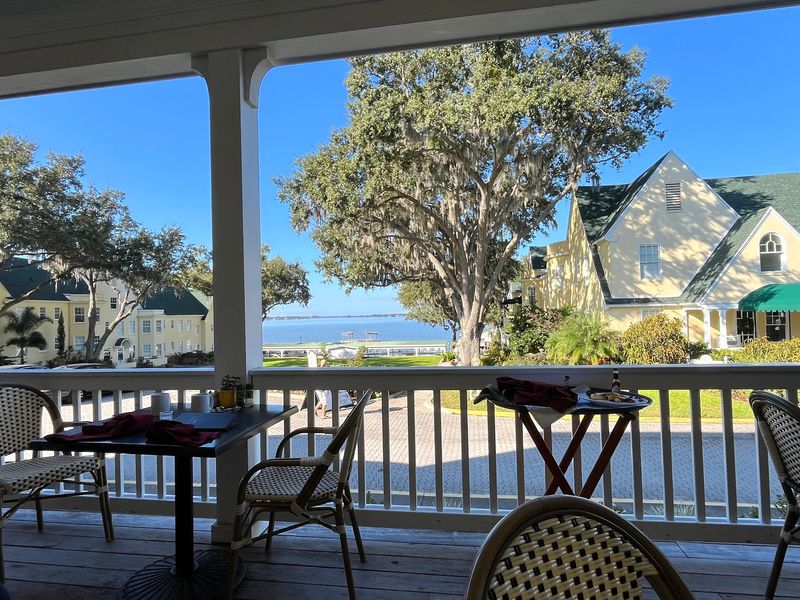
Sitting at a waterfront table in Mount Dora with a view of Lake Dora stretching out before you is the kind of experience that earns a place on your personal highlight reel.
The problem is that roughly ten thousand other people seem to have had the same idea this summer.
Restaurants along the lakefront and in the historic district are reporting wait times that regularly hit the ninety-minute mark on weekend afternoons, a situation that was almost unheard of just a few years ago.
Several popular spots have started accepting reservations more aggressively, which is a shift from the casual walk-in culture that used to define dining in Mount Dora.
The food scene itself has grown alongside the crowds, with newer establishments offering a broader range of cuisines than the town historically provided, from fresh seafood to wood-fired flatbreads and locally sourced farm-to-table menus.
Making a reservation at least two days ahead is now essentially required if you want a lakeside table without spending your entire afternoon in a waiting area.
The Modernism Museum Draws Longer Lines Than Ever Before

Tucked into the heart of downtown, the Modernism Museum has quietly built a reputation as one of the most distinctive small museums in Florida, housing an impressive collection of 20th-century modern furniture and design objects that would look at home in a major metropolitan institution.
Summer visitor counts have surged noticeably, with the museum reporting some of its highest attendance figures on record during recent warm-weather months.
The collection spans iconic designers and movements, offering a surprisingly rich experience for design enthusiasts who might not expect to find this level of curation in a small lake town.
Timed entry tickets have become the norm on busy weekends, replacing the casual drop-in access that regulars once enjoyed without a second thought.
The upside is that the museum has used the increased attention to expand programming, add rotating exhibits, and bring in more educational events for families and school groups visiting during summer break.
Booking your entry window online before your visit is the smartest move anyone can make before heading to this one.
Short-Term Rentals Have Quietly Reshaped Neighborhoods
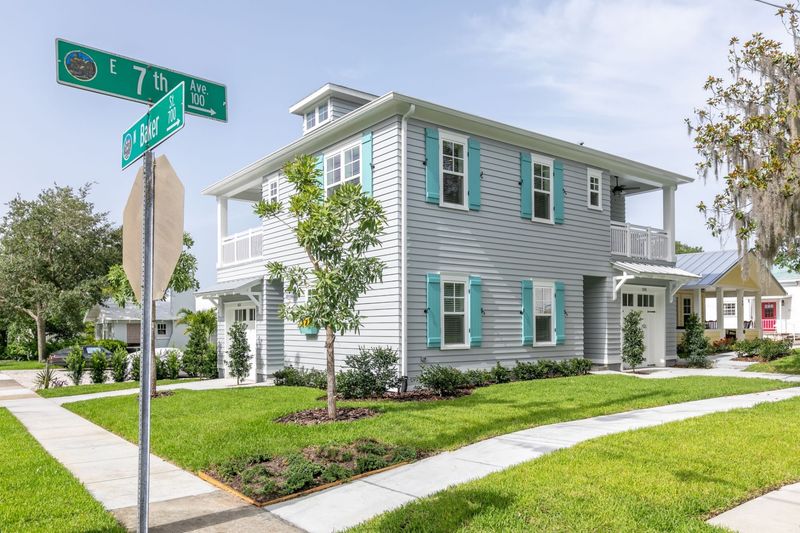
One of the quieter but more significant ways that summer tourism has changed Mount Dora is through the rapid expansion of short-term vacation rentals throughout the town’s residential neighborhoods.
Platforms like Airbnb and Vrbo have made it easy for property owners to convert spare rooms or entire homes into weekend accommodations, and the demand from summer visitors has made that option financially attractive.
For neighbors, the experience has been mixed at best, with a steady rotation of unfamiliar faces, luggage-rolling arrivals at odd hours, and the occasional group that treats a quiet residential street like an extension of the festival grounds.
Housing advocates in the area have raised concerns that the short-term rental boom is removing long-term housing stock from the market, making it harder for working residents to find affordable places to live.
The city has been working on ordinances to better regulate the industry, but the conversation is ongoing and far from settled.
This tension between visitor convenience and neighborhood stability is one of the more complex stories playing out behind Mount Dora’s postcard-perfect surface.
Mount Dora History Museum Sees Spike In Summer Interest
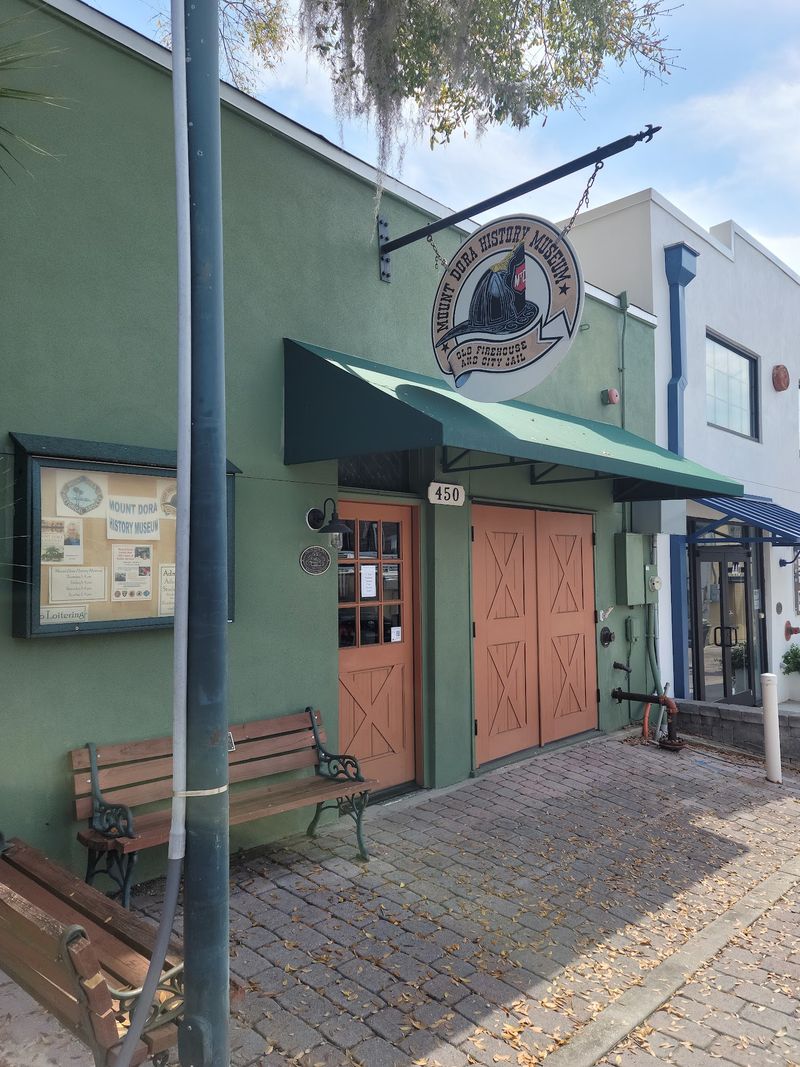
Housed inside a beautifully preserved 1923 fire station, the Mount Dora History Museum is one of those places that tends to surprise first-time visitors who stumble in expecting a dry collection of dusty relics.
What they find instead is a genuinely engaging look at how this small central Florida community grew from a modest lakeside settlement into the culturally rich town it is today.
Summer has brought a noticeable uptick in museum traffic, with families on vacation and curious day-trippers making it a regular stop alongside the antique shops and waterfront restaurants.
The museum staff has responded by expanding their guided tour offerings and creating more interactive displays that appeal to younger visitors who might otherwise glaze over at the sight of old photographs and printed timelines.
The building itself is worth a look, since the original fire station architecture adds a tactile layer of history that no replica could replicate.
Admission is kept affordable, and the museum remains one of the most genuinely rewarding stops in town regardless of the season.
Locals Are Quietly Adjusting Their Routines To Reclaim The Town
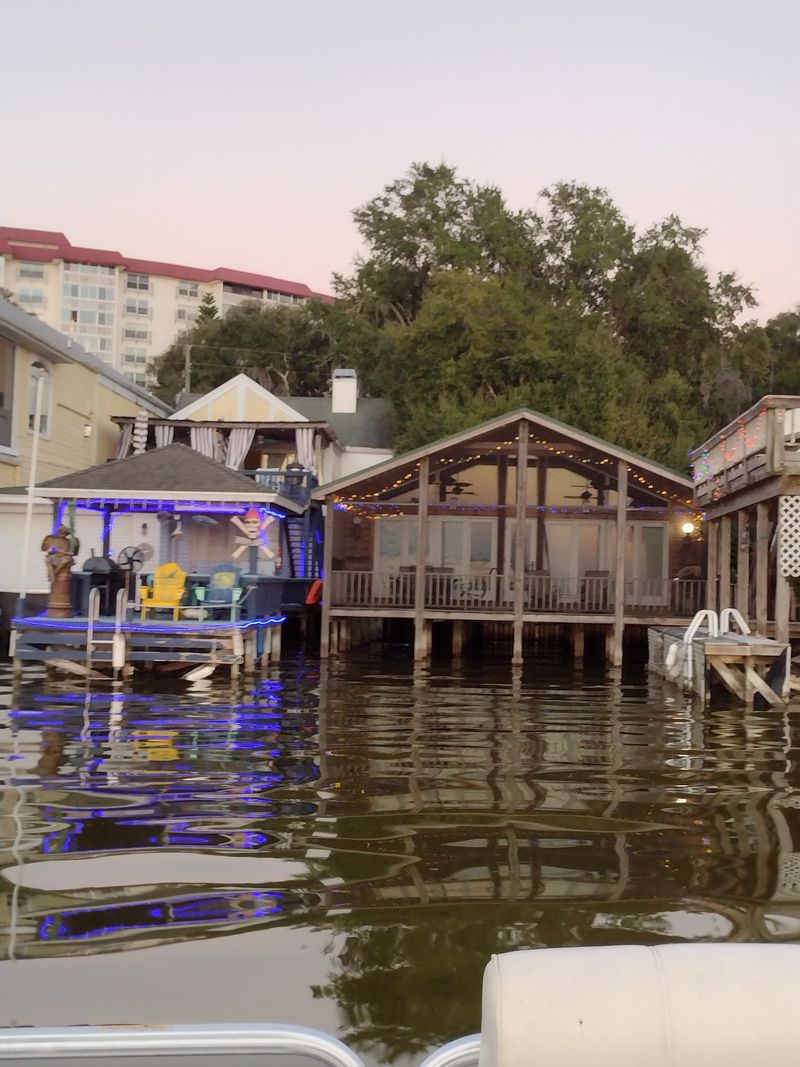
Perhaps the most telling sign that Mount Dora has crossed into a new chapter of its story is how its longtime residents are quietly renegotiating their relationship with the town they have always loved.
Early morning walks that used to happen at any hour now happen before 7 a.m. to beat the arriving crowds.
Favorite coffee shops are visited on Tuesday mornings instead of Saturday afternoons, and grocery runs are planned around the predictable surge of weekend visitors flooding the main roads.
Some locals have embraced the change, enjoying the expanded restaurant scene and the new energy that tourism has brought to the downtown economy.
Others are more ambivalent, mourning the unhurried pace that made Mount Dora feel like a secret worth keeping in the first place.
Community meetings about growth, infrastructure, and tourism management have become more frequent and more spirited, reflecting a town that is actively figuring out what it wants its future to look like.
Whatever direction Mount Dora chooses, the conversation itself is proof that the people who live there still care deeply about getting it right.