
Locals Say This Quiet Maine Lake Town Has Been Overtaken By Summer Crowds
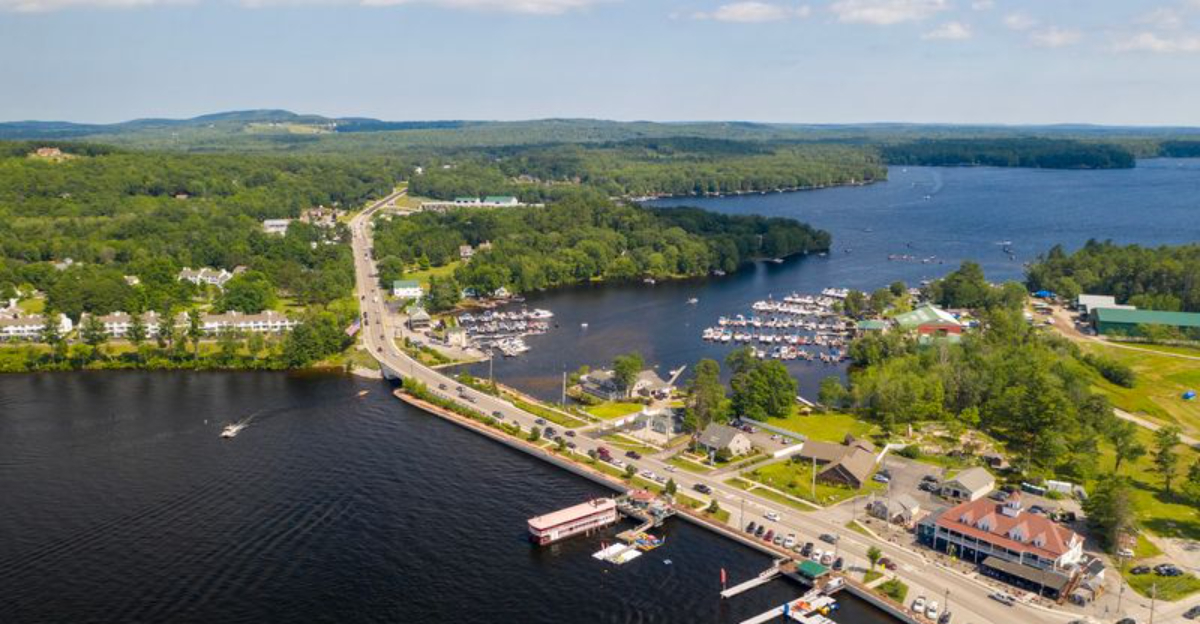
A quiet lake town can feel completely different once summer arrives. For much of the year, this corner of Maine moves at an easy pace, with pine-lined roads, cool water, and calm evenings near the shore.
Locals once had little trouble launching a boat, grabbing groceries, or finding a peaceful spot by the lake. However, that rhythm has changed.
Summer traffic now clogs the causeway, popular beaches fill quickly, and local businesses feel the strain of serving much larger crowds. Tourism still brings important income, but the growing pressure has created a difficult balance.
The lake views remain beautiful, yet the slower lifestyle that once defined the town can be harder to find during the busiest weeks.
Sebago Lake’s Weekend Crowd Surge
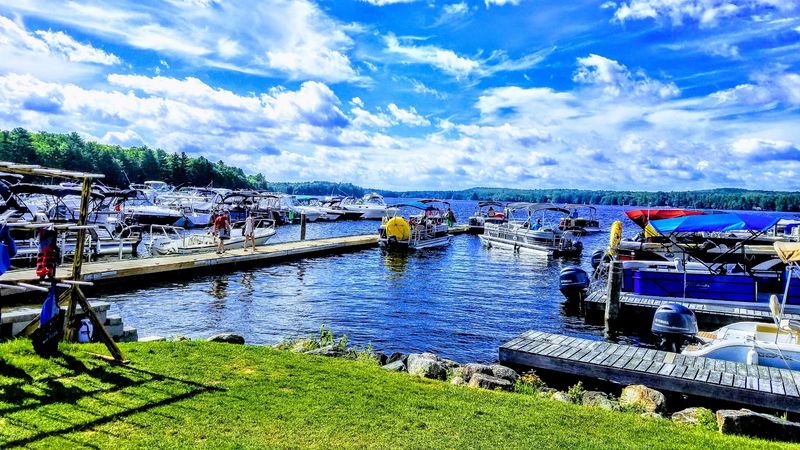
Sebago Lake is the second-largest lake in Maine, covering roughly 30,500 acres of clear, cold water. That sounds enormous until you see it on a July Saturday, when the surface looks more like a parking lot than a peaceful body of water.
Motorboats, pontoon boats, jet skis, kayaks, and paddleboards all compete for space in the same water. Near the causeway in Naples, the congestion gets especially intense, with vessels moving in every direction and swimmers trying to stay out of the way.
The lake’s popularity has exploded in recent years as more people from the Greater Portland area and beyond discovered how close it is to major highways. What once required a bit of effort to reach now feels like an easy weekend trip for thousands of households.
For longtime Naples residents, the change has been jarring. The water they grew up fishing quietly now roars with engine noise from early morning to sunset.
Safety concerns have also increased, with more accidents reported during peak summer months as the number of inexperienced boaters on the lake continues to grow each year.
The Causeway’s Summer Traffic Trap
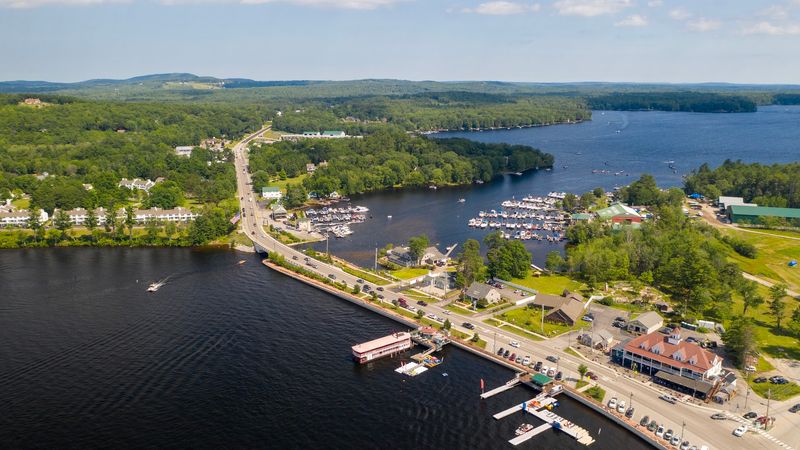
Route 302 runs right through the heart of Naples, crossing a narrow causeway that separates Brandy Pond from Long Lake. On a quiet fall morning, it is one of the most scenic drives in southern Maine.
On a summer weekend, it turns into a slow-moving line of frustration.
The causeway has never been designed for the volume of traffic it now receives. Two lanes of cars, trucks pulling boat trailers, cyclists, and pedestrians all share the same tight stretch of road, and the result is predictable gridlock that can stretch for miles in both directions.
Locals who need to run simple errands have learned to time their trips carefully, avoiding the causeway between late morning and early evening on Fridays, Saturdays, and Sundays. Some say they simply stay home rather than deal with the chaos.
The town has explored options for managing traffic flow, but the physical constraints of the causeway make major improvements difficult and expensive.
For now, patience is the only tool available, and that supply runs thin fast when you are stuck behind a boat trailer for forty-five minutes just trying to reach the grocery store.
Rising Rents Are Reshaping Naples
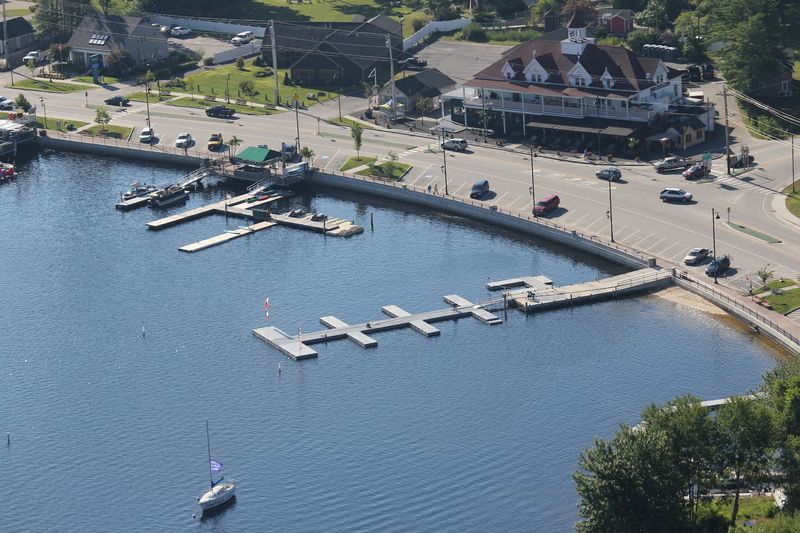
A few years ago, renting a small cottage near Sebago Lake for a week cost a reasonable amount for a middle-class family. Today, those same properties command prices that rival beach rentals in more famous vacation destinations, and the shift has changed who actually lives in Naples.
Short-term rental platforms have transformed dozens of year-round homes into seasonal vacation properties. Landlords who once rented to local workers and families now earn significantly more by flipping their units to weekly tourists, leaving a shrinking pool of affordable housing for people who work in the area.
Teachers, service workers, and small business employees have found it increasingly difficult to find rentals within a reasonable distance of their jobs. Some have been forced to move to surrounding towns, adding long commutes to their already full schedules.
The economic pressure is real and complicated. Property owners are making rational financial decisions, and no one can blame them for responding to market demand.
But the community fabric of Naples frays a little more each season as the people who make the town function year-round find themselves priced out of the very place they serve. It is a quiet crisis that does not make headlines but reshapes the town steadily.
Sebago Lake State Park Fills Up Fast
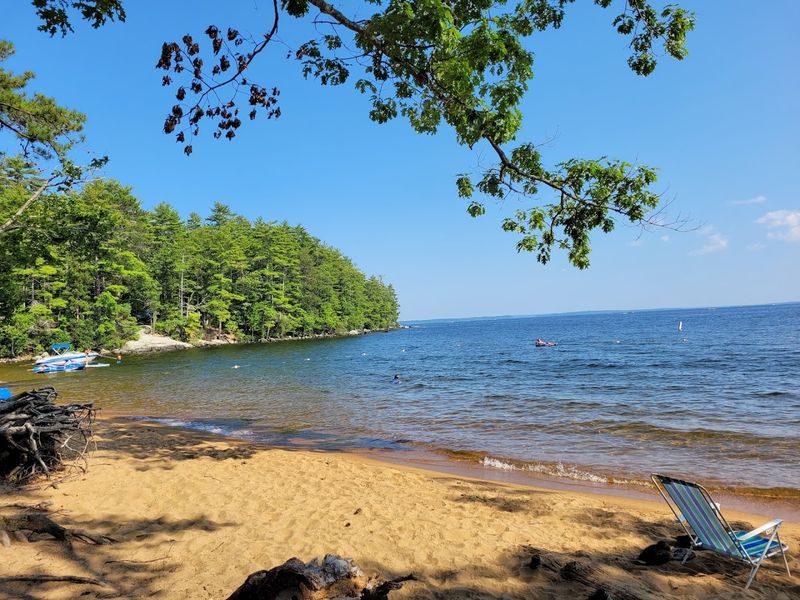
Sebago Lake State Park sits partly within Naples and offers some of the most beautiful freshwater swimming in all of New England. The sandy beach, clear water, and well-maintained facilities make it a top destination for families across the region.
The problem is that everyone seems to know this now.
During peak summer weeks, the park regularly reaches its posted capacity before noon, turning away hundreds of vehicles and leaving disappointed families sitting in hot cars with nowhere to go.
Rangers have reported that capacity closures, which once happened occasionally, now occur almost daily from late June through August.
The state has made some efforts to manage the situation, including encouraging early arrivals and promoting reservations where possible. But the infrastructure of the park was built for a different era of visitor volume, and upgrades have not kept pace with demand.
For Naples residents who remember slipping into the park on a Tuesday afternoon without a second thought, the transformation feels personal. The park is still beautiful, the water still cold and clear, and the pines still tower overhead.
Getting there and finding a spot to spread a towel, though, has become a small logistical challenge that takes some of the spontaneous joy out of it.
Summer Businesses Face A Staffing Squeeze
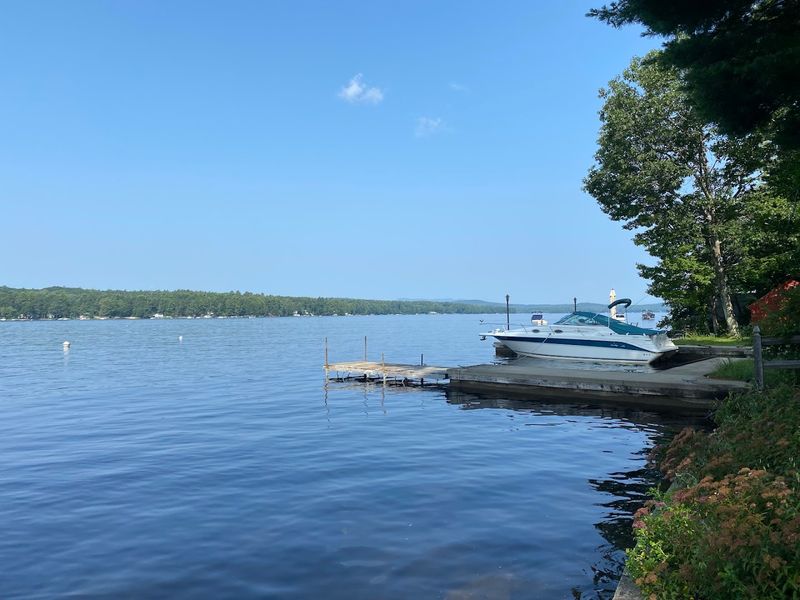
Summer in Naples means packed restaurants, busy marinas, and ice cream shops with lines stretching out the door. All of that activity sounds great for the local economy, and in some ways it is.
But behind the scenes, many business owners are scrambling to find enough workers to handle the rush.
The housing shortage has made it nearly impossible to recruit seasonal employees who need affordable places to stay. Workers who might otherwise take summer jobs in Naples cannot afford the rents near the lake, and commuting from farther towns cuts into wages enough to make the math unappealing.
Some restaurants have responded by cutting hours, reducing their menus, or closing on days they would normally be open. Marina operators have dealt with similar staffing gaps, leading to delays in boat maintenance and rentals that frustrate visitors expecting smooth service.
The irony is sharp. Naples draws more visitors than ever, creating more demand for services, yet the conditions created partly by that popularity make it harder to deliver those services well.
Business owners who have operated in town for decades describe a cycle that feels increasingly difficult to break, where success brings pressure that undermines the very quality that made the town worth visiting in the first place.
A Louder Boating Scene Takes Hold
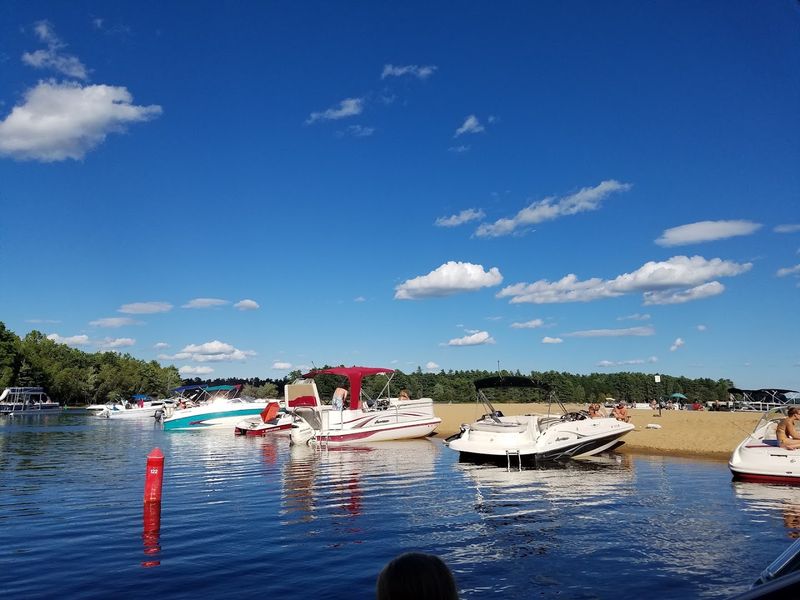
Long Lake connects to Brandy Pond right at the Naples causeway, creating a waterway that has become famous among boating crowds.
The scene along this stretch of water has a festive, social energy that feels quite different from the quiet fishing culture that defined the lake community for generations.
Large pontoon boats and party barges now anchor near the causeway for hours at a time, with groups of visitors treating the water like an outdoor gathering space. The atmosphere is lively and loud, which suits some visitors perfectly but clashes with what longtime residents cherish about the area.
Homeowners whose properties sit along the shore describe a dramatic shift in the soundscape of their neighborhood from late June onward, with engine noise and amplified music carrying across the water well into the evening hours.
It is worth acknowledging that visitors are not doing anything wrong by enjoying a beautiful waterway. The tension comes from scale and concentration.
When dozens of large boats gather in a small area day after day, the cumulative effect reshapes the character of that place in ways that are hard to reverse, and Naples is living that reality right now.
Naples Has A History That Predates The Summer Rush
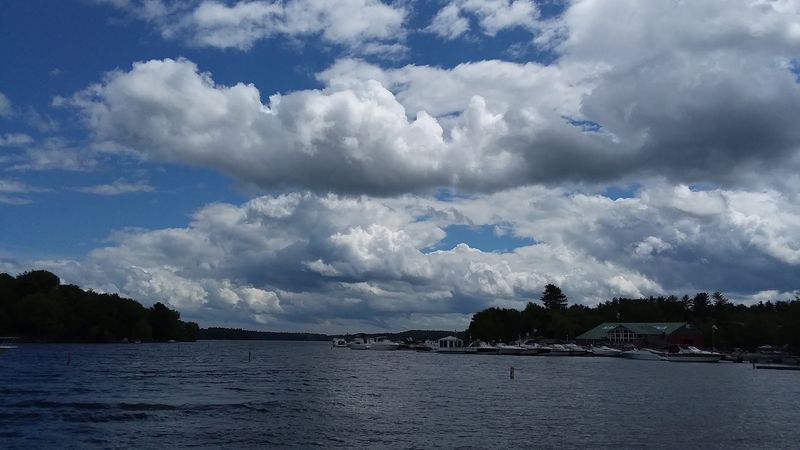
Before the vacation crowds arrived, Naples had a story worth telling. The town was incorporated in 1834, carved out of territory that had been home to the Abenaki people for thousands of years before European settlers arrived in the region.
The area around Sebago Lake was prized for its fishing and its access to water-powered mills. Early settlers built their lives around agriculture, timber, and the natural resources that the lake and surrounding forests provided.
The town grew slowly and steadily through the 19th century, developing the kind of close-knit community character that small New England towns are known for.
The arrival of railroads in the late 1800s began the slow transformation of Naples into a resort destination, as city dwellers from Portland and beyond discovered they could reach the lake in just a few hours.
Summer camps, boarding houses, and cottages began appearing along the shoreline, planting the seeds of the tourism economy that would eventually dominate the town.
Understanding that history adds depth to the current conversation about crowds and change. Naples has been adapting to outside interest for well over a century.
What feels new is the speed and scale of the current wave, which has compressed decades of gradual change into just a few intense summer seasons that the town is still figuring out how to absorb.
How To Visit Naples Without Adding Pressure
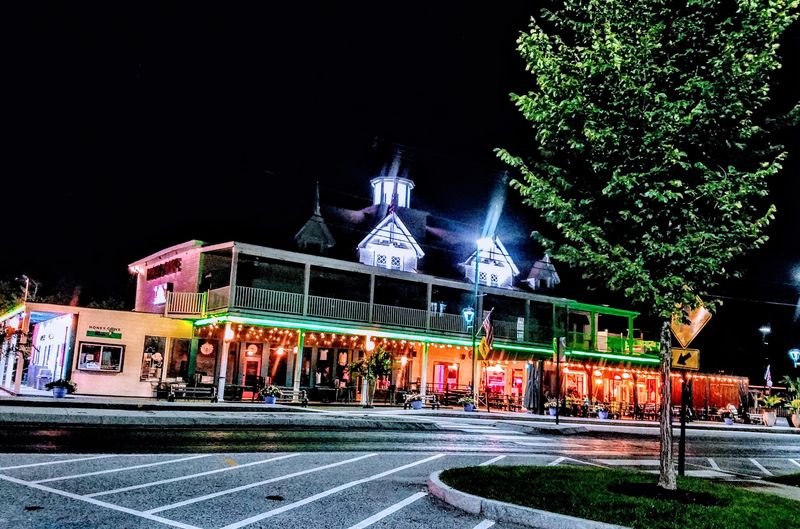
Visiting Naples does not have to mean contributing to the very congestion that is wearing the town thin. A few smart choices can make a real difference, both for your experience and for the community you are passing through.
Timing matters enormously. Arriving on a weekday rather than a weekend instantly changes the feel of the entire trip.
Midweek mornings at the state park are noticeably calmer, parking is available, and the lake has breathing room. The same restaurants that have hour-long waits on Saturday are relaxed and welcoming on a Tuesday.
Exploring beyond the causeway is another way to find the Naples that locals actually love. Trails in and around the state park offer peaceful walks through old-growth forest where you can hear birds instead of boat motors.
Brandy Pond has a quieter character than the main lake, and kayaking there on a calm morning is a genuinely lovely experience.
Supporting locally owned businesses over large chains keeps money circulating in the community that needs it most.
Picking up food from a small market, booking a locally operated boat tour, or simply chatting with a shop owner goes a long way toward making tourism feel like a fair exchange rather than an extraction. Naples has real warmth to offer when you meet it on its own terms.