
10 Louisiana Cajun And Creole Food Phrases You Only Get After Eating Here
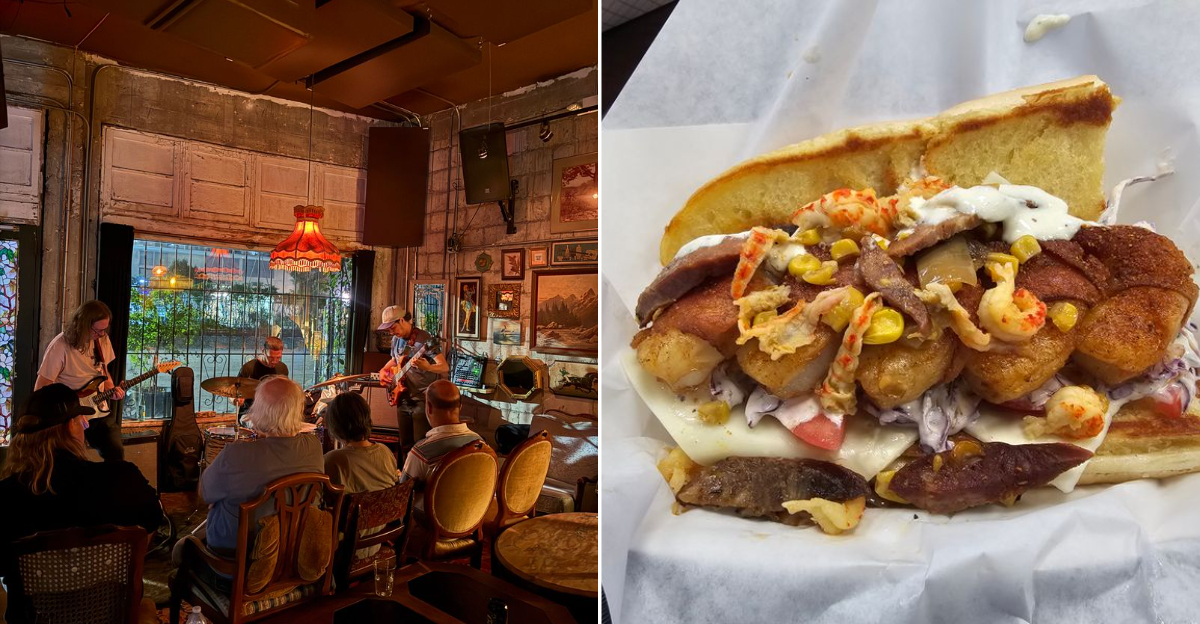
You hear them first as music, little turns of phrase that float across a Louisiana table like lines from an old song, and only after a moment do you realize they are practical directions for eating, delivered with the same confidence someone might use to describe the weather or the day’s catch.
In this state, language and food share the same pot, simmering together until the words themselves begin to shape how a dish should look, feel, and arrive, with locals tossing out instructions the way they might scatter salt over a boiling pot or tap a spoon against the lid to test readiness.
Each expression holds a neighborhood inside it, a porch where elders still argue about roux color, a grocery where boudin links hang behind fogged glass, or a market stall where someone has been peeling shrimp longer than you have been alive.
You only understand the meaning fully once you taste what the phrase protects, once you see how the cadence of speech aligns with the rhythm of the plate.
Walk in hungry, stay curious, listen first, and let these words guide your expectations before your fork even touches the bowl, because here language is part of the recipe.
1. Lagniappe
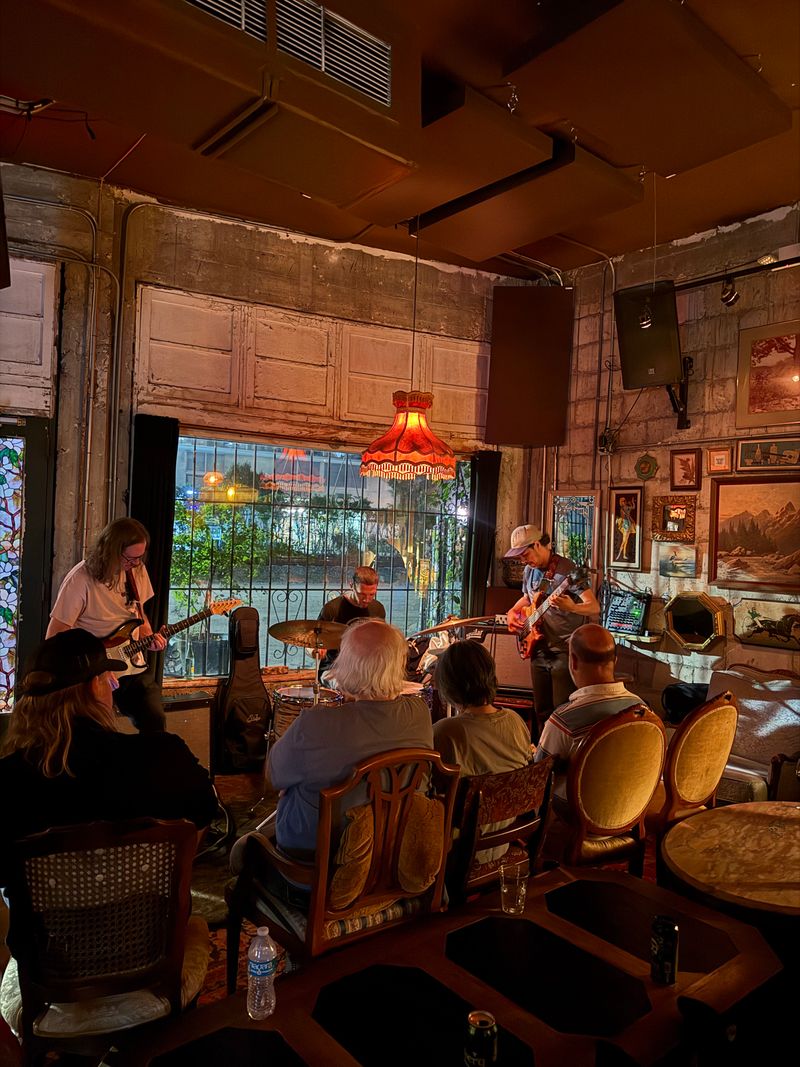
A gesture often arrives before you notice it, something small slipped into your bag or onto your plate that tells you the kitchen sees you and wants your meal to feel complete in a way that cannot be listed on a menu.
The custom of offering a little something extra might show up as a hushpuppy, a spoonful of étouffée on warm rice, or a few fried oysters tucked carefully beside the takeout napkins, each version speaking its own quiet dialect of welcome.
Lagniappe grew from merchant traditions in New Orleans, where building trust meant giving customers a nudge of generosity that encouraged them to return.
Shops and po-boy counters still treat it as an unspoken agreement, a kind of edible punctuation mark that finishes the sentence of your order.
Accepting it politely is enough, because the meaning sits in the gesture rather than the size of the gift.
Checking the bottom of the bag before walking out the door becomes a ritual of its own, since that is often where the surprise hides.
The moment you find it, you understand that lagniappe is less about the food and more about being folded briefly into someone’s local rhythm.
2. Po-Boy Dressed

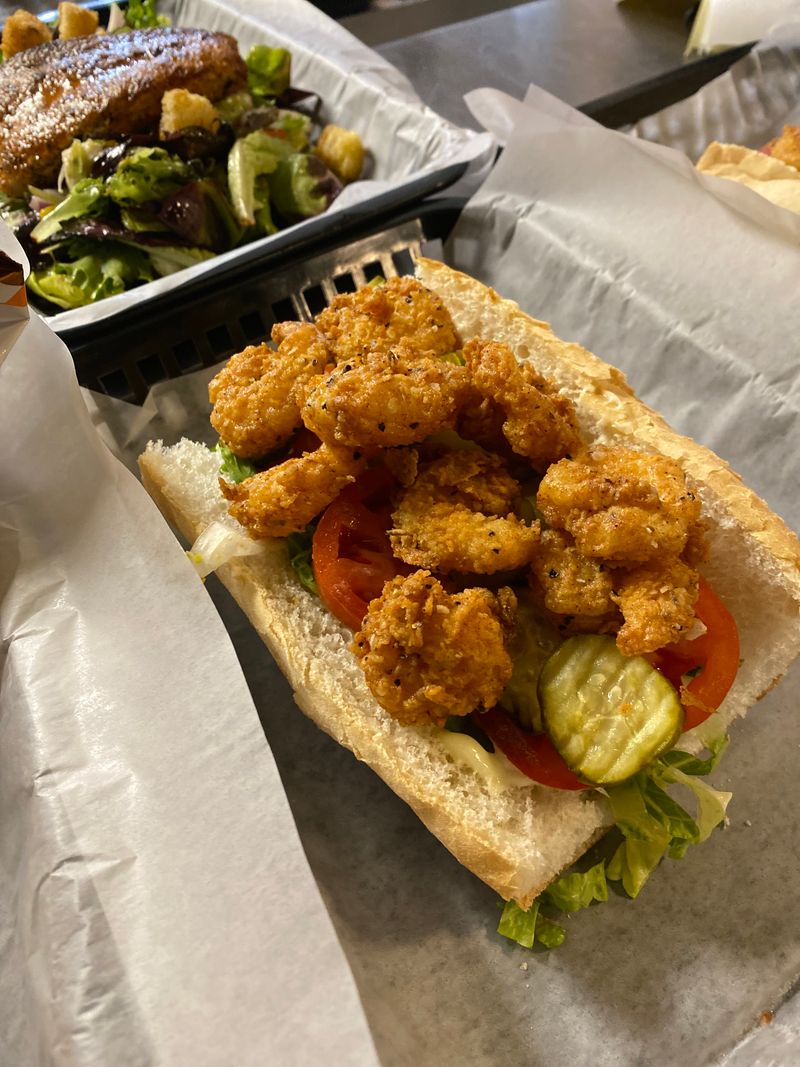
A po-boy becomes something more expressive once you say dressed, because the phrase unlocks a set of expectations that shape the sandwich from simple bread and filling into a balanced stack that crunches, cools, and warms all at once.
In New Orleans, dressed automatically means lettuce, tomato, pickles, and mayo layered across a Leidenheimer loaf whose shattering crust gives the sandwich its unmistakable sound.
Fried shrimp or roast beef land differently against that cool structure, and each bite blends crisp edges with soft crumb in a way that makes the whole thing feel choreographed.
The phrase itself comes from lunch-counter shorthand designed to keep crowds moving quickly during busy workdays and streetcar strikes.
Asking for hot sauce on the side gives you freedom to adjust heat without overwhelming the carefully layered textures.
Extra pickles brighten everything, especially when the loaf squashes slightly under your grip and crumbs fall like confetti onto the paper.
Eating over the wrapper is not just practical but part of the ritual, letting the sandwich make its small, satisfying mess the way it is meant to.
3. The Cajun Holy Trinity
A pan begins to whisper the moment onion, celery, and bell pepper slide into fat, sending up a steam that signals the first step of countless Louisiana dishes long before seasonings or stock join the pot.
This combination, known as the Cajun holy trinity, anchors gumbos, jambalayas, and smothered preparations with an aromatic structure that shifts slowly from sharp to mellow as the vegetables soften.
Unlike French mirepoix, which uses carrots, this trio uses bell pepper, linking the flavor profile to local fields and the distinct brightness the region prefers.
Letting the mixture sweat until glossy is essential, because this is where sweetness emerges and bitterness fades, setting the stage for deeper layers.
Garlic enters later as an unofficial fourth, but only once the vegetables have relaxed enough to welcome it without burning.
New cooks often rush, but those who wait hear a subtle change in the skillet, almost like a switch flipping from raw to savory.
That moment becomes the quiet hinge on which the rest of the dish turns, reminding you that Louisiana cooking respects time as much as heat.
4. Debris On A Po-Boy
Gravy-slick shreds from slow-roasted beef gather at the bottom of the carving board, and when they are scooped back onto a warm loaf they turn an ordinary sandwich into something that eats like memory soaked into bread.
Debris is not waste but the concentrated essence of the roast, the peppery fragments and tender strands that fall naturally during slicing and then get ladled generously until the loaf drinks enough to sag softly in the middle.
Mother’s in New Orleans helped popularize the term, and many shops treat it with the same reverence, offering it as the wetter, richer cousin to a standard roast beef po-boy.
Asking for your po-boy dressed keeps the structure intact, because the cool vegetables offset the molten beef and help the sandwich hold form for at least the first few bites.
Extra debris creates a gloriously messy situation, which is why locals never sit down without a stack of napkins within arm’s reach.
Eating it becomes a controlled surrender, elbows shining as gravy traces down your wrists in ways that feel more celebratory than inconvenient.
The depth of flavor is the reward for patience, since only slow roasting and careful ladling produce that pepper-and-beef intensity.
5. Étouffée
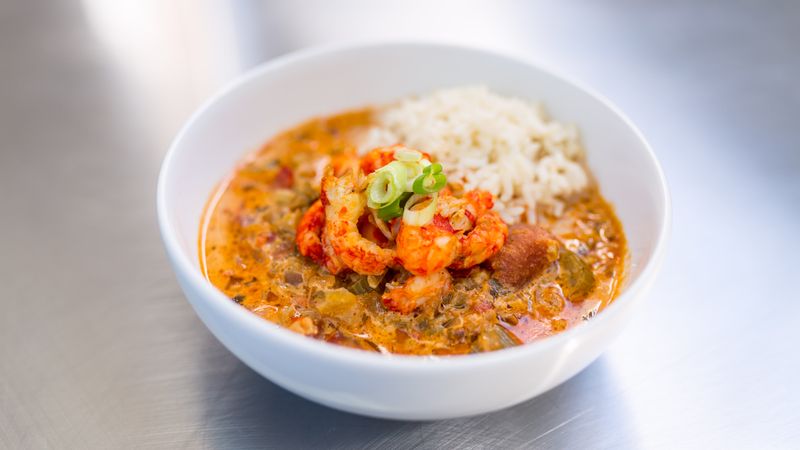
A warm, buttery haze rises the moment the roux meets the trinity, and you can almost feel the sauce thicken before the crawfish or shrimp even hit the pan.
Étouffée, meaning smothered, wraps its seafood in a gently built gravy that balances onion sweetness, shellfish richness, and a subtle blush of tomato depending on whether the cook leans Cajun or Creole.
The simmer must stay low to protect the delicate tails, because even a moment of aggression tightens them and steals the softness that defines the dish.
Family versions diverge over small choices, like how long to cook the roux or whether the stock should carry a hint of shrimp shells, yet all share the same devotion to slow attentiveness.
A squeeze of lemon at the table lifts the heaviness just enough to keep each spoonful lively without diluting the comfort.
Filé on top is optional, though many swear by the herbal note it adds after the pot comes off heat.
Serve it over rice and you will understand how étouffée feels less like a recipe and more like a warm envelope pulled around you.
6. Mudbugs
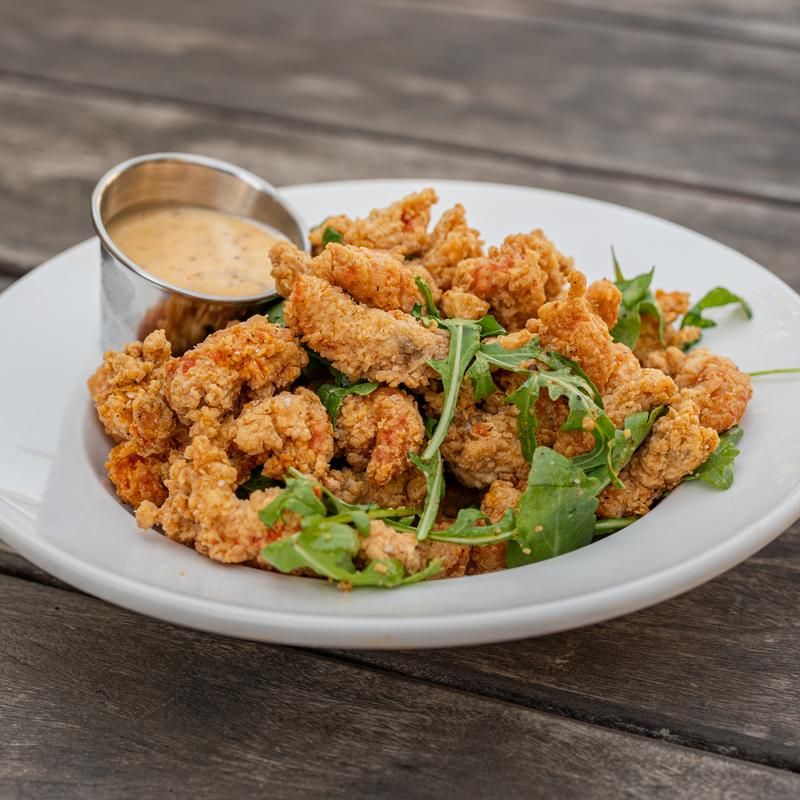
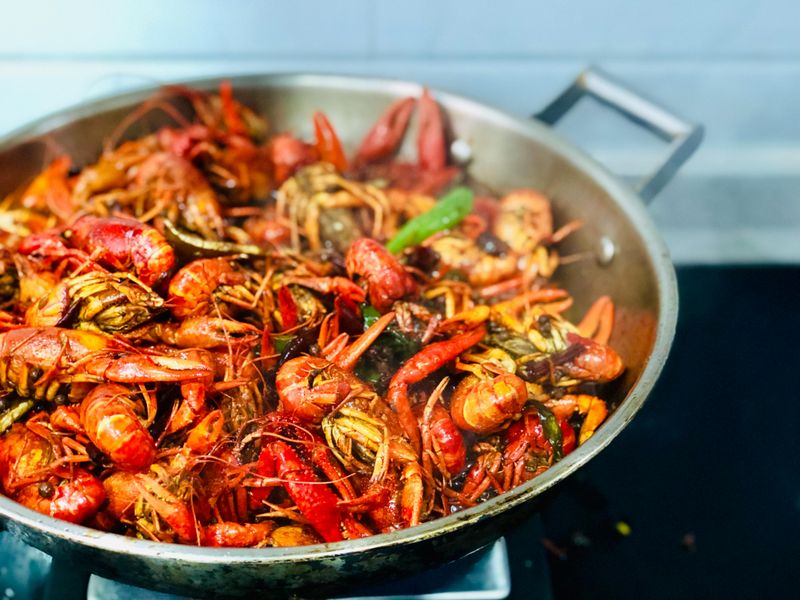
The first whiff of a crawfish boil announces itself with bay leaves, cayenne, and citrus riding steam that seems to climb fences and drift down entire streets.
Mudbugs, the affectionate Louisiana nickname for crawfish, arrive piled high with corn and potatoes, their shells glowing red and their spice levels ranging from friendly warmth to full-tilt fire.
The season peaks in late winter and spring, when rains swell the ponds and the tails grow plump and sweet beneath their armoring shells.
Eating them is both method and rhythm: twist the tail, pinch the shell, and—if you love the deeper flavor—suck the head to capture the seasoned fat.
Vendors with long histories know exactly how to balance the soak, that crucial period where spice seeps into every crevice without overwhelming the natural sweetness.
Visitors often err by over-seasoning home batches, discovering too late that subtlety is what makes the spice bloom.
Newspaper, paper towels, and a disregard for spotless clothing matter more than manners, because a crawfish boil is a communal choreography meant to be enjoyed with messy enthusiasm.
7. Boudin

At roadside meat markets, boudin keeps warm behind glass like a secret you are invited to share. It is a steamed sausage of pork, liver, rice, green onion, and spice stuffed in a casing that is often snapped and squeezed onto crackers. The texture is more jambalaya than bratwurst.
Acadiana towns like Scott and Lafayette treat boudin as a travel snack, with links sold by the pound and drive-through windows doing steady business. Ask whether the casing is meant to be eaten. Many locals squeeze it out instead. I chase mine with cold mustard and a pickle. Keep napkins in the glove box, because boudin is road food royalty.
8. Filé Gumbo

A subtle earthy perfume rises when filé powder meets hot broth, transforming gumbo with a thickening glide and a flavor that hints at sassafras forests and cool ground underfoot.
Filé gumbo differs from okra-thickened versions, relying on this Choctaw contribution to bring body without the strings that sometimes trouble newcomers.
The powder must be added off heat so it stays silky rather than turning gummy, a step that reveals how much Louisiana cooking depends on respecting timing as much as ingredients.
Every pot reflects the cook who stirs it, with decisions about sausage, seafood, or chicken shaping the final aroma and weight of the broth.
Rice steadies the bowl, catching the spices and letting them unfold gradually in each spoonful.
Some diners dust filé on top themselves, controlling the intensity the way others adjust salt or hot sauce.
One quick shake of heat after the filé goes in brightens the woodland notes without muting their depth, creating a bowl that feels both familiar and quietly ceremonial.
9. Grillades And Grits
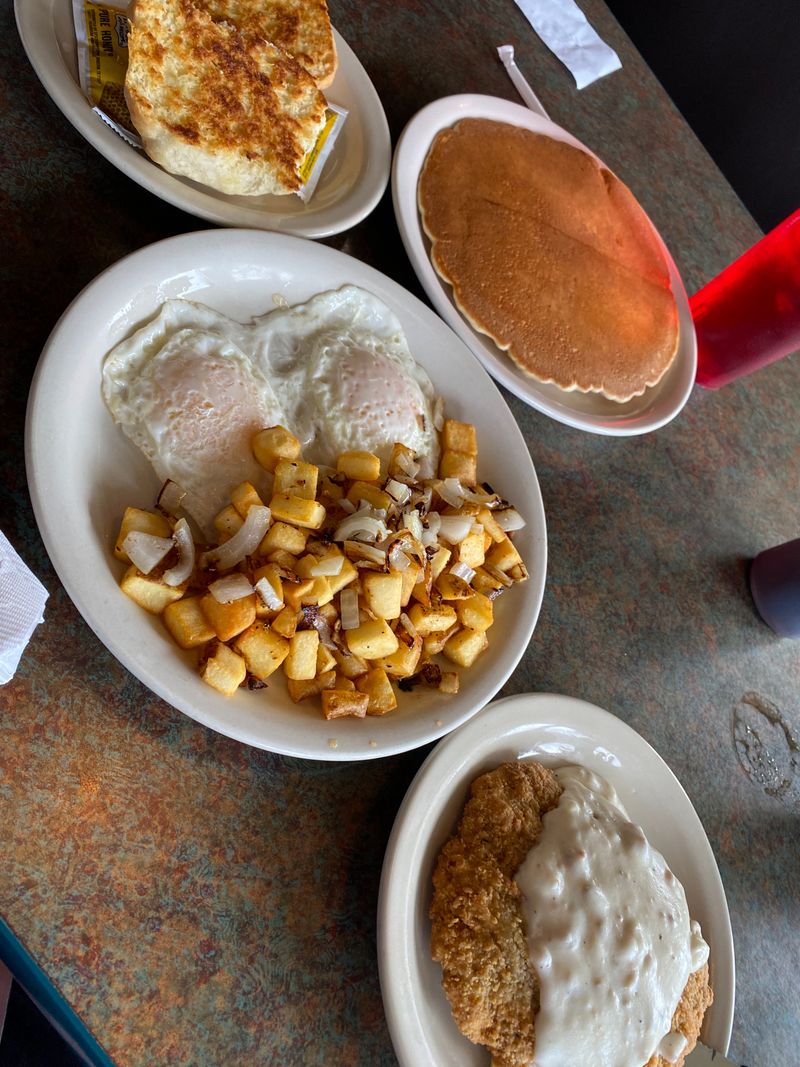
Morning light drifting through New Orleans windows often carries the scent of slow braise, a signal that grillades and grits are easing their way toward the table.
Tender beef or veal medallions sear until browned, then simmer in a tomato-pepper gravy that softens into something rich enough to comfort but lively enough to wake the senses.
Stone-ground grits form the foundation, absorbing the gravy in slow pulses until each spoonful becomes a steady, warming cadence.
The dish has Creole roots and migrated naturally into brunch culture, where long lines prove how strongly people cling to the ritual of weekend plates that restore rather than rush.
Getting the texture right requires patience, particularly in seasoning the grits’ cooking water so they emerge creamy rather than pale or timid.
A poached egg on top is not required, yet many find that its gentle spill turns the entire bowl into a smoother conversation between sauce and grain.
By the time you finish, grillades and grits often feel less like breakfast and more like a reset button for whatever came the night before.
10. Crawfish Boil
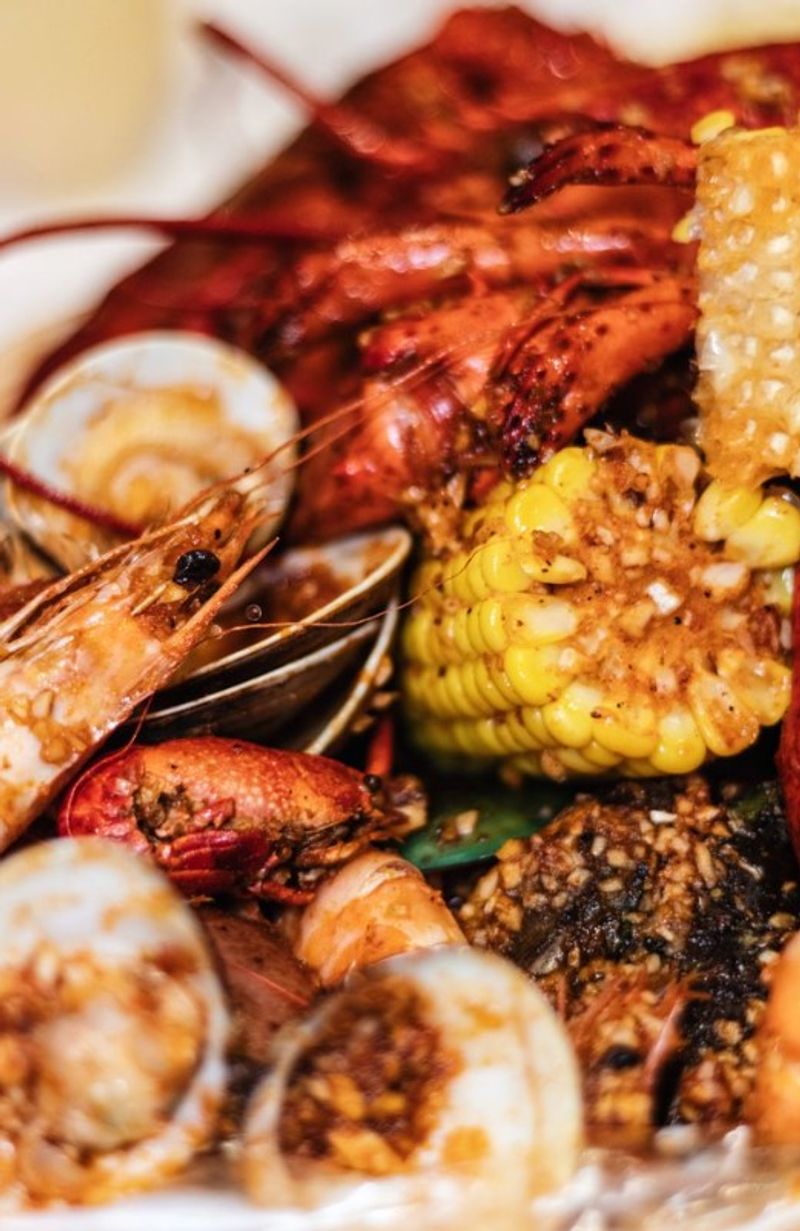
A crawfish boil begins long before the first shell hits the table, because the sound of burners roaring under tall pots and the rising steam scented with cayenne, lemon, garlic, and bay create a kind of neighborhood signal that invites anyone within range to follow the smell.
The process is both choreography and chemistry, starting with the purge, moving into a fierce rolling boil, and finishing with the crucial soak where the crawfish absorb seasoning until tails and claws taste bright, spicy, and deeply seasoned without losing their natural sweetness.
Different parishes guard their preferred blends, tweaking salt, citrus, pepper, and heat depending on weather, tradition, and whoever is acting as boil boss that day.
Paper-covered tables turn into communal landscapes where corn, potatoes, and links of sausage share space with mounded red shells, each item carrying its own timeline of flavor as it cools.
Newcomers learn quickly that rhythm matters, peeling in steady pace so the spice bloom never outruns their tolerance or dulls the small nuances that separate one batch from another.
Trusting the person in charge of seasoning is essential, because overcorrection at home often leads to overly aggressive salt or heat that flattens the complexity.
By the time fingertips tingle and conversation loosens, you realize a crawfish boil is less about the technique and more about the shared experience of leaning together over the table while the steam rises like a second sky.