
11 Louisiana Destinations Where January Brings Pleasant Weather And Plenty Of Southern Charm
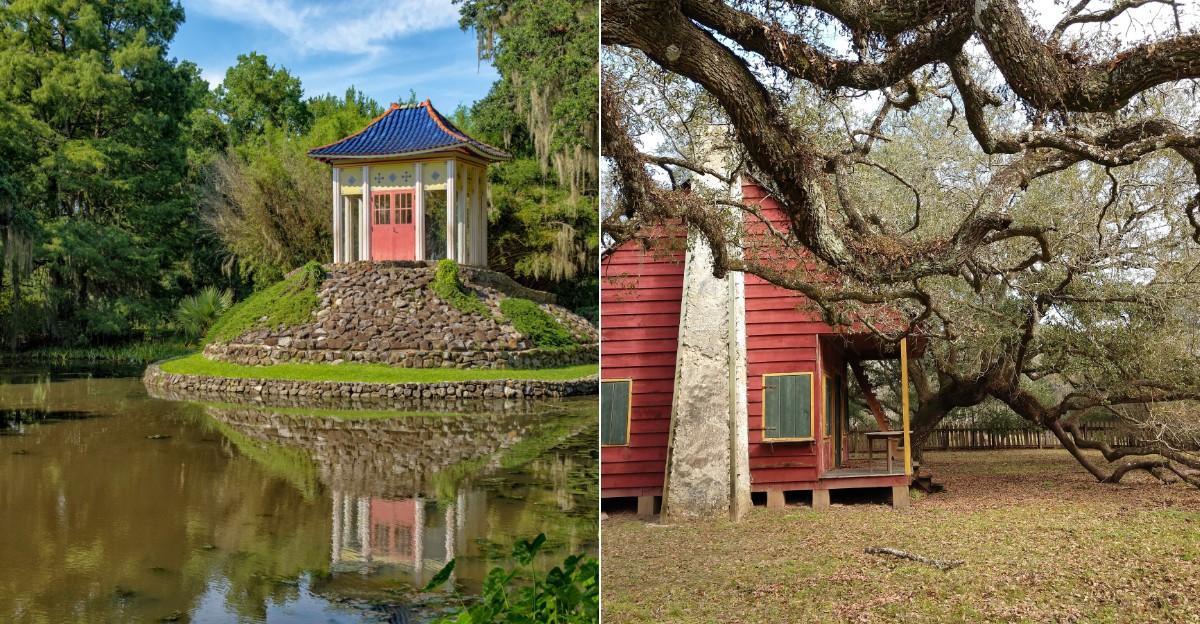
Can you imagine stumbling upon a Buddha statue in the middle of Louisiana? Or wandering through a garden where peacocks casually steal the spotlight?
This state has a few surprises that don’t exactly fit the picture most people have in mind. And that’s part of the fun.
January brings a welcome break from the sticky Southern heat. It’s the kind of weather that makes exploring feel less like a workout and more like a proper little adventure.
I wouldn’t mind trading heavy winter coats for moss-covered oaks and a sunny afternoon.
From mysterious old landmarks to charming little corners and beautiful gardens, Louisiana has plenty of ways to surprise you. So, ready to see a different side of the Pelican State?
1. Houmas House Estate and Gardens, Darrow, LA
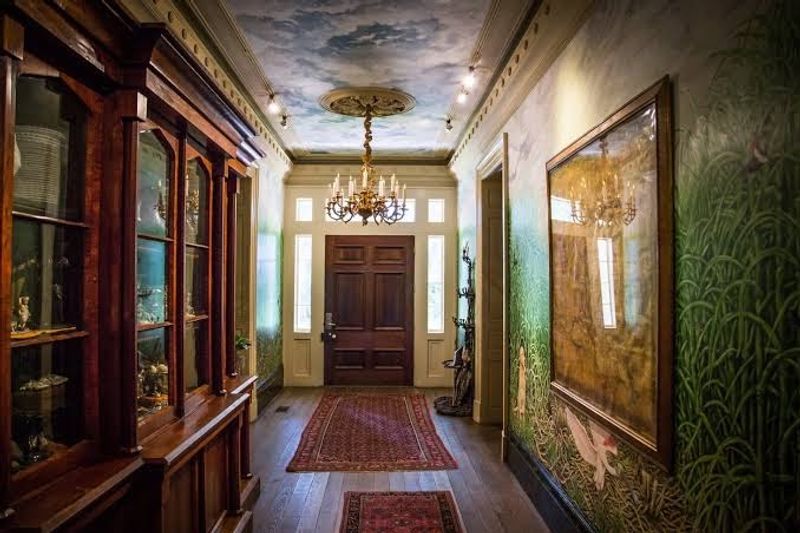
Some mansions keep bankers’ hours, but this circa-1840 beauty welcomes visitors throughout the day.
Houmas House is open from 9 AM to 7 PM, with the final mansion tour beginning at 7 PM. That gives you time to explore the gardens, tour the historic home, and enjoy a leisurely meal.
The house is a Greek Revival showpiece along the river road near Darrow. Its tall columns and wide grounds look like they were made for a slow January afternoon.
You can tour the home and its museum, which is the easiest way to soak up the history. Guides here know their stuff, so bring your questions and your curiosity.
Then head outside, because the landscape steals the show. The gardens are well kept, and January’s mild air means you can wander without a sweat towel.
Hungry? The estate has elegant restaurants plus a cafe, including a buffet option.
Nobody should explore a plantation estate on an empty stomach.
Planning a longer stay is easy too. Houmas House offers lodging, so you can wake up on the grounds instead of racing back to a hotel.
Families are welcome, and kids tend to do well here. There’s also a gift shop for a souvenir that isn’t a refrigerator magnet, unless you want one.
Live performances pop up as well, which adds a fun layer to a visit. Sundays draw the biggest crowds, so a weekday trip may feel more relaxed.
Free parking makes the whole outing simple. Honestly, the hardest part might be leaving before closing time.
Address: 40136 LA-942, Darrow, LA 70725
2. Fort St. Jean Baptiste State Historic Site, Natchitoches, LA
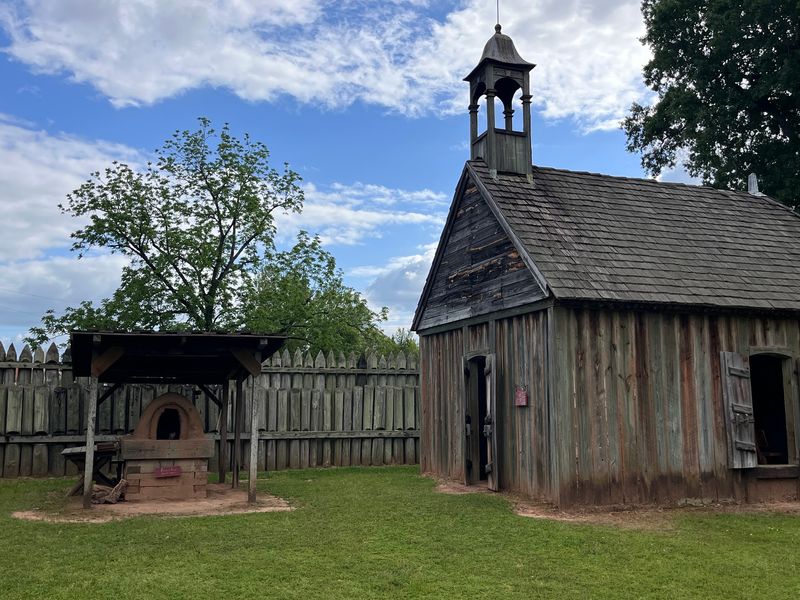
French colonists built a fort here in 1716, and Louisiana rebuilt it so you can poke around. Wooden walls, old-world buildings, and a lot of stories are waiting.
Natchitoches is the oldest permanent European settlement in the Louisiana Purchase territory. This replica fort helps that big claim feel real and walkable.
Your visit starts at the visitor center, where historical displays set the scene. Then it’s a short hike out to the fort itself, which is perfect in cool January weather.
Staff members lead tours and share what daily life looked like in the 18th century. They’re friendly and knowledgeable, so even history skeptics might get hooked.
Reenactments take place here too, which brings the colonial era to life. Watching history move around beats reading a plaque any day.
The exhibits go into detail about the fort and why it mattered. You’ll leave knowing more than you expected, without feeling like you sat through a lecture.
Kids usually love exploring a real-looking fort. It’s a great way to sneak a history lesson into a family road trip.
Timing matters, since the site is closed Mondays and Tuesdays. Wednesday through Sunday, the gates open from 9 AM to 5 PM.
There’s no restaurant on site, so plan a meal in town afterward. Downtown Natchitoches and its Cane River views are close by.
Address: 155 Jefferson St, Natchitoches, LA 71457
3. Poverty Point World Heritage Site, Pioneer, LA
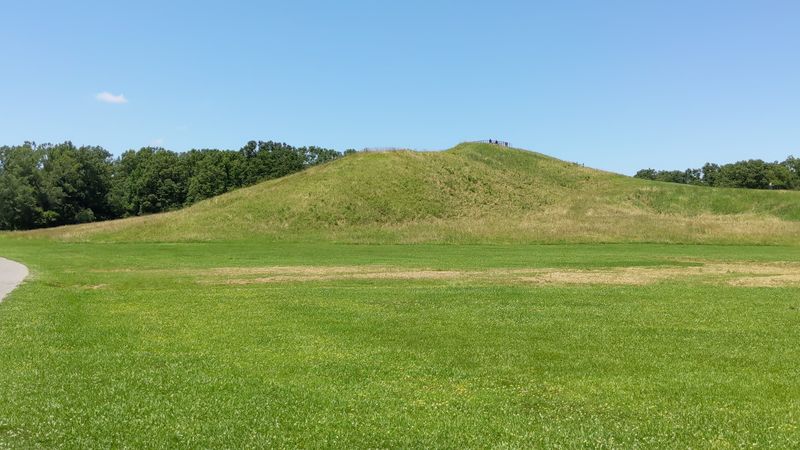
People moved around 50 million cubic feet of dirt here, basket by basket. Let that sink in the next time carrying groceries feels like a workout.
Poverty Point is a UNESCO World Heritage Site in northeast Louisiana. Its history stretches back more than 3,000 years, to a thriving Native American trade hub.
The star is a towering mound that rises from the landscape. Surrounding earthworks and ruins show how big this ancient community really was.
You can explore the outdoor mounds on foot, and January is a smart time to do it. Cooler air makes the open grounds much more comfortable than in summer.
Prefer to ride? Hop on the tram for a guided loop with rangers who know the site well.
They make the facts fun and easy to follow.
There are also artifacts to see, which helps you picture the people behind the dirt. Seeing what they made feels oddly personal.
Kids tend to enjoy the wide open space and the wow factor of the mound. It’s basically a giant outdoor classroom with no desks.
Hours run daily from 9 AM to 5 PM. Saturdays and Sunday afternoons get busier, while early weekday mornings are quieter.
Parking is free and right on site. Bring comfy shoes, because you’ll want to see as much as you can.
Address: 6859 LA-577, Pioneer, LA 71266
4. Longfellow-Evangeline State Historic Site, St Martinville, LA
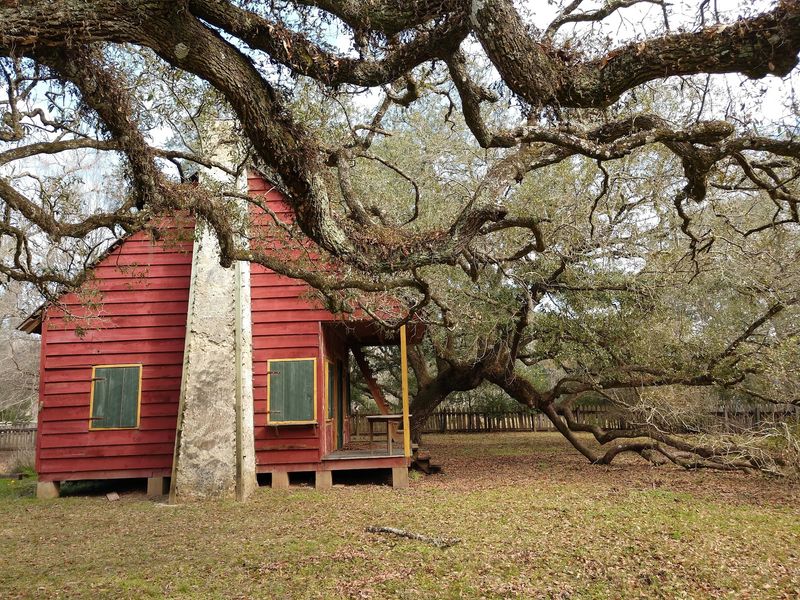
A famous poem gave this park its name, but the real draw is Cajun and Creole history. Think of it as a friendly crash course in Acadiana.
The centerpiece is a restored plantation house dating to around 1815. Nearby, a rustic Cajun cabin shows a simpler side of life in early Louisiana.
Guided tours walk you through the home and outbuildings. The guides are engaging and bring plenty of local knowledge to the conversation.
Inside the museum, exhibits are laid out clearly and look great. You can learn the basics fast, then dig deeper into whatever grabs you.
Got kids along? The site keeps old-fashioned toys they can actually play with.
That’s a rare treat at a historic home, where most things say hands off.
Winter is a lovely time to visit, with mild days that suit a stroll between buildings. The grounds feel peaceful without the summer swelter.
Getting here is easy, and the site opens daily from 9 AM to 5 PM. That makes it a simple add-on to a day in St. Martinville.
There’s no restaurant, so plan lunch elsewhere in town. Restrooms are available on site.
If you’re new to Cajun history, start here. You’ll understand the rest of the region a whole lot better.
Address: 1200 N Main St, St Martinville, LA 70582
5. Jean Lafitte National Historical Park and Preserve
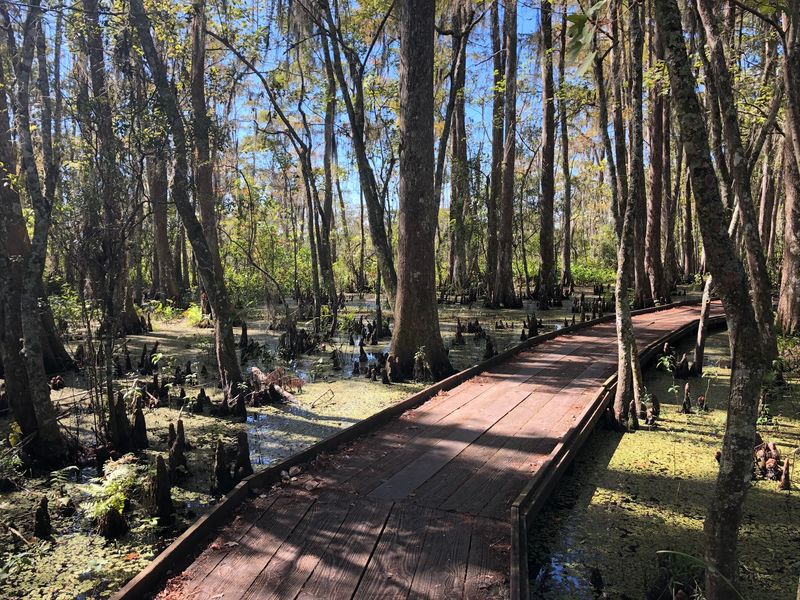
Alligators, turtles, deer, and snakes inhabit the wetlands of Jean Lafitte National Historical Park and Preserve. Near Marrero, the Barataria Preserve protects an extensive landscape of swamps, marshes, forests, and bayous.
January’s cooler temperatures make outdoor exploration appealing, but visitors should plan around ongoing construction. Since February 2026, the preserve’s visitor center and most trails have been temporarily closed for major improvements.
The Twin Canals Trail, parking area, and canoe launch remain accessible for daytime visits. There are no restroom facilities at this location.
For additional wildlife experiences, ranger-led walks are offered at the Wetland Trace in the nearby town of Jean Lafitte on Wednesdays and Thursdays, subject to availability.
Alligators and other wildlife should be observed from a safe distance. Never approach, feed, or attempt to handle wild animals.
Before visiting, check the National Park Service website for current trail closures, visitor services, and program schedules.
Address: Marrero, LA 70072
6. Cane River Creole National Historical Park, Natchez, LA
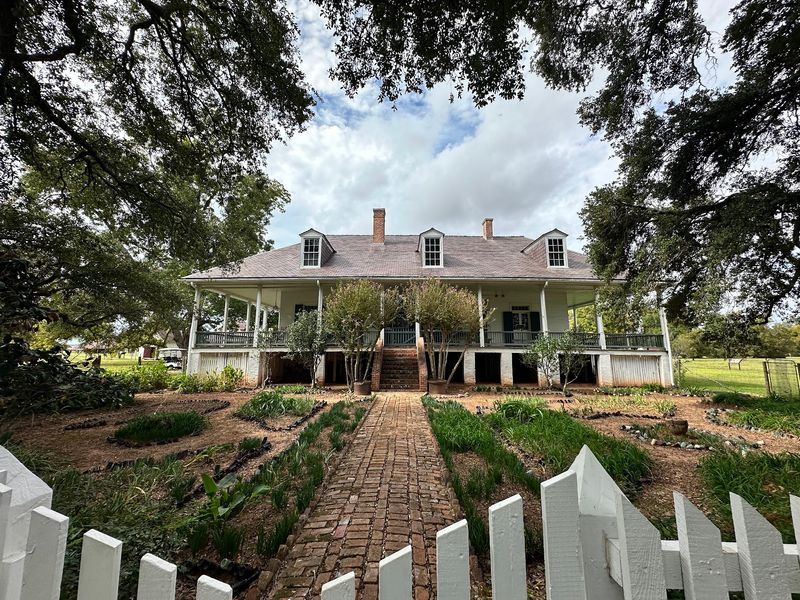
History doesn’t always need a velvet rope. At this national park, you can wander at your own pace through real Creole plantation buildings.
Cane River Creole National Historical Park preserves Creole plantation life in northwest Louisiana. Restored structures and exhibits help tell that story clearly.
The self-guided walking tour is the main way to explore. You’ll pass a main house, a store, and other buildings, some dating to the early 1900s.
Rangers also lead tours, which add context you might miss on your own. Staff members are friendly and happy to help you get oriented.
The site covers around 60 acres tied to Creole culture going back roughly 200 years. The buildings are well preserved, and the setting along the Cane River is lovely.
January makes outdoor strolling here pleasant. You can take your time without hunting for shade every few minutes.
A visit can be quick or slow, depending on your mood. Either way, it’s a solid history lesson without a single pop quiz.
Plan around the schedule, since it’s closed Mondays and Tuesdays. Wednesday through Sunday, it’s open from 9 AM to 3:30 PM.
Parking is free and on site, and donations are accepted. Pair it with a trip to nearby Natchitoches for a full day.
Address: 4386 LA-494, Natchez, LA 71456
7. Laura Plantation: Louisiana’s Créole Heritage Site, Vacherie, LA
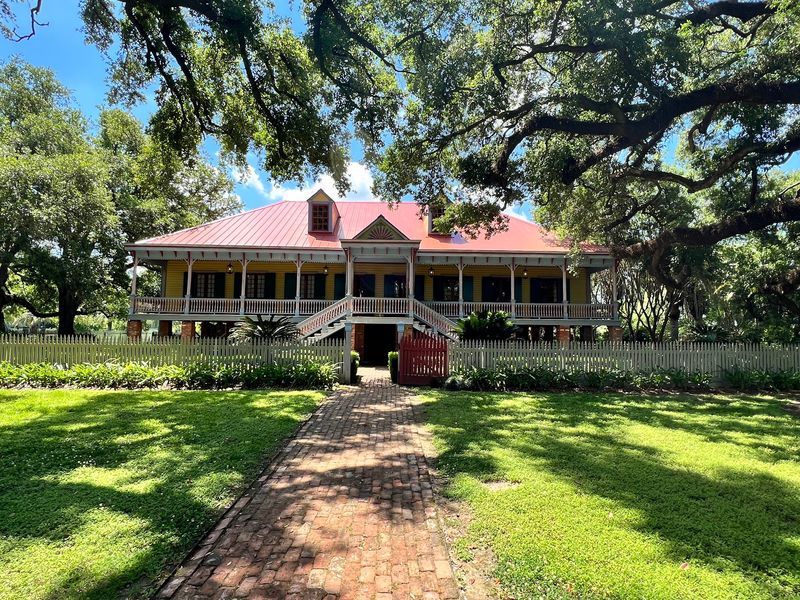
Forget plain white columns. The main house here was built in 1805 in the raised Creole style, and its exterior is brightly painted.
Laura Plantation was a sugarcane operation run by a Creole family across four generations. It’s named for Laura Locoul Gore, who inherited the property and sold it in 1891.
Guided tours cover the big house, the grounds, and a slave cabin. The stories draw from Laura’s memoirs and archival records, which gives the tour real depth.
The site doesn’t shy away from slavery. A permanent exhibit details the lives of enslaved Africans, making this visit honest as well as beautiful.
Guides here are well educated and focus heavily on the family who owned the plantation. Their storytelling makes centuries-old names feel like neighbors.
Outside, the landscape is calm and well preserved. January is a nice month to take it in without wilting.
The grounds include gardens, and a cafe plus gift shop are on hand. French tours are offered as well, a fun nod to the family’s roots.
Tickets in advance are a smart move. Tour hours vary by day, so check before you drive out.
Parking is free, and kids are welcome. Leave room in your day, because the conversations tend to linger.
Address: 2247 LA-18, Vacherie, LA 70090
8. Rosedown Plantation State Historic Site, St Francisville, LA
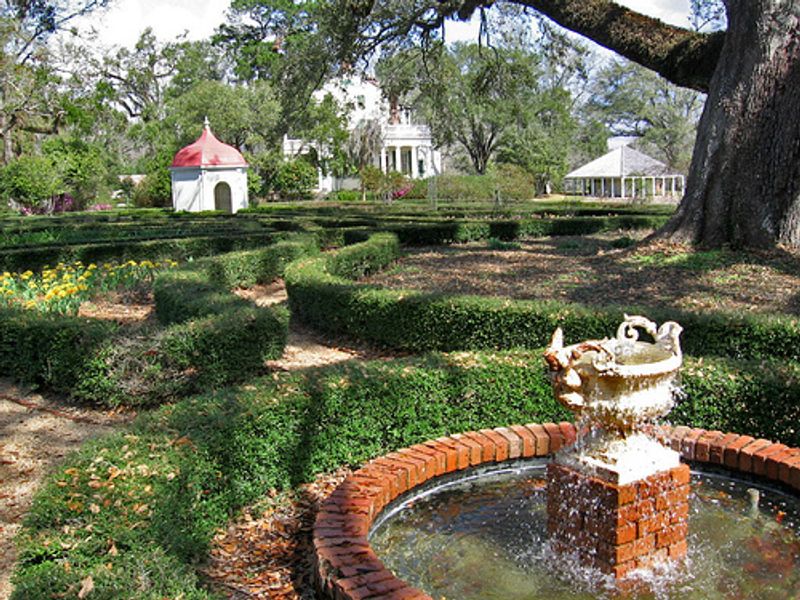
Most historic homes fill rooms with lookalike antiques. Rosedown keeps roughly 90 percent of its original furnishings, which is a jaw-dropper for history buffs.
This 19th-century cotton plantation sits near St. Francisville in Louisiana’s rolling hill country. It’s run as a state historic site with guided tours.
The gardens are the other headliner. They’re formal and elaborate, inspired by European designs, and kept in immaculate shape.
January is a sweet time for a garden walk here. Cool, mild weather lets you linger along the paths instead of rushing indoors.
Inside, the house is well preserved and filled with historic furnishings. Tours explore the plantation’s history, including the lives of its wealthy owners and the enslaved people whose labor sustained its cotton production.
State park staff are friendly and know the property well. They make it easy to ask questions and get real answers.
There’s a small theater on site, too, plus a gift shop. Kids are welcome, and they can burn energy on the grounds afterward.
Hours are simple, with the site open daily from 9 AM to 5 PM. That makes it easy to slot into a weekend trip.
No restaurant here, so grab a meal in town. Parking is free, which leaves more budget for a treat later.
Address: 12501 LA-10, St Francisville, LA 70775
9. Destrehan Plantation, Destrehan, LA
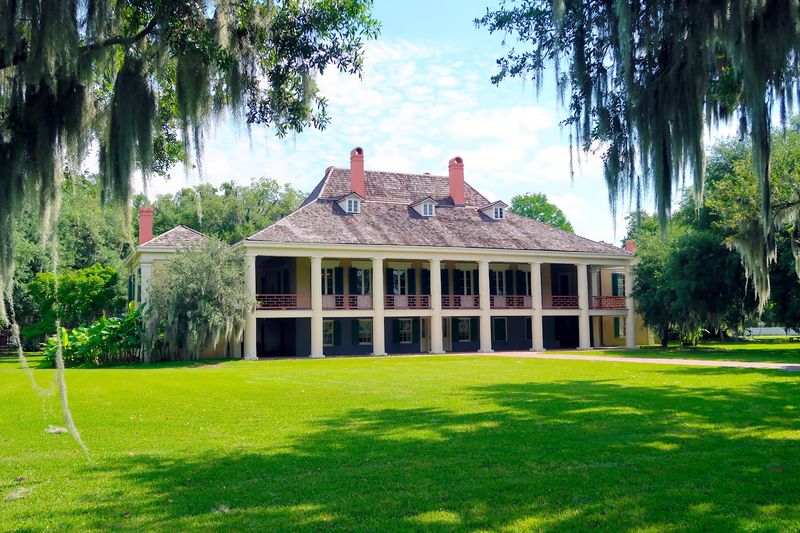
Walls made from moss and mud? Yep, and costumed guides at Destrehan will show you how it worked.
This historic plantation home sits along River Road, close to New Orleans. It’s known for living history demonstrations that make the past feel hands-on.
Tour guides share stories about the property’s history, including the lives of enslaved people. The tours handle that history thoughtfully and with plenty of detail.
Exhibits round out the experience, so you can keep learning after the tour ends. The grounds are beautiful and feel like a step back in time.
Traveling with kids? There’s a scavenger hunt that keeps young eyes busy.
It turns a history trip into a game, which is a parenting win.
January brings comfortable weather for strolling the open grounds. You can take your time outside without baking in the sun.
The site opens daily from 9 AM to 5:30 PM. Wednesday and Friday mornings tend to be busiest, while Wednesday evenings are quieter.
A cafe and gift shop are on site, along with free wi-fi. Active military members can get a discount, too.
Parking options include a free lot. It’s an easy half-day trip if you’re based in the city.
Address: 13034 River Rd, Destrehan, LA 70047
10. Jungle Gardens, Avery Island, LA
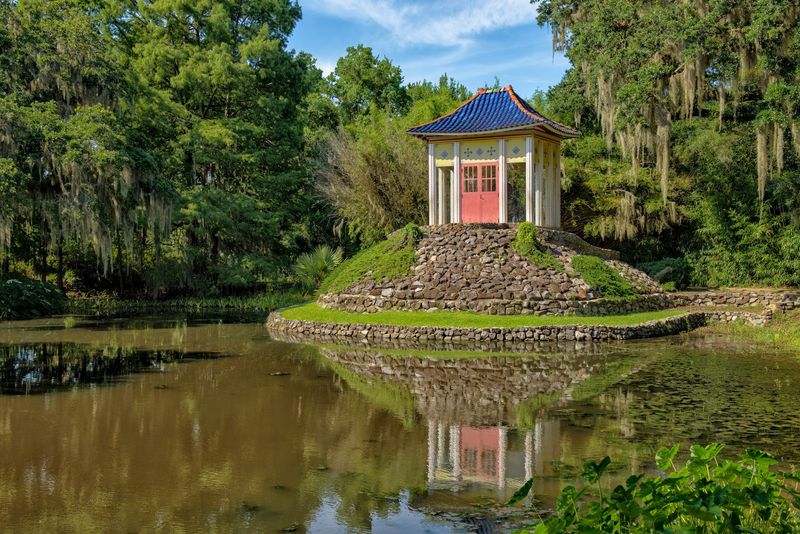
Where else can you see a centuries-old Buddha, an alligator, and snowy egrets before lunch? Avery Island makes that combo strangely normal.
Jungle Gardens covers a huge spread of flowers and trees on a salt dome island in Acadiana. Ned McIlhenny, son of the TABASCO Sauce creator, built it and opened it to the public in 1935.
The Buddha temple in the Chinese garden holds a statue from around 1100 AD. It was a gift to McIlhenny in 1936, and it’s one of the coolest surprises in the state.
January is a great month to go, since camellias hit their stride in winter. Azaleas, palms, and bamboo add even more color and texture.
You can drive the gravel roads lined with old oaks and Spanish moss. Walking paths let you hop out and explore up close.
Wildlife is part of the fun. Alligators, turtles, and birds are common sights, so keep your camera handy.
Bird City, the sanctuary McIlhenny started around 1895, protects snowy egrets. Peak nesting season comes later in spring, but bird watching spots are worth a look anytime.
Hours run daily from 9 AM to 5 PM. Parking is free, and the TABASCO factory tour is right nearby.
Address: Louisiana 329 &, Main Rd, Avery Island, LA 70513
11. Rip Van Winkle Gardens, New Iberia, LA
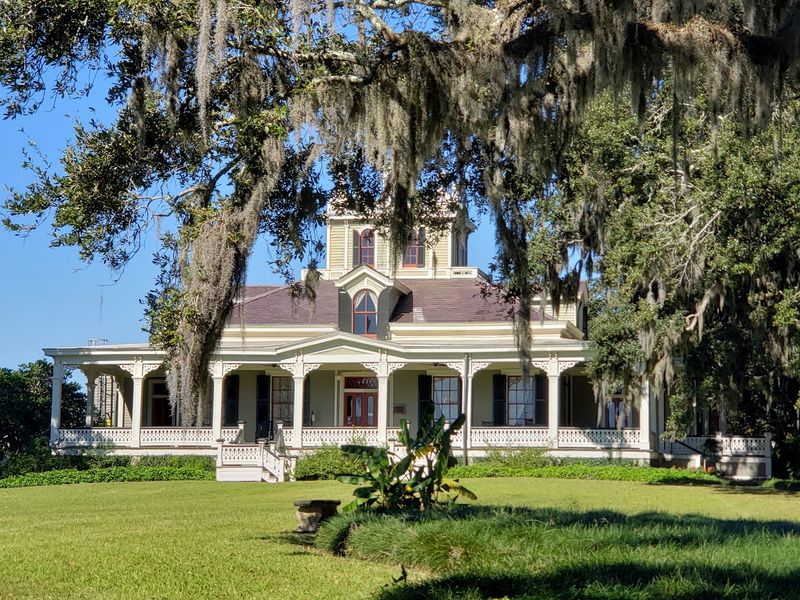
An actor famous for playing a man who slept for 20 years built his winter home here. Fitting, since this place makes you want to slow way down.
Joseph Jefferson toured the country in traveling theater as Rip Van Winkle. He bought this island in 1869, and his mansion went up in 1870.
The house is a three-story beauty with Moorish touches and period furnishings. Tours of the gardens and mansion run on the hour, and the history is fascinating.
Outside, ancient live oaks spread over semi-tropical gardens. Camellias, magnolias, and azaleas fill the grounds with color through the seasons.
Peacocks wander around like they own the place. Honestly, they kind of do.
A lake adds lovely views, and the on-site restaurant takes full advantage. Café Jefferson serves Cajun favorites like gumbo and crawfish étouffée.
Want to stay longer? The property offers cottage stays, so you can wake up surrounded by gardens.
Staff members are friendly, and the whole place feels relaxing. Kids are welcome, and leashed dogs can join you in the gardens, though not in the mansion.
The gardens open daily from 9 AM to 5 PM. It’s a perfect final stop on any Louisiana road trip, nap optional.
Address: 5505 Rip Van Winkle Rd, New Iberia, LA 70560