
11 Louisiana Dishes That Outsiders Always Order Wrong (And Locals Love Correcting)
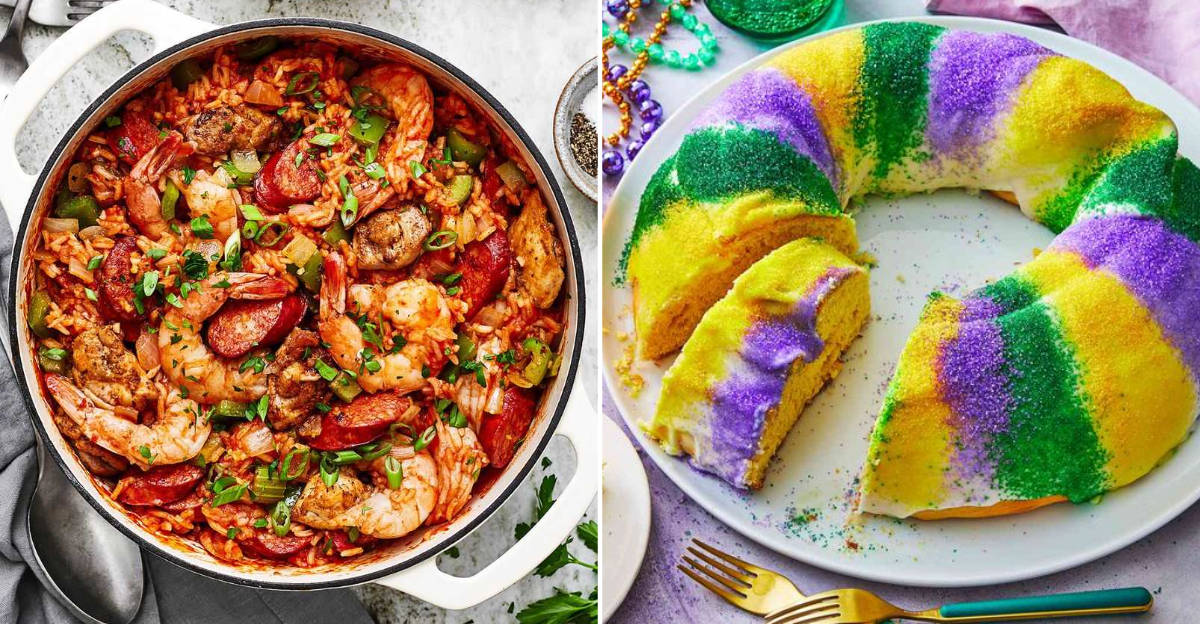
In Louisiana food is more than a meal, it is a living tradition passed down through families and celebrated at every gathering.
Outsiders often arrive eager to taste our classics, but the moment they open their mouths they give themselves away. I have heard gumbo called “gum-BOW” and served without rice, étouffée pronounced as “ET-oo-fee,” and crawfish politely ordered as “cray-fish” like it belonged in a biology class.
Even jambalaya gets twisted into “jam-ba-LIE-a,” leaving locals shaking their heads with a smile. For us these mistakes are part of the fun, because every wrong order becomes a chance to share a little piece of Louisiana culture.
And honestly, correcting a visitor while handing them their first real bite is almost as satisfying as the food itself.
1. Gumbo: Not Your Average Soup
First-timers often ask for gumbo with a side of rice, not realizing the rice belongs right in the bowl! Growing up in my grandma’s kitchen, I learned that serving gumbo without rice is practically sacrilege in Louisiana.
Another common mistake? Expecting all gumbos to be the same. From dark roux chicken-and-sausage to seafood gumbo with okra, each family has their own sacred recipe. The variations are endless!
Visitors sometimes pronounce it “gum-BOW” instead of “GUM-bo,” which immediately marks them as outsiders. And please, never call it Cajun stew – that’ll earn you an eye-roll faster than you can say file powder (that’s FEE-lay, by the way).
2. Jambalaya: The One-Pot Wonder
“I’ll have the jam-ba-LIE-a,” says the tourist, immediately revealing their outsider status. The correct pronunciation is “jum-buh-LIE-uh” – and locals won’t hesitate to correct you with a knowing smile.
Tourists often confuse this dish with paella or even gumbo. Last Mardi Gras, I watched a visitor’s confusion when their jambalaya arrived without sauce. Unlike gumbo, authentic jambalaya is a relatively dry rice dish cooked with all ingredients together.
The Creole version (with tomatoes) versus Cajun style (without) sparks fierce debates among Louisianians. Order “red jambalaya” in some parts of the state, and you might get a friendly lecture about regional variations that date back generations!
3. Étouffée: The Smothered Sensation
The mispronunciation of étouffée (ay-too-FAY) makes locals cringe. Last summer, my cousin nearly spilled his drink laughing when a tourist asked for “ET-oo-fee” – a dead giveaway they weren’t from around here.
Visitors often think étouffée is just another name for gumbo. The difference? Étouffée is thicker, usually features crawfish or shrimp, and has a distinctive roux-based sauce that “smothers” the seafood (which is what étouffée means in French).
Another common mistake is expecting a spicy inferno. Traditional étouffée should be richly flavored but not blazing hot. The complex butter-and-roux base creates a velvety texture that’s meant to complement the seafood, not overpower it with heat.
4. Boudin: The Sausage Surprise
“Can I get some boo-DAN?” My uncle at the butcher counter couldn’t hide his grin. It’s pronounced “boo-DAN” (not “boo-DEEN” or “BOO-din”), and out-of-towners rarely get it right the first time.
Many visitors expect a typical sausage experience, then look confused when they bite into this unique rice-and-meat mixture stuffed into a casing. The traditional way to eat boudin is to squeeze the filling directly from the casing – something I’ve watched countless tourists struggle with at festivals.
Asking for boudin without liver is another rookie move. That distinctive flavor is essential to authentic boudin! Whether you prefer links or boudin balls (the fried version), remember this isn’t meant to be sliced like regular sausage – it’s a squeeze-and-enjoy experience.
5. Andouille: Not Your Deli Counter Sausage
“I’ll take the an-DOO-ee.” Hearing this mispronunciation at local markets always makes me smile. The proper Louisiana way is “ahn-DOO-ee” with that distinctive French flair that reflects our heritage.
Tourists expecting a mild, soft sausage get a shock when they encounter real andouille. This isn’t your typical grocery store sausage! Louisiana andouille is heavily smoked, spiced, and has a firm texture that gives jambalaya and gumbo their distinctive flavor.
Another mistake? Treating it like breakfast sausage. At my family gatherings, we never serve andouille alone on a plate – it’s an ingredient that elevates other dishes. The coarse-ground pork and heavy smoking process creates a flavor powerhouse that’s meant to season the pot, not star as the main attraction.
6. Beignets: The Powdered Cloud Of Confusion
“I’d like a ben-YAY.” Wrong! It’s “ben-YAY,” and pronouncing it like “beg-net” instantly identifies you as a tourist. These square French doughnuts covered in powdered sugar cause all sorts of ordering mishaps.
Visitors often make the mistake of asking for flavored beignets or toppings beyond powdered sugar. My grandmother would roll in her grave! Traditional New Orleans beignets come one way – hot, freshly fried, and buried under an avalanche of powdered sugar.
The biggest faux pas? Wearing dark clothing while eating them. I’ve watched countless tourists ruin their vacation outfits with sugar dust. Locals know to either lean far over their plate or embrace the inevitable sugar shower as a badge of honor. And please, don’t blow on them – you’ll create a sugar snowstorm!
7. Po’ Boy: The Sandwich With Rules
“I’d like a Po’ Boy with light bread.” Instantly, everyone at Parkway Bakery knew this guy wasn’t local. Real Louisiana po’ boys come on French bread with a specific texture – crispy outside, fluffy inside – that’s non-negotiable.
Tourists often mispronounce the name as “Poh Boy” instead of “Poo-boy” (with that distinctive New Orleans accent). Even worse is asking for it on wheat bread or – heaven forbid – as a wrap! The traditional French bread is essential to what makes this sandwich special.
Another mistake is ordering it “dry” without dressing. Proper po’ boys come “dressed” with lettuce, tomato, pickles, and mayo unless specified otherwise. And please don’t call it a submarine sandwich or hoagie – that’s a quick way to get a lesson in Louisiana culinary history!
8. Pralines: The Sweet Pronunciation Trap
“PRAY-leens” versus “PRAH-leens” – this sweet treat’s name is a constant source of tourist confusion. In Louisiana, we say “PRAH-leen,” and hearing otherwise immediately identifies an outsider. My aunt Thelma used to sell these sweet pecan delights in the French Quarter and could spot a tourist by their pronunciation alone.
Many visitors expect chocolate when they order pralines, confusing them with the European chocolate-filled variety. Our pralines are distinctly different – creamy sugar candies loaded with pecans that melt in your mouth.
Asking for a “fresh” one misses the point too. The slight crystallization that happens as pralines cool is part of their charm! And trying to eat one hot off the cooling rack? I’ve watched tourists burn their tongues when patience would have rewarded them with the perfect texture.
9. King Cake: Not Just Any Carnival Treat
Tourists commit king cake crimes every Carnival season! The most common? Asking for king cake outside of Carnival season (between Epiphany and Mardi Gras). My bakery friend gets eye-twitchy when summer visitors request this seasonal treat.
Another faux pas is expecting a hidden coin or charm. Traditional Louisiana king cakes contain a small plastic baby, not other trinkets. Finding the baby means you’re buying next year’s cake – not that you’ll have good luck, as many visitors believe.
The flavor confusion is real too. Classic king cake is cinnamon-filled, though cream cheese and other fillings have become popular. But asking for chocolate king cake? That’s how you reveal your outsider status instantly. And please don’t call it a “French pastry” – while it has French origins, our version is distinctly Louisiana!
10. Red Beans And Rice: Monday’s Mandatory Meal
“I’ll have the red beans ON rice.” No need to specify – in Louisiana, red beans are always served over rice, not beside it or under it. This classic comfort dish has specific serving protocols that outsiders often miss.
Tourists frequently order this dish expecting a quick meal. My grandmother would laugh! Traditional red beans require slow cooking – Monday was traditionally laundry day, so women would set beans to simmer while doing household chores. Authentic red beans need hours to develop that creamy texture.
Another mistake? Expecting vegetarian red beans by default. Unless specifically mentioned, Louisiana red beans typically include pickled pork, ham hocks, or sausage for flavor. The beans should be creamy, not soupy or firm, and that perfect consistency comes from properly cooked beans that are partially mashed against the pot’s side.
11. Crawfish Boil: The Hands-On Experience
Nothing identifies an outsider faster than watching them approach a crawfish boil with a fork and knife! Last spring, I nearly spilled my drink laughing when a tourist asked for utensils at our family boil. These little mudbugs require hands-on attention – literally.
The biggest mistake? Not knowing how to peel them properly. The twist-and-pull technique takes practice. Sucking the head (where all the spicy goodness lives) is non-negotiable for locals, yet tourists often discard this flavorful part.
Calling them “crayfish” or “crawdads” immediately marks you as non-local. In Louisiana, they’re crawfish, period. And please don’t ask if they’re farm-raised or wild – during crawfish season, we don’t discriminate as long as they’re fresh, spicy, and served with corn, potatoes, and plenty of cold drink!