
11 Louisiana Dishes With Rules You Learn The Second You Say Them Out Loud
Louisiana didn’t wait for me to finish my sentence before correcting me. I thought I was ordering food. Turns out I was accidentally starting debates.
Because in Louisiana, dishes came with rules, unwritten, non-negotiable, and enforced the second you said their name out loud. One wrong word, one innocent question, and suddenly everyone within earshot had an opinion.
I learned quickly that this wasn’t the place for improvisation or “just trying things.” Recipes had history, pronunciation mattered, and certain ingredients were apparently a personality trait.
Somewhere between gumbo opinions and rice-related side-eyes, I realized Louisiana food wasn’t just eaten, it was defended. These were the dishes that taught me the rules the hard way.
And trust me, I learned them fast.
1. Gumbo
I learned fast that gumbo is not something you call a soup, not if you want to keep conversation friendly.
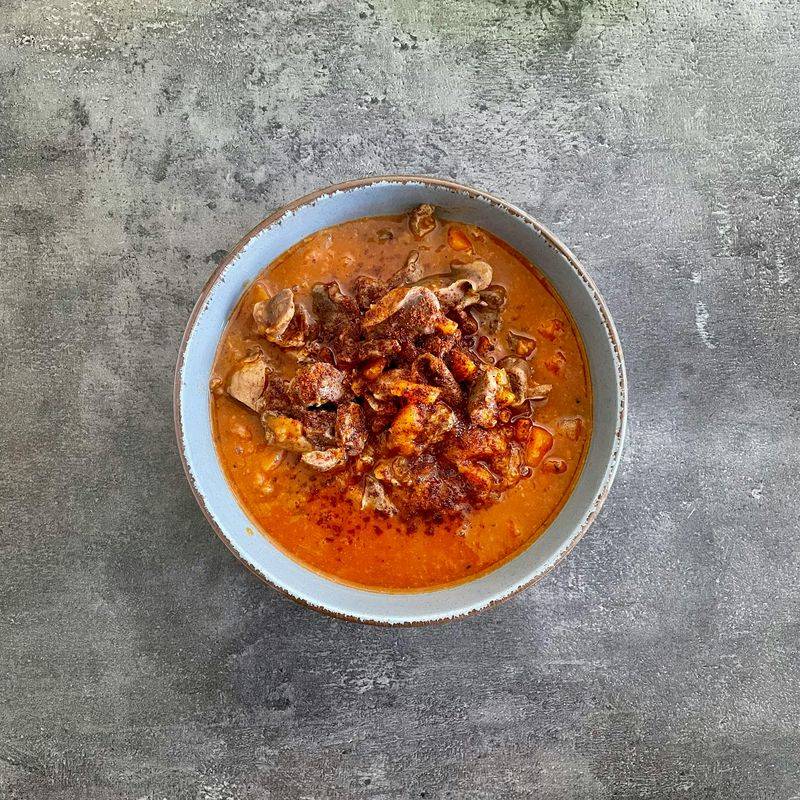
At a neighborhood spot near Mid-City, the server slid over a bowl with a roux so dark it looked like a moonless bayou, and I knew to shut up and listen. The rice sat in a polite scoop, not drowning, just there to catch the broth like a backup dancer who knows their cues.
Locals told me to check the trinity first, the sautéed onion, bell pepper, and celery that make the whole pot sing.
Sausage and chicken one day, seafood the next, and sometimes a whisper of filé powder that gently tightens the finish. I spooned slowly, torn between the smoky edge and the soft bite of okra, feeling the ritual more than the recipe.
The rule that stuck: gumbo is about body and backbone, built on a roux that demands patience, not a heap of rice smothering everything else.
Do not ask for it thicker like gravy or lighter like broth someone forgot to season. You respect gumbo by letting it speak in its own voice.
If you want to taste the range, ask where the roux sits, light or nearly espresso dark, then match your mood.
A bowl on a rainy afternoon is like getting permission to slow down, which is a quiet luxury in Louisiana. Order it right, savor it slowly, and the city nods back.
2. Étouffée
Étouffée taught me softness. I was in Lafayette, rain misting the bay, when a plate arrived that looked simple until the first forkful pulled me under.
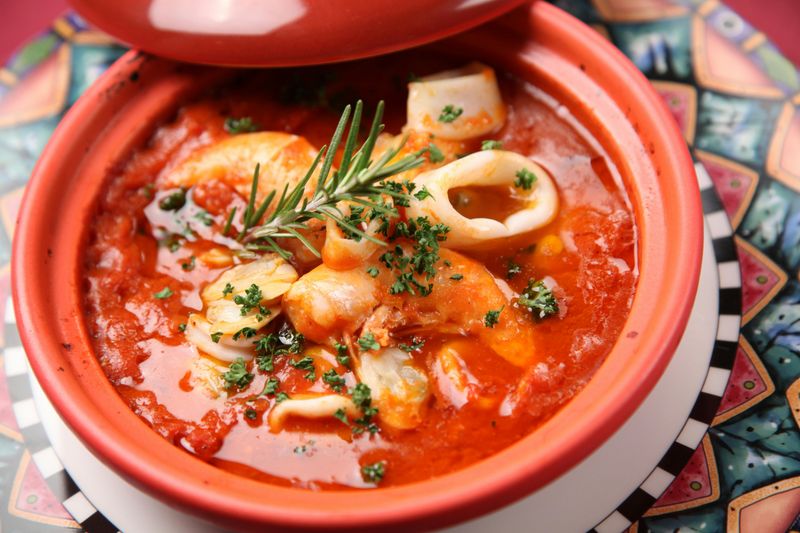
Crawfish tails were tucked into a buttery, brick-colored sauce that did not run, it drifted, settling over rice like a quilt laid by someone who cares.
The rule is straightforward: this is not another gumbo.
Étouffée lives in the smother, a slow, low coaxing of flavor where the trinity melts, the stock concentrates, and the roux stops short of darkness. You spoon it over rice, not the other way around, and you do not chase it around the plate hunting for drama.
I asked about spice and got a smile that said it is not about heat, it is about depth.
The sweetness of crawfish slips into the roux, and you suddenly taste the patience behind it. A squeeze of lemon at the end is not a flourish, it is a final chord.
When you order, say crawfish étouffée and be ready for a thicker, quieter meal that clings in the best way.
Let the rice carry the weight, and use a soft spoon to grab every corner. It is a dish that whispers instead of shouts, and the whisper lingers.
3. Jambalaya

I tried to pour jambalaya over rice once and the kitchen laughed kindly, the way you correct a friend before they make it worse.
In Louisiana, jambalaya is the rice. The grains carry sausage, chicken, and whatever the cook wants to tell you that day, all bronzed in stock and spice until the pot tastes like a crowd.
There is the brown, Cajun leaning kind, sun-kissed by the fond and a hint of smoke, and the red, Creole version that kisses a tomato without turning into pasta night.
I learned to watch for the crust at the bottom, that golden scrape that says patience was practiced. Each forkful stands up, not soggy, not stiff, just right.
The rule is to respect the rice, which sounds simple until you see the timing it takes to get there. Do not ask for extra rice on the side, and do not expect a stew.
You are meeting a one-pot philosophy with deep roots in thrift and happiness.
I found my favorite near the French Quarter, listening to a server describe the andouille like it was a headliner.
They were not wrong. A plate of jambalaya is generous without showing off, and it keeps its secrets unless you return.
4. Po-Boy Dressed
I ordered a shrimp po-boy and paused, because everyone at the counter was waiting for the word dressed.
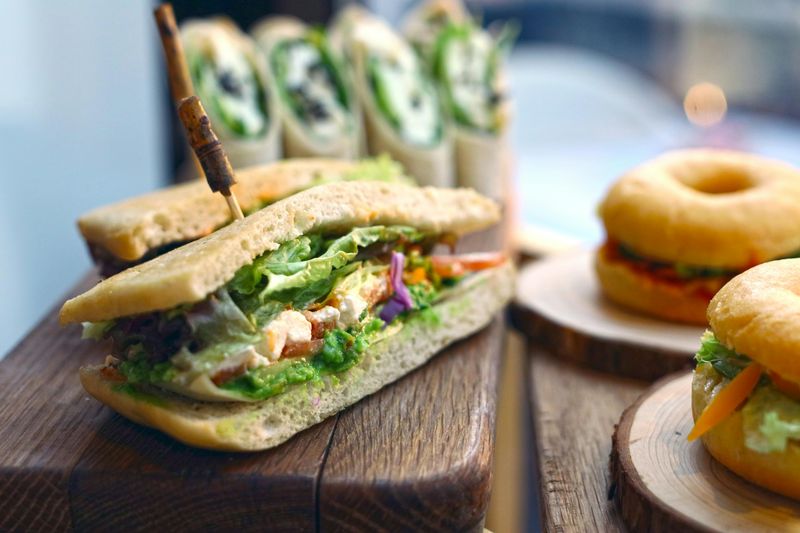
Say it and you get lettuce, tomato, pickles, and mayo, the New Orleans starter pack for a sandwich that knows its angles. Skip it and you are editing a classic that does not need your touch.
The bread does the heavy lifting, that airy Leidenheimer loaf with a thin shatter that rains crumbs like confetti.
Fried shrimp tucked inside still crackled against the cool swipe of mayo, and the tomatoes tasted like a small parade.
The rule here is not fancy, it is full. You can add hot sauce if that is your move, but the default has balance built in.
I tried roast beef on another visit and learned debris is not trash, it is the juicy bits that soak the bread until it becomes a story. Po-boys do not play subtle.
When you order, say shrimp po-boy dressed and step aside like you know the choreography. Grab napkins.
Then enjoy the way the city buzzes through bread and batter.
5. Muffuletta
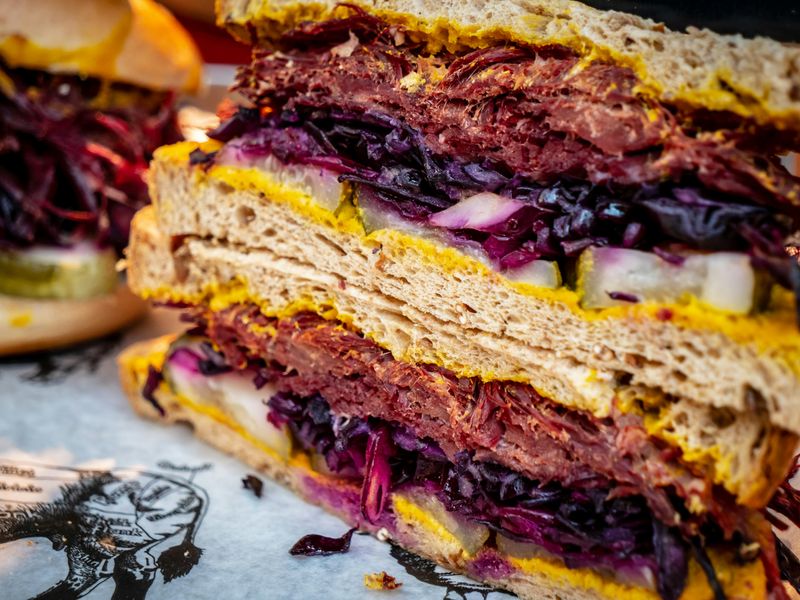
My first muffuletta felt like a dare, a round sesame loaf pressed with layers of mortadella, salami, ham, and provolone, then flooded with olive salad that steals the scene.
At Central Grocery, I watched the jars of chopped olives and capers glint in the window like treasure. You do not nibble this sandwich, you divide and conquer.
The rule is to center the olive salad, because that briny, garlicky confetti is the reason the meat and cheese even showed up.
It soaks into the crumb, binding the whole stack into something that tastes like New Orleans solving your lunch plans. Warmed or room temp, it delivers a balanced, bracing bite.
Share it, seriously. A half is a meal, a whole is a strategy conversation.
And do not call it an Italian sub, unless you enjoy polite correction and a smile that says bless your heart.
I carried mine to the Moonwalk on the river and watched tugboats while the olive oil ran like a postcard stain.
Every bite shifted the equation, salty to mellow to bright. The muffuletta is a map you can fold up and carry.
6. Boudin

Boudin is the road snack that made me pull over more than once along Highway 90.
At a gas station counter in Scott, I watched links pile into paper boats, steam lifting off rice, pork, and green onion like a promise you can eat with one hand. The rule I learned: nobody gets precious.
Plenty of locals squeeze the filling right out of the casing into a bite, and that is normal, expected, part of the choreography.
You can also eat the casing if it is snappy, but no one grades your technique. Mustard on the side, maybe a cracker, and you are set.
The texture matters more than shine. Good boudin hums with spice without bullying you, and the rice stays tender but intact.
It tastes like a kitchen that knows comfort and speed at the same time.
I bought an extra link for the car and learned the hard way that it perfumes everything, which is not a complaint. There is a reason Acadiana claims it with both hands.
Order by the link, take a breath, and join the club.
7. Boudin Balls

When I saw boudin balls on a menu in Lafayette, a guy at the bar leaned over and said it is boudin, rolled and fried, not a meatball situation. He was right.
The center stays lush with rice and pork while the crust hits a perfect crunch you hear before you taste.
Dipping sauces vary, but remoulade shows up like a friendly neighbor.
The rule is simplicity: the filling should be seasoned like good boudin, not overloaded with extras. If the ball is heavy, it missed the point.
I loved how they travel from fryer to table fast, all steam and anticipation. Split one open and watch the rice pearls hold while the pork threads glisten.
This is a snack that works before a game, after a festival, or on a Tuesday when the sky looks dramatic.
Order a basket and share because they go quick.
Ask where the boudin comes from if you want the backstory, which locals always do. Boudin balls are proof that the encore can headline.
8. Crawfish Boil
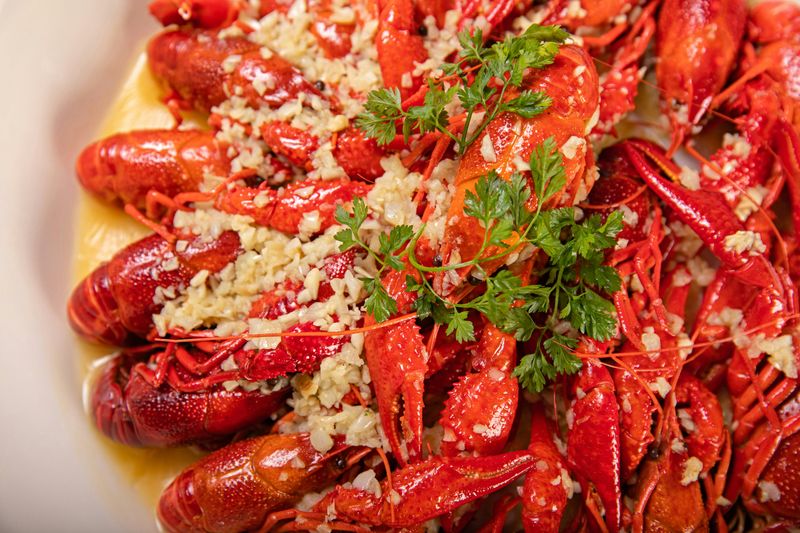
I learned to order a crawfish boil by the pound, not by the plate, and to brace for the steam that fogs your glasses.
The table gets lined with paper, then comes the red heap, blinking with bay leaves, lemons, and the occasional potato that steals your attention. The rule is to twist, pinch, and peel without overthinking.
Tails only is a different vibe, neat and fast, but I liked the full dance because the heads hold flavor that does not translate to shortcuts.
Suck the heads if you want that peppery stock rush, that clean snap of spice. Corn, mushrooms, and sausage ride along like backup singers who occasionally take the lead.
Seasoning levels vary, so ask whether you are getting heat on the boil or a heavy soak after.
Spring is the prime season, when the tails feel plump and the conversation gets louder. Paper towels become currency.
I ended one boil with elbows shining and a grin I could not explain.
The social part is the point as much as the flavor, a messy choir of cracking shells and quick stories. Order bold, eat with your hands, and make room for joy.
9. Red Beans And Rice
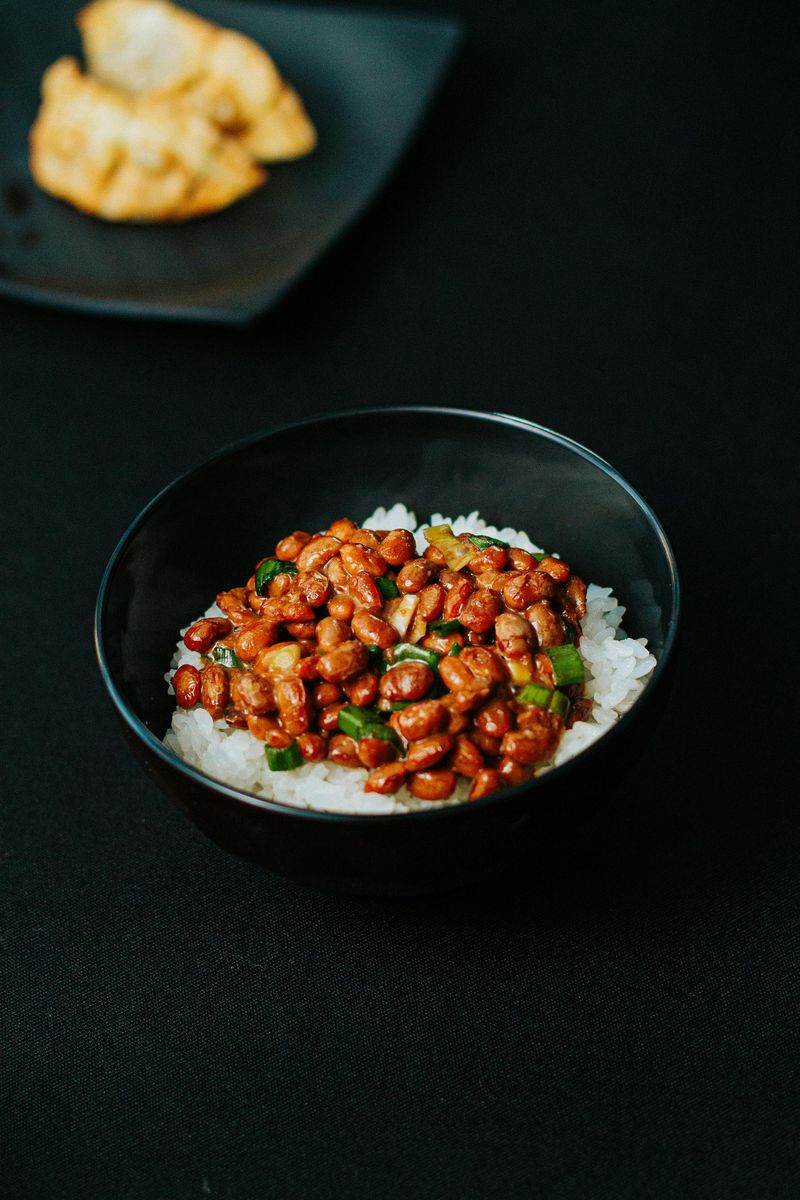
Monday in New Orleans tastes like red beans and rice, a tradition born from laundry day and a pot that could simmer while chores got done.
I slid into a corner at a Tremé cafe, where a bowl arrived sturdy and serene, thick enough to coat a spoon. The rule here is to stop asking for chili toppings and lean into comfort.
Good red beans are creamy from a slow cook, not blitzed, with smoked meat lending backbone instead of stealing the show.
Green onions and a side of cornbread sometimes appear, but the rice stays supportive, not center stage. You eat it with a spoon and quiet expectations.
I tasted pepper, thyme, a whisper of bay, and the kind of patience that comes from homes passed down. Some spots add sausage, others keep it minimal, both valid.
The power is in the consistency, a soft landing after a long day.
Order without fuss and watch the room exhale with you. Red beans and rice do not argue their case, they present it.
By the last bite, you understand why Monday found its favorite dish.
10. Chargrilled Oysters
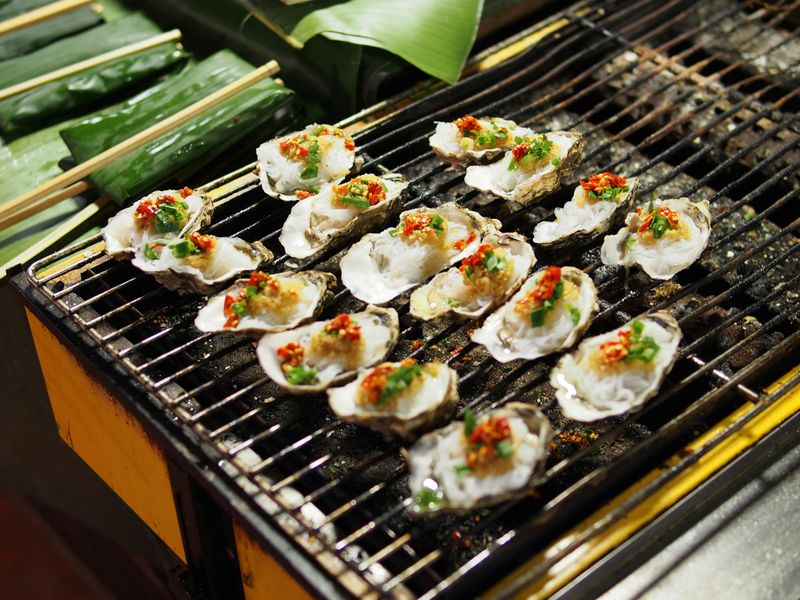
I once tried to order chargrilled oysters like they were raw-bar darlings and got a patient correction I deserved.
These are cooked over flame, bubbling under butter, garlic, and herbs until the edges curl and the shells hiss. The rule is to dive in while they are hot, with bread ready to swipe the sauce.
I sat at the bar watching trays slide off the grill like comets, Parmesan melting into the ridges.
The smoke kissed the brine and turned it plush, a seaside memory wrapped in fire. Lemon is optional, but the sizzle is not.
Do not compare them to raw unless you are ready to pick a favorite you will defend for life. This style is New Orleans through and through, flamboyant and generous.
You tilt the shell, catch the heat, and nod at strangers.
When the platter lands, move with purpose. The bread gets its own moment, soaking up the garlic butter like a love letter.
Chargrilled oysters are proof that flame can be gentle.
11. King Cake
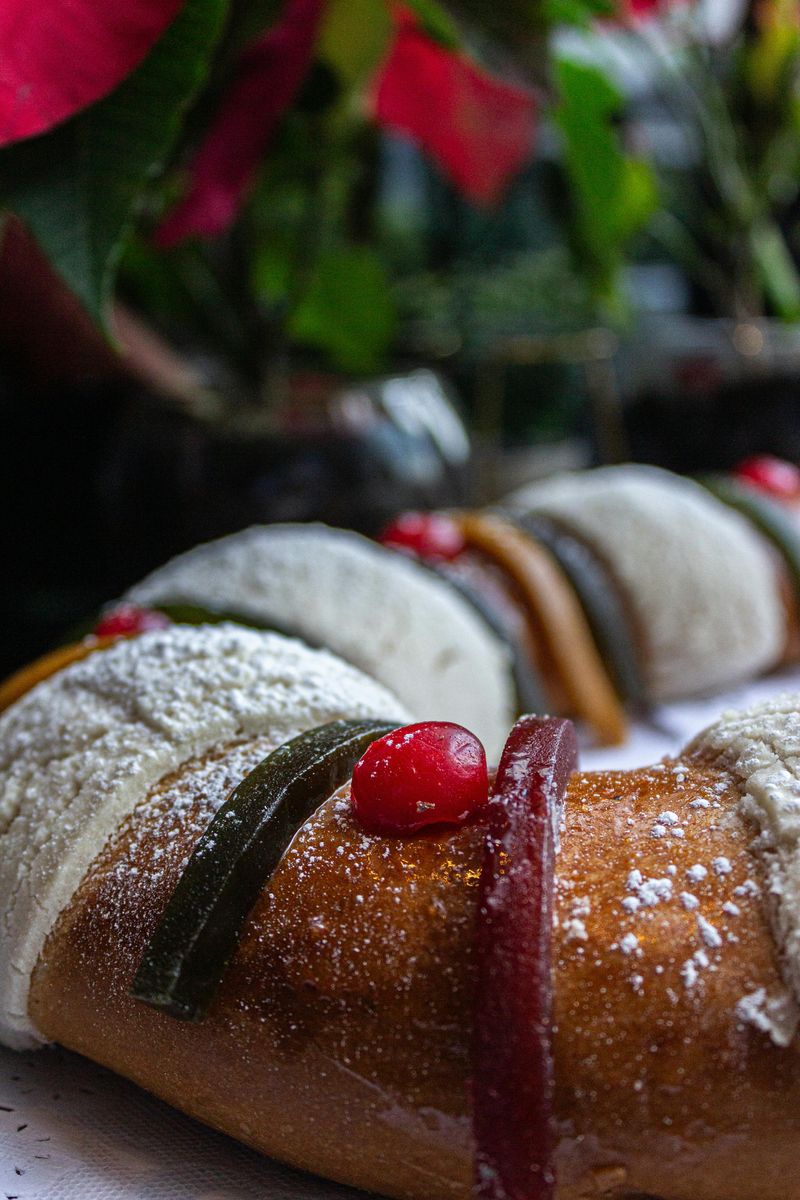
King cake arrived in a gleam of purple, green, and gold, a braided sweet bread with cinnamon threading the crumb and a plastic baby hiding inside like a dare.
I picked a slice in January and the table leaned in to see who would get responsibility. The rule is the finder brings the next cake, and everyone pretends not to angle for it.
Styles vary from classic ring with icing and colored sugar to filled versions that push the line. I like the original for its hint of citrus and party trick energy.
It is not dessert so much as ceremony, a timeline that runs from Twelfth Night to Mardi Gras and tastes like anticipation. You do not rush king cake, you circulate it, moving it through office kitchens, family tables, and porch steps, all fair game.
The joy is collective, and the mess is minor.
When I finally pulled the baby, I felt equal parts triumphant and obligated. The next cake was mine to deliver, and I did not argue, because king cake is how a season turns into a habit.
Louisiana dishes did not just feed me, they schooled me loudly and unapologetically. Once you learn the rules, you realize the real fun is not breaking them, but trying not to.