
13 Louisiana Gumbo Spots That Locals Keep Quiet About
You’ve landed in Louisiana, craving that iconic, soul-warming gumbo. But finding the true gems, the kind that make locals nod in silent approval?
That requires insider knowledge. For too long, these hallowed kitchens have been off the well-trodden tourist path, their rich, dark rouxs and fresh ingredients savored by those in the know. They’re not on every blog or in every guidebook – and that’s precisely why they’re so special.
Today, we’re breaking the silence. Prepare to ditch the guidebooks, because we’re sharing 13 quintessential Louisiana gumbo spots that truly taste like home
1. Mama Thibodeaux’s Kitchen
Tucked away on a country road where Spanish moss drapes the oak trees, Mama Thibodeaux’s Kitchen operates out of what was once a general store. The wooden floors creak with history as you enter.
Locals arrive early on Thursdays when Mama’s seafood gumbo hits the pot. Her 80-year-old hands still chop trinity vegetables with lightning speed, a skill she learned from her grandmother during the Great Depression.
No website exists and you won’t find a sign out front. Just follow the gravel road past the third bridge and look for the line of pickup trucks parked outside a blue building.
2. Li’l Dizzy’s Cafe
Morning light filters through dusty windows at Li’l Dizzy’s, illuminating a room where time seems suspended. The gumbo here carries whispers of Creole history in every spoonful.
Regulars know to request the ‘back pot’ gumbo, a special batch the owner makes with extra crab claws and sausage made in-house. The roux develops for hours, reaching a chocolate-brown depth that balances earthy and oceanic flavors.
Neighborhood musicians often stop by after late-night gigs, creating impromptu jam sessions while nursing bowls of gumbo as the perfect nightcap. Cash only, and don’t ask for the recipe.
3. Neyow’s Creole Cafe
My grandmother first brought me to Neyow’s when I was seven, promising it would ruin all other gumbos for me. She was right. Twenty years later, I still measure every gumbo against their smoky, complex version.
The charred chicken wings they add create a flavor dimension that’s impossible to replicate. Locals know to request extra filé powder on the side.
The café sits in a converted home where family photos line the walls and the kitchen feels like an extension of someone’s home. Weekend waits can stretch to an hour, but regulars bring lawn chairs and cold drinks, turning the wait into an impromptu block party.
4. Seafood Palace
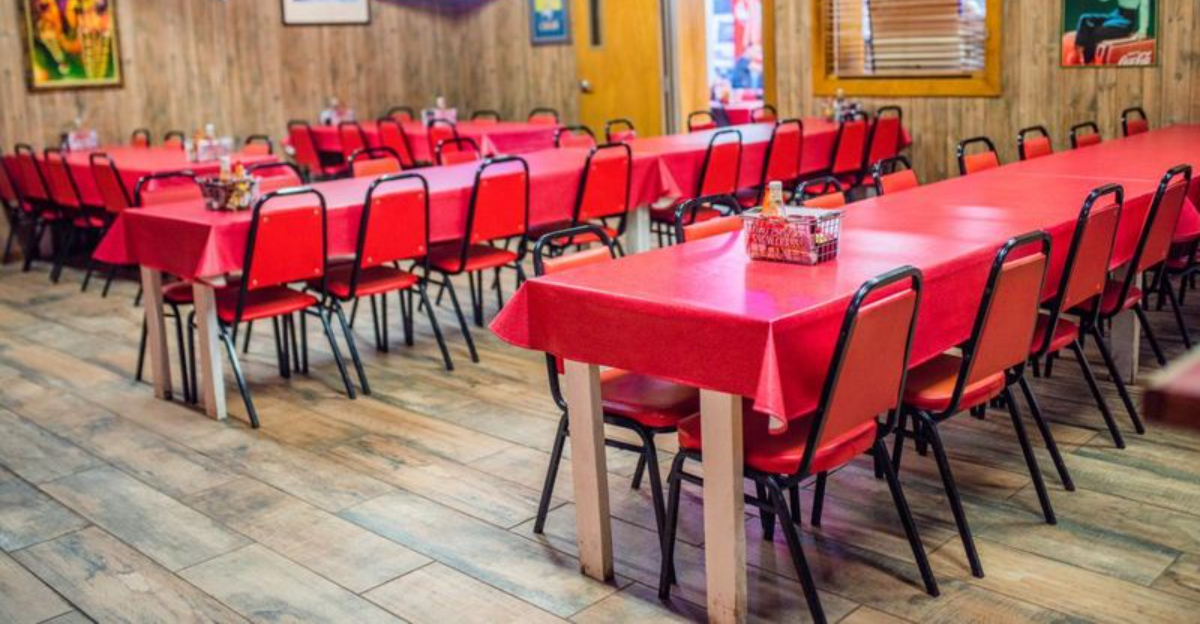
Fluorescent lights buzz overhead in this no-frills spot where plastic tablecloths and paper towel rolls signal the serious eating about to happen. Seafood Palace doesn’t bother with atmosphere because the gumbo speaks volumes.
Crab claws poke through the surface of their signature dark gumbo, signaling the treasure below. Locals bring their own hot sauce bottles, leaving them labeled with their names for return visits.
The owner still brings in his morning catch directly to the kitchen. His hands tell stories of decades on shrimp boats before he opened this spot that serves gumbo only when the seafood meets his exacting standards.
5. Willie Mae’s Scotch House
Beyond the famous fried chicken that draws tourists, Willie Mae’s harbors a secret: Thursday’s duck and andouille gumbo that never makes it onto the official menu. Neighborhood regulars mark their calendars for this weekly tradition.
I watched my father charm the recipe from Miss Willie herself years ago, but our home version never captures the magic. The brick building with peeling paint hides a kitchen where three generations of women have stirred the same cast iron pots.
The gumbo arrives unadorned in a simple white bowl, but complexity unfolds with each spoonful-smoky, gamey, with undertones of herbs that change with the seasons. No photographs allowed of this off-menu specialty.
6. Coop’s Place
Rabbit and sausage gumbo isn’t common, but at Coop’s it’s the stuff of local legend. The bartender-turned-owner started serving it as a staff meal until customers caught wind of the aroma.
The French Quarter location fools tourists who pass by thinking it’s just another bar. Meanwhile, locals slip in during odd hours to avoid crowds and secure bowls of the limited daily batch.
Bar stools have been worn smooth by decades of regulars who know to pair their gumbo with the bartender’s off-menu hot pepper vinegar. Ceiling fans spin lazily overhead, barely disturbing the steam rising from bowls served without fanfare but consumed with reverence.
7. The Cajun Table
Last hunting season, my uncle swore me to secrecy before bringing me to The Cajun Table. Now I understand why, their wild game gumbo changes based on what locals bring through the back door.
A chalkboard announces the day’s offering: perhaps duck, venison, or even nutria when traditional meats are scarce. The owner learned to cook in oil rig galleys, feeding hungry workers with whatever was available.
Mismatched chairs surround tables where three languages might be spoken simultaneously, English, French, and Cajun patois. Portions arrive in enormous bowls with potato salad served on the side, meant to be dropped right into the gumbo according to regional tradition.
8. Prejean’s
Alligator snapping turtles form the base of Prejean’s legendary swamp gumbo, a recipe so controversial even some locals raise eyebrows. The restaurant sits at the edge of swampland, with windows framing cypress trees.
Morning fog rolls across the parking lot as kitchen staff arrive to start the roux that will cook for five hours before the first ingredients are added. Taxidermied wildlife watches from the walls as diners dig into bowls of what might be Louisiana’s most primitive gumbo.
The owner’s grandfather was a trapper who created the recipe during lean times. Today, each batch comes with a warning from servers about its intensity, not for the culinary faint of heart.
9. Orlandeaux’s Cafe
Northern Louisiana gumbo has its own personality, and Orlandeaux’s serves the region’s definitive version. The recipe hasn’t changed since 1921, outlasting four different buildings and three family generations.
Their gumbo bridges Creole and Cajun styles with a distinctly darker roux than southern parishes prefer. Locals bring their own containers for takeout orders large enough to feed extended families.
The café sits beside railroad tracks where freight trains rumble past, momentarily drowning conversation but adding to the authenticity. Newspaper clippings on the walls document a century of service, including the time they fed flood relief workers for two weeks straight.
10. The Gumbo Shop
Don’t let the tourist-friendly name fool you, locals still frequent The Gumbo Shop’s back room where an entirely different menu exists. While visitors enjoy the standard offering, regulars know to ask for “Tante Marie’s pot.”
This special batch follows a recipe from a legendary French Quarter cook who never wrote down instructions. Current chefs apprenticed for years to learn the technique through observation alone.
The building dates to 1795, and kitchen staff swear the original cooking hearth imparts flavors impossible to replicate elsewhere. Summer afternoons find neighborhood residents escaping the heat with bowls of chilled gumbo z’herbes, a green gumbo variation rarely found outside family kitchens.
11. Chef Ron’s Gumbo Stop
Suburban strip malls rarely hide culinary treasures, but Chef Ron’s breaks that rule. The former offshore oil rig chef returned to land with recipes perfected while feeding hungry workers in the Gulf.
His gumbo combines seemingly contradictory elements breaking traditional rules but creating harmony in the bowl. Weekday lunches bring lines of workers in everything from business suits to construction boots.
The counter-service-only setup means you’ll eat elbow-to-elbow with strangers who quickly become conversation partners. Ron himself still tastes every batch, adjusting seasoning throughout the day as humidity changes.
12. Rice And Roux
College professors debate philosophical points while construction workers plan their day at neighboring tables in Rice and Roux. This democratic gumbo joint treats everyone equally, as long as you respect the unwritten rule against asking for recipe details.
Their chicken and sausage gumbo comes in three distinct styles representing different Louisiana parishes. Regulars order by region rather than ingredient: “Give me the Terrebonne today” or “I’m feeling like a St. Bernard batch.”
The owner’s grandmother supplied the recipes with the stipulation that they never be written down. Current cooks train for months on each style before being allowed to prepare batches solo.
13. Steamboat Bill’s On The Lakefront
Morning fog drifts across Lake Charles as shrimpers deliver their catch directly to Steamboat Bill’s back door. The lakefront institution doesn’t bother with freezing-what arrives fresh goes straight into the day’s gumbo.
Fishermen gather at sunrise, swapping stories over bowls of breakfast gumbo, a regional tradition unknown to outsiders. My grandfather’s shrimp boat once supplied this kitchen, and he claimed payment in gumbo tasted better than any cash.
The restaurant survived multiple hurricanes, rebuilding each time with the same worn recipe cards salvaged from flooding. Locals say you can taste subtle differences in the gumbo depending on which part of the lake provided that day’s seafood. A hyper-local terroir that true connoisseurs can identify with a single spoonful.