
11 Louisiana Places That Locals Say Capture The Real Heart Of The State
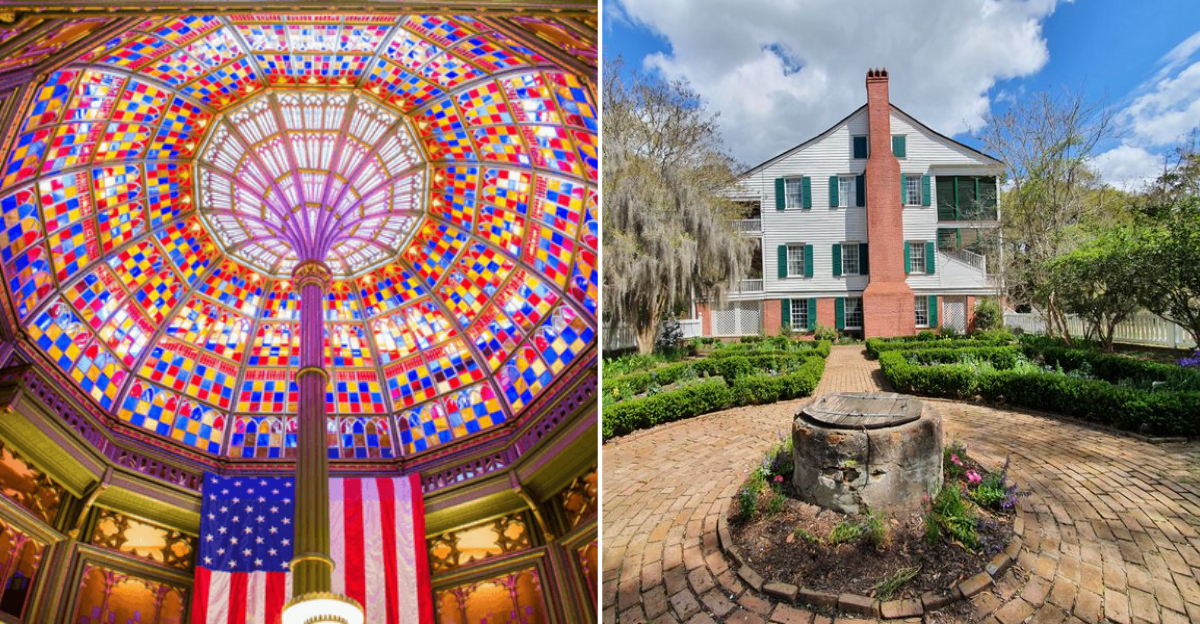
Louisiana isn’t just about the tourist traps and famous festivals—it’s about finding those hidden corners where the soul of the state truly lives.
I remember my first road trip through Louisiana, expecting nothing but jazz and jambalaya, but what I discovered was a tapestry of small towns, historic streets, and waterfront communities that felt like home.
These are the places where locals gather, where traditions aren’t performed but lived, and where the real heart of Louisiana beats strongest.
Let me take you on a journey through spots that capture what makes this state unforgettable.
1. New Orleans
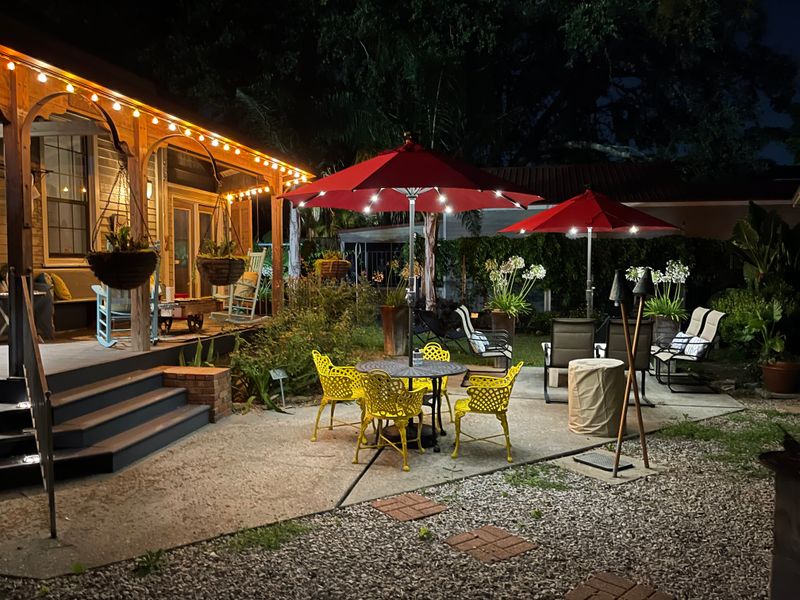
Forget Bourbon Street for a second—real New Orleans magic happens in neighborhoods like the Bywater and Marigny, where locals sip coffee at corner cafes and second-line parades spontaneously erupt.
I once stumbled into a backyard crawfish boil in Tremé, invited by strangers who became friends before the sun set.
The architecture tells stories in every wrought-iron balcony and Creole cottage.
Music spills from dive bars where legends were born, not manufactured.
You’ll find gumbo recipes passed down through generations and corner stores selling king cakes year-round because why wait for Mardi Gras?
The cemeteries aren’t just tourist attractions—they’re where families still visit loved ones every Sunday.
This city breathes resilience and creativity in equal measure.
New Orleans doesn’t pretend to be anything other than gloriously, messily itself.
2. Baton Rouge
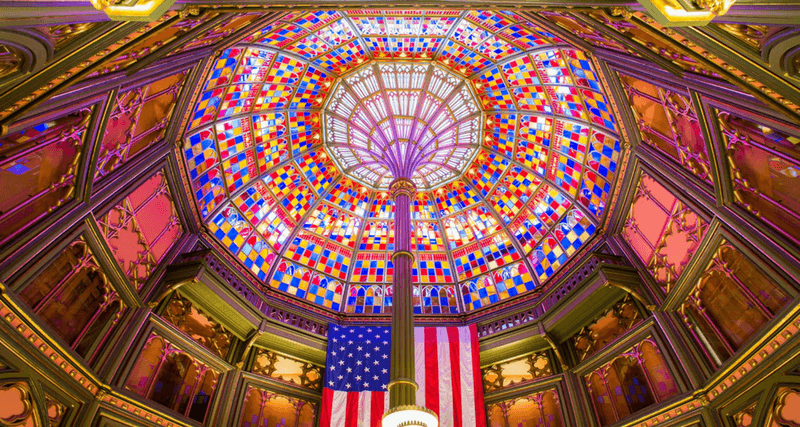
Baton Rouge gets overlooked between its flashier neighbors, but that’s exactly why it matters.
The capital city pulses with a working-class energy that keeps Louisiana running while everyone else is partying.
I learned this watching dock workers at the Port of Greater Baton Rouge, their labor literally fueling the state’s economy.
LSU game days transform the entire city into a purple-and-gold celebration that rivals any festival.
The Old State Capitol looks like a castle dropped into the Deep South, and locals debate boudin from different gas stations with the passion of drink connoisseurs.
Spanish Town throws a Mardi Gras parade that’s delightfully irreverent and entirely local.
Downtown’s revitalization brings new restaurants alongside old-school po’boy shops.
This city doesn’t chase trends—it sets its own pace and invites you to keep up or get left behind.
3. Lake Charles
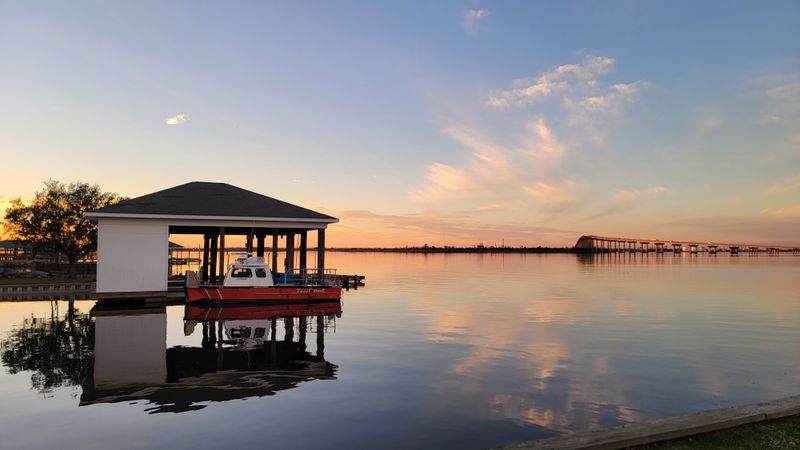
Lake Charles sits where Texas swagger meets Louisiana soul, creating something entirely unique.
The casinos draw crowds, sure, but locals know the real treasures are the Creole Nature Trail and Prien Lake Park, where alligators sunbathe like they own the place—which, honestly, they do.
I watched a sunset over the lake that painted the sky colors I didn’t know existed outside of art galleries.
Mardi Gras here feels more intimate than New Orleans, with families camping along parade routes and catching throws like their lives depend on it.
The food blends Cajun, Creole, and Texas barbecue influences into dishes you won’t find anywhere else.
Hurricanes have tested this community repeatedly, yet it rebuilds stronger each time.
The McNeese Cowboys inspire fierce local pride. Lake Charles doesn’t shout for attention—it quietly delivers authentic Louisiana living.
4. Shreveport
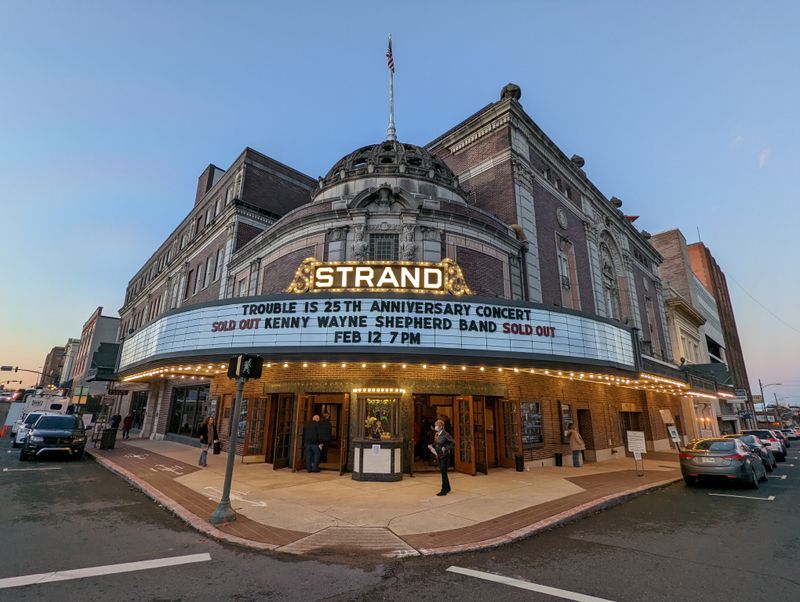
Shreveport bridges Louisiana’s northern border with a personality that’s part Southern belle, part oil town grit.
The Red River winds through downtown, where restored warehouses now house galleries and breweries that locals actually frequent.
I caught a show at the historic Strand Theatre and understood why Elvis once performed on that same stage.
Cross Lake offers recreation without the tourist crowds, perfect for fishing or just floating away an afternoon.
The food scene surprises newcomers—this city knows its way around a shrimp po’boy and smoked brisket equally well.
Barksdale Air Force Base brings military heritage and diversity to the community.
Mardi Gras traditions here date back over a century, celebrated with genuine joy rather than commercial excess.
Shreveport doesn’t fit neatly into Louisiana stereotypes, which makes it absolutely essential to understanding the state’s full story.
5. Natchitoches
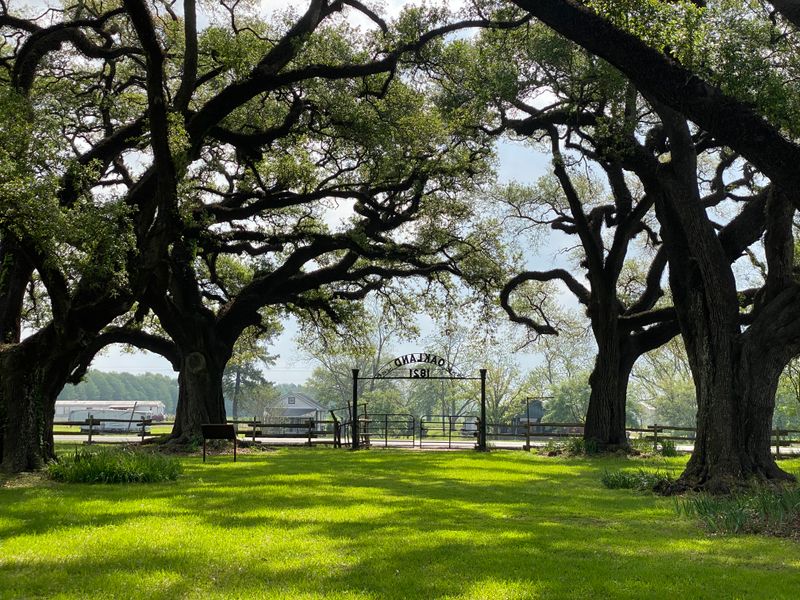
America’s oldest permanent settlement in the Louisiana Purchase territory deserves more credit than just being that Christmas movie town.
Natchitoches preserves history so well you half-expect to see horse-drawn carriages—though golf carts have become the preferred local transport.
I spent an afternoon wandering brick streets lined with Creole townhouses, each one whispering stories from centuries past.
Cane River Creole National Historical Park reveals complex histories of plantations and free people of color that textbooks often skip.
The meat pies here aren’t just food—they’re cultural artifacts, recipes protected like family heirloches.
Christmas Festival of Lights transforms the riverfront into something magical, but locals know spring is equally beautiful without the crowds.
Northwestern State University keeps the town young and vibrant.
Natchitoches proves Louisiana’s depth extends far beyond the coast.
6. Thibodaux
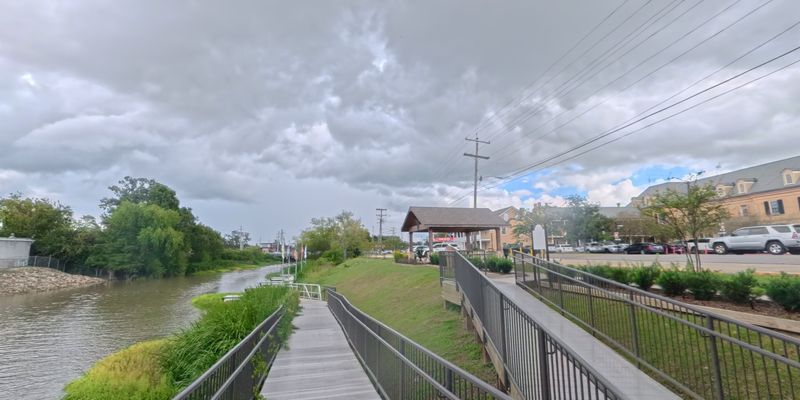
Thibodaux thrives as Bayou Lafourche’s cultural anchor, where sugarcane fields meet small-town charm.
The historic downtown district looks like a postcard, but it’s the working plantation tours that reveal honest histories—both beautiful and brutal—of Louisiana’s agricultural past.
I attended a local high school football game here and witnessed community pride that could power the entire state.
Nicholls State University brings energy and diversity to this town of roughly 15,000 souls.
The Wetlands Acadian Cultural Center tells stories of how people adapted to living in one of America’s most challenging environments.
Gumbo debates here get heated because everyone’s grandmother has the definitive recipe.
Annual festivals celebrate everything from gumbo to sugarcane, giving locals endless excuses to gather.
Thibodaux balances reverence for tradition with cautious steps toward progress.
7. Breaux Bridge
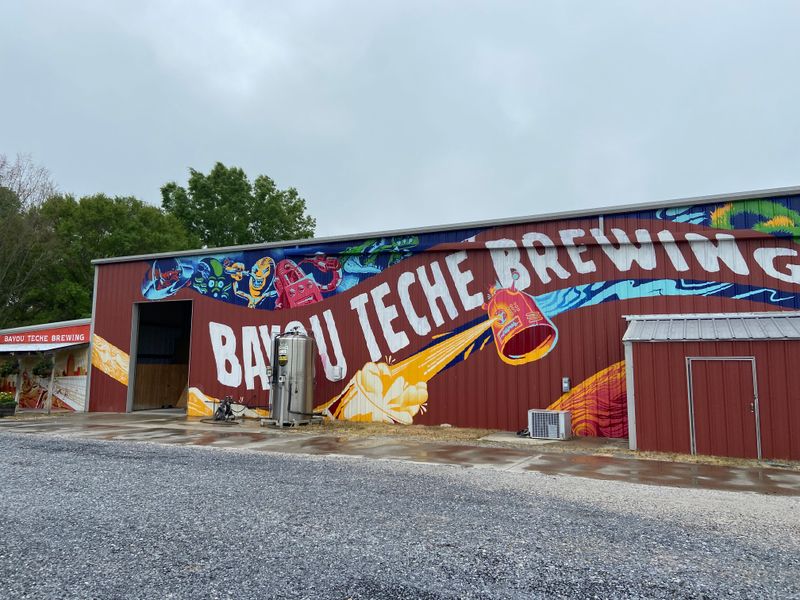
The self-proclaimed Crawfish Capital of the World backs up its boast with festivals, restaurants, and backyard boils that would make a food critic weep with joy.
Breaux Bridge moves at a pace that modern life forgot, which is entirely the point.
I sat on the bayou bridge watching the sunset while locals waved and called out greetings to everyone passing by.
Antique shops line the streets, filled with treasures and stories that shopkeepers share freely.
Cafe des Amis serves zydeco brunch on Saturdays, where dancing is mandatory and inhibitions are checked at the door.
The Cajun and Creole Heritage Center preserves languages and traditions that are disappearing elsewhere.
Artists have discovered this town, drawn by light, landscape, and affordable rent.
Breaux Bridge proves that Louisiana’s heart beats strongest in places most people drive past on their way somewhere else.
8. St. Francisville
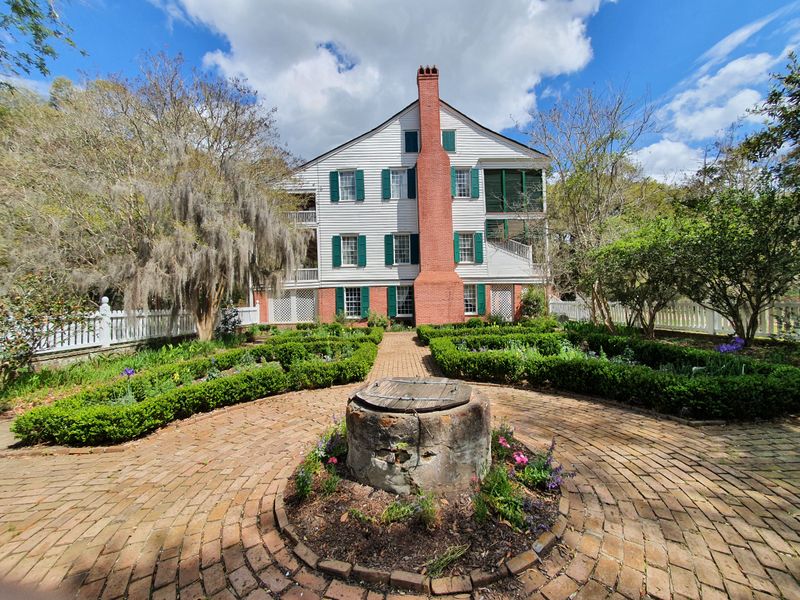
St. Francisville perches on bluffs overlooking the Mississippi River, offering terrain rare in flat Louisiana.
English cottages and antebellum homes create a landscape that feels transplanted from another region entirely.
I toured Rosedown Plantation and confronted the complex beauty and horror that coexist in Southern history.
The Audubon State Historic Site marks where the famous naturalist painted many of his bird portraits.
Live oaks form tunnels over roads, creating cathedral-like drives that photographers chase during golden hour.
Small-town hospitality means strangers become friends over lunch at local cafes.
Angola Prison rodeo brings controversial tourism, raising questions about entertainment and incarceration.
Bird-watching here rivals anywhere on the continent, with migratory patterns bringing rare species through regularly.
St. Francisville offers Louisiana from a different angle—literally and figuratively—than coastal communities.
9. Covington
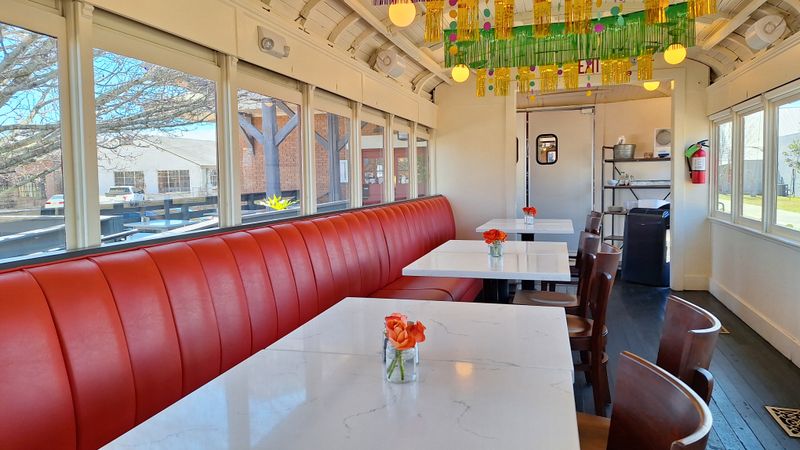
Covington combines small-town Southern charm with New Orleans proximity, creating a community that escaped the city without abandoning culture.
The historic downtown district hosts art galleries, farm-to-table restaurants, and breweries that locals defend fiercely against chain store invasions.
I spent a morning at the farmers market where vendors knew customers by name and dietary preferences.
The Tammany Trace rails-to-trails path connects communities while offering recreation through pine forests and wetlands.
Fontainebleau State Park provides beach access—yes, Louisiana has beaches—on Lake Pontchartrain’s north shore.
Mardi Gras here feels family-friendly, with krewes that prioritize community over commercialism.
Artists and musicians who need New Orleans access but crave quieter living have made Covington increasingly creative.
This town proves you can have Louisiana’s best qualities without the chaos.
10. Abita Springs
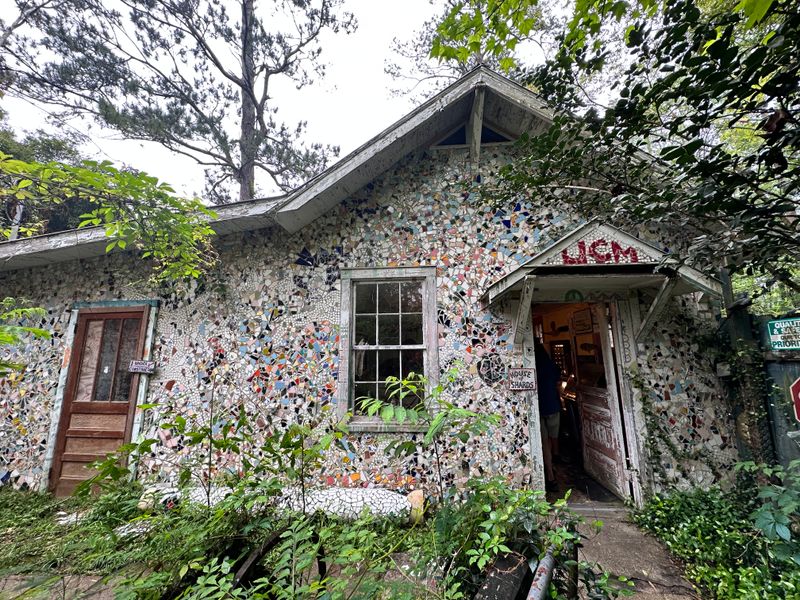
Abita Springs built its reputation on natural springs that once drew health seekers, now famous for the brewery that shares the town’s name.
The Abita Mystery House defies description—imagine a folk art installation mixed with a museum of oddities and you’re halfway there.
I spent an hour exploring this wonderland, laughing at the absurdity and creativity that could only exist in Louisiana.
The town maintains old-fashioned charm with minimal commercial development, keeping that sleepy village vibe alive.
Artesian water still flows from public fountains where locals fill jugs regularly.
Fall brings the Ozone Festival, celebrating the town’s history as a health resort destination.
Proximity to New Orleans makes it a popular escape for city dwellers seeking nature and quiet.
Abita Springs shows that Louisiana treasures aren’t always about history or food—sometimes they’re just wonderfully weird.
11. Grand Isle
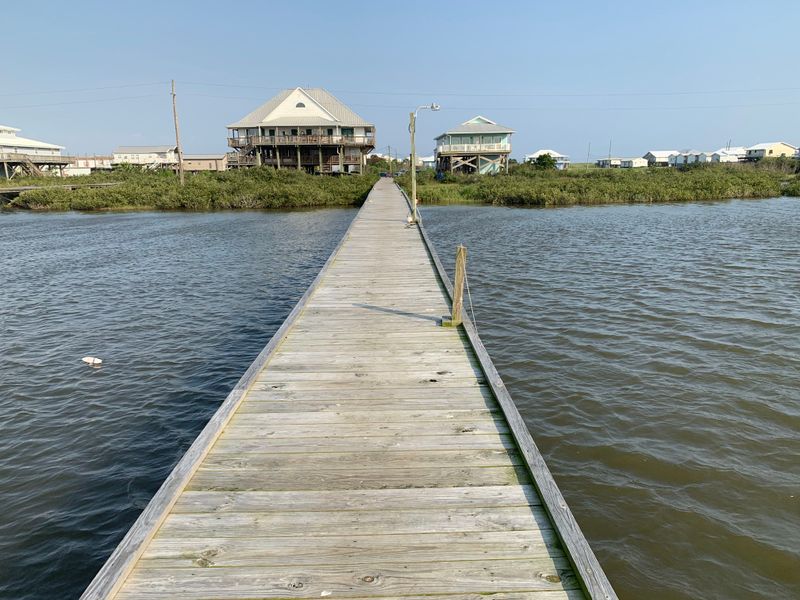
Grand Isle represents Louisiana’s last stand before the Gulf swallows everything, a barrier island where fishing isn’t a hobby—it’s life.
Stilted houses acknowledge the reality that water will come, building resilience into architecture itself.
I watched charter boats return at sunset, their catches fueling restaurants that serve the freshest seafood imaginable.
This community has been battered by hurricanes, oil spills, and coastal erosion, yet people return and rebuild because Grand Isle gets in your blood.
The beach lacks white sand perfection but offers authentic Gulf Coast experience without resort pretension.
Bird-watching during migration seasons brings species from across the hemisphere.
Summer weekends bring New Orleans families escaping city heat.
Grand Isle embodies Louisiana’s relationship with water—beautiful, dangerous, essential, and ultimately worth the risk of loving something so vulnerable.