
17 Louisiana Recipes Locals Will Defend Like Family Traditions
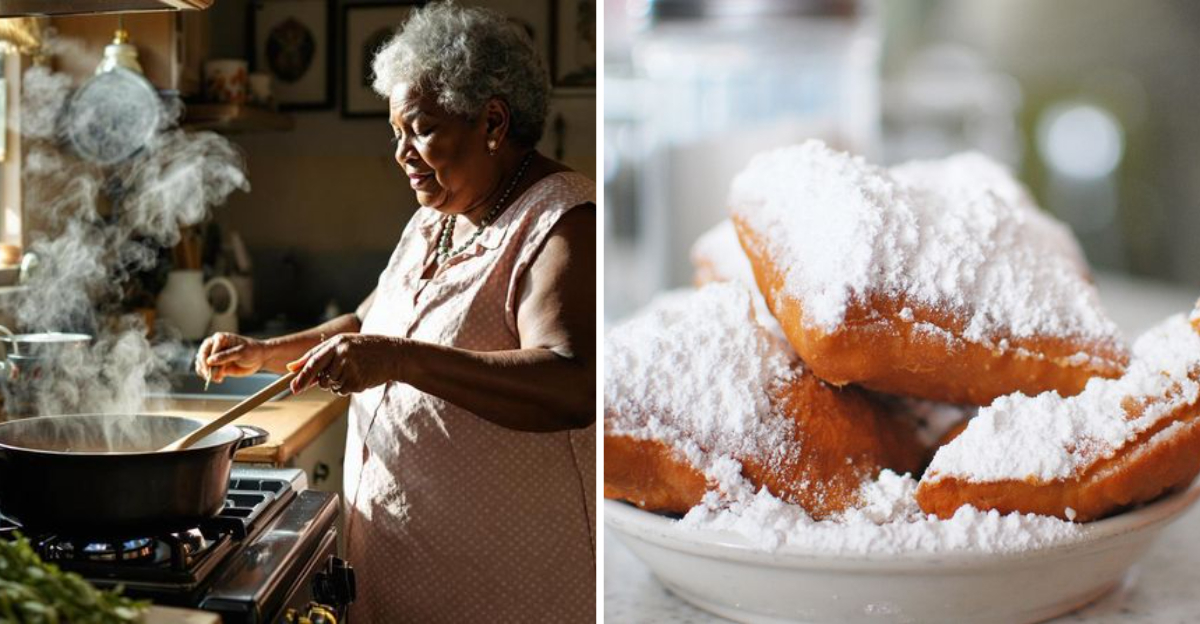
Growing up in Louisiana taught me that food is so much more than mere sustenance—it’s our heritage served up on a plate, rich with history and pride.
Every dish from our kitchens tells a story, shaped by centuries of cultural blending, family gatherings, and traditions lovingly passed from one generation to the next. The spices, the techniques, and even the way we share a meal are woven into the fabric of who we are.
So when an outsider suggests “improvements” to these cherished recipes, beware—you just might see our famous Southern hospitality take a quick pause while we set the record straight.
1. Grandma’s Secret Gumbo
Every Louisiana family guards their gumbo recipe like buried treasure. My grandmother would shoo neighbors from her kitchen when making her dark chocolate-colored roux—the essential foundation that can’t be rushed.
Some folks swear by okra for thickening, while others stand firmly in the filé powder camp. The holy trinity of bell peppers, onions, and celery remains non-negotiable.
Whether seafood or chicken and sausage, true Louisiana gumbo simmers for hours, allowing flavors to meld into something magical. Arguments about what constitutes ‘authentic’ gumbo have literally ended friendships in my hometown!
2. Righteous Red Beans & Rice
Monday laundry day tradition gave birth to our beloved red beans and rice. Mama would set those Camellia beans to simmer while tackling the week’s washing, letting them cook low and slow until creamy perfection.
Smoked ham hocks, andouille sausage, and the perfect pepper kick transform humble beans into something divine. The secret lies in mashing some beans against the pot’s side to create that velvety texture that coats each grain of rice.
Locals know good red beans should never be soupy or stiff—they should slowly cascade over rice like lava down a volcano. Arguments about whether to add pickle meat or how much Crystal hot sauce belongs on top remain eternal.
3. Jambalaya Throwdown
Forget what you’ve seen on cooking shows—authentic jambalaya sparks fierce regional debates across Louisiana! Creole jambalaya (red with tomatoes) from New Orleans differs dramatically from Cajun jambalaya (brown without tomatoes) from bayou country.
My uncle nearly flipped a table when someone suggested adding peas to his treasured family recipe. The perfect jambalaya achieves individual rice grains that remain distinct yet infused with smoky meat flavors.
Locals judge a jambalaya by the coveted crispy bits from the pot’s bottom—what we call ‘graton.’ Those golden nuggets get snatched up first at family gatherings, often causing playful squabbles among cousins vying for the best portions.
4. Crawfish Étouffée Showdown
The first time my northern friend called étouffée ‘crawfish stew,’ I nearly revoked our friendship on the spot! This luxurious dish—whose name means ‘smothered’—showcases plump crawfish tails bathed in a rich, butter-laden sauce that demands respect.
Families battle over whether to start with a roux or rely purely on the butter-vegetable base. My grandmother would roll in her grave if she knew some restaurants use frozen crawfish or—heaven forbid—substitute shrimp!
The perfect étouffée should have a consistency that clings lovingly to each grain of rice. When crawfish season hits, watching elders taste and critique each other’s étouffée becomes better entertainment than any reality TV show.
5. Sacred Seafood Po’ Boys
Nothing triggers a Louisiana native faster than biting into a so-called ‘po’ boy’ made with grocery store French bread. The bread makes or breaks this iconic sandwich—it must have that perfect crispy crust while remaining ethereally light inside.
My grandfather would drive two hours to get the ‘right’ bread for family gatherings. Proper fried shrimp or oyster po’ boys should overflow with seafood that’s lightly battered, not heavily breaded, and dressed with cool lettuce, tomatoes, pickles, and mayo.
Local debates rage about whether to add hot sauce or how much ‘debris’ (roast beef gravy drippings) belongs on a roast beef version. I’ve witnessed grown adults sulk when their favorite po’ boy shop closes—it’s that serious.
6. Muffuletta Mania
First-timers often underestimate the commitment required for eating a proper Central Grocery muffuletta. This magnificent Italian-Creole creation stands as tall as your fist with layers of mortadella, salami, ham, provolone, and the crown jewel—olive salad that must marinate for days.
My Sicilian neighbor would prepare her olive salad weeks in advance, guarding her ratio of green olives to giardiniera like national security intel. The round sesame bread should be sturdy enough to hold everything without disintegrating yet soft enough to bite through.
True Louisiana locals know a proper muffuletta improves after several hours as the olive oil penetrates the bread. Family feuds have erupted over whether to heat this sandwich—traditionalists consider warming it blasphemy while pragmatists enjoy melted cheese.
7. Boudin Bloodlines
Nothing identifies your Louisiana parish faster than your boudin preferences. This miraculous sausage—stuffed with seasoned pork, rice, and green onions—carries distinct regional signatures that locals defend with surprising passion.
My grandfather would drive three hours to his trusted boudin source, refusing all substitutes. Some families prefer boudin with liver for richness; others declare it too mineral-tasting. The casing debate divides households—bite through it or squeeze the filling out?
Roadside boudin stands become pilgrimage sites for devoted fans. The ultimate Louisiana power move involves bringing your family’s favorite boudin to another family’s gathering and watching everyone abandon the host’s offering for yours—a subtle yet devastating culinary victory that gets discussed for generations.
8. Praline Perfection
My aunt Josephine could spot a tourist-trap praline from twenty paces. ‘Too grainy! Too pale! Not enough pecans!’ she’d declare with authority born from decades of candy-making expertise.
Real Louisiana pralines (pronounced PRAW-leens, never PRAY-leens) should have a delicate crystalline structure that melts on your tongue while still providing pecan crunch. Family recipes specify exactly how long to stir the sugar mixture—too little creates a sticky mess; too much produces sugar sand.
The weather affects praline-making success, with humidity being the sworn enemy. I’ve witnessed genuine tears when a batch fails during important holiday preparations. Arguments about adding vanilla, evaporated milk, or cream divide even the closest families into passionate candy-making factions.
9. Reverent Remoulade
Yankees think remoulade is just fancy mayonnaise, but Louisianians know better! This divine sauce—ranging from white to sunset orange—elevates everything from fried green tomatoes to seafood platters with its complex flavor profile.
My mother guarded her remoulade recipe fiercely, revealing it only after I promised never to share it beyond family. The great divide between Creole remoulade (tomato-based and red) and white remoulade (mayonnaise-based) has sparked heated debates at dinner tables across the state.
Secret ingredients like pickle juice, anchovy paste, or Creole mustard distinguish family versions. I once witnessed two elderly ladies at a church potluck passive-aggressively complimenting each other’s remoulade while simultaneously explaining why their own version was superior—a masterclass in Southern competitive hospitality!
10. Courtbouillon Controversy
Outsiders often mispronounce this treasured fish stew as ‘court-BOO-yon’ instead of the proper ‘coo-bee-yon,’ immediately revealing their tourist status. This rich tomato-based fish dish showcases whatever Gulf catch looks freshest that morning.
My fishing family treats courtbouillon preparation as sacred ritual—first creating a proper roux, then layering in the holy trinity vegetables before gently nestling fish fillets into the fragrant bath. Arguments about whether to include file powder or which fish makes the best base can last longer than holiday dinner itself.
True Louisiana courtbouillon achieves perfect balance between acidic tomatoes and rich roux. The dish embodies our waste-nothing philosophy, originally created to use less-than-perfect fish parts while still delivering magnificent flavor—resourcefulness transformed into culinary genius.
11. Beignet Battlegrounds
The first time my cousin brought home boxed beignet mix, my grandmother nearly fainted from shock. These heavenly fried pillows—dusted generously with powdered sugar—seem simple but separate true Louisiana cooks from pretenders.
Perfect beignets require precise dough consistency and oil temperature. Too hot creates a brown exterior with raw inside; too cool produces greasy disappointments. Locals judge a proper beignet by the mountain of powdered sugar (which should threaten your respiratory system) and the hollow pocket inside.
Family recipes specify exactly how long to rest the dough—some overnight, others just hours. Café du Monde may be famous, but every Louisiana parish has a local spot claimed to be superior. I’ve witnessed heated arguments about whether square or rectangular cuts produce the superior puff.
12. King Cake Kingdom
Nothing reveals your Louisiana roots faster than your king cake allegiance. This Carnival season staple—a ring of cinnamon-laced dough topped with purple, green, and gold sugar—sparks debates fiercer than any football rivalry.
Traditional versus filled creates the greatest division. My grandmother considered cream cheese filling an abomination while my mother secretly preferred it. Finding the hidden plastic baby brings both luck and responsibility—you must provide next year’s cake!
Each bakery develops distinctive style, with locals defending their favorite as the only acceptable version. I’ve witnessed family members smuggle their preferred king cake into gatherings to avoid eating the ‘inferior’ one provided by the host—a serious social offense forgiven only during Mardi Gras season when normal rules of etiquette temporarily suspend.
13. Oyster Obsession
Louisiana locals can spot non-native oyster eaters immediately—they’re the ones asking for cocktail sauce instead of proper mignonette or lemon. Our Gulf oysters—plump, mild, and perfect raw or chargrilled—inspire devotion bordering on religious.
Family recipes for oyster dressing (never ‘stuffing’) get passed down like precious heirlooms. My grandfather could open oysters with surgical precision, teaching me to avoid piercing the liquor—that precious briny juice that contains the essence of the sea.
The great chargrilled debate divides households: some insist on the butter-garlic-herb-parmesan combination made famous by Drago’s, while purists prefer minimal toppings to let the oyster shine. I’ve witnessed grown adults nearly come to blows arguing about whether Gulf oysters compare favorably to their skinny Blue Point cousins.
14. Turtle Soup Traditions
My first spoonful of proper turtle soup—rich, complex, and finished with sherry tableside—remains etched in my culinary memory. This heritage dish separates casual Louisiana diners from serious gastronomes who appreciate its labor-intensive preparation.
Family recipes often substitute alligator snapping turtle with farm-raised alternatives, though traditionalists insist wild-caught produces superior flavor. The soup requires multiple meat brownings and long simmering to develop its characteristic mahogany color and depth.
Commander’s Palace may have the famous version, but local families guard their variations zealously. My great-uncle added a pinch of filé powder—technically unorthodox but delicious. The finishing touch of sherry must be offered separately, never pre-mixed, allowing each diner to control their portion—a small but significant ritual that honors individual taste.
15. Mirliton Madness
Outsiders call them ‘chayote squash,’ but in Louisiana, they’re mirlitons (pronounced MEL-lee-tawns), and they inspire surprising passion. These pear-shaped vegetables transform from bland to extraordinary through proper stuffing techniques passed through generations.
My grandmother’s mirliton casserole—filled with shrimp, crabmeat, and the holy trinity vegetables—caused family members to strategically position themselves near the serving table at holidays. The texture must balance between firm and mushy, a culinary tightrope that separates novices from kitchen veterans.
Some families insist on ham instead of seafood; others declare breadcrumbs essential or forbidden. I’ve witnessed heated debates about whether to leave the skin on or remove it. During growing season, neighbors proudly display their backyard mirliton vines, competing for who can produce the most prolific harvest.
16. Bread Pudding Battles
Louisiana bread pudding transforms stale French bread into dessert magic through a delicate balance of eggs, sugar, and typically bourbon or rum. My aunt’s version—crispy top giving way to custardy interior—won blue ribbons at parish fairs three years running.
Family recipes specify exact bread-to-custard ratios and soaking times. Some insist on raisins while others consider them sacrilege. The whiskey sauce debate divides households—should it be absorbed into the pudding or served alongside?
True Louisiana bread pudding should never be mushy or dry, achieving instead that perfect middle ground. I’ve witnessed genuine hurt feelings when someone brings store-bought to family gatherings. White chocolate bread pudding from Commander’s Palace sparked a revolution in the 1980s, creating modernist versus traditionalist camps that still engage in friendly combat today.
17. Dirty Rice Devotion
Yankees often mistake dirty rice for ‘rice with stuff in it,’ missing the essential element that gives this dish its name and soul—chicken livers! The finely chopped organ meat creates the characteristic ‘dirty’ color and deep flavor that defines authentic versions.
My grandfather insisted proper dirty rice requires equal parts chicken livers and gizzards, while my mother preferred a lighter approach with more green onions. Family recipes specify exact browning techniques to develop flavor without creating bitter notes.
Some modern versions substitute ground beef for offal—a modification that makes traditionalists clutch their pearls in horror. The perfect dirty rice should be fluffy with distinct grains, not wet or clumpy. I’ve witnessed dinner guests politely decline second helpings of everything except dirty rice—the ultimate Louisiana compliment.