
Louisiana’s Heart Beats In These 11 Places
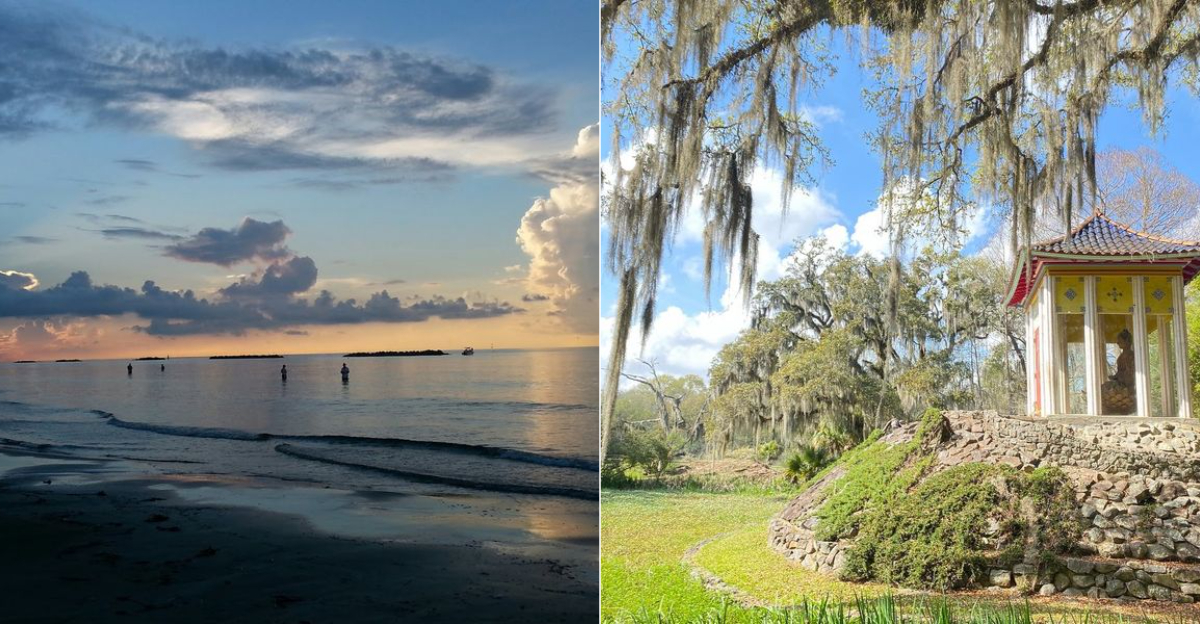
This is Louisiana in its rawest form! Its heart pounding under Spanish moss, its soul swirling in every smoky kitchen, every bayou bend, every brass note that leaps from a street corner.
It doesn’t ask for attention. It demands it.
Walk these streets, follow these rivers, taste these flavors, and you don’t just see Louisiana. You feel it, deep in your chest, in your bones, in that part of you that knows some places don’t just exist, they live.
Every corner is filled with a story that refuses to be forgotten.
1. Atchafalaya Basin
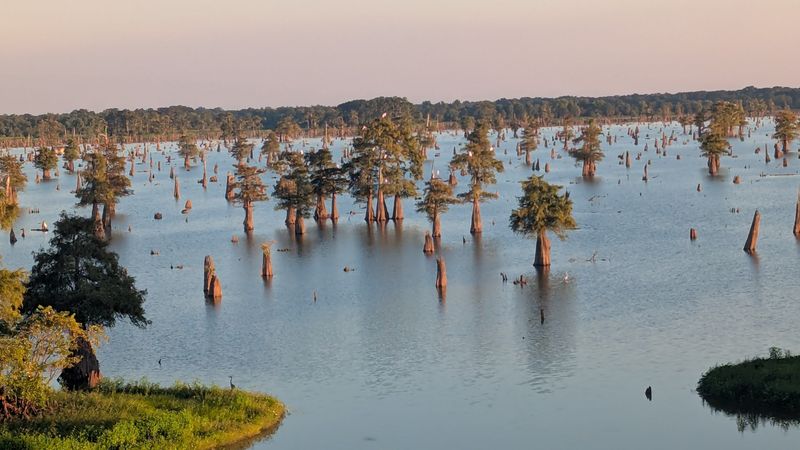
Nothing quite prepares you for the sheer scale of the Atchafalaya Basin. Located along the 1908 Atchafalaya River Hwy in Breaux Bridge, LA 70517, this is the largest river swamp in the United States, covering over one million acres of bottomland hardwoods, swamps, and bayous.
It’s the kind of place that makes you feel genuinely small, and somehow completely okay with that.
The basin is a critical ecological zone, home to over 270 species of birds, alligators, river otters, and crawfish that fuel Louisiana’s famous culinary scene.
Paddling through its narrow waterways feels like moving through a living cathedral, where cypress knees jut up from black water and herons stand perfectly still like they’re posing for a painting.
Sunrise on the Atchafalaya is something that belongs on a bucket list, not just a weekend plan. The fog lifts slowly off the water, the birds start calling, and for a moment, the modern world simply ceases to exist.
Louisiana’s wildest heart beats loudest right here.
2. Lake Fausse Pointe State Park
Lake Fausse Pointe State Park is the kind of place that makes you wonder why you ever thought a beach vacation was the only way to recharge.
Tucked away at 5400 Levee Road in St. Martinville, LA 70582, this park sits right on the edge of the Atchafalaya Basin and offers some of the most stunning water trails in the entire South. It’s remote, it’s raw, and it’s completely worth the detour.
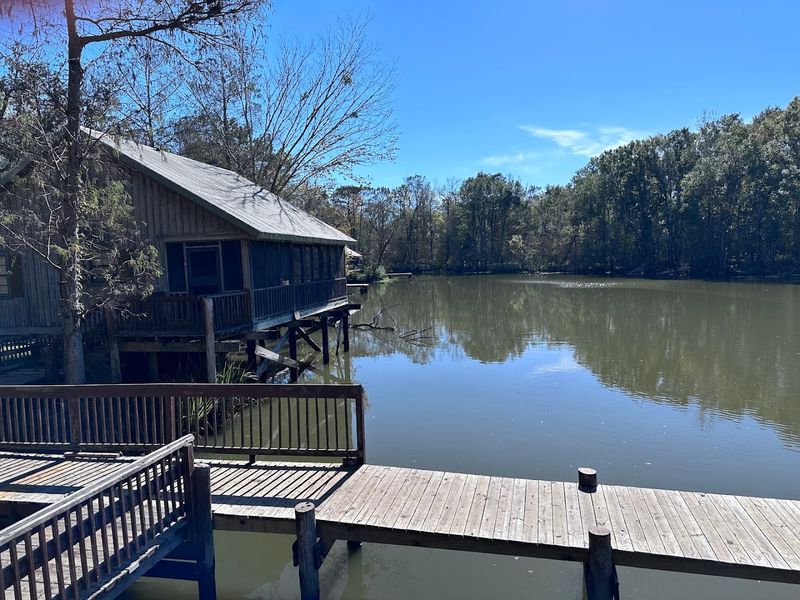
The park features over 6,000 acres of wetlands, with canoe and kayak trails winding through ancient cypress forests that look like something straight out of a fantasy novel. Cabins built on stilts sit above the waterline, giving you a front-row seat to one of nature’s most dramatic landscapes.
Egrets, wood ducks, and the occasional alligator make regular appearances.
Camping here means falling asleep to frog songs and waking up to birdsong so loud it replaces any need for an alarm. Lake Fausse Pointe doesn’t just offer an escape from the everyday.
It offers a full reset.
3. Lake Martin And Cypress Island Preserve
If you have ever wanted to feel like a wildlife documentary narrator, Lake Martin is your moment. Located at 1264 Prairie Highway in Breaux Bridge, LA 70517, this stunning preserve sits within the Cypress Island Preserve and is one of the most accessible wildlife viewing spots in all of Louisiana.
You can pull right up to the water’s edge and watch a full-blown nature show unfold in real time.
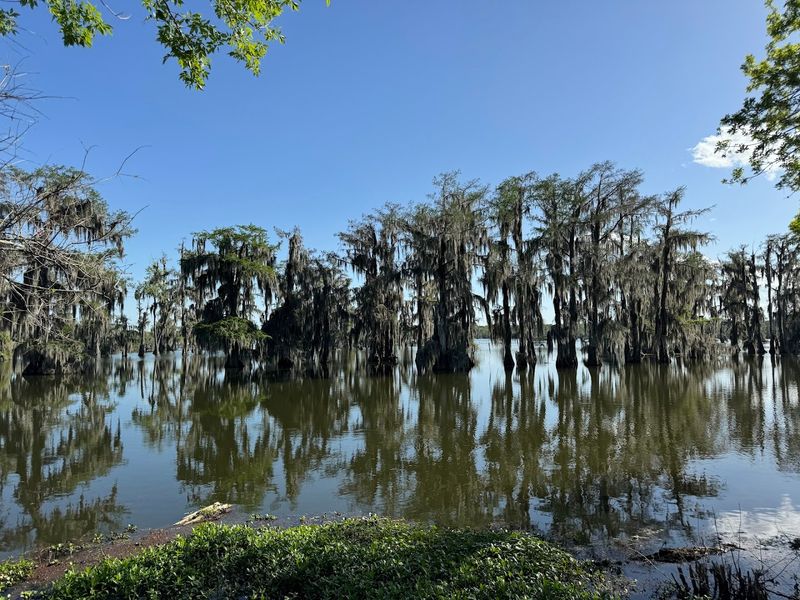
The lake is home to one of the largest wading bird rookeries in North America. During nesting season, thousands of great blue herons, roseate spoonbills, egrets, and anhingas crowd into the cypress trees above the water in a spectacle that is genuinely jaw-dropping.
Alligators glide silently through the shallows below, completely unbothered by the chaos above them.
The Nature Conservancy manages the preserve, ensuring this ecosystem stays protected for generations to come. A boardwalk trail makes it easy to explore without disturbing the wildlife.
Lake Martin proves that some of the most extraordinary experiences in Louisiana require nothing more than showing up and paying attention.
4. Vermilionville
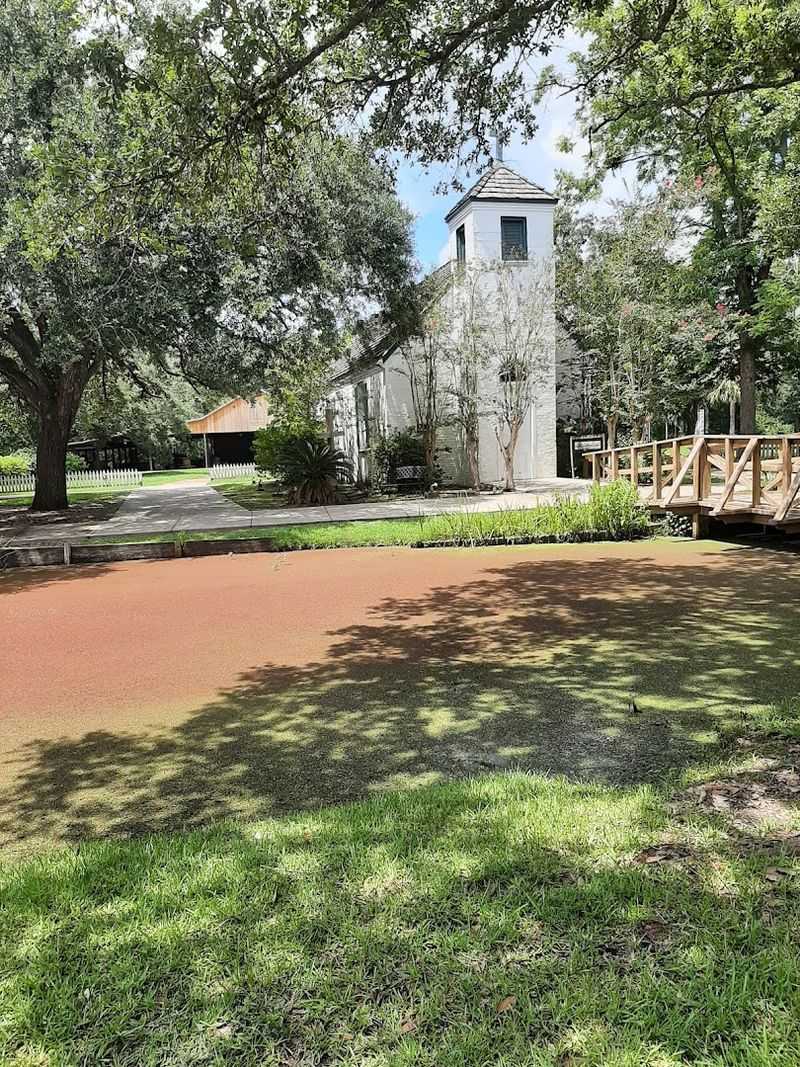
Stepping into Vermilionville feels like someone hit the rewind button on Louisiana history, and honestly, you won’t want to hit play again.
Sitting at 300 Fisher Road in Lafayette, LA, this living history museum recreates life in Acadiana from the 1700s through the 1900s across a sprawling 23-acre site along Bayou Vermilion. It’s education wrapped in storytelling, and it never once feels like homework.
The village features authentic Creole and Acadian cottages, a working blacksmith shop, a chapel, and gardens that reflect the region’s rich agricultural past.
Craftspeople demonstrate traditional skills like weaving, cooking, and boat building, giving visitors a hands-on connection to the culture that shaped southern Louisiana. The food prepared on-site uses heritage recipes that have been passed down through generations.
What makes Vermilionville genuinely special is how it honors both the Creole and Acadian communities without flattening either story into a simple tourist narrative.
The bayou setting adds a layer of natural beauty that makes every corner of the property worth exploring. Louisiana’s cultural roots run deep, and Vermilionville is where you actually get to feel them.
5. Breaux Bridge
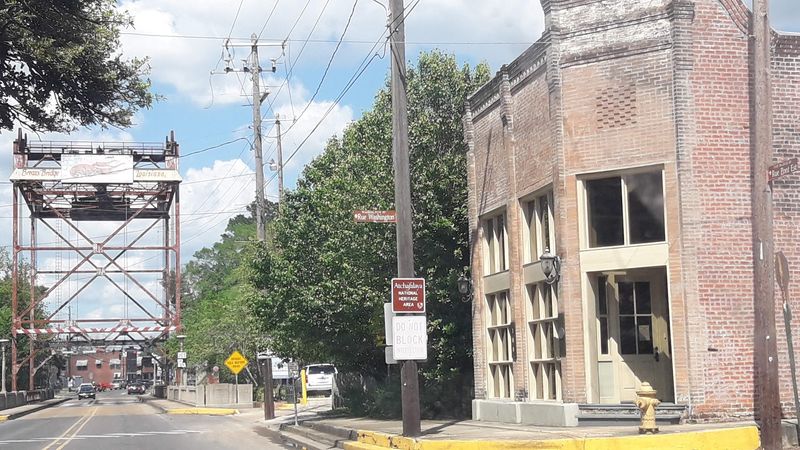
Breaux Bridge carries the title of Crawfish Capital of the World, and it wears that crown with zero apology. Found at 314 E Bridge St in Breaux Bridge, LA 70517, this small Cajun town packs more personality per square foot than most cities ten times its size.
The town was founded in 1829 when Agricole Breaux built a bridge over Bayou Teche, and that same community spirit still runs through every street corner today.
Downtown Breaux Bridge is a walkable mix of antique shops, Cajun restaurants, and local art galleries that feel genuinely lived-in rather than manufactured for tourism.
The Bayou Teche winds right through town, giving the whole place a lazy, cinematic quality that makes you slow your pace without even realizing it. Every few blocks, you catch the scent of something incredible coming from a kitchen window.
The annual Breaux Bridge Crawfish Festival draws crowds from across the country, but the town is worth visiting any time of year. Breaux Bridge is one of those rare places where the culture isn’t performed for visitors.
It simply exists, confident and unapologetic, the way great Cajun cooking does.
6. Avery Island Jungle Gardens
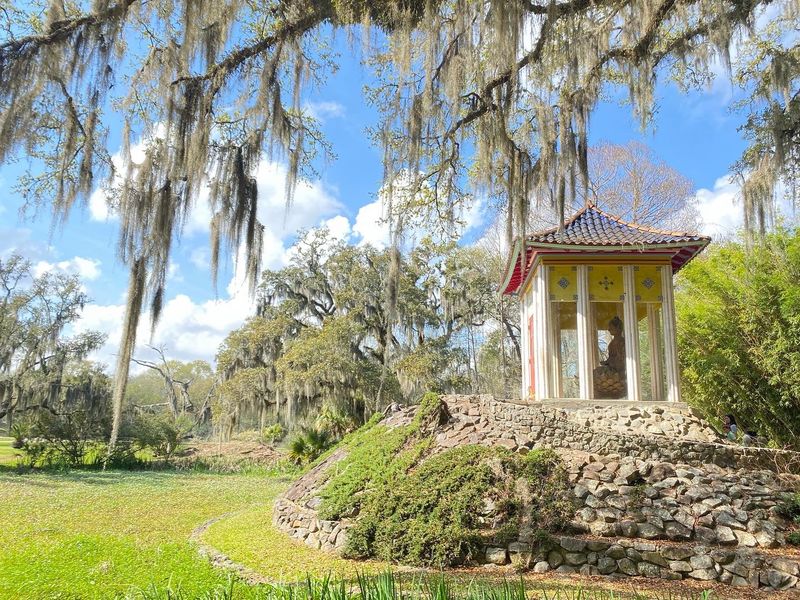
Avery Island is one of those places that sounds too good to be real, but then you arrive and realize reality outdid itself. Located off Hwy 329 on Avery Island, LA 70513, the Jungle Gardens cover 170 acres of sculpted subtropical landscape on a salt dome island that also happens to be home to the Tabasco pepper sauce factory.
But the gardens are a destination entirely on their own terms.
Created by Edward Avery McIlhenny in the early 1900s, the gardens feature a stunning mix of camellias, irises, bamboo groves, and ancient live oaks draped in Spanish moss.
A 900-year-old Buddha statue sits serenely in a Chinese-inspired garden that somehow feels completely at home in the Louisiana landscape. Bird City, a man-made rookery within the gardens, hosts thousands of snowy egrets each spring and is one of the most photographed spots in the state.
The diversity of plant life here is staggering, with over 200 varieties of camellias alone blooming across the property.
Driving the winding roads through the gardens at dusk, with egrets returning to roost overhead, is a moment that rewires your sense of what beautiful actually means.
7. Jean Lafitte National Historical Park And Preserve
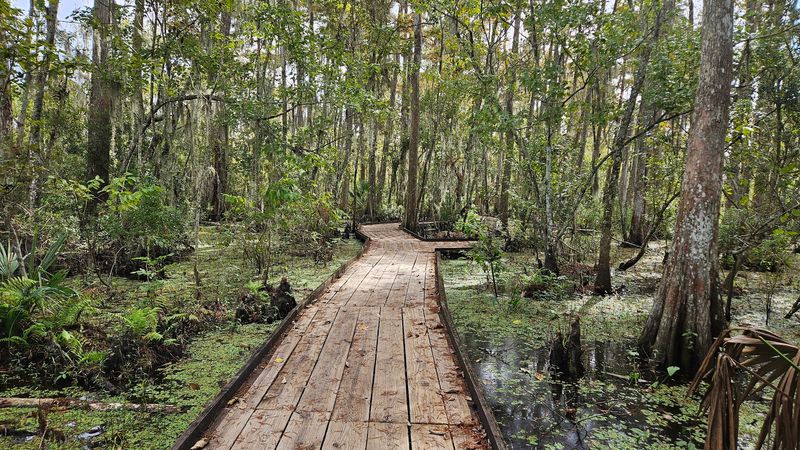
Named after the legendary privateer Jean Lafitte, this national park carries a history as layered and complex as the wetlands it protects.
The Barataria Preserve entrance is located at 6588 Barataria Blvd in Marrero, LA 70072, just south of New Orleans, making it one of the most accessible wild swamp experiences in the country. The fact that you can reach this level of wilderness within 30 minutes of a major city still feels like a magic trick.
The preserve covers over 23,000 acres of barrier islands, swamps, marshes, and bottomland hardwood forests that represent the ecological heart of the Mississippi River Delta.
Nine miles of trails, including elevated boardwalks, wind through habitats where alligators are a routine sighting rather than a highlight. Roseate spoonbills, red-shouldered hawks, and river otters all call this place home year-round.
The cultural history here is equally compelling. The Barataria region was a hub for trappers, fishermen, and yes, smugglers, for centuries before it became federally protected land.
Walking those boardwalks, you’re moving through layers of both natural and human history that Louisiana has preserved with remarkable care.
8. Cane River Creole National Historical Park
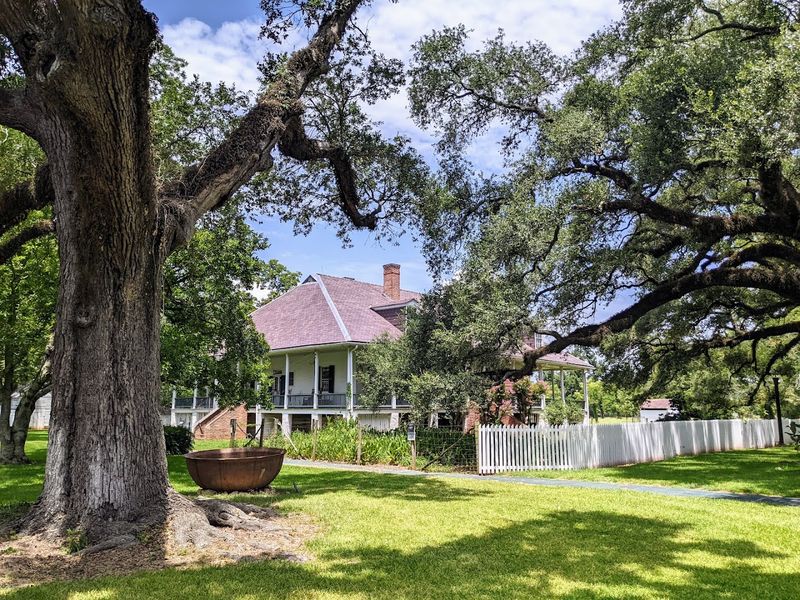
The Cane River region holds one of the most nuanced and important cultural histories in the entire United States, and the national park here honors that complexity without flinching.
Located at 1927 Remembrance Way in Natchitoches, LA 71457, Cane River Creole National Historical Park preserves two working plantations that tell the full story of Creole life in Louisiana across multiple centuries and perspectives.
Oakland and Magnolia Plantations anchor the park, each offering a different window into the agricultural, architectural, and social history of the region.
The Creole community that developed along the Cane River was unique in the American South, a tri-racial society of French, African, and Native American heritage that created its own distinct culture, language, and traditions.
The landscape itself, with centuries-old oak trees lining red dirt roads beside the slow-moving Cane River, feels almost mythological.
Natchitoches, the oldest permanent settlement in the Louisiana Purchase territory, surrounds the park with its own rich architectural heritage.
Visiting this park is not a passive experience. It asks you to sit with complicated history and come away with a more honest understanding of how Louisiana became what it is today.
9. Poverty Point World Heritage Site
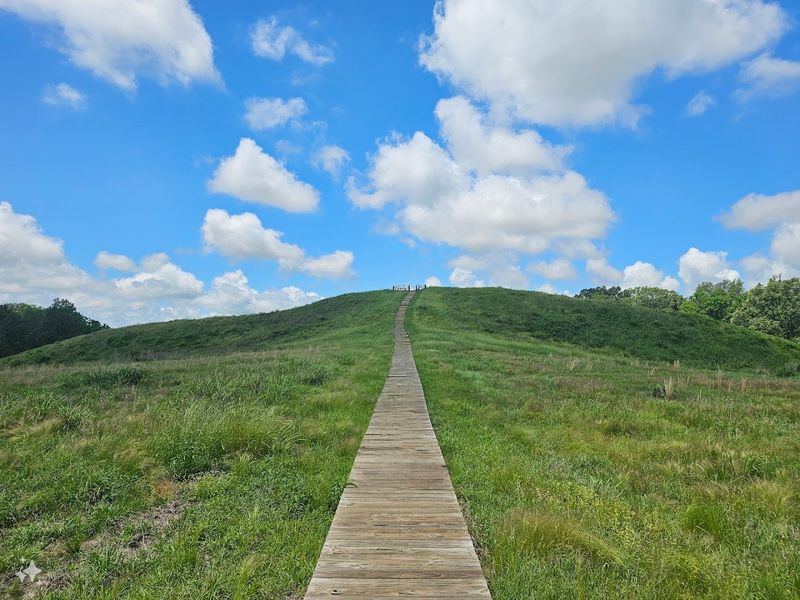
Here’s a fact that will genuinely stop you mid-scroll: Poverty Point is a UNESCO World Heritage Site built by a hunter-gatherer society over 3,000 years ago, and most Americans have never heard of it.
Situated at 6859 Hwy 577 in Pioneer, LA 71266, this extraordinary archaeological site contains one of the largest and most complex earthworks ever constructed in North America.
The scale of what was built here, without metal tools or agriculture, is almost impossible to process.
The site features six concentric earthen ridges and several massive mounds, including Mound A, which stands 72 feet tall and was built in as little as 90 days according to recent research.
The people who created Poverty Point were part of a vast trade network that stretched from the Great Lakes to the Gulf Coast. Artifacts found here include stone tools made from materials sourced thousands of miles away.
Walking the grounds and standing on those ancient ridges, looking out over the flat Louisiana landscape, you feel the weight of deep time pressing gently against your understanding of history. Poverty Point doesn’t just rewrite what you know about prehistoric America.
It erases the old draft entirely.
10. Grand Isle
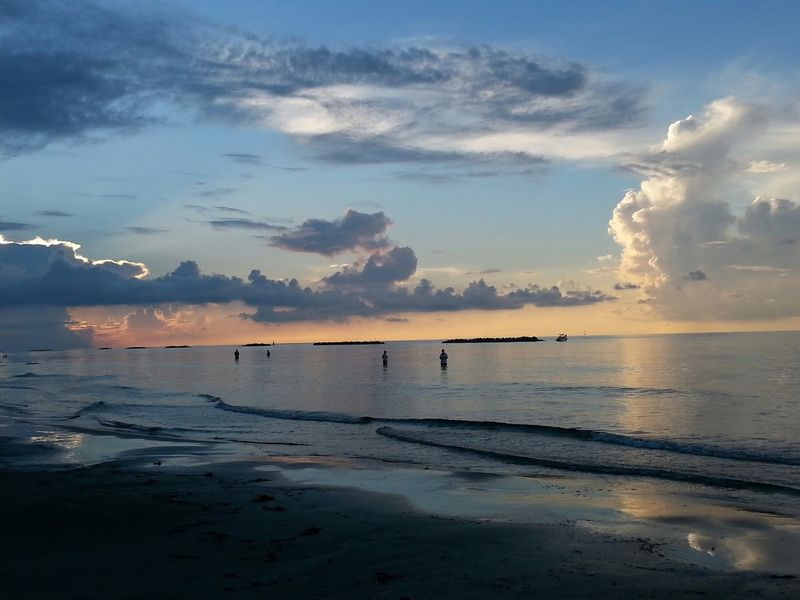
Grand Isle sits at the very end of Louisiana, a narrow strip of barrier island where the land finally surrenders to the Gulf of Mexico, and it is absolutely worth making the drive.
Found at 2757 Hwy 1 in Grand Isle, LA 70358, this small fishing community is one of Louisiana’s only inhabited barrier islands, and it carries a rugged, salt-sprayed beauty that feels entirely its own. The road in is long and flat, cutting through marsh and open water until the Gulf suddenly appears on both sides.
Grand Isle State Park offers beach access, fishing, birding, and camping right on the Gulf shore.
The island sits along a major migratory bird flyway, making spring and fall an extraordinary time to visit as hundreds of species land here to rest after crossing the open water. Brown pelicans, the Louisiana state bird, are a constant presence, gliding low over the waves with practiced elegance.
The island has been battered by hurricanes repeatedly throughout its history, yet it rebuilds every time, which says something profound about the people and the place.
Grand Isle is where Louisiana’s story meets the sea, and the conversation between them is endlessly worth witnessing.
11. Bayou Teche National Paddle Trail
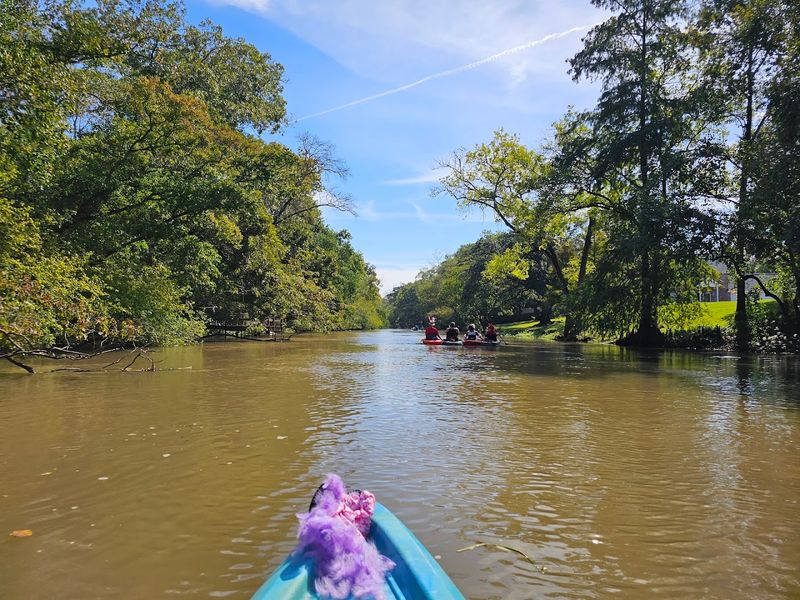
The Bayou Teche National Paddle Trail is not a single spot you can pin on a map. It’s a 125-mile water journey that threads through the soul of Acadiana, connecting small towns, wildlife refuges, and centuries of Cajun and Creole history in one long, glorious paddle.
Running through multiple parishes from Port Barre to the Atchafalaya Basin, this trail is managed as a multi-parish water route with no single street address, because some experiences are too big to be reduced to a location pin.
Bayou Teche itself was once the main channel of the Mississippi River, and its wide, slow-moving current still carries that ancient authority.
The bayou passes directly through towns like Breaux Bridge, New Iberia, and St. Martinville, meaning you can paddle from wilderness to town square and back again over the course of a single trip. Live oaks draped in Spanish moss form a canopy over stretches of the water that look like something a painter would invent.
The paddle trail has designated launch sites, campsites, and rest stops along its length, making multi-day trips genuinely manageable. Whether you paddle the whole thing or just a single afternoon stretch, the Bayou Teche has a way of slowing time down to exactly the right speed.
Which Louisiana spot will you explore first?