
10 Maine Historic Villages That Feel Even More Charming In Fall
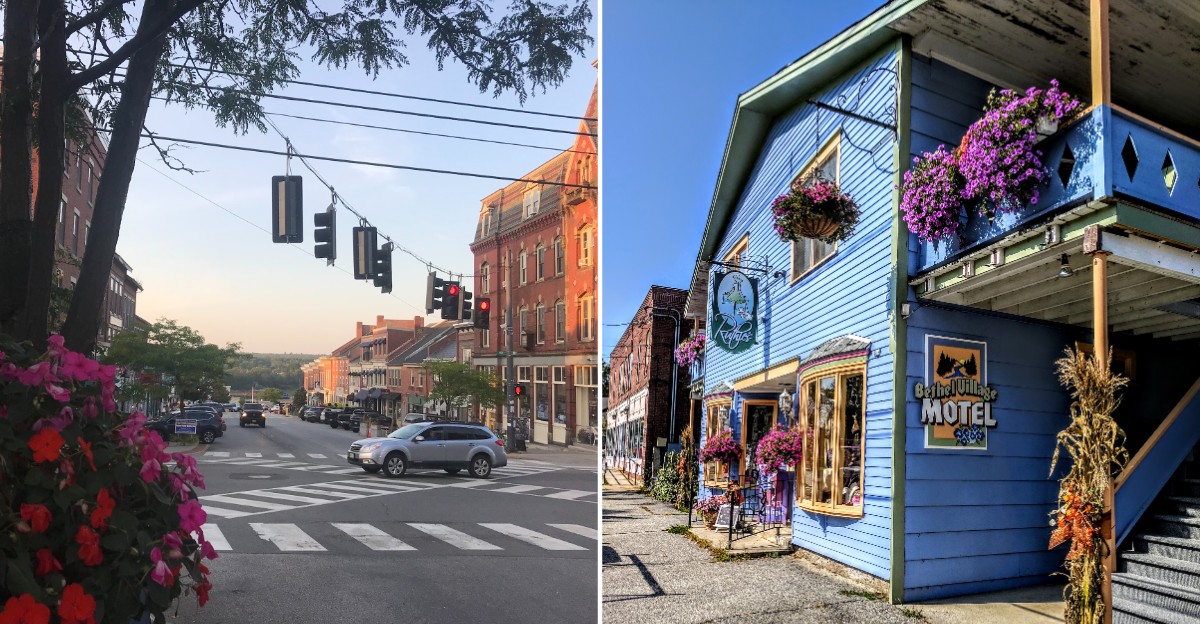
A white church steeple framed by blazing red maples can make you want to pull over before you even know the name of the town. Add lobster boats in the harbor and the smell of cider donuts drifting out of a bakery, and fall starts to feel pretty hard to beat.
Maine does this season especially well, and its older villages somehow look even better once the leaves turn. Many grew around shipbuilding, farming, or busy ports, so there is plenty of history mixed into the scenery.
The best part is that you do not need a packed schedule to enjoy them. A slow walk, a scenic drive, or a stop near the water can easily fill an afternoon.
Cooler days make exploring more comfortable, and the fall color gives familiar streets a completely different look. These are the kinds of places that make you want to linger a little longer.
Wiscasset Historic Village
Folks in Wiscasset, Maine, like to call their home the prettiest village in the state, and one autumn visit makes it hard to argue. The town sits along the Sheepscot River in Lincoln County, on the Midcoast of Maine in the United States.
Its historic center is packed with grand homes built during the shipping boom of the late 1700s and early 1800s.
Back then, Wiscasset was one of the busiest ports north of Boston. Sea captains spent their fortunes on Federal-style mansions with tall windows and fancy doorways.
Many of those homes still stand along High Street and Main Street, looking sharp against a backdrop of fiery maples.
Castle Tucker, a museum run by Historic New England at 2 Lee Street, is a must-see. The house still holds the furniture and belongings of the family who lived there for generations.
Nearby, the Nickels-Sortwell House on Main Street shows off elegant rooms from the early 1800s.
Hungry travelers usually line up at Red’s Eats, the famous lobster roll shack at 41 Water Street, which often stays open into early fall. Afterward, stroll to the waterfront for views of the river and the long bridge stretching across it.
Visit in early to mid-October for the best color. The antique shops along Main Street are fun to browse on a chilly afternoon, and many carry old maps, sea chests, and quirky treasures.
A walk here feels like flipping through a storybook, one golden page at a time.
Castine Village
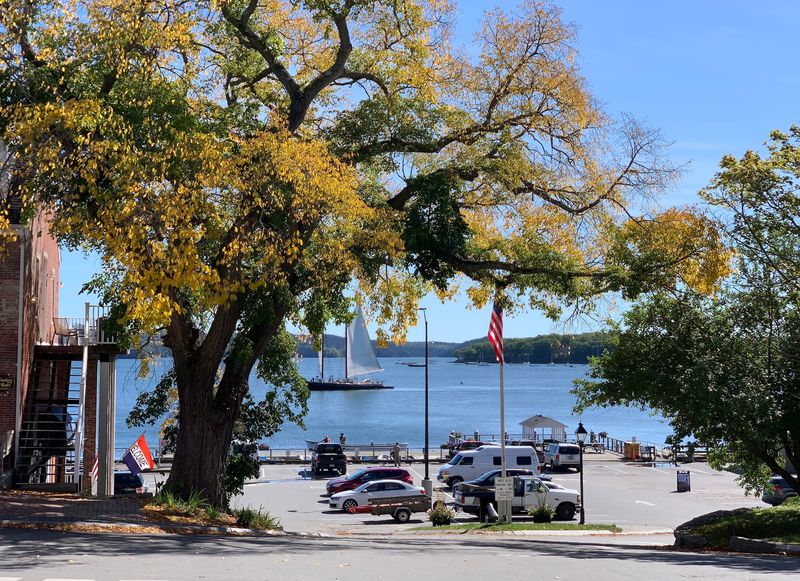
Few small towns have changed flags as often as Castine. Over the centuries, the French, British, Dutch, and Americans all fought for control of this peninsula village in Hancock County, Maine.
Today, the only battle is deciding which leafy street to explore first.
Castine sits at the edge of Penobscot Bay on the Downeast coast of Maine in the United States. Wander its quiet lanes and you will spot dozens of historic signs.
They explain old forts, battles, and early settlements, turning an ordinary walk into a free outdoor history lesson.
Fort George, built by the British in 1779, still has grassy earthworks you can climb. In fall, the grounds glow with golden trees, and the views of the harbor are lovely.
Down at the waterfront, you might see the training ship of Maine Maritime Academy, a college that keeps the town lively all year.
The village is also famous for its handsome white homes from the 1700s and 1800s. Many line Main Street, where tall trees shade the sidewalks.
The Castine Historical Society at 17 School Street offers exhibits about the town’s long past, with additional collections at the neighboring Grindle House.
Plan your trip for late September through mid-October, when the air is crisp and the harbor is peaceful. Bring a light jacket, since the ocean breeze can be chilly.
With so much history packed into one small point of land, Castine proves that good things really do come in small peninsulas.
Bethel Village
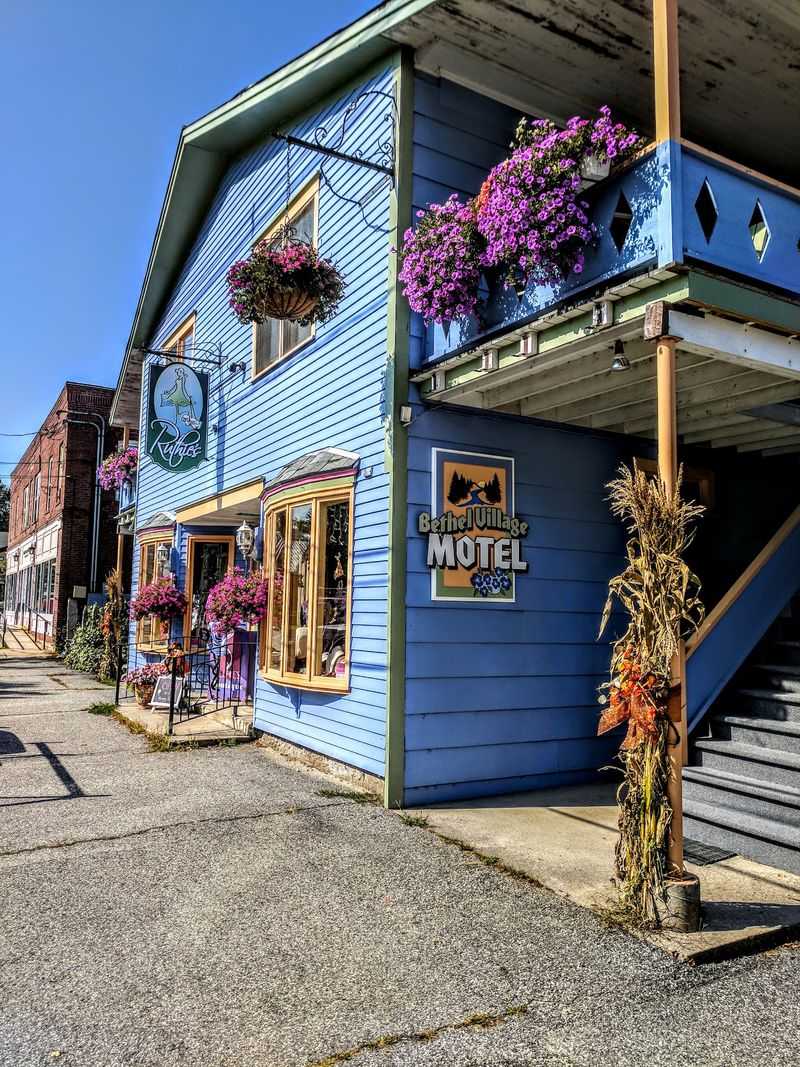
Mountains wrap around Bethel like a colorful quilt each October. This village sits in Oxford County in western Maine, United States, near the New Hampshire border and the White Mountains.
When the leaves turn, the hillsides light up in shades of red, orange, and gold.
The heart of town is the Bethel Common, a grassy green surrounded by historic buildings. The Bethel Inn Resort, at 21 Broad Street, has welcomed guests since 1913 and looks especially cheerful with pumpkins on its porch.
Across the way, you can admire old churches and houses from the 1800s.
History fans should stop by the Bethel Historical Society at 10 Broad Street. Its museum shares stories of early settlers, farmers, and the town’s role as a mountain getaway.
The staff can point you toward other historic homes in the area.
Outdoor lovers have plenty to do nearby. Grafton Notch State Park offers waterfalls and trails a short drive north, and Sunday River offers scenic lift rides during some fall weekends.
Driving the roads outside town gives you views of covered bridges and river valleys.
Bethel is also home to Bethel Harvestfest, traditionally held on the third Saturday in September with crafts, food, and live entertainment. Leaves here usually peak in late September or early October, a little earlier than the coast.
Arrive with a full tank of gas and an empty camera card, because this mountain town will fill it fast.
Paris Hill Historic District
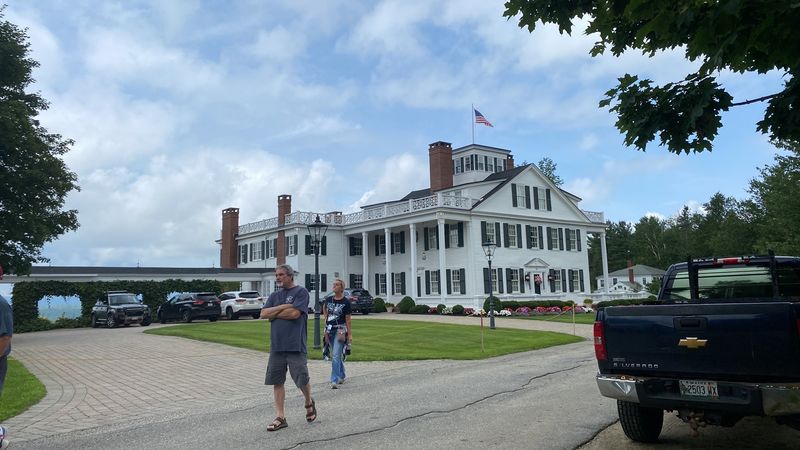
Sometimes the best view comes with a little climb. Paris Hill sits high on a ridge in the town of Paris, in Oxford County, western Maine, United States.
From the top, the fall colors roll out below you for miles, with the White Mountains in the distance.
This small district was once the county seat, which is why it has such stately buildings. Handsome homes from the late 1700s and 1800s line the road and village green.
The whole area is listed on the National Register of Historic Places.
One highlight is the Hamlin Memorial Library and Museum at 16 Hannibal Hamlin Drive. The stone building was once the county jail, built in 1822, and now holds books and local history exhibits.
Nearby stands the birthplace of Hannibal Hamlin, who served as Vice President under Abraham Lincoln.
There are no big shops or crowds up here. Instead, you get quiet lanes, old stone walls, and a peaceful sense of stepping back in time.
It is a lovely spot for a slow walk, a picnic, or a sketchbook session.
Timing matters, since the leaves in this inland area often peak in late September or early October. Pair your visit with a stop in nearby South Paris or Norway for lunch.
Paris Hill may be small, but it stands tall in both history and scenery.
Kennebunkport Historic District
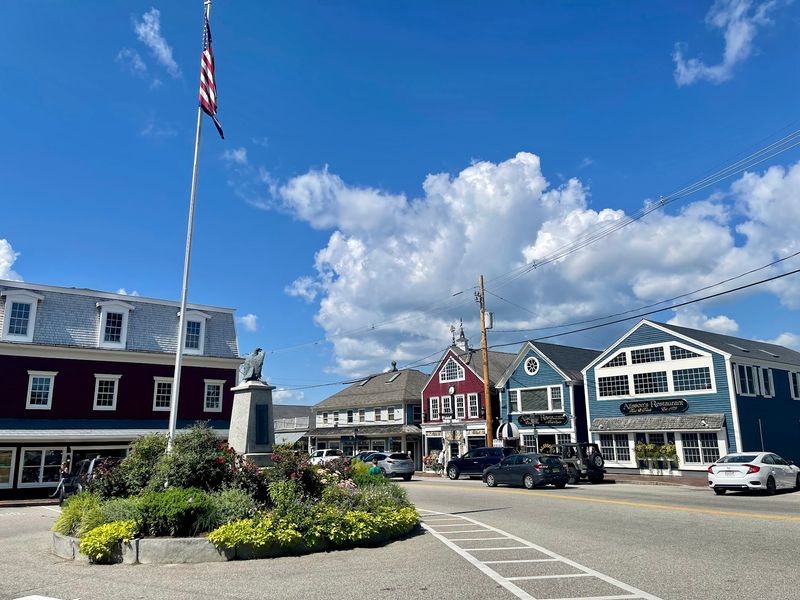
Summer gets all the headlines in Kennebunkport, but locals know the real secret season comes later. This seaside town sits in York County, on the southern coast of Maine, United States.
By October, the traffic calms down, the sweaters come out, and the shops fill their doorsteps with pumpkins.
Dock Square is the busy center of town. Colorful boutiques, galleries, and candy shops line the streets near the Kennebunk River.
Grab a warm drink and wander, since the whole area is made for window shopping.
The historic district is famous for its sea captain homes. Many were built in the 1800s when shipbuilding brought wealth to the area.
The Wedding Cake House, with its lacy white trim on Summer Street in nearby Kennebunk, is a favorite photo stop.
Ocean Avenue offers a scenic drive past rocky shores and grand old estates. You will also pass Walker’s Point, the summer home of the Bush family, which you can view from the roadside.
Farther along, Goose Rocks Beach is peaceful for a brisk fall stroll.
Don’t miss the Kennebunkport Christmas Prelude in early December if you want to stretch the season. In fall, though, the Harvest Fest brings music and treats to town.
With salty air, crunchy leaves, and pretty streets, Kennebunkport gives autumn a coastal twist.
Damariscotta Village

Imagine a pumpkin so big it becomes a boat. In Damariscotta, that is not a joke, it is a festival.
Each October, the Damariscotta Pumpkinfest and Regatta brings giant carved pumpkins to Main Street and races hollowed-out ones across the harbor.
This village sits in Lincoln County on the Midcoast of Maine, United States, along the Damariscotta River. Its downtown is lined with brick buildings from the 1800s, many rebuilt after the 1840s.
Today, they hold bookshops, bakeries, and cozy local stores.
The river is famous for oysters, and the area has a long history with them. In fact, ancient oyster shell heaps left by Native people thousands of years ago can be seen at Whaleback Shell Midden State Historic Site nearby.
It is a neat reminder that people have loved this river for a very long time.
For a fall walk, stop by Round Top Farm, where trails cross open fields near a small apple orchard, or browse local markets for seasonal treats. The Pemaquid Point Lighthouse is about a half-hour drive south and makes a great side trip.
Its rocky shore looks dramatic under autumn skies.
Plan to visit in early to mid-October for the festival and bright leaves. Parking can fill up during Pumpkinfest, so arrive early.
With so much squash spirit, Damariscotta is truly the gourd-geous center of Maine’s fall fun.
Hallowell Historic District
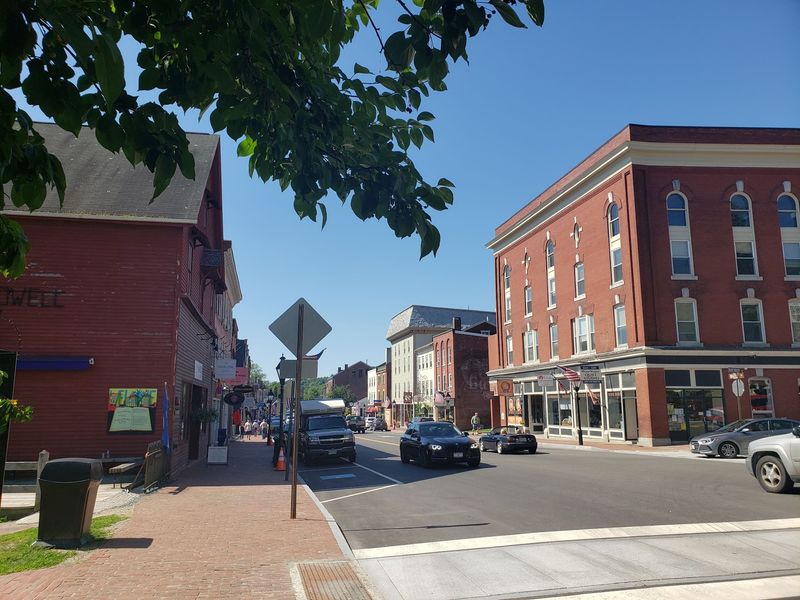
Tiny but mighty, Hallowell is often called one of the smallest cities in Maine. It sits along the Kennebec River in Kennebec County, central Maine, United States, just south of the state capital of Augusta.
In fall, the hills above town glow with color.
Water Street is the main attraction. Its brick buildings date mostly to the 1800s, when Hallowell was a busy river port and shipbuilding center.
Now they are filled with antique shops, art galleries, music stores, and friendly cafes.
Walk up the hill and you will find rows of historic homes in many styles. Some date back to the early 1800s, with neat columns and shutters.
The Hubbard Free Library at 115 Second Street, built in 1880, is one of the oldest library buildings in the state still in use.
The Kennebec River Rail Trail starts in town and follows the water toward Augusta and Gardiner. It is flat and easy, perfect for a family bike ride or a peaceful walk under golden trees.
You will often spot ducks and eagles along the way.
Hallowell has a lively arts scene, with live music and events through the fall. Visit in early to mid-October for peak leaves.
Come for the history, stay for the treasures tucked into every antique shop.
Norway Historic District
No passport needed for this trip to Norway. The Maine version sits in Oxford County in the western foothills of the state, United States.
It offers small-town charm, lake views, and a Main Street that shines in autumn.
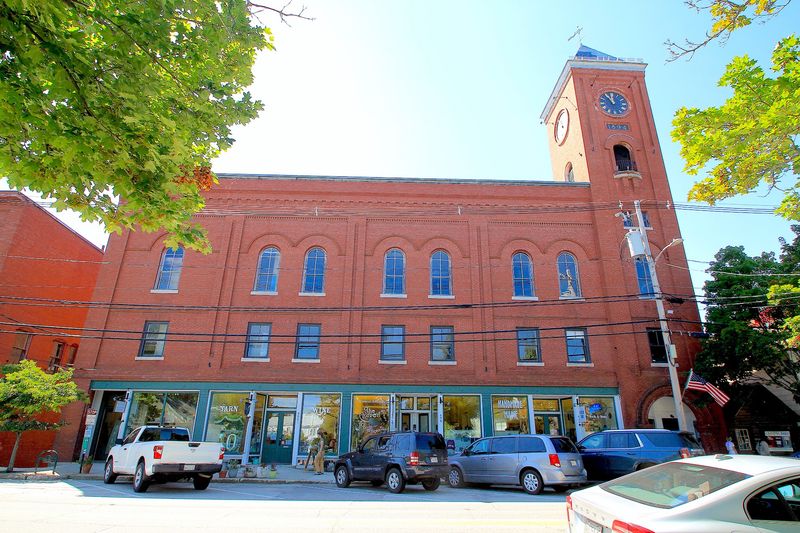
The historic district centers on Main Street, where brick and wood buildings stand from the late 1800s. Many were rebuilt after a large fire in 1894, giving the downtown a matching Victorian look.
The Norway Opera House, with its tall clock tower, is the star of the street.
Norway was once famous for making snowshoes. In fact, the town produced snowshoes used on polar expeditions in the early 1900s.
The Norway Historical Society shares stories about this and other local trades.
Just outside downtown, Lake Pennesseewassee reflects the fall colors like a shiny mirror. A drive around the lake or a picnic at the town beach is a relaxing way to spend an afternoon.
Nearby hills offer short hikes with wide views.
Local shops and bakeries add another reason to linger along Main Street after a walk through the historic district. Leaves usually peak here in late September or early October.
For a quiet, colorful escape, Norway is one of Maine’s best kept secrets, and now you know it too.
Belfast Historic District
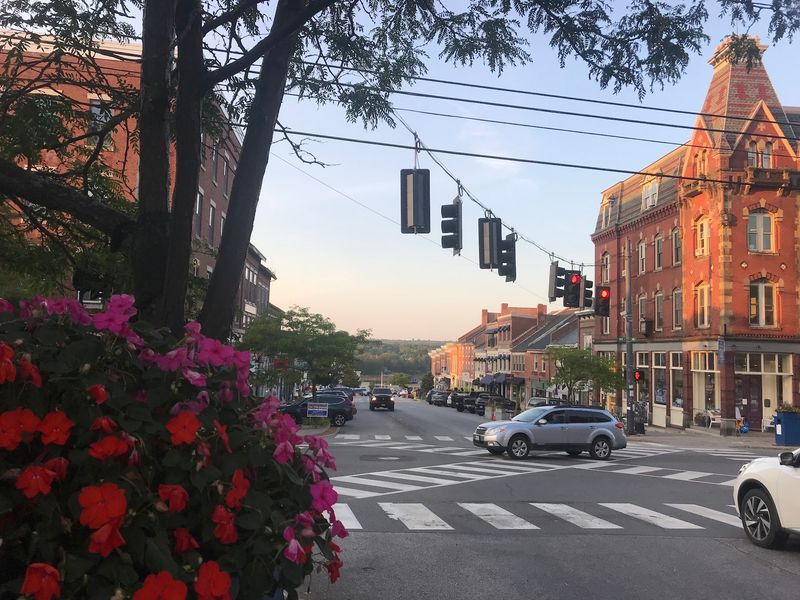
Brick storefronts tumble down the hill toward the water in Belfast, and in fall the whole scene feels like a postcard. This harbor city sits on Penobscot Bay in Waldo County, on the Midcoast of Maine, United States.
Its downtown is packed with history and art.
During the 1800s, Belfast was a busy shipbuilding town. Wealthy captains built grand homes in Greek Revival and Italianate styles, many still standing on streets like High Street and Church Street.
The downtown shops were rebuilt in brick after fires in the 1860s and 1870s.
Today, Main Street is full of galleries, bookstores, and local eateries. The Colonial Theatre, with its famous elephant statue on the roof, is a fun spot to catch a movie.
Kids and grownups alike love spotting the big gray critter.
Head down to the harbor to walk the Belfast Harbor Walk and cross the footbridge over the Passagassawakeag River. The view back toward town, framed by fall trees, is stunning.
The Belfast Rail Trail also follows the river for an easy, scenic walk.
Visit in October for crisp air and colorful hills. The Belfast Farmers Market offers local apples, maple treats, and baked goods.
With art, water, and history all in one place, Belfast is a harbor of happiness in autumn.
Rockport Village
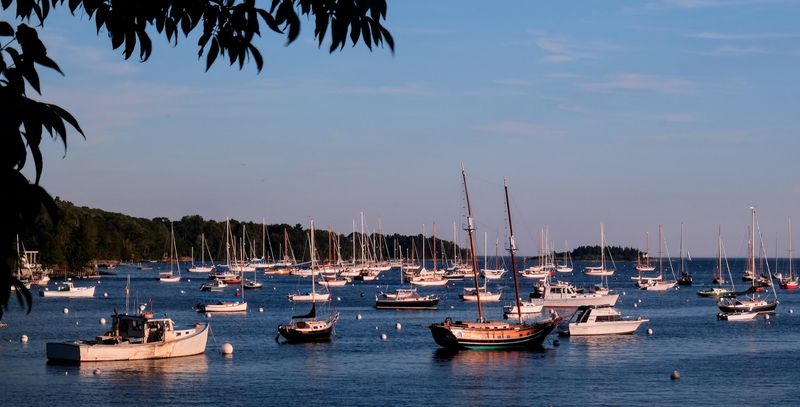
Quiet and picture-perfect, Rockport Harbor might be the calmest spot on the Maine coast in October. This village sits in Knox County on the Midcoast of Maine, United States, right between Camden and Rockland.
Sailboats bob in the water while the hills behind them turn red and gold.
Rockport has a rich history tied to lime. In the 1800s, workers burned limestone in big kilns near the harbor to make lime for building.
You can still see the old stone kilns in Marine Park, along with a statue of Andre the Seal, a famous harbor seal loved by locals.
The village center is small, with galleries, a few shops, and the Rockport Opera House at 6 Central Street. Built in 1891, it still hosts concerts and events.
The Maine Media Workshops also bring artists and photographers here, so creative energy is everywhere.
For a fall adventure, drive a few minutes to Camden Hills State Park and hike or drive up Mount Battie. The view over Penobscot Bay is breathtaking when the leaves peak in mid-October.
Aldermere Farm, with its belted cows, is also fun to see.
Bring a camera and a thermos of hot cocoa. Rockport rewards slow travelers who like peaceful views.
It is the perfect final stop, leaving you with harbor calm and plenty of reasons to plan another Maine fall trip.