
12 Maine Mountain Towns That Feel Cooler Than The Rest Of The State
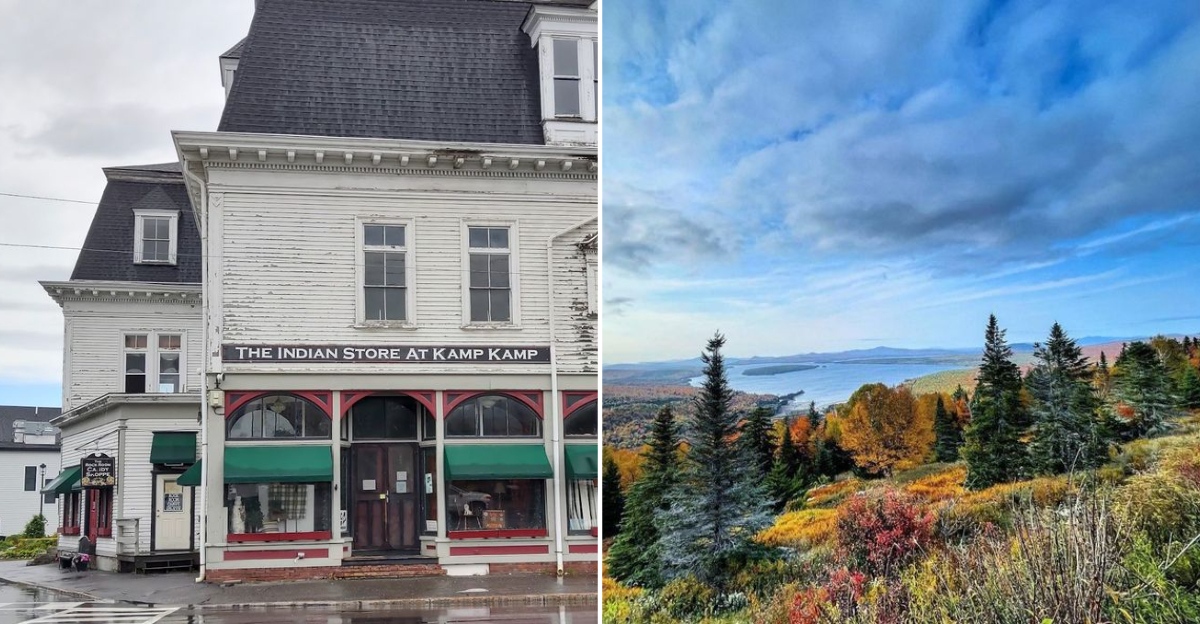
A few hours inland can make Maine feel like a different state entirely. Mountain roads climb past dense forests, quiet lakes, and small communities where cool evenings arrive early, even during the warmest part of summer. These towns are not polished resort destinations built around crowds.
Their appeal comes through in old main streets, locally run businesses, and easy access to trails or water. Each has its own character, yet all share a refreshing sense of distance from busy coastal routes.
If you’re craving cooler air and a quieter kind of summer escape, these inland communities deserve far more attention.
1. Bethel, Maine
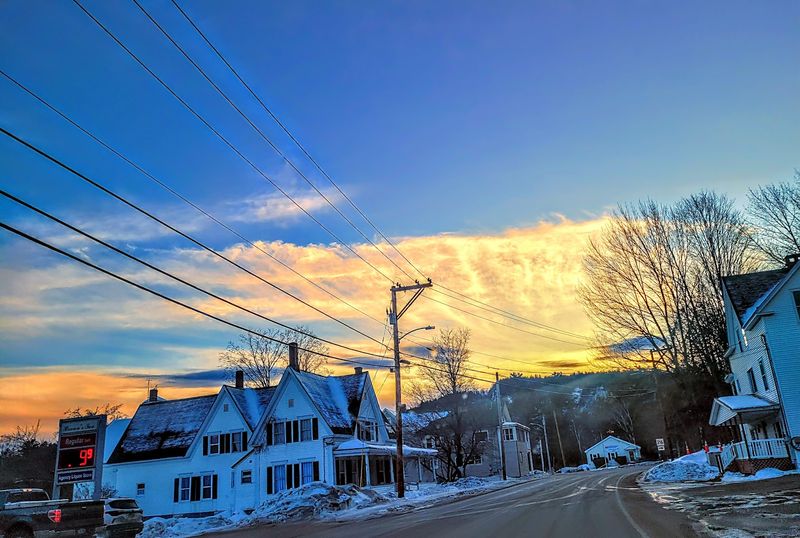
Few towns in Maine manage to feel both ruggedly outdoorsy and quietly charming at the same time, but Bethel pulls it off without even trying.
Sitting in Oxford County in western Maine, Bethel is best known as the gateway to Sunday River, one of New England’s most popular ski resorts. But the town itself is worth the trip even when there’s no snow on the ground.
In summer and fall, the Androscoggin River draws kayakers and fly fishers, while the surrounding White Mountain foothills offer hiking trails with views that genuinely stop you in your tracks.
The historic downtown has a covered bridge, a handful of locally owned restaurants, and the kind of general store where you can grab a warm coffee and chat with someone who actually grew up there.
Bethel’s elevation keeps temperatures noticeably cooler than the coast, making it a favorite escape for Mainers during humid August weeks.
The Bethel Inn and Resort anchors the town green and has been welcoming guests since 1913, giving the whole place a sense of tradition that feels earned rather than manufactured. If you want a mountain town that balances adventure and comfort, Bethel delivers on both counts every single season.
2. Rangeley, Maine
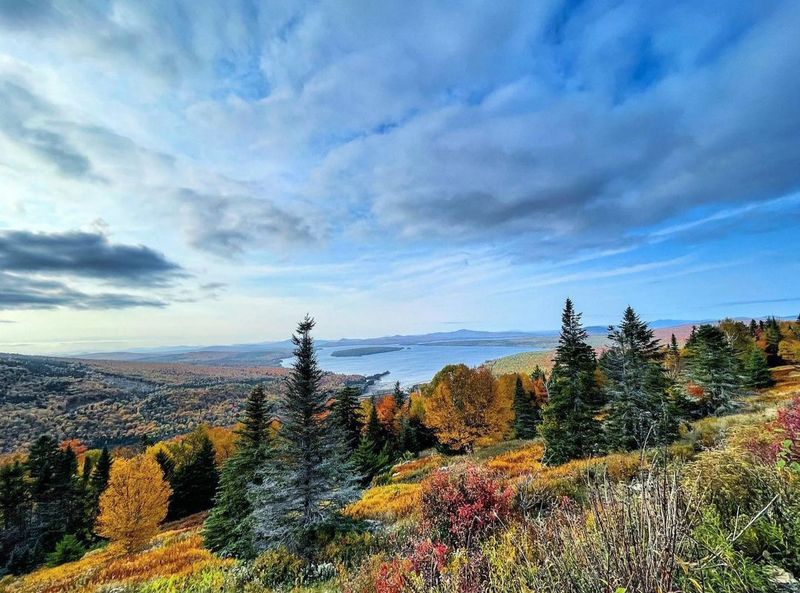
Rangeley is the kind of place that makes you question why you ever bothered with crowded resort towns. Perched at roughly 1,500 feet above sea level in Franklin County, this small lakeside community sits at the center of a chain of beautiful lakes and mountains that stretch across the western Maine highlands.
The elevation alone keeps it cooler than practically anywhere else in the state during summer. Rangeley Lake State Park is a must-visit, offering swimming, camping, and some of the clearest freshwater you will find in the northeast.
Saddleback Mountain looms just east of town and operates as a ski area in winter, drawing a loyal crowd that loves its uncrowded trails and genuinely friendly atmosphere.
The town itself has a refreshingly low-key vibe with locally owned shops, a strong arts community, and the fascinating Wilhelm Reich Museum nearby for those who enjoy a side of quirky history with their mountain scenery.
Moose sightings along Route 4 heading into town are practically guaranteed at dusk, and the night skies here are dark enough to see the Milky Way clearly. Rangeley rewards slow travel, the kind where you sit on a dock and simply let the mountains do the talking.
3. Kingfield, Maine
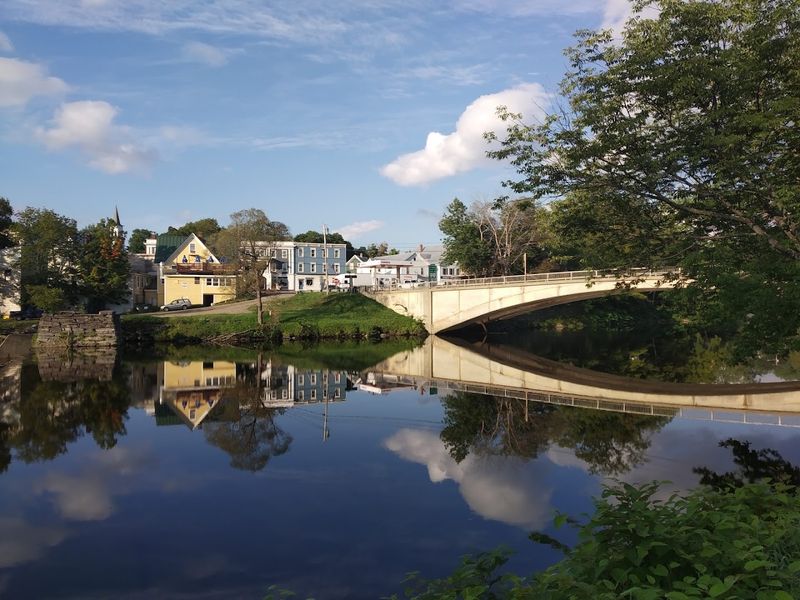
Kingfield sits quietly in the upper Carrabassett Valley, and it has the kind of understated confidence that comes from knowing exactly what it is.
This small Franklin County town is probably best known as the birthplace of the Stanley twins, who invented the Stanley Steamer automobile in the late 1800s, and the Stanly Museum here is genuinely worth a stop for history buffs.
But Kingfield’s real personality shows up in its surroundings. The Carrabassett River runs right through the center of town, and the mountains that frame it on every side give the whole place a tucked-in, protected feeling that is hard to describe but easy to feel.
It sits at the base of the road leading up to Sugarloaf Mountain, making it a natural stopping point for skiers and hikers passing through.
The town has a small but lively food scene anchored by a few standout restaurants that take local ingredients seriously.
Herbert Grand Hotel, a beautifully restored Victorian property on Main Street, adds a surprising touch of elegance to this otherwise no-frills mountain community. Kingfield does not try to be flashy, and that restraint is exactly what makes it so appealing to travelers who want something real.
4. Carrabassett Valley, Maine
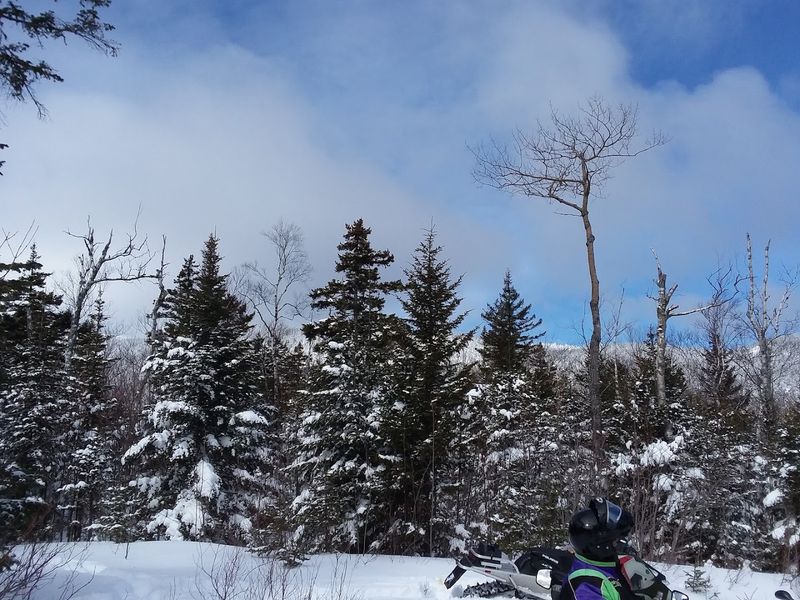
At 4,237 feet, Sugarloaf Mountain is the centerpiece of Carrabassett Valley, and the second-highest peak in all of Maine.
The valley itself is a narrow, dramatic stretch of western Maine where the mountains press in close on both sides and the air feels noticeably thinner and crisper than it does even a few miles south.
In winter, Sugarloaf is the main event, drawing skiers and snowboarders with its above-treeline terrain, dependable snowfall, and a lively base village that somehow manages to stay relaxed despite its size.
The resort has 176 developed trails and glades, along with the only lift-served above-treeline skiing in the East. Summer in Carrabassett Valley is quieter but equally rewarding.
The Carrabassett Valley Trail System offers mountain biking and hiking routes through some of the most spectacular terrain in the state, and the Appalachian Trail passes nearby for those looking to tackle something bigger.
The valley has a small, close-knit community feel even at peak season, and the surrounding wilderness keeps things grounded. This is one of those places where the landscape does most of the talking, and it always has plenty to say.
5. Newry, Maine
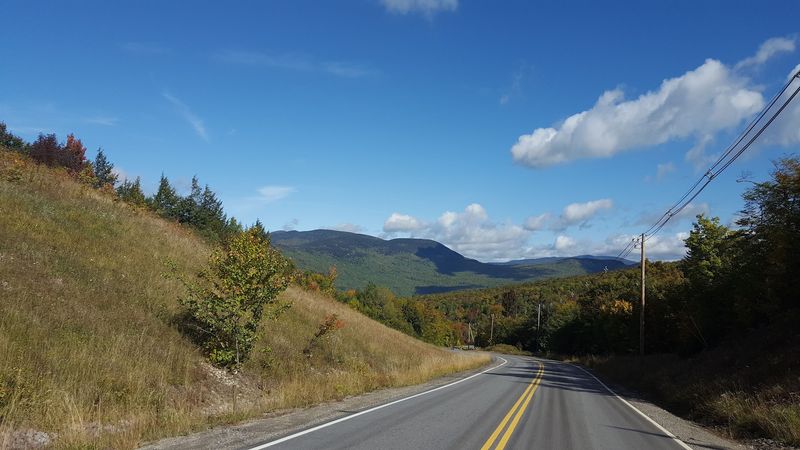
Newry is one of those towns that most people drive through without realizing they are in a town at all, and that is precisely what makes it special.
This tiny Oxford County community sits at the confluence of the Bear River and the Sunday River, and its population hovers around just 400 people, making it one of the smallest and most peaceful spots on this entire list.
The Sunday River ski resort technically straddles the border between Newry and Bethel, and while Bethel gets most of the attention, Newry is the one that sits closest to the mountain itself. That means you get the proximity to world-class skiing without any of the tourist-town noise.
The Bear River Valley is gorgeous in every season, but fall is particularly stunning when the hillsides turn every shade of orange and red imaginable.
Grafton Notch State Park is just a short drive north and offers some of the most dramatic scenery in western Maine, including Screw Auger Falls, Mother Walker Falls, and the breathtaking Eyebrow Trail. Newry rewards the kind of traveler who prefers to discover things rather than be handed them.
Pack a good pair of boots, bring a camera, and give yourself more time here than you think you will need.
6. Eustis And Stratton, Maine
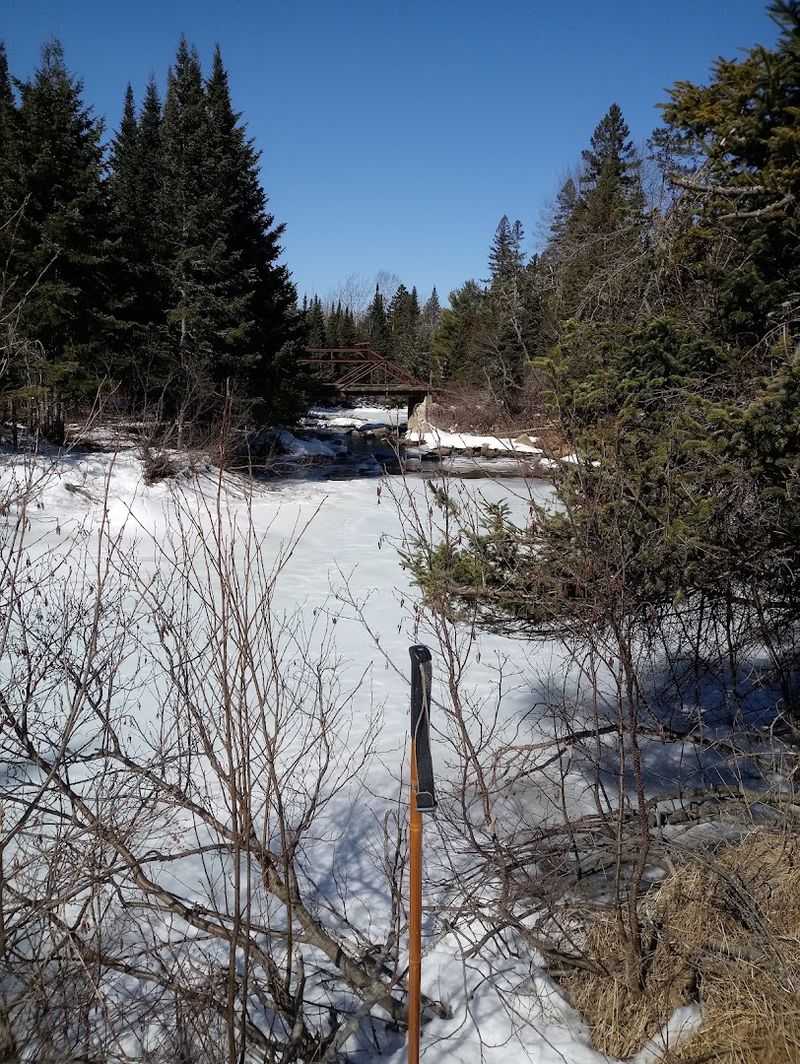
Eustis and Stratton sit side by side in Franklin County near the Canadian border, and together they form one of the most genuinely remote mountain communities in all of New England.
The two towns share a quiet, unhurried pace that feels like a throwback to a simpler era of travel, and the scenery around them is nothing short of extraordinary.
Flagstaff Lake, a large reservoir created in the 1950s, dominates the landscape around Eustis and offers excellent fishing, kayaking, and camping.
The lake was formed when the Dead River was dammed, and beneath its surface lie the remains of several flooded villages, which gives the area a layer of history that is both poignant and fascinating. The mountains surrounding the lake provide a dramatic backdrop in every season.
Stratton is the slightly more developed of the two, with a small main street that has a general store, a diner, and a few lodging options for hikers tackling the nearby Appalachian Trail.
The AT passes directly through the area, and the Bigelow Range just to the south is considered one of the finest ridge walks in the entire northeast. Eustis and Stratton are the definition of off-the-beaten-path Maine, and that is their greatest quality.
7. Andover, Maine
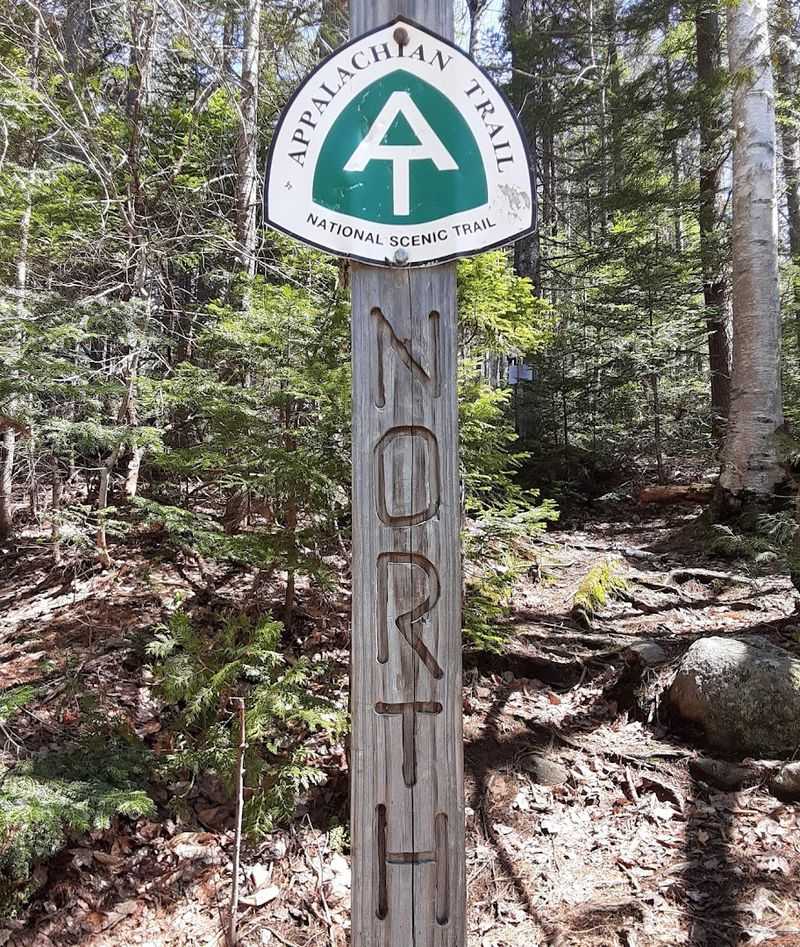
Andover is the kind of small Maine mountain town that hikers stumble upon and immediately wish they had planned to stay longer.
Located in Oxford County along the Swift River, this community of fewer than 700 residents punches well above its weight when it comes to natural beauty and outdoor access. The town sits in a wide valley ringed by hills that glow brilliantly in autumn.
The Appalachian Trail passes through the area, and the nearby Old Speck Mountain in Grafton Notch State Park is one of the most rewarding day hikes in western Maine, offering panoramic views from its fire tower that stretch all the way to the White Mountains of New Hampshire on a clear day.
Andover itself has a classic New England village layout with a white-steepled church and a town common that looks like it was pulled from a postcard.
There is a small but welcoming hiker community here, and the Pine Ellis Lodging has been a beloved stop for AT thru-hikers for years. What makes Andover stand out is its combination of serious trail access and genuine small-town warmth.
The people here are friendly in a completely unpretentious way, and the pace of life feels like a genuine reset for anyone arriving from a busy city.
8. Rumford, Maine
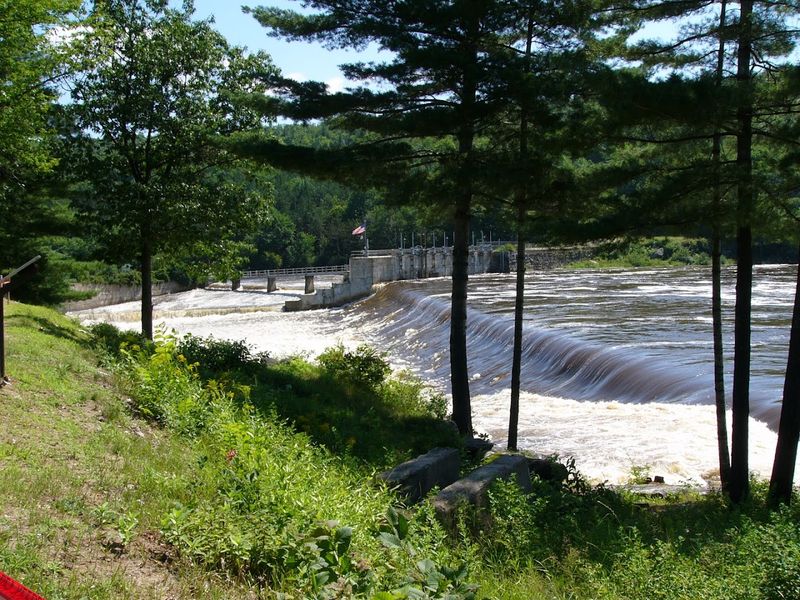
Rumford gets overlooked on most Maine travel lists, and that is a mistake worth correcting.
This Oxford County mill town sits at the confluence of the Androscoggin and Swift rivers, and the dramatic Rumford Falls right in the heart of downtown is one of the most powerful waterfalls in all of New England, dropping nearly 180 feet in a series of cascades that genuinely roar when the river is running high.
The town has a gritty, working-class character that sets it apart from the more polished ski resort communities nearby. Its architecture reflects its industrial past, with a handsome downtown that still carries the bones of a prosperous early 20th-century city.
The surrounding mountains offer hiking, snowmobiling, and cross-country skiing, and the proximity to Sunday River means that world-class downhill terrain is only about 20 minutes away.
Rumford is also the birthplace of Edmund Muskie, a former U.S. Senator and Secretary of State, which gives it a historical footnote that locals are rightfully proud of.
The town has been quietly reinventing itself in recent years, with new local businesses and a growing appreciation for its natural assets. Rumford rewards travelers who look past the surface and appreciate places with real history and honest character.
9. Greenville, Maine
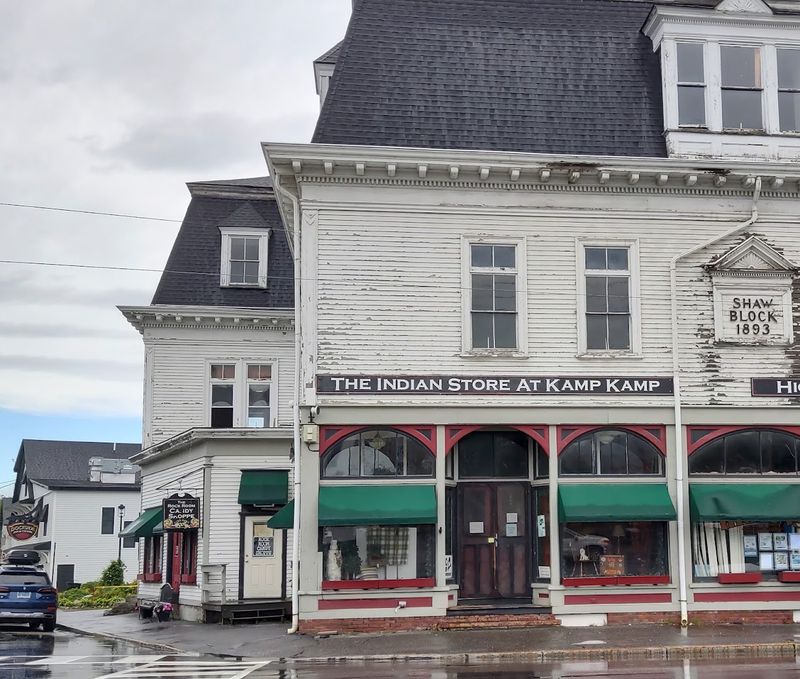
Greenville is the undisputed gateway to the Maine North Woods, and it earns that title every single day.
Sitting at the southern tip of Moosehead Lake, the largest lake in New England, this Piscataquis County town has long been a launching point for canoe trips, floatplane adventures, and backcountry expeditions into some of the most remote wilderness on the entire east coast.
Moosehead Lake itself is 40 miles long and surrounded by mountains, including Mount Kineo, a dramatic cliff that rises straight from the water and can only be reached by boat.
The Moosehead Lake region is home to more moose per square mile than almost anywhere else in the lower 48 states, and guided moose-spotting tours out of Greenville have a remarkably high success rate. Seeing one of these animals up close in the wild is an experience that stays with you.
Greenville has a small but lively downtown with outfitters, restaurants, and the excellent Moosehead Marine Museum, which houses a restored 19th-century steamship.
The Eveleth-Crafts-Sheridan House is a beautifully preserved Victorian home that offers a glimpse into the town’s prosperous logging era past. Greenville moves at a pace that matches the wilderness surrounding it, and that slowness is the whole point.
10. Monson, Maine
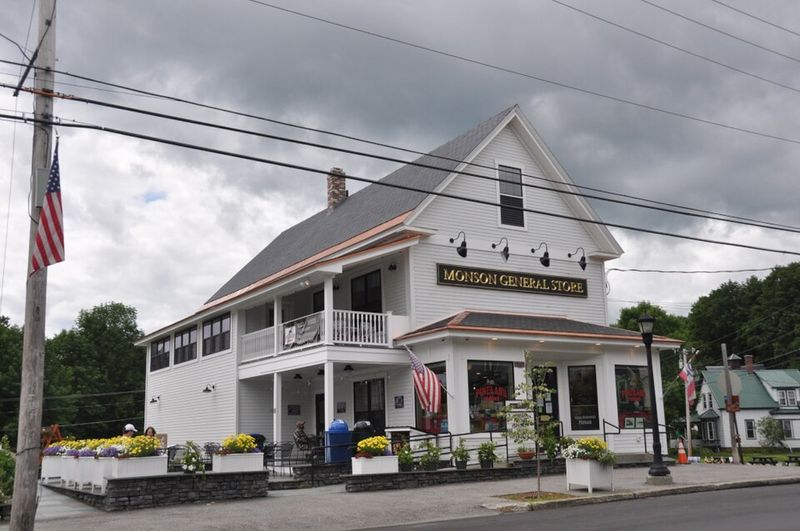
Monson holds a special place in the hearts of long-distance hikers because it is the last trail town before the infamous 100-Mile Wilderness on the Appalachian Trail.
That stretch of roadless backcountry between Monson and Baxter State Park is one of the most challenging and beautiful sections of the entire 2,190-mile trail, and Monson is where hikers stock up, rest their legs, and mentally prepare for what lies ahead.
The town itself is small and unpretentious, with a population of just over 600 people and a main street that reflects its working-class roots.
But Monson has been quietly transforming in recent years, largely thanks to the Libra Foundation’s investment in the town, which brought new life to the historic Shaw’s Boarding House and created the Monson Arts residency program, drawing artists from across the country to this remote Piscataquis County community.
Monson was historically a major slate-quarrying center, and remnants of that industry are visible throughout the landscape, giving the town an unusual geological character. Lake Hebron sits at the edge of town and offers peaceful paddling and swimming.
Monson is proof that small towns with big stories are often the most memorable stops on any road trip through Maine’s interior.
11. Millinocket, Maine
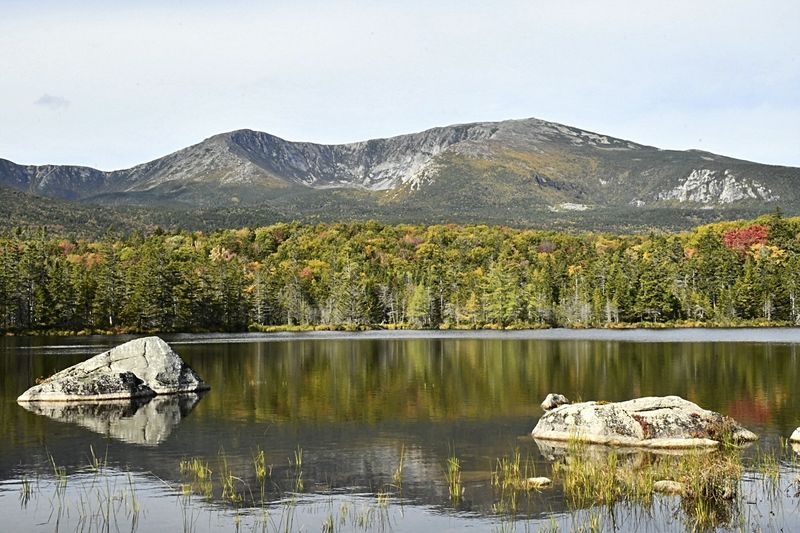
Mount Katahdin, the highest peak in Maine at 5,269 feet, towers over everything in and around Millinocket, and the mountain’s presence shapes the entire personality of this Penobscot County town.
Millinocket is the primary base camp for Baxter State Park, which protects Katahdin and more than 200,000 acres of surrounding wilderness, and the town takes that responsibility seriously.
Once a booming paper mill town, Millinocket has reinvented itself around outdoor recreation and adventure tourism over the past two decades. The transition has not been without challenges, but the community’s resilience and pride are evident everywhere you look.
The town has invested in trail systems, new businesses, and a welcoming culture for hikers, paddlers, and nature lovers of all kinds.
The Katahdin Woods and Waters National Monument, designated in 2016, added another layer of protected wilderness just east of town, opening up new paddling routes on the East Branch of the Penobscot River and additional hiking opportunities that most visitors have barely begun to explore.
Millinocket sits at the end of the Appalachian Trail’s northern terminus, which means the town sees a steady stream of thru-hikers completing one of the great physical accomplishments a person can achieve. That energy gives Millinocket a spirit that is hard to find anywhere else.
12. Jackman, Maine
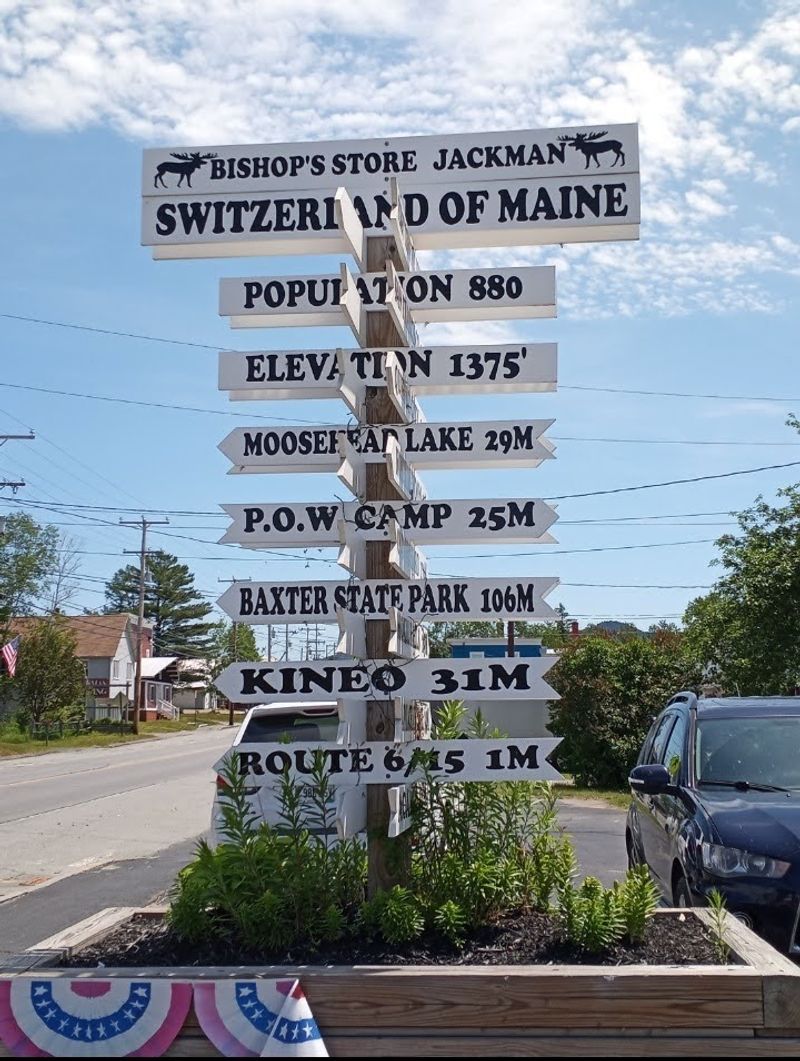
Jackman sits closer to Quebec than it does to Portland, and that geographic fact tells you almost everything you need to know about its character.
This Somerset County border town is surrounded on all sides by mountains, lakes, and forests that stretch uninterrupted into Canada, making it one of the most isolated and genuinely wild communities in the entire state of Maine.
The Moose River is the town’s natural centerpiece, and the Moose River Bow Trip is a legendary multi-day canoe route that loops through a series of connected lakes and rivers in the surrounding wilderness.
Paddlers come from across the country to tackle this route, which passes through terrain so remote that you can go days without seeing another road.
Jackman’s location on Route 201 also makes it a popular stop for motorcycle riders touring the mountains of western Maine and Quebec.
The town itself is small and functional rather than picturesque, with a few motels, outfitters, and diners that cater to hunters, fishers, and snowmobile riders who use Jackman as a home base for exploring the backcountry.
The snowmobile trail network here is considered among the finest in New England, with hundreds of miles of groomed trails connecting to the wider ITS system. Jackman is not trying to impress anyone, and somehow that makes it more impressive than most.