
Maine Ranks Among America’s Best States For Health Care, And Here’s Why
In November 2017, voters did something no state had ever done before. They expanded Medicaid by casting ballots, not by waiting on lawmakers.
That bold move happened in Maine, and it reshaped who could see a doctor. Tens of thousands of people gained coverage once the program finally rolled out.
I’ll admit, that earns points in my book.
The story keeps going from there. The state’s hospitals have repeatedly landed at or near the top of national safety grades.
A small, rural place also hosts one of the world’s best-known genetics labs. I can see why the health care rankings keep noticing.
Of course, great care is more than one vote or one lab. It takes rescue helicopters, local clinics, medical schools, and some clever tools that help patients compare prices. So how does a state known for lighthouses pull all of that together?
Voters Took Health Coverage Into Their Own Hands

Ballot boxes rarely make medical history. In Maine, they did exactly that in 2017.
Residents approved Medicaid expansion through a citizen-led ballot question. Maine became the first state to expand the program that way, which still sounds a little rebellious.
The state’s Medicaid program goes by the name MaineCare. After the vote, expansion officially took effect in early 2019 under Governor Janet Mills.
Coverage then opened to many more low-income adults across the state.
Why does that matter so much? People with coverage are more likely to get checkups, fill prescriptions, and catch problems early.
That beats waiting until a small issue becomes an emergency room visit.
Expansion also helps hospitals, especially in rural areas. When more patients have coverage, hospitals face fewer unpaid bills.
That steady support can keep doors open in towns where the next hospital sits an hour away.
If you or someone you know lives in Maine, it’s smart to check eligibility. Income limits change, and many people qualify without realizing it.
A quick application could mean regular care instead of crossed fingers. Honestly, that’s a pretty good trade for a few minutes of paperwork.
Hospital Safety Grades That Keep Making Headlines

Safety scores might sound dull. They get a lot more exciting when your state keeps finishing near the top.
The Leapfrog Group grades general hospitals across the country twice a year. Maine has repeatedly ranked at or near the top of the state rankings for the share of A-rated hospitals.
That’s a big deal for a state with plenty of small, rural facilities.
Leapfrog looks at things patients truly care about. It tracks infections, errors, falls, and how well hospitals prevent avoidable harm.
Nobody wants to leave the hospital with a new problem.
High grades usually reflect strong habits behind the scenes. Think careful hand-washing routines, clear communication, and staff trained to speak up.
Small steps add up in a hurry.
Here’s a practical tip for anyone facing a planned procedure. Look up your hospital’s latest grade before you schedule anything.
The grades are free to view and easy to understand.
Maine’s track record doesn’t mean every visit will be perfect. Still, a pattern of strong results says something about the culture.
Hospitals here seem to treat safety like a daily job, not a once-a-year poster on the break room wall.
Portland’s Medical Powerhouse Anchors The Whole State
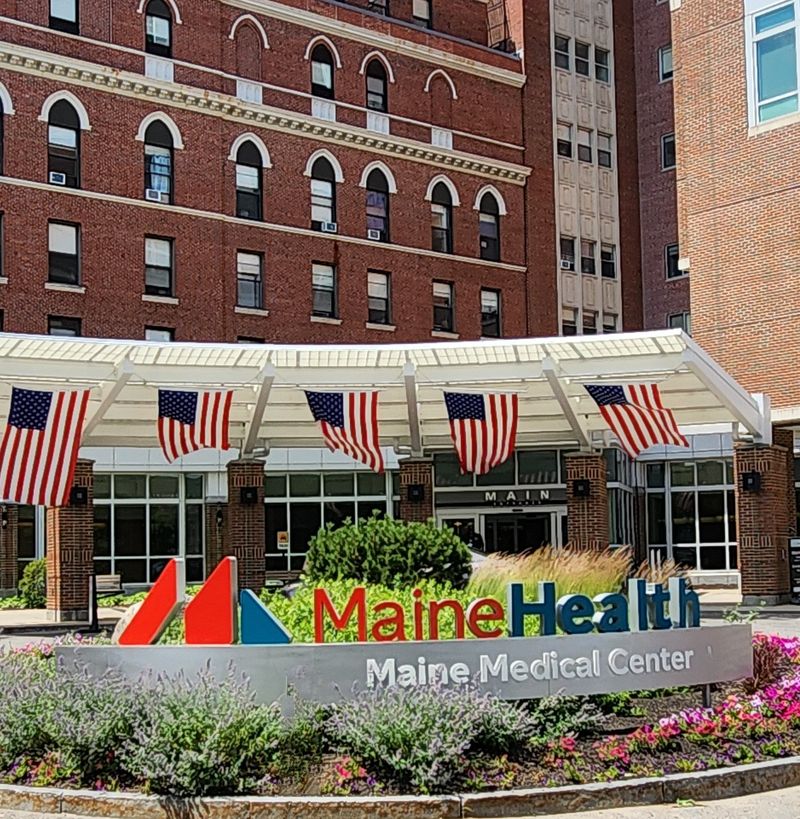
One hospital carries a lot of weight in southern Maine. Maine Medical Center is the largest hospital in the state and part of the MaineHealth system.
You’ll find it at 22 Bramhall Street, Portland, ME 04102. It sits in the city’s West End, not far from downtown.
Maine Medical Center serves as a major teaching hospital. It trains residents and works with medical students, so new doctors learn alongside experienced specialists.
That mix keeps fresh ideas flowing through the halls.
The hospital also handles complex cases from around the region. Patients from smaller towns are often referred there for specialty care.
Having that level of expertise in-state means fewer long trips to Boston.
It’s also home to The Barbara Bush Children’s Hospital. Families with sick kids can get pediatric specialists without leaving Maine.
That’s a huge relief when every hour counts.
Planning a visit for an appointment? Give yourself extra time for parking, since city streets and garages can fill up.
A little patience at the start makes the whole day easier. Then you can focus on the reason you came, which is getting answers.
Rescue Helicopters Close The Distance Fast

Maine is big, woodsy, and full of long roads. Getting a critically injured person to the right hospital can be a real challenge.
That’s where LifeFlight of Maine comes in. Founded in 1998, it provides critical care transport by helicopter, airplane, and ground ambulance.
Crews carry hospital-level skills right to the patient.
Think about an accident deep in the North Woods. Or a medical emergency on an island off the coast.
Driving could take hours, while a helicopter can cut that time sharply.
LifeFlight is a nonprofit, which shapes how it operates. Its mission focuses on serving the whole state, including remote communities.
Rural residents get access to care that might otherwise feel out of reach.
The service also supports smaller hospitals. A local emergency room can stabilize a patient, then hand them off for transfer.
Teamwork like that keeps people from falling through the cracks.
Heading out to hike or paddle in remote areas? Share your plans with someone and carry a way to call for help.
Emergency crews work wonders, but they still need to know where you are.
Community Health Centers Keep Care Close To Home
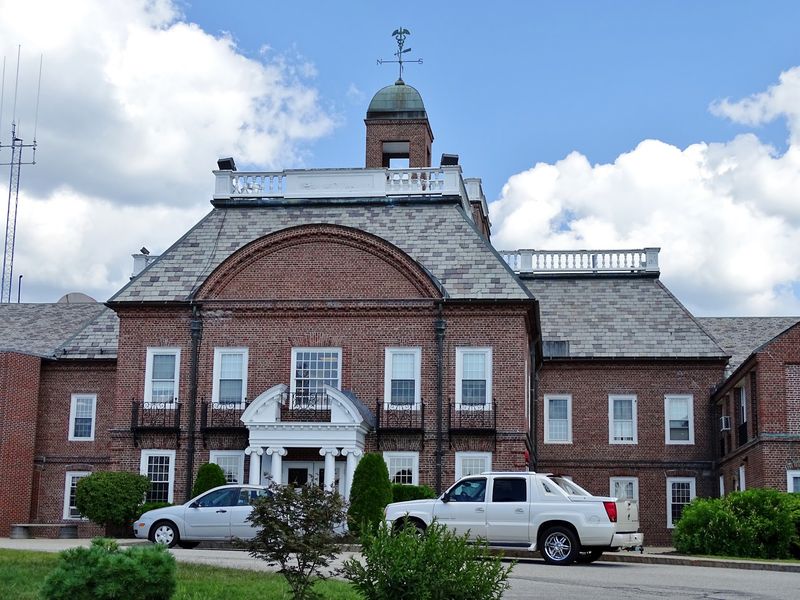
Not every great health story happens in a big hospital. Some of the best work happens in modest clinics on Main Street.
Maine has a strong network of community health centers spread across the state. Many are federally qualified health centers.
They offer primary care no matter a patient’s ability to pay.
Many of these centers offer more than basic checkups. Some include dental care, behavioral health, and help with medications.
Getting several services under one roof saves time and gas money.
Fees at many centers use a sliding scale based on income. That means families on tight budgets can still see a provider regularly.
Nobody should skip care just to cover groceries.
The Maine Primary Care Association supports these centers and helps them work together. It advocates for primary care access across rural and urban communities alike.
Behind-the-scenes support like that helps clinics stay strong.
Without a regular doctor? A nearby community health center is a smart first stop.
Call ahead to ask about new patient openings and what to bring. You might find a whole care team waiting only a short drive away.
World-Class Science Lives On The Edge Of Acadia
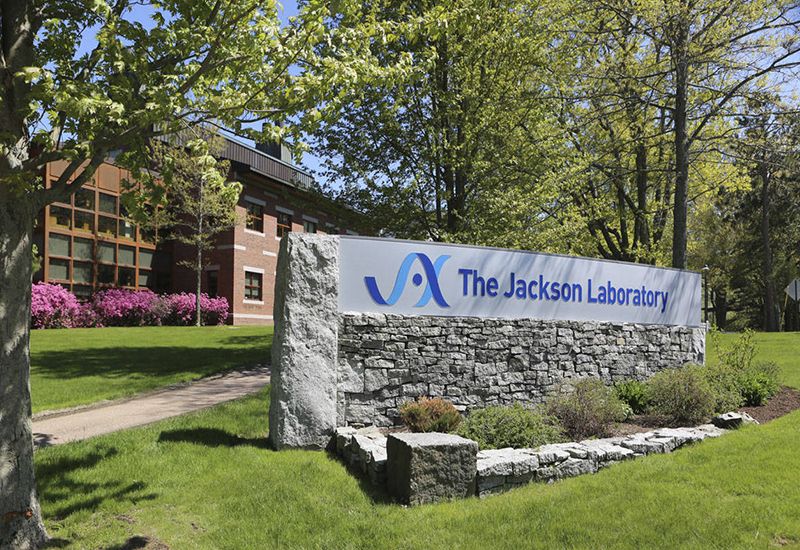
Bar Harbor is famous for Acadia National Park and lobster rolls. It’s also home to a research giant.
The Jackson Laboratory was founded there in 1929. It has grown into a leading independent, nonprofit biomedical research institution focused on genetics.
Not bad for a town better known for sunrises.
Scientists at the lab study how genes affect human health. Their work touches cancer, aging, and many other conditions.
Researchers around the world rely on the lab’s mouse models for studies.
So why should everyday patients care? Discoveries made in labs eventually shape treatments in clinics.
Research done in Maine can help people far beyond the state line.
The lab also brings skilled jobs to the region. Scientists, technicians, and support staff help build a strong local economy.
A healthy economy and healthy people tend to go hand in hand.
Visiting Mount Desert Island? You’ll likely spot the campus while exploring the area around Bar Harbor.
It’s a fun reminder that big ideas can grow in quiet places. Somewhere between the hiking trails and harbor views, scientists are chasing tomorrow’s medical breakthroughs.
Medical Schools Grow Doctors Who Stay Local
Rural states often struggle to keep doctors. Maine has a homegrown strategy for that problem.
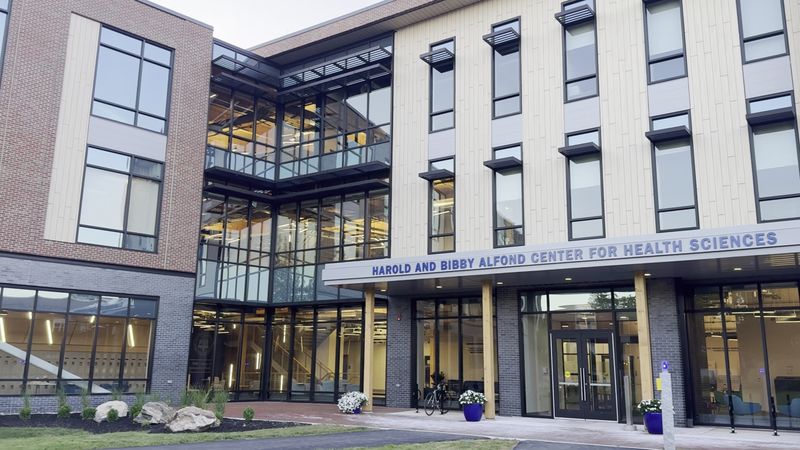
The University of New England runs a College of Osteopathic Medicine in Biddeford. It trains future physicians, with a strong focus on primary care.
That’s exactly the kind of doctor small towns need most.
Maine also has a partnership between Tufts University School of Medicine and Maine Medical Center. The Maine Track program trains students with a Maine focus.
Many of them gain clinical experience in communities across the state.
Training locally matters more than you might expect. Doctors often settle near where they complete their education.
Familiar roads and friendly neighbors can be powerful recruiting tools.
Residency programs at Maine hospitals add another layer. Young doctors keep learning while caring for real patients in real communities.
Some of them fall for the coast and decide to stick around.
Thinking about a medical career yourself? Maine’s programs offer a path that blends science with community connection.
Even if you’re years away from college, shadowing a local provider can spark ideas. Every great doctor started out curious, maybe even in a seventh-grade science class.
Price Shopping For Care Is Actually Possible Here
Comparing prices for an MRI sounds about as fun as shoveling a driveway. Maine makes it a lot easier than most places.
The Maine Health Data Organization runs a free website called CompareMaine. It displays average payments by commercial insurers, including patients’ portions.
It also shares quality information alongside the numbers.
Why does that help? Prices for the same test can vary a lot between facilities.
Knowing ahead of time can save real money and a few surprise headaches.
The state also runs CoverME.gov, its own health insurance marketplace. Residents can shop for plans and check whether they qualify for financial help.
Having a state-run hub keeps the process focused on Maine families.
Here’s a smart habit to build. Before a planned procedure, look up estimated costs and ask your insurance about coverage.
Then talk with your doctor about where to go.
Being an informed patient isn’t about pinching every penny. It’s about making choices with clear eyes.
Maine gives residents tools that many states still don’t offer. That kind of openness quietly builds trust between patients and the health system.
Big Health Systems Link Small Towns Together
A tiny hospital doesn’t have to stand alone. In Maine, many belong to larger systems that share resources.
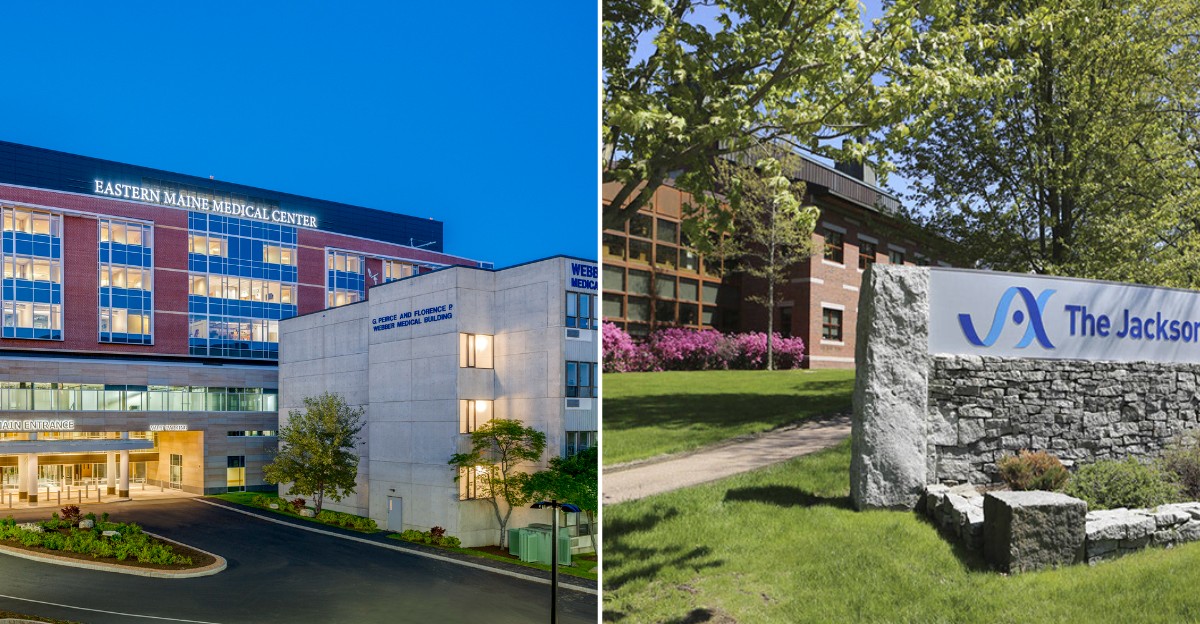
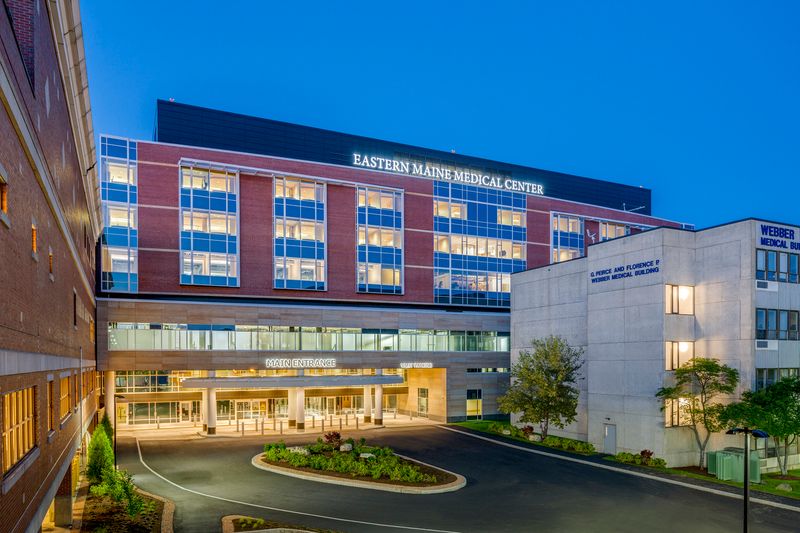
MaineHealth and Northern Light Health are two of the biggest networks in the state. Northern Light is based in Brewer and includes Eastern Maine Medical Center in Bangor.
Together, these systems connect hospitals, clinics, and specialists across wide distances.
That connection pays off for patients. A local doctor can consult specialists without sending you on a long drive.
Shared records help providers see the full picture.
Many small Maine hospitals are designated critical access hospitals. That federal status supports rural facilities that serve remote communities.
It helps keep emergency care available where distances are long.
Telehealth adds another helpful tool. Video visits let patients talk with providers from home, which matters during a snowy Maine winter.
Nobody enjoys a two-hour drive on icy roads.
Want to make the most of it? Ask your provider whether video visits are available for follow-ups.
Sign up for your patient portal to track results and messages. A few clicks can keep you connected to great care, even from the quietest corner of the state.