
9 Maine Spots Where You Can Hunt For Gems, Sea Glass, Or Other Natural Treasures
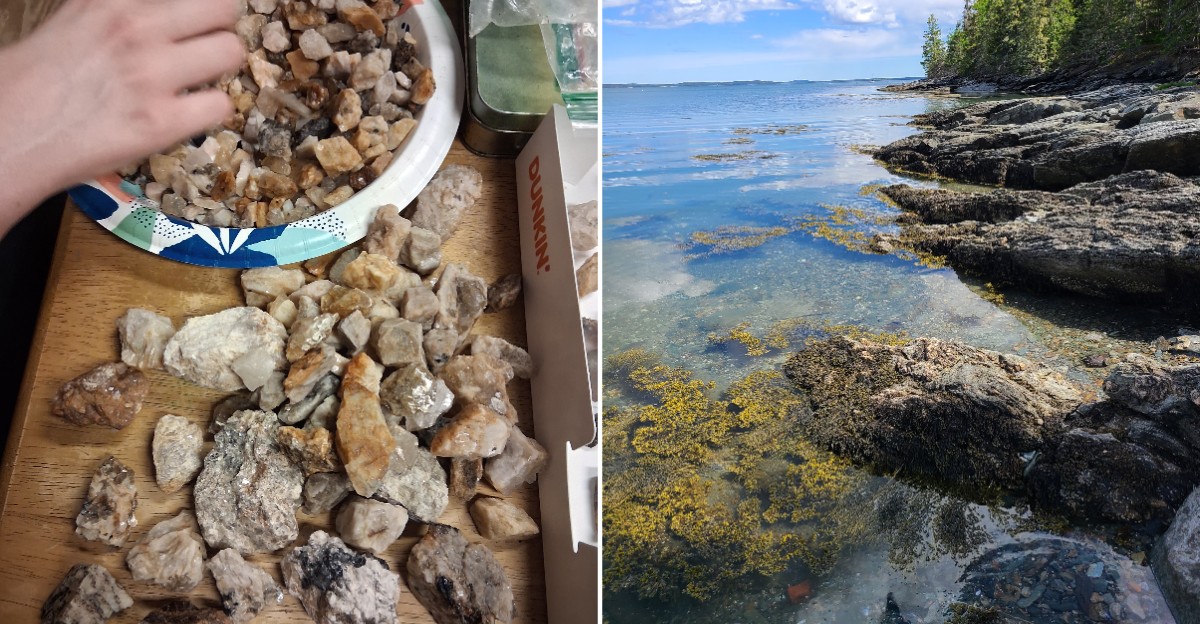
America’s first big colored gemstone discovery happened in Maine back in 1820. Two young men spotted a flash of green tourmaline near the roots of a fallen tree. I love that a whole gem-hunting tradition started with a lucky glance at the ground.
That same mine still produces tourmaline today. Pink, green, and even watermelon-colored crystals keep turning up in the dirt.
Meanwhile, the coastline offers its own kind of loot in tumbled glass, sea brick, and stones that rattle with each retreating wave.
The best part is how little you need to join in. A bucket, a screen, a shovel, and some patience can go a long way.
Some spots let you sift through mine tailings, while others ask only that you walk slowly at low tide.
So which would tempt you more, a buried crystal or a frosted shard of old green glass?
1. Mount Apatite, Auburn
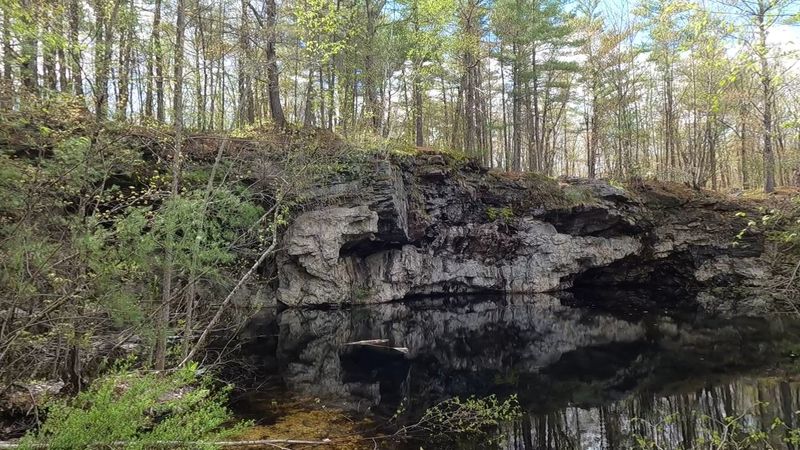
A city park where you’re actually allowed to dig for gems sounds almost too good to be true. Auburn pulls it off at Mount Apatite Park, and it’s open daily from dawn to dusk, year-round.
The old quarries here were worked for feldspar in the early 1900s. Today, the leftover dumps are where rockhounds hunt with hand tools.
What might you turn up? Green and pink tourmaline, aquamarine beryl, purple apatite, garnet, and smoky quartz have all come from this spot.
Quartz tailings are especially plentiful, so you won’t go home empty-handed. Bring a small digging tool, a bucket, and sturdy shoes for the trail.
One rule matters a lot here. Dig in the dumps, but don’t dig into the quarry walls.
The park isn’t only for collectors, which makes it handy for mixed groups. Multi-use trails wind through the woods for hikers and bikers.
Those trails run easy to moderate, so kids can usually keep up. Songbirds and scenic views add a nice bonus while you hike to the quarry.
Dogs are welcome, and picnics are a popular way to stretch the visit. Pack a lunch and turn a rock hunt into a full afternoon in central Maine.
Want more elbow room? Weekday evenings tend to be calmer than Sunday mornings, when the park fills up.
2. Dig Maine Gems, West Paris
Few gem trips come with a bucket you fill yourself and a story that goes back to 1820. Dig Maine Gems in West Paris delivers both.
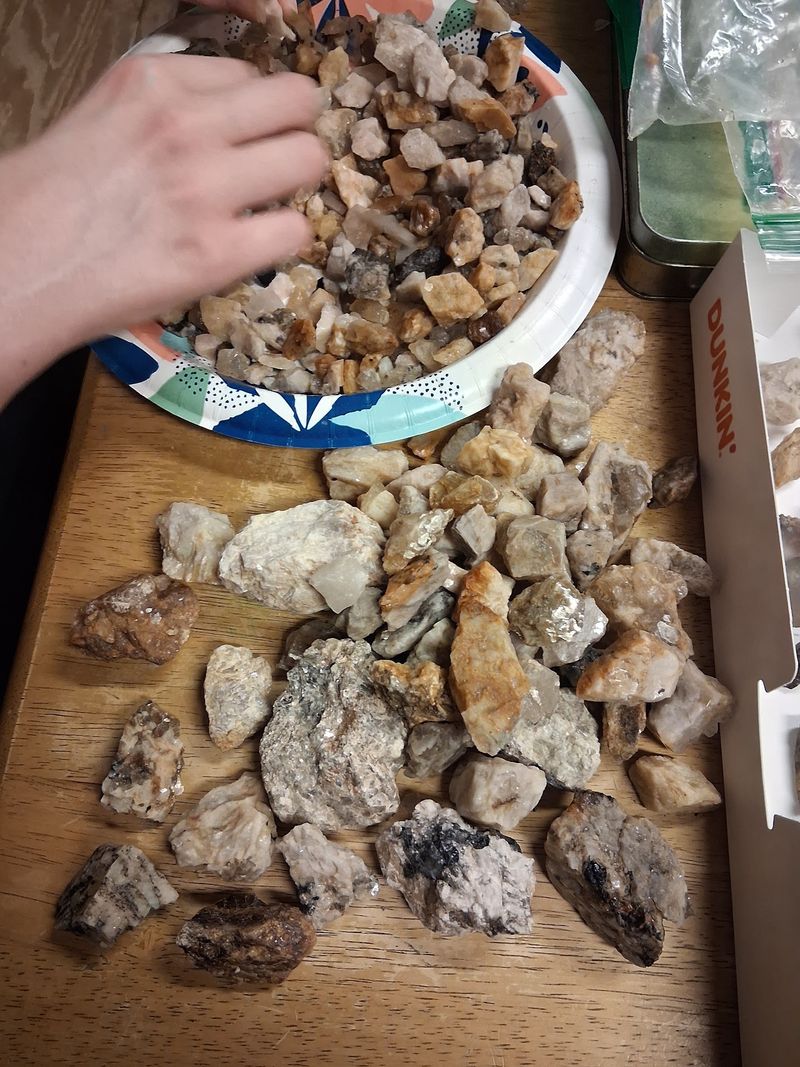
Start with the shop’s sifting setup, which suits families nicely. You can dig your own material to sift, or pick a bucket of mixed rough from around the world.
Finds from local material include tourmaline, garnet, beryl, and lepidolite. That last one is a purple, sparkly mica that kids tend to love.
The staff know their minerals and can help you figure out what’s in your screen. That’s handy when a muddy pebble might secretly be garnet.
The bigger draw for serious diggers is access to Mount Mica Mine in nearby South Paris. Gem tourmaline was found there in 1820, the first major colored gem find in the country.
Public visits to Mount Mica happen only through guided Sunday trips run by this shop during mining season. Saturday trips head to other private mines.
Shovels, hand rakes, buckets, and screens are allowed on those trips. Hammers and chisels stay home.
Kids under seven generally can’t join the mine trips, but leashed dogs can. Plan ahead, since the mine itself doesn’t take direct visits.
The shop keeps short hours, open Friday through Sunday from 11 a.m. to 2 p.m. Check the season before you make the drive into western Maine.
Address: 110 Bethel Rd, West Paris, ME 04289
3. Deer Hill Mineral Collecting Area, Stow
Purple crystals in a national forest? Deer Hill makes that a real possibility for patient collectors.
The U.S. Forest Service runs this site inside the White Mountain National Forest.
It sits off Shell Pond Road in Stow, close to the New Hampshire line.
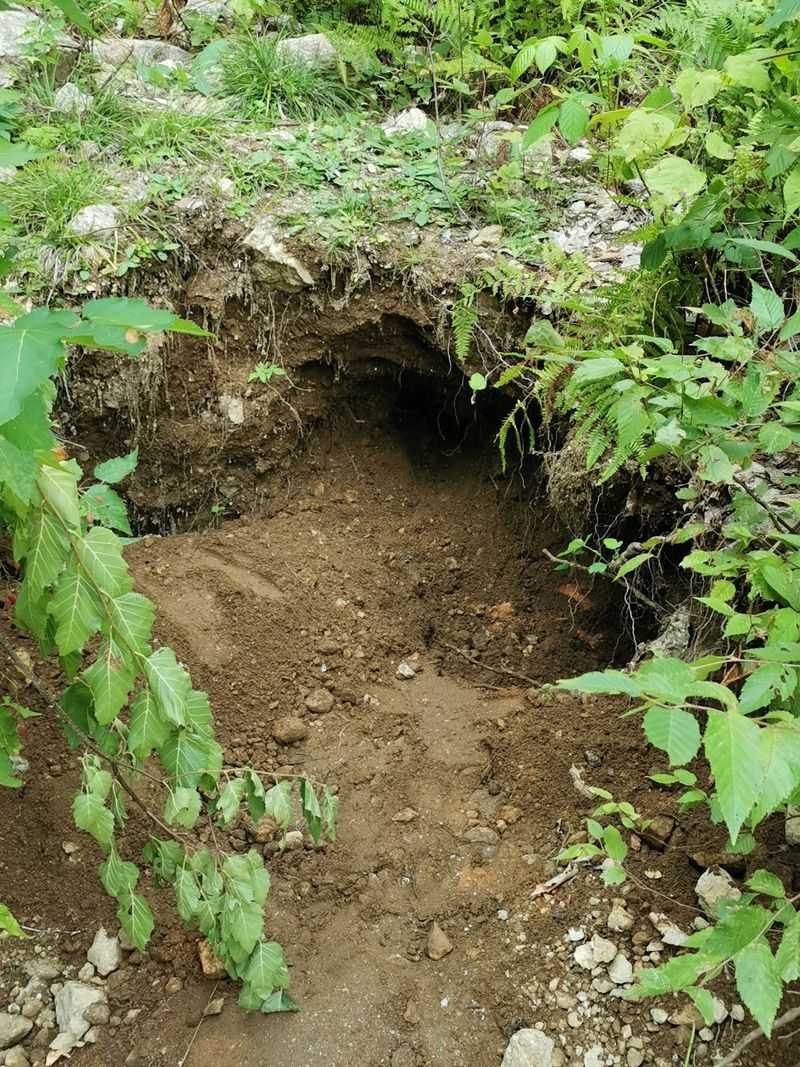
Collecting is allowed in the rubble dumps of an old mine. Hand tools only, and your finds must be for personal use, not for sale.
Amethyst is the prize most people hope for. Beryl and feldspar also turn up, along with plenty of quartz.
Here’s a little reality check. The pieces worth keeping tend to be small and scattered.
That’s why a large set of screens might be your best friend at Deer Hill. Shovel material onto the mesh, shake it, and look closely at what stays behind.
A spray bottle of water helps too. Wet stones show color far better than dusty ones, and amethyst can hide in plain sight.
Think of this trip as a forest outing with a treasure hunt built in. Even a fistful of quartz makes a fine souvenir of a day in the woods.
Dress for bugs, wear tough boots, and carry what you need. Services are scarce out here, so pack water and snacks before leaving town.
Address: Shell Pond Rd, Stow, ME 04037
4. Harvard Quarry, Greenwood
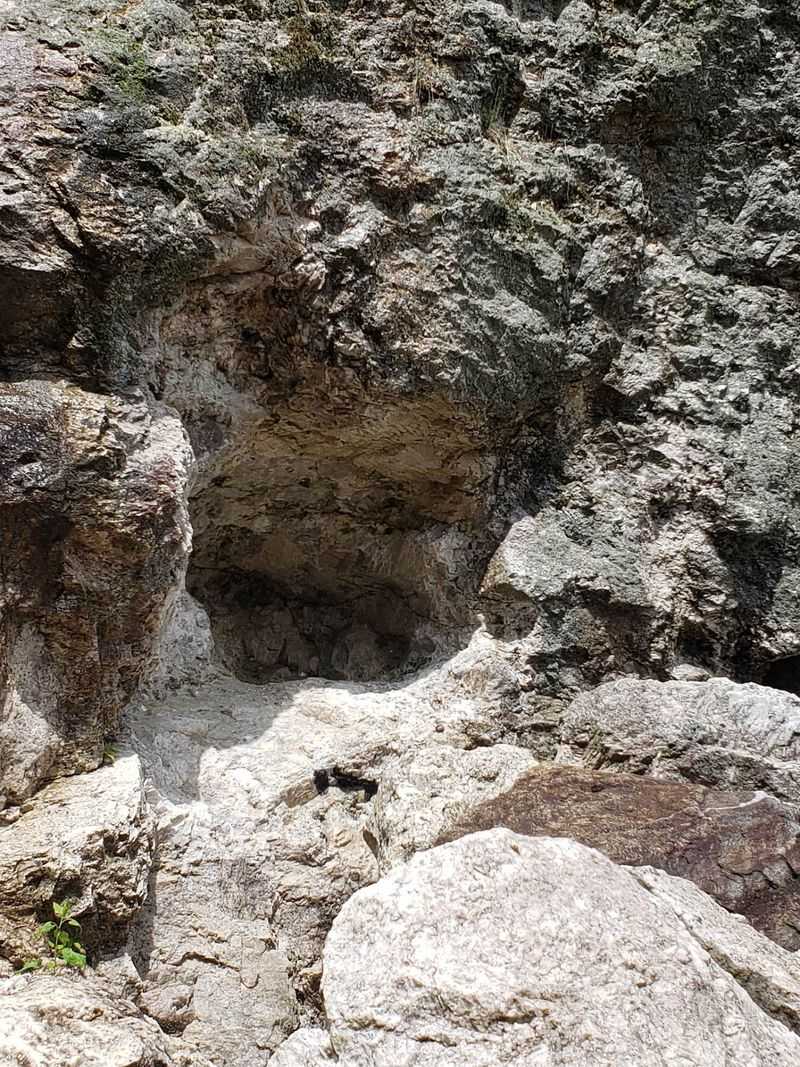
Tourmaline fans, take note of this name. Harvard Quarry in Greenwood is known for tons of the stuff.
This is a historic, abandoned pegmatite quarry in the rural foothills of western Maine. Field collectors and mineral hunters have kept it on their radar for years.
Pegmatite is a coarse rock that forms big crystals. That’s why quarries like this one can offer such rewarding pickings.
Black tourmaline is the most common kind in many Maine pegmatites. Spotting a long, striped crystal in a gray boulder feels like winning a small prize.
Greenwood sits in the same corner of the state as several famous gem areas. You can easily pair a stop here with other mineral spots nearby.
Since this is a rugged, undeveloped site, plan like a hiker. Wear real boots, bring safety glasses, and carry water.
A rock hammer, a small pry bar, and a bucket cover most needs. Gloves help a lot, since quarry rock has sharp edges.
Before heading out, check current access rules for the quarry. Collecting permissions can change over time, and respecting them keeps spots like this open.
Go with a buddy if you can. Remote quarries are more fun, and a lot safer, when someone else is along to admire your finds.
5. Jasper Beach, Machiasport
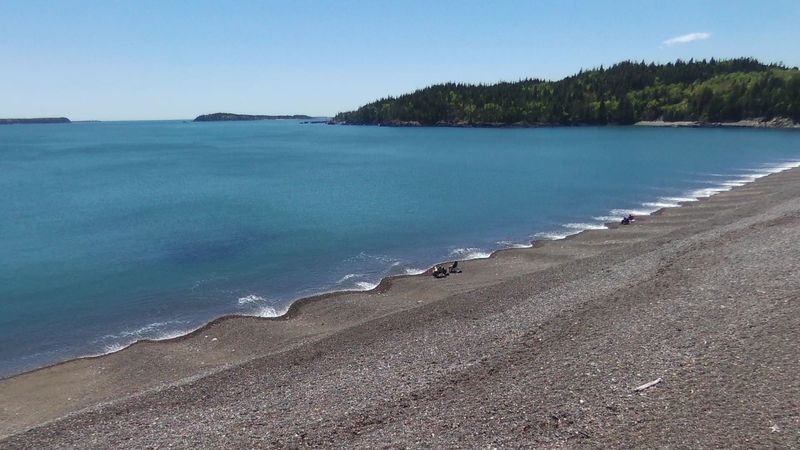
Most beaches crunch underfoot. This one sings.
Jasper Beach in Machiasport is a half-mile stretch of smooth, rounded stones with no sand at all. As waves pull back, the pebbles tumble and make a soft, musical rattle.
The name comes from jasper, and you can find colorful jasper pebbles here. Fun twist, though: many of the red stones are actually rhyolite, a fine-grained volcanic rock.
Either way, the colors are the star. Reds, grays, and greens shine brightest when wet, so look near the waterline.
Sea glass shows up now and then too. Consider it a bonus rather than the main event.
Getting there takes some commitment. The road out is long and scenic, deep in rural Down East Maine.
That distance pays off in breathing room. The beach is long enough to find your own spot, sit, and pick stones for hours.
The water runs clear, and it feels a bit milder at low tide. This isn’t a swimming beach, so treat it as a place to explore and listen.
You’ll climb over rocks to reach the water, so wear shoes with grip. Flip-flops and rolling stones are not good friends.
One tip worth sharing: pick a few favorites rather than a whole pile. The singing sound depends on those stones staying put.
6. Crocket’s Beach, Owls Head
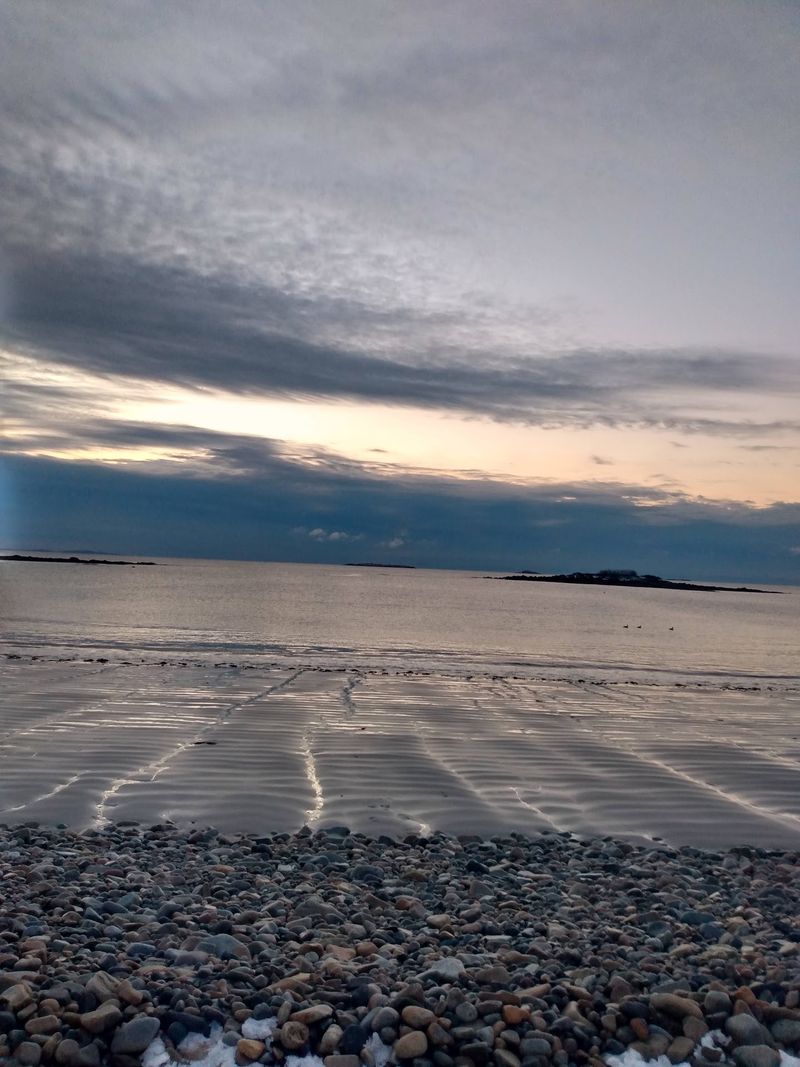
Sea glass gets the headlines, but sea brick deserves a fan club too. Crocket’s Beach in Owls Head has plenty of both.
Sea brick is old brick worn smooth by the ocean. The pieces turn soft and rounded, often in shades of red and orange.
This small Midcoast beach is quiet and easy to reach. The parking area is tiny, so you can pull up close to the shoreline.
That tiny lot also keeps crowds down. It feels more like a neighborhood spot than a big tourist beach.
Scan the tide line slowly for frosty glass and brick. Shells and other odds and ends turn up too, which makes this a crafter’s playground.
Planning a project? Beach finds from here could become a jar display, a mosaic, or a little wind chime.
The views stretch out toward the islands, which makes lingering easy. Bring a camera along with your collecting bag.
There’s no restroom or restaurant on site, so plan ahead. Snacks and water in the car will save the day.
Kids tend to love this kind of hunt. A small beach means they can roam a bit while you keep an eye on them.
Parking is free, which is always a nice surprise on the Maine coast. Just respect the space and the neighbors.
7. Carter’s Beach, Hancock
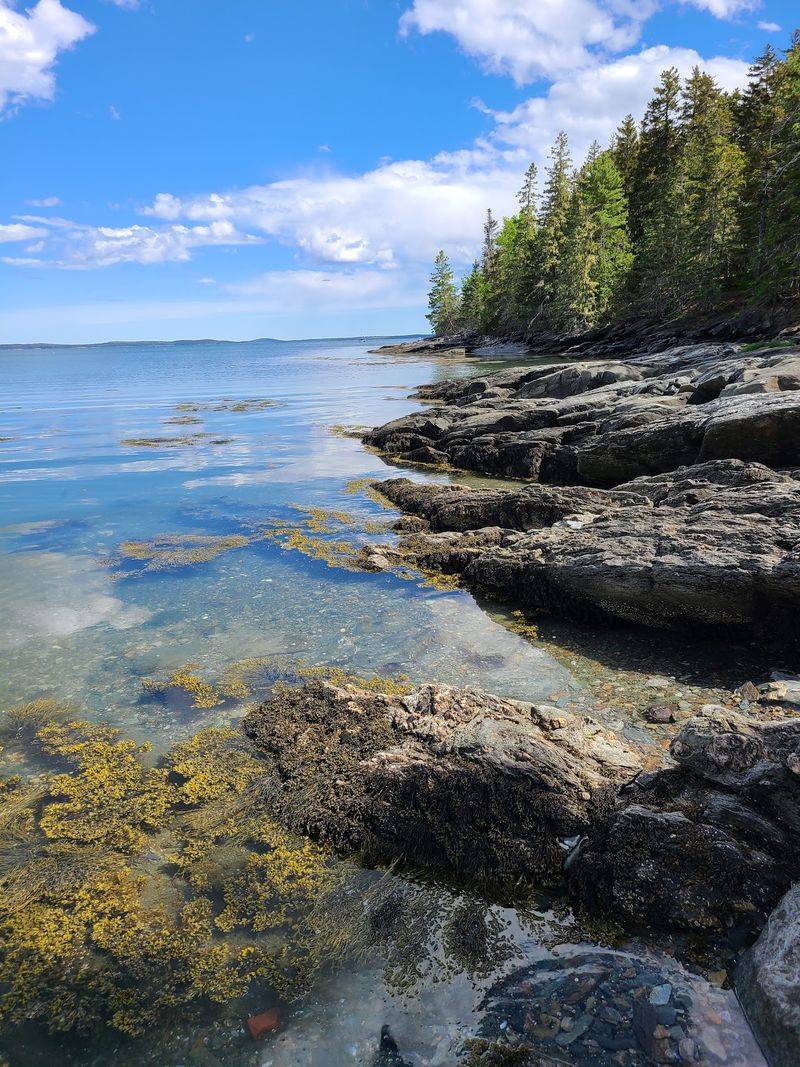
Clear water, big rocks, and a scavenger hunt rolled into one sounds like a pretty good deal. Carter’s Beach in Hancock checks those boxes.
The beach sits on Frenchman Bay, along Carters Beach Road. It feels secluded, which suits anyone who likes quiet beachcombing.
Beach glass is the big draw here, and there’s a lot of it. Look among the pebbles near the high tide line for the frosted pieces.
Shells add to the fun along the rocky shore. A small bag or a pocket with a zipper keeps your finds from rolling away.
Large rocks line the beach, perfect for climbing and exploring. Kids and grown-ups alike will want to scramble up for a better view.
Watch your footing, especially on wet or weedy rock. Seaweed is slicker than it looks.
The water is clear enough to spot stones on the bottom. That makes shallow edges a good place to check for glass too.
Timing matters on any rocky beach. Low tide shows off more of the shore and gives you more ground to search.
Hancock sits close to the Schoodic and Mount Desert areas. Carter’s Beach makes a calm side trip away from busier stops nearby.
Pack light, wear sturdy shoes, and give yourself extra time. Glass hunting goes slow, in the best way.
Address: Carters Beach Rd, Hancock, ME 04640
8. Bailey Island Beach, Bailey Island
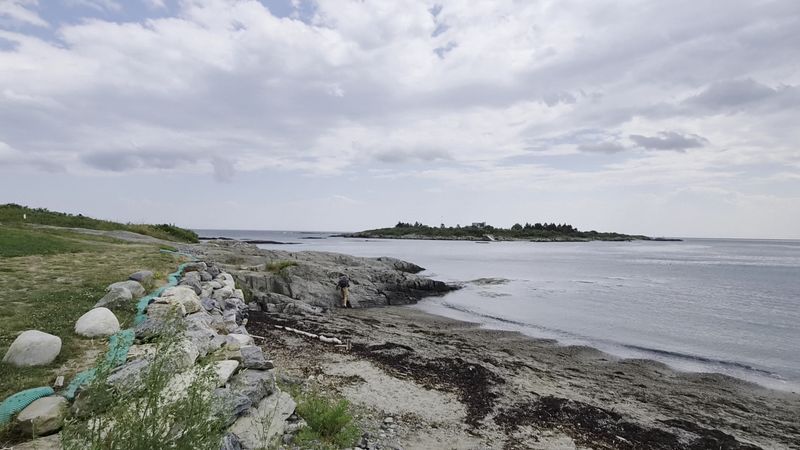
Lobster boats coming home at sunset make a pretty great backdrop for a glass hunt. Bailey Island Beach serves that view right up.
This small beach sits on Bailey Island in Casco Bay. It’s part of a scenic coastal preserve, with a gift shop close by.
Tons of beach glass wash up here, mostly in small pieces. Bring sharp eyes and maybe a little container for the tiny ones.
Shells are part of the fun too. Look closely and you may spot snails and hermit crabs going about their business.
Those little creatures make the beach a treat for kids. Teach them to look, enjoy, and set critters back where they found them.
Swimming and picnics are both popular here. A lunch on the sand and a slow walk along the tide line make an easy afternoon.
As evening comes on, lobster boats steam in and empty their traps nearby. It’s a real working-harbor moment on the Maine coast.
The beach keeps hours from 8 a.m. to 6 p.m. daily. Saturdays fill up, so a weekday morning may give you more space.
Getting to Bailey Island is part of the charm. The drive through Harpswell offers plenty of water views along the way.
9. Crescent Beach State Park, Cape Elizabeth
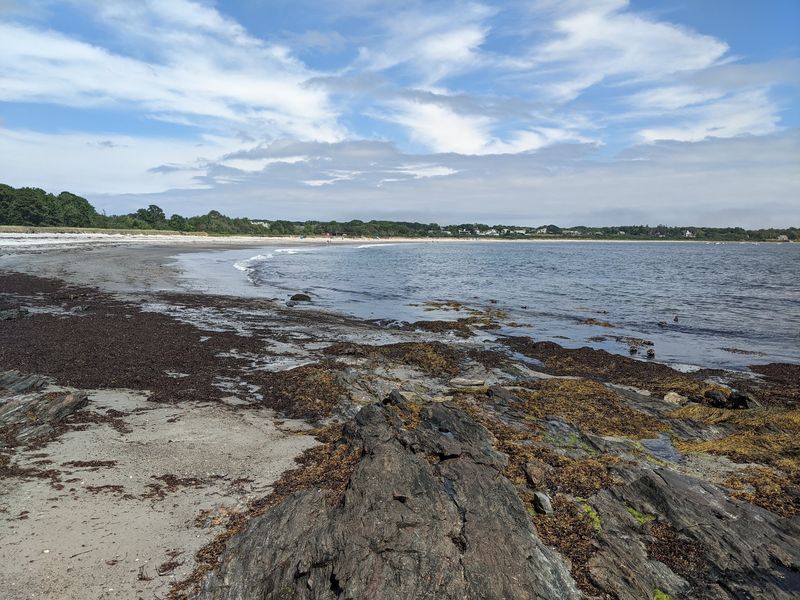
Here’s a simple rule that works: low tide for glass, high tide for swimming. Crescent Beach State Park in Cape Elizabeth fits that plan perfectly.
The beach runs about a mile, so there’s room to roam. Firm sand makes for easy walking while you scan for glass.
Smooth rocks gather along parts of the shore. Those are good places to slow down, since glass likes to hide among them.
At low tide, tide pools open up for exploring. Kids can poke around while you hunt for that rare blue shard.
Waves here usually stay on the gentle side. That makes swimming a solid choice once the water rises.
This is the easiest stop on the list when it comes to comfort. Restrooms, showers, picnic tables, grills, and a playground are all part of the park.
Trails add another option when your eyes need a break from the sand. Hours vary by day, so look them up before you go.
Weekend afternoons tend to be the busiest.
Just south of Portland, the park makes a handy southern Maine stop. Pack a lunch, check a tide chart, and let the hunt begin.
Address: 109 Bowery Beach Rd, Cape Elizabeth, ME 04107