
10 Maine Towns Losing Residents As Their Populations Continue To Get Older
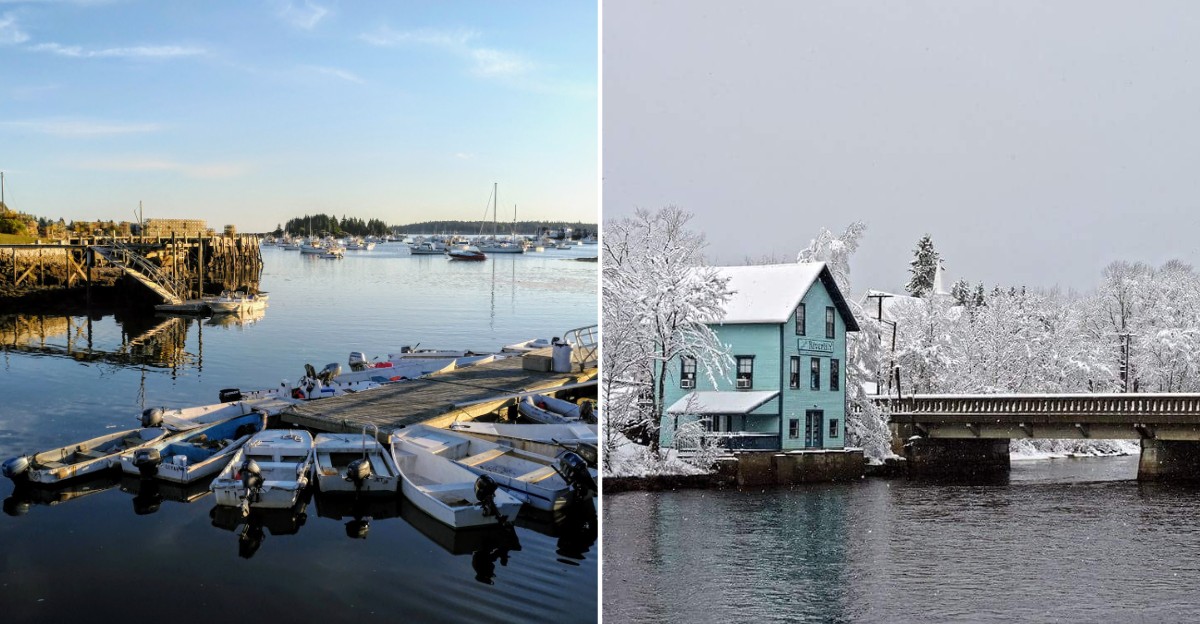
One tiny town near the Canadian border has the only standing railway water tower east of the Mississippi River. I love that detail, because it tells you how big these small places once dreamed.
Granite from one island ended up in the Brooklyn Bridge and the Washington Monument. Another town once swelled past 13,000 people thanks to a giant Cold War air base.
Today, many of these Maine communities are quieter and grayer. Young people head off for jobs and schools, while longtime neighbors stay put and keep the lights on.
I can’t help rooting for them. They still have lighthouses, blueberry barrens, French spoken at kitchen tables, and festivals with mashed potato wrestling.
So what keeps a shrinking town so stubbornly full of life? The answer might make you want to plan a road trip before the next census does.
Milbridge
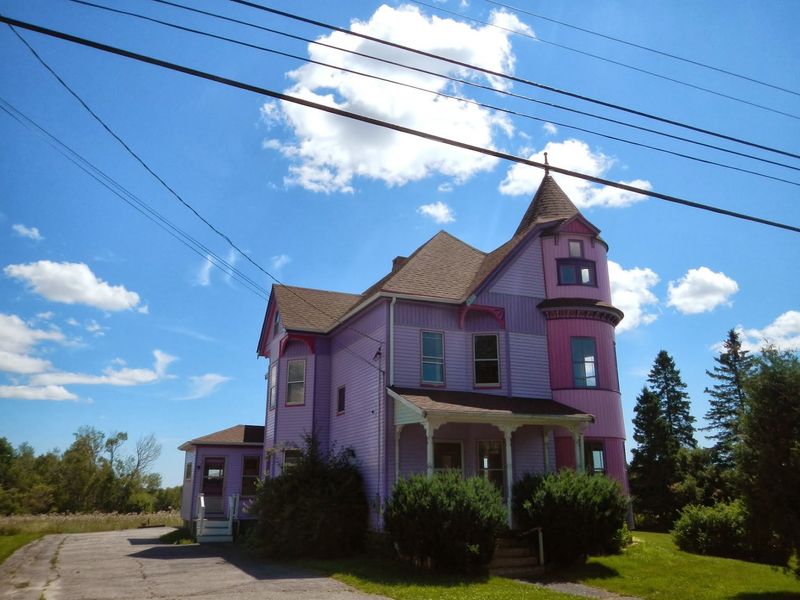
A town that holds a Codfish Relay Race clearly refuses to take itself too seriously. Milbridge saves that slippery tradition for its Milbridge Days celebration in July, right alongside a parade.
The town incorporated in 1848 and once thrived on shipbuilding. The Sawyer Shipyard alone produced over 150 vessels, which is a lot of hammering for one coastal spot.
Today, Milbridge sits in the heart of wild blueberry country. Jasper Wyman and Son, a leading grower and packer of wild blueberries, calls the town home.
Like many Washington County towns, Milbridge feels the pull of young people moving away. Still, the community keeps finding ways to gather, and you can join right in.
Swing by the Milbridge Historical Society Museum on Main Street during summer for shipbuilding and fishing stories. Then stretch your legs at McClellan Park, a 10-acre spot on Narraguagus Bay with trails and rocky shore access.
Hungry? The Milbridge House Restaurant serves made-from-scratch meals like blueberry pancakes and homemade corned beef.
Milbridge Commons Wellness Park even lets visitors pick herbs from the Incredible Edible Milbridge garden beds.
Free herbs and ocean views? That sounds like a fair trade for the drive.
Frenchville
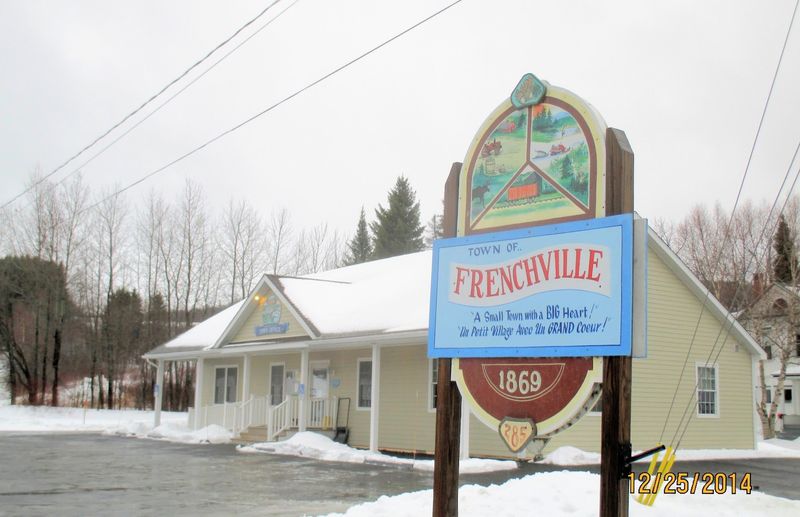
Bonjour might be the most useful word you pack for this trip. Up to 43.3 percent of Frenchville residents aged five and older speak French at home.
That makes this St. John Valley town one of the best places in the country to hear authentic North American French. Acadian and French-Canadian families shaped it, and the language stuck around.
Here’s a fun twist. The town incorporated in 1869 as Dickeyville, then switched to Frenchville in 1871 to honor its heritage.
Frenchville’s population has been aging as younger folks leave for bigger job markets. Yet the town still guards its stories with real pride.
The star attraction is the Green Water Tower, built in 1910 by the Bangor and Aroostook Railroad. It’s the only standing railway water tower east of the Mississippi River.
Nearby, a B and A caboose holds books, antiques, and memorabilia. The Frenchville Historical Society’s Wylie House even displays artifacts tied to Prohibition smuggling, which is a great conversation starter.
Visit on a summer weekend afternoon, since the society opens seasonally. Afterward, peek at Saint Luce Church, whose current building dates to 1908.
You’ll leave knowing more history, and maybe a few new French words.
Vinalhaven
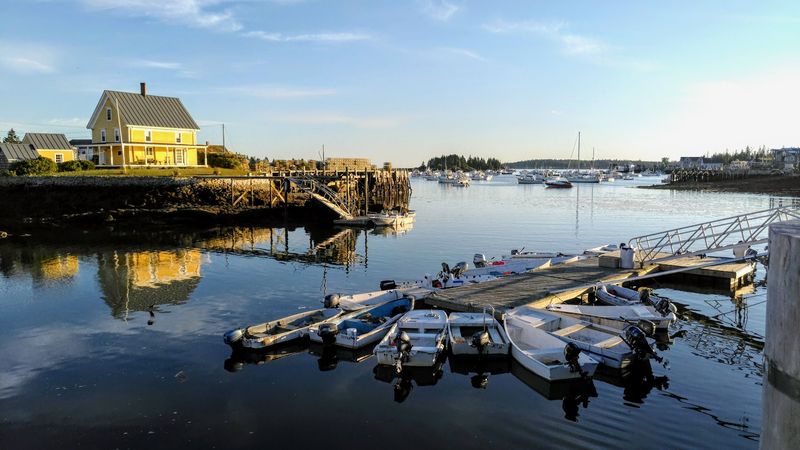
Somewhere in the Brooklyn Bridge sits a chunk of this island. Vinalhaven granite also went into the Washington Monument and the Cathedral of St. John the Divine.
Granite was discovered here in 1826. For about a century, the island ranked among Maine’s largest quarrying centers.
Getting here takes commitment. The Maine State Ferry Service runs year-round from Rockland, and the 15-mile trip takes about 75 minutes.
Island life can be tough on young families, with jobs and housing in short supply. As a result, the population keeps aging while the harbor keeps working.
The old quarries now hold clear groundwater, and they’ve become popular swimming holes. Lawson’s Quarry is just 1.2 miles from the ferry terminal, so you can cool off quickly.
Hikers have choices too. The Vinalhaven Land Trust maintains over 20 preserves, and Tip Toe Mountain Town Park rewards a short, steep climb with panoramic views.
Curious about the past? The Vinalhaven Historical Society Museum sits in an 1836 former church that was moved to the island in 1875.
Finish with a lobster roll from Greet’s Eats. Honestly, that’s how island days should end.
Van Buren
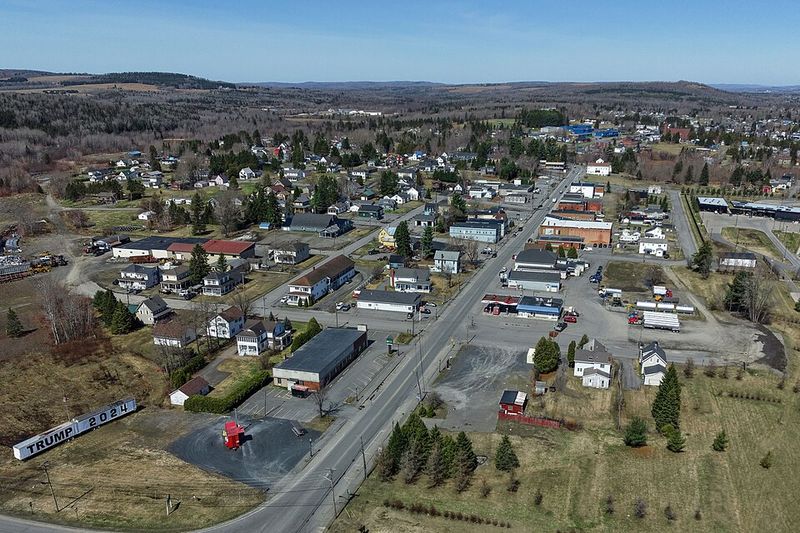
Martin Van Buren never lived here, but the town took his name anyway in 1843. Before that, folks called it Township Letter K and then Violet Brook Plantation.
Acadian refugees settled the area around 1785 to 1790. Today, about 75 percent of residents habitually speak French, so the heritage feels alive.
Van Buren once thrived as a mill town and potato hub after the railroad arrived in the 1890s. Those industries have faded, and the population has grown older and smaller.
Still, the town has a showstopper. The Acadian Village is the largest in the United States outside of Louisiana.
You can wander 17 buildings, including square-hewn log homes, an 1875 schoolhouse, and a blacksmith shop. Some structures date back to the 1700s, and the village celebrates its 50th anniversary in 2026.
Want a quirky photo? Look for the life-sized bronze moose statue on Dufour Drive.
Outdoor fans can hop on the Bangor and Aroostook Trail, which runs to Van Buren from Stockholm. Its crushed stone path welcomes hikers, bikers, and snowmobilers.
In summer, the International Grande Riviere Festival unites Van Buren with St. Leonard, New Brunswick. Two countries, one party.
Deer Isle
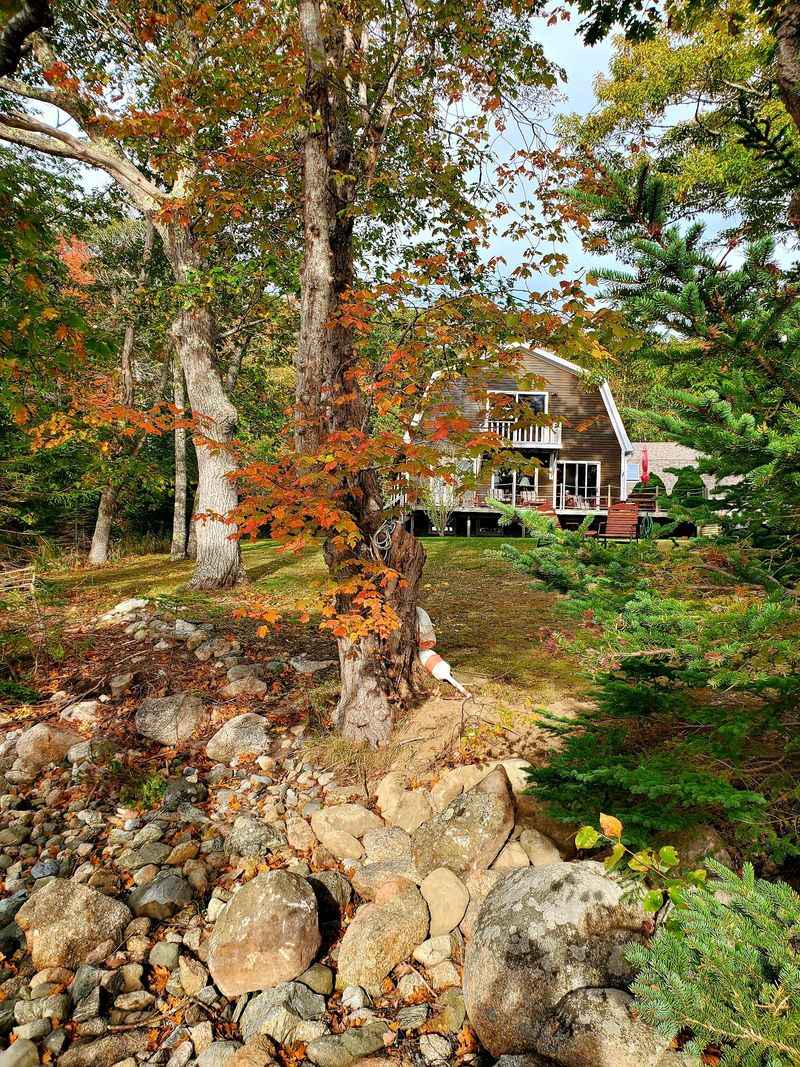
President John F. Kennedy’s tomb uses granite from right off this island’s shores.
Crotch Island, near Stonington, supplied stone for that and the Manhattan Bridge.
That quarry reopened in 1979 and remains active. Not bad for a rock pile with a funny name.
Deer Isle incorporated in 1789 and was named for its plentiful deer. Since 1939, a suspension bridge over Eggemoggin Reach has replaced the ferry that started back in 1792.
Many people retire here, drawn by the coastline and quiet. Meanwhile, high housing costs make it hard for young workers to stay, so the median age keeps climbing.
Creative types should head straight for Haystack Mountain School of Crafts. Founded in 1950, it offers workshops in blacksmithing, ceramics, glass, and wood on an award-winning campus.
Prefer the outdoors? Island Heritage Trust preserves include Crockett Cove Woods, known for its fog forest of red spruce.
For something sweet and silly, try Nervous Nellie’s Jams and Jellies. It pairs Maine-made products with a whimsical sculpture garden, though it closes from October to May.
Limestone
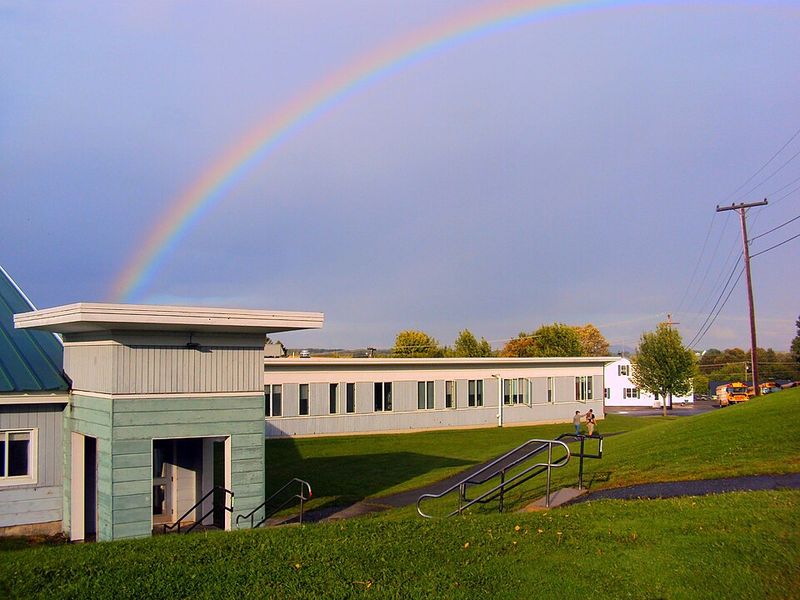
Back in 1960, Limestone had 13,102 residents. Loring Air Force Base, just outside town, drove that boom during the Cold War.
The base housed B-52 bombers and KC-135 tankers. Its location made it one of the largest Strategic Air Command bases in the country.
Then the base officially closed on September 30, 1994. Thousands of people left, and the town has been smaller and older ever since.
That doesn’t mean Limestone gave up. The old base became the Loring Commerce Centre, one of Maine’s largest industrial parks, and the Aroostook National Wildlife Refuge.
At the refuge, you can hike the Bunker Trail past old weapon bunkers. Moose and black bears live there, so keep your eyes open.
History buffs will want to stop at the Loring Air Museum. Its exhibits explain the base’s big role during the Cold War.
The town also hosts the Maine School of Science and Mathematics, a nationally ranked school that opened in 1995. Brainy kids from around the state study here.
Fort Fairfield
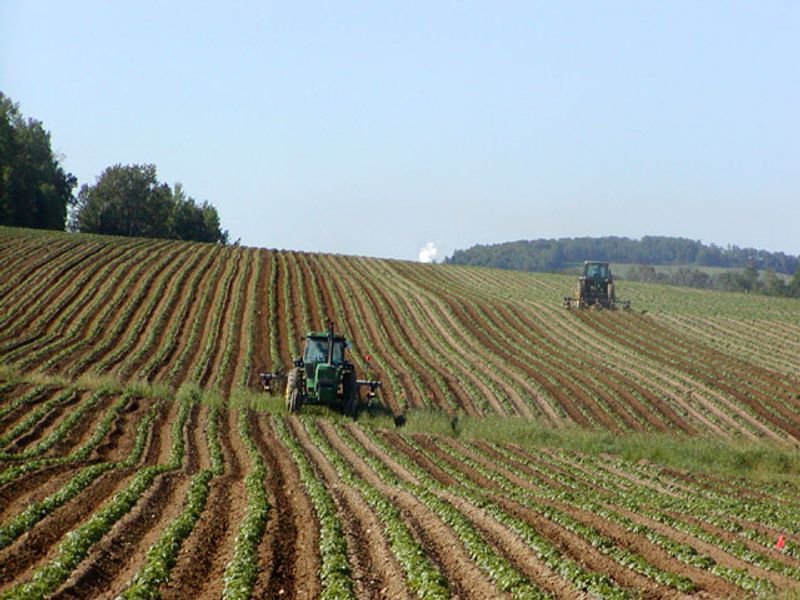
Mashed Potato Wrestling is a real event, and it happens here. You’ll find it at the Maine Potato Blossom Festival, held each July.
The week also brings parades, farm tours, an antique tractor pull, and fireworks over the Aroostook River. Someone even gets crowned Maine Potato Blossom Queen.
The town’s roots go back to a border spat. A fort went up in 1839 during the Bloodless Aroostook War, also called the Pork and Beans War.
Farming built Fort Fairfield, but modern agriculture needs fewer hands. As jobs shrank, younger residents drifted away and the population aged.
You can learn the full story at the Fort Fairfield Blockhouse Museum. The 1976 replica opens for tours on the second Saturday of each month.
Another gem of history is the Historic Friends Church from 1859. It was a northernmost station on the Underground Railroad.
Train fans should check out the Fort Fairfield Railroad Museum. Bookworms can browse the Carnegie Library, built in 1913, with about 18,000 books. Potatoes and stories make a surprisingly satisfying combo.
Cherryfield
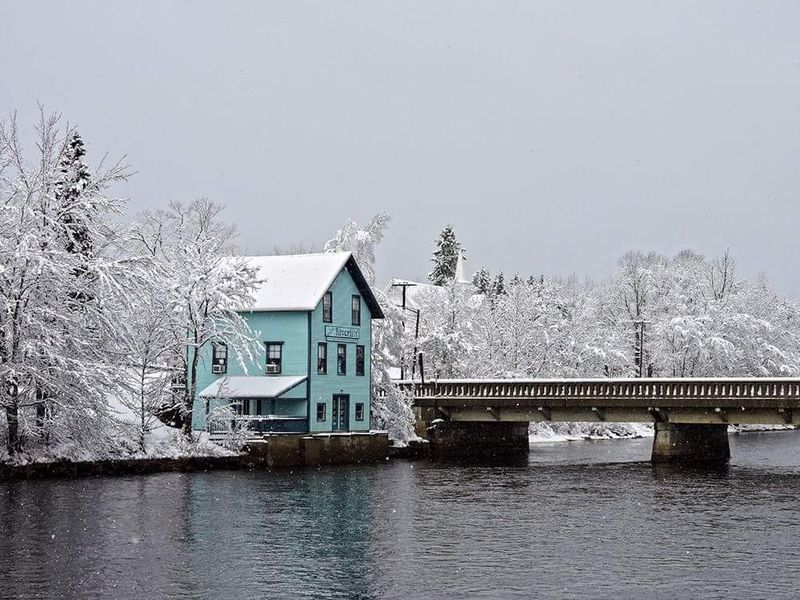
Calling yourself the Blueberry Capital of the World takes confidence. Cherryfield backs it up with miles of wild blueberry barrens on rocky Downeast soil.
Funny enough, the town was named for wild cherry trees along the Narraguagus River. The blueberries clearly won the popularity contest later.
In the late 1800s, lumber ruled. Cherryfield shipped 12 to 15 million board feet a year for roughly 30 years.
That money built gorgeous homes in Second Empire, Federal, and Queen Anne styles. Today the Cherryfield Historic District covers about 75 acres and joined the National Register in 1990.
Like its neighbors, Cherryfield is losing younger residents and growing older. Even so, it’s working on a Town Square project with heritage exhibits and event space.
For now, take the self-guided Historic Riverwalk past those grand houses. The Down East Sunrise Trail also passes through, crossing the river at Cable Pool on a steel trestle bridge.
Need a snack stop? The Paisley Loon serves sandwiches, ice cream, and pastries by the river.
Blue fingers are basically a souvenir.
Ashland
For seven years, this town wore a different name. Ashland became Dalton in 1869, then switched back in 1876.
The temporary name honored William Dalton, the first European-American settler in the 1830s. Apparently, Ashland just felt more like home.
Logging powered the town, peaking from about 1915 into the 1930s. As the woods industry changed, jobs thinned out and the population got older.
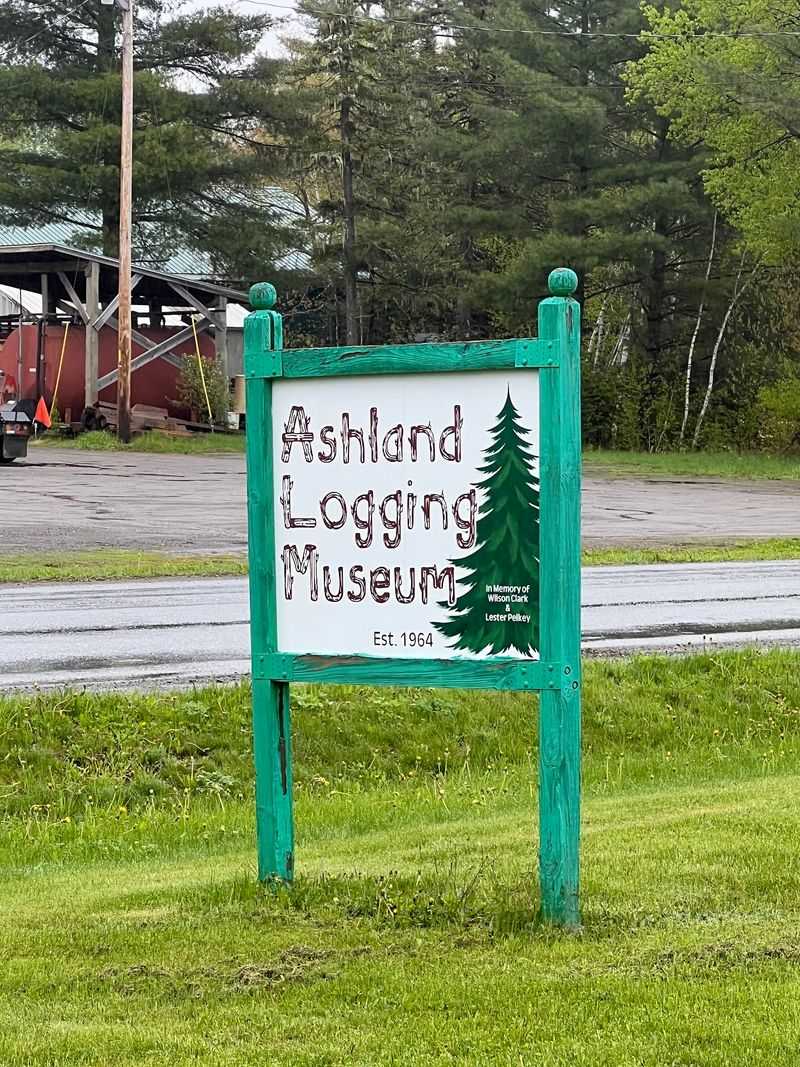
The Ashland Logging Museum tells that tough story well. You’ll see a Lombard Log Hauler, a replica camp, a scaler’s office, and hundreds of handmade tools.
Ashland also works as a gateway to the North Maine Woods. That wilderness stretches across 3.5 million acres.
Paddlers love the Aroostook River here, with flatwater and gentle rapids suited to beginners. Brook trout and landlocked salmon swim below.
Winter turns the town into a snowmobile crossroads. The ITS 88 trail follows the river for 50 miles between Fort Fairfield and Ashland.
Plan for Fourth of July weekend if you can. The Ashland Area Summer Festival brings a parade, live music, and fireworks.
On a warm day, grab Gifford’s ice cream at Qwik Stop II. Lumberjacks earned dessert, and so will you.
Owls Head
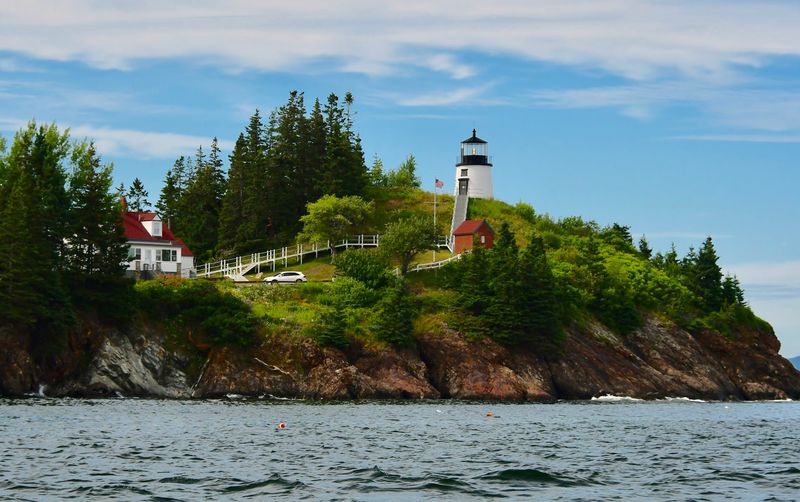
Sailors in 1759 squinted at a headland and decided it looked like an owl. The name stuck, and Owls Head has been hooting along ever since.
Long before that, the Abenaki called it Bedabedec Point, meaning Cape of the Winds. Samuel de Champlain passed by in 1605.
Owls Head only became its own town in 1921. Many retirees now call this scenic spot home, which pushes the median age higher each year.
The headline attraction is Owls Head Light Station, lit in 1826. Its fourth-order Fresnel lens, installed in 1856, still shines over Penobscot Bay.
The keeper’s house holds the American Lighthouse Foundation Interpretive Center, open from spring through fall. Seasonal climbing tours are available too.
Gearheads should not skip the Owls Head Transportation Museum. It collects and operates pre-1940 aircraft, cars, and engines, and it’s open year-round.
The museum hosts car shows, live demos, and vintage vehicle rides. Few towns this size let you watch history actually run.
For a lobster fix, visit Ship to Shore Lobster Co., the town’s oldest working wharf from the 1860s. Owls, lighthouses, and lobster make a pretty wise day in Maine.