
Maine’s Most Beautiful Scenic Drive You’ve Probably Never Heard Of
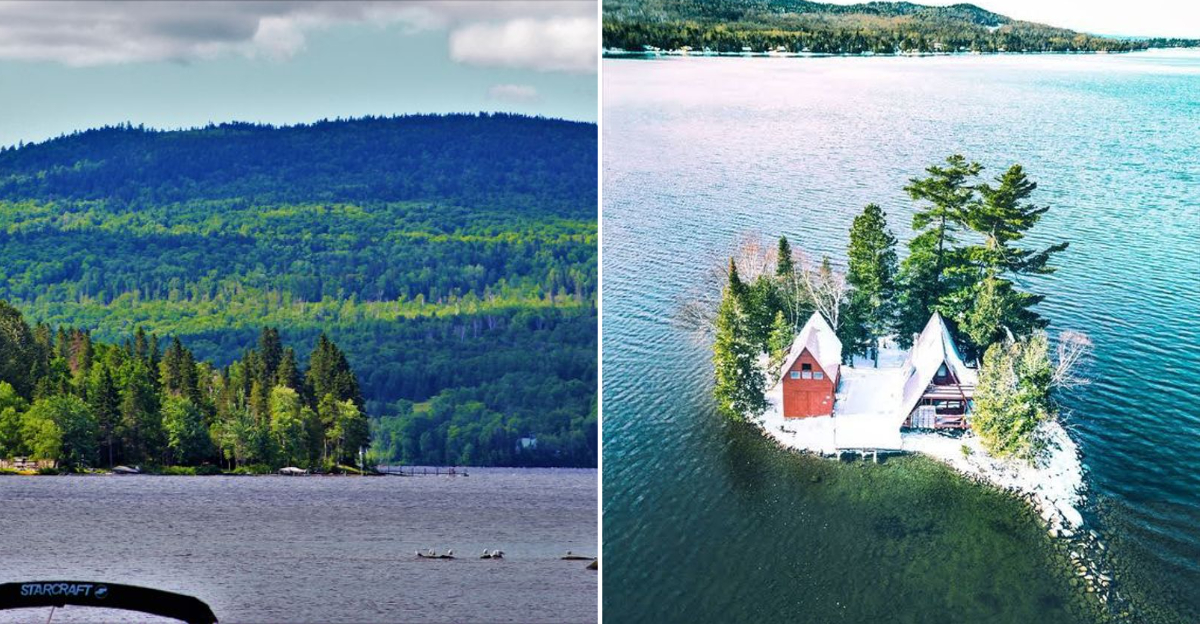
Some roads feel less like pavement and more like a secret handshake with the wilderness. Deep in the western mountains of Maine, one unforgettable drive slips past glassy lakes, rushing falls, moose country, and forests so dense they seem ready to swallow the sky.
Plenty of New England travelers never make it this far north, which only makes the place feel more rewarding once you arrive. This is the kind of route that ruins ordinary road trips.
You plan a simple scenic drive, then suddenly every overlook, trailhead, and waterfall demands a stop. I left with muddy boots, a packed notebook, and the dangerous thought that life might be better near these lakes and mountains.
A National Scenic Byway With A Big Official Title
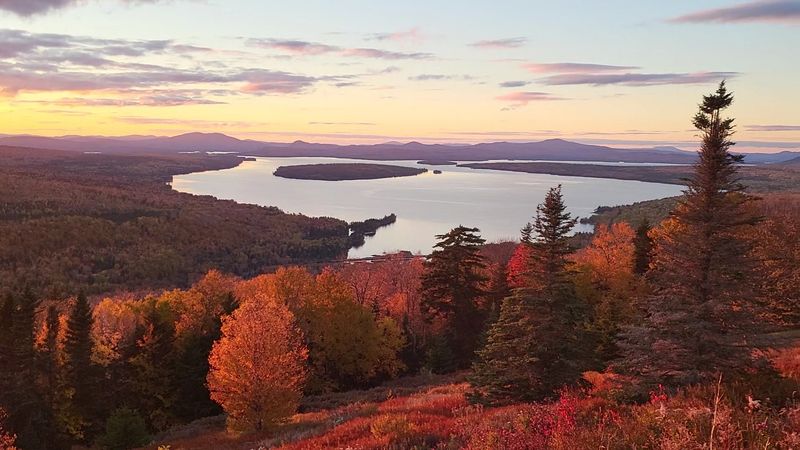
Back in 2000, the federal government officially recognized the Rangeley Lakes Scenic Byway as a National Scenic Byway, and honestly, the road earned every letter of that title.
This designation is not handed out casually. The U.S.
Department of Transportation awards it only to routes with outstanding qualities in areas like scenery, nature, history, culture, recreation, and archaeology.
For this byway, the scenery alone would have been enough. The forests are dense and ancient-looking, the mountain views stretch for miles, and the lakes shimmer like they were placed there just to make photographers cry happy tears.
The designation also brings resources for preserving and promoting the route, which means the byway stays in good shape for visitors.
Knowing the road carries that official recognition adds a layer of satisfaction to the drive. You are not just taking a random back road through Maine.
You are traveling a federally honored corridor that has been celebrated for over two decades.
Two Roads, Big Drama
Two state highways form the backbone of this byway, and each one brings its own personality to the drive. State Route 4 hugs the eastern and southern edges of Rangeley Lake, passing through the town of Rangeley itself, where you can stop for food, supplies, or just a slow walk around a classic Maine lakeside community.
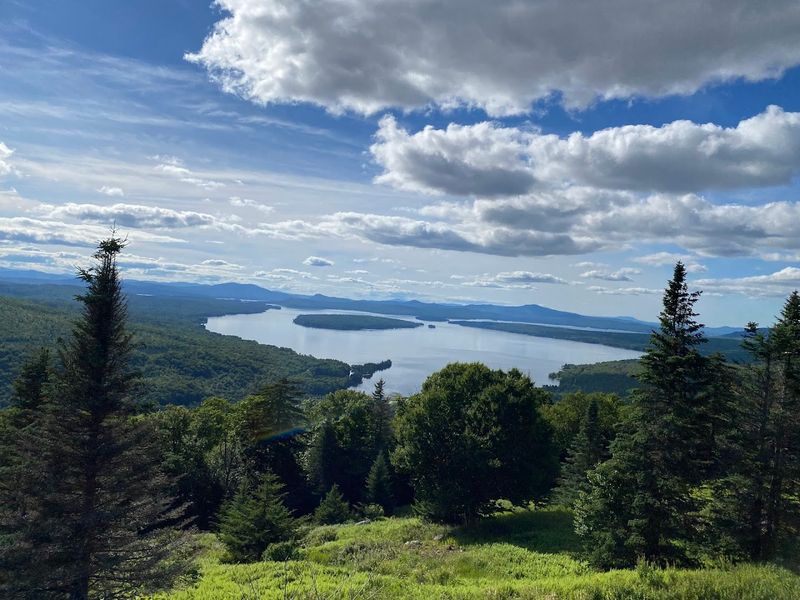
Route 17 is where the drama really kicks in. This stretch climbs into higher elevation, pushing through forests and over ridgelines before delivering you to one of the most jaw-dropping viewpoints in all of New England.
The two routes together form a loop-like corridor that wraps around the lake and surrounding landscape in a way that feels intentional, almost theatrical.
Driving both roads gives you a complete picture of the region, from lakeside calm to mountain-top grandeur. If you only have time for one, take Route 17 for the views, but come back someday for Route 4 because it rewards the patient traveler generously.
The Byway Stretches Roughly To 52 Miles
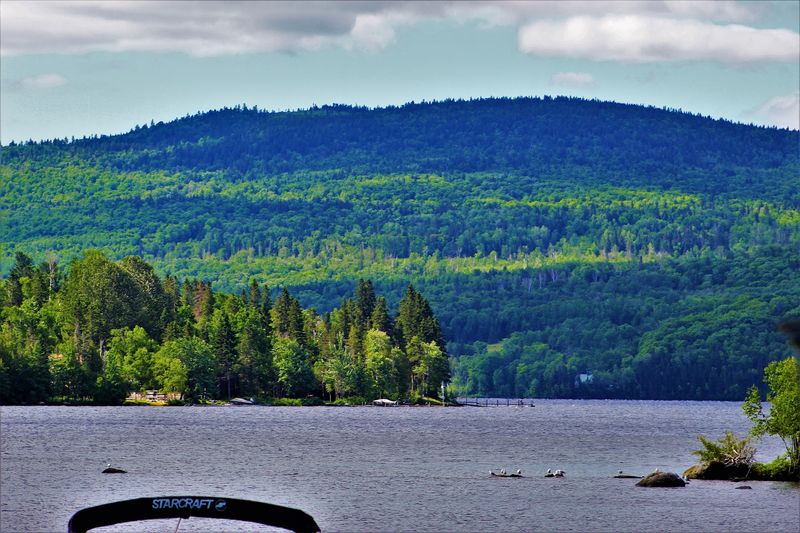
Depending on which source you trust, the byway runs somewhere between 35.6 miles and 52 miles, and that discrepancy actually makes sense once you understand the region. The core designated route clocks in around 35.6 miles, which is roughly 57 kilometers for anyone thinking metrically.
The longer mileage figures tend to include connector roads and side routes that branch off toward additional viewpoints, trailheads, and points of interest scattered around the Rangeley Lakes area.
Either way, this is not a drive you rush through in forty-five minutes. Plan for at least half a day if you want to do it properly, and a full day if you intend to stop at waterfalls, overlooks, and trailheads along the way.
The beauty of a drive this length is that it hits a sweet spot between too short to feel meaningful and too long to stay enjoyable. Every mile offers something worth slowing down for, and that rhythm keeps the experience fresh from start to finish.
The View That Stops You
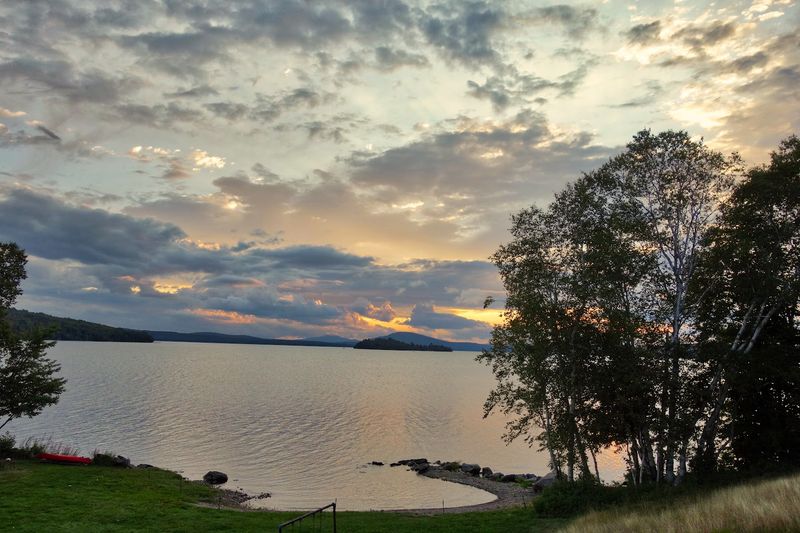
Pull over at the Height of Land overlook on Route 17 and prepare to stand very still for a while. This elevated viewpoint sits high above the surrounding landscape and delivers one of the most expansive views in the entire northeastern United States.
On a clear day, you can see Mooselookmeguntic Lake and Richardson Lake spread out below you, their blue surfaces framed by rolling forested mountains.
The distant White Mountains of New Hampshire sometimes appear on the horizon, adding another layer to an already staggering view. There is a small parking area and a short path to the overlook itself, and the whole setup feels appropriately simple for such a dramatic location.
No flashy visitor center, no crowds of tour buses, just you and a panorama that looks almost too good to be real.
I stood there longer than I planned, partly because the view kept revealing new details the longer I looked. Few places in New England reward a simple roadside stop quite so generously as this one does.
Smalls Falls Is a Must-Stop
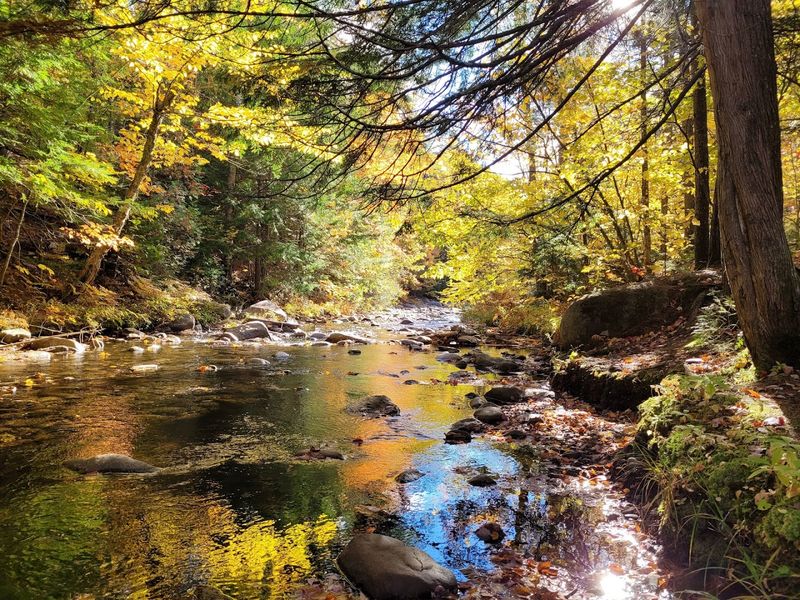
Not every highlight on this byway involves a long view from a mountaintop. Smalls Falls brings the action right down to ground level, and it does so with considerable flair.
Along Route 4, this series of cascading waterfalls tumbles over smooth rocks and drops into clear, cold swimming holes that look like something from a postcard.
There is a small parking area and a short walking path that leads you directly to the falls, making it one of the most accessible natural attractions on the entire route.
Families with kids tend to love this stop because the swimming holes are inviting and the sound of rushing water makes the whole place feel alive. Picnic tables nearby make it easy to turn a quick stop into a full lunch break.
Even if you choose not to swim, just sitting near the falls and listening to the water is a genuinely calming experience. Smalls Falls is the kind of place that reminds you why you took the scenic route in the first place rather than the highway.
The Appalachian Trail
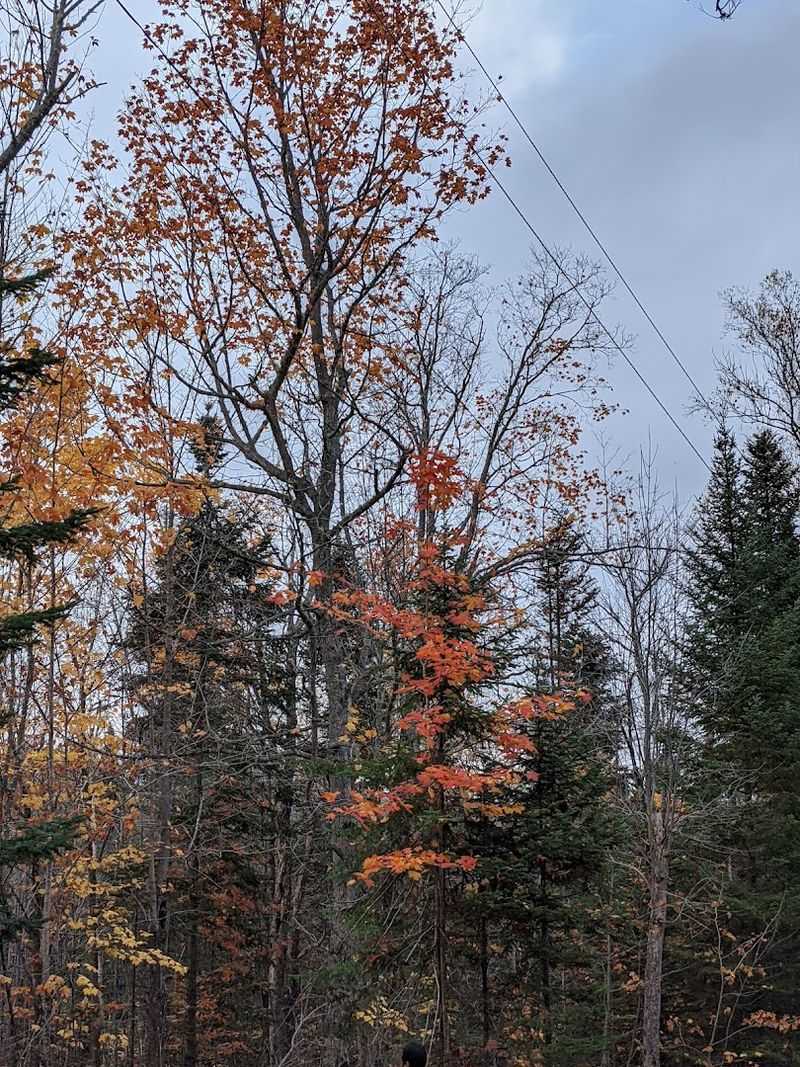
Long-distance hikers and roadtrippers share a special moment along this byway, and it happens twice. The famous Appalachian Trail, which runs roughly 2,190 miles from Georgia to Maine, crosses both Route 4 and Route 17 within the byway corridor.
For thru-hikers, these road crossings are often a chance to resupply or catch a ride into town.
For byway drivers, spotting an AT crossing is a small thrill. You might see a hiker with a massive backpack stepping off the trail and onto the roadside, looking equal parts exhausted and exhilarated.
The white blazes painted on trees mark the trail clearly, and if you park and walk a short distance in either direction, you get a taste of what the trail actually feels like underfoot.
The connection between the byway and the Appalachian Trail adds a layer of outdoor culture to the drive that goes beyond simple sightseeing. This road is part of a larger wilderness network, and that context makes every mile feel more significant and connected to something truly vast.
Over 40,000 Acres Of Conserved Land
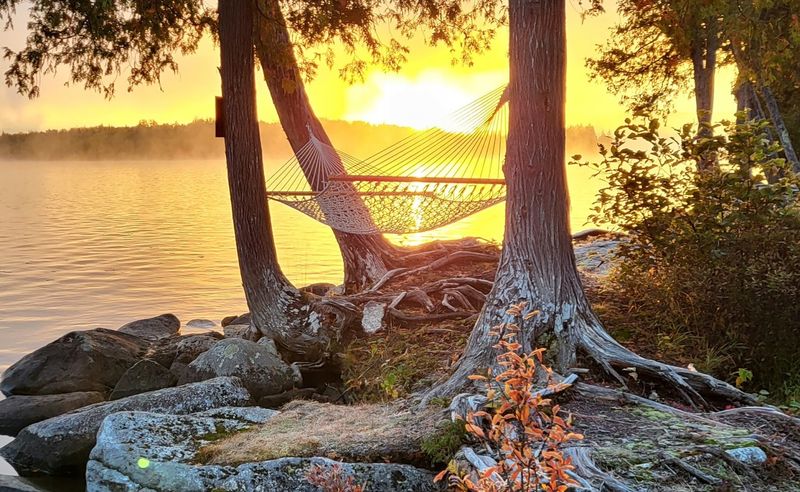
The forests along this byway are not just pretty backdrops. A significant portion of the land surrounding the route is under conservation protection, with estimates ranging from over 40,000 acres to more than 200,000 acres depending on how the boundaries are drawn.
Either figure is enormous, and the practical effect is that the landscape feels genuinely wild rather than managed or manicured.
Conserved public access lands mean that visitors can legally explore, hike, fish, and enjoy the outdoors in ways that private land would not allow.
This open access philosophy is a big part of what makes the Rangeley region feel so generous to outdoor enthusiasts. You are not just driving past nature here.
You are invited into it.
The conservation effort also protects the wildlife corridors that allow moose, white-tailed deer, black bears, and bald eagles to move freely through the landscape. Spotting a moose along the road edge is a real possibility on this drive, and the protected land is a major reason that remains true today.
Old Maine Roots
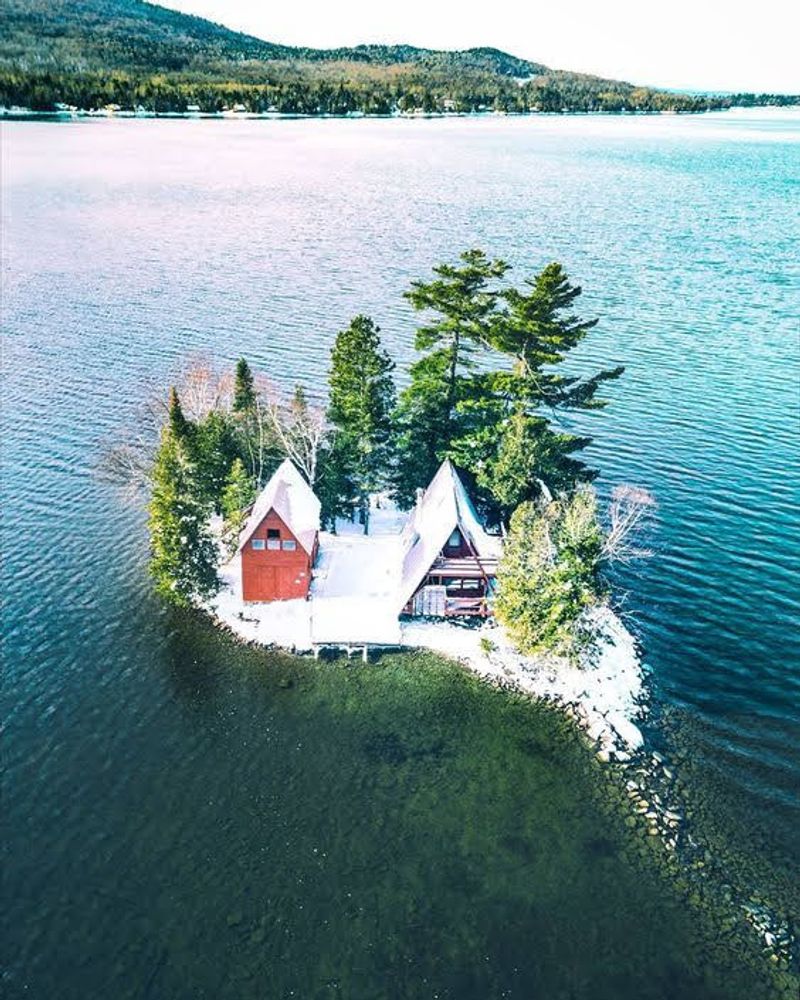
Long before the byway had an official designation or a federal title, people were already falling hard for this corner of Maine.
The Rangeley region was settled in the early 1800s, when hardy families pushed into the western mountains looking for land, timber, and a fresh start. Life was not easy up here, but the natural abundance of the lakes and forests made it worthwhile.
By the 1860s, word had spread far beyond the local farming community. Sportsmen from Boston, New York, and beyond were making the long journey to Rangeley specifically for the brook trout fishing, which had developed a reputation as some of the finest in the eastern United States.
Wealthy families built grand camps along the lakeshores, and the region quietly became a premier destination for outdoor recreation.
That heritage still shapes the character of the area today. The towns feel purposeful and rooted, with a genuine sense of place that comes from nearly two centuries of people choosing this landscape and building lives within it.
Autumn Goes All In
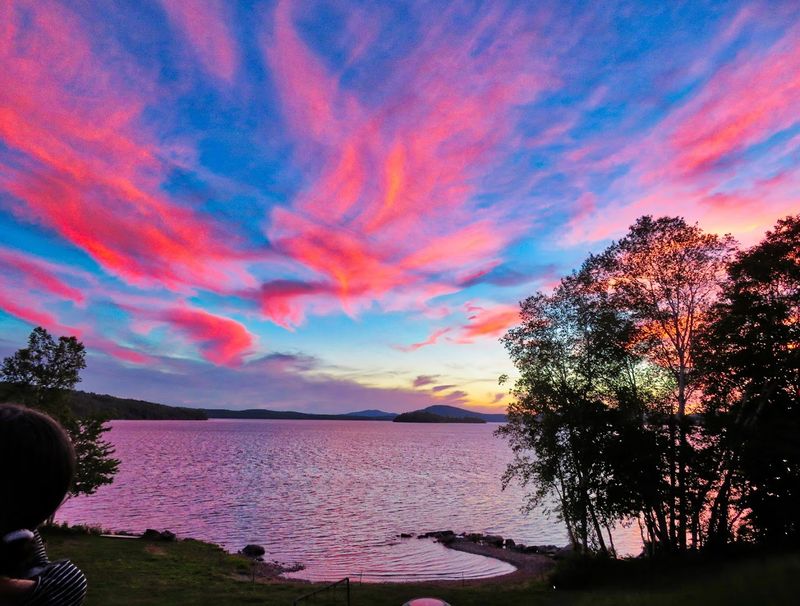
If there is one season that makes this byway absolutely impossible to ignore, it is autumn. The western Maine mountains put on a foliage display that rivals anything you will find in Vermont or New Hampshire, and the Rangeley byway sits right at the heart of it.
Typically peaking in late September through mid-October, the color transformation turns the entire route into something that barely looks real.
The combination of elevation changes and mixed forest species means the colors shift as you drive. Lower sections along the lake show brilliant yellows and oranges, while higher elevations on Route 17 glow with deep reds and russets.
The Height of Land overlook during peak foliage might be one of the single most visually overwhelming experiences available anywhere in New England.
Photographers make special trips just for this window of time, setting up along the road edges at dawn to catch the light filtering through the colored canopy. If your schedule allows even a brief autumn visit, this byway will reward you with images you will talk about for years afterward.
Year-Round Activities
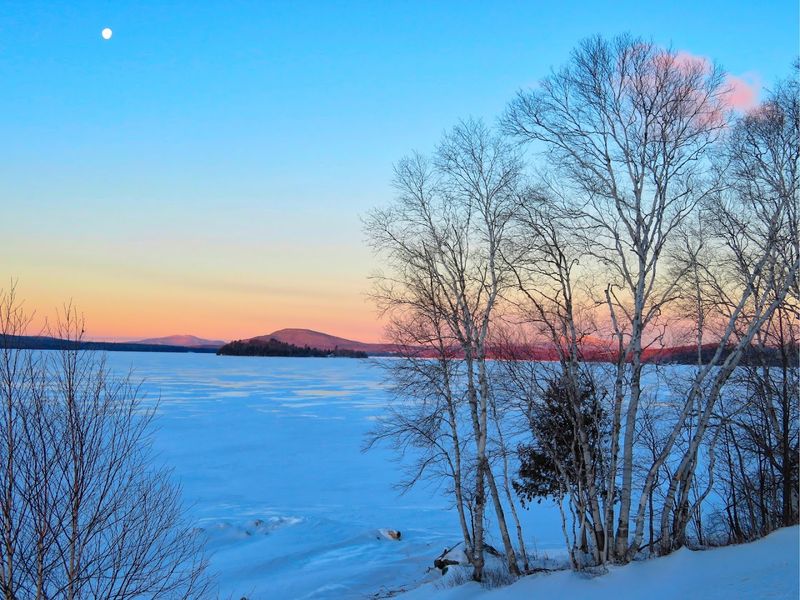
Some scenic drives are one-trick ponies, beautiful in summer and forgettable the rest of the year. The Rangeley Lakes Scenic Byway refuses to follow that pattern.
Every season brings its own set of reasons to make the trip, and the variety is genuinely impressive for a single stretch of road in rural Maine.
Summer visitors can boat, kayak, fish, swim at Smalls Falls, and hike trails throughout the conserved lands. Spring brings rushing streams and the return of migratory birds.
Winter transforms the region into a snowmobiling hub, with hundreds of miles of groomed trails accessible from the byway corridor, and skiing at nearby Saddleback Mountain adds another cold-weather option.
Wildlife watching stays rewarding in every season, with moose sightings particularly common in spring and early summer near wetland areas along the route.
Bald eagles nest in the region and are spotted regularly over the lakes. The byway is not a place you visit once and check off a list.
It is a place you return to, season after season, because it keeps offering something new.