
Maine’s Most Overlooked Lake Offers 281 Miles Of Shoreline Without The Crowds
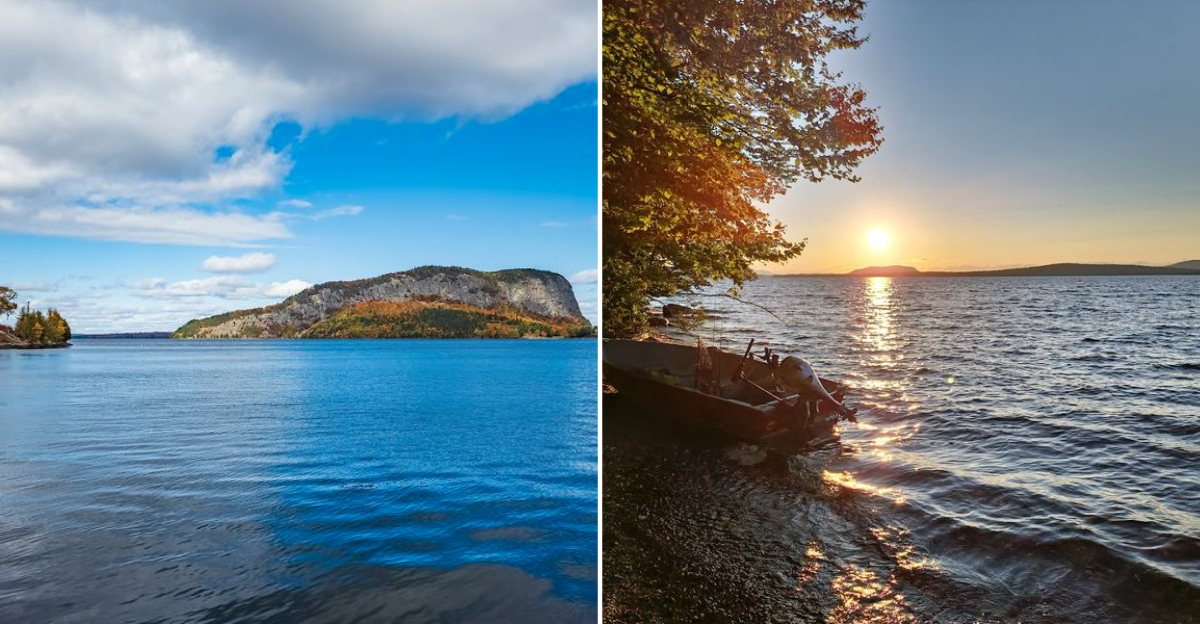
Maine hides a freshwater giant far beyond the lobster shacks, souvenir shops, and busy coastal roads most travelers know. Deep in Maine’s northern wilds, a vast lake stretches for roughly 40 miles.
Its 281 miles of shoreline are shaped by quiet coves, forested islands, rocky points, and mountain views. It is the largest lake in Maine, yet it still feels surprisingly untouched compared with the state’s better-known vacation spots.
This is the kind of place where mornings begin with mist over cold water, loons call through the silence, and the shoreline can feel almost endless.
For travelers craving huge views, quiet coves, and the raw feel of Maine’s North Woods, this hidden escape feels less like a vacation spot and more like a secret the map almost forgot.
Maine’s Largest Lake By A Wide Margin
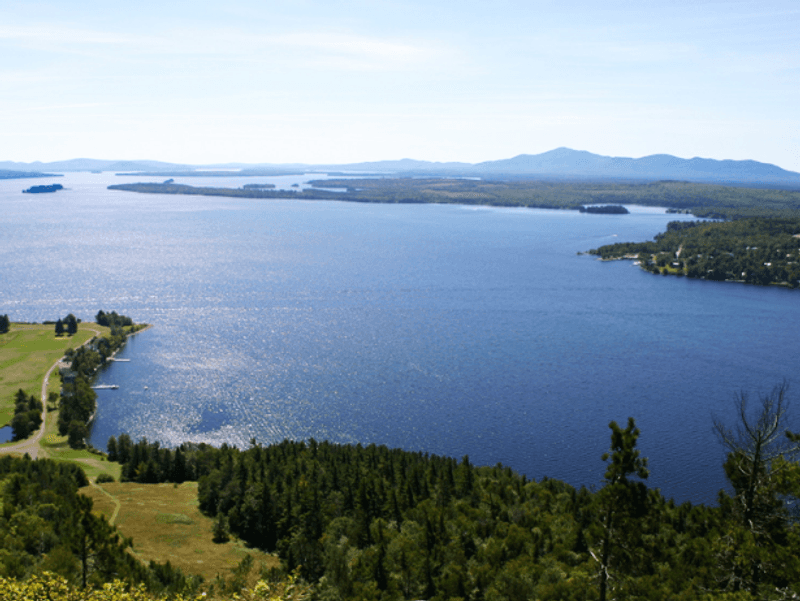
At roughly 74,890 acres of surface water, Moosehead Lake is not just the biggest lake in Maine, it is one of the largest lakes east of the Mississippi River. That kind of scale is hard to wrap your head around until you are actually standing on the shore watching the water disappear into the horizon.
The lake sits at about 1,023 feet above sea level, giving it a high-altitude feel that keeps temperatures cooler than you might expect, even in midsummer. That elevation also means the air feels noticeably crisp and clean, which adds to the overall sense of being somewhere genuinely remote.
Stretching about 40 miles from north to south and reaching up to 10 miles wide at certain points, the lake holds so much water that small boats need to treat it with real respect. Wind can pick up fast, and the open stretches feel more like a sea crossing than a typical lake paddle.
281 Miles Of Shoreline To Explore
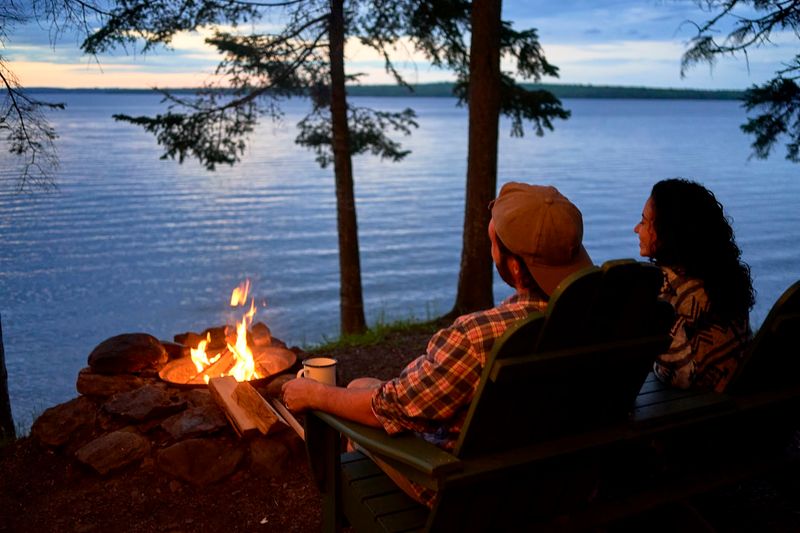
The 281 miles of shoreline at Moosehead Lake is one of those numbers that sounds impressive on paper but becomes genuinely staggering once you start exploring.
Every bend in the coastline reveals something different, whether it is a sandy cove, a rocky ledge, a marshy inlet, or a dense wall of spruce and fir trees pressing right to the water’s edge.
Much of that shoreline remains undeveloped, which means you can paddle or boat for long stretches without seeing a single building.
That kind of unbroken wilderness along a waterfront is increasingly rare in the northeastern United States, making this lake a standout destination for anyone who values solitude.
The variety of shoreline terrain also makes it ideal for kayakers and canoeists who enjoy stopping to explore on foot. Hidden beaches and flat rocks perfect for a lunch break appear regularly, rewarding those who take their time rather than rushing from one end of the lake to the other.
Islands That Beg To Be Discovered
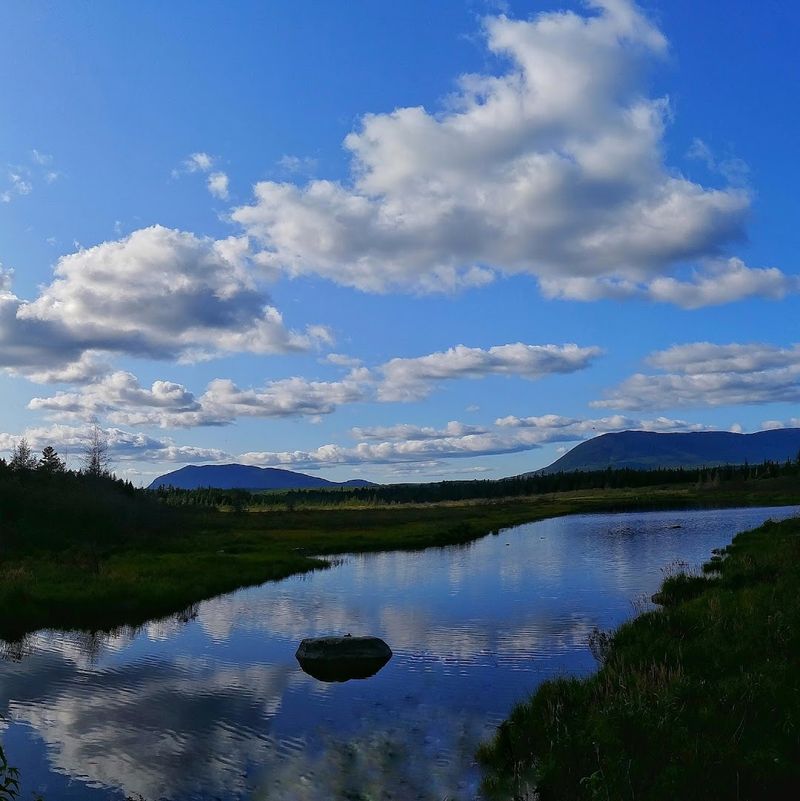
Moosehead Lake is generously scattered with islands, and each one has its own personality.
Sugar Island is probably the most well-known, reachable by boat tour from Greenville, and it offers a fascinating glimpse into the lake’s history as a summer retreat for wealthy families in the late 1800s and early 1900s.
Many of the smaller islands are completely undeveloped, covered in old-growth boreal forest and accessible only by water.
Camping on these islands, with loons calling across the water at dusk and stars overhead that you simply cannot see in any city, ranks among the most memorable outdoor experiences available in New England.
Mount Kineo, technically a peninsula rather than an island but accessible primarily by ferry from Rockwood, rises dramatically from the water with 700-foot cliffs of rhyolite rock.
The hike to the fire tower at the summit rewards visitors with a panoramic view of the lake that makes the climb absolutely worth every step.
World-Class Fishing
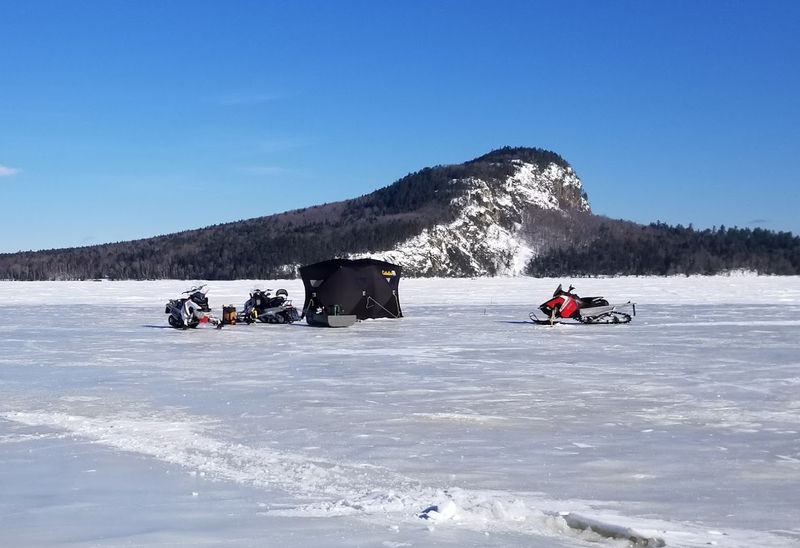
Fishing at Moosehead Lake has a reputation that travels far beyond Maine’s borders. The lake is home to landlocked Atlantic salmon, lake trout, brook trout, smallmouth bass, and white perch, giving anglers a genuinely diverse menu of targets no matter the season.
Ice fishing in winter is a serious tradition here, with ice shanty villages popping up across the frozen surface starting in January.
Locals and visiting anglers drill through ice that can reach two feet thick, dropping lines for lake trout and salmon in conditions that feel both brutal and strangely peaceful at the same time.
Summer fishing from a boat or a canoe offers a completely different rhythm, with early mornings on the water producing some of the best landlocked salmon action in the region.
The lake’s depth, which reaches over 240 feet in places, keeps water temperatures cold enough to support these fish even during the warmest summer months, making it a reliable fishery year-round.
Moose Sightings In Real Maine Wilderness
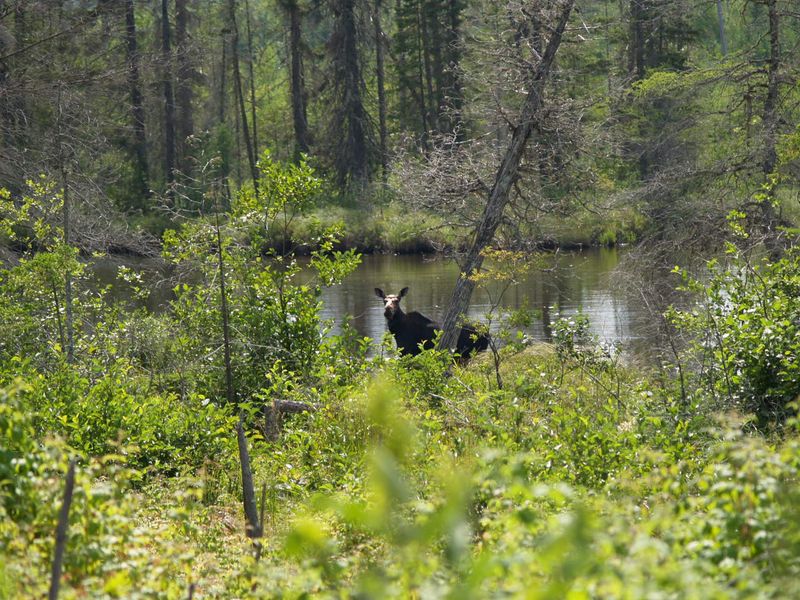
The lake’s name is not just a marketing decision. Moose are genuinely present throughout the Moosehead Lake region, and spotting one in the wild here feels like a proper Maine moment rather than a lucky accident.
The boggy shorelines, spruce forests, and wetland areas surrounding the lake create ideal moose habitat.
Early morning and late evening are the best windows for moose watching, especially in the marshy coves along the western and northern shores.
Paddling quietly in a kayak or canoe at dawn puts you in exactly the right place at exactly the right time, and the experience of watching a moose wade through shallow water just a few hundred feet away is one that stays with you.
The Shirley Bog area, located not far from Greenville, is a particularly productive spot for wildlife observation. Birders will also find the region rewarding, with common loons, bald eagles, ospreys, and great blue herons all making regular appearances along the shoreline throughout the warmer months.
The Gateway Town With Real Character
Sitting at the southern tip of the lake, Greenville is the kind of small town that functions as both a practical base camp and a destination in its own right.
The town has a hardware store, outfitters, restaurants, and lodging options ranging from rustic cabins to comfortable inns, covering most of what a visitor needs without feeling overly commercial.
One of the more unexpected pleasures of spending time in Greenville is watching the seaplanes. The town hosts floatplane operations that take off and land directly on the lake.
Watching one skim across the water, then lift into the sky above the Longfellow Mountains, never gets old.
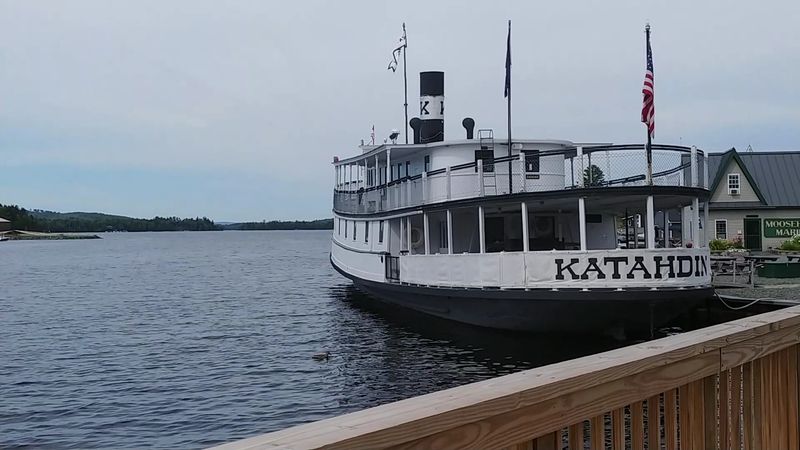
The Moosehead Marine Museum in Greenville is home to the restored steamboat Katahdin, which still takes passengers on guided tours of the lake.
Boarding that historic vessel and heading out onto the open water while learning about the lake’s past is a genuinely satisfying way to spend an afternoon in the region.
Boating And Water Sports
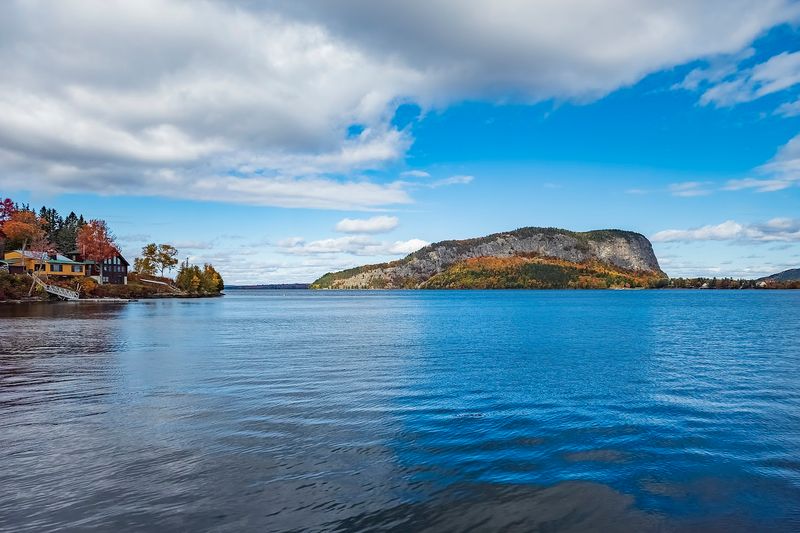
Having 74,890 acres of water to play on means that boaters at Moosehead Lake rarely feel crowded, even on the busiest summer weekends.
There are public boat launches at Greenville, Rockwood, and Seboomoo, giving access to different parts of the lake without requiring a long drive around the shoreline.
Kayaking and canoeing are particularly popular for those who want to explore the quieter coves and island clusters at a slower pace.
The lake’s size does demand awareness of weather conditions, since afternoon winds can build quickly and turn calm water into something considerably more challenging for smaller craft.
Waterskiing, wakeboarding, and tubing all happen on the more open stretches, particularly near Greenville where boat traffic is heavier.
Swimming is also popular at several sandy spots along the shore, though the water stays cold well into summer thanks to the lake’s depth and elevation, which is something to keep in mind before jumping in enthusiastically.
Hiking Trails With Views
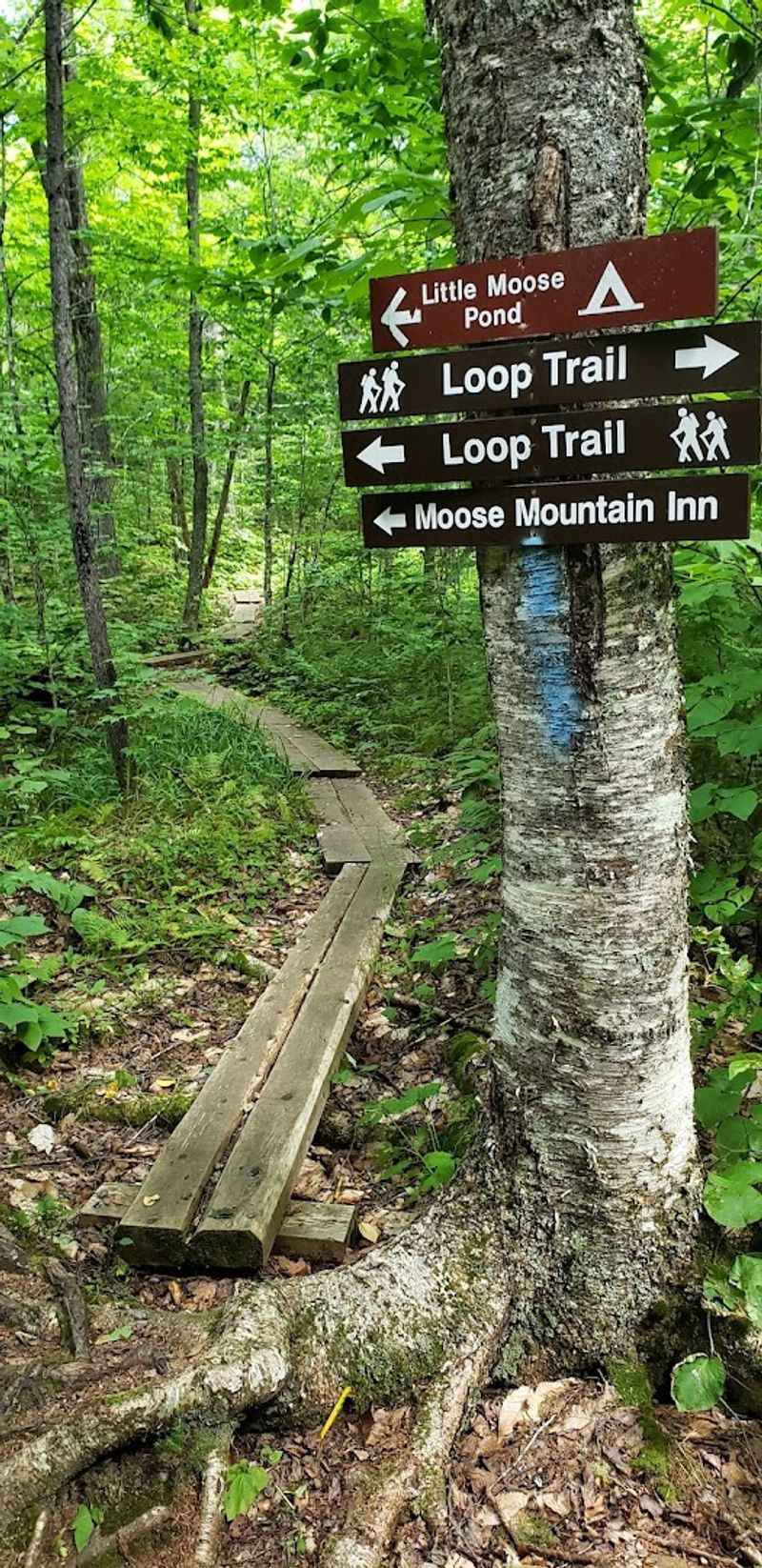
The terrain surrounding Moosehead Lake is part of the Longfellow Mountains, and the hiking opportunities in this area range from easy shoreline walks to genuinely demanding summit climbs.
Mount Kineo, accessible by ferry from Rockwood, offers one of the most dramatic hikes in the region, with trails that wind through forest before breaking out onto exposed ridgelines above the lake.
The Attean Overlook near Jackman, a short drive west of the lake, provides a sweeping view that takes in multiple lakes and ponds spread across the boreal landscape below.
Standing up there on a clear day with nothing but forest and water in every direction is a reminder of just how much wild land remains in this corner of Maine.
Lily Bay State Park on the eastern shore offers gentler trails along the water, making it an accessible option for families or anyone who prefers a more relaxed pace. The park also provides some of the best lakefront camping in the region, with sites sitting directly on the shore.
Stars Over The North Woods
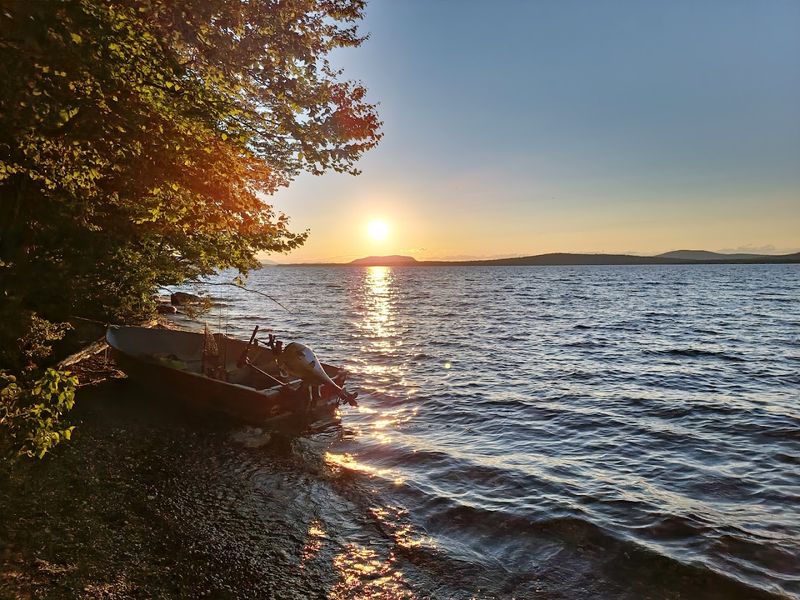
The Moosehead Lake region sits in one of the darkest corners of the eastern United States when it comes to light pollution.
On a clear night, the Milky Way appears as a dense, clearly defined band stretching across the sky, and the number of visible stars is genuinely startling if you are accustomed to viewing the night sky from anywhere near a city.
Camping on the lake’s shoreline or on one of its islands puts you in the perfect position to experience this.
Lying back in a canoe on a still night and looking straight up at a sky packed with stars is one of those simple, completely free experiences that somehow ranks among the best moments of any trip to this region.
The absence of ambient light also means that phenomena like meteor showers, visible planets, and satellite passes are all easy to observe without any equipment. Bringing a basic star chart or a stargazing app turns a quiet evening at the lake into something genuinely educational and memorable for all ages.
Autumn Turns The Lake Electric
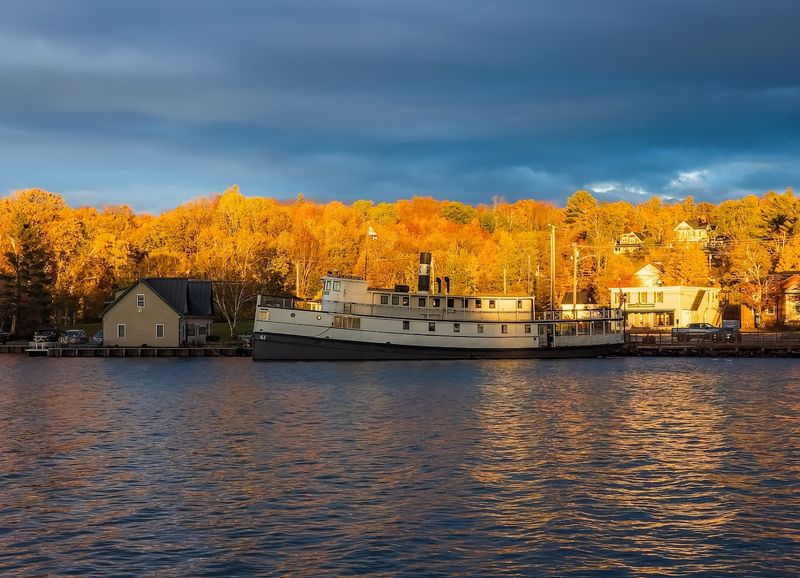
Late September through early October brings one of the most visually intense seasonal transformations in North America to the Moosehead Lake region.
The combination of birch, maple, beech, and aspen trees mixed into the evergreen forest creates a patchwork of gold, orange, red, and deep green that covers every hillside and island in sight.
Viewing fall foliage from the water is a particularly rewarding way to take it all in. A boat ride or a kayak paddle during peak color, with the reflections of the autumn trees shimmering on the lake’s surface, produces scenes that look almost too vivid to be real.
The cooler temperatures of early fall also make hiking far more comfortable than summer, and the trails are noticeably less busy.
Greenville hosts Forest Heritage Days in August, but the fall season draws its own steady stream of visitors who come specifically for the foliage. Booking accommodations even a few weeks in advance during peak leaf-peeping season is a smart move, as the better spots along the lake tend to fill up quickly.