
Marvel At These Michigan Giant Sequoias That Feel Almost Unreal
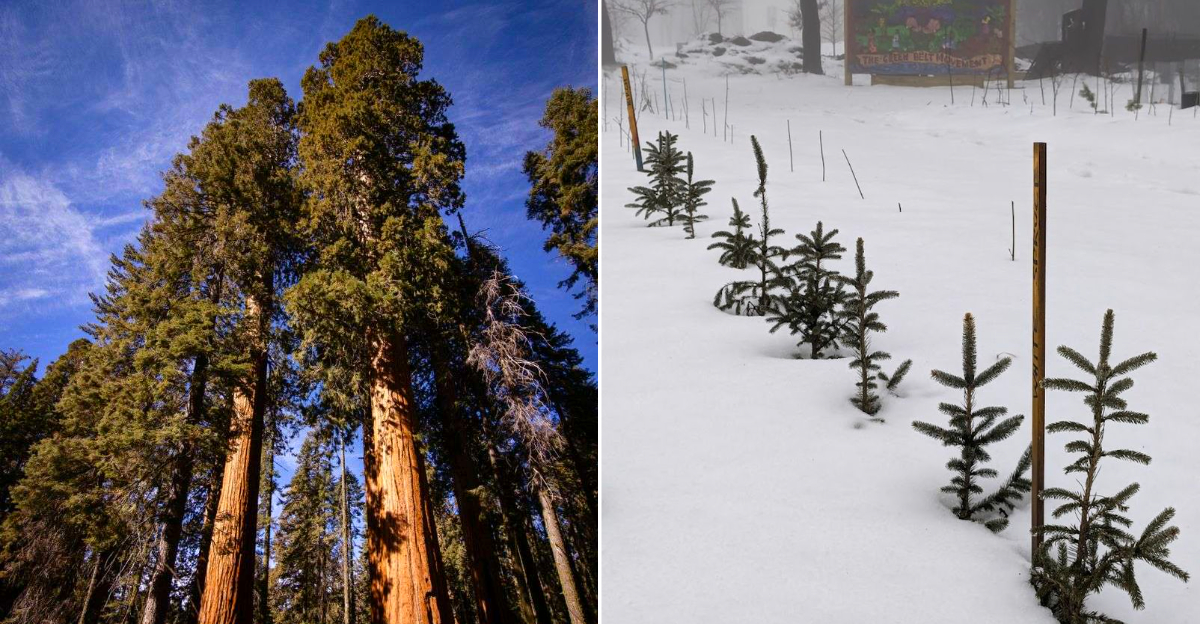
Farnsworth Street hides a secret that feels more like a time-travel experiment than a typical Detroit corridor. Tucked between gritty warehouses and weathered row houses, tiny giants are quietly staking their claim on the urban soil.
These aren’t your average city maples; we are talking about cloned descendants of California sequoias finding their footing in the Great Lakes basin.
Wandering through spots like Circle Forest or Oxygen Alley, the frantic city pulse suddenly fades, replaced by the sharp scent of resin and the soft whistle of wind through feathery needles.
Watching these saplings adapt to the local lake-effect light feels like getting a backstage pass to a century-long story just starting its first chapter.
Experience a unique urban reforestation project featuring giant sequoias in the heart of Detroit, Michigan.
Every visit reveals a new layer of the experiment, especially when the nursery team drops updates on how these West Coast legends are handling the Michigan winters.
First Glimpse Among Brick And Sky
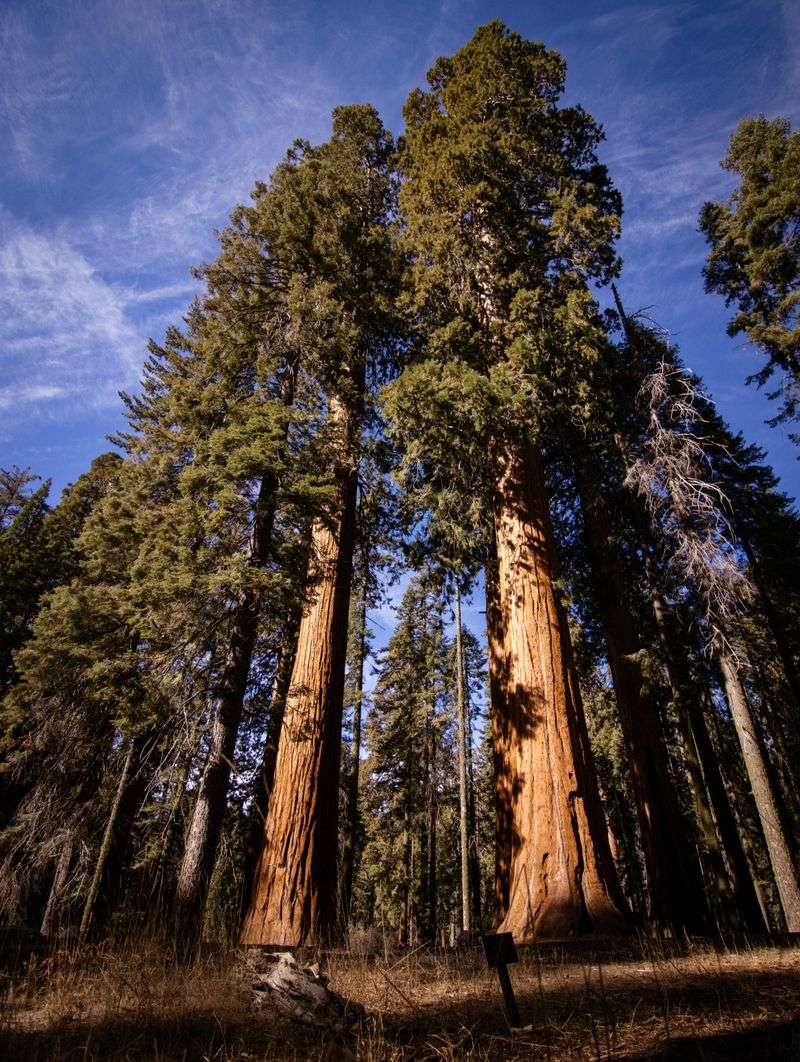
Morning light pools between warehouses, and the sequoia saplings throw delicate shadows across gravel. Their soft, bottlebrush needles look improbably gentle against Detroit’s muscular brick and rail. You can hear sparrows testing the branches as traffic hushes to a distant ribbon.
These trees arrived as clones of famed elders like Stagg and Waterfall, carried from Sierra Nevada genetics into Great Lakes weather. Planted since 2020 by Arboretum Detroit and partners, they answer a hopeful question about resilience.
Visitors slow down without being asked, tracing growth rings with their eyes and measuring time by inches of new candle growth. The contrast teaches patience. A city famous for velocity finds a slower register. Roots feel busy beneath the modest, mulched squares today.
A Living Archive In Poletown East
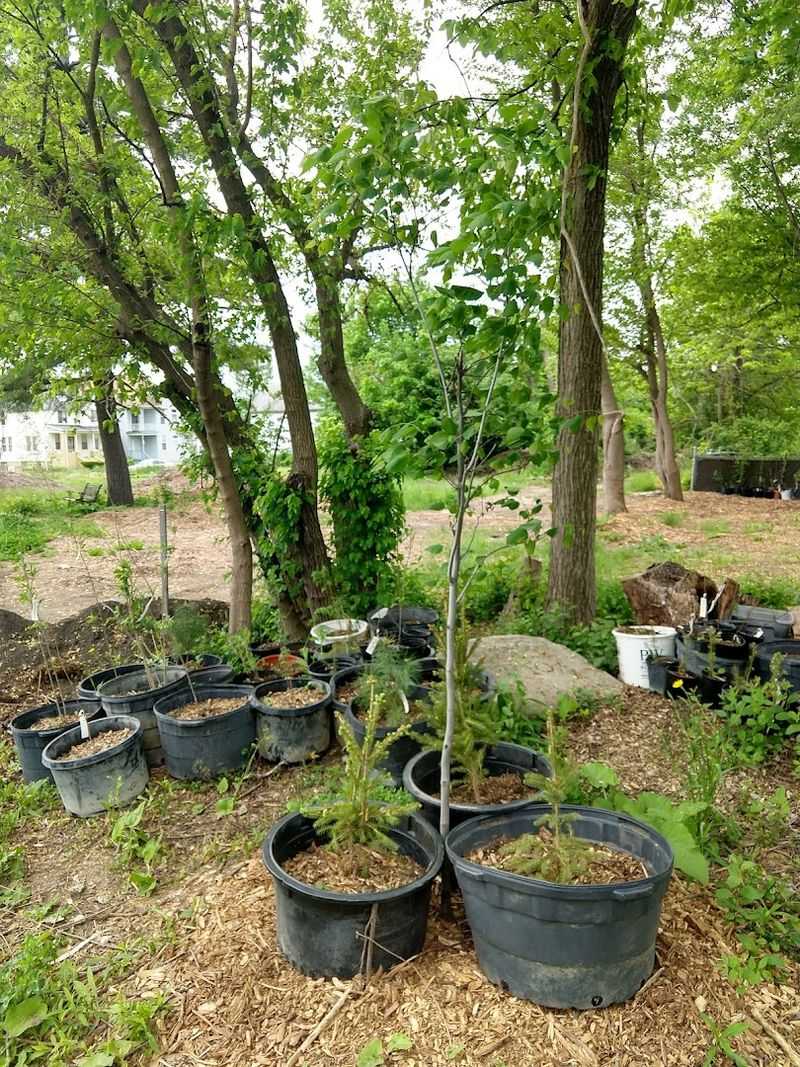
Arboretum Detroit Nursery, 3300 Farnsworth, Detroit, MI 48211. Turn onto Farnsworth and the nursery gates reveal rows like sheet music. Each sapling carries a label, a tidy footnote connecting Detroit soil to mountain lineage.
The setting is practical, with hoses, compost, and neatly staked protection, yet the rhythm feels ceremonial. Staff explain the cloning work tied to Archangel Ancient Tree Archive, translating centuries into spreadsheets and shade cloth.
I left understanding how microclimates matter, from wind funnels to radiant heat off masonry. If you visit, pause by Oxygen Alley, where plantings stitch blocks together and invite neighbors through.
The project’s aim is simple and brave, to filter air, hold water, and frame futures. Your footsteps will likely slow, syncing with drip lines and distant freight horns. Bring open curiosity.
Sensory Oddities You Notice Late
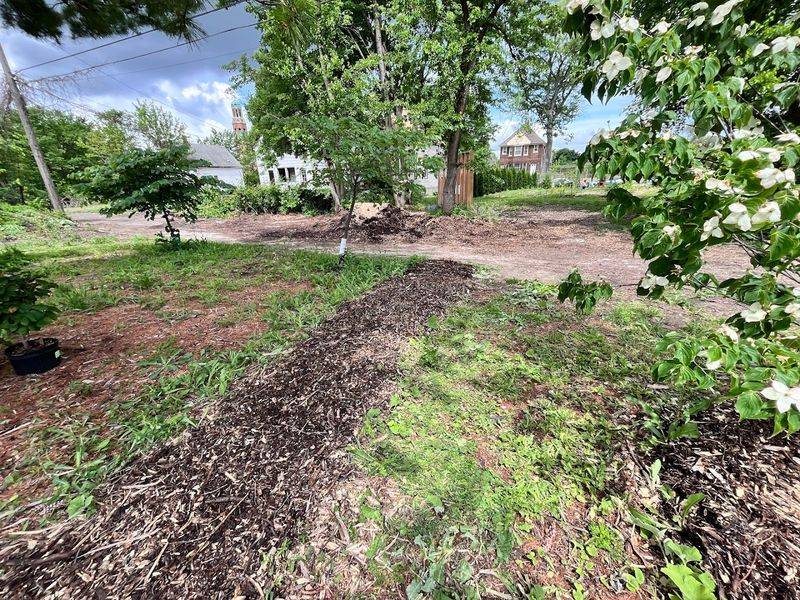
Resin meets lake breeze, creating a scent both coastal and high country. Needles shiver with a whispering sound that is lighter than nearby cottonwoods. Sunlight dapples the cinnamon bark, which already shows fluted hints despite the saplings’ youth.
The vibe folds industrial grit into calm, like a pocket park humming with purpose. Logistics are straightforward: street parking near 3300 Farnsworth, open community hours posted by Arboretum Detroit. Check the schedule for volunteer days, when tools and guidance are provided.
Gloves help with mulch edges, and closed shoes make gravel friendlier. You will probably catch neighbors greeting each other across beds, trading plant notes over wheelbarrows. Paths curve modestly, steering you past watering stations and young sheltering understory plantings in progress.
Rings, Ribs, And Riddles
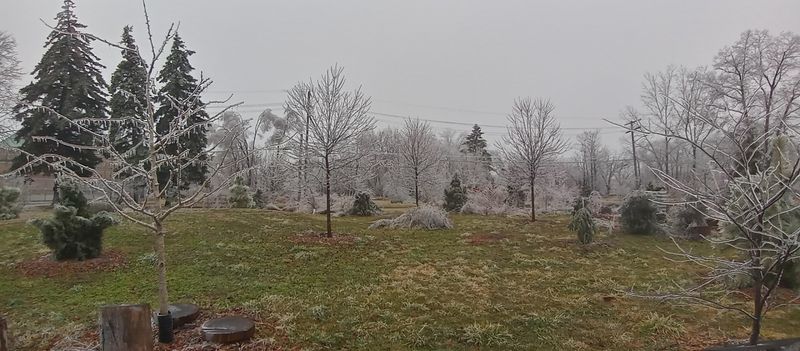
Architectural details emerge at close range: pleated bark ribs, feathered sprays, and tidy leader shoots. The saplings stand in grids that make their eventual girth imaginable. Sun and shadow articulate edges so clearly that you start measuring with your eyes.
History threads through the site via named lineages, Stagg and Waterfall, giants that survived fire, snow, and centuries. Preservation here looks like careful watering schedules, windbreaks, and mulched saucers refreshed by volunteers.
Visitor tip: read the tags, then step back ten paces for scale. Smartphone panoramas exaggerate height nicely, but portrait shots capture the tapering spire. Either way, you will notice the trees correcting themselves after storms, leaders straightening like intention. Afternoon light warms bark color toward coppery rose hues.
People Who Tend The Future
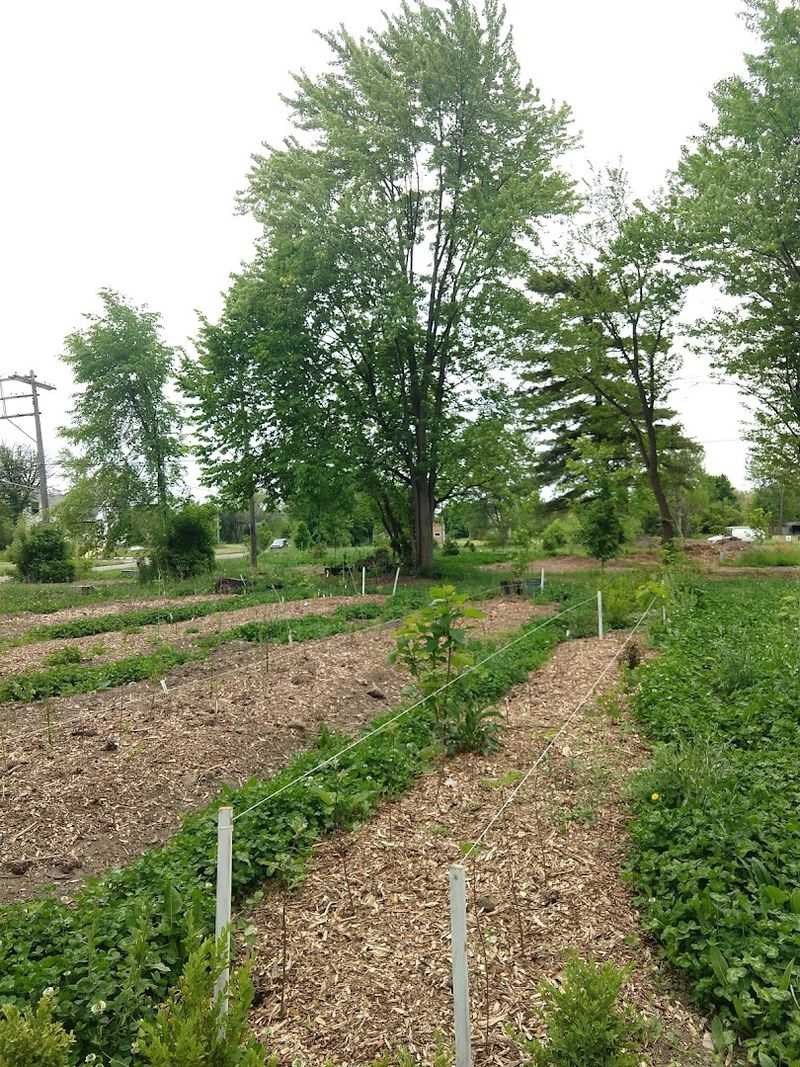
Guides and neighbors move with an easy competence, trading jokes while checking moisture. You see timing in their hands, a practiced sense of when soil yields. The local culture around the Arb is generous, with children drifting through workshops and elders swapping plant lore.
I learned to recognize the sequoia’s tiny pollen cones beside the soft needles. Practical advice: bring water, sunscreen, and questions, because staff and volunteers welcome them. Saturday mornings fill with wheelbarrows, so arrive early if you want quiet.
Parking is usually simple on Farnsworth, mindful of neighbors’ driveways. When you leave, notice how the block feels different, stitched by young shade and an idea becoming place. Keep gloves handy for splinters from seasoned mulch bins nearby.
Winter Scripts On Red Bark
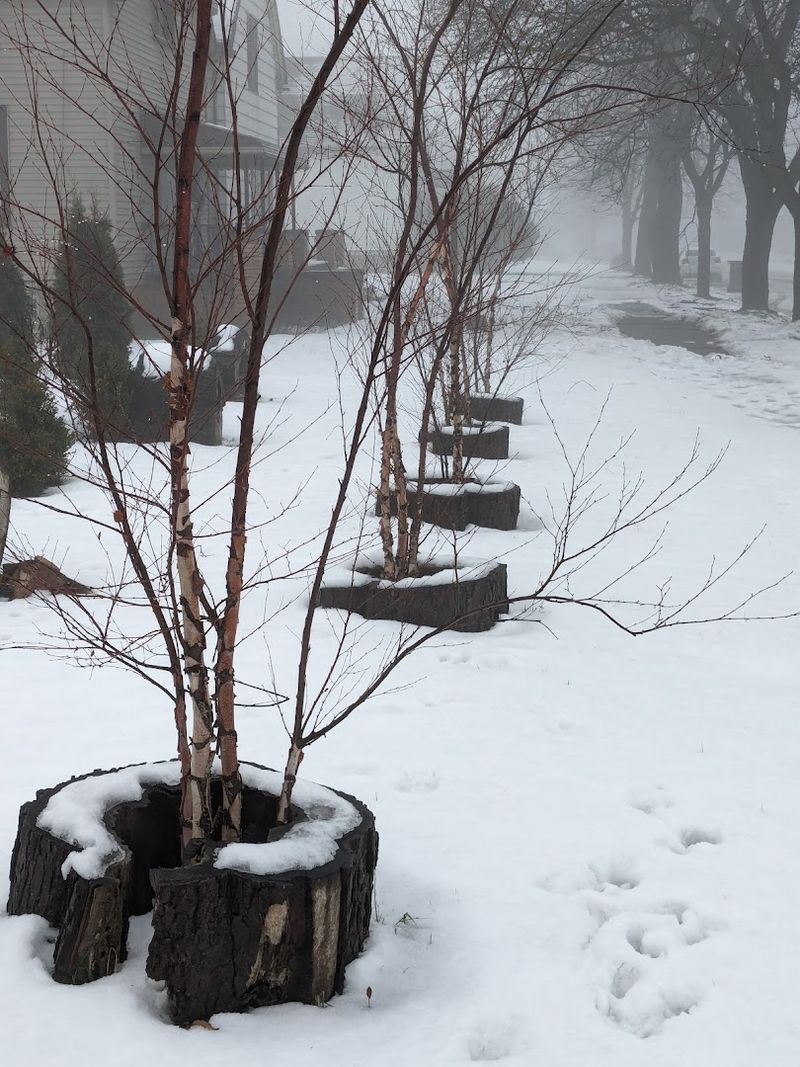
Snow outlines every rib, turning each sapling into a line drawing. Breath clouds drift, and the needles hold frost like fine sequins. The site goes quiet except for shovel scrapes and the soft creak of ties in wind.
Detroiters treat winter as choreography, layering boots, hats, and a thermos for longer walks.
Tradition here includes solstice plantings and tree care days that ignore cold politely. Reaction sneaks up as a warm instruction: resilience reads beautifully against snow. Paths can be slick, so traction helps, and check hours because daylight shifts.
Even in January, new buds hide like small promises along the leader. Windbreak fences reduce exposure, and mulch rings insulate roots through freeze thaw cycles, protecting moisture during the lull.
Reading The Site Like A Map
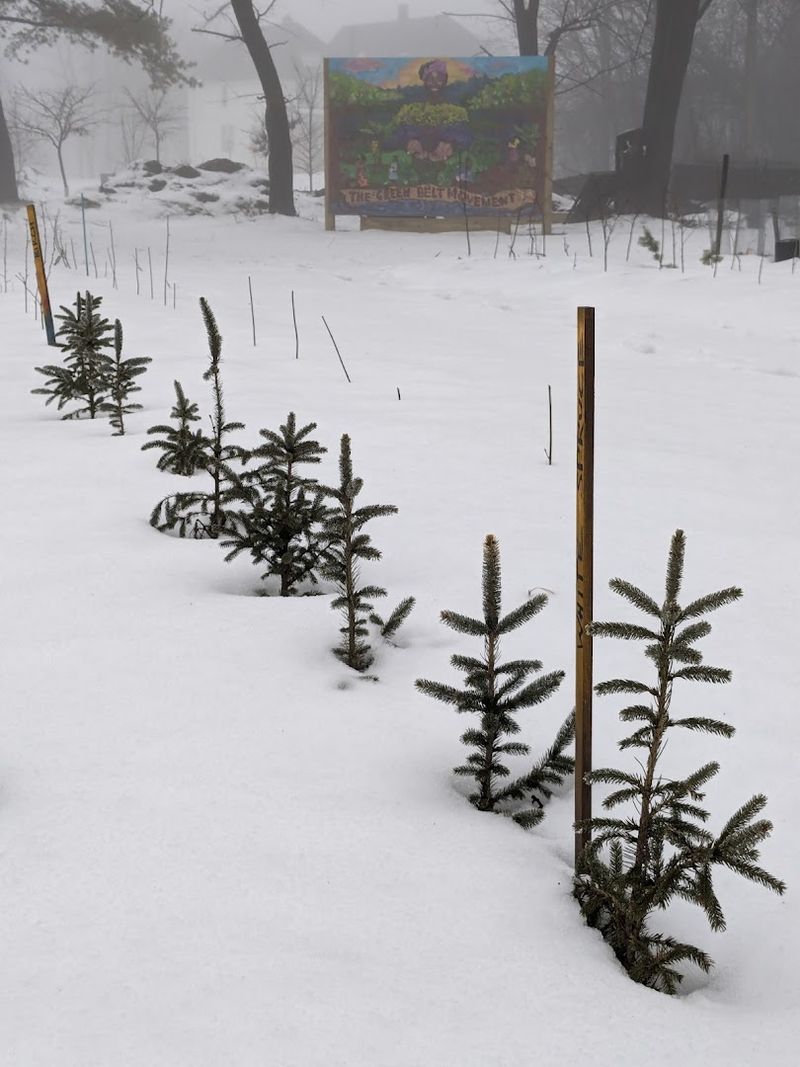
Follow hoses to understand water, and follow fences to understand wind. The nursery occupies a tactical corner, catching sun while shielding young leaders. Rail hum from the south sets a tempo that workers match with patient tasks.
Preservation techniques are visible if you look: breathable ties, deer guards, careful pruning to protect the leader. Visitor habit to copy is simple, circling each tree clockwise, then counterclockwise, noticing light shifts.
Pause near Circle Forest to hear different acoustics, leaves mixing with distant machinery. Carry a small notebook for tag names and dates. Later, the notes help you see growth instead of just remembering feelings. Nearby murals add color cues that mark corners for repeat visits and comparisons across changing seasons nicely.
The Filter Forest Experiment
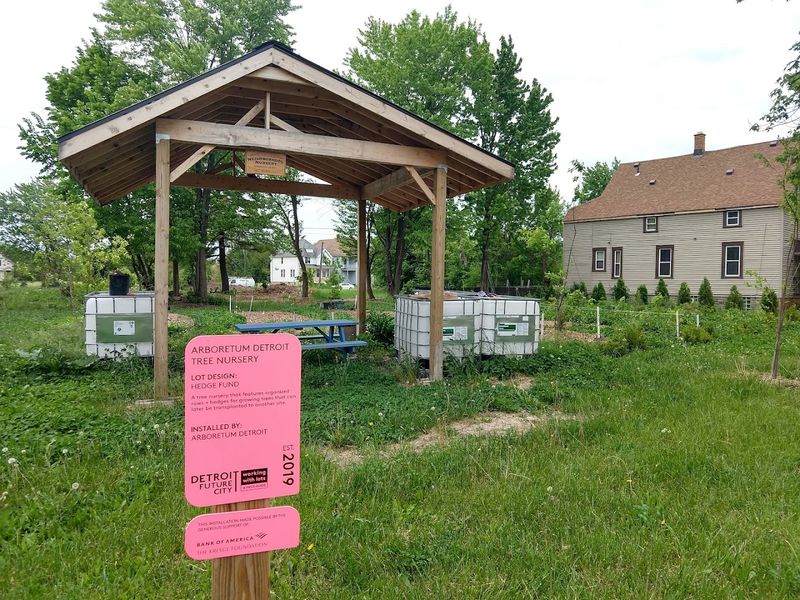
On the east side, a pilot grove works like a classroom about air. Giant Sequoia Filter Forest is a brave phrase, but the practice is meticulous. Spacing, companion species, and soil amendments are tuned to pull particulates and hold stormwater.
Planet Detroit has tracked the effort publicly, and local groups amplify the message. I walked the block and noticed cleaner edges along gutters after big rains. Culture here favors trying, measuring, trying again, the scientific method in work gloves.
Practical advice: check project pages for volunteer signups, and bring a mask if you are dust sensitive. Stand still a moment, and you will hear a quieter street announce itself. Even small saplings calm corners where neglect once collected litter stubbornly.
Sun Geometry And Water Discipline
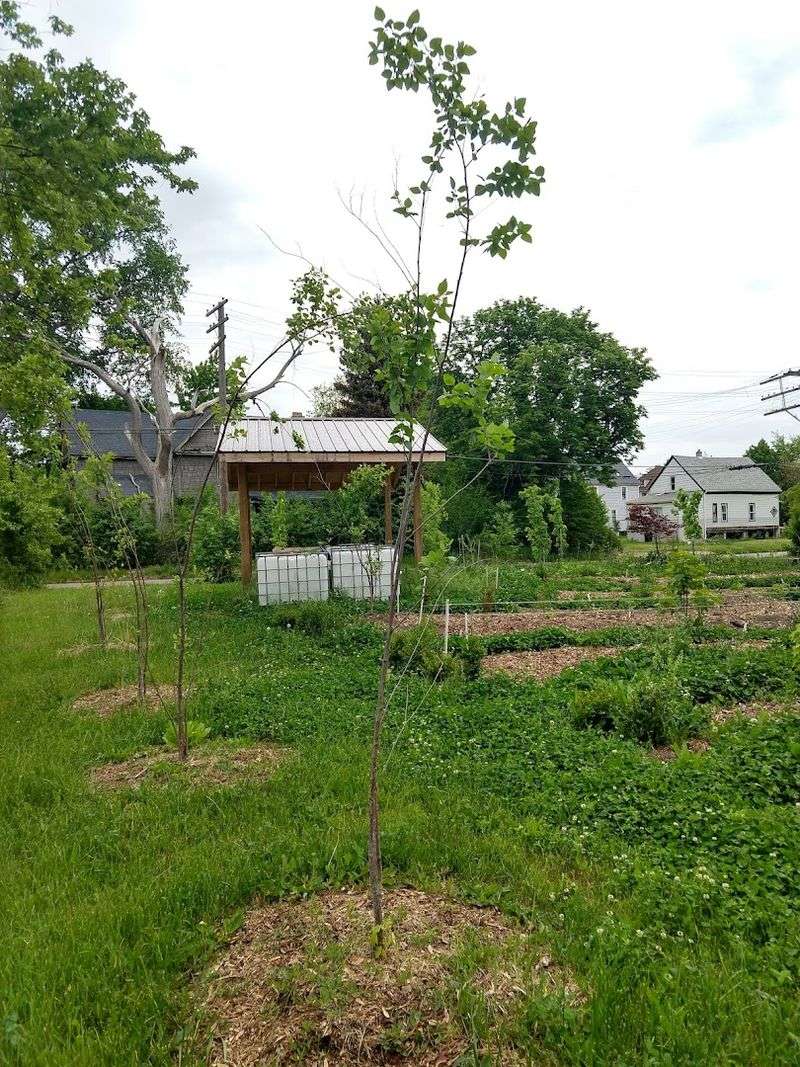
Afternoon light arrives at a slant that spotlights the leader shoots. Shadows from neighboring buildings create crisp windows of growth time. Volunteers adjust irrigation to honor these windows, avoiding damp soil overnight when temperatures dip.
Technique favors deep, infrequent watering, encouraging roots to chase moisture rather than linger. Preservation also means leaving lower branches where they protect bark from sunscald. Visitor habit worth copying: touch nothing, read everything, then photograph tags for later reference. If a hose crosses the path, step lightly and reset it as you found it.
These small courtesies keep the forest’s future on schedule. Sun hats help on cloudless days, and pocket notebooks catch observations before they evaporate, while benches invite brief rests between careful lookups.
Quiet Hours, Loud Meaning
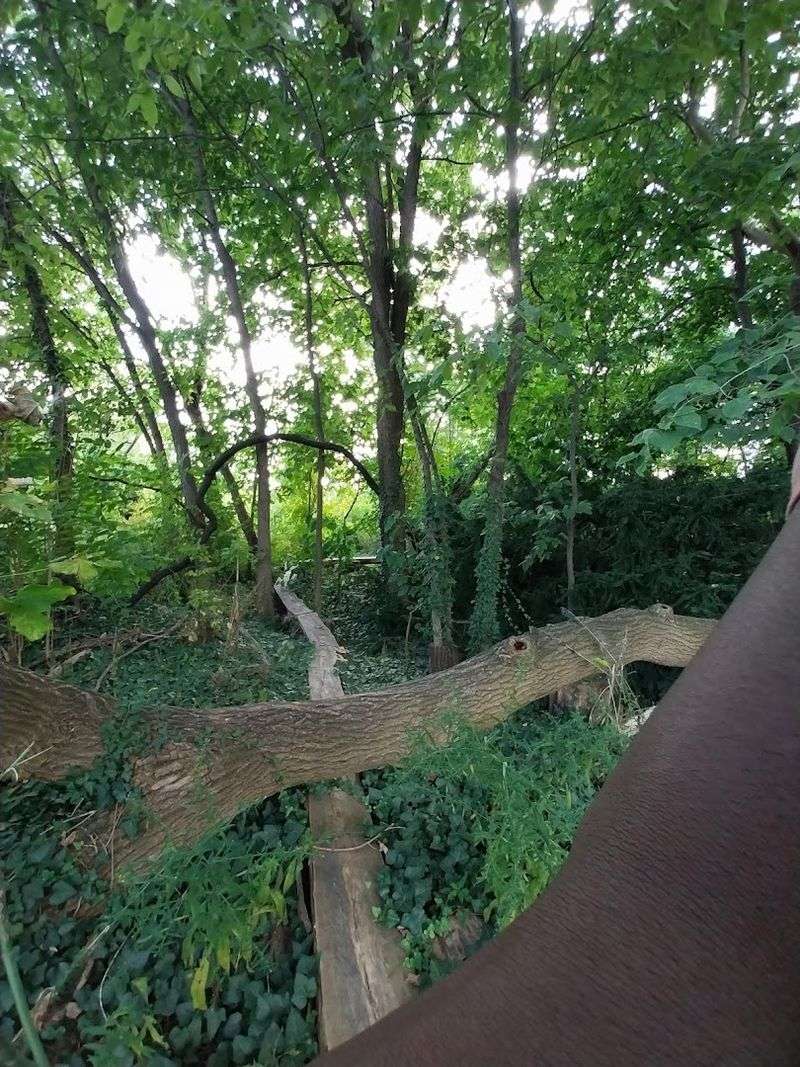
Early evenings wrap the block in long shade and soft tire noise. You can stand between two saplings and feel the street become a corridor. A small chorus of insects replaces daytime clatter with a patient, steady metronome.
Local tradition favors open gates and wave hellos, and that neighborliness suffuses the paths. Practical note: website calendars list gatherings, from seed swaps to tree care teach ins. Reaction arrives slowly, a kind of grounded optimism that outlasts errands.
You leave hearing your own breathing, matched to wind in the needles. That calibration follows you home, and city noise seems decoded. Streetlights then pick up the watch, sketching silhouettes that promise taller tomorrows without hurry, patience feels practical on Farnsworth after dusk.
Planning Your Visit With Care
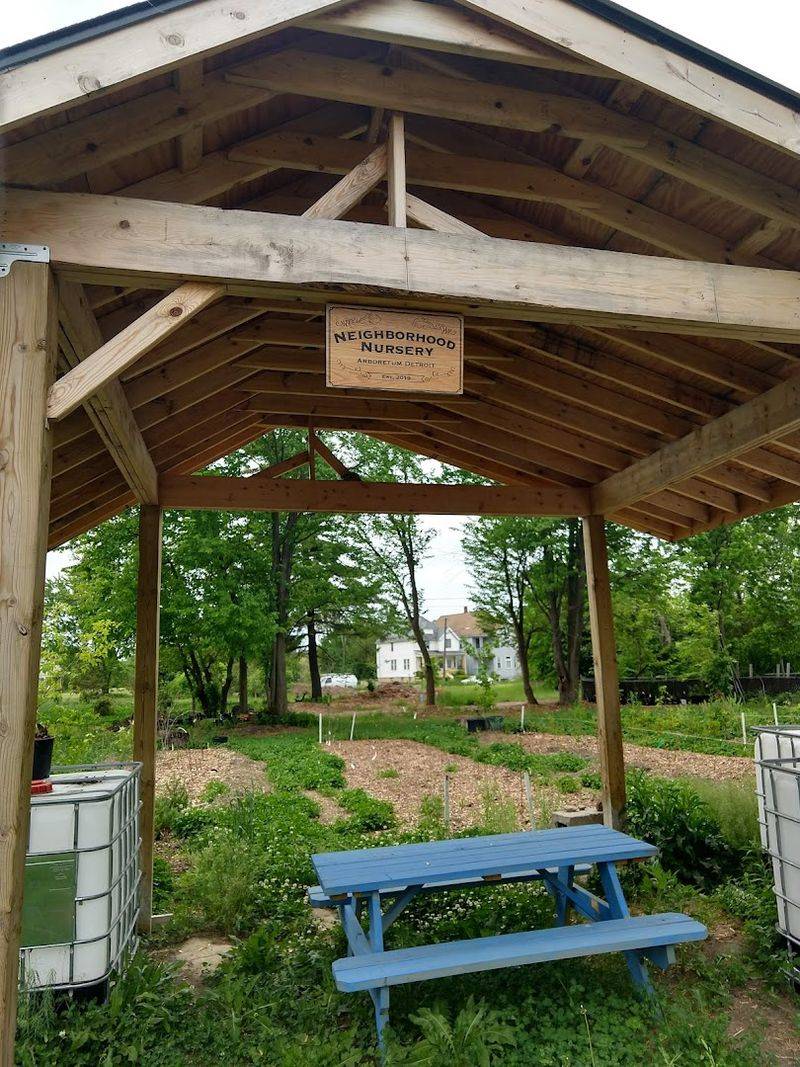
Check arbdetroit.org for directions to the nursery at 3300 Farnsworth. Hours shift with seasons, and community events sometimes reshape access to planting zones. Bus routes along Gratiot and Mack place you within a reasonable walk if driving is not preferred.
I like arriving with layered clothing and a flexy schedule for lingering. Respect neighbors by keeping voices low and wheels off roots. Bring a refillable bottle, and pack a small trash bag to leave cleaner than you found it. Photographs are welcome, drones are not, and dogs stay leashed.
The final tip is simple: look up, breathe slowly, and picture these crowns meeting above you someday. Maps at the gate outline trails and label current research plantings for easy orientation.