
18 Maryland Dinner Traditions From The 1960s That Modern Families Might Find Strange
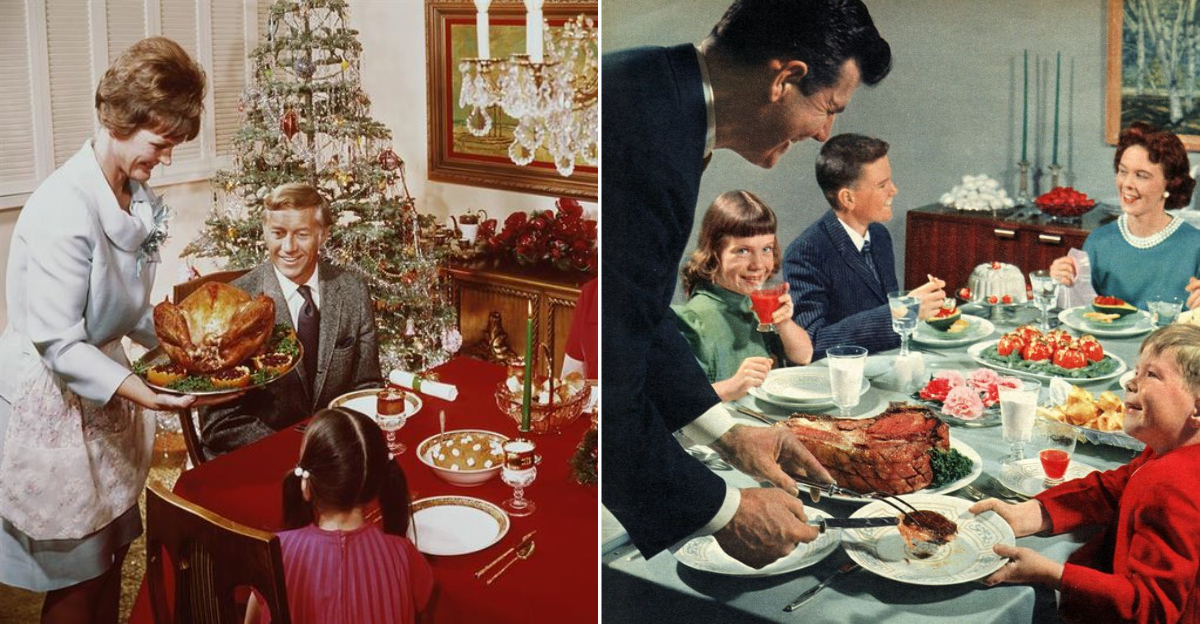
Maryland dinners in the 1960s came with traditions that might feel unusual to today’s families.
I explored plates piled with vintage favorites, quirky side combinations, and presentation styles that sparked curiosity and nostalgia.
Some dishes balanced flavor in ways we rarely see now, while others offered a glimpse into the habits and tastes of the era.
Each meal tells a story, showing how food, culture, and family routines blended into a uniquely Maryland experience.
Newspaper-Covered Table for Crab Feasts
Back when newspapers were actually printed on paper and people read them cover to cover, Maryland families repurposed yesterday’s headlines as the ultimate disposable tablecloth.
Crab feasts were messy affairs, and nobody wanted to scrub Old Bay stains out of good linens.
The Baltimore Sun or Evening Capital would get spread out like a giant placemat, soaking up crab juice and shell bits.
When dinner ended, you just rolled everything up and tossed it, shells and sports section together.
Wooden Mallets and Crab Picks at Every Setting
Forget fancy silverware. Crab night meant everyone got their own personal destruction kit: a wooden mallet that looked like a tiny hammer and a sharp metal pick that doubled as a surgical instrument.
Kids loved the violence of it all, whacking away at stubborn claws. Parents handed these tools out like they were training tiny crab surgeons.
Learning proper mallet technique was practically a rite of passage in Chesapeake households, right up there with riding a bike.
Vinegar, Old Bay, and Melted Butter Bowls on the Table
Maryland’s holy trinity sat front and center at every crab feast: vinegar for dipping, Old Bay for extra sprinkling, and melted butter for the purists.
Some families got downright territorial about the proper ratio, sparking debates that lasted longer than the meal itself.
Each bowl had its devoted followers. Butter people looked down on vinegar folks, while Old Bay enthusiasts dumped it on everything regardless of what anyone thought.
Dad Carving the Roast at the Head of the Table
Sunday dinner meant Dad transformed into a surgeon, standing at the head of the table with a giant carving knife and fork.
Everyone waited in hungry silence while he sliced the roast beef or ham, trying to make even pieces while secretly sweating under the pressure.
This wasn’t just about cutting meat. It was a whole performance of patriarchal authority, complete with the good carving set that only came out for special occasions.
Saying Grace Before Anyone Lifts a Fork
Nobody touched their fork until grace was said, even if the mashed potatoes were getting cold and congealed.
Families bowed their heads, folded their hands, and recited the blessing while stomachs growled in protest. Kids who snuck a bite early got the death stare from Mom.
The prayer might be quick or lengthy depending on who was leading, but either way, you waited. Patience was considered a virtue, even when faced with perfectly crispy fried chicken.
Children Setting the Table with Full Place Settings
Setting the table wasn’t optional; it was your job, and you better not mess up the fork placement.
Kids learned the proper position for every piece of silverware, from salad fork to soup spoon, like they were studying for a test. Forgetting the bread plate meant getting sent back to fix it.
Parents treated table setting like military training, believing that proper place settings built character and prepared you for adulthood in mysterious ways.
Milk Served with Dinner for Kids, Coffee for Adults
Beverage choices were non-negotiable and age-based. Kids got cold milk in short glasses, no exceptions, no substitutions, no arguing.
Adults sipped coffee throughout the meal, even with meatloaf and green beans, which seems wild by today’s standards.
Asking for soda at dinner was like requesting champagne. It just didn’t happen unless it was somebody’s birthday or Christmas, and even then, you might get turned down flat.
Cloth Tablecloth and Cloth Napkins for Nightly Meals
Paper napkins were for picnics and peasants, according to 1960s Maryland mothers who insisted on cloth for every single meal.
Never mind that this created mountains of laundry; standards were standards, and families maintained them religiously.
The tablecloth got changed weekly, napkins got washed after every dinner, and someone (usually Mom) spent hours ironing everything to crisp perfection.
Modern families would consider this absolutely bonkers given our disposable culture.
Passing Every Dish Clockwise, No Reaching
Reaching across the table for the rolls was a cardinal sin that could get you a sharp rap on the knuckles.
Everything traveled clockwise in an orderly fashion, like a slow-motion merry-go-round of mashed potatoes and green beans.
If you wanted salt and it was three people away, you asked politely and waited while it made its methodical journey. Teaching kids this patience-building ritual was considered essential training for civilized society.
May I Be Excused Before Leaving the Table
Bolting from the table the second you finished eating was grounds for getting dragged right back to your seat.
Kids had to sit there, napkin in lap, and formally request permission to leave using the magic phrase.
Parents might grant it immediately or make you wait until everyone finished. Either way, you stayed put until you got the official nod of approval, even if your favorite show was starting.
No Television or Radio During Dinner
The television stayed off during dinner, period. No negotiations, no special exceptions for important shows, no sneaking glances at the screen from the dining room. Dinnertime meant conversation, not Ed Sullivan or the evening news.
Families actually talked to each other about their days, which modern kids would find absolutely horrifying.
Radio silence meant literal silence from electronics, with only the clinking of silverware and actual human voices filling the room.
Relish Tray in the Center (Pickles, Olives, Celery)
Every proper Maryland dinner featured a relish tray, that divided glass dish filled with pickles, olives, celery sticks, and sometimes radishes that nobody actually ate.
It sat in the center like a vegetable crown, mostly for show. Kids picked out the olives and stuck them on their fingers like edible rings.
Adults pretended the celery counted as a vegetable serving, checking off their nutritional boxes with crunchy water sticks.
Gelatin Mold Placed as the Meal’s Centerpiece
Jell-O wasn’t just dessert; it was architecture, art, and centerpiece all wobbling together in one shimmering mold.
Maryland mothers competed to create the most elaborate gelatin creations, suspending fruit, vegetables, and sometimes even seafood in jiggly towers.
Lime Jell-O with shredded carrots sounds disgusting now, but back then it was considered fancy.
The mold sat center stage, quivering slightly whenever someone bumped the table, commanding attention like edible performance art.
Bread Plate and Butter Dish for Each Diner
Everyone got their own tiny bread plate positioned precisely to the left of the main plate, plus a miniature butter dish with its own special spreading knife.
Using your dinner knife for butter was considered barbaric and uncouth. Kids had to learn which plate was theirs because apparently grabbing your neighbor’s bread plate was social suicide.
All this specialized dishware meant someone spent half their life washing tiny plates that served exactly one roll.
Sunday Dress Clothes at the Dinner Table
Sunday dinner required the same outfit you wore to church that morning: suits for men and boys, dresses for women and girls.
Loosening your tie or kicking off your church shoes before the meal ended was absolutely forbidden.
Families stayed uncomfortably dressed throughout the longest meal of the week, sweating through formal clothes while passing pot roast.
Comfort took a backseat to propriety, because appearing civilized mattered more than actually feeling comfortable.
Ashtray on the Table for Smoking Adults
Smoking during dinner was not just allowed but expected, with ashtrays positioned right next to the salt shaker.
Adults lit up between courses, ashing casually while kids ate their peas in a fog of secondhand smoke. Nobody thought twice about mixing cigarette smoke with pot roast aroma.
Dinner and cigarettes went together like coffee and cream, a pairing that modern health-conscious families would find absolutely appalling and potentially illegal.
Cocktail Hour Before Dinner, Then Everyone Seated Together
Adults enjoyed their pre-dinner cocktails in the living room while kids waited hungrily, watching the clock and wondering when actual food would appear.
This ritual pushed dinner back to seven or eight o’clock, which felt like midnight to starving children. Once cocktail hour concluded, everyone finally sat down together for the meal.
Parents were relaxed and chatty from their drinks while kids were cranky from waiting, creating an interesting dinner dynamic.
Crust Bucket or Shell Bowl at Center for Crab Night
Crab night meant a big bucket or bowl sat dead center on the table, collecting the mounting pile of shells, claws, and general carnage.
Everyone tossed their debris toward the middle, aiming carefully to avoid shell splatter on their neighbors.
By meal’s end, the bucket overflowed with a mountain of crab parts that smelled like the bay at low tide. Someone (usually Dad) had the unfortunate job of hauling this stinking pile outside.