
12 Massachusetts Food Sayings That Outsiders Can’t Quite Figure Out
Massachusetts has a language all its own when it comes to food. Walk into any restaurant or diner in the Bay State and you might hear words that sound like a completely different dialect.
From milkshakes that aren’t really milkshakes to sandwiches with names that make zero sense, Massachusetts residents have created a delicious vocabulary that leaves visitors scratching their heads and checking their dictionaries.
1. Frappes
Order a milkshake in Massachusetts and you might get a disappointing glass of milk mixed with syrup. What you really want is a frappe, the true thick and creamy concoction made with ice cream, milk, and flavoring all blended together until perfectly smooth.
The word comes from the French verb meaning “to strike” or “to hit,” referring to the way ingredients get whipped together. Locals pronounce it like “frap” with a short “a” sound, not the fancy French way.
Every ice cream shop worth its salt serves frappes in flavors ranging from classic chocolate and vanilla to wild combinations like coffee Oreo.
2. Jimmies
Sprinkles are for amateurs. In Massachusetts, those tiny chocolate cylinders that top your ice cream are called jimmies, and don’t even think about calling them anything else.
The term has been around since the early 1900s, though nobody can quite agree on where it came from. Some say it was named after a guy who invented the machine that made them, while others claim different origin stories.
Walk into any ice cream shop and ask for jimmies on your cone—they’ll know exactly what you mean. Rainbow ones exist too, but purists insist real jimmies are always chocolate.
3. Chowdah
Forget about pronouncing that pesky “r” at the end—in Massachusetts, it’s chowdah, baby. This creamy, potato-filled soup loaded with clams is practically the state’s official dish, and locals take it seriously.
New England clam chowder is the only acceptable version here. Manhattan’s tomato-based imposter doesn’t stand a chance in these parts.
The dropped “r” is classic Boston accent territory, where parking the car becomes “pahking the cah.” Tourists love attempting the pronunciation, usually with hilarious results. Every coastal town claims to have the best chowdah recipe, sparking friendly rivalries that have lasted generations.
4. Lobster Roll Debate
Massachusetts folks can’t agree on much, but they really can’t agree on lobster rolls. The great divide splits the state into two passionate camps: hot butter lovers versus cold mayo devotees.
The hot version features warm lobster meat dripping with melted butter, served in a toasted bun. Cold mayo supporters prefer chilled lobster mixed with a light coating of mayonnaise, often with celery for crunch.
Both sides defend their preference with the intensity of sports fans arguing about rival teams. Restaurants often serve both styles to avoid taking sides in this delicious civil war that’s been raging for decades.
5. Hoodsie Cup
Every Massachusetts kid grew up knowing the pure joy of peeling back that cardboard lid on a Hoodsie cup. These little ice cream cups, made by HP Hood dairy company, became so iconic that people started calling all ice cream cups Hoodsies, regardless of brand.
The classic version features half chocolate and half vanilla, creating the perfect compromise for indecisive dessert lovers. That flat wooden spoon somehow made the experience even more special, even though it felt weird on your tongue.
Schools served them at parties, and they showed up at every summer gathering worth attending.
6. Grinder
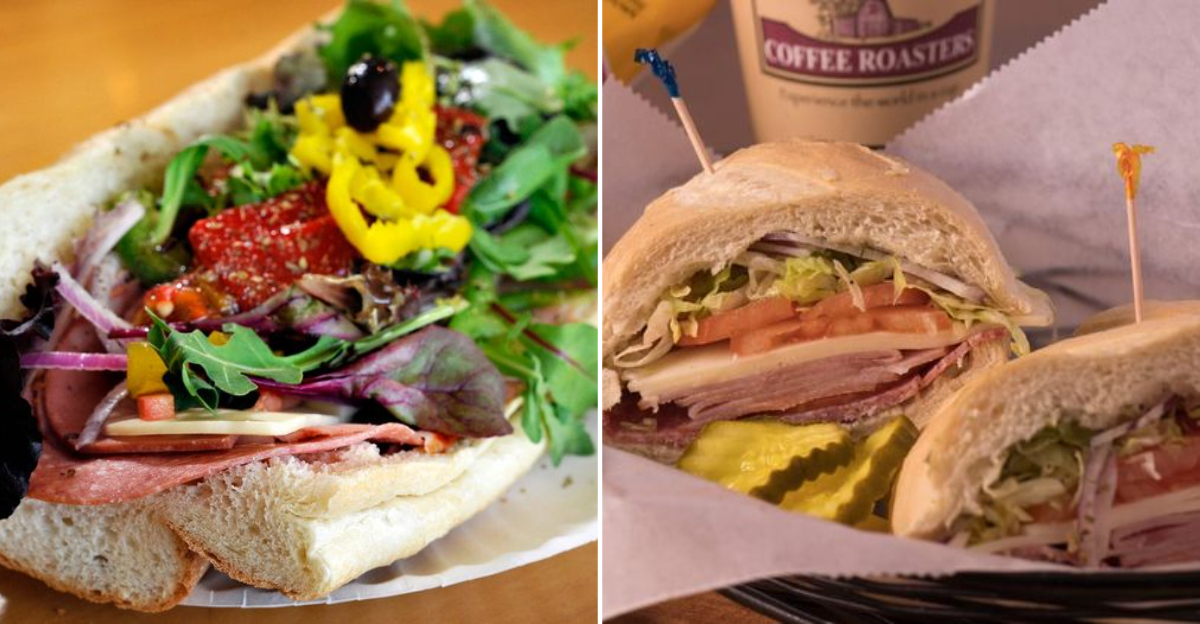
Call it a sub, hero, or hoagie anywhere else, but in Massachusetts, that long sandwich stuffed with cold cuts and toppings is a grinder. The name supposedly comes from the tough chewing required for the crusty Italian bread these sandwiches are built on.
Proper grinders come loaded with Italian meats like salami, mortadella, and capicola, plus provolone cheese, shredded lettuce, tomatoes, onions, pickles, and a generous drizzle of oil and vinegar. The bread quality matters immensely—it needs that perfect combination of crusty outside and soft inside.
Delis across the state compete for the title of best grinder maker.
7. Spuckie
Just when you thought grinder was confusing enough, Boston throws spuckie into the mix. This term refers specifically to an Italian sub, and it’s pure old-school Boston Italian-American culture.
The word comes from “spuccadella,” a long Italian roll that immigrants brought to the North End and East Boston neighborhoods. These sandwiches are serious business, piled high with Genoa salami, hot capicola, mortadella, and provolone.
Younger generations might not use the term as much anymore, but traditional delis keep the name alive. Ordering a spuckie marks you as either a true local or someone who’s done their homework on Boston food culture.
8. Scrod
Here’s a menu mystery that baffles tourists: scrod isn’t actually a type of fish. The term refers to young cod or haddock, typically the catch of the day that’s small and tender enough for perfect cooking.
Boston restaurants made scrod famous by offering it as a way to serve the freshest available white fish without committing to a specific species. The word might come from “scrode,” an old term for a young fish, or possibly from Dutch origins.
Baked scrod with breadcrumbs and lemon is a classic preparation that appears on nearly every traditional Massachusetts seafood menu, confusing visitors who can’t find it in their fish identification guides.
9. Steamers
Steamers sound like they could be anything, but in Massachusetts, everyone knows you’re talking about soft-shell clams cooked in their shells until they open up perfectly. These aren’t the hard quahogs used in chowder—steamers are tender and sweet.
The eating process has a learning curve: pull the clam from its shell, peel off the dark skin covering the neck, swish it in broth to remove any sand, then dunk it in melted butter before popping it in your mouth. Watching first-timers figure out the process provides endless entertainment.
Clam shacks along the coast serve them by the bucket, making summer taste like the ocean.
10. South Shore Bar Pizza
Forget everything you know about pizza because South Shore bar pizza plays by different rules. This ultra-thin crust creation gets baked in small, well-seasoned round pans rather than rectangular ones, until the edges achieve a dark, almost burnt crispiness that’s absolutely addictive.
The cheese often extends right to the edges, creating those coveted crunchy corners. The style originated in bars south of Boston where it was served as drinking food, and it still tastes best with a cold beer.
Places like Lynwood Cafe in Randolph have been perfecting this style for decades. The crust shatters when you bite it, and the cheese-to-sauce ratio is completely different from regular pizza.
11. Coffee Regular
Order a regular coffee in most places and you’ll get black coffee. Order it in Massachusetts and you’ll get coffee with cream and sugar already added, no questions asked.
This quirk causes endless confusion for visitors who expected plain coffee and got something sweet instead. The reverse happens too—locals traveling elsewhere get confused when their regular coffee arrives without any additions.
Dunkin’ Donuts, which practically runs on Massachusetts loyalty, knows exactly what regular means. The amount of cream and sugar follows an unwritten standard that somehow everyone agrees on. Need it black? You have to specifically say “black coffee” or “no cream, no sugar.”
12. North Shore Roast Beef Three-Way
North of Boston, roast beef sandwiches reach legendary status, and ordering them “three-way” has nothing to do with directions. This magical combination means your sandwich comes with cheese, barbecue sauce, and mayonnaise piled onto thinly sliced rare roast beef on an onion roll.
The beef gets cooked to a perfect pink medium-rare, staying juicy and tender. James River BBQ sauce is the traditional choice, though restaurants guard their exact recipes.
Places like Kelly’s Roast Beef in Revere have been serving these beauties since the 1950s. The three-way order is so common that staff barely blink when you say it, but tourists always pause.