
8 Massachusetts Islands Locals Say Feel Different From The Old Days
Massachusetts is home to some of the most beautiful islands on the East Coast, each with its own unique character and charm.
But if you ask the locals who’ve been around for decades, they’ll tell you these places aren’t quite what they used to be.
From rising waters to rising property values, the islands have transformed in ways both visible and subtle—and not everyone is thrilled about it.
1. Nantucket
I remember visiting Nantucket as a kid, when fishermen still outnumbered hedge fund managers and you could actually afford a lobster roll without taking out a loan. Those days feel like ancient history now. The island that once thrived on whaling and simple seaside living has morphed into a playground for the ultra-wealthy, complete with multi-million-dollar estates and designer boutiques lining every corner.
Locals who grew up here often talk about the “old Nantucket”—a place where artists found inspiration in solitude and families knew each other by name. Today, the summer crowds are so thick you’d think there’s a celebrity sighting every five minutes. Tourism dollars have certainly boosted the economy, but many longtime residents feel the island’s soul got lost somewhere between the yacht clubs and bars.
It’s not all doom and gloom, though. The natural beauty remains stunning, and some traditions still hang on by a thread.
2. Martha’s Vineyard
Martha’s Vineyard used to be the kind of place where you’d stumble upon a family-run diner serving the best clam chowder you’d ever tasted, no reservations needed. Now? Good luck getting a table anywhere without booking weeks in advance or knowing someone who knows someone. The island has traded its laid-back vibe for something far more polished and, frankly, a bit exhausting.
What was once a collection of cozy summer cottages has become a showcase of architectural showpieces that could double as magazine covers. The charm hasn’t completely vanished, but it’s definitely hiding behind a layer of gloss and glitter. Longtime residents joke that you need a trust fund just to buy an ice cream cone these days, and they’re not entirely kidding.
Still, if you know where to look, you can find pockets of the old Vineyard magic—quiet beaches at dawn, friendly locals at the farmer’s market, and sunsets that remind you why people fell in love with this place to begin with.
3. Plum Island
Plum Island has always been a bit wild and untamed, which is exactly what drew people here in the first place. But Mother Nature and human ambition have been duking it out for years, and the island is caught in the crossfire. Rising tides and increased development have reshaped not just the landscape but the entire community feel.
I talked to a woman who’s lived here for forty years, and she told me the beach used to be twice as wide. Now, some homes sit dangerously close to the water’s edge, and every nor’easter feels like a roll of the dice. The tight-knit community that once defined Plum Island has started to fray as people worry more about property values and storm insurance than neighborly potlucks.
Despite the challenges, there’s still something magical about this barrier island. The wildlife refuge remains a sanctuary for birds and nature lovers, and on a quiet morning, you can almost forget about the creeping changes and just enjoy the raw beauty of the place.
4. Cuttyhunk Island
Cuttyhunk is about as far from the mainland hustle as you can get without actually leaving Massachusetts, and that’s always been its greatest selling point. This tiny island at the end of the Elizabeth Islands chain used to feel like stepping back in time—no traffic lights, no chain stores, just peace and quiet. But even paradise isn’t immune to change.
Locals say the island doesn’t feel quite as untouched as it once did. More visitors means more noise, more trash, and more pressure on the island’s limited resources. The ferry brings day-trippers who treat the place like a theme park rather than a living community, snapping selfies and leaving without understanding what makes Cuttyhunk special.
That said, Cuttyhunk still offers an escape from the modern world that’s hard to find elsewhere. If you visit with respect and curiosity, you’ll discover why people guard this little slice of heaven so fiercely—and why they mourn every small shift away from the simplicity that defined it.
5. Onset Island
Onset Island sits quietly off Cape Cod, known mostly to those who’ve been coming here for generations. Families used to pass down their modest summer cottages like heirlooms, gathering for clambakes and telling the same stories year after year. Those traditions are fading fast as the island sees an influx of new money and new faces who don’t share the same history or values.
One longtime resident told me it’s like watching your childhood home get redecorated by strangers. The new owners are perfectly nice, but they want different things—bigger renovations, modern amenities, and less interaction with the old guard. The sense of continuity that made Onset special is slipping away, replaced by a revolving door of seasonal homeowners who barely know their neighbors’ names.
There’s still beauty here, of course. The sunsets haven’t changed, and the water still sparkles the same way it did decades ago. But the heart of the island beats a little differently now, and the old-timers can feel it.
6. Peddocks Island
Peddocks Island in Boston Harbor used to buzz with life during the warmer months, when families would pack up and head to their seasonal cottages for weekends of fishing, swimming, and card games on the porch. That vibrant community is slowly disappearing, cottage by cottage, as buildings age and residents move on without replacements waiting in the wings.
I wandered through the island last summer and felt a profound sense of loss. Structures that once echoed with laughter now sit empty, their paint peeling and porches sagging. The few remaining residents are mostly elderly, holding onto memories and traditions that fewer people seem to care about anymore. It’s like watching a photograph fade in real time.
The island itself remains beautiful, with trails through the woods and stunning harbor views. But without the people who gave it life, Peddocks feels more like a ghost town than a getaway. It’s a reminder that places are only as vibrant as the communities that inhabit them.
7. Monomoy Island
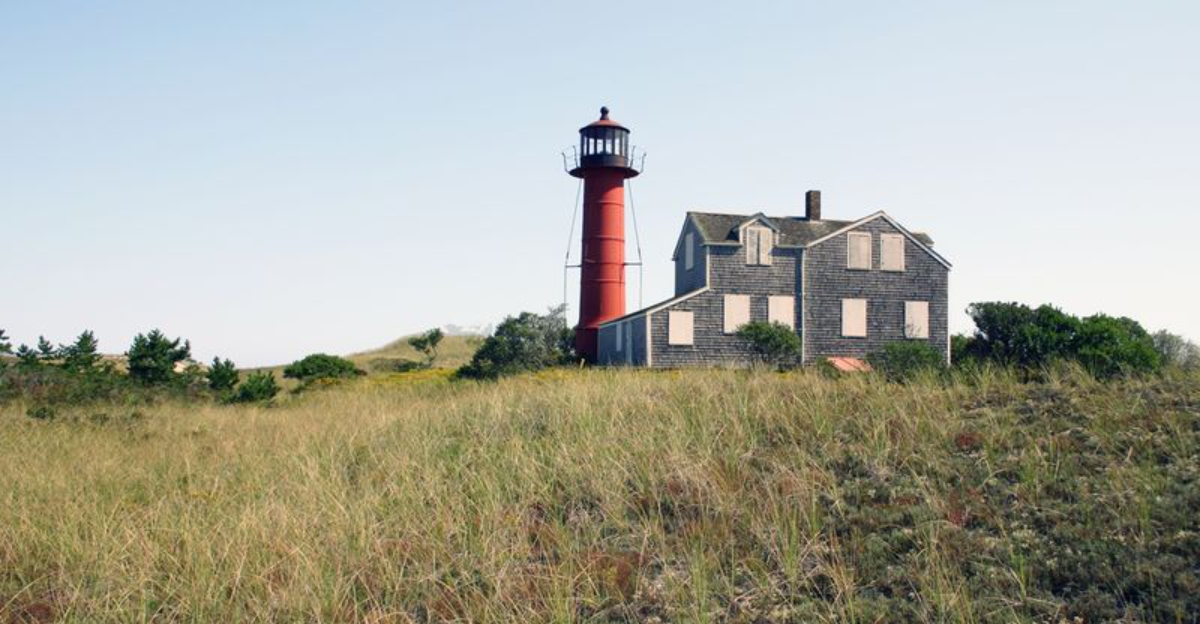
Monomoy Island is a wildlife refuge now, which sounds lovely and responsible—and it is. But older locals remember when actual people lived here, when the lighthouse keeper’s family called this windswept spit of land home, and when small fishing boats relied on that beacon to guide them safely to shore. The island had a human heartbeat back then, not just the cries of seabirds and seals.
The transformation from inhabited island to protected sanctuary was probably necessary for conservation, but it came at the cost of erasing a unique way of life. The stories of those who lived here are fading faster than the old structures they left behind. I met a man whose grandfather worked the lighthouse, and his eyes got misty talking about visits to the island as a child—experiences his own grandkids will never have.
Today, Monomoy thrives as a haven for wildlife, and that’s genuinely wonderful. But it’s also a reminder that progress and preservation sometimes mean saying goodbye to the past.
8. Squaw Island (Cape Cod Area)
Squaw Island’s very name has become a point of contention, sparking conversations about respect, history, and the language we use to describe the places we love. This evolution reflects a broader cultural shift happening across the country, and locals have mixed feelings about it. Some embrace the change as long overdue, while others struggle to let go of what they’ve always known.
Beyond the name debate, the island itself has transformed physically and socially. Development has increased, property values have skyrocketed, and the casual, unpretentious atmosphere that once defined the area has given way to something more curated and self-conscious. It’s not necessarily worse, but it’s definitely different—and that difference can feel jarring to those who remember simpler times.
What’s happening on Squaw Island is a microcosm of larger changes happening throughout Massachusetts and beyond. Places evolve, cultures shift, and communities must decide how to honor the past while moving forward. It’s messy and complicated, but also deeply human and worth paying attention to.