
13 Massive Flea Markets Across Arizona To Put On Your March List
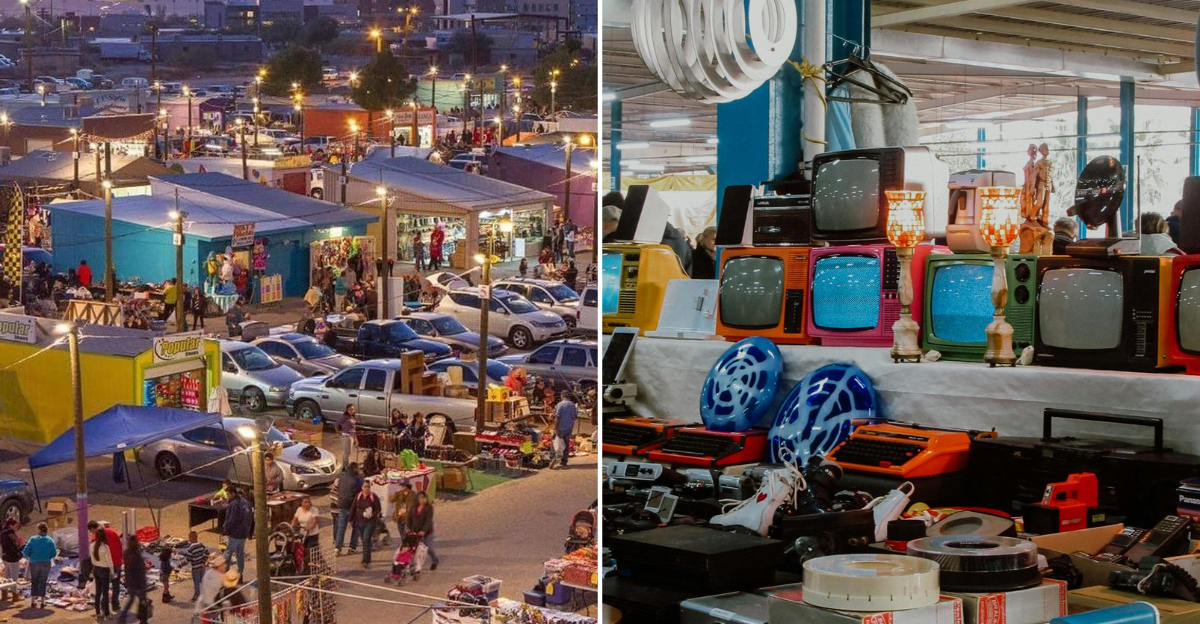
Is there anything better than a cool March morning in Arizona? I’m convinced there isn’t, especially when it involves hunting through endless rows of vintage goods and hidden gems.
My bank account might actually start crying if I bring home one more mid-century side table, but when you’re surrounded by this much history and charm, “no” isn’t really an option! The treasure hunting potential right now is truly off the charts.
It’s time to lace up your sneakers, grab an iced coffee, and prepare for a day of pure, unadulterated browsing because Arizona is practically begging us to find some magic in the outdoor aisles this season.
1. Mesa Market Place Swap Meet, Mesa
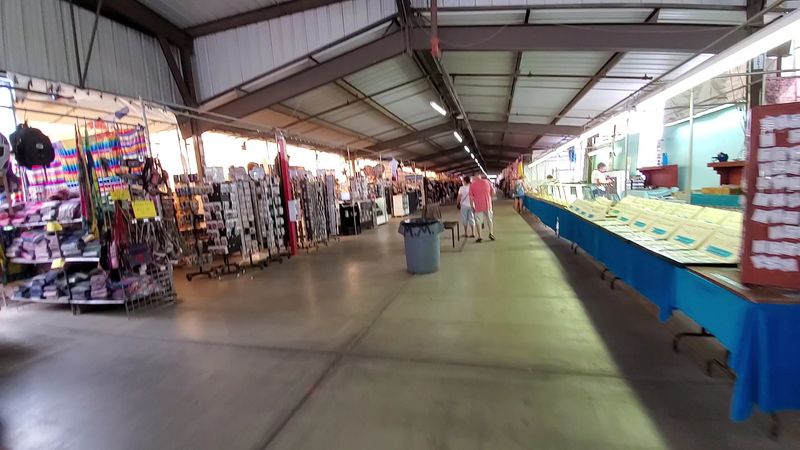
Spread across a massive property with hundreds of vendors, this open-air market has been a Mesa staple for decades. Covered breezeways protect shoppers from the sun while they browse everything from tools to toys.
Year-round operation means you can visit any weekend, but March brings ideal temperatures for spending hours exploring every aisle.
Vendors set up shop selling new and used goods, creating a treasure hunter’s paradise. Fresh produce sits alongside vintage records, and handmade jewelry competes for attention with power tools.
The sheer variety guarantees you’ll find something unexpected, whether you came looking for it or not. Parking is plentiful, and the layout makes navigation straightforward even for first-timers. Food vendors scattered throughout keep energy levels high during marathon shopping sessions.
Bring cash for the best deals, though many vendors now accept cards too.
2. Phoenix Park ‘n Swap, Phoenix
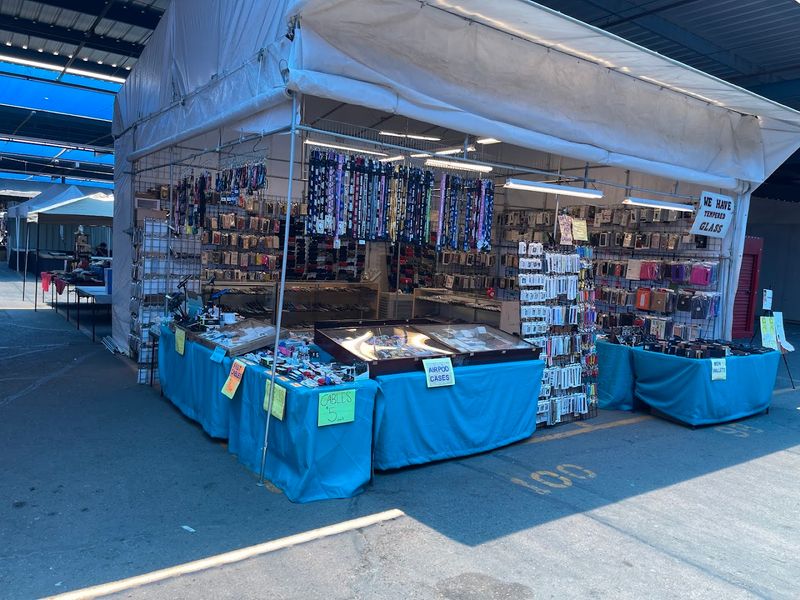
With more than 1,000 vendors calling this place home, Phoenix Park ‘n Swap earns its reputation as one of Arizona’s biggest traditional markets. Regular March 2026 event listings confirm it’s going strong after years of operation.
The scale alone makes it worth the trip, but the diversity of merchandise keeps people coming back weekend after weekend.
Electronics dealers share space with furniture sellers, while clothing vendors compete with plant nurseries for shopper attention. I once spent four hours here looking for vintage cookware and left with a bicycle instead.
That’s the magic of a market this size—you never know what will catch your eye. Admission fees are minimal, making this an affordable weekend activity for families. The aisles can get crowded on sunny March mornings, so arriving early gives you first pick of the best items.
Wear comfortable shoes because you’ll be doing plenty of walking.
3. Tanque Verde Swap Meet, Tucson
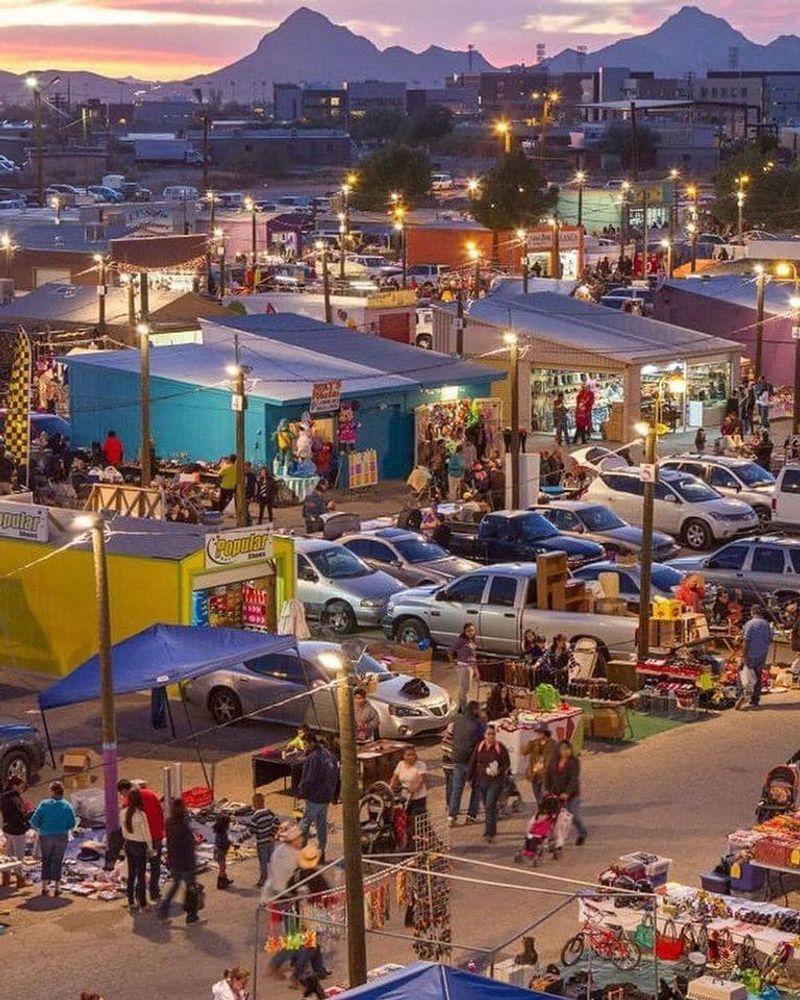
Tucson’s heavyweight champion of swap meets sprawls across 33 acres with more than 800 vendors. The sheer size can feel overwhelming at first, but that’s exactly what makes it one of Arizona’s biggest names in the flea market game.
Every corner reveals something different, from automotive parts to handcrafted leather goods. Location near the Rincon Mountains provides stunning backdrop views while you shop. Vendors range from professional dealers to weekend hobbyists cleaning out garages.
The mix creates an unpredictable shopping experience where high-end antiques might sit next to someone’s old kitchen appliances.
March weather in Tucson hits that sweet spot where mornings are crisp and afternoons stay comfortable. Food trucks and concession stands dot the property, offering fuel for extended browsing sessions.
Bring reusable bags because you’ll likely buy more than you planned, and plastic bags tear easily under the weight of unexpected treasures.
4. Arizona Market Place, Yuma
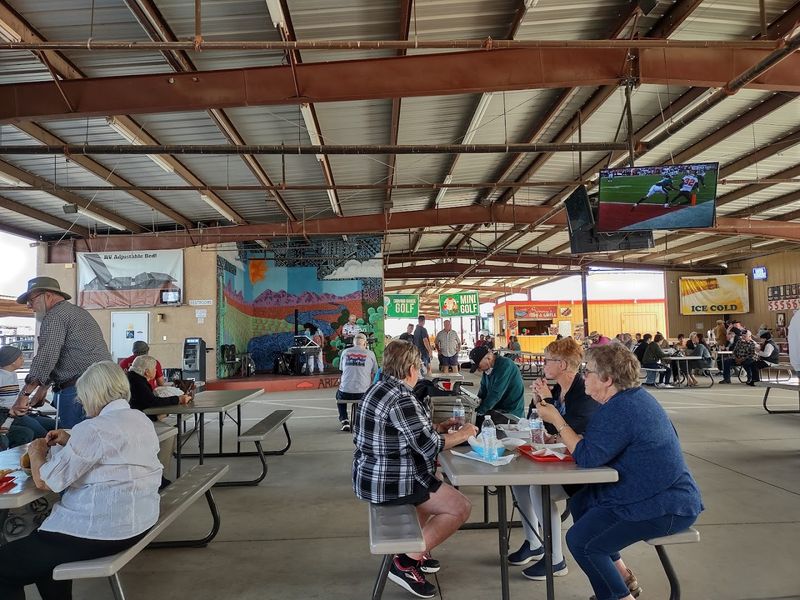
Yuma’s major market stop features 150+ vendors and an active 2025-2026 season that brings snowbirds and locals together. Positioned perfectly for March visits, this market captures the energy of Arizona’s winter visitor season.
The vendor mix reflects Yuma’s agricultural heritage alongside typical flea market fare. Fresh produce from nearby farms shares space with imported goods and vintage finds. Seasonal timing means inventory changes as vendors rotate through, keeping regular visitors on their toes.
The market’s reputation draws sellers from across the region, ensuring quality and variety. My aunt visits every March when she drives through Yuma and swears she finds the best garden tools here. She’s not wrong—the agricultural focus means practical items appear alongside decorative pieces.
Parking fills up quickly on peak weekends, so plan accordingly. The relatively compact layout compared to some mega-markets makes this manageable even for quick visits when you’re passing through town.
5. Yuma Swap Meet, Yuma
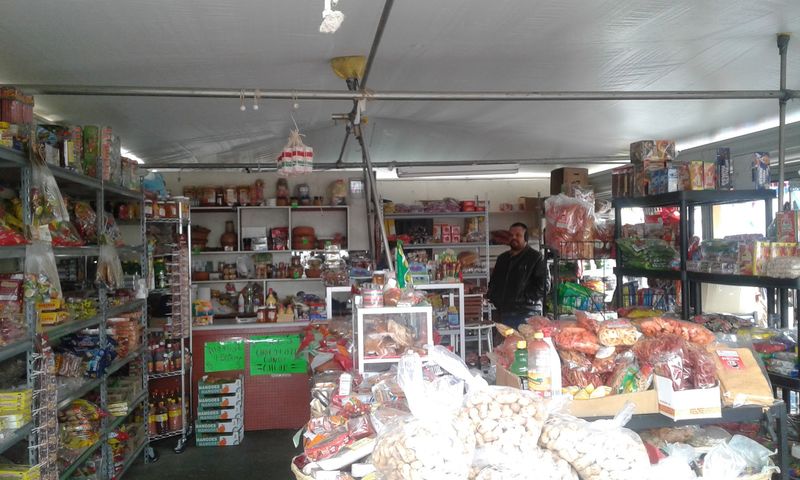
Decades of operation have made this weekend institution a Yuma tradition, drawing big crowds according to Visit Arizona. The long-running nature means vendors know what works and shoppers know what to expect.
Consistency paired with variety creates a reliable experience that justifies the March pilgrimage.
Traditional swap meet vibes dominate here, with vendors setting up in the same spots week after week. Regulars develop relationships with sellers, creating a community atmosphere that big-box stores can’t replicate.
New merchandise arrives constantly, but familiar faces behind the tables remain constant. Weekend-only operation concentrates the energy into Saturday and Sunday marathons. March timing coincides with peak visitor season, swelling crowds with tourists and seasonal residents.
The market’s longevity speaks to its success at delivering what shoppers want—deals, variety, and the thrill of the hunt. Cash remains king here, though payment options have expanded over the years to accommodate modern shoppers.
6. Thieves Market, Mesa
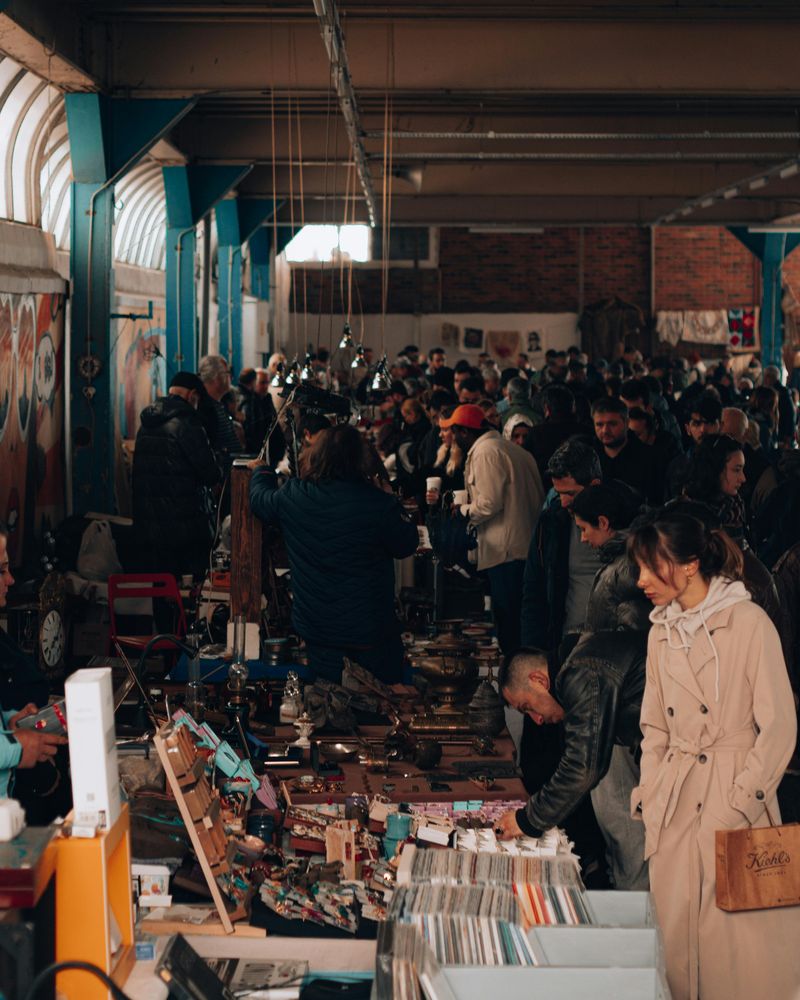
Old-school charm defines this seasonal outdoor market that operates during cooler months, making March prime time for visits. The name alone hints at the treasure-hunting adventure waiting inside.
Unlike year-round markets, seasonal operation creates urgency—miss it now and you’ll wait until next fall.
Vintage goods and antiques dominate the offerings, attracting collectors and decorators. The outdoor setting enhances the nostalgic atmosphere, transporting shoppers to earlier eras of commerce. Vendors curate their selections carefully, knowing the limited season demands quality over quantity.
Spring brings perfect conditions for outdoor browsing without summer’s brutal heat. The market’s reputation among vintage enthusiasts means serious collectors show up early for first pick.
I scored a mid-century lamp here last spring that now lives in my living room, proof that patience and persistence pay off. Mesa’s location makes this accessible for Phoenix metro residents looking for weekend adventure.
Seasonal markets like this feel special precisely because they don’t last forever.
7. Junk In The Trunk Vintage Market, Scottsdale
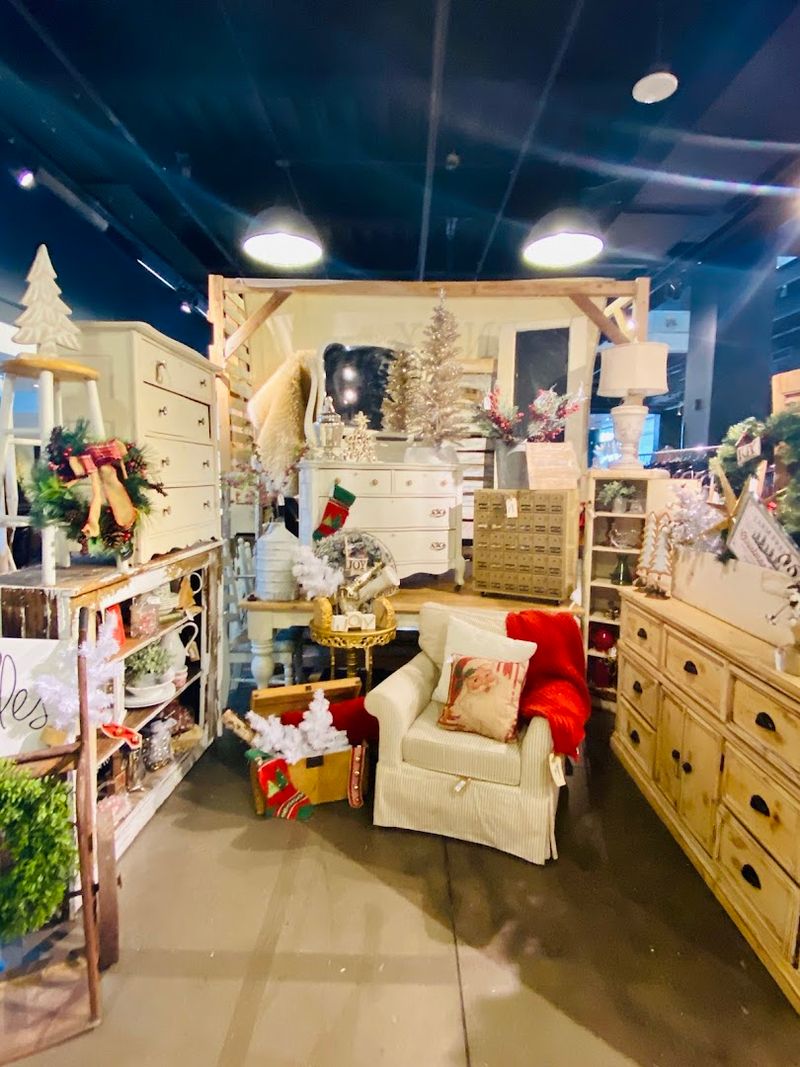
Curated vintage markets don’t usually reach this scale, but 160+ vendors filling 120,000 square feet changes the game. More polished than traditional swap meets, this Scottsdale favorite attracts design-conscious shoppers hunting statement pieces.
The massive footprint allows vendors to display furniture and large items properly, creating showroom-quality presentations.
Quality control keeps the merchandise level high, though prices reflect the curation. Vintage furniture, retro decor, and collectible treasures fill every corner. The indoor setting provides climate control, making March visits comfortable regardless of outdoor conditions.
Scottsdale’s upscale reputation carries over to vendor selection and customer experience. Food options on-site let shoppers refuel without leaving.
The market’s size means you need at least two hours to see everything properly. Parking can get tight during peak hours, but the venue handles crowds well.
This market bridges the gap between flea market adventure and boutique shopping, offering the best of both worlds for vintage lovers willing to invest in quality pieces.
8. Phoenix Flea, Phoenix
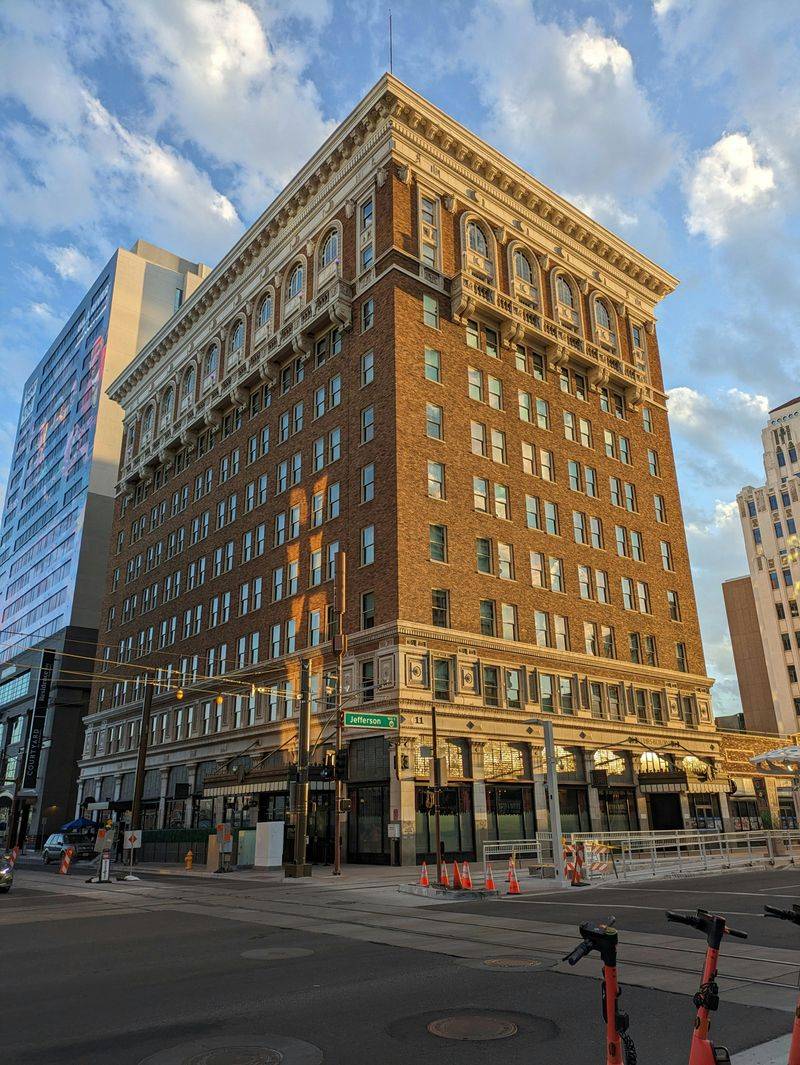
Downtown Phoenix hosts this large modern market featuring 125+ vendors and food trucks that redefine the flea market experience. The urban setting attracts younger crowds alongside traditional market enthusiasts.
Contemporary vendors selling handmade goods mix with vintage dealers, creating eclectic shopping opportunities.
Food truck presence elevates this beyond basic concession stands, offering everything from tacos to artisan coffee. The market’s downtown location makes it accessible via public transit, reducing parking stress.
Modern amenities blend with market tradition, proving flea markets can evolve without losing their essential character.
March dates typically fall during ideal weather windows for outdoor downtown events. Vendor quality leans toward artisan crafts and curated vintage rather than pure bargain hunting.
The atmosphere feels more festival than swap meet, with music and community vibes enhancing the shopping experience. Families appreciate the walkable layout and entertainment options beyond just shopping.
This market represents Arizona’s new generation of flea markets—hip, accessible, and Instagram-ready while maintaining the treasure-hunt spirit.
9. Sweet Salvage, Phoenix
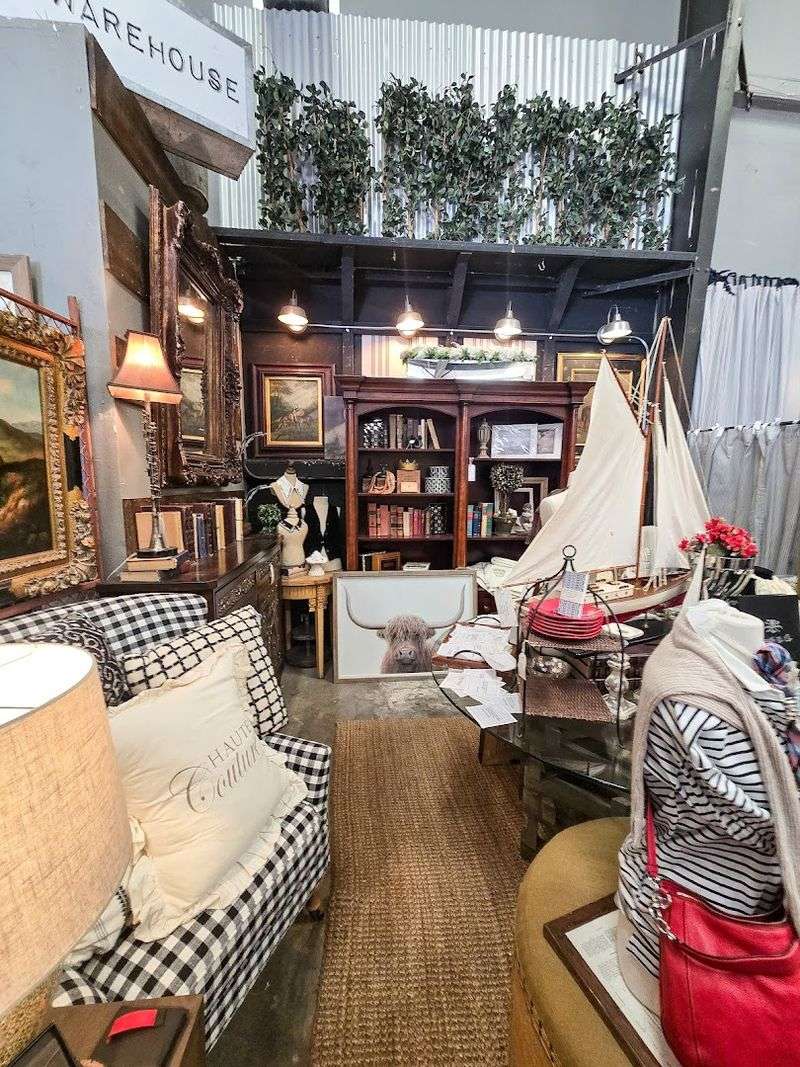
Four days every month transform this Phoenix location into a vintage lover’s paradise, with March 2026 dates already confirmed. The monthly format allows vendors time to source and stage impressive displays.
Limited duration creates urgency—shoppers know they have just four days to claim treasures before everything disappears for another month.
Shabby chic and farmhouse styles dominate the aesthetic, though true vintage pieces appear alongside reproduction decor. The curated nature means higher price points than traditional flea markets, but quality justifies the investment.
Vendor displays often look like magazine spreads, inspiring shoppers with styling ideas.
My sister discovered this market three years ago and now blocks out every event weekend on her calendar. She’s furnished half her house with Sweet Salvage finds, from a farmhouse table to vintage mirrors.
The monthly schedule keeps inventory fresh and vendors motivated to bring their best pieces. Admission fees support the operation but remain reasonable.
March timing means spring decorating inspiration flows freely, helping shoppers envision how vintage pieces can refresh their spaces.
10. Melrose Vintage Market, Phoenix
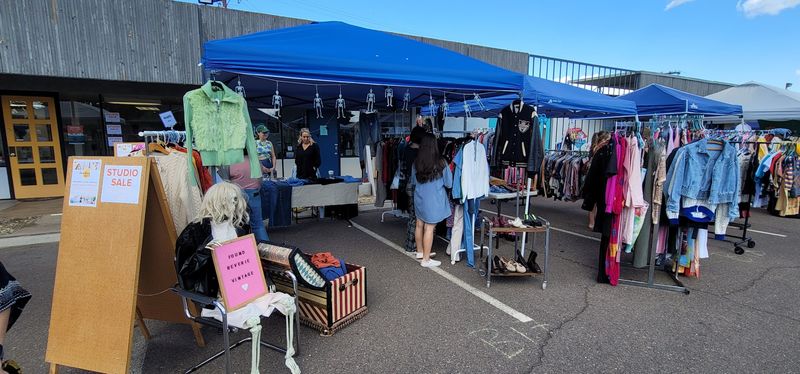
Spring 2026 dates already posted confirm this market’s place on March calendars. Strong reputation among Phoenix vintage enthusiasts makes this a reliable choice for quality finds.
The Melrose location places it in a neighborhood known for antique shops and vintage stores, creating a destination shopping district.
Vendors specialize in mid-century modern pieces, vintage textiles, and collectible home goods. The market’s timing takes advantage of perfect spring weather when outdoor browsing feels like entertainment rather than endurance.
Regular scheduling helps shoppers plan visits around other commitments.
Unlike monthly markets, more frequent events mean less pressure to buy immediately—you can always return next time. That said, unique pieces still disappear quickly when serious collectors show up.
The market attracts both dealers and casual shoppers, creating interesting crowd dynamics. Parking along Melrose can challenge patience during peak hours, but nearby streets offer alternatives.
Food vendors and coffee keep energy levels high during extended browsing sessions. This market proves Phoenix’s vintage scene extends well beyond single-day events.
11. Gather A Vintage, Tucson
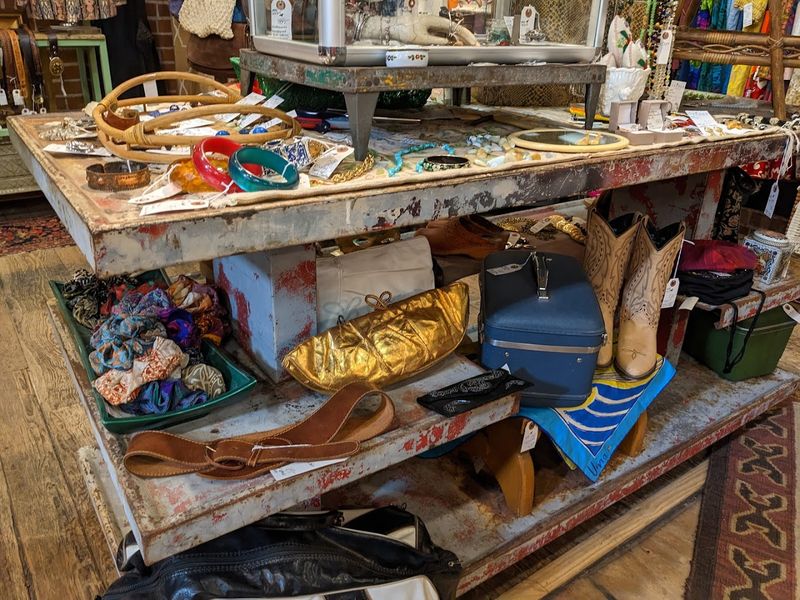
Visit Arizona still lists this recurring four-day Tucson market as active, validating its place among Arizona’s vintage market circuit. The four-day format allows serious shopping time without the year-round commitment of permanent markets.
Tucson’s distinct character shows through in vendor selections and customer base.
Southwestern influences appear in merchandise alongside standard vintage categories. The market attracts vendors from across southern Arizona and even Mexico, creating unique inventory you won’t find elsewhere.
Active status confirms it’s survived challenges that closed other markets, proving its business model works. Four-day events require vendor commitment, which typically means higher-quality merchandise worth the setup effort. Shoppers benefit from this quality filter while still enjoying market pricing.
March timing captures both local shoppers and winter visitors before they head north. The recurring nature builds anticipation and loyalty among regular customers.
Tucson’s vintage community rallies around events like this, creating supportive atmosphere for both vendors and shoppers. Active confirmation matters because vintage markets come and go—knowing this one’s still operating saves wasted trips.
12. Urban Flea Market, Flagstaff
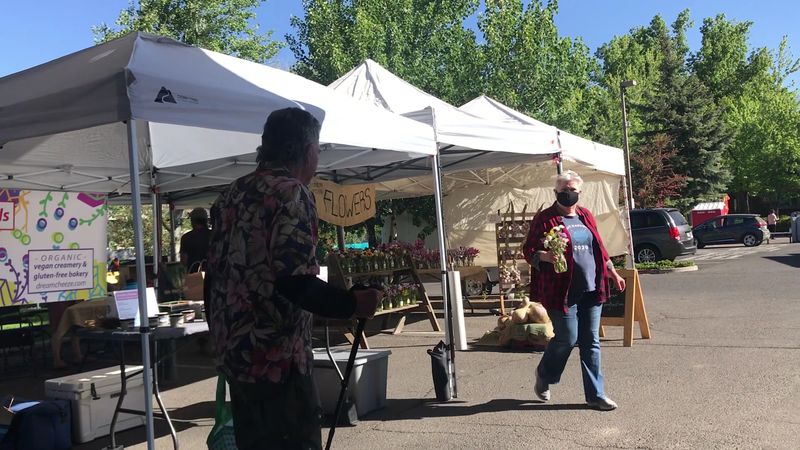
Northern Arizona gets representation through this Flagstaff market, though June through October operation means March visits aren’t possible. Including it acknowledges that Arizona’s flea market scene extends beyond the desert valleys.
The mountain setting creates a completely different market atmosphere than Phoenix or Tucson venues.
Summer operation makes sense given Flagstaff’s elevation and winter weather. Vendors and shoppers enjoy cooler temperatures when valley markets become uncomfortable.
The tourist-season timing captures visitors escaping summer heat down south, expanding the customer base beyond locals.
I mention this knowing March shoppers can’t visit yet, but planning ahead matters for flea market enthusiasts. Mark calendars for June if you want the complete Arizona market experience.
Flagstaff’s artistic community influences vendor selections, with more handmade crafts and local art than southern markets. The elevation and pine trees create ambiance impossible to replicate in desert settings.
Summer visitors should definitely add this to their northern Arizona itinerary. Missing March availability doesn’t diminish its importance to Arizona’s overall flea market landscape.
13. Vintage Market Days Of Arizona
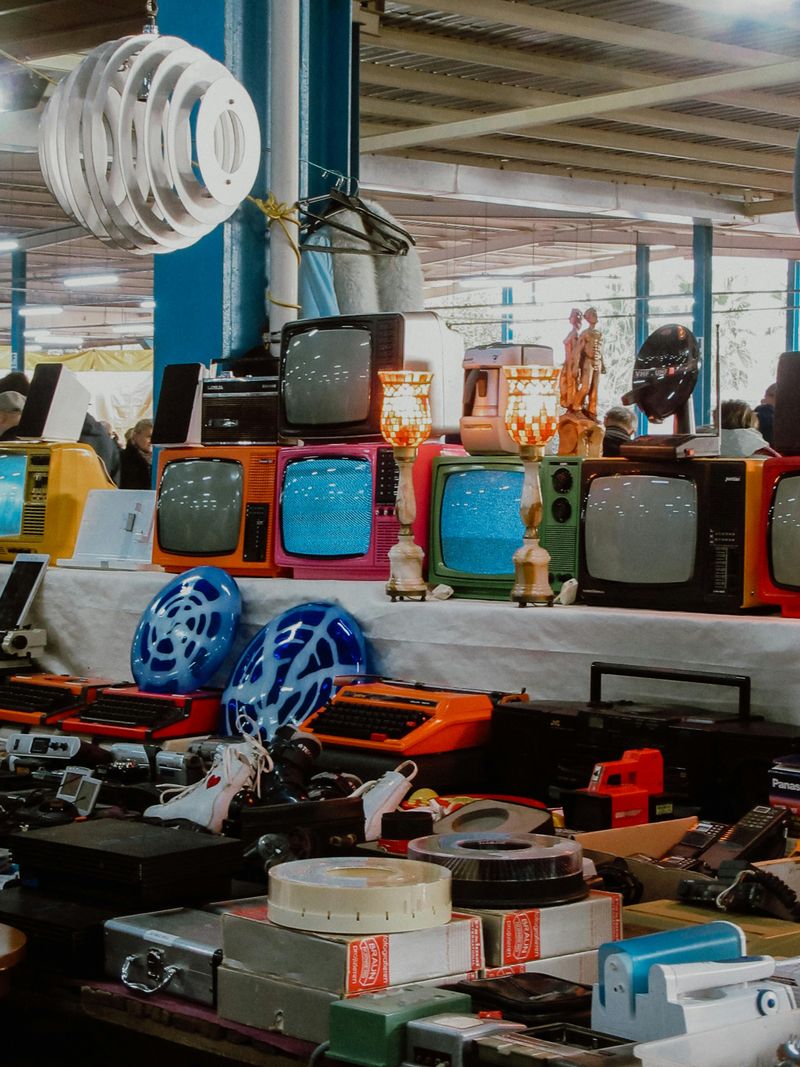
Official 2026 operations confirm this traveling vintage market series continues serving Arizona shoppers. The multi-location format brings curated vintage shopping to different communities throughout the year.
Professional organization shows in vendor quality and event execution, setting this apart from casual weekend markets.
Vintage Market Days operates nationally, bringing proven systems to Arizona venues. Vendor applications undergo screening, maintaining merchandise quality standards.
The result feels more like a vintage festival than a traditional flea market, with styled displays and cohesive aesthetic.
March dates depend on which Arizona location hosts events that month, so checking the official schedule matters. Admission fees run higher than basic swap meets but support professional operations and quality control.
Shoppers appreciate knowing they’ll find genuine vintage and artisan goods rather than garage sale leftovers. The traveling format means even small Arizona communities get access to major market experiences.
Food vendors, live music, and family activities expand this beyond pure shopping into full entertainment. For vintage enthusiasts willing to invest in quality pieces, this series delivers consistent excellence across Arizona locations throughout 2026.