
15 Memorable Day Trips That Will Make You Fall In Love With Arizona This Spring
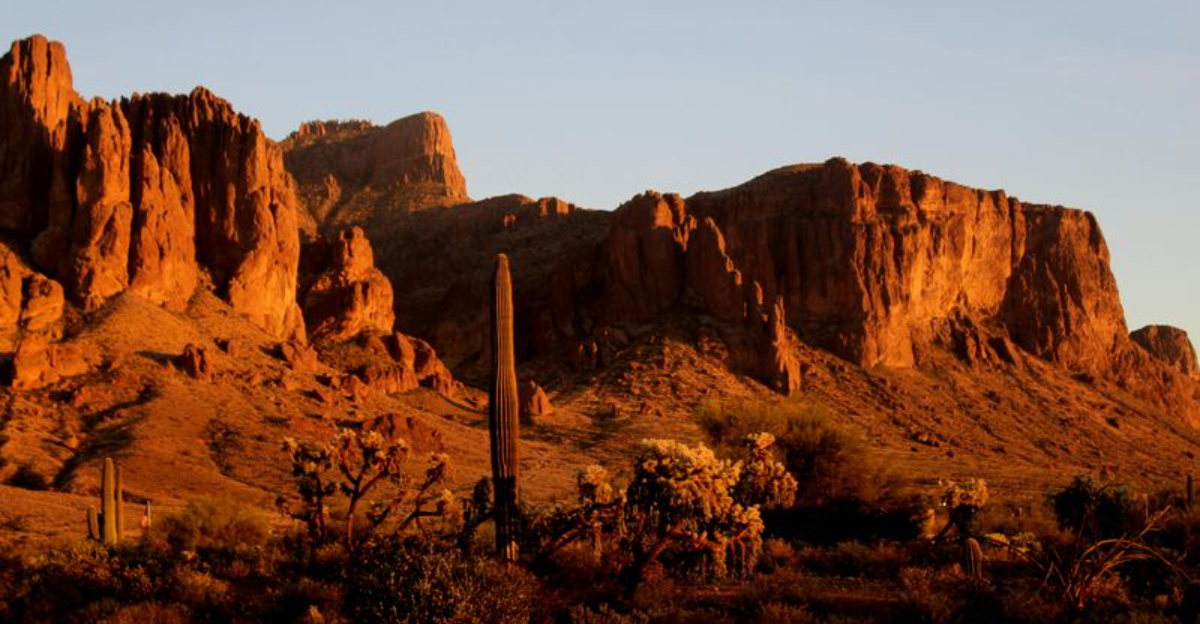
Arizona in spring is something special. The desert blooms with wildflowers, the air is still cool enough for hiking, and the landscapes shift from red rock cliffs to pine forests in a matter of miles.
I have spent a lot of time exploring this state, and every single trip has left me wanting to come back for more. In this article, I am sharing 15 day trips that cover the best of what Arizona offers, from ancient cliff dwellings and Wild West towns to botanical gardens and painted desert roads.
Whether you are a first-time visitor or a longtime Arizona fan, these destinations are going to remind you just how extraordinary this state really is. Pack a good pair of shoes, fill up your water bottle, and get ready for some seriously unforgettable scenery.
1. Sedona, Arizona
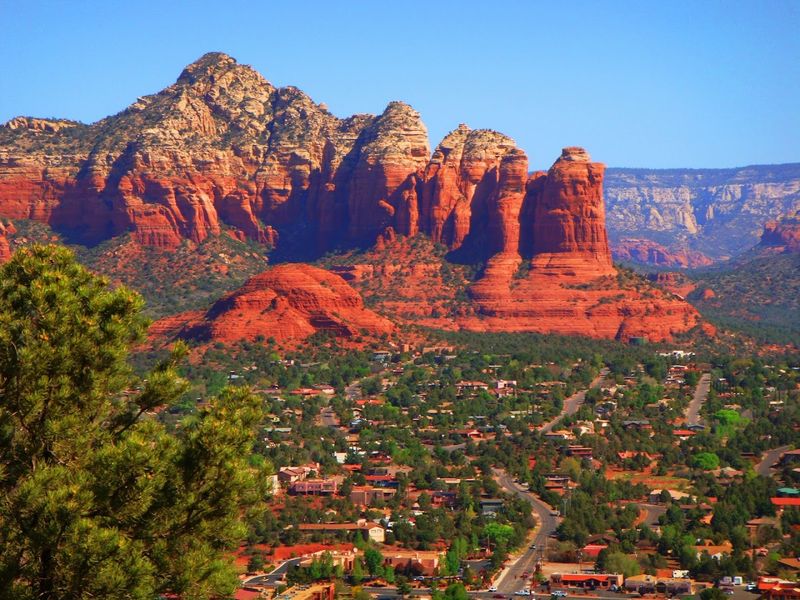
Few places in the American Southwest hit you the way Sedona does the moment those red rock formations come into view. Towering sandstone buttes painted in deep rust and amber rise up on every side, making even a simple drive feel like something out of a nature documentary.
Spring is genuinely one of the best times to visit because temperatures are mild and the desert scrub is alive with color.
The town itself is compact and walkable, with art galleries, local cafes, and crystal shops lining the main streets. Tlaquepaque Arts and Shopping Village is a beautifully designed open-air market worth a slow afternoon stroll.
For hikers, Cathedral Rock and Devil’s Bridge are two of the most photographed trails in Arizona, and both are very doable in a single day.
Spiritual vortex sites draw visitors from around the world, adding a reflective, almost meditative layer to the experience. Sedona is the kind of place that somehow feels both energizing and calming at exactly the same time.
2. Jerome, Arizona
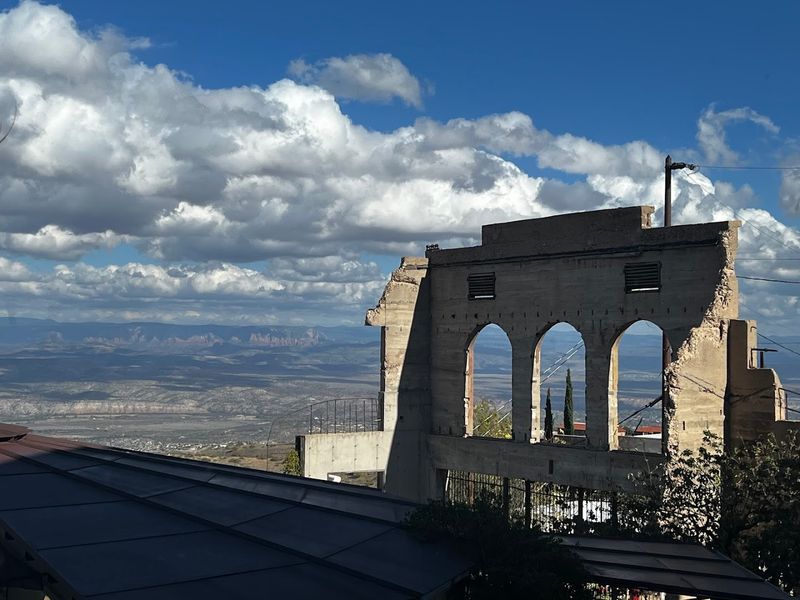
Clinging to the side of Mingus Mountain like it simply refused to slide off, Jerome is one of those towns that rewards every curious traveler who makes the winding drive up.
Once a booming copper mining town in the late 1800s, it nearly became a ghost town before artists and creatives moved in and gave it a second life. That history is still very much alive in the buildings, the museums, and the stories locals love to share.
The streets are steep and narrow, and half the fun is just wandering without a plan. You will find independent art studios, quirky boutiques, and cozy spots for lunch tucked between historic brick buildings.
The Jerome State Historic Park houses the old Douglas Mansion and offers an excellent look into the town’s mining era.
Panoramic views of the Verde Valley stretch out below in every direction, and on a clear spring day, those views are absolutely worth the drive alone. Jerome is compact, charming, and completely one of a kind.
3. Bisbee, Arizona
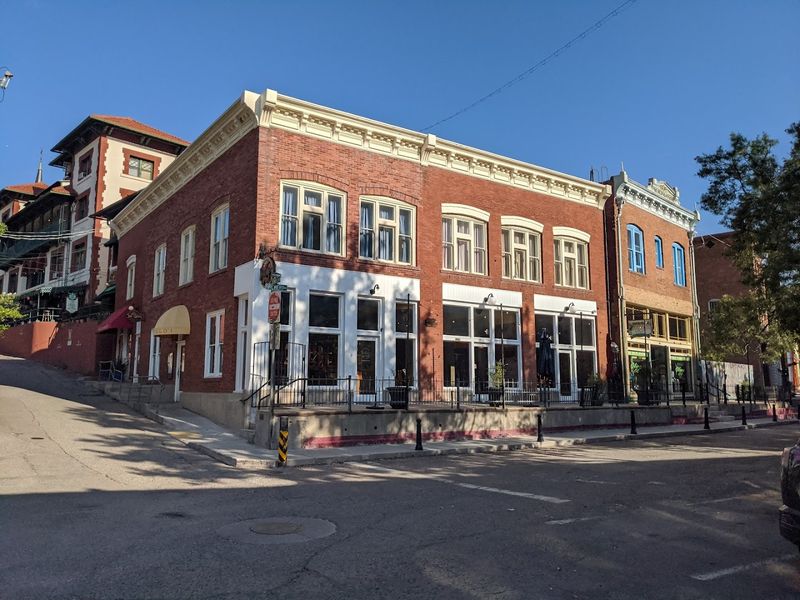
Tucked into the Mule Mountains near the Mexican border, Bisbee is the kind of town that makes you slow down and look twice at every corner. The streets twist and climb in unexpected directions, lined with brightly painted Victorian buildings that once housed miners and merchants during the copper boom of the early 1900s.
Today, those same buildings are home to galleries, coffee shops, and some genuinely creative small businesses.
The Bisbee Mining and Historical Museum is a great first stop for context before you explore on foot. For something more adventurous, the Queen Mine Tour takes you underground into the actual tunnels where miners once worked, and it is surprisingly fascinating even for non-history buffs.
Art is everywhere here, from painted murals on alley walls to handmade jewelry sold out of tiny studio storefronts. Spring keeps the temperature comfortable, making long afternoon walks through the Brewery Gulch neighborhood a real pleasure.
Bisbee is eccentric, artistic, and completely impossible to forget.
4. Williams, Arizona
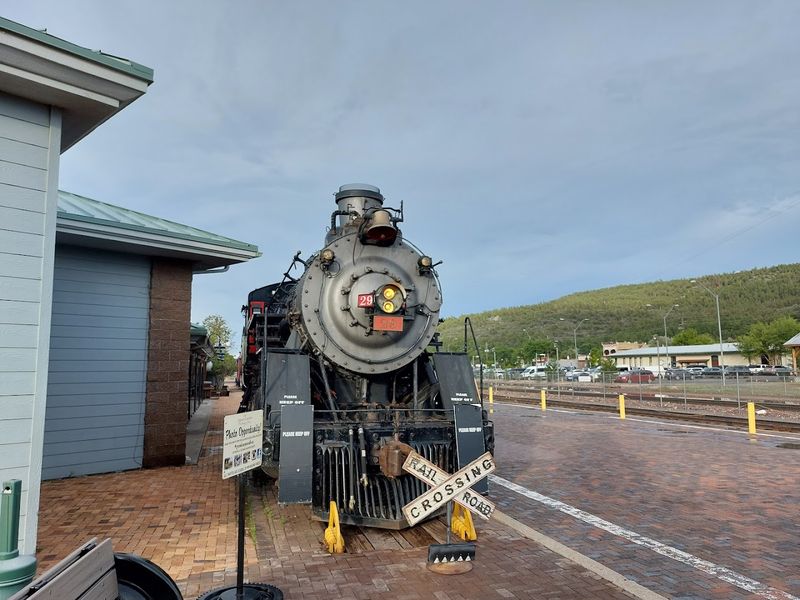
There is something deeply satisfying about rolling into Williams and feeling like you have stepped back into mid-century America. Sitting along the original Route 66 corridor in northern Arizona, this small town has preserved its retro downtown energy better than almost anywhere else on the historic highway.
Neon signs, classic storefronts, and friendly locals make it feel like a living postcard from the 1950s.
Williams is also the southern gateway to the Grand Canyon, which means the Grand Canyon Railway departs from here daily. Hopping on that train is one of the most scenic and relaxed ways to reach the canyon’s South Rim without dealing with parking or traffic.
The ride itself winds through ponderosa pine forests and open grasslands that are stunning in spring light.
Back in town, the main street has solid options for burgers, pie, and local souvenirs worth actually buying. Williams manages to be genuinely charming without feeling like a tourist trap, and that balance is rarer than it sounds.
Plan for a full, satisfying day here.
5. Tombstone, Arizona
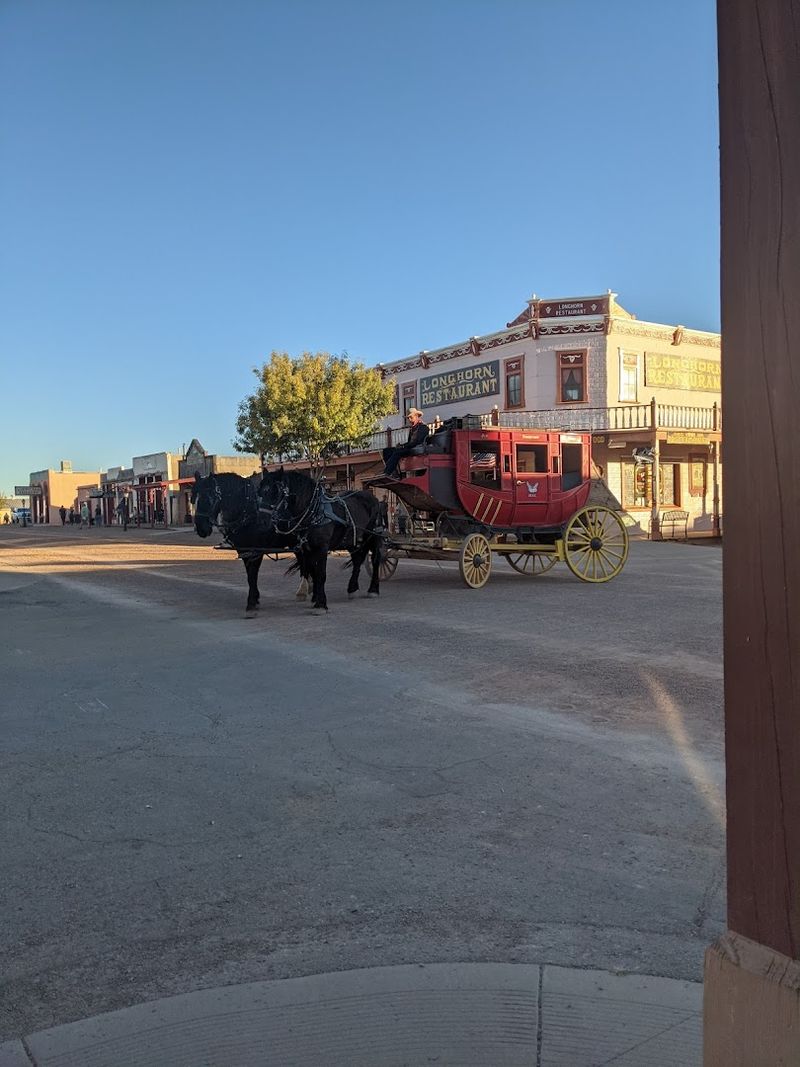
The self-proclaimed “Town Too Tough to Die” lives up to every bit of that reputation. Tombstone sits in the high desert of southeastern Arizona and preserves the Wild West atmosphere of the 1880s with an enthusiasm that is both theatrical and genuinely educational.
The OK Corral gunfight reenactments are the obvious draw, and they are entertaining enough that even skeptics tend to enjoy them. Allen Street is the heart of the action, with wooden boardwalks, period storefronts, and costumed characters who stay in character all day.
The Tombstone Courthouse State Historic Park is worth a visit for anyone who wants the real history behind the legends, with original artifacts and well-written exhibits covering the town’s turbulent past.
Boot Hill Graveyard on the edge of town is a surprisingly moving stop, with weathered headstones telling short but vivid stories about life on the frontier.
Spring temperatures in Tombstone are ideal for walking around all day without overheating. This town delivers a full, immersive Arizona experience from start to finish.
6. Tortilla Flat And The Apache Trail, Arizona
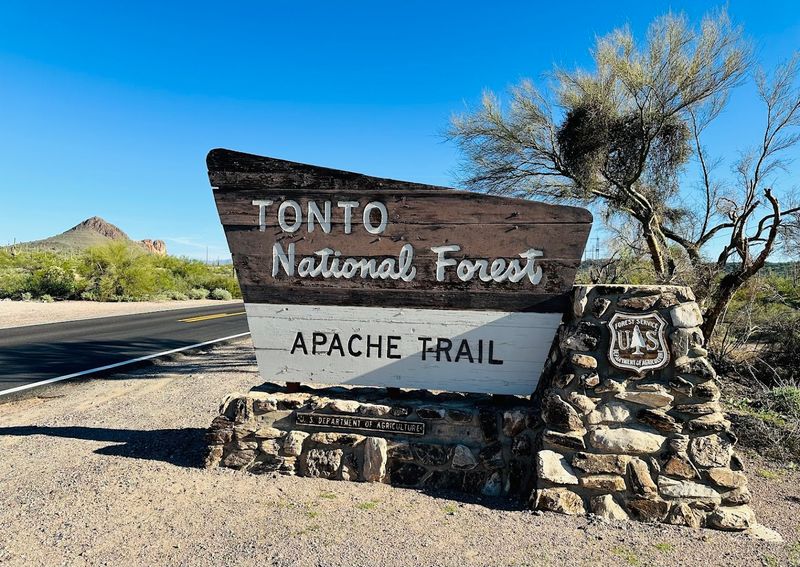
Driving the Apache Trail is one of those experiences that Arizona locals recommend to every visitor and then keep for themselves on long weekends.
The route stretches about 40 miles through the Superstition Mountains east of Phoenix, passing through dramatic canyon scenery, crossing the Roosevelt Dam, and stopping at the tiny settlement of Tortilla Flat, which has a population of around six people.
Tortilla Flat itself is a lovable oddity, with a saloon-style restaurant, a gift shop, and walls covered in dollar bills left by passing travelers over the decades. It is a perfect midway stop on the drive for lunch and a stretch.
Canyon Lake and Apache Lake shimmer in shades of blue-green against the rust-colored desert backdrop, creating views that genuinely stop you in your tracks. Parts of the road are unpaved and narrow, so a vehicle with decent clearance is helpful on the back half of the route.
Spring brings comfortable temperatures and occasional wildflower blooms along the roadside. This drive rewards patience and a full tank of gas.
7. Prescott, Arizona
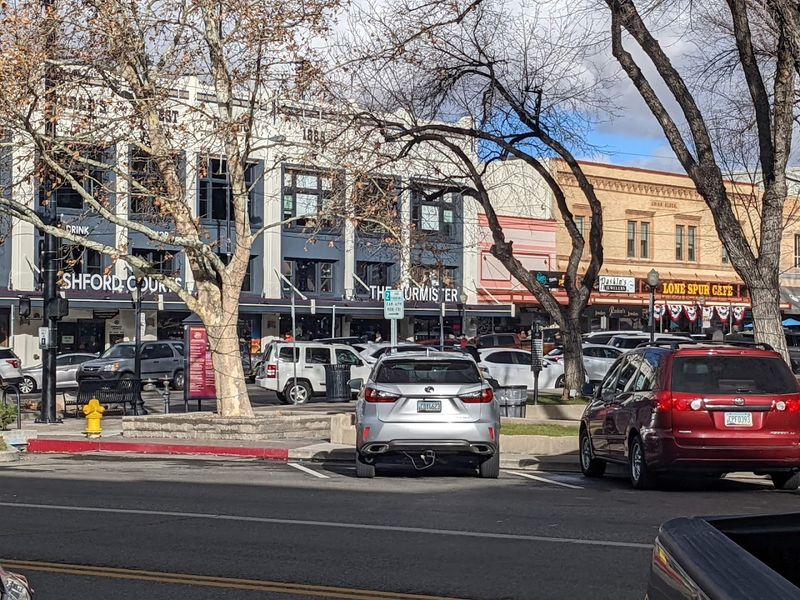
Prescott has a way of making visitors feel immediately at ease, and that is not an accident. Built around the shaded Courthouse Plaza in central Arizona, the town has a relaxed, walkable energy that is rare for a place with this much history packed into it.
The plaza itself is ringed by local shops, restaurants, and galleries, and on a warm spring afternoon it is one of the most pleasant spots in the entire state to simply sit and watch the world go by.
Whiskey Row, the famous stretch of historic buildings along Montezuma Street, has been reimagined over the years into a lively block of restaurants and boutiques that still carries its frontier-era character.
The Sharlot Hall Museum nearby offers a deep and well-curated look at Arizona’s territorial history across a beautiful outdoor campus.
Granite Dells, just outside of town, is a striking landscape of rounded granite boulders and a small reservoir perfect for a morning hike before heading back into town for lunch. Prescott feels like a real Arizona town rather than a set piece, and that authenticity is exactly what makes it worth a full day.
8. Tonto Natural Bridge State Park, Arizona
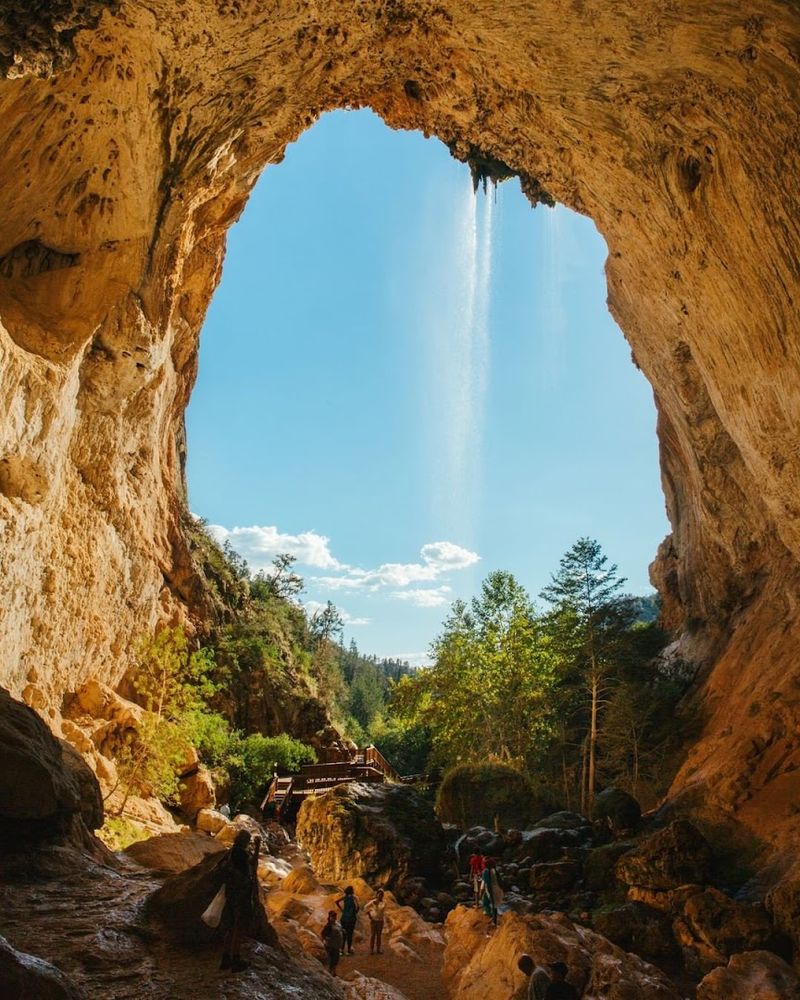
Hidden in the pine country of central Arizona near the town of Payson, Tonto Natural Bridge is one of those natural wonders that genuinely earns the word spectacular.
The bridge is believed to be the largest natural travertine arch in the world, spanning about 183 feet across a lush canyon carved by Pine Creek. Seeing it for the first time is one of those moments where you actually stop mid-sentence.
The park is small but well-organized, with four main trails leading down into the canyon from different angles. The Waterfall Trail is steep and requires some scrambling, but the reward is standing directly beneath the arch with water trickling down the travertine walls around you.
Spring is ideal because the creek runs strong and the surrounding forest is deeply green.
The drive to the park through the Mogollon Rim country is scenic in its own right, with pine forests and dramatic elevation changes that feel nothing like the desert landscapes most people associate with Arizona.
Tonto Natural Bridge is compact, crowd-free on weekdays, and genuinely one of the state’s most underrated day trips.
9. Boyce Thompson Arboretum, Arizona
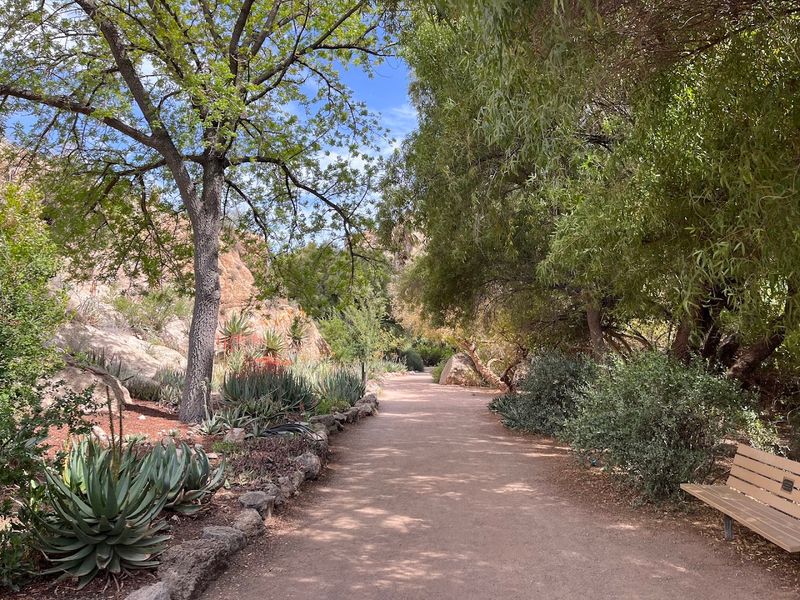
Arizona’s oldest botanical garden sits in a dramatic desert canyon near Superior, and it is one of those places that consistently surprises first-time visitors with how beautiful and peaceful it feels.
Founded in the 1920s, Boyce Thompson Arboretum covers about 392 acres and showcases more than 2,600 species of arid land plants from deserts around the world. Spring is peak season here, with an explosion of wildflower color that turns the trails into something genuinely magical.
The main loop trail winds past towering saguaros, boojum trees, and a riparian area along Queen Creek that attracts a remarkable variety of birds.
Birders regularly spot everything from vermilion flycatchers to great blue herons along this stretch, making it a rewarding outing even if botany is not your primary interest.
The arboretum also hosts guided tours and seasonal events that add extra depth to the visit. Admission is affordable and the crowds stay manageable even on weekends.
If you are driving between Phoenix and Tucson along US-60, this is the kind of stop that turns a road trip into something genuinely memorable.
10. Saguaro National Park, Arizona
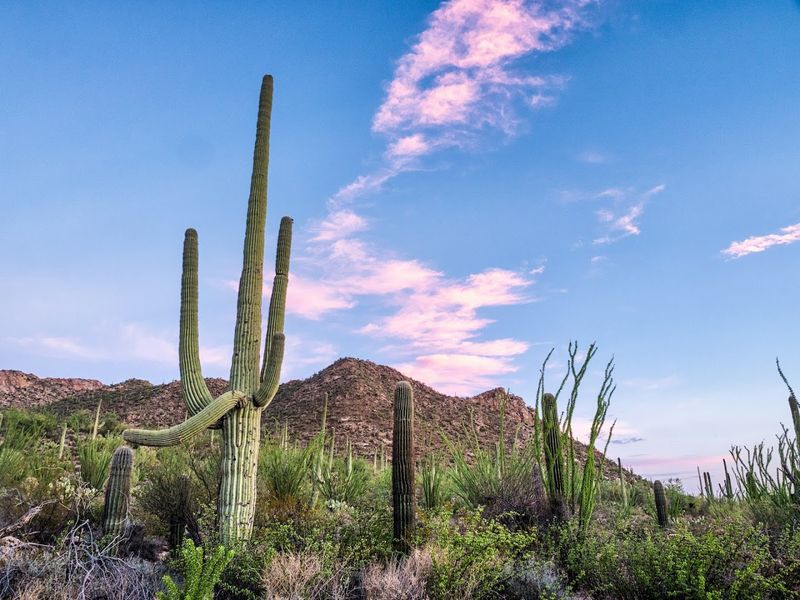
Standing in a field of mature saguaro cacti is one of the most distinctly Arizona experiences you can have, and Saguaro National Park delivers that experience in full. Split into two districts on either side of Tucson, the park protects one of the densest concentrations of saguaro in the world.
These giants can live over 150 years and grow their first arm only after about 75 years, which puts the forest around you in a very different perspective.
The Rincon Mountain District on the east side offers the scenic Cactus Forest Loop Drive, an eight-mile paved road that winds through the heart of the saguaro landscape with multiple pullouts for photography.
The Tucson Mountain District on the west side has shorter hiking trails and sits closer to the Arizona-Sonora Desert Museum, which makes a natural companion stop.
Spring mornings here are genuinely special, with the desert air still cool and the cacti casting long shadows across the sandy ground. Blooming saguaros in May add creamy white flowers at the tips of each arm.
This park is proof that a cactus forest can absolutely take your breath away.
11. Petrified Forest National Park, Arizona
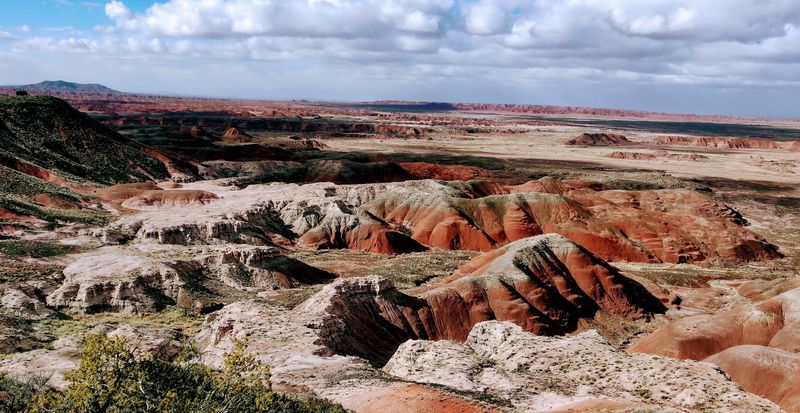
Petrified Forest National Park occupies a stretch of northeastern Arizona that looks like it belongs on another planet. The Painted Desert section in the northern part of the park shimmers with layered bands of purple, red, and orange badlands that shift color throughout the day as the light changes.
It is the kind of scenery that makes you stop and stare even after you have seen dozens of photos of it. The 28-mile park road connects the north and south entrances and passes by every major attraction, making it easy to experience the whole park in a single day without any serious hiking required.
Along the way, you will find ancient petrified logs scattered across the ground like enormous colorful crystals, remnants of a forest that existed here roughly 225 million years ago.
Puerco Pueblo and Newspaper Rock add layers of human history to the visit, with petroglyphs carved into rock surfaces by ancestral Pueblo people centuries ago.
Spring brings mild temperatures and occasionally dramatic cloud formations over the desert. The sheer surreal quality of this landscape makes it one of Arizona’s most unforgettable national parks.
12. Canyon De Chelly National Monument, Arizona
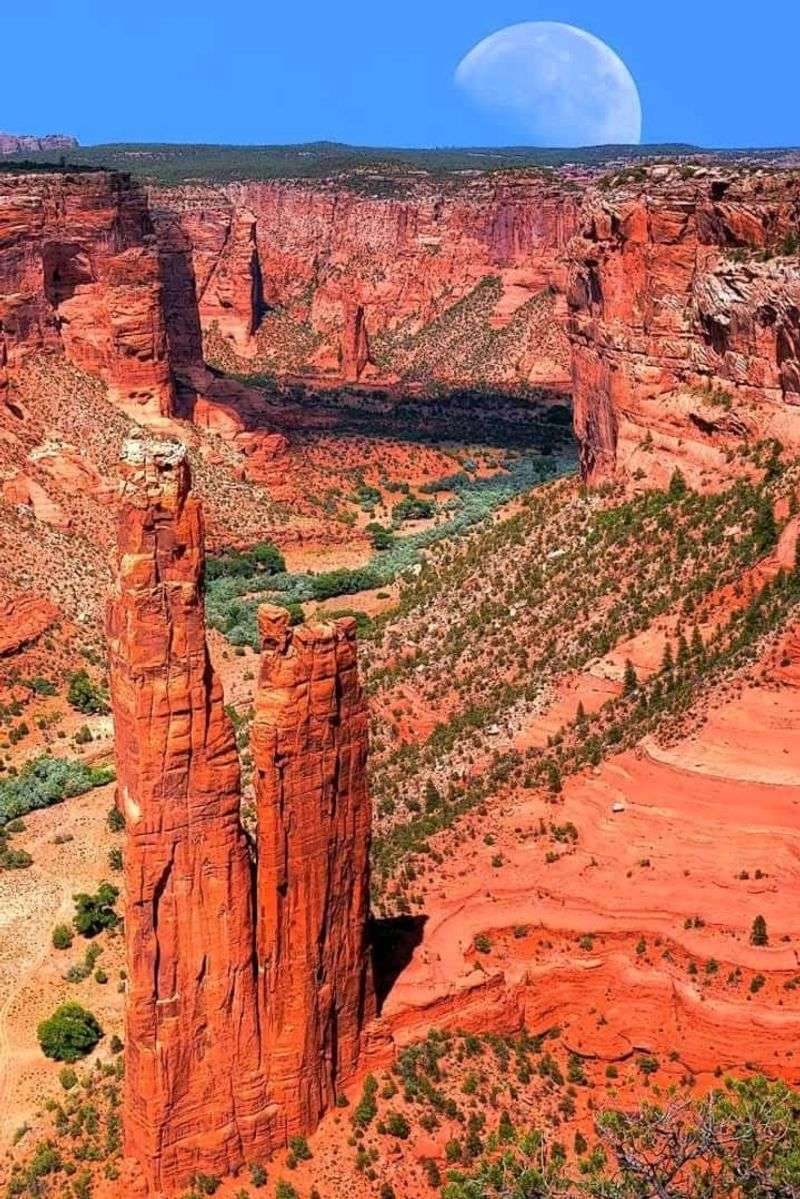
Canyon de Chelly sits within the Navajo Nation in northeastern Arizona, and it carries a weight and beauty that is unlike anything else in the state. The canyon has been continuously inhabited for nearly 5,000 years, and the Navajo families who still live and farm on the canyon floor today are part of what makes this place so extraordinary.
It is not just a scenic landmark but a living cultural landscape. Two rim drives, the North Rim and South Rim, offer a series of overlooks with jaw-dropping views down into the canyon.
Spider Rock Overlook on the South Rim Drive is the most dramatic stop, where a slender 800-foot sandstone spire rises from the canyon floor in a way that seems almost impossible.
Spring brings green cottonwood trees along the canyon bottom, adding vivid contrast against the deep red walls.
Guided tours led by Navajo guides are required to enter the canyon floor, and booking one is absolutely the right choice. The guides share stories, history, and personal connections to the land that transform the visit into something genuinely meaningful.
This is one of those places that stays with you long after you drive away.
13. Montezuma Castle National Monument, Arizona
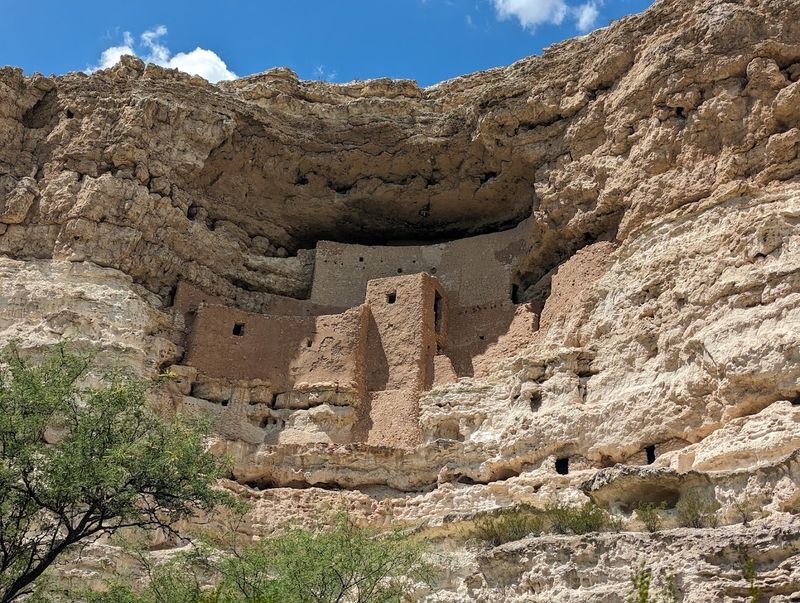
Built nearly 1,000 years ago into a natural limestone alcove about 100 feet above Beaver Creek, Montezuma Castle is one of the best-preserved prehistoric cliff dwellings in North America. Despite the name, the Aztec emperor Montezuma had nothing to do with it.
Early European settlers assumed the structure was too impressive to have been built by local peoples, a misconception that has since been thoroughly corrected by archaeology.
The monument is located near Camp Verde in central Arizona, roughly 90 minutes north of Phoenix, making it a very easy day trip.
A paved half-mile trail loops in front of the cliff face and provides excellent viewing angles of the five-story, 20-room structure. Interpretive signs along the path explain how the Sinagua people built and lived in this remarkable structure between roughly 1100 and 1425 CE.
A second unit of the monument, Montezuma Well, sits about 11 miles away and features a natural limestone sinkhole fed by underground springs, with additional cliff dwellings around its rim.
Combining both sites makes for a compact but deeply satisfying day of ancient Arizona history. Spring greenery along Beaver Creek frames the whole scene beautifully.
14. Walnut Canyon National Monument, Arizona
Just a few miles east of Flagstaff, Walnut Canyon punches well above its size when it comes to delivering a memorable day trip experience.
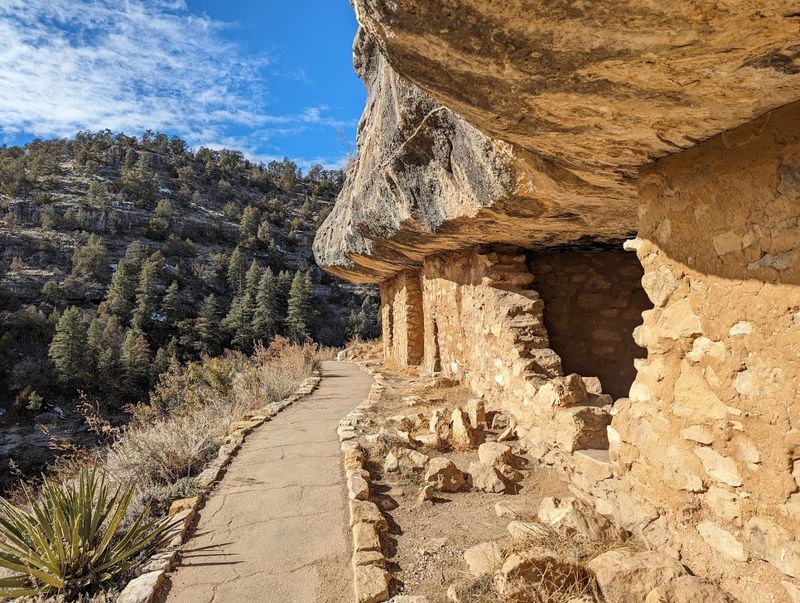
The canyon is carved by Walnut Creek through layers of limestone, and the Sinagua people built their homes directly into the natural ledges along the canyon walls between about 1100 and 1250 CE. Walking past those rooms on the Island Trail feels like a genuine encounter with the past.
The Island Trail descends about 185 feet into the canyon via a paved path with 240 steps, looping past 25 cliff room doorways that visitors can peer directly into. The Rim Trail above offers a gentler walk with panoramic views of the canyon and the surrounding ponderosa pine forest.
Spring adds a fresh, resinous scent to the pine-covered rim that makes the whole visit feel extra vivid.
The visitor center at the top has well-designed exhibits on Sinagua culture and ecology that are genuinely worth 20 minutes before heading down the trail. Walnut Canyon is compact, affordable, and close enough to Flagstaff to combine with a meal or a visit to the historic downtown.
It is a day trip that delivers maximum payoff for minimal effort.
15. Tubac, Arizona
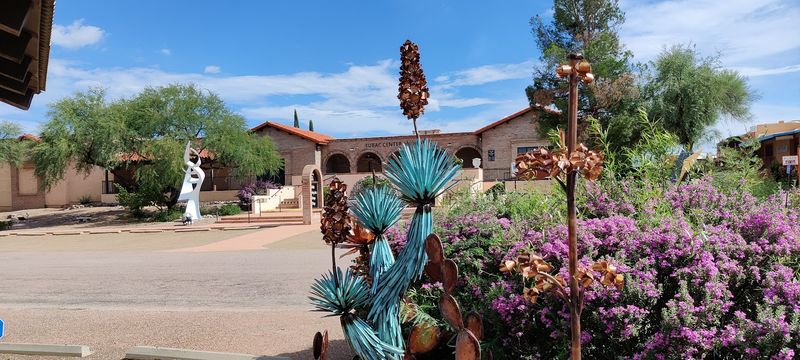
About 45 miles south of Tucson along the Santa Cruz River, Tubac is the kind of place that slows your pace the moment you arrive.
It holds the distinction of being Arizona’s oldest European settlement, founded as a Spanish presidio in 1752, and that layered history gives the whole town a quiet depth that most art villages lack.
Today it is home to more than 100 galleries, studios, and shops spread across a compact, walkable area. The art here leans toward the handmade and the authentic, with ceramics, sculpture, painting, and jewelry created by artists who actually live and work in the area.
Tubac Presidio State Historic Park sits right in the center of town and preserves the original fort site with underground ruins and a small but well-curated museum. Spring is peak season here, with outdoor art festivals and warm afternoons that make gallery hopping genuinely enjoyable.
The Juan Bautista de Anza National Historic Trail passes through Tubac, connecting it to a broader story of exploration and settlement across the Southwest.
Lunch options in town are relaxed and good, with a few local spots serving Sonoran-influenced food worth lingering over. Tubac rewards the kind of traveler who likes to wander slowly and leave with something beautiful.