
Michigan Birdwatching Spots Worth Exploring During April Migration
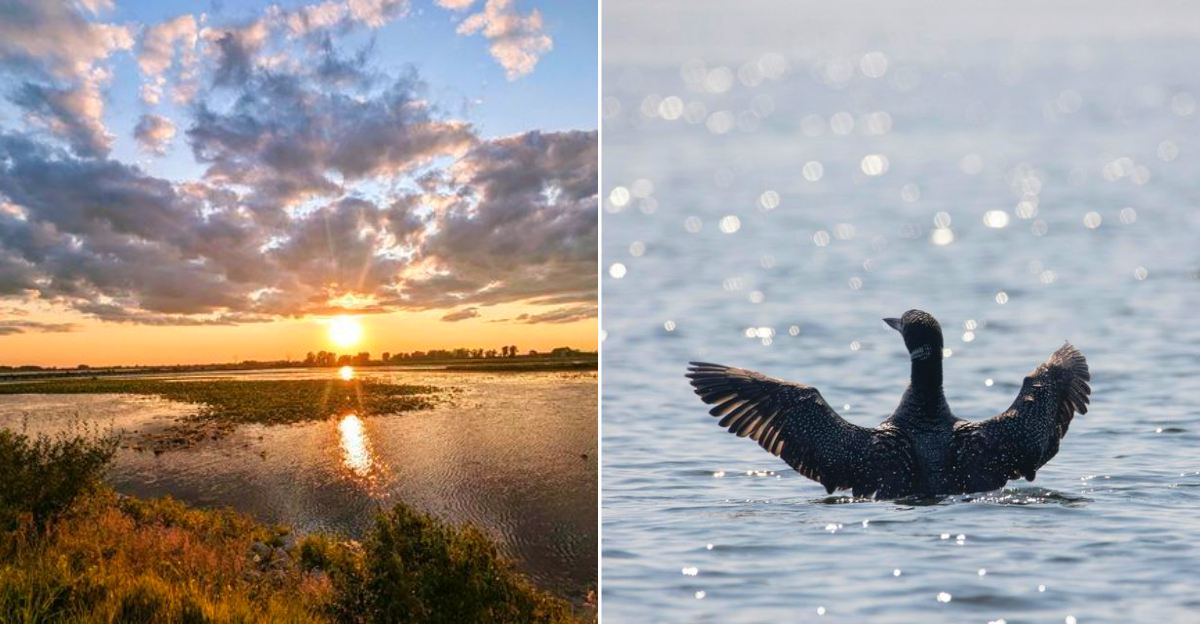
April in Michigan feels like the sky finally decided to swing its doors wide open, and the birds are rushing through in a chaotic, colorful wave. I’ve spent my fair share of chilly mornings standing on piers where the lake seems to take a deep breath and exhale a cloud of warblers and raptors right over my head.
These shorelines and river corridors act like living maps, guiding feathered travelers along routes they’ve followed for centuries. There is something deeply grounding about showing up with nothing but a thermos, warm layers, and a quiet sense of curiosity to watch the morning traffic intensify.
Find the best birdwatching spots in Michigan this April to witness the spectacular spring migration in action.
I’ve pulled together twelve specific locations where the geography does all the hard work for you. From subtle field cues to the small logistical wins that make a dawn session successful, this guide covers exactly how to catch those moments when the horizon suddenly flickers with life.
1. Tawas Point State Park
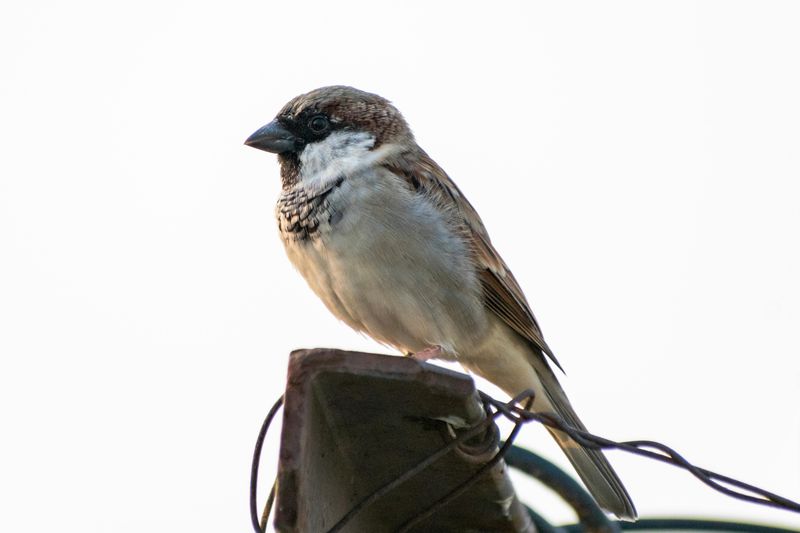
Lake Huron pinches into a graceful hook here, and migrants ride the curve like an arrow finding its target. There is a reason people call this the Cape Cod of the Midwest.
It is not just the picturesque lighthouse. In April, the geography acts as a literal safety net for birds that have been flying all night across the open water.
On those crisp, dew-heavy mornings, the lighthouse lawn gathers weary sparrows. The low-slung shrubs brim with the first brave warblers of the season. Mostly Yellow-rumped Warblers, or butter-butts as we affectionately call them.
Shorebirds stitch the wet sand while gulls patrol the bar. The whole place feels like a natural funnel for anything winged.
I have learned the hard way to bring a windbreaker even if the sun looks promising. The lake breeze here has a sharp edge that can cut through a light sweater in minutes. Move slowly along the point and keep your eyes on the lee sides of the trees when the gusts pick up. Birds will huddle there to conserve energy.
Parking is exceptionally straightforward near the historic lighthouse. The sandy paths connect the bayside and lakeside in a matter of minutes.
2. Pointe Mouillee State Game Area
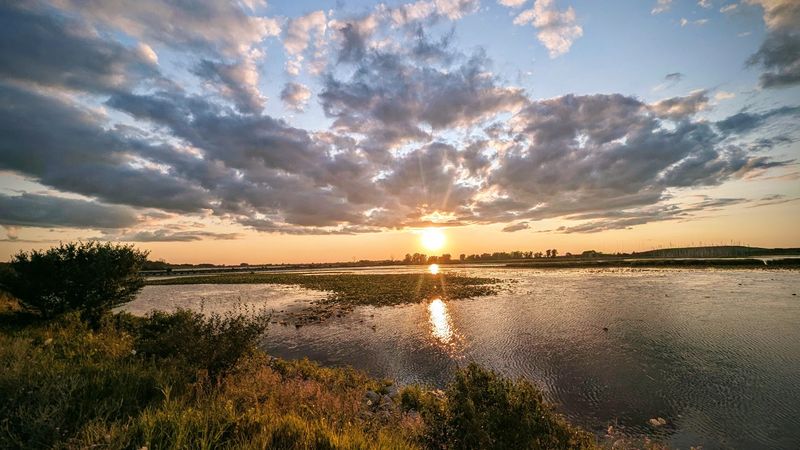
The reeds whisper against the dike roads while Blue-winged Teal flash by at eye level, their white facial crescents glowing in the early light. Pointe Mouillee State Game Area is a massive, sprawling complex.
It is where the Detroit River mouth and the Lake Erie marshes knit together. It forms vast cells or impoundments that host a rotating cast of dabblers, shorebirds, and prowling Northern Harriers.
April here is an exercise in watching the water. Shifting edges and muddy surprises mean that every visit offers a different landscape.
You might find a flock of gulls stacked like restless weather on one dike. The next afternoon, they may be replaced by American Pipits.
Bicycles are truly the secret weapon here. The dike system is extensive, and while walking the causeways is easy enough, a bike lets you cover the miles needed to find where the birds are hiding.
Park your vehicle at the Mouillee Creek entrance or off Roberts Road. Make sure your tires can handle a bit of gravel.
Stay on top of the dikes for the best vantage points and scan every muddy scrape for Greater Yellowlegs and early Long-billed Dowitchers. Local birders often look for a rising wind from the south.
3. Whitefish Point
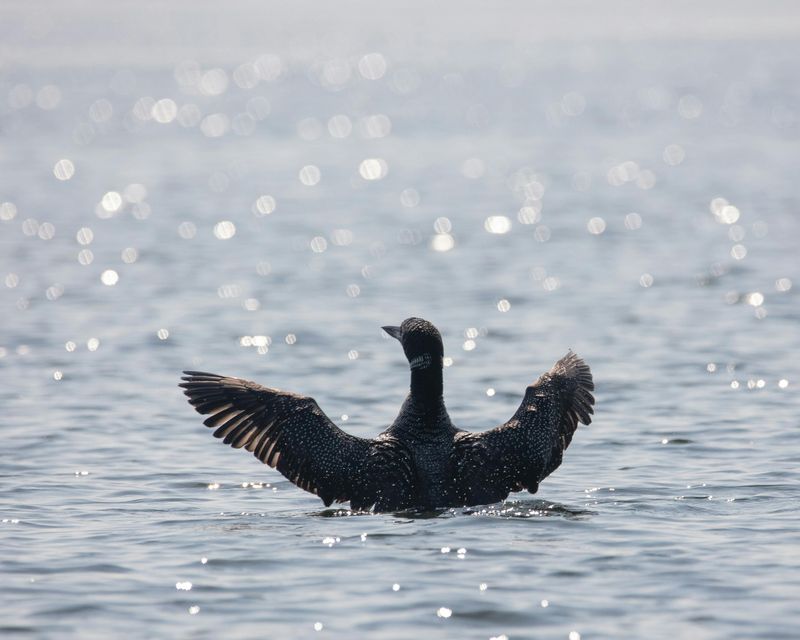
Lake Superior narrows your horizon to nothing but sky and water, and everything moving north must pass through this tiny needle’s eye. The point functions as a legendary migratory bottleneck.
It is a place where raptors, waterbirds, and owls stack up along the shoreline when the conditions align. This is the home of the Whitefish Point Bird Observatory.
Professional counters track the flights with a level of focus that is honestly intimidating. Their data gives helpful context to the steady, silent stream of life passing overhead.
Walking the rocky beach is a must for spotting White-winged Scoters and Red-necked Grebes. But make sure you pivot inland to hear the boreal species calling from the stunted, wind-blown spruces.
April at the point can be raw and unforgiving. Superior does not give up its ice easily.
Layers, a truly windproof shell, and a pack of handwarmers will make the experience far kinder than a thin hoodie ever could. Spend some serious time on the hawk-count platform.
4. Belle Isle

The hum of Detroit’s morning traffic fades into the background the second you step under the ancient cottonwoods near the lagoon. Belle Isle sits right in the middle of the river.
It acts as a green oasis for migrants following the Detroit River corridor. It is a bit of a miracle, really, finding a surprising mix of warblers and songbirds within sight of the city’s skyscrapers.
The nature center trails make for gentle, easy loops. Northern Flickers drum on dead limbs with a rhythmic persistence. Tiny Ruby-crowned Kinglets jitter through the branches like frantic, caffeinated thoughts.
I have found that the best strategy is arriving early, parking by the Anna Scripps Whitcomb Conservatory, and letting the morning light lift through the historic glass before heading into the woods. Weekday visits feel much calmer than the busy weekends.
A strong wind from the south can drop birds across the lawns like colorful ornaments. Bring a good dose of patience and scan the lower branches. Many April arrivals hide from the wind by foraging at eye level in the lee of the trees.
5. Shiawassee River State Game Area
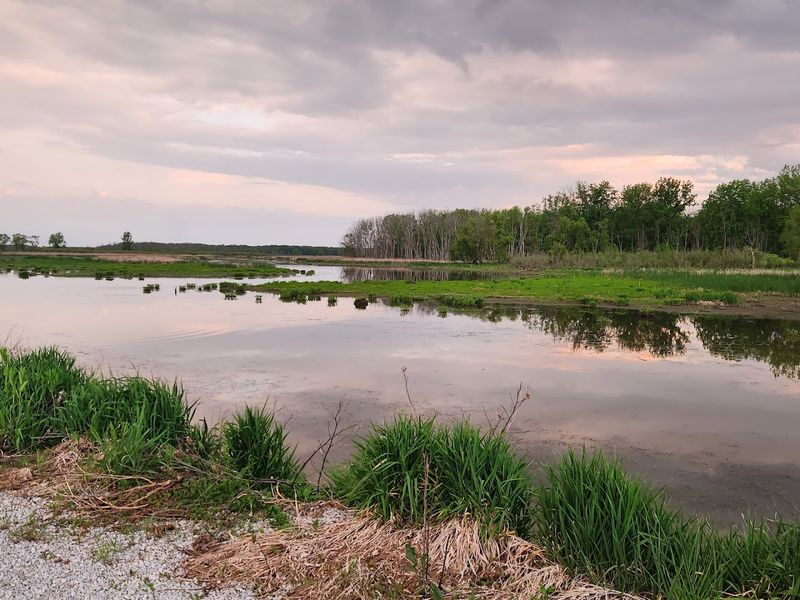
West of Saginaw, the landscape opens up into a quiet puzzle of pools and channels, their water levels meticulously managed for the benefit of waterfowl. In April, the drawdowns expose vast stretches of mud.
There, Greater Yellowlegs and American Pipits work the shoreline with a steady, mechanical focus. Meanwhile, Northern Harriers quarter the reeds in a low, ghostly glide.
The vastness of this place creates a soft, ambient hum. It is a mix of the prairie wind, the honking of distant geese, and the rhythmic throb of the water pumps.
Always check the wildlife drive schedule before you head out, as access shifts with the management needs of the season. When the drive is open, it allows you to do slow, deliberate laps with frequent stops for your spotting scope.
Mornings usually shine brightest after a night of southerly winds. But a sudden cold front can push an intriguing mix of species down into the marsh.
Keep a stash of snacks, a lot of patience, and a dry towel for your optics in case of a spring drizzle. Listen closely for the whinny of a Sora hidden in the cattail margins.
6. Nayanquing Point State Wildlife Area
There is a specific kind of quiet you only find in a managed marsh, and the observation tower at Nayanquing Point State Wildlife Area is the best place to hear it. The tower rises over the Saginaw Bay marshland.
It offers a clean, unobstructed angle on the canvas of the water and the geometric patterns of the reeds. These impoundments are a magnet for Great Blue Herons, various dabbling ducks, and staging terns.
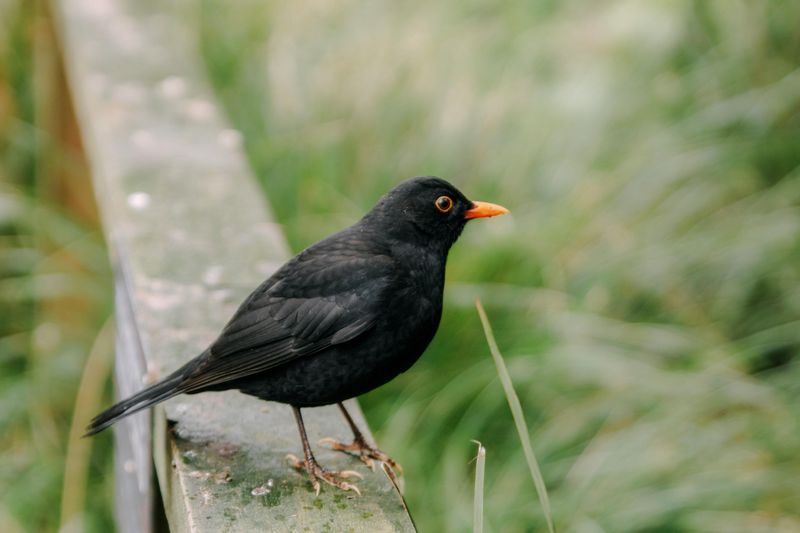
Overhead, the blackbirds stitch a constant layer of noise over the cattails. Below, the trails and dikes outline quiet loops where you can often spot muskrats leaving chewed-up clues of their breakfast.
So keep an eye on the posted signs to make sure you stay on the allowed routes.
After a heavy spring rain, the edges of the dikes shimmer with peeps, the small sandpipers.
The shallow bays can hold Scaup, Long-tailed Ducks, and even late ice shards that squeak like rusted hinges as they drift together.
7. Port Crescent State Park
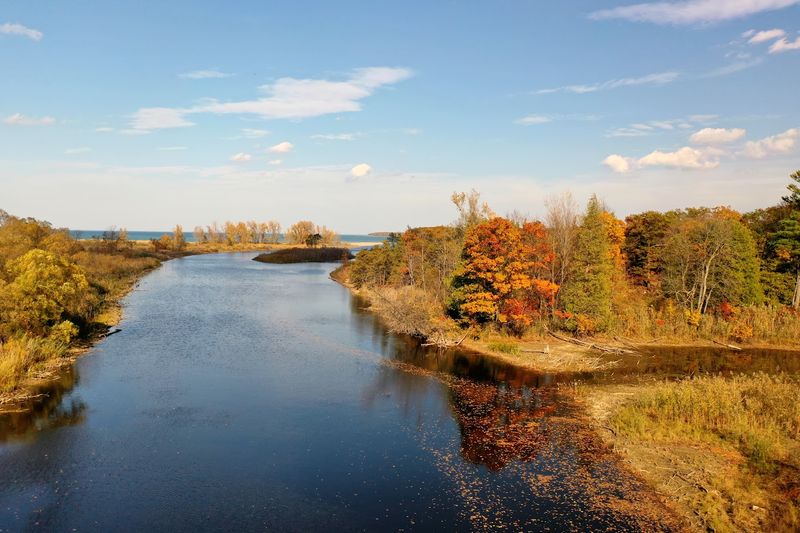
The dunes roll into the soft light of Saginaw Bay, and the mouth of the Pinnebog River braids calm water behind the protective barrier of the beach. At Port Crescent State Park, migration feels a bit more intimate.
You can watch warblers working the budding cottonwoods right along the campground loops. Meanwhile, the shoreline hosts Bonaparte’s Gulls commuting back and forth like punctual clerks.
This park is also a designated Dark Sky Preserve. That means if you stay late enough to hear the Great Horned Owls call after sunset, the stars will keep you spectacular company.
My ritual here involves setting up near the bridge at daybreak and letting the first rays of sun warm up the optics of my binoculars. Light south winds will load the trees with birds.
But even on a cold morning, there is steady movement along the river trail. Bring a thermos of something hot, spare batteries for your camera, and a healthy sense of curiosity.
The point often surprises you with American Kestrels strafing the dunes and Common Terns skimming the water right beside your boots.
Keep a close eye on the sandbars for Semipalmated Plovers and mind the soft quicksand patches where water seeps under the dunes during the April thaw.
8. Sterling State Park
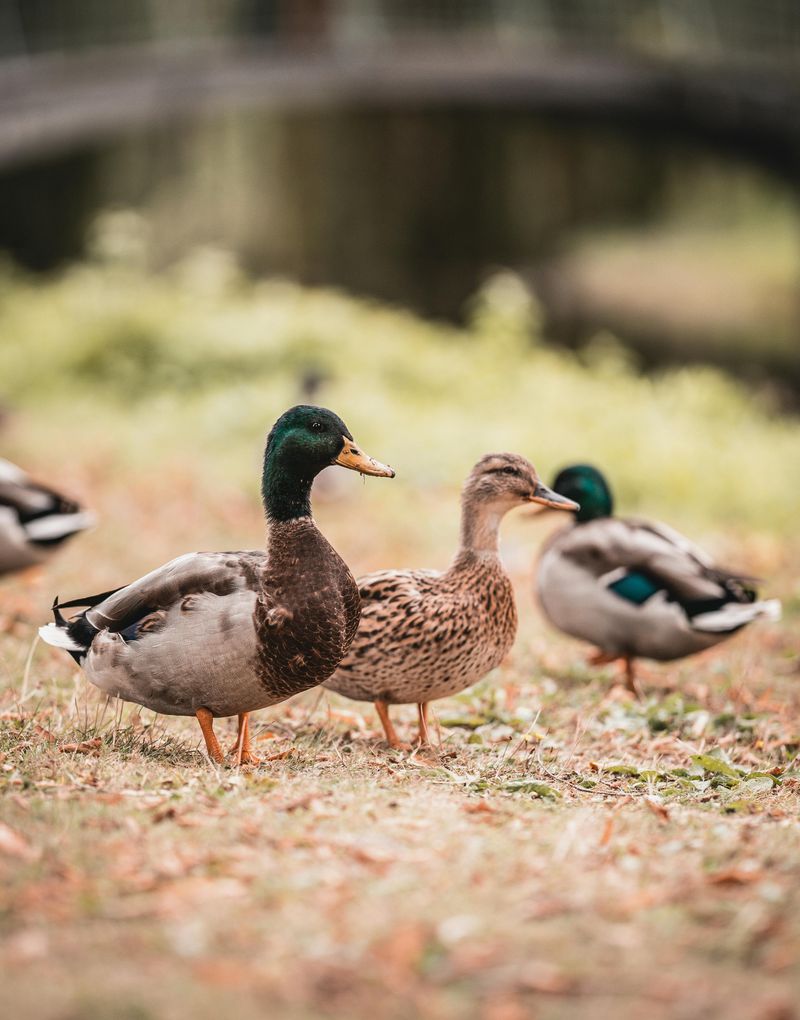
Lake Erie laps at the shoreline here, and the protected lagoons of the park offer much-needed sheltered water for weary ducks. The trails trace a path through cottonwoods and open edges.
They create a patchwork habitat that favors stopover flocks when the spring winds shift. The nearby river mouth can pulse with life.
Gulls and terns chase baitfish along the visible color lines where the river meets the lake. It is a gritty, beautiful landscape that feels like a true crossroads.
Parking by the day-use area is the best way to shorten the walk to the most productive corners, and you will find that the restrooms are usually open for the season by mid-April. South winds will load the trees with songbirds.
A north wind pushes the migrants down to more workable heights for those of us without giant telephoto lenses.
Scan the breakwalls for any lingering Greater Scaup, then turn your eyes to the sky. Kettles of broad-winged hawks sometimes form over the inland ponds like lazy, circling confetti.
9. Bay City State Park
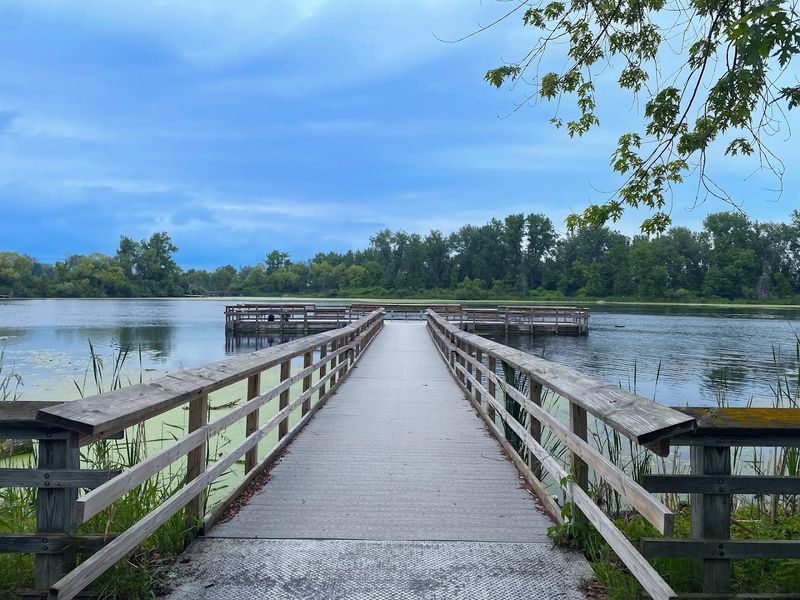
The Saginaw Bay Visitor Center anchors a vast sweep of wetlands, beach, and prairie that attracts an incredibly varied cast of avian characters. The boardwalks here are fantastic.
They lift you right over the marsh where American Bitterns give their pump-er-lunk boom and Marsh Wrens rattle like tiny, angry pocket machines. Out on the actual shoreline, the gulls mill about in the surf.
Caspian Terns carve sharp white slashes through the gray morning chop.
This is a great spot because families often mix with serious birders. That lends the park an easy, approachable tempo.
After a spring storm, the beach can reveal all sorts of surprises. So scan the drift lines and the seams of the rivermouth for rare gulls or displaced shorebirds.
Mornings with a southeast breeze tend to concentrate the passerines in the trees near the center. The afternoons reward patient time behind a scope looking across the open water.
If snowmelt is still lingering, you will definitely want waterproof footwear for the trails. The park’s picnic shelters offer excellent wind breaks.
10. Leelanau State Park
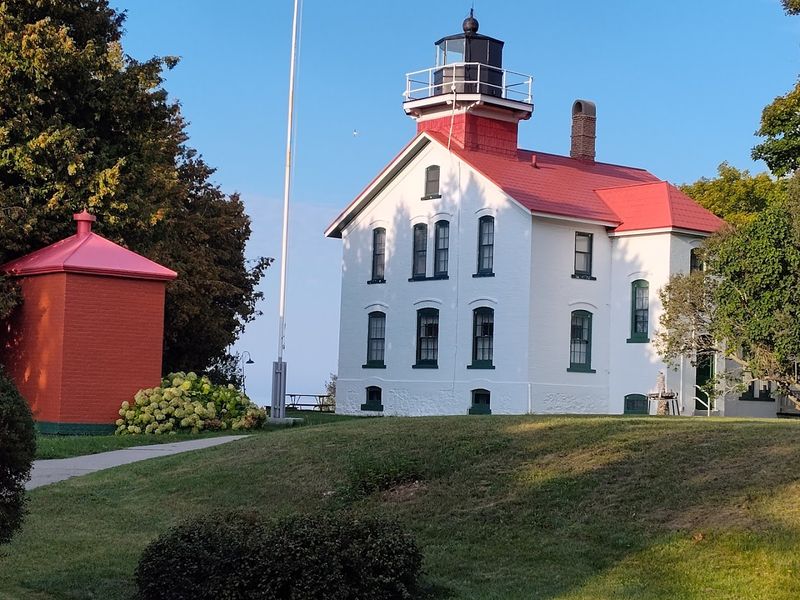
Wind scrubs the very tip of the Leelanau Peninsula clean, and the waves of Lake Michigan fold like blue corduroy under the shadow of the lighthouse.
Migrants ride the shoreline north, following the mitten until they run out of land.
Then they pause in the jack pines and thickets to rest before deciding whether to cross the open water or follow the coast. The Grand Traverse Lighthouse grounds add a sense of history to the steady flow of life passing overhead.
I like to time my visits to the earliest light possible, parking near the trailhead and walking quietly through the low cover between the clearings. A south wind can pack the trees here with warblers in a way that feels almost overwhelming.
A north wind flattens the lake’s color and pushes the waterbirds in close to the shore.
Respect the posted boundaries around the cultural and historic features, and give yourself plenty of time to circle back through the trails as new flocks fall out from the sky.
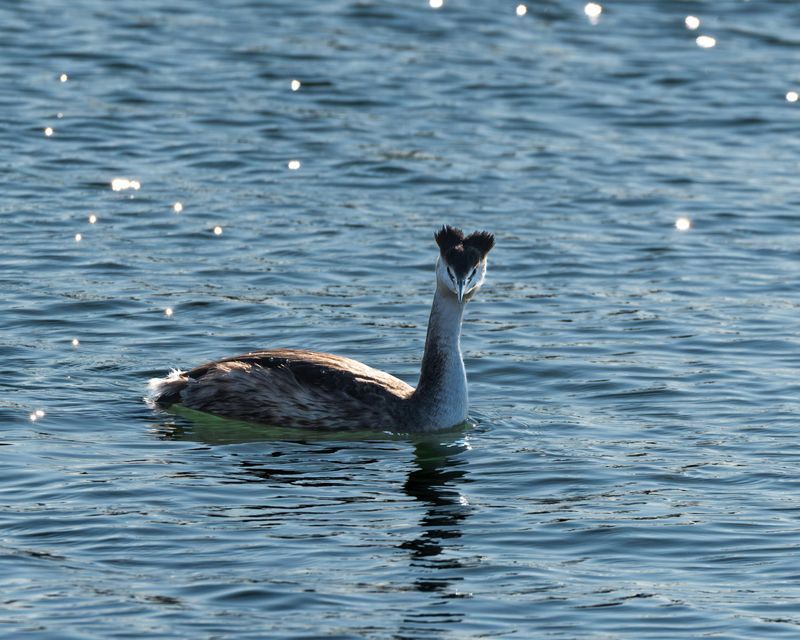
Watch for Red-necked Grebes bobbing offshore in the April swells.
11. McLain State Park
Beneath the massive Keweenaw sky, Lake Superior throws long, powerful rollers that often glitter with ice chips well into the month of April. The rocky points of McLain State Park create eddies where Black Scoters stage.
Red-breasted Mergansers rocket along the water’s edge. If you head inland just a bit, the sheltered spruces often hold Red Crossbills and Pine Siskins.
That is especially true when the cone crop is good. This is birding at its most rugged and rewarding.
Be prepared for the fact that snow may linger here much longer than in the lower peninsula. So cleats for your boots and a good bit of caution will help on the rocky slabs.
The day-use areas provide straightforward access to the shore, and a very short walk will set you above some very productive water.
The afternoon sunlight here can turn the lake metallic and bright. That is actually perfect for spotting the subtle silhouettes of Loons and Grebes as they slip past the point.
The wind shifts constantly at this latitude, and a sudden northwest blast can empty the nearshore area in minutes. Patience is your best friend here.
12. Sleeper State Park
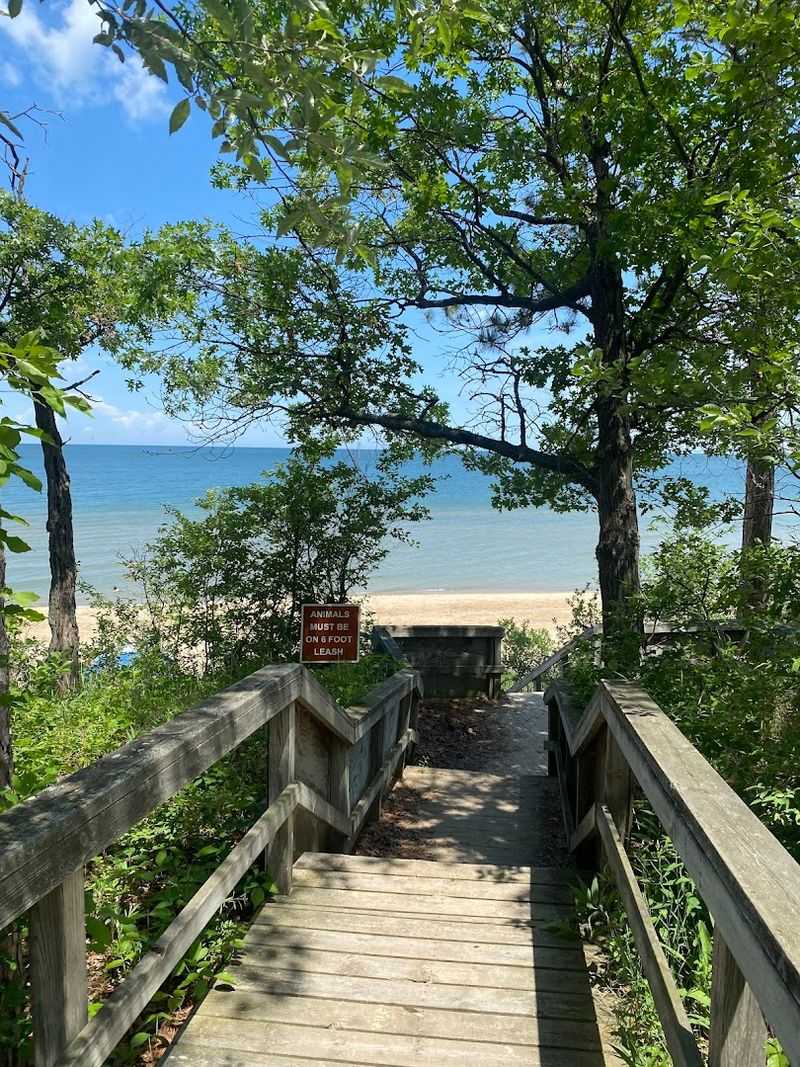
On the curve of the Thumb near Caseville, the ancient oak savanna meets the beach and low dunes, creating a hospitable mix of habitats for an April morning.
The trails at Sleeper State Park slip through openings where Eastern Towhees scratch in the leaf litter.
Early thrushes practice their haunting, half-finished songs. Out on the bay side, the migrating waterfowl stitch the horizon together with long, orderly lines as they move toward their northern breeding grounds.
Morning is remarkably gentle here, and parking by the day-use area gets you into the birds almost immediately. South breezes will load the shrubs with activity.
North winds push the movement down to eye level along the leeward edges of the dunes. Check the boardwalks for tiny kinglets.
Then step out onto the wide beach to scan for long strings of Scaup and the occasional Red-throated Loon.
Weekday visits here feel unhurried and peaceful, a far cry from the summer crowds. Always pack one more warm layer than you think you need, because the Saginaw Bay has a way of eating heat.