
12 Michigan Boardwalks, Piers, And Waterfront Walks Worth Experiencing This Year
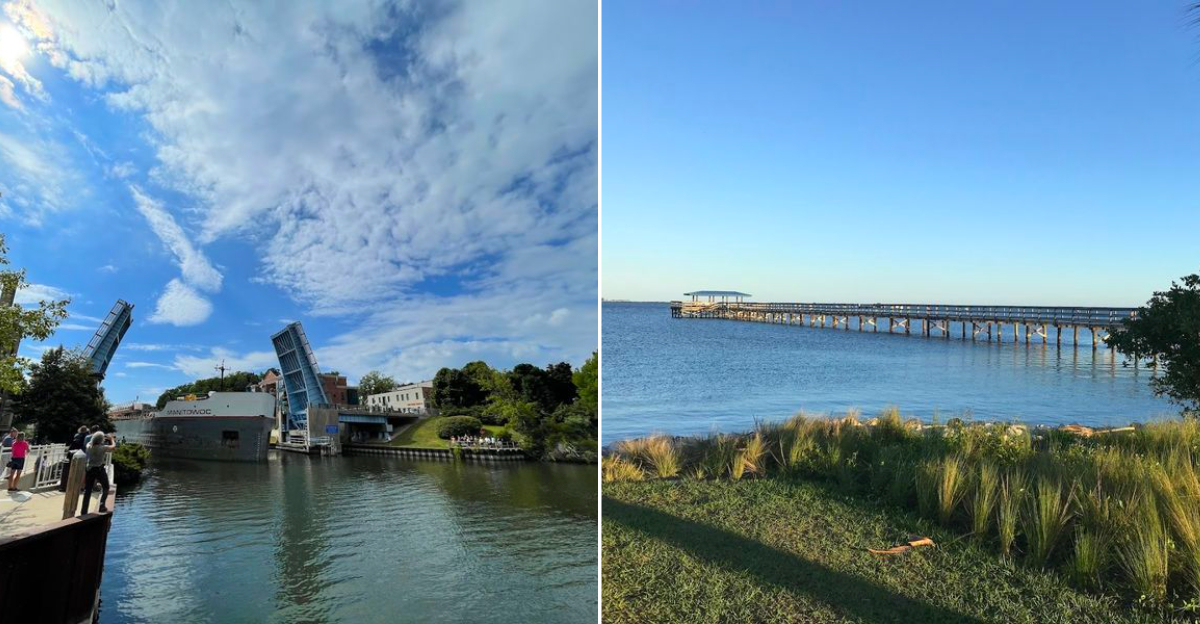
Wooden planks stretch out over the water, the wind hits you sideways, plus suddenly the parking lot feels very far behind.
Boardwalks along the Great Lakes do not just connect point A to point B: they slow you down, open up a view you did not know you were missing, plus remind you that the best part of a lakeshore town is the part you can walk.
Some of these piers date back over a century, built when shipping still ruled the horizon and freighters loaded cargo at the end of the dock. Others are newer pathways that reclaimed industrial waterfronts for anyone willing to stroll a few extra blocks past downtown.
A few lead you past lighthouses, through dune grass, or along riverbanks where the current runs fast enough to make you stop walking just to watch. These Michigan waterfront walks turn an ordinary afternoon into something worth pulling over for.
12. Grand Haven Boardwalk
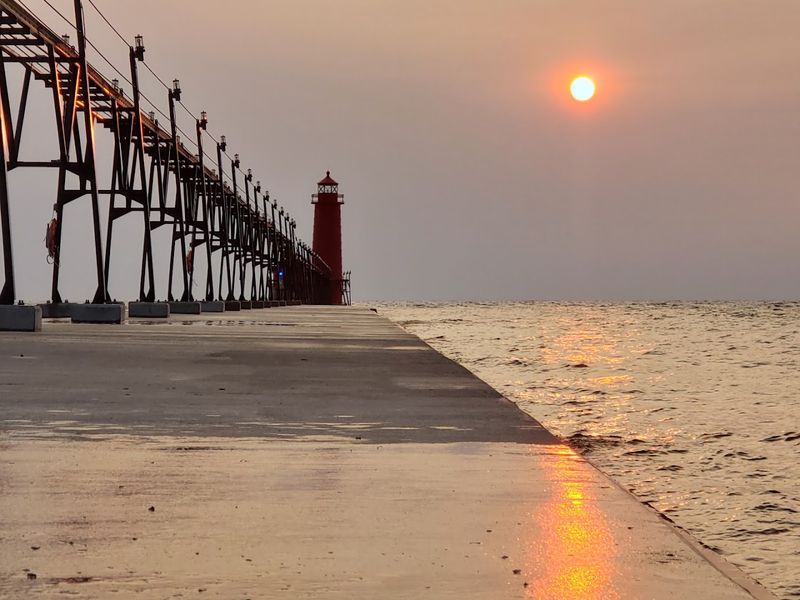
A red lighthouse waiting at the end gives this walk the satisfying pull of a story with a real final scene. The path follows the Grand River harbor for about 1.5 miles, starting near Chinook Pier and moving past marinas, boats, shops, and benches before Lake Michigan opens wide at the end.
The best part is how gradually the view changes. First it feels like a riverfront stroll, then a harbor walk, then suddenly a Great Lakes moment with wind, waves, and the famous red pier lights ahead.
Fishing lines, passing boats, ice cream cones, strollers, and sunset watchers all seem to belong to the same moving picture.
Evening gives the route its softest magic, especially when the channel turns gold and the town starts drifting toward the Musical Fountain. It is popular, but not empty of charm.
The boardwalk knows how to hold a crowd without losing its sense of destination.
11. South Haven HarborWalk And Piers
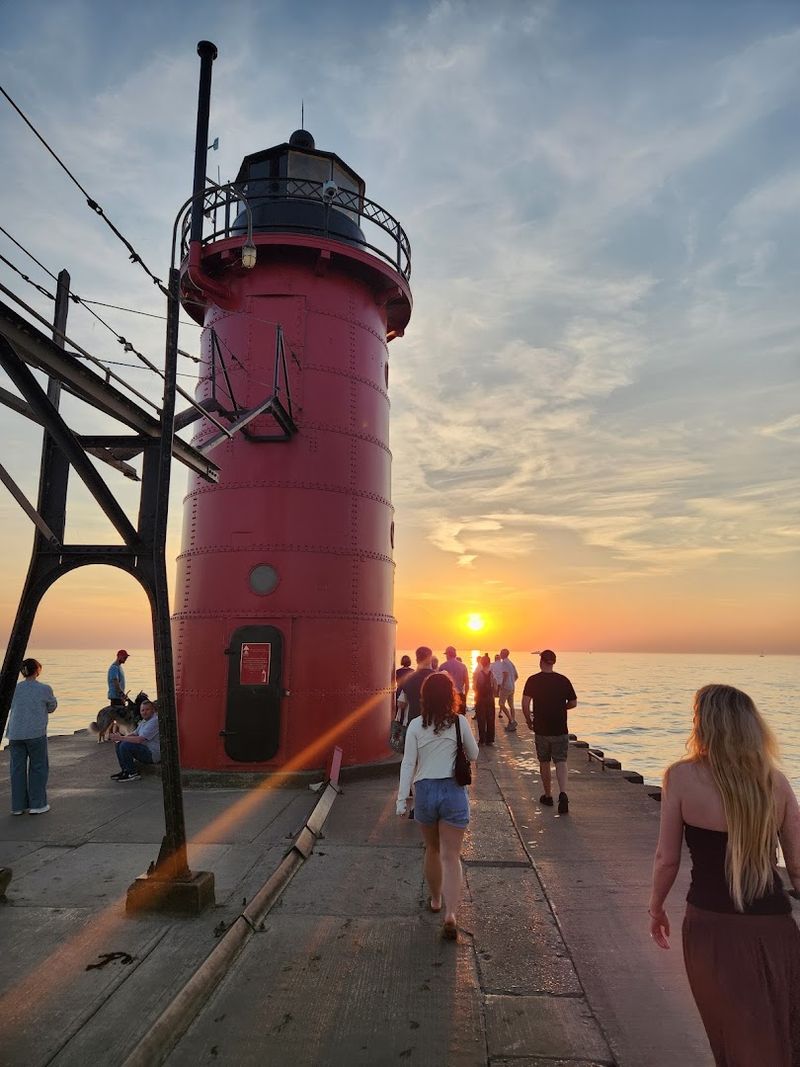
A working-harbor feeling still lingers under the vacation polish, which gives this walk more depth than a pretty pier photo alone.
The route follows the Black River toward Lake Michigan and links riverfront views, marina activity, historic markers, beaches, and the South Pierhead Light into one satisfying waterfront ramble.
The south pier is the visual reward, but the approach matters just as much. Boats slide in and out of the channel, gulls work the air, and the town keeps close enough that coffee, snacks, and shops never feel far away.
Historical signs quietly remind walkers that this shoreline was once defined by shipping, fishing, and hard practical labor.
Wind changes the personality of the place quickly. On calm days, it feels sunny and leisurely.
On rougher days, the walk becomes sharper and more cinematic, with waves throwing personality into every step. The lighthouse at the end gives the whole route a clean, memorable punctuation mark.
10. St. Joseph North Pier Walk
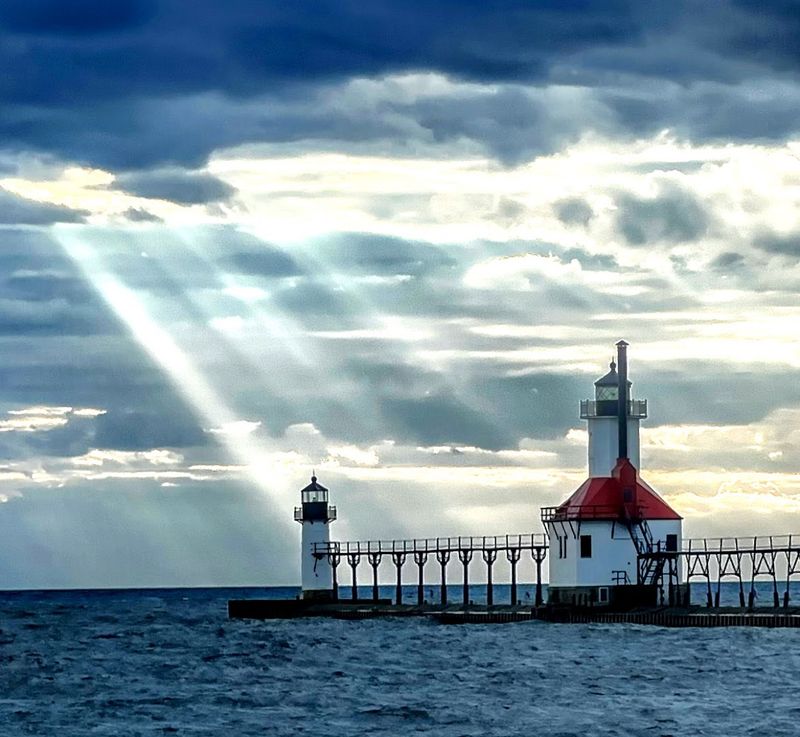
Two lighthouses turn the horizon into an invitation before the walk even begins. The north pier in St. Joseph leads toward the Inner and Outer Lights, connected by their catwalk and standing against Lake Michigan with a silhouette that feels instantly recognizable.
The walk is short in distance but big in atmosphere. Silver Beach, the lake, the channel, and the lighthouse structures all compress into one bright lakeshore scene.
In warmer months, the pier has the easy appeal of sunset photos and open water. In colder seasons, ice can transform the lights into something nearly sculptural, though conditions should always be respected before venturing out.
The inner light’s first-floor exhibits add a small dose of maritime context, and tower access, when available, gives the view an extra lift. This is not a casual sidewalk pretending to be dramatic.
It is exposed, elemental, and shaped by wind. Even a brief walk here feels like stepping into a Michigan postcard with weather moving through it.
9. Manistee Riverwalk
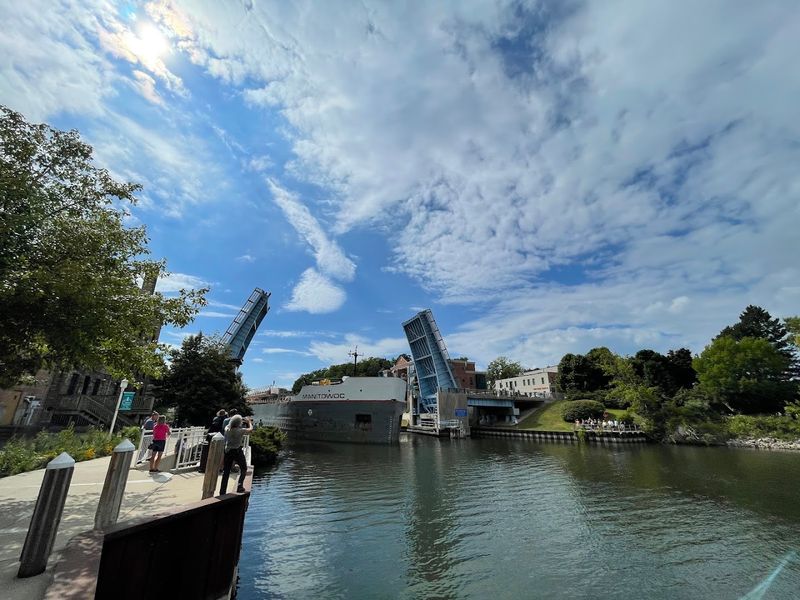
Freighters give this route its sudden theater. One minute the walk feels calm and tidy, following the Manistee River Channel through downtown, and the next a massive vessel can appear close enough to make everyone pause mid-conversation.
The path mixes boardwalk and cement sections for roughly 1.5 to 1.75 miles, with benches, picnic areas, interpretive signs, marina views, and access toward Lake Michigan. Drawbridges add movement to the scene, while the river’s industrial history keeps the route from feeling purely decorative.
This is a waterfront that still remembers work. Accessibility is one of its quiet strengths. Ramps, mileage markers, nearby shops, and restaurants make it easy to shape the walk to your mood.
You can treat it as a quick stretch after lunch, a slow riverfront afternoon, or the beginning of a longer wander toward the beach. The charm is practical and unforced.
Manistee lets the water, boats, bridges, and downtown rhythm do the work.
8. Marquette Waterfront Park And Harbor Walk
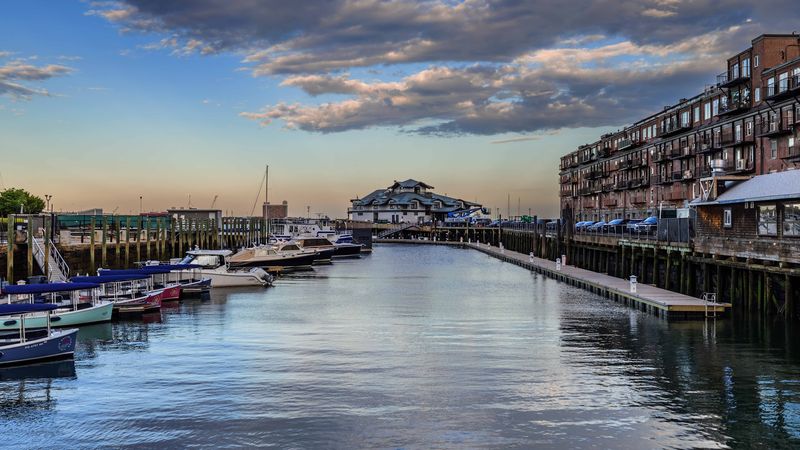
Lake Superior makes even a simple stroll feel larger than expected. Around Marquette’s lower harbor, the waterfront path moves through green space, shoreline views, and open air that carries the colder, cleaner edge of the Upper Peninsula.
The ore dock is the unavoidable star. Massive, dark, and industrial, it stands near the water like a monument to shipping and iron, too large to become background scenery.
Instead of softening that history, the harbor walk lets it remain visible, turning the shoreline into a conversation between natural beauty and working past.
What makes the area especially pleasant is the mix of uses. Families wander near the park, festival crowds gather during events, and walkers drift toward the harbor lights as evening settles in.
The place can feel lively without becoming frantic. It is not a remote wilderness walk, and it does not need to be.
Its power comes from seeing a city sit beside Superior with confidence, memory, and room to breathe.
7. Pere Marquette Park And South Pier
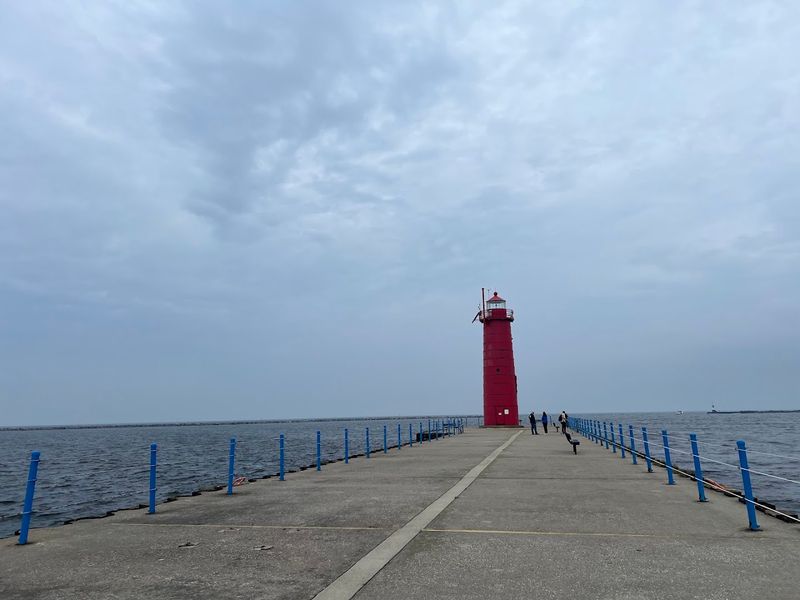
Sand and structure meet beautifully here. Pere Marquette Park in Muskegon gives visitors a broad Lake Michigan beach, then adds a more purposeful walk toward the South Pierhead Lighthouse and the channel that leads into Muskegon Lake.
The contrast is what makes the stop work. One direction feels like classic beach freedom, with open sand, swimmers, volleyball, and summer noise.
The other direction narrows your attention toward the pier, channel, and red lighthouse, where the walk becomes more focused. A paved accessible route from the parking and beach house area helps make the waterfront easier to reach than many rougher pier approaches.
This is a good choice for people who want more than one kind of lakeshore afternoon. Barefoot beach time can turn into a lighthouse walk, and a casual stroll can expand toward nearby maritime attractions or the Lakeshore Trail.
The park does not force a single mood. It lets you shift from beach ease to harbor drama without moving the car.
6. Detroit International RiverWalk
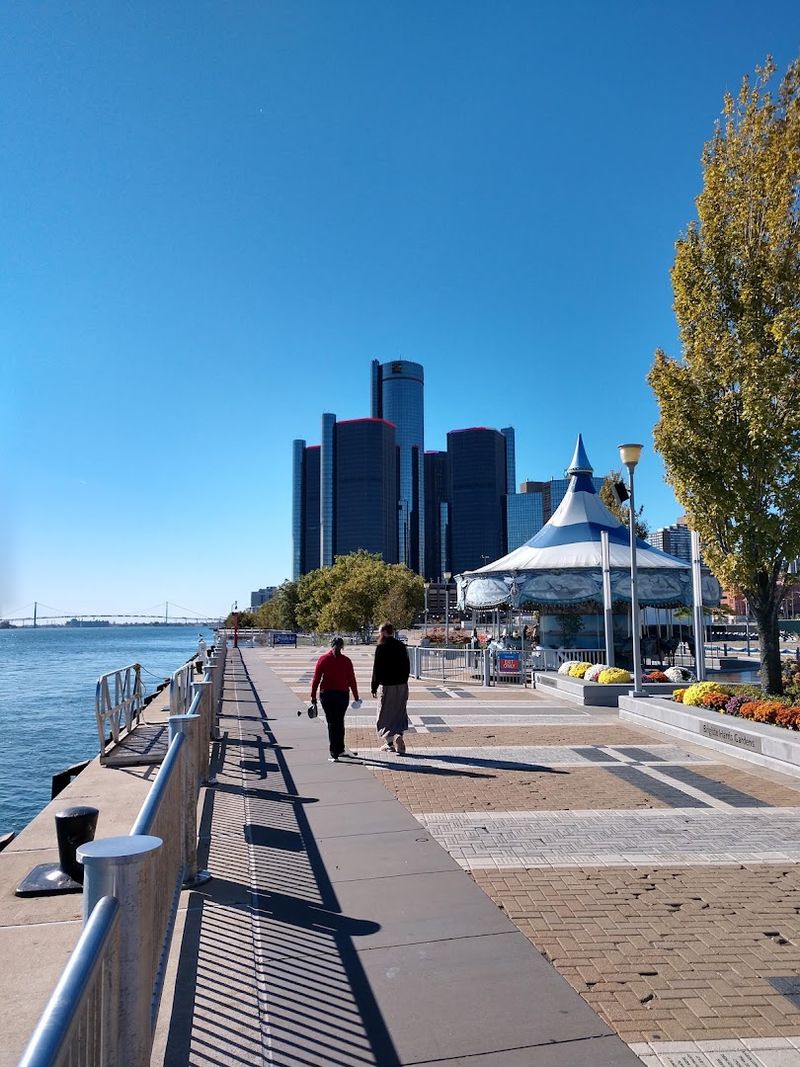
Skylines, river traffic, plazas, public art, and Canada across the water give this walk a completely different energy from Michigan’s small-town piers.
The Detroit International RiverWalk stretches for miles along the Detroit River, transforming former industrial waterfront into one of the state’s most impressive public promenades.
The appeal is civic rather than quaint. Separate spaces for walkers and cyclists, splash features, gardens, benches, fishing spots, parks, and wide river views make the route feel designed for daily life as much as tourism.
Freighters, pleasure boats, and the international border add constant visual motion. History is never far away either. The riverfront connects to stories of industry, migration, trade, and the Underground Railroad, giving the scenery more weight than a simple skyline walk.
This is the place to go when you want a waterfront that feels urban, restored, and ambitious. It proves a riverwalk can be more than a pretty edge.
It can become a city’s front porch, exercise route, gathering space, and symbol of reinvention.
5. Blue Water River Walk
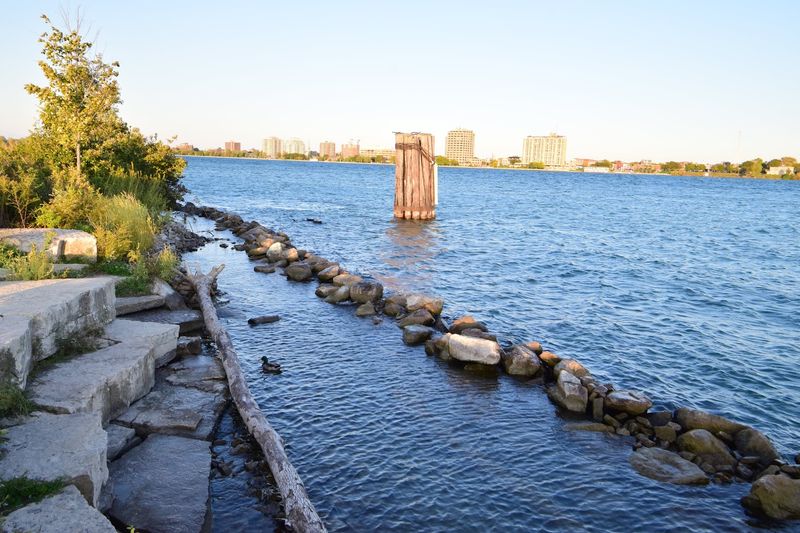
Restored shoreline gives this Port Huron walk a texture that feels more natural than polished.
The Blue Water River Walk follows the St. Clair River south of the Black River, with boulders, native plantings, fishing access, public art, and river views that make the path feel connected to both ecology and industry.
The freighters are the obvious thrill. Watching a massive ship move through the river with Canada visible across the water gives the walk a scale that ordinary park paths cannot match.
The restored railroad ferry dock adds another layer, reminding visitors that this riverfront has been used, altered, and reclaimed over time.
What works best is the balance between education and atmosphere. Outdoor classroom elements and interpretive features explain the shoreline restoration without turning the place into a lecture.
You can learn a little, watch the water, admire the plantings, and still feel like you are simply out for a good walk. It is quiet in places, dramatic in others, and especially rewarding for anyone who likes waterfronts with a visible second life.
4. St. Clair Riverwalk At Palmer Park
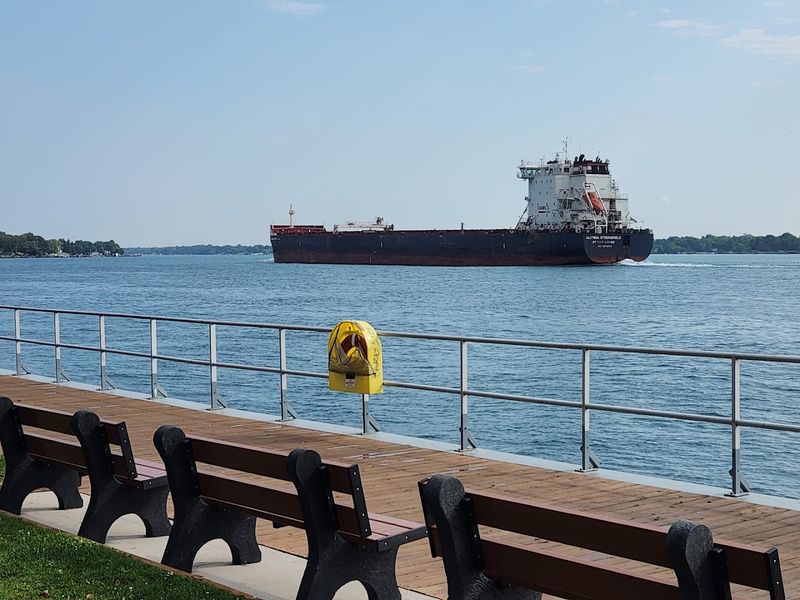
A ship passing close to shore can change the whole mood in seconds. Palmer Park’s boardwalk in St. Clair follows the St. Clair River with a front-row view of freighters, pleasure boats, blue water, and Canada on the far side.
The walk is short enough to be easy but interesting enough to stretch. Gardens, sculptures, plaques, QR codes, benches, and downtown access all add layers beyond the simple pleasure of watching the river move.
The boardwalk is often described as the world’s longest freshwater boardwalk, which gives the stop a local-pride hook before the scenery takes over.
The real magic happens when a freighter glides by and the river suddenly feels like moving infrastructure rather than background. Kids stare, adults reach for phones, and everyone remembers that Michigan waterways are still active corridors, not just pretty views.
With downtown St. Clair nearby, the walk pairs easily with coffee, lunch, or a relaxed afternoon. It is compact, social, and quietly addictive.
3. Manistique Boardwalk And River Walk
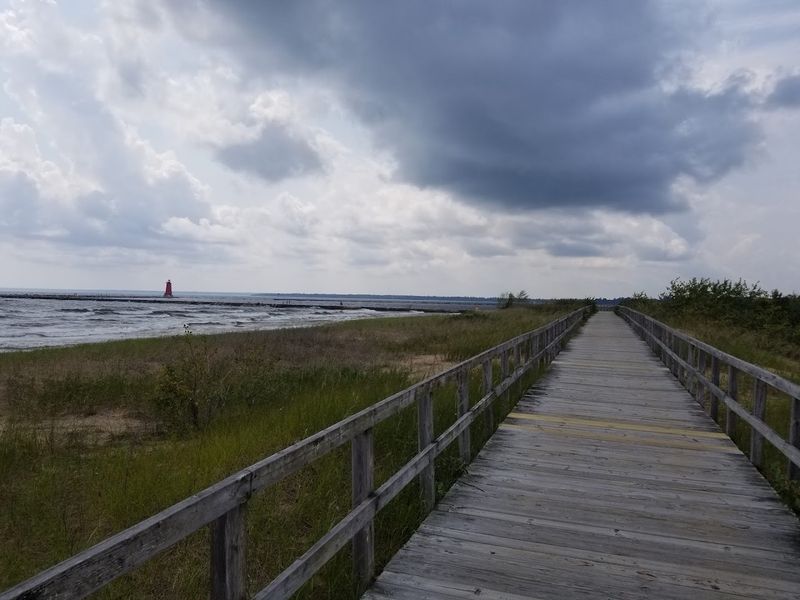
Wind usually announces this walk before the full view does. The Manistique boardwalk follows both Lake Michigan and the Manistique River, creating a long, open Upper Peninsula route where water seems to stay beside you in one form or another.
The path mixes wood and paved sections, with fishing access, picnic areas, interpretive signs, and views toward the red East Breakwater Light. The setting feels spacious rather than crowded, which gives the walk a slower emotional weight.
Nothing hurries here. The lake, river, sky, and shoreline all seem to ask for a quieter pace.
Historical markers add substance, especially those connected to local maritime history and the Carl D. Bradley, the freighter lost in 1958.
That memorial layer keeps the route from feeling like scenery alone. It becomes a place where beauty and loss share the shoreline.
This is one of the more reflective walks on the list, best approached without a tight schedule. Let the wind, signs, lighthouse, and water decide the tempo.
2. Mattson Lower Harbor Waterfront
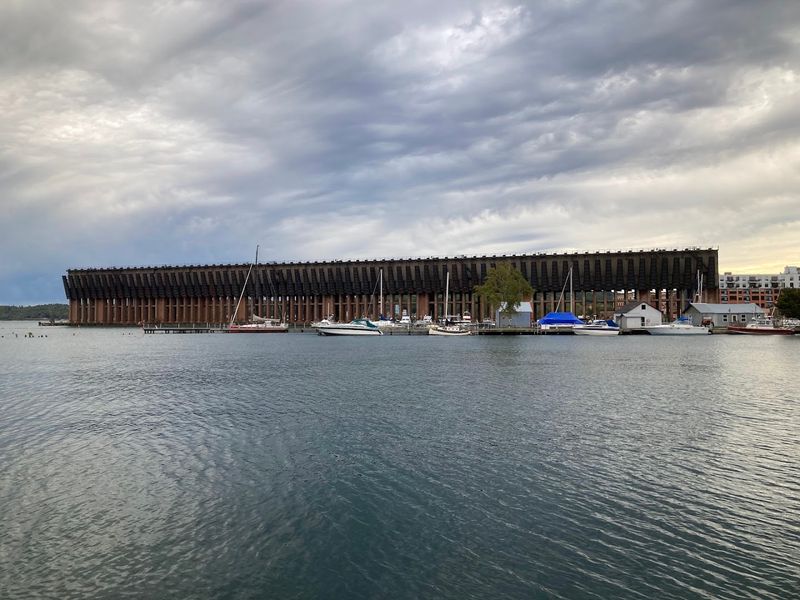
Evening suits this Marquette waterfront beautifully. Mattson Lower Harbor Park feels like a community living room beside Lake Superior, with lawns, paths, harbor views, play spaces, event areas, and that huge ore dock holding the scene together like an industrial backdrop too powerful to ignore.
This entry is less about completing a route and more about inhabiting a place. The park invites wandering, sitting, people-watching, festival-going, boat-gazing, and slow shoreline loops that do not need a strict start or finish.
Kid’s Cove, restrooms, concessions during busy periods, a boat ramp, and lighted walkways make it practical as well as scenic.
The ore dock gives the view its signature. It keeps the waterfront from becoming generic, reminding visitors that Marquette’s beauty includes labor, shipping, rail history, and Lake Superior’s scale.
Around sunset, the park softens. Families drift away, lamps begin to glow, and the harbor takes on a calm that feels almost theatrical. It is a place to linger, not just pass through.
1. East Park And Pine River Channel Walk
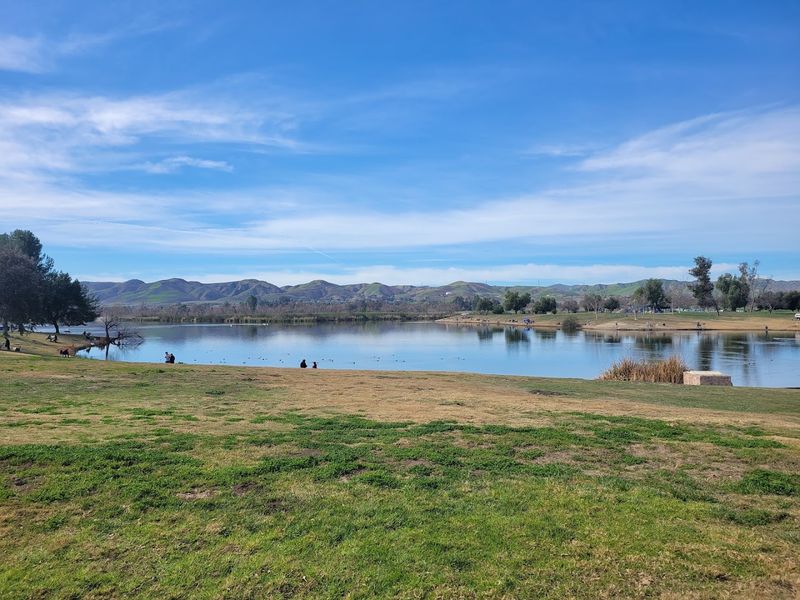
Quiet water and small-town improvisation define this St. Clair area walk better than any single grand landmark. Around the Pine River and nearby downtown waterfront, the experience is less about one famous pier and more about piecing together a gentle shoreline outing.
The appeal comes from flexibility. You can wander near the river, connect the outing with Palmer Park’s boardwalk, look toward the boat harbor, or explore nearby paths and green spaces depending on time and weather.
It is the kind of walk that suits people who like to discover a waterfront gradually rather than follow a heavily branded promenade with a fixed script.
That looser identity can actually be pleasant. The Pine River area feels calmer than the bigger freighter-viewing stretches, and the downtown setting keeps food, coffee, and parking within reach.
Go in expecting a polished tourist attraction and it may feel too subtle. Go in expecting a quiet riverside ramble with room to improvise, and it becomes a useful companion to St. Clair’s more dramatic riverfront stops.