
12 Michigan Campgrounds Hidden So Well Even Locals Do Not Know About Them
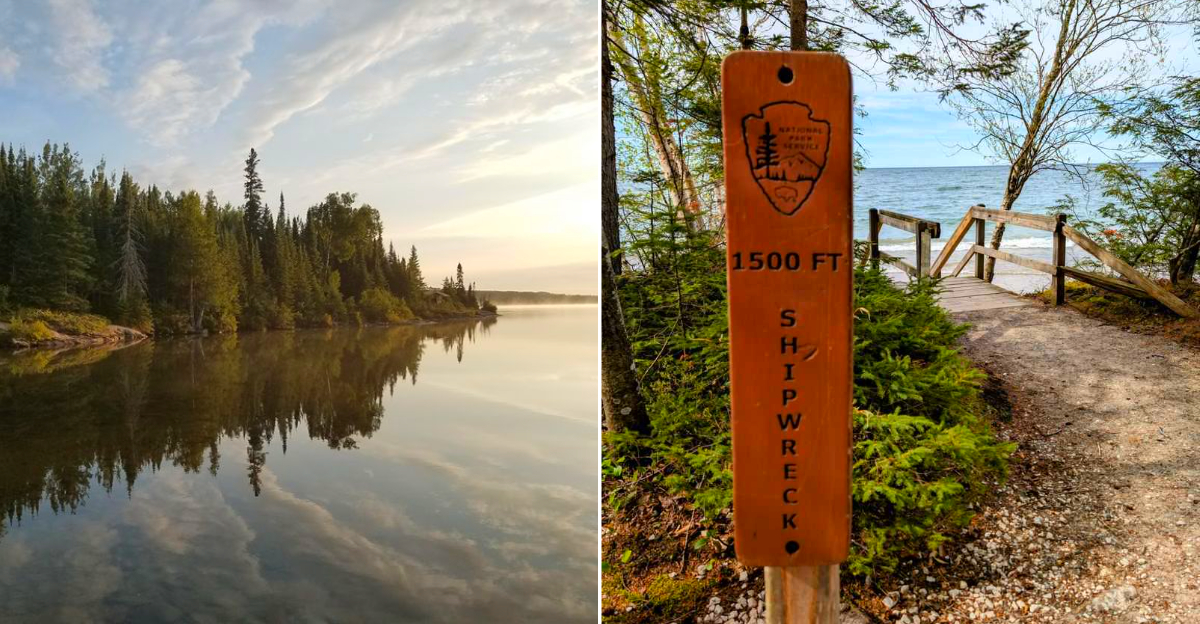
The best campsites in Michigan are not the ones with online booking systems and paved pull-through slots.
They are the ones you reach on a dirt road that your GPS stops recognizing, tucked behind a tree line that blocks the sound of the nearest highway, plus sitting close enough to the water that you fall asleep to waves instead of a generator.
Twelve campgrounds across the state fit that description: a few require a hike to reach, others sit at the end of seasonal roads that close with the first snow, plus more than one has no running water because the point of being there is to not need it.
Whether the preference is a walk-in site on a Lake Superior sand beach or a state forest plot where the nearest neighbor is a quarter mile through the pines, Michigan campgrounds that stay hidden tend to stay that way for a reason.
12. Craig Lake State Park
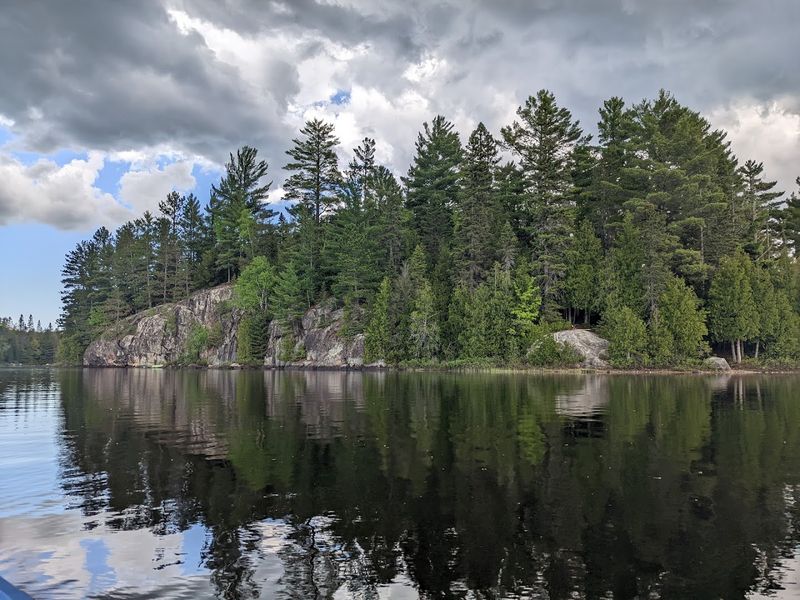
The road into Craig Lake is part warning, part invitation. For eight rocky miles, the park seems determined to ask whether you really want solitude, and that test is exactly why it still feels gloriously underknown.
High clearance is strongly recommended, and in wet weather four-wheel drive is the smart call.
Once you arrive, Michigan’s most remote state park opens into clear water, granite outcrops, and a silence that carries loon calls like a bell. Backcountry campsites are scattered around lakes and woods, with some reachable only by hiking or paddling, so the place never feels crowded.
Even the simple act of unloading gear feels slower here, as if the rough approach has already separated this place from the usual weekend rush.
I love how the difficulty of getting there sharpens your attention. Bring bear-safe food storage, reserve ahead when required, and expect a campground that feels closer to wilderness travel than ordinary car camping in the Midwest.
11. Isle Royale National Park Campgrounds
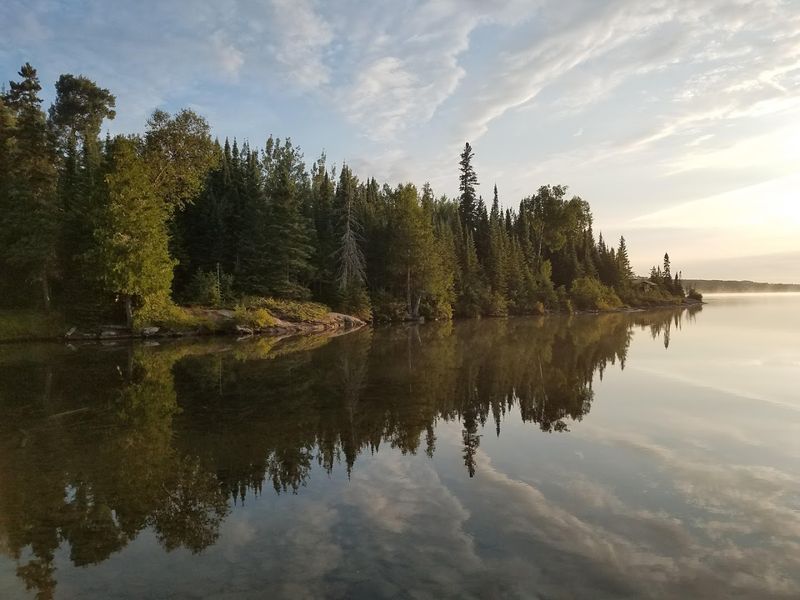
Nothing about Isle Royale feels casual, beginning with the simple fact that you cannot drive there. Reaching the island by ferry or seaplane changes your mindset immediately, and the campgrounds follow that same serious, stripped-down logic.
Everything is primitive, permit-based, and designed for backpackers or paddlers rather than convenience seekers.
The national park has dozens of designated campgrounds spread across the island and nearby islets, usually with tent areas, outhouses, and access to water that must be treated. The setting is Lake Superior at its most stern and beautiful, all cold blue distance, spruce, rock, and weather.
Even among seasoned Michigan campers, this place remains oddly invisible because it demands planning, time, and effort. That effort pays you back with rare silence, unforgettable shoreline camps, and a sense of remoteness few Midwestern places can match.
10. Porcupine Mountains Lost Creek Rustic Outpost Campground
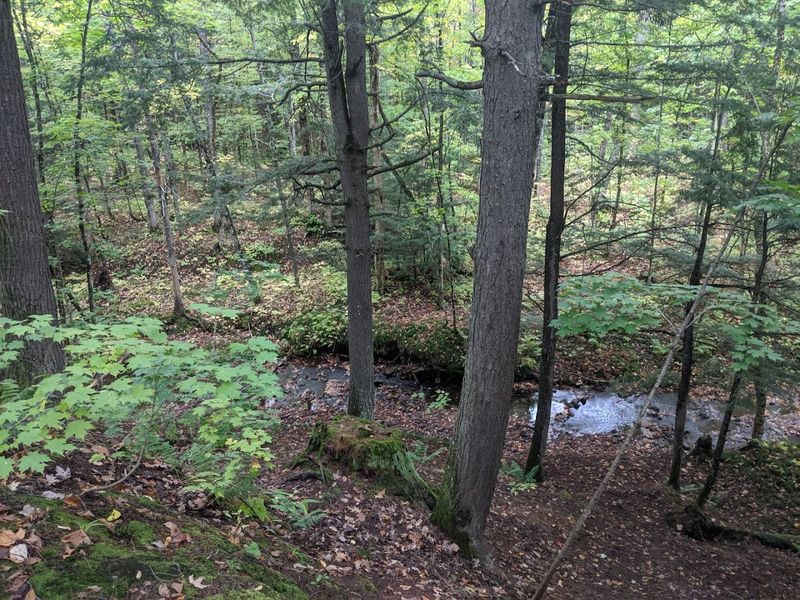
Deep in the Porcupine Mountains, Lost Creek Rustic Outpost offers a version of camping that feels half cabin stay, half backcountry apprenticeship.
It is not a standard campground at all, but a small, hike-in outpost near Lost Creek that lets you sleep with a roof over your head while keeping the wilderness mood intact.
The surrounding park matters here just as much as the site itself. The Porkies hold one of the largest remaining tracts of old-growth forest east of the Mississippi, and the trails around Lost Creek and Lost Lake move through hemlock, maple, and the kind of shade that seems to lower your voice automatically.
Because access requires effort, the place stays quieter than the park’s headline areas. Pack light but thoughtfully, confirm current booking details before you go, and expect a stay shaped more by forest rhythm than campground routine.
9. Fisherman’s Island State Park Campground
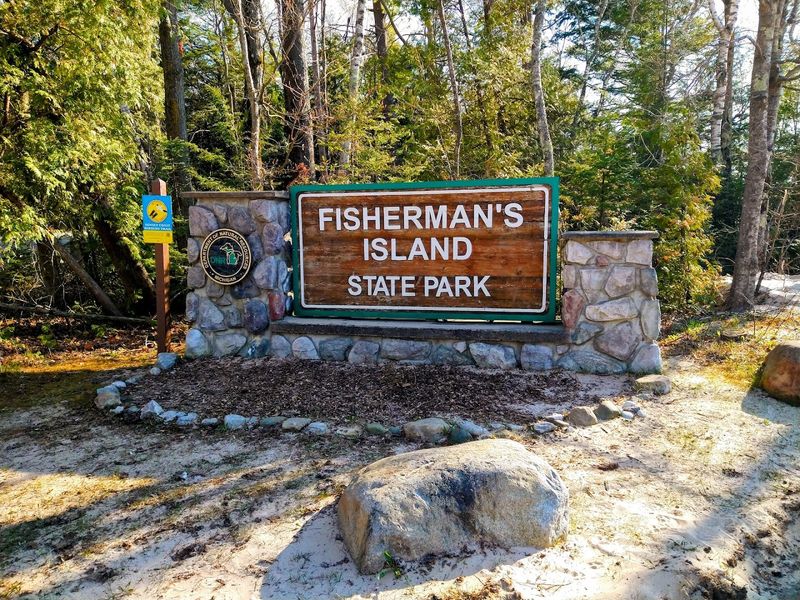
Fisherman’s Island is not actually an island anymore, which somehow suits its low-key charm. The former island became connected to the mainland through shifting lake levels and sediment, and today the park still feels pleasantly cut off, especially once you wander beyond the more obvious access points.
The campground near Charlevoix mixes rustic and modern options, but what makes it memorable is the long, undeveloped Lake Michigan shoreline. Some sites sit close enough to the beach that the sound of waves becomes the whole evening soundtrack, and sunsets here can look improbably theatrical.
It also helps that the park keeps its rough edges, with quiet roads, modest facilities, and enough space between moments that you remember why simple public land can feel more generous than polished private waterfront on busy summer weekends.
I keep recommending this place to people who say they want a shoreline campground without the overproduced resort feeling. Bring sturdy shoes for stone hunting, watch for changing beach conditions, and allow time to simply walk because the shoreline is the real event.
8. Wilderness State Park Walk-In Campground
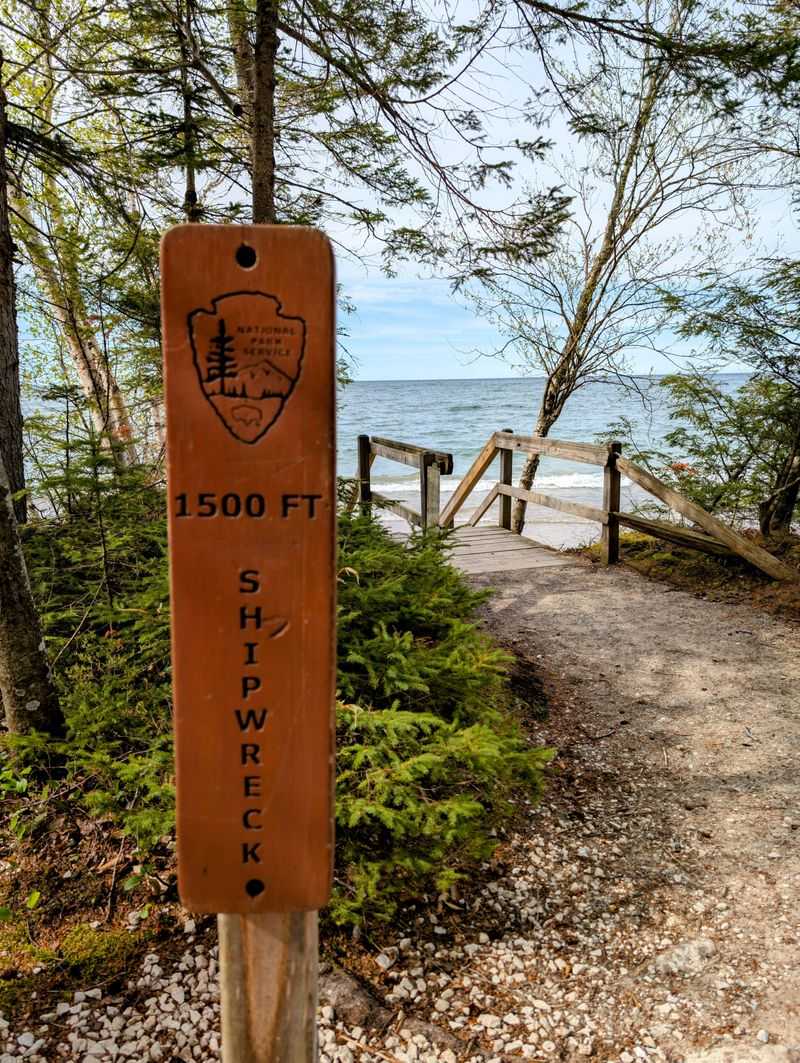
The first thing I remember here is the sky. Wilderness State Park is a designated Dark Sky Preserve, and its walk-in campground lets you step away from the busier loops and into a quieter pocket where night feels genuinely dark instead of just dim.
The park covers more than 12,000 acres west of Mackinaw City, with dunes, wetlands, forest, and a broad stretch of Lake Michigan shoreline. Walk-in sites require carrying your gear a short distance, which is enough to discourage some traffic while still keeping the stay manageable for most campers.
Even before sunset, the walk itself feels like a gentle transition, with sandy paths, wind in the trees, and glimpses of water reminding you that this is still wild country, not just a quieter corner of a popular state park.
That small effort changes the mood completely. Bring a red-light headlamp, layer for cooler nights even in summer, and plan at least one evening with no agenda beyond looking up, because few Michigan campgrounds make the stars feel this close and this numerous.
7. D.H. Day Campground
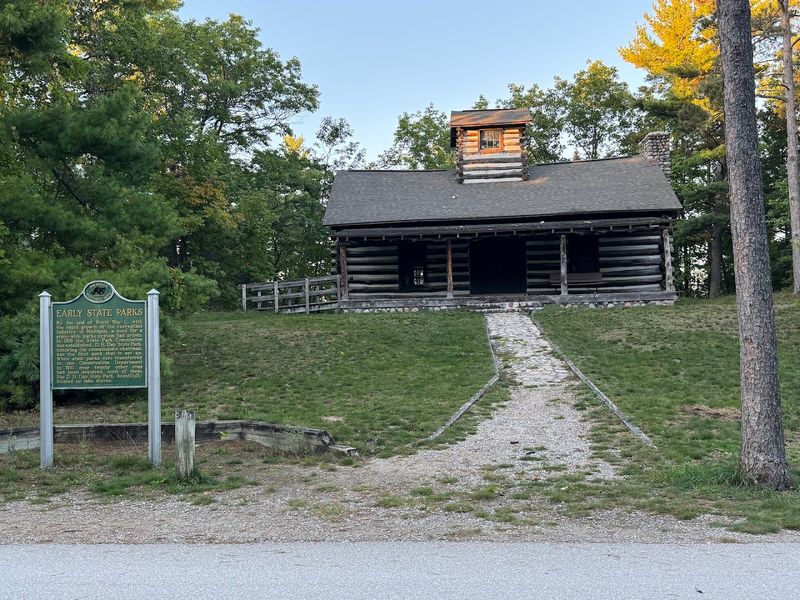
D.H. Day sits inside one of Michigan’s most visited landscapes, yet it still manages to feel tucked away.
The trick is its rustic setup: wooded sites, no electrical hookups, and a soft separation from the busier rhythms of Sleeping Bear Dunes National Lakeshore.
The campground is named for D.H. Day, a prominent local figure and Michigan’s first state park commissioner, and his historic log cabin still stands nearby.
Most campsites are within an easy walk of Lake Michigan, so you get beach access without camping in a parking-lot mood, which is rarer than it should be.
What stays with me is the balance between history and ease. You can spend the day at the Dune Climb, Glen Haven, or the heritage trail, then return to a campsite that feels shaded, quiet, and properly old-fashioned in the best way.
6. Mouth Of Two Hearted River State Forest Campground
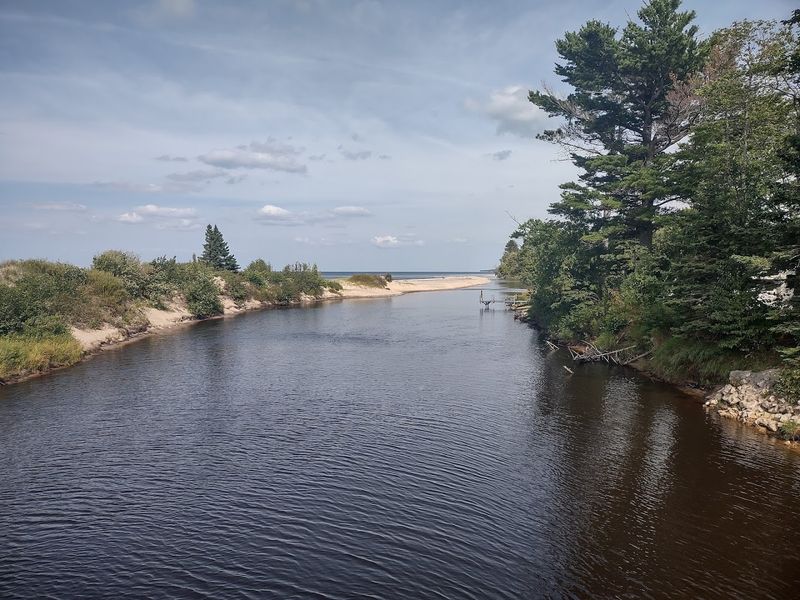
At the mouth of the Two Hearted River, the landscape feels literary before you even mention Hemingway. River, pine, and Lake Superior meet in a way that seems built for long pauses, and the campground keeps things simple enough that the setting remains the main story.
This is a rustic state forest campground northeast of Newberry, with first-come, first-served sites, vault toilets, and hand-pump water. Anglers come for brook trout water, but you do not need to fish to appreciate the place; the appeal is really the broad feeling of distance and the meeting of fresh currents with Superior’s cold edge.
Because it is so far from Michigan’s usual vacation circuits, the campground stays quieter than it deserves. Pack for changing weather, expect limited services, and treat the remoteness as part of the reward rather than a minor inconvenience.
5. Ossineke State Forest Campground
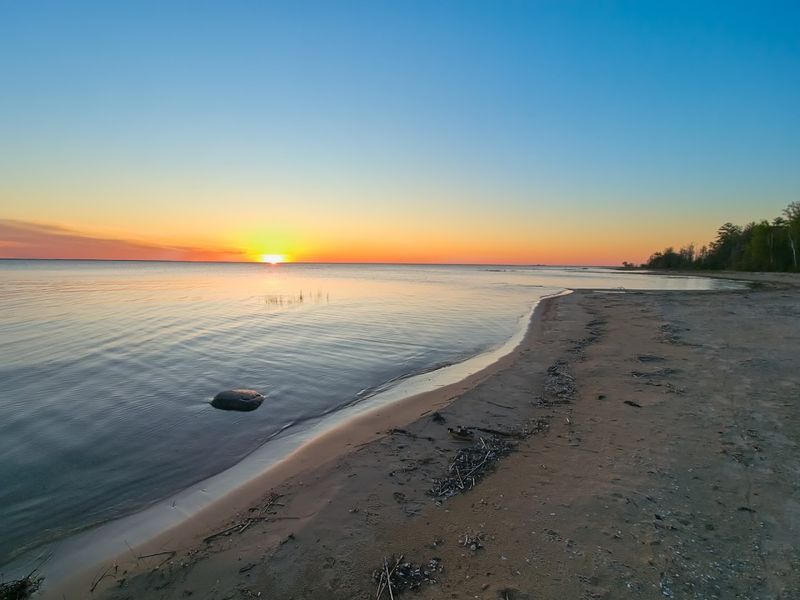
Lake Huron has a gentler public image than Superior, but Ossineke shows how quietly dramatic it can be. This rustic state forest campground sits among cedar and mixed forest near Thunder Bay, with roomy sites and direct access to a sandy shoreline that feels wonderfully unhurried.
The amenities are basic by design: vault toilets, hand-pump water, and a seasonal host rather than the infrastructure of a resort-style campground. That simplicity works in its favor because the open lake views and easy beach access become the focus, especially in the softer light of morning and evening.
I like this place for campers who want water beside them without the noise that often comes with better-known Great Lakes parks. Bring what you need, expect a more unplugged stay, and leave time for a shoreline walk because the beach is the campground’s best common room.
4. Pigeon River State Forest Campground
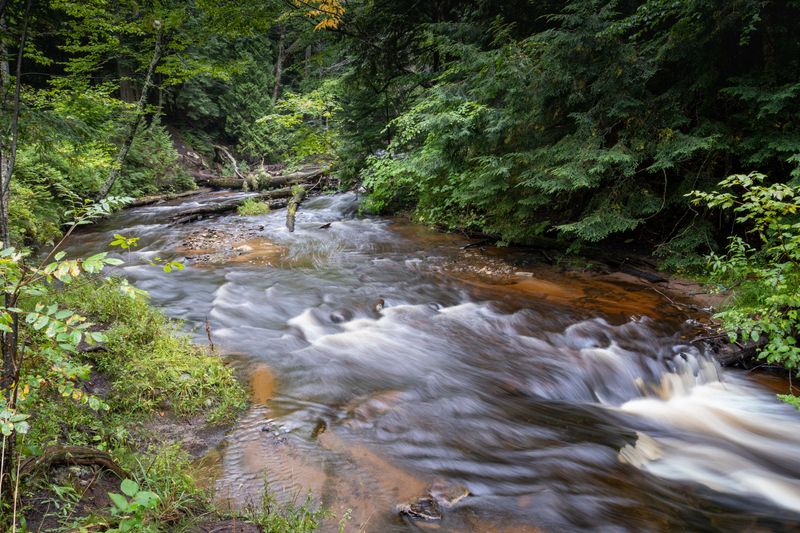
If you camp in Pigeon River Country, there is always a chance the landscape will feel watched, and not in a spooky way. This is Michigan’s famous elk country, and the campground’s seclusion within the larger state forest gives the whole stay a quietly expectant quality.
The sites sit near the Pigeon River, where anglers come for trout and paddlers find a calm, scenic base. Facilities are rustic, usually limited to vault toilets and hand-pump water, but the real infrastructure here is ecological: large forest blocks, river habitat, and the long conservation story that kept this area from being carved up.
That history matters because it explains why the place still feels whole. Visit with patience, especially around dawn and dusk, keep your food secured, and treat wildlife viewing as a possibility rather than an entitlement if you want the best experience.
3. Guernsey Lake State Forest Campground
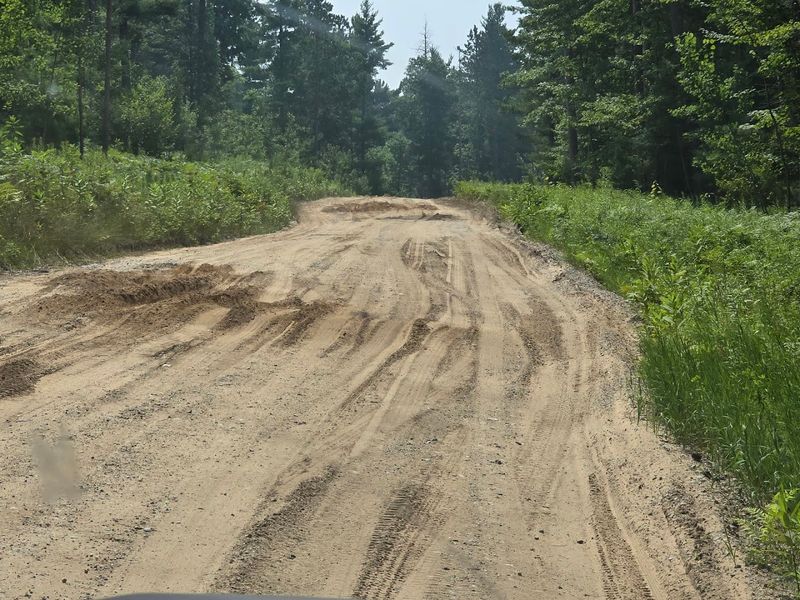
Guernsey Lake does not announce itself the way Michigan’s bigger recreation waters do, which is exactly the point. West of Kalkaska, this state forest campground feels like the kind of place you hear about from someone who pauses before giving directions, just to make sure you will appreciate it.
The campground is rustic, with the expected basics such as vault toilets and hand-pump water, and the lake is known for clear water and good fishing.
Surrounded by state forest land, the setting stays quiet and a little inward-looking, better for paddling, reading, and unhurried campfire evenings than for high-energy campground social life.
What I admire here is the absence of performance. Bring your own entertainment, check road conditions before heading in, and expect a stay shaped by small pleasures: calm water, tree shade, and the relief of not hearing much at all.
2. Keystone Landing State Forest Campground
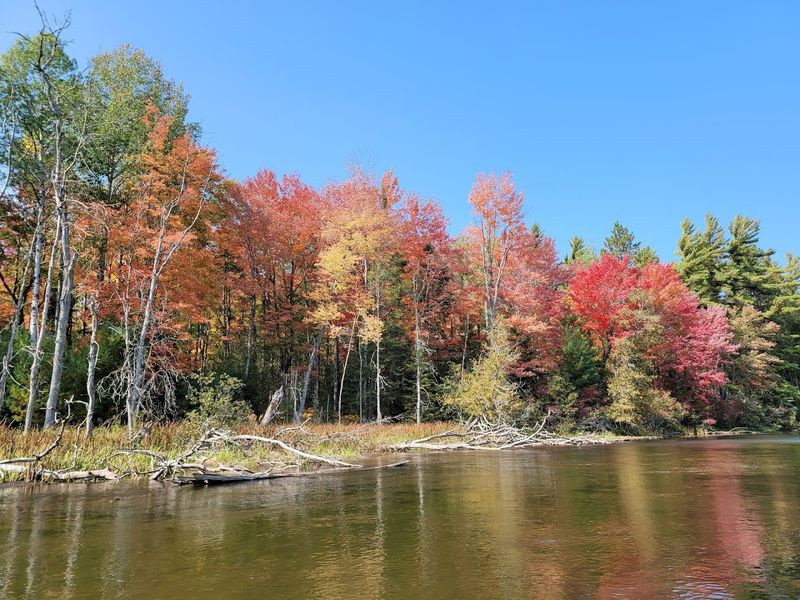
Keystone Landing has the kind of riverside simplicity that makes you wonder why more campgrounds are not arranged around moving water. Set on the main branch of the Au Sable near Grayling, it gives anglers and paddlers an immediate connection to one of Michigan’s most storied rivers.
The campground is small and rustic, with first-come, first-served sites under a hardwood canopy and only basic facilities. That modesty is the charm.
Instead of organized entertainment, you get the sound of current, easy canoe access, and the sort of shade that keeps even warm afternoons civilized.
Autumn is especially good here, when the surrounding forest turns bright and the river seems to carry the season downstream in slow motion. Arrive prepared for primitive conditions, and if you fish, make sure your license and local regulations are sorted before you claim a site.
1. Ludington State Park Campground
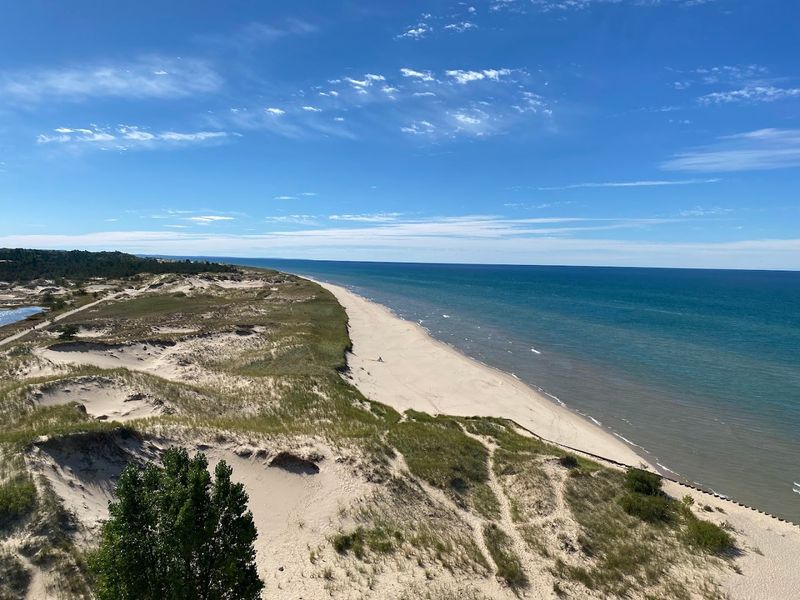
Ludington State Park is the outlier on this list because it is not obscure at all. Yet inside one of Michigan’s best-known parks, the rustic walk-in tent sites create a hidden layer that many visitors miss while focusing on the busier camp loops, beach traffic, and day-use routines.
The park sits between Lake Michigan and Hamlin Lake, with dunes, forest, marsh, and access to the Big Sable Point Lighthouse trail.
Those walk-in sites, tucked among jack pines and sand, feel more secluded than the park’s popularity would suggest, and they deliver a distinctly different experience from the modern campground sections.
You still get the full Ludington setting, but with a slower rhythm, where the lake wind, sandy paths, and filtered evening light make the campground feel less like a packed destination and more like a private doorway into the park.
I think of this as hidden in plain sight. If you want Ludington’s landscape without quite so much campground bustle, reserve early, pack lightly for the short carry, and spend time on foot because the trails are what unlock the park’s quieter personality.