
12 Michigan Campgrounds So Well Hidden Even Locals Miss Them
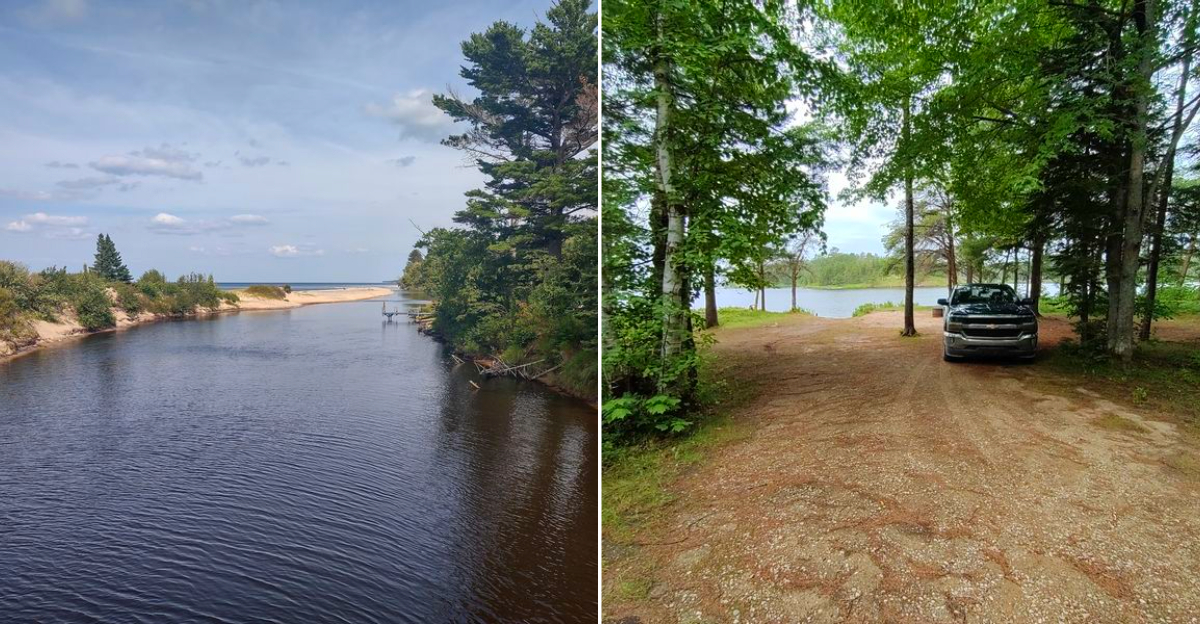
The best campgrounds are the ones nobody talks about. Hidden down unmarked roads, tucked behind state forest boundaries, and missing from most online maps. These are the sites I have spent years tracking down across Michigan.
No reservations required. No crowded loops with neighbors ten feet away. Just a fire ring, a patch of flat ground, and the sound of water nearby to lull you to sleep. Some require a short hike from the parking area.
Others sit so close to the lake that you can cast a line from your chair. What they share is a kind of solitude that the popular campgrounds lost years ago.
I checked each one against state forest records and camper reports to make sure they are still accessible and still worth the drive. If you value quiet over convenience, these hidden Michigan campgrounds deliver exactly what you have been searching for.
12. Mouth Of Two Hearted River State Forest Campground
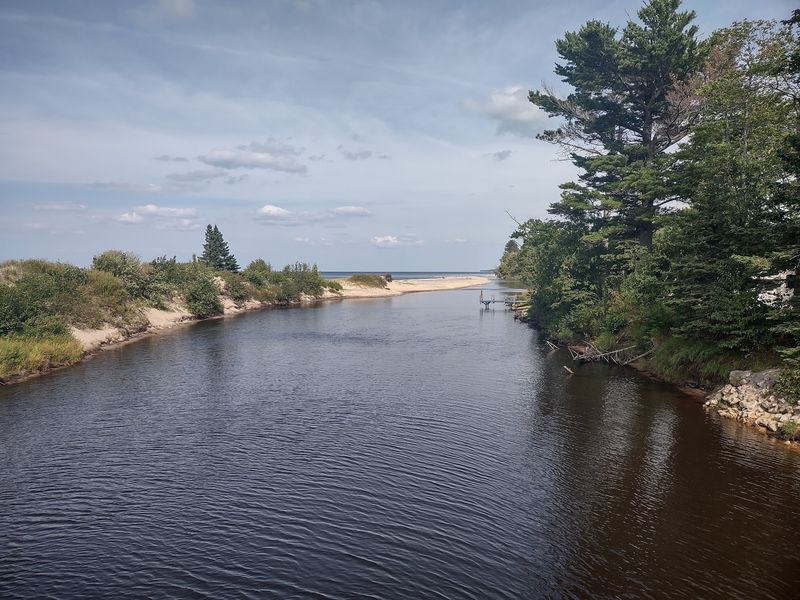
First, you hear water doing two jobs at once. The Two Hearted River slides toward Lake Superior, and the whole place feels tuned to current, wind, and open sky instead of traffic or screens.
The campground is rustic, with 36 first come, first served sites, vault toilets, and potable water from a hand pump. A boat launch and skid pier make paddling easy, while the suspension footbridge leads toward the lake side for rock hunting and wide sunsets.
I would also leave time to walk beyond the campsite, because the meeting of river and lake changes character with every few steps. Driftwood, stones, moving water, and the broad Superior horizon make even a short wander feel wonderfully remote.
Anglers come for salmon and steelhead, but even nonfishers get plenty here. GPS can be unreliable, cell service is absent, and that is part of the point.
Bring paper directions, extra supplies, and enough daylight for the drive in, because getting lost out here would be far less charming after dark.
11. Blind Sucker No. 1 State Forest Campground
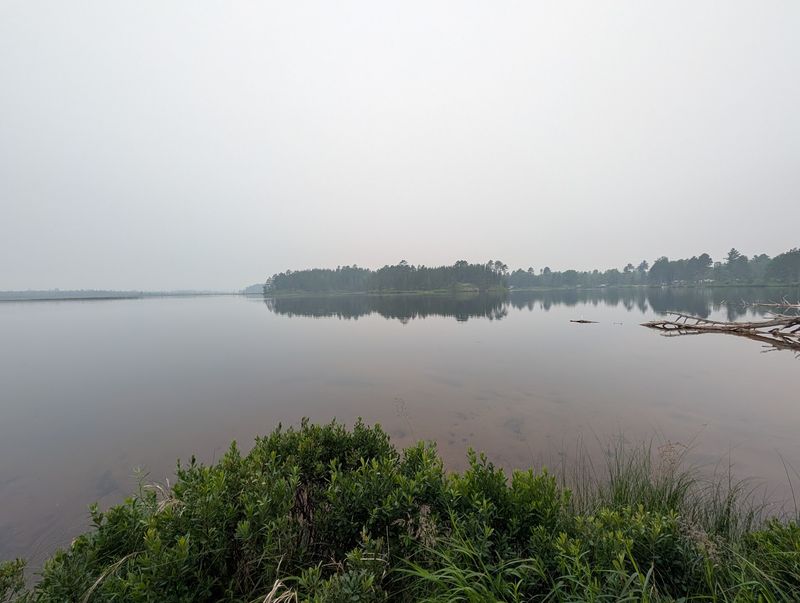
Dark skies arrive fast here, and once they do, the campground feels almost tucked outside regular time. Blind Sucker No. 1 sits beside the wildlife flooding, where many of the 17 rustic sites line the water and invite a quiet paddle straight from camp.
The 7.3 mile Blind Sucker Pathway runs through the campground and reaches the Lake Superior shoreline in under a mile, which gives the place more range than it first appears to have. Fishing for pike, perch, and panfish adds another reason to stay put for a while.
The road can be rough, and mosquitoes can be fierce in warm weather. Pack real bug spray, not wishful thinking.
If you want solitude without showy scenery trying too hard, this one has a plain, honest kind of magic that lasts well past sunset.
10. Blind Sucker No. 2 State Forest Campground
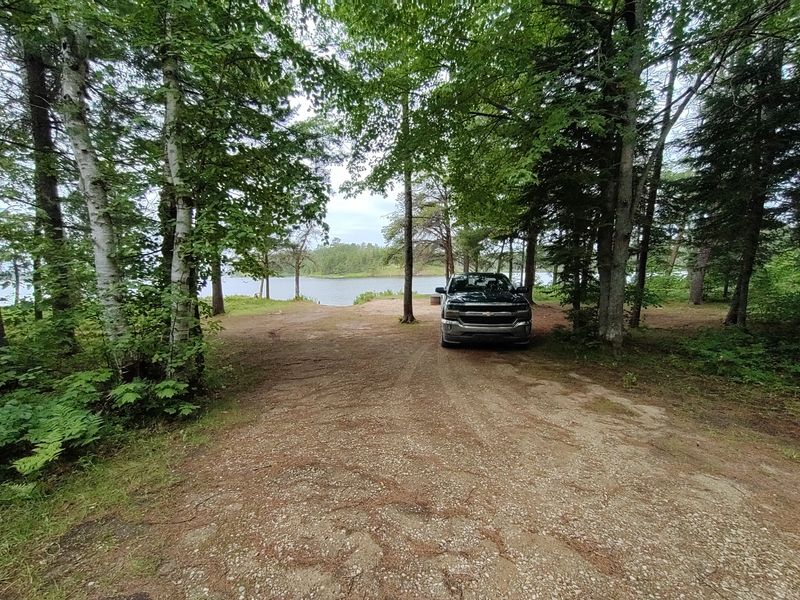
A long dirt road usually scares off the casual crowd, which is excellent news for everyone else. Blind Sucker No. 2 sits in the woods along the flooding, with 31 first come, first served sites and several right on the water.
The setup is simple: vault toilets, a hand pump well, deep shade, and that soft evening chorus of waterfowl at dusk. There is also a boat launch for paddlers and anglers, plus access to the Blind Sucker Pathway, which connects with the North Country Trail and heads toward Lake Superior.
Morning is especially good here, when mist hangs above the flooding and the first paddlers move quietly through the water. A breakfast beside camp feels almost extravagant, even when it is only coffee, toast, and silence.
I like this campground because it often still has openings when more famous places are packed. It does not try to impress anyone.
Instead, it gives you room, calm water, and the rare camping pleasure of hearing almost nothing artificial once the light starts to thin.
9. Lake Superior State Forest Campground
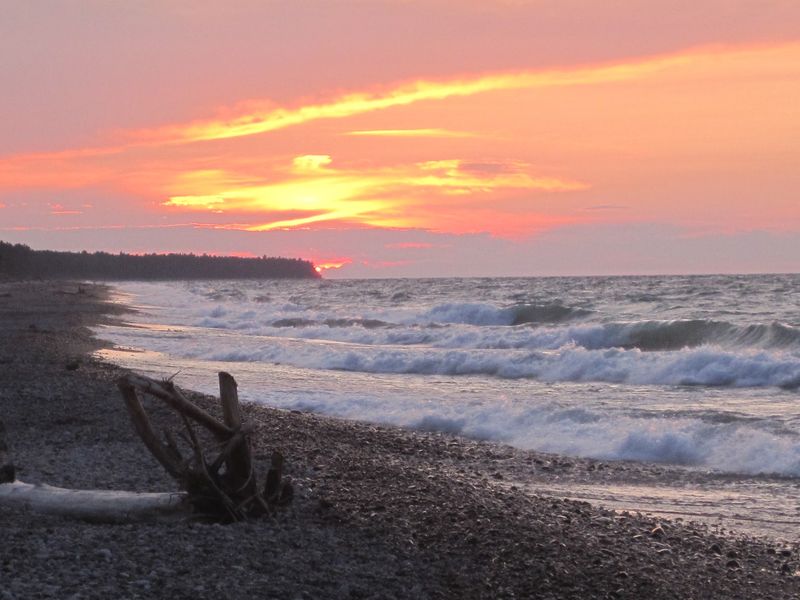
Lake Superior has a way of making even a small campground feel bold. Here, the sites sit right along the shoreline, and the real attraction is not fancy equipment or planned entertainment.
It is the giant lake itself, always changing mood.
The campground has 18 first come, first served sites, vault toilets, and potable water from a hand pump. About 12 miles east of Grand Marais, it stays pleasantly out of the way while still being reachable without heroic effort.
The sandy beach is known for agate hunting, which can turn an ordinary walk into a focused little treasure search.
Boating and more fishing access are nearby rather than in camp, so come mainly for beach time, lake watching, and the sense of being perched beside something huge. A simple chair by the shore does excellent work here, especially near sunset.
8. Bodi Lake State Forest Campground
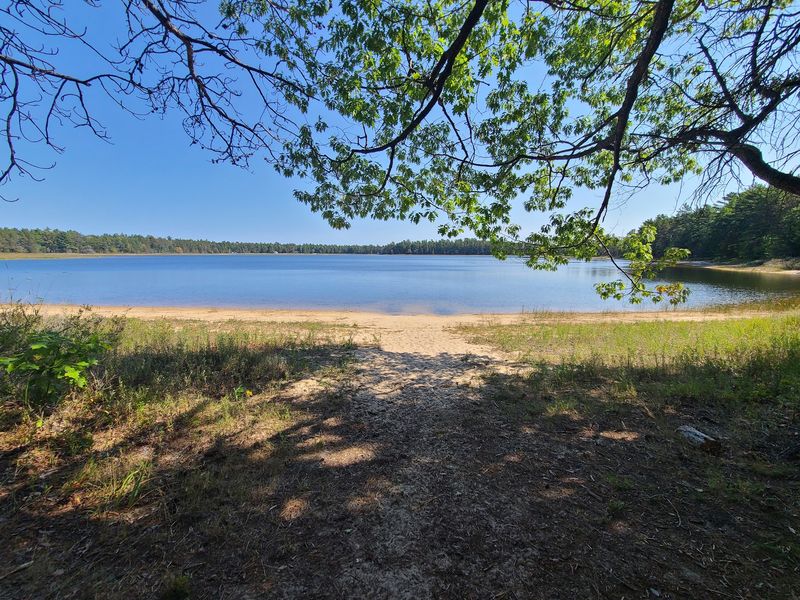
The road into Bodi Lake rattles your car enough to make the arrival feel earned. After miles of washboard dirt, the campground appears as a calm, wooded pocket beside a lake that seems made for canoes, quiet mornings, and people who do not need constant signals.
There are 12 campsites, many with direct lake access, plus a small dock and boat launch on the north side. Bodi Lake is known for strong numbers of walleye and pike, and the no wake rule keeps the water peaceful for paddlers.
A 1.25 mile pathway circles in more hiking than you might expect. That smaller scale changes the atmosphere too, because there is less traffic, fewer engines, and more room to hear loons, paddles, and wind through the trees.
Even a short stay feels removed from the busier campgrounds scattered across the region.
In berry season, the trail can offer a nice surprise underfoot. Cell service is not part of the package, which honestly improves the mood.
Bring what you need, slow down, and let the lake set the pace instead.
7. Pike Lake State Forest Campground
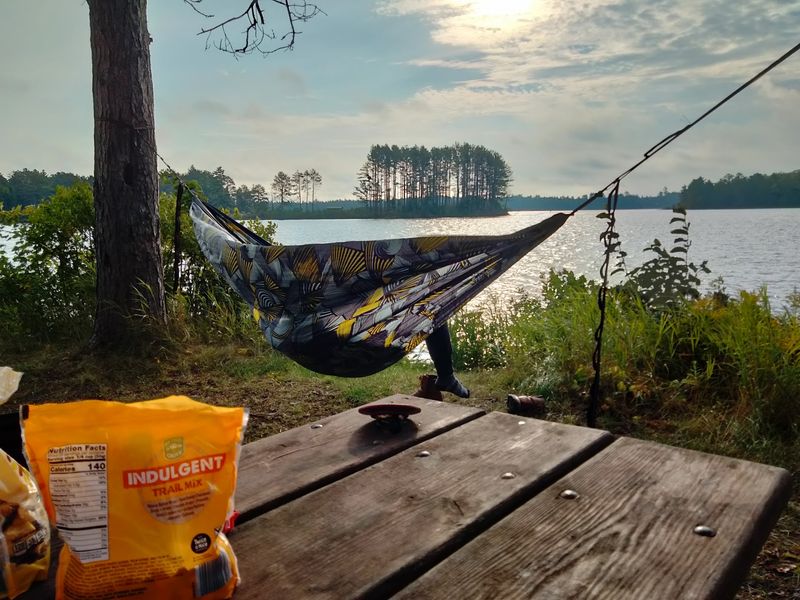
Small campgrounds can feel more personal, and Pike Lake proves that quickly. With only eight rustic sites on the northwest side of the lake, it has the compact, low fuss atmosphere of a place people find and then quietly keep to themselves.
Most sites touch the shoreline, so launching a kayak or canoe can be as simple as carrying it a few steps. The 292 acre lake is known for pike, walleye, and largemouth bass, while the no wake rule helps keep the water calm.
Amenities stay basic, with vault toilets and a hand pump well.
Locals do use the lake, so total isolation is not the point. What you get instead is a straightforward, water centered camp with easy fishing access and the kind of quiet evening that makes a stove cooked dinner taste unusually good.
6. Big Knob State Forest Campground
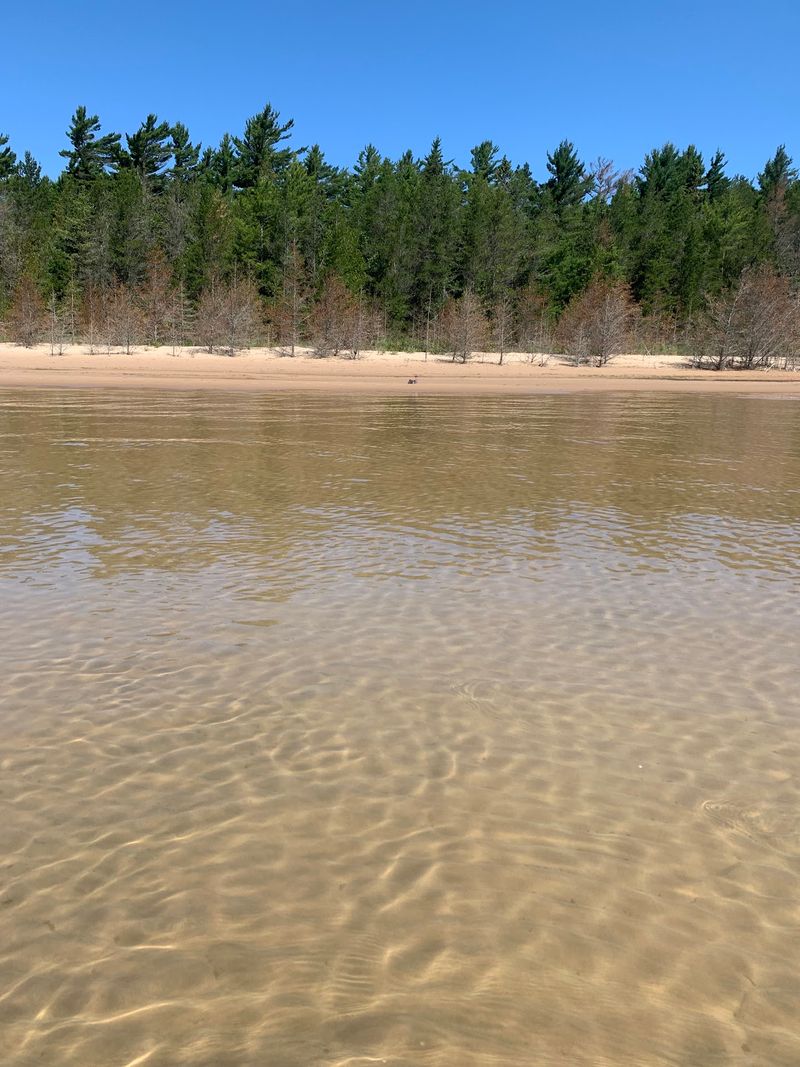
Six miles of gravel road is a fine way to shake off hurry. Big Knob sits on Lake Michigan in mixed hardwoods, and many of its 23 first come, first served sites have short private footpaths that cross low dunes and spill onto a sandy, surprisingly quiet beach.
The beach is the star, but the campground never feels flashy about it. You hear lake sounds more than human ones, and that helps the place keep its steady, almost secretive charm.
Nearby pathways, including the Marsh Lake Pathway, add a good reason to leave the camp chair for a while.
Late spring and early summer bring serious insect pressure, so come prepared with strong repellent and long sleeves. I would not skip it because of bugs, though.
On a still evening, the private little path from your site to the shoreline feels like a reward designed just for you.
5. Hog Island Point State Forest Campground
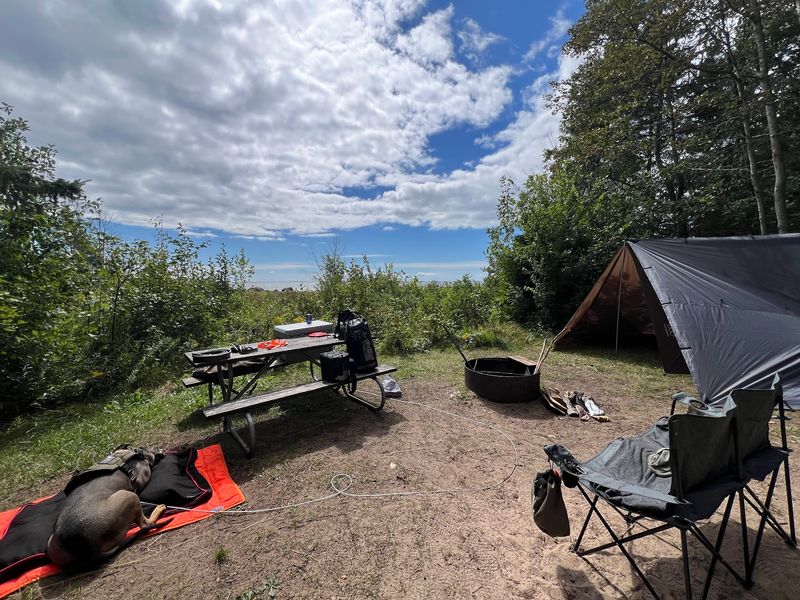
Some campgrounds reveal themselves in pieces, and Hog Island Point is one of them. One section gives you rocky shoreline to wander, another opens into a sandy day use beach, and the whole place carries that brisk Lake Michigan energy that keeps summer evenings feeling fresh.
There are 42 rustic sites, with many offering direct access to the water. Vault toilets and a hand pump well keep things simple, which suits the setting.
A few interior spots can catch highway noise from US 2, but closer to the shoreline, waves and wind usually take over the soundtrack.
Beachcombing works well here, and paddlers have a broad stretch of lake to explore when conditions cooperate. Pack layers even in warm months, because the breeze can shift quickly.
It is a practical little reminder that Great Lakes weather still likes to be in charge.
4. Portage Bay State Forest Campground
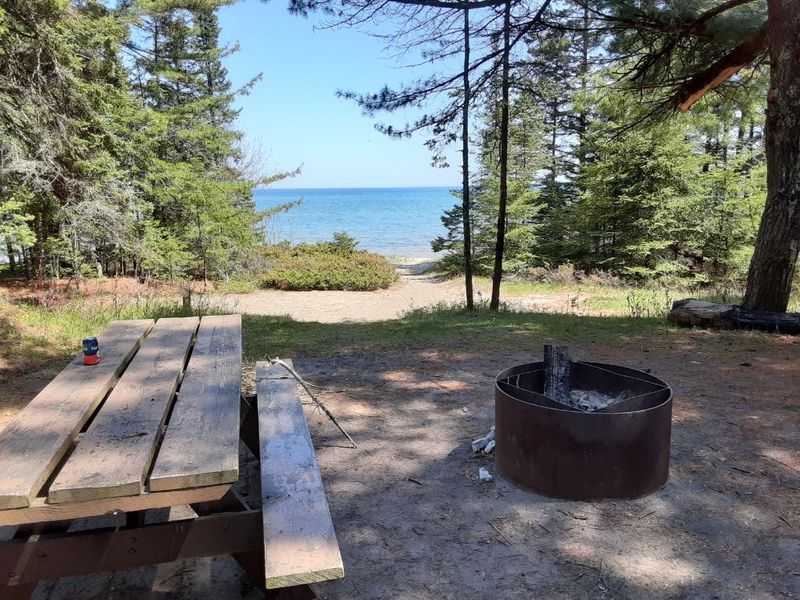
The road narrows, the traffic disappears, and then Portage Bay arrives at the end like a quiet answer. Seven miles down dirt and gravel on the Garden Peninsula, this campground avoids through traffic completely, which gives it an almost tucked away finality.
Its 23 first come, first served sites loop around a small peninsula on Lake Michigan, and many face the bay with excellent sunrise views. The cove is shallow and often pleasant for swimming by late June, while a nearby boat launch helps kayakers get on the water without much fuss.
Behind camp, the 2.7 mile Ninga Aki Pathway winds through forest.
Cell service is scarce, and that feels appropriate. I remember how still the mornings seemed here, as if everyone had agreed not to talk over the water.
If you want unplugged camping with room to think, Portage Bay handles that beautifully.
3. Fox River State Forest Campground
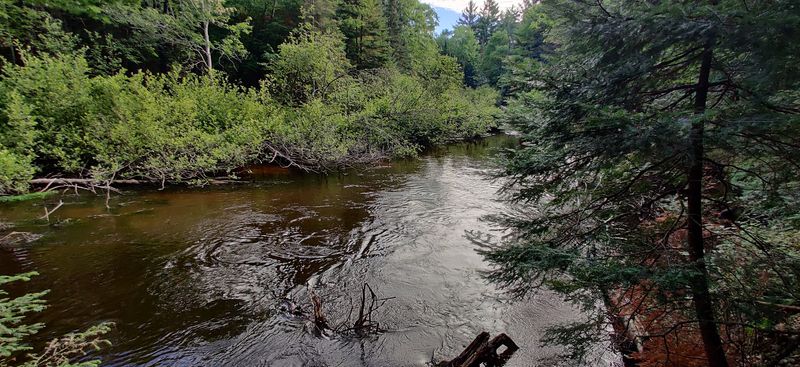
History lingers at Fox River in concrete shapes and odd little clues. What looks at first like a simple rustic campground on a bluff turns out to be the site of a former fish hatchery that operated from 1936 into the mid 1980s.
Old release slabs and storage remnants still sit around the property, and a stone memorial points toward Ernest Hemingway connections in the area. The Fox River itself is managed as a natural river and is well known for wild brook trout.
Multiple stairways lead from camp down to the water, and the Fox River Pathway threads through for longer walks.
The site count varies by source, which somehow suits a place with this much mystery in its bones. Even if you do not fish, the river has a quiet pull.
It feels thoughtful here, as though the land remembers every use it has ever had.
2. Kingston Lake State Forest Campground
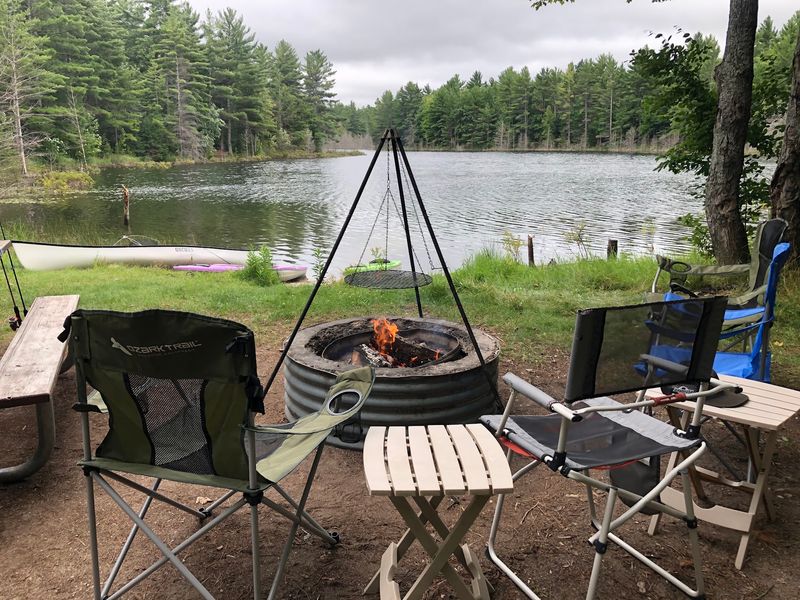
Kingston Lake almost wraps around this campground, which gives the whole place a waterbound, tucked in feeling. Set on a peninsula near Shingleton, it offers 16 rustic sites and easy access to paddling, fishing, and the kind of quiet that makes every splash sound important.
The nearby Kingston Plains carry a very different mood. Often called a sea of stumps, the landscape reflects the fierce logging era of the late 1800s and gives the area a haunting bit of regional history.
Back at camp, anglers chase muskie, bluegill, and bass, and a boat launch sits on the northeast side.
The Fox River Pathway starts useful adventures in either direction, and Pictured Rocks National Lakeshore is the big nearby draw. Still, the campground itself is not just a base camp.
It has its own personality, half peaceful lake retreat and half reminder of the Upper Peninsula’s rougher past.
1. Emily Lake State Forest Campground
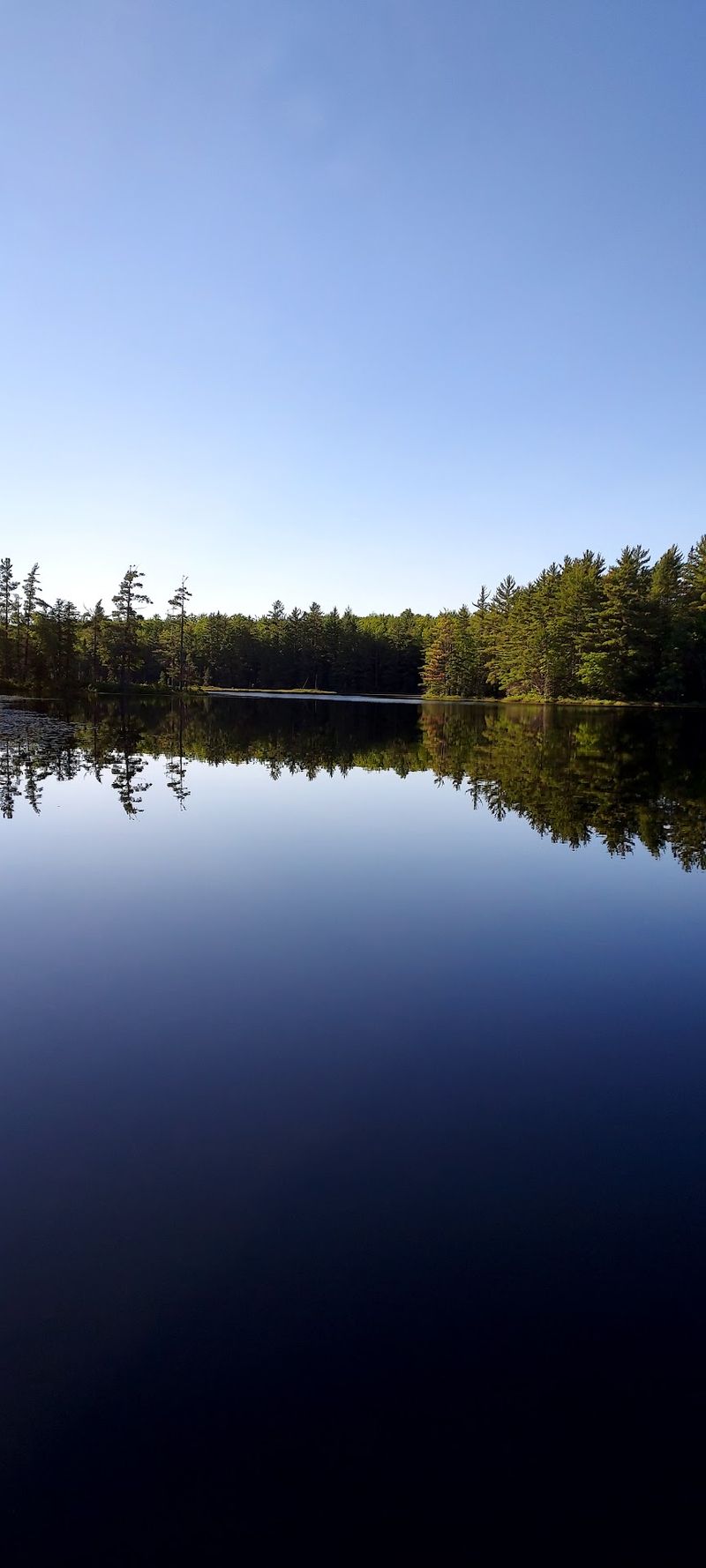
Tall conifers and hemlocks give Emily Lake an almost sheltered feeling, like the campground has been carefully tucked under the trees. With only nine rustic sites overlooking a 54 acre lake, it feels modest in size but rich in the kind of quiet that actually settles people down.
The campground offers vault toilets, potable water from a hand pump, and a boating access site that makes a quick paddle easy. Fishing is one of the main draws, with largemouth bass, bluegill, rainbow trout, and perch in the lake.
Nearby, the Bill Nicholls Trail opens up miles of multi use travel beyond the shoreline.
Navigation matters here. GPS may send you over rougher gravel approaches, but M 26 to Emily Lake Road is usually smoother.
I appreciate a campground that saves its best quality for the end of the day, when the lake goes still and the trees start holding sound like soft walls.