
13 Michigan Day Trips That Are Actually Worth Taking By The End Of 2026
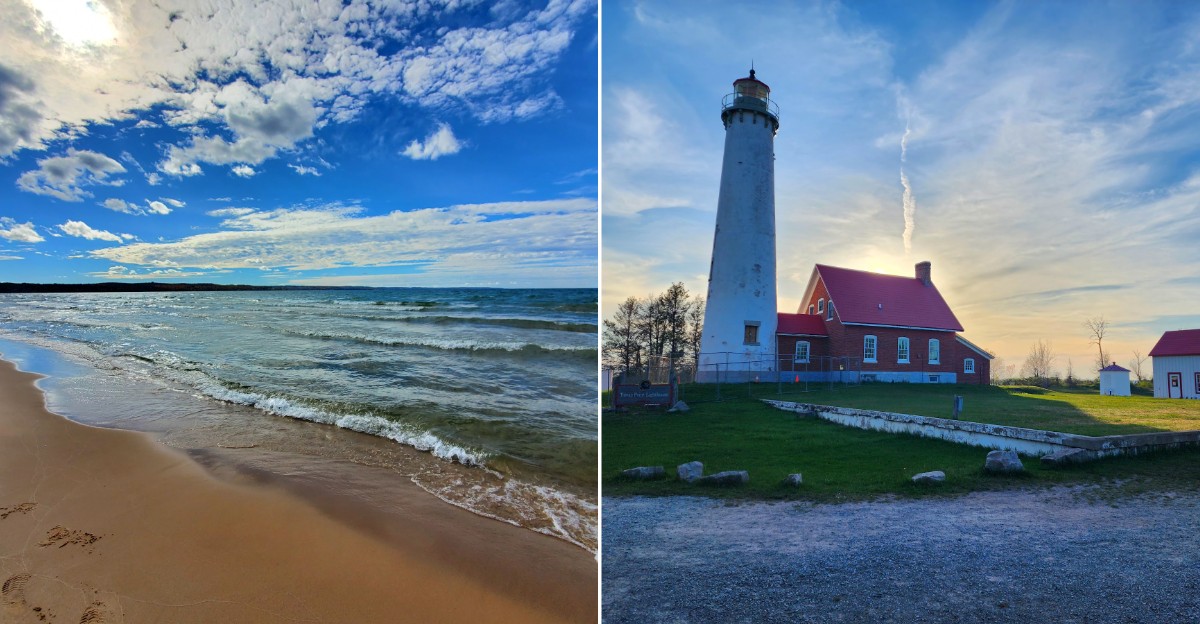
You have driven past the exit sign a dozen times. Each time you tell yourself next time. These trips are the reason to stop waiting. Towering sand dunes that shift with the wind.
Waterfalls tumbling over drops in amber foam. A ghost town from the eighteen hundreds frozen on the shore of a northern bay. Old-growth white pines that predate European settlement.
Their canopy darkens the trail below. Lighthouse piers you can walk to the end of before the sun drops below the horizon. Lake shorelines that stretch for miles of quiet wilderness.
Historic sugar mill ruins crumbling under moss. Canoe trails through cypress swamps where the water moves so slowly it looks like glass.
Each destination sits close enough for a morning departure plus an evening return. Michigan day trips deliver towering dunes, ghost towns, plus waterfalls that make every mile of the drive worthwhile.
13. Sleeping Bear Dunes National Lakeshore – Philip A. Hart Visitor Center
A giant relief map makes the scale of Sleeping Bear Dunes clear before sand ever enters your shoes. Located at 9922 Front Street in Empire, the Philip A.
Hart Visitor Center supplies park passes, maps, current conditions, and practical guidance from rangers and volunteers. Exhibits explain how wind, water, forests, and people shaped this protected Lake Michigan landscape.
Watch the park film, Water, Sand, and Sky, if your schedule allows. Senator Philip A.
Hart helped establish the national lakeshore in 1970, and the center bearing his name provides useful context for that preservation story. Modern restrooms, a bottle-filling station, and a gift shop make it a sensible first stop.
Arrive early, ask which overlooks match your available time, and confirm trail conditions before driving deeper into the park. Cell service can vary, so keep the paper map handy during your trip.
12. Sleeping Bear Dunes – Dune Climb
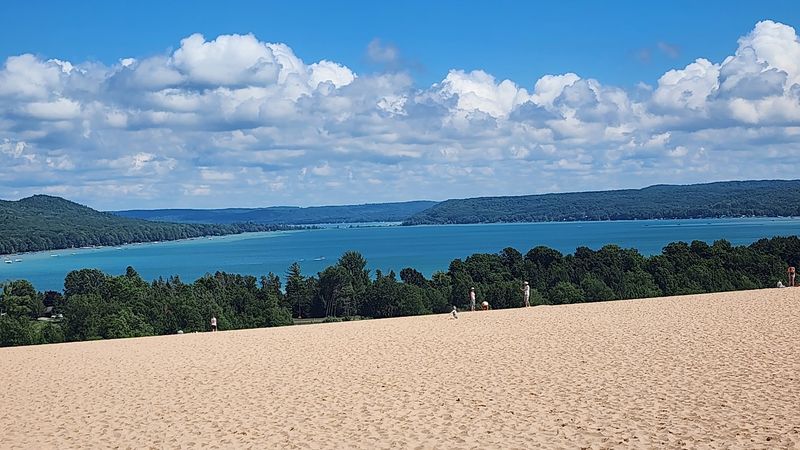
Soft sand turns every step into a small negotiation at the Dune Climb. The first slope rises dramatically beside Dune Highway, and reaching its top reveals a rewarding view toward Glen Lake.
Shoes protect feet from hot sand and sharp plant stems, while water matters more than many visitors expect on exposed dunes.
Continuing beyond the first crest is a serious choice, not a quick stroll. The Dunes Trail crosses repeated sandy hills for about 1.75 miles before reaching Lake Michigan, and the full outing can require three to four hours.
Follow marked posts because similar ridges can become confusing. Pack sun protection, avoid trampling dune grass, and turn around before energy runs low.
Families seeking a shorter visit can climb one ridge, enjoy the scenery, and descend. Running downhill feels hilarious, but controlled steps reduce tumbles, collisions, and pockets completely filled with sand afterward.
11. Holland State Park
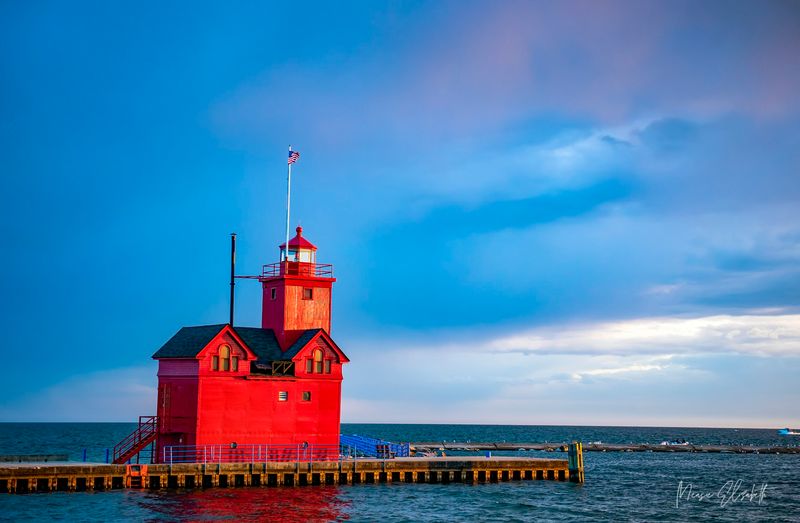
Across the channel, Big Red looks almost too neatly painted to be a working landmark. Holland State Park occupies 142 acres between Lake Michigan and Lake Macatawa, giving visitors different waterfront settings within one destination.
The present lighthouse developed from an 1870 wooden structure and remains the park’s unmistakable visual anchor.
Choose the Lake Michigan beach for broad horizons and stronger waves, or explore the calmer Macatawa side. Nearby Mount Pisgah offers an elevated view reached by stairs and a boardwalk, though the climb deserves steady shoes and patience.
Paved routes also support relaxed walking and biking around the Ottawa Beach area. Summer parking fills quickly, so an early arrival saves circling and muttering.
Check swimming conditions, remain outside restricted channel areas, and bring a wind layer even on sunny days. Accessible features, including track chairs when available, help more travelers reach the sand comfortably and safely.
10. Grand Haven State Park
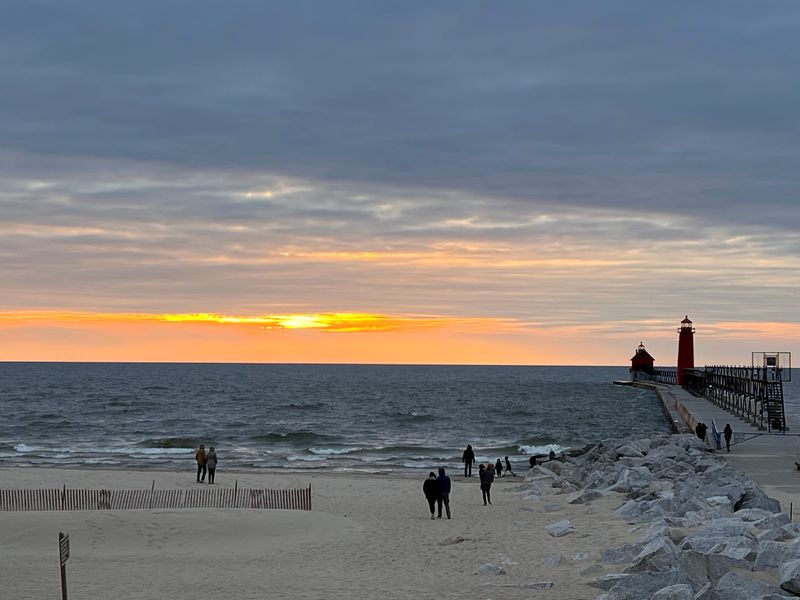
Two red lighthouses stand beyond the beach like punctuation marks at the end of Grand Haven’s waterfront. Established in 1920, this compact 48-acre park spreads along Lake Michigan beside the Grand River mouth.
Its wide sand, busy pier scene, and passing boats create more bustle than solitude, especially on bright summer weekends.
Follow the nearby boardwalk along the river for roughly a mile toward downtown, where food and shops can extend the outing without another drive. Swimming, volleyball, sunbathing, and sunset watching are popular, but changing waves and channel currents demand attention.
Never jump from the pier or walk onto it during dangerous conditions. Parking becomes competitive, so arrive early or consider city parking farther inland.
A picnic tastes better with lighthouse views, although gulls may present themselves as unpaid lunch inspectors. Track chairs are available through the park when conditions and staffing permit for visitors needing beach access.
9. Petoskey State Park
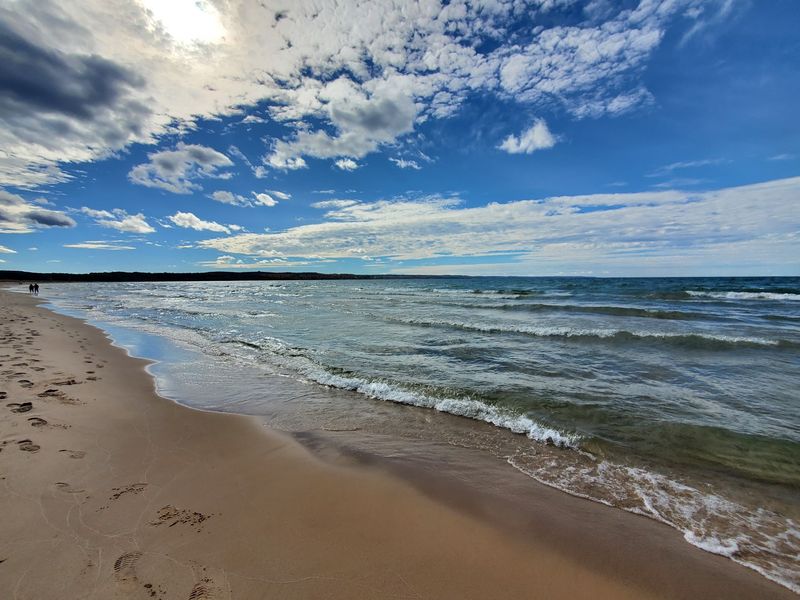
Rain gives Petoskey stones away by darkening their tidy honeycomb patterns. These rounded pieces of fossil colonial coral are Michigan’s state stone, and the mile-long beach at Petoskey State Park is a favorite place to search.
Collect only within current state limits, and remember that wet stones are easier to recognize than dry ones.
Beyond the shoreline, heavily planted dunes soften the park’s edges and shelter pleasant walking routes. The Old Baldy Trail climbs through sandy terrain to broad views over Little Traverse Bay, rewarding hikers who bring solid footwear and insect repellent.
The property once held a tannery before becoming a public bathing beach and, in 1969, a state park. Visit after wind or rain for beachcombing, but keep expectations playful because good finds are never guaranteed.
Pack a picnic, check swimming flags, and save time for nearby Petoskey, whose downtown sits only a short drive away from the park.
8. Tahquamenon Falls State Park
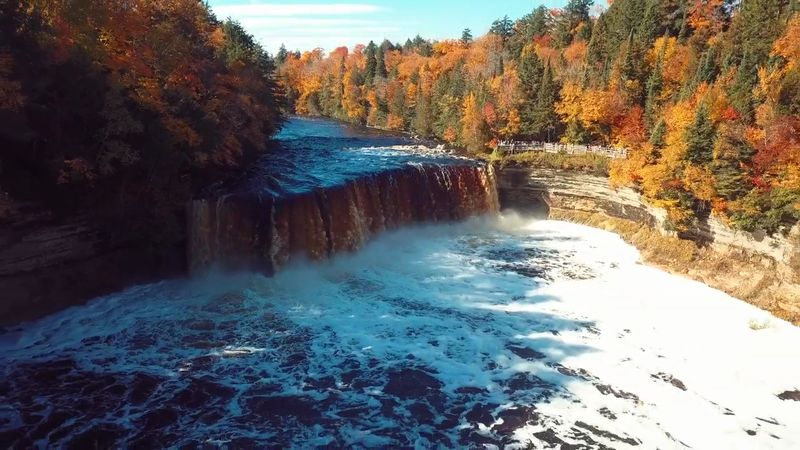
The Tahquamenon River pours over dark rock with the color of strong tea and a roar that swallows conversation. Natural tannins from cedar, hemlock, and other plants create that amber shade.
Upper Falls drops about 50 feet across a span roughly 200 feet wide, making it one of the largest waterfalls east of the Mississippi.
Four miles downstream, five smaller Lower Falls curl around an island, offering a gentler but more spread-out scene. A pedestrian bridge provides island access, while trails reveal different angles.
Ambitious hikers can use the River Trail between the falls, but arranging transportation and allowing enough daylight require planning. Most day visitors should drive between the two main areas and walk selected paths.
Wear grippy shoes because mist and rain make surfaces slick. Spring brings powerful flow, autumn adds blazing foliage, and summer rewards early arrivals before parking areas and overlooks become crowded with visitors.
7. Porcupine Mountains Wilderness State Park
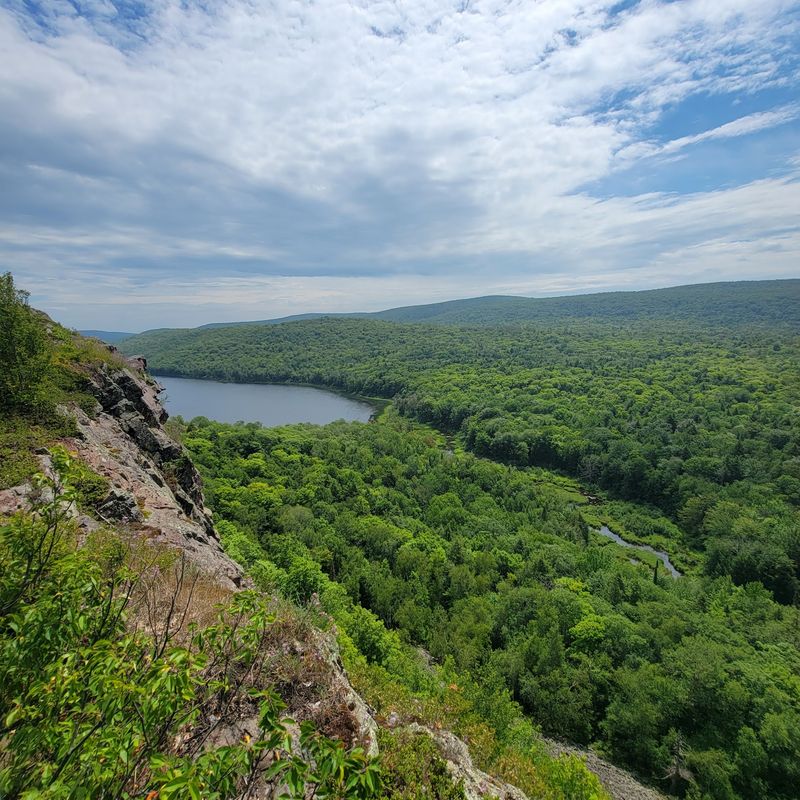
Lake of the Clouds appears suddenly below its overlook, tucked between wooded ridges like a secret the map failed to explain. Porcupine Mountains Wilderness State Park protects around 60,000 acres, including a major old-growth northern hardwood forest.
The Ojibwa-inspired name describes ridgelines resembling a crouched porcupine when viewed from Lake Superior.
For a manageable day, pair the Lake of the Clouds overlook with Summit Peak or a short waterfall walk. More than 90 miles of trails cross rugged country, so save backcountry routes for trips supported by proper gear, maps, and daylight.
Weather changes quickly near Lake Superior, and phone service may disappear. Carry water, layers, insect repellent, and a printed route.
Black bears live here, making clean food storage and respectful distance necessary. Autumn colors draw heavy traffic, while quieter weekdays allow the forest’s creaks, bird calls, and running water to take over the soundtrack during your visit.
6. Warren Dunes State Park
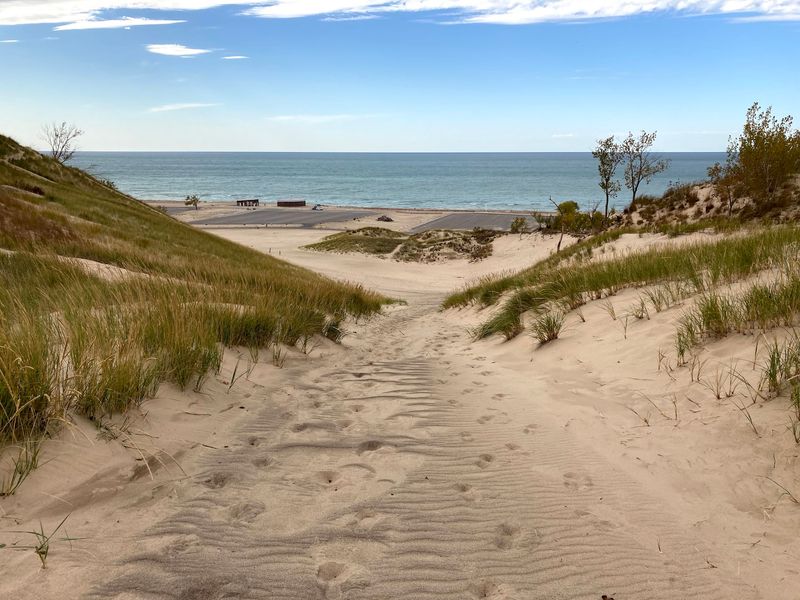
Tower Hill has a mischievous way of looking manageable from below. Rising more than 200 feet above Lake Michigan, the dune demands slow steps, then repays the effort with open water views and an entertaining descent.
Warren Dunes State Park also holds three miles of shoreline and six miles of trails through forest, wetlands, and exposed sand.
Beachgoers should arrive early on hot weekends because entrance lines can grow long. Pack footwear for heated sand, drinking water, and a small brush for removing half the dune from your car later.
Leashed pets are allowed along a designated stretch north of the main swimming area, but owners should confirm current boundaries and rules. Edward K.
Warren helped preserve the property before it became a state park in 1930. Migrating birds add interest during spring and fall, when cooler temperatures also make climbing far kinder.
Watch posted water conditions before swimming here.
5. Hartwick Pines State Park
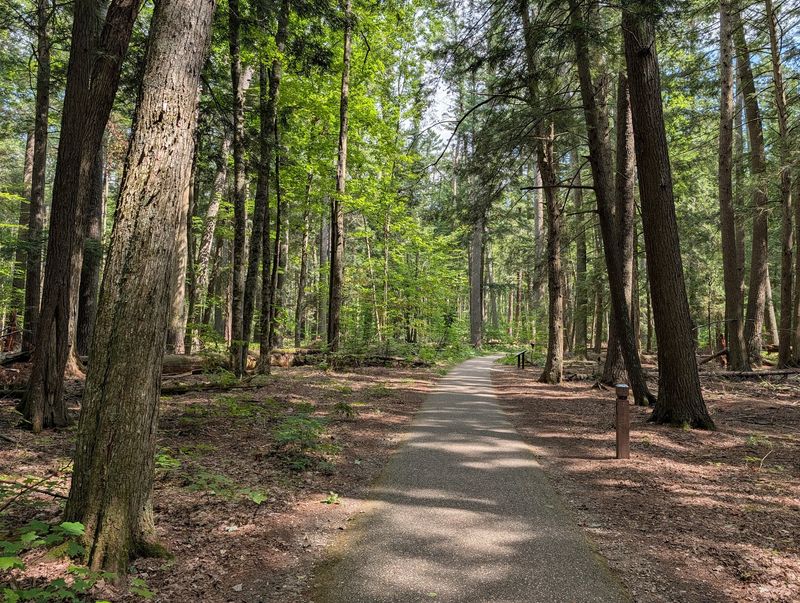
Looking upward becomes an unavoidable habit among the old pines at Hartwick Pines State Park. Some white and red pines rise around 160 feet, offering a rare glimpse of Michigan’s forests before intensive logging.
Karen Michelson Hartwick donated the original land in 1927 as a memorial to her husband, Major Edward Hartwick.
The paved 1.25-mile Old Growth Forest Trail makes a strong centerpiece for an easy day trip and is accessible to many visitors. Nearby, the Michigan Forest Visitor Center explains forest ecology through interactive displays.
The Hartwick Pines Logging Museum occupies Civilian Conservation Corps buildings and recreates parts of a historic logging camp, including tools and a steam-powered sawmill used for demonstrations on scheduled dates. Allow time for both nature and history rather than rushing between them.
Bug spray helps in warmer months, while quiet winter snow gives the enormous trunks an almost architectural presence. Check museum hours before leaving home.
4. Fayette Historic State Park
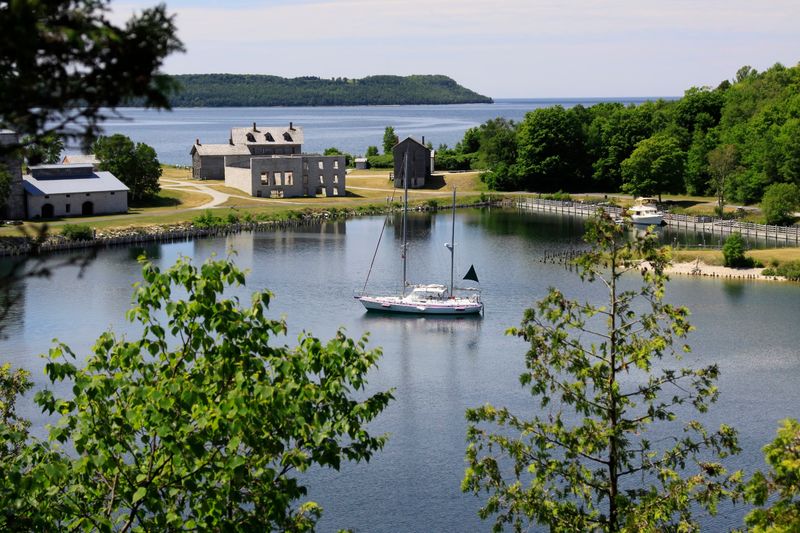
Stone furnaces and silent workshops make Fayette feel paused rather than abandoned. From 1867 until 1891, this company town produced pig iron using nearby limestone, hardwood charcoal, imported ore, and a deep shipping harbor.
More than 20 preserved buildings now form an open-air museum beside Snail Shell Harbor on the Garden Peninsula.
Begin at the visitor center, then walk through the hotel, homes, machine shop, and industrial area. Interpretive signs help explain how work, class, and family life fit within the isolated settlement.
Limestone cliffs give the harbor a dramatic frame, while trails and picnic spots provide a quieter ending after the history lesson. Wear comfortable shoes because exploration involves several buildings and uneven outdoor surfaces.
Seasonal hours can limit access to staffed facilities, so confirm schedules before making the long drive. Clear water near Slag Beach hints at the town’s industrial remains, but artifacts must stay where they are found.
3. Silver Lake State Park
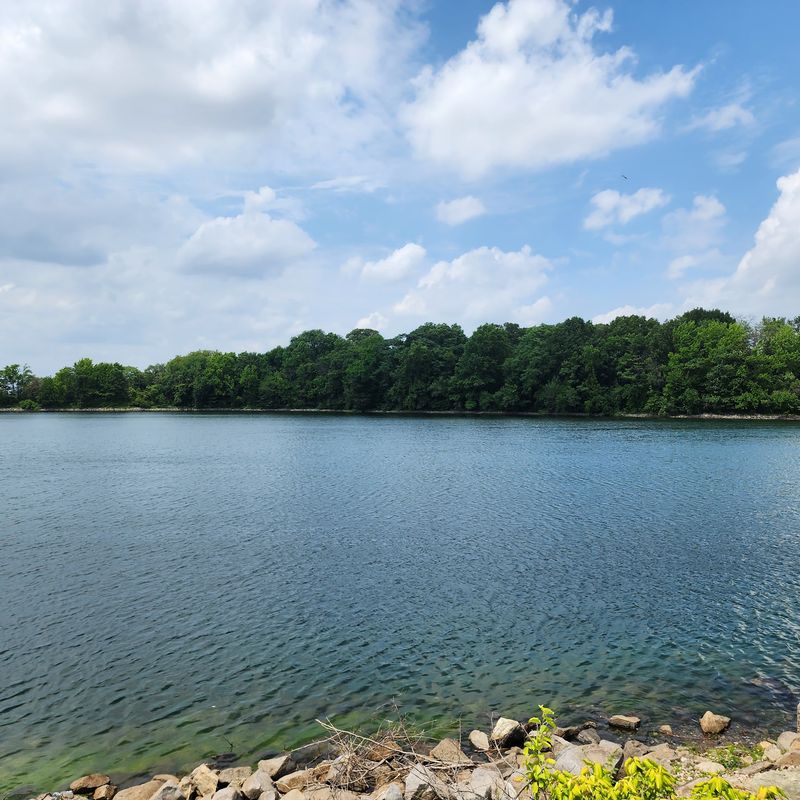
Engines growl on one side of Silver Lake’s dunes while walkers find quieter sand on another. The park’s 450-acre off-road vehicle zone is the only public area east of the Mississippi where private motorized vehicles may be driven on open dunes.
Separate boundaries keep the ORV area apart from the pedestrian Walking Dunes section.
Operating a vehicle here requires careful preparation, proper permits, safety equipment, and compliance with current state rules. Travelers without suitable machines can still enjoy hiking, swimming, boating, or a licensed local dune ride.
Nearby Little Sable Point Lighthouse rises 100 feet beside Lake Michigan and opens for seasonal tours, providing wide views after a stair climb. Wind can erase footprints quickly and blow loose belongings surprisingly far, so secure hats and wrappers.
Check ORV dates, lighthouse hours, and weather before departing. For a balanced visit, pair morning dune activity with a calmer lakeside picnic and sunset beside the brick tower.
2. Tawas Point State Park
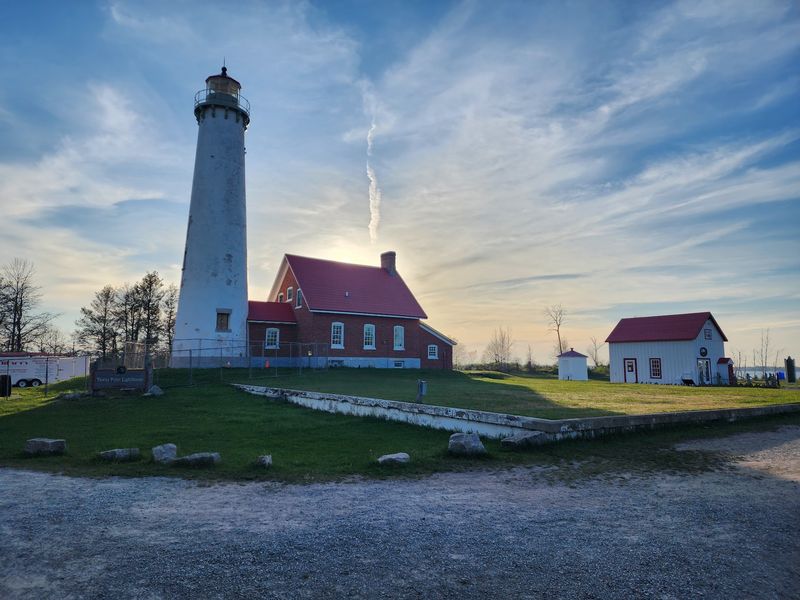
Small migrating birds can turn an ordinary shrub into a crowded rest stop at Tawas Point. The narrow sand spit reaches into Lake Huron and creates sheltered Tawas Bay, placing the park along an important migration route.
More than 300 bird species have been recorded in the area, with spring and fall bringing especially lively movement.
The 1876 Tawas Point Lighthouse gives the flat landscape a crisp Victorian landmark. Tours and tower access are seasonal, so verify availability before expecting a climb.
Shallow bay water often warms sooner than the open lake, making the protected beach popular with families, although swimmers must still follow posted conditions. Bring binoculars, insect repellent, and patience for the Sandy Hook Trail, where subtle bird calls reward slower walking.
The point keeps changing as currents move sand along the coast, which helped make the historic light’s position less useful. Stay on marked paths to protect fragile shoreline habitat.
1. Wilderness State Park
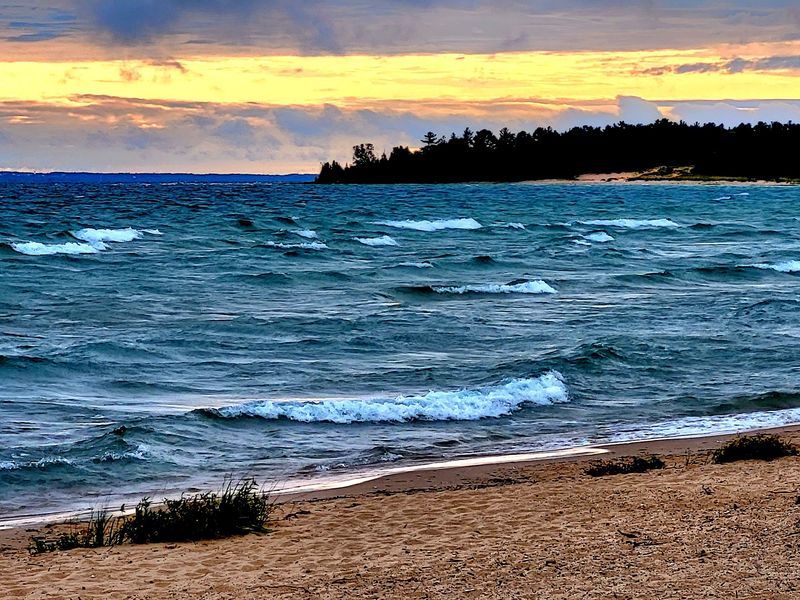
After sunset, Wilderness State Park trades its shoreline views for an enormous ceiling of stars. Designated as a Michigan dark sky preserve, the park offers low-light conditions along 26 miles of Lake Michigan coast.
Its forests, dunes, wetlands, and meadows cover more than 10,000 acres just west of Mackinaw City.
Day hikers can sample shorter trails or explore routes toward Waugoshance Point, where distant lighthouse views add purpose to the walk. Wildlife includes black bears, beavers, and wolves, though most animals avoid busy areas.
Carry a map, water, layers, and insect protection because sections feel remote and mobile service is unreliable. For stargazing, choose a clear moonless night, use a red flashlight, and let your eyes adjust for at least 20 minutes.
Shoreline wind can turn chilly even in summer. Stay within public areas, respect piping plover closures, and leave pets only where park rules permit them.