
12 Michigan Food Spots That Quietly Became Michigan Legends Through Word Of Mouth
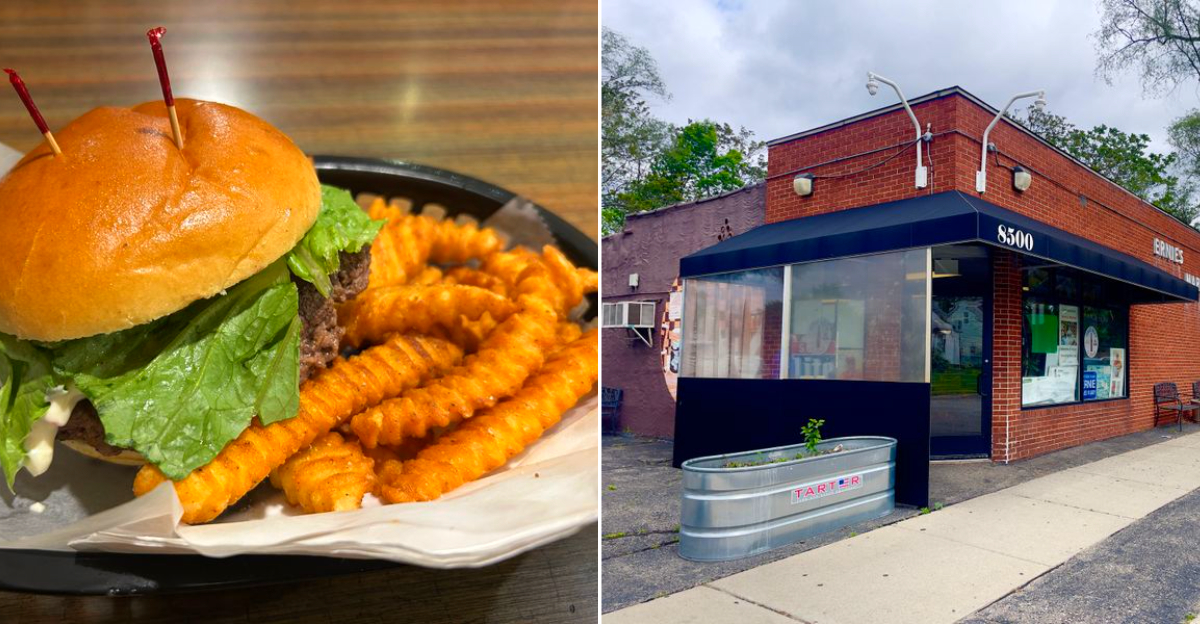
Michigan’s most beloved bites rarely arrive with a trumpet blast or a high-priced marketing campaign. Instead, they travel through the state like a well-kept secret, spread via quick texts between friends, quiet nods of approval at the gas pump, and that one local who insists you absolutely have to try “the spot” before you even think about leaving town.
These aren’t just restaurants; they are essential cultural landmarks where the menu hasn’t changed in decades and the staff knows the regulars by their first names and their favorite booth. There is a deep, resonant comfort in walking into a room where the air smells of tradition and the floorboards have been smoothed by generations of hungry patrons.
Unlock the ultimate flavor map of the Great Lakes State with our guide to the best iconic Michigan foods and legendary local eateries that have defined our dining culture for over half a century.
This list collects the places that earned their legend the hard way, through decades of reliable flavor, a stubborn refusal to cut corners, and dining rooms that feel beautifully lived-in. We are looking past the trendy pop-ups to find the true foundations of our food scene.
Whether it’s the crunch of a perfect square pizza in Hazel Park or the warm, sugary comfort of a late-night donut in Ypsilanti, these are the flavors that truly define the Mitten State. I’ve put together this guide to help you find the authentic “soul food” of Michigan, ensuring your next road trip is punctuated by the best meals our two peninsulas have to offer.
1. Loui’s Pizza, Hazel Park
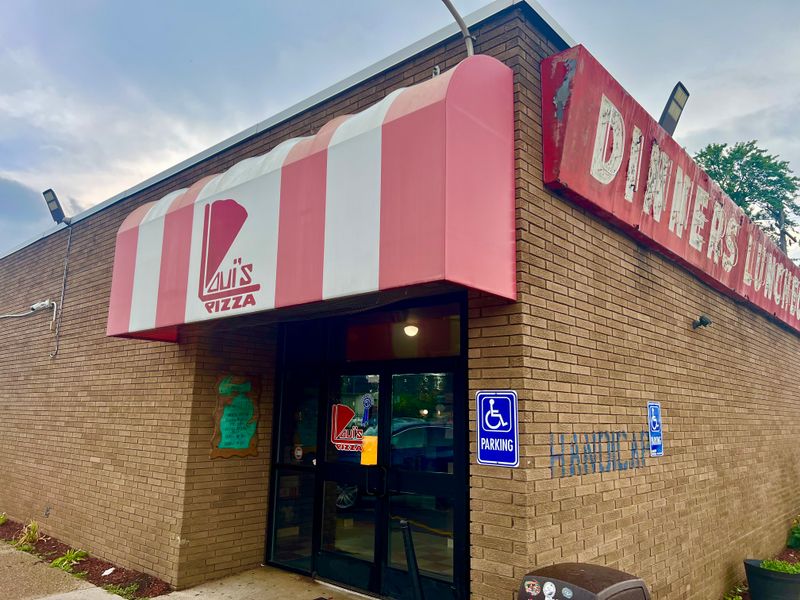
When you pull into the gravel-adjacent lot of Loui’s Pizza on Dequindre Road, you aren’t just looking for dinner, you’re looking for a portal to 1977. The air in Hazel Park carries the heavy, savory perfume of brick cheese and oregano, a scent that seems to have seeped into the very wood paneling over the decades.
Inside, the lighting is perpetually dim, cast in a warm, amber glow from hundreds of empty, straw-wrapped Chianti bottles that hang like stalactites from the ceiling.
It’s the kind of room where time feels like an abstract concept, and where nobody is pretending this will be a quick stop. You don’t come here for a fast bite between errands, you come to participate in a ritual that runs on patience and repetition.
The energy is steady and old-school, with dark booths, low conversation, and the soft clatter of plates that makes the wait feel normal instead of annoying.
The story matters here because it explains the confidence. Louis Tourtois worked in the kitchen of the original Buddy’s, then struck out on his own and built something that feels like a focused, personal argument for what Detroit-style pizza should be.
That lineage shows up in the discipline of the bake and the way the place refuses to chase trends.
The first bite of a Loui’s square is a revelation in texture. The frico, that lacy, caramelized crown of cheese that climbs the sides of the high-sided blue steel pans, shatters with a gentle snap, then gives way to a crust that’s improbably light and airy.
Despite the sheer volume of cheese, a blend designed to melt into every pore of the dough, the pizza doesn’t feel bogged down or greasy.
Balance is the trick, and Loui’s understands it. The sauce leans savory rather than sweet, and the whole pie is punctuated by a generous dusting of Sicilian spices that gives the crust a warm, peppery lift.
You can taste the idea of restraint inside the excess, which is part of why it never collapses into heaviness.
While you wait, the room quietly reminds you what people come here for. Generations of families order the large antipasto salad, and it lands like a table-wide starter course rather than a side, often loaded with beets and ham in that classic, old Detroit way.
There is a quiet pulse to the place, a rhythm that makes the classics feel alive instead of nostalgic.
It’s not just about the pizza, it’s about the feeling of being somewhere that hasn’t found a reason to change because they got it right early. You leave full, but you also leave a little calmer, like you just visited a version of Michigan that still trusts its own habits.
2. Michigan And Trumbull Pizza, Detroit
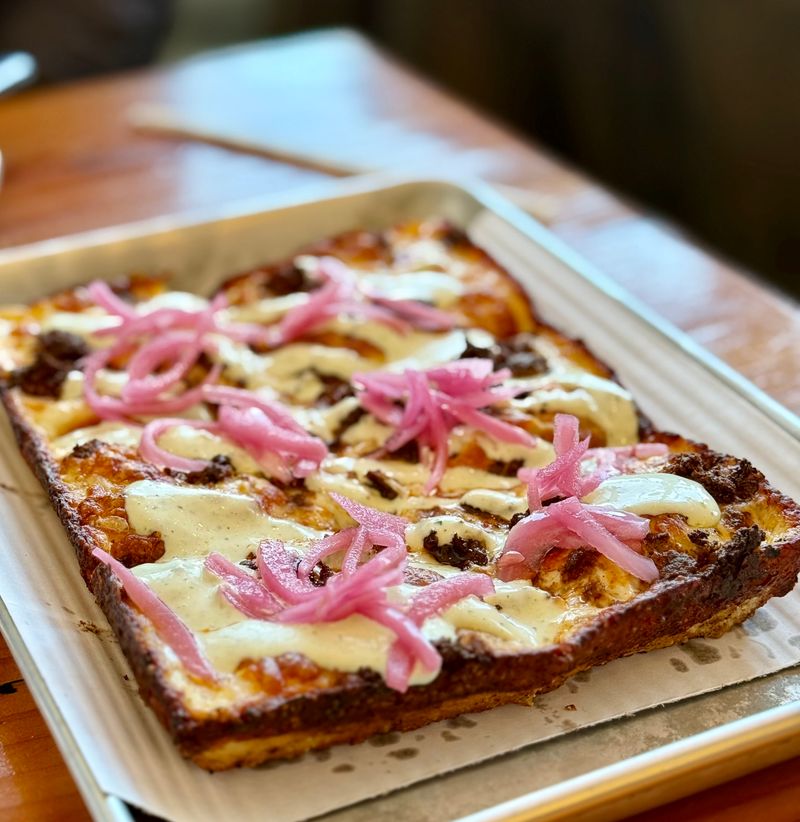
While Loui’s represents the storied past, Michigan and Trumbull represents the vibrant, evolving future of Detroit’s pizza identity. Now situated in the Dreamtroit development on Holden Street, this spot is the brainchild of Nate Peck and Kristen Calverley.
Their story reads like a Michigan homecoming that turned into a public project.
They spent time in Pittsburgh, realized the world was sorely lacking in authentic Detroit-style squares, then started tinkering until the recipe felt respectful instead of gimmicky. When they moved back, they didn’t just open a restaurant, they built a community hub that feels like a hangout as much as a shop.
The space is bright and industrial, and the chatter has that porch-party warmth that makes you relax even before the food hits.
The pizza here is a technical marvel, and you can feel the intention behind it. The dough goes through a long fermentation, which gives it a deeper flavor profile and a structure that’s both sturdy and tender in the middle.
The edges still chase that essential crunch, but the base tastes like something that has been thought through, not rushed.
You’ll see The Detroiter on nearly every table, with pepperoni tucked under the cheese and more curled into cups on top. The difference here is that the classics don’t feel like a museum piece, they feel like a foundation you can build on.
The kitchen is willing to experiment, but the experiments still respect the rules of the form.
That willingness to play is part of the draw. A pie with hot honey and pickled chilies can recalibrate what you think a square pizza can hold, without breaking the Detroit identity.
Even when the toppings get bold, the shop treats the frico edges with real reverence, making sure every slice earns that signature crunch.
What you leave with isn’t only satisfaction, it’s a sense of momentum. The place honors the 1946 blueprint without freezing it in amber.
You walk out feeling like Detroit’s food culture is alive and moving, which is a different kind of full.
3. The Fly Trap, Ferndale
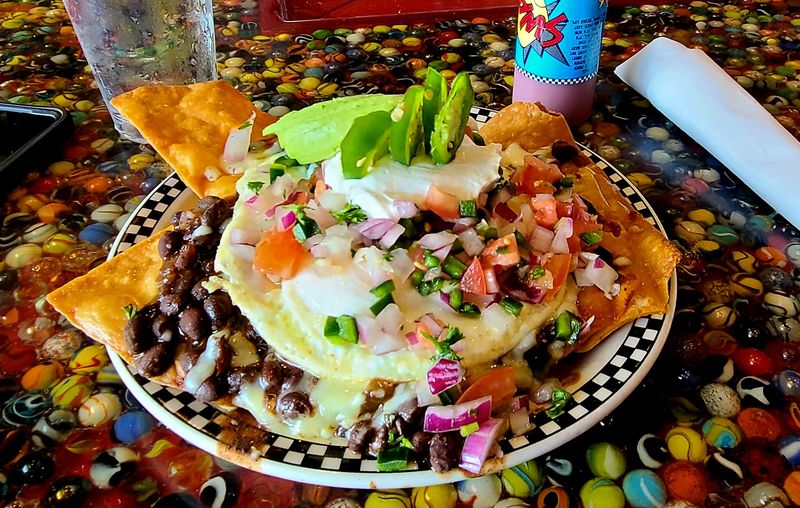
Ferndale has always been Detroit’s quirky, colorful sibling, and The Fly Trap captures that spirit in a way that feels honest rather than themed. They call themselves a finer diner, and the label fits because the food aims higher without losing the comfort of a breakfast counter.
Located on Woodward Avenue, it’s the kind of spot where a tailored suit and pajama bottoms can sit five feet apart, united by the same hunger.
The room itself runs bright and busy, with color on the walls and a steady hum that feels like weekend energy even on an ordinary day. Mugs clink, plates land, and the grill throws off that constant sizzle that makes you want to order before you finish reading.
It’s not a greasy spoon, it’s a high-functioning kitchen that happens to serve diner food.
The menu zigzags in a way that keeps you curious. You can go classic with a breakfast rumble, or you can turn left into global flavor and end up with a bowl that surprises you with depth.
That range is the point, and it’s why the place feels so Ferndale, it’s playful, confident, and slightly restless.
The owners, Mark and Sean Johnston, built something where eclectic isn’t a buzzword, it’s a working system. Plates like Red Chili Tofu or Green Eggs and Ham don’t feel like novelty, they feel like ideas that were tested until they worked.
The kitchen takes comfort seriously, then refuses to leave it alone.
Sunday mornings at the counter are where the place makes the most sense. You can watch the staff work with the precision of a machine, while the dining room stays friendly and loose around them.
It’s an anchor spot that can brighten your day just by being busy and good at what it does.
4. Ernie’s Market, Oak Park
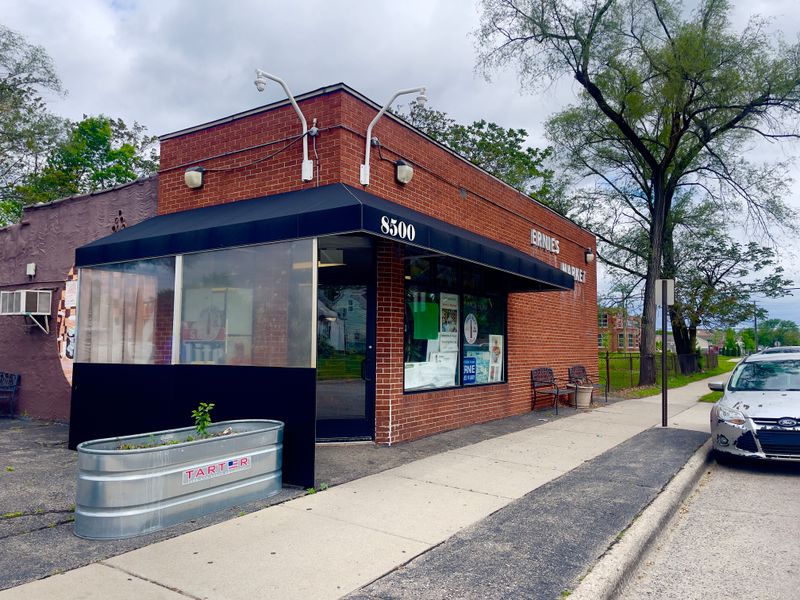
There are very few places left that feel like Ernie’s Market. It sits in an unassuming building in Oak Park, yet the moment you step inside you realize it’s not only a deli, it’s a performance of human connection.
The center of gravity is Ernie Hall, a neighborhood fixture for decades, and his presence changes the mood of the whole room.
You aren’t treated like a transaction here. The famous habit of calling people baby, the old-school catchphrases, the Hershey’s Kisses handed out like punctuation, all of it sets a tone that is surprisingly disarming.
It’s easy to see why people talk about the personality, but the deeper reason people return is the care.
The sandwiches arrive as towering stacks that seem to ignore physics. Turkey, corned beef, ham, it’s layered with the confidence of someone who has built thousands of these and still thinks each one matters.
The build isn’t random, it’s structural, like the sandwich is meant to survive the walk outside without collapsing. The ritual is the point, and the wait is part of the deal. You stand in line, you listen to the banter, you watch the repetition become grace.
Cash-only rules keep the process simple, and somehow nobody seems to resent the time it takes.
He crowns the sandwich with banana peppers and a secret spice shake that makes the whole thing feel like a signature rather than just a stack. When you finally unwrap it on a nearby stoop, the meal feels bigger than the ingredients.
You leave with a full stomach, but the stronger aftertaste is the reminder that a small business can still have a soul.
5. Asian Corned Beef, Detroit
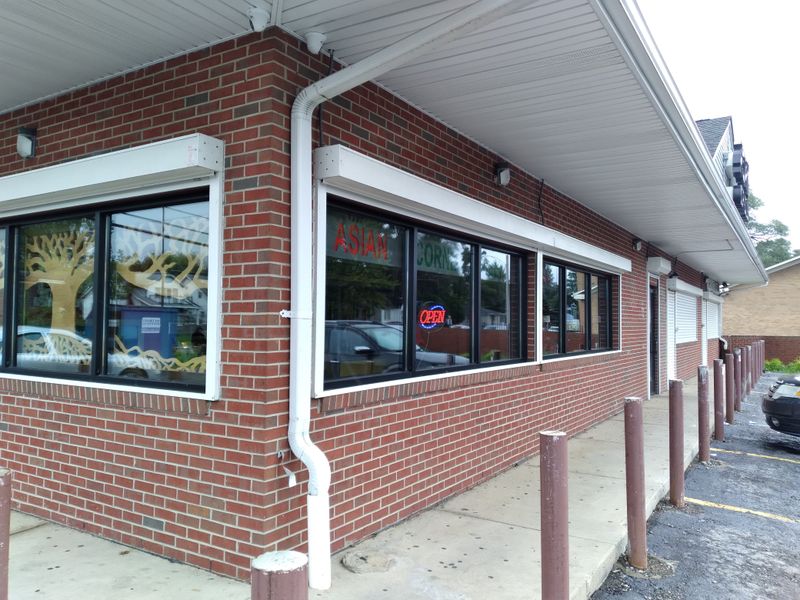
If you want a condensed lesson in Detroit’s multicultural food logic, you eat a corned beef egg roll. The idea sounds like a late-night dare until you try it, then it becomes obvious why it’s a local legend.
At Asian Corned Beef, that hybrid is treated like a normal menu item, which is part of its charm.
The origin story matters because it explains the collision. In the late 1970s, a Vietnamese immigrant named Kim White worked in a Jewish deli, saw corned beef every day, and tucked it into an egg roll wrapper.
That simple act of remixing became a Detroit staple as recognizable, in its own way, as the coney dog.
The result is a blistered, golden-brown shell that shatters on contact. Inside, you get a savory-salty core of corned beef and melted cheese that feels designed for carryout and immediate cravings.
It is texture-first food, crisp outside, rich inside, and impossible to ignore.
The service matches the food, fast and direct. You order by number, you get a brown paper bag, and you feel that familiar impatience to take a bite before you even reach the car.
It’s not a lingering dining room experience, it’s a street-level ritual.
What makes it stick in your memory is that it feels inevitable once you’ve had it. It’s food born of necessity and ingenuity, and it wears that origin proudly.
Detroit in a nutshell, bold, unpretentious, and totally itself.
6. Krazy Jim’s Blimpy Burger, Ann Arbor
In Ann Arbor, there is a specific way to order a burger, and if you get it wrong, you’ll hear about it. Krazy Jim’s Blimpy Burger has been a student and local mainstay since 1953, and the interactive ordering system is part of the experience, not a side detail.
The line has rules, and the rules exist because the kitchen moves at a speed that doesn’t allow hesitation.
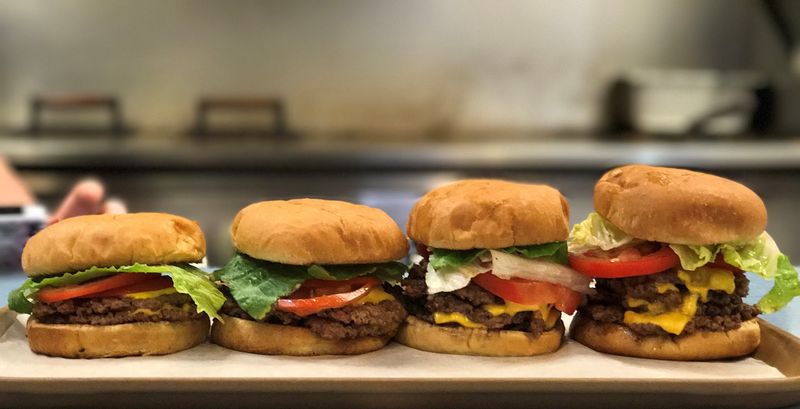
You start by choosing your patty count, because the patties are small, fresh-ground disks that get smashed thin on the griddle. Then you hit the fried items, then the toppings, all in a staccato rhythm of questions and answers that keeps the whole machine running.
If you come prepared, the system feels smooth, almost satisfying, like you’re joining a practiced routine.
The burgers themselves are a lesson in the smashed style. They develop a lacy, crisp skirt that gives you salty crunch in every bite, and stacking three or four high creates a messy, perfect contrast against the soft bun.
It’s the kind of food that tastes simple until you realize how much technique sits inside it.
The room carries decades of student life. Photos, stickers, and the faint pressure of the line behind you combine into a weird kind of focus, like you’re taking a test you didn’t study for.
Then you sit down with the tray, and the first bite makes the anxiety feel silly.
It’s a place that demands attention. In return, it gives you one of the most satisfying burgers in the Midwest, and it makes you understand why the ordering “theater” still survives.
7. Bates’ Burgers, Livonia
If you are driving down 5 Mile Road in Livonia and you smell onions, you are near Bates’. Since 1955, this small, white pillbox of a building has been the capital of the slider in Western Wayne County.
It’s family-owned, stubbornly consistent, and built around doing one thing the same way for nearly seventy years.
The interior is cramped and classic, with a long counter and a few stools that put you close enough to the action to feel the heat. The staff works the grill with speed that looks casual only because it’s so practiced.
There isn’t much room for décor when the whole point is the grill.
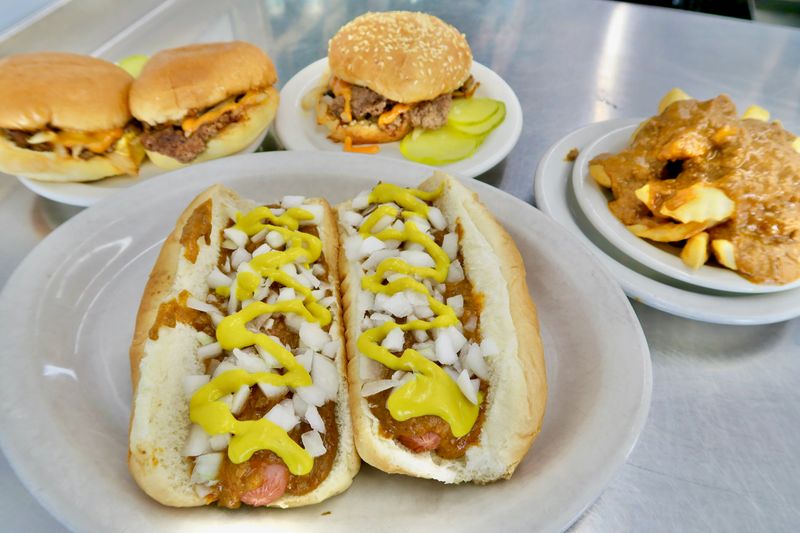
The sliders are simple on paper. A small beef patty, a mountain of griddled onions, a slice of cheese, and a pickle, all tucked into a steamed bun.
The result is soft, savory, aromatic, and remarkably consistent, which is why people buy them by the bag.
There’s no pretense here, and that honesty is part of the taste. You see families who have been coming for three generations, passing down the habit like a family heirloom.
It’s a reminder that becoming a legend can be as basic as repeating a good idea, day after day, for decades.
8. Hunter House Hamburgers, Birmingham
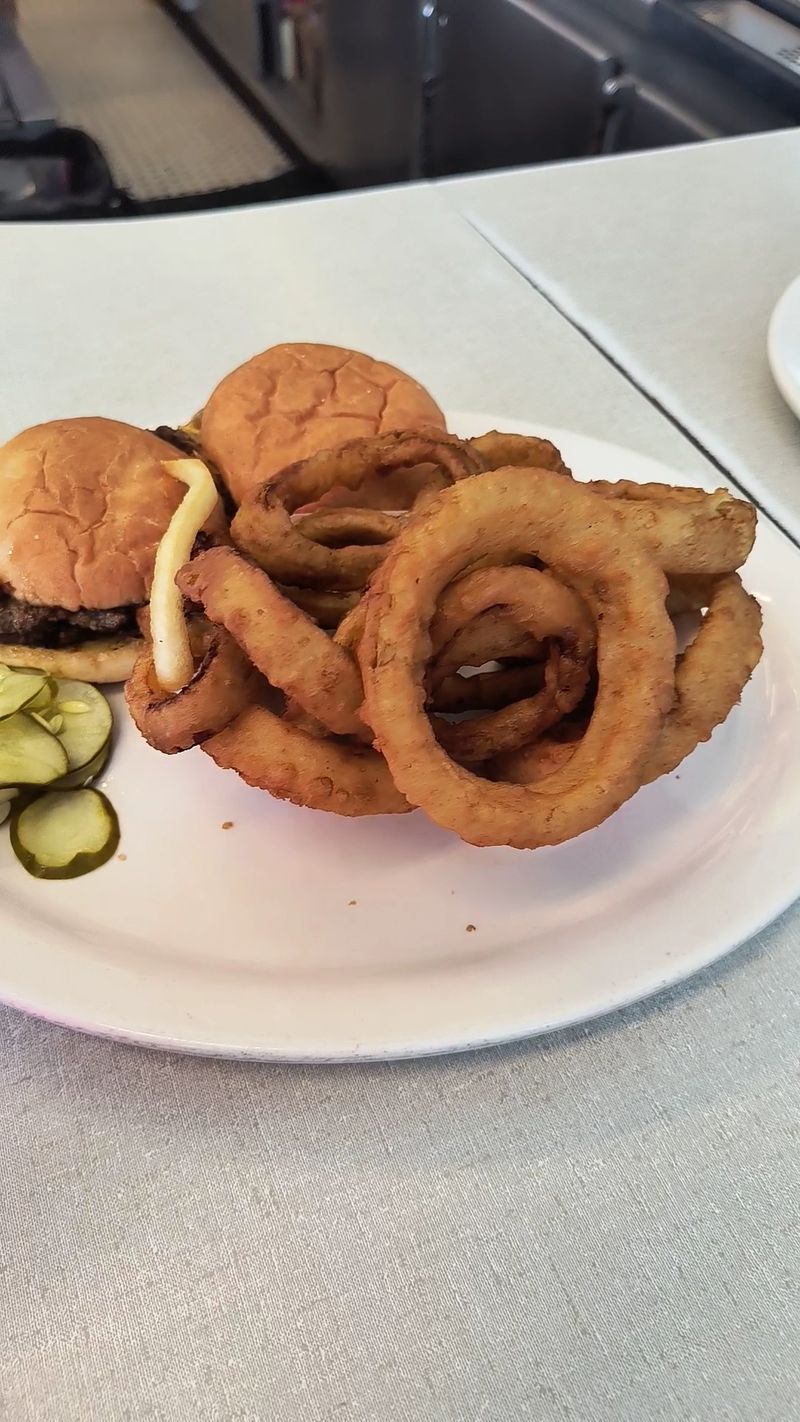
Hunter House looks like it belongs on a vintage postcard. Located on Woodward Avenue in Birmingham since 1952, it’s a white porcelain diner that reads as a landmark even if you’ve never been inside.
Stepping through the door feels like stepping back into an era where the car was king and the slider was perfect road food.
The technique is what sets it apart. The patties are thin, the onions are smashed directly into the meat, and the bun is placed on top to steam and absorb the juices.
That method produces a slider that is impossibly tender, deeply aromatic, and somehow lighter than it looks.
Sitting at the counter turns the meal into a small show. You watch the rhythm of the grill, you feel the steady pace, and you hear the outside traffic hum by on Woodward as a kind of background soundtrack.
It’s easy to understand why people attach nostalgia to the place, because the environment does half the work.
What keeps it alive isn’t nostalgia alone, it’s the repeatable satisfaction. In a corridor that has changed immensely, Hunter House stays steady, proving that a well-made slider can still hold attention without needing to reinvent itself.
You leave with the simple feeling that the classic version still wins.
9. Weston’s Kewpee Sandwich Shop, Lansing
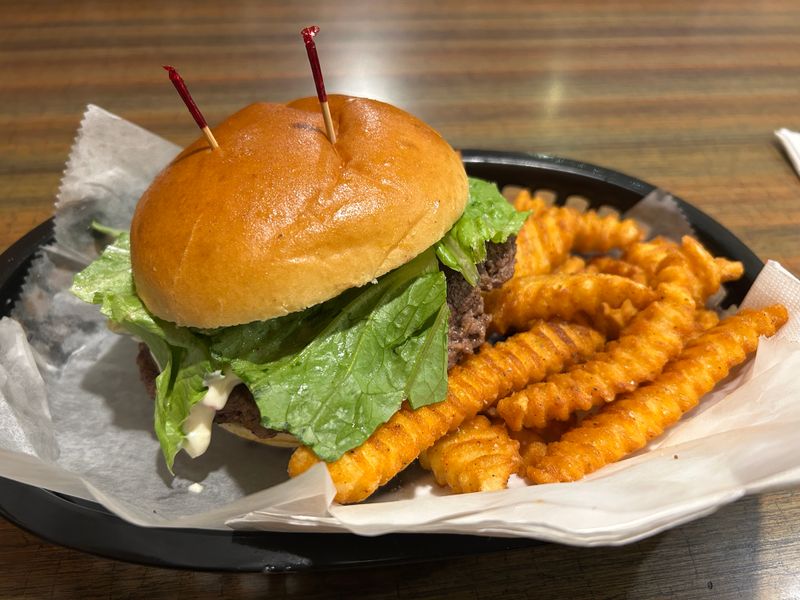
Downtown Lansing has its own lunch-counter rhythm, and Weston’s Kewpee sits right in the middle of it. Just a few blocks from the State Capitol, the place carries layers of history, from its 1920s origins to the porcelain Kewpie dolls watching over the dining room.
It’s a true counter spot where locals and lawmakers can sit close together and eat the same thing without it feeling strange. The legend here is the olive burger. Plenty of places argue about who invented it, but Kewpee makes a convincing case through execution alone.
Their olive sauce is salty and tangy, and it plays the perfect contrast against rich, seared beef in a way that feels uniquely Michigan.
This is one of those foods people either love immediately or don’t understand at all. At Kewpee, the balance is so clean that even skeptics usually get the point after a few bites. The beef stays the anchor, the sauce stays the spark, and the whole thing reads as a local tradition rather than a gimmick.
There’s also a warmth to the service that makes the room feel lived-in. Even on a first visit, the place can feel like a familiar refuge from the bustle outside. It’s a piece of Lansing’s DNA, a chrome-and-history stop that still functions as a real lunch solution.
10. Yesterdog, Grand Rapids
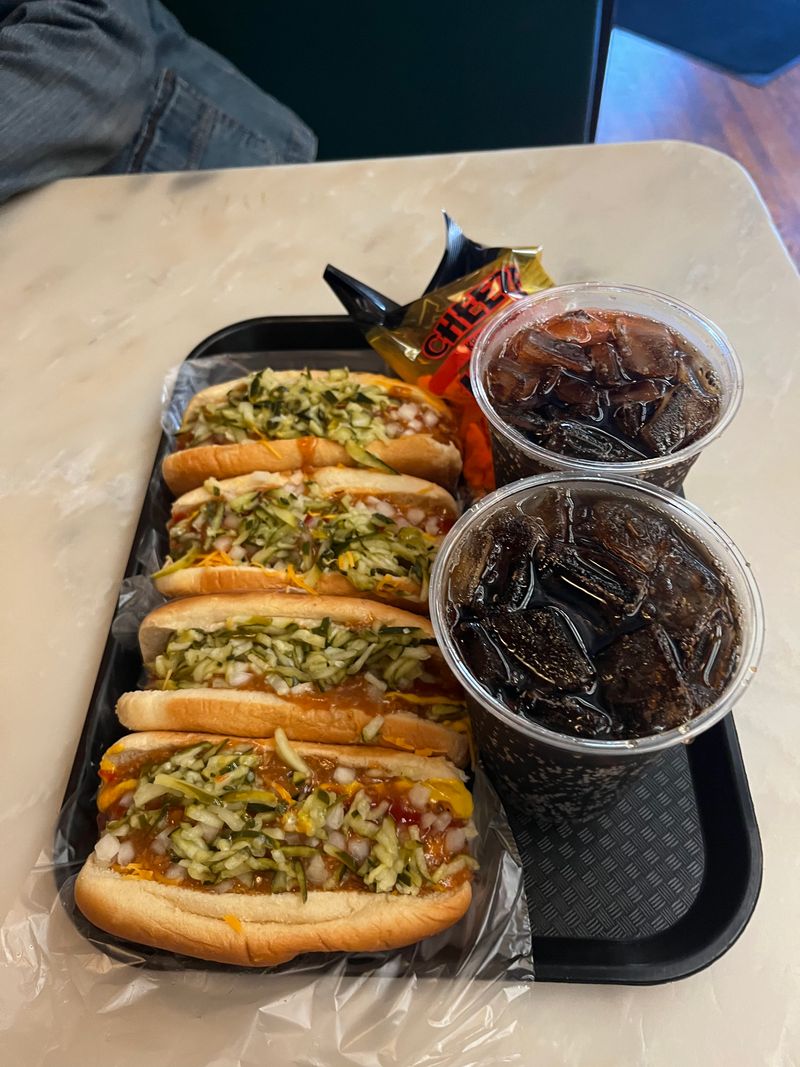
Eastown in Grand Rapids has a specific energy, artistic, slightly rebellious, and fiercely independent. Yesterdog is the culinary heartbeat of that neighborhood, and it announces itself the moment you step inside.
The space is narrow and busy, the posters are loud, and the banter is even louder, which is part of why it feels so alive.
Since 1976, it has been the default stop for night owls and daytime stragglers who want the same thing, fast comfort with personality. The menu reads like a list of nicknames, with dogs that lean into maximal toppings and don’t apologize for the mess.
You don’t come here to eat neatly, you come to eat like the room expects you to.
The dogs are defined by the toppings, especially the tangy chili and the avalanche of shredded cheese. It’s a glorious, chaotic bite that makes napkins part of the experience. The point is not elegance, the point is pleasure.
The best part is how little the place worries about being cool. It’s already cool because it doesn’t try, and the neighborhood loves it for that.
You leave with chili on your shirt and a grin on your face, already planning your next stop, because the whole thing feels like a tradition you can re-enter anytime.
11. Shatila Bakery, Dearborn
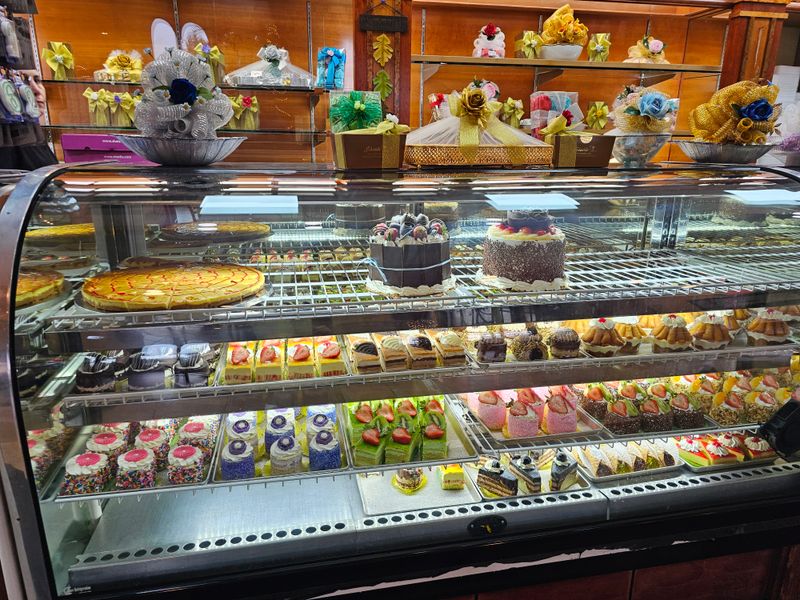
To enter Shatila Bakery is to enter a world built out of sugar, spice, and orange blossom water. Founded by Riad Shatila in 1979, it has become a destination for Mediterranean pastries that people talk about with the kind of intensity usually reserved for landmarks.
The space is vast and bright, and the glass cases glitter like a jeweler’s display.
You see trays of baklava in every shape imaginable. Fingers, triangles, nests, each one shimmering with syrup and packed with pistachios or walnuts. Even if you think you know baklava, the variety here forces you to slow down and look again.
The level of craftsmanship is the real flex. Every layer of phyllo is tissue-thin and perfectly buttered, which is the difference between a good sweet and a truly addictive one.
The textures stay crisp even under syrup, and the flavors feel clean rather than heavy.
Kunafeh is where many people fall hard. Warm cheese, shredded pastry on top, and fragrant syrup, it lands like celebration food even on a random day.
Families come in for big orders for holidays and events, but the cases still welcome the person who only wants a small box. Shatila functions as a bridge. It keeps older traditions alive, but it also makes them accessible to anyone who walks in curious.
You leave with sticky fingers, a full box, and the sense that Dearborn is lucky to have a place that takes sweetness this seriously.
12. Dom Bakeries, Ypsilanti
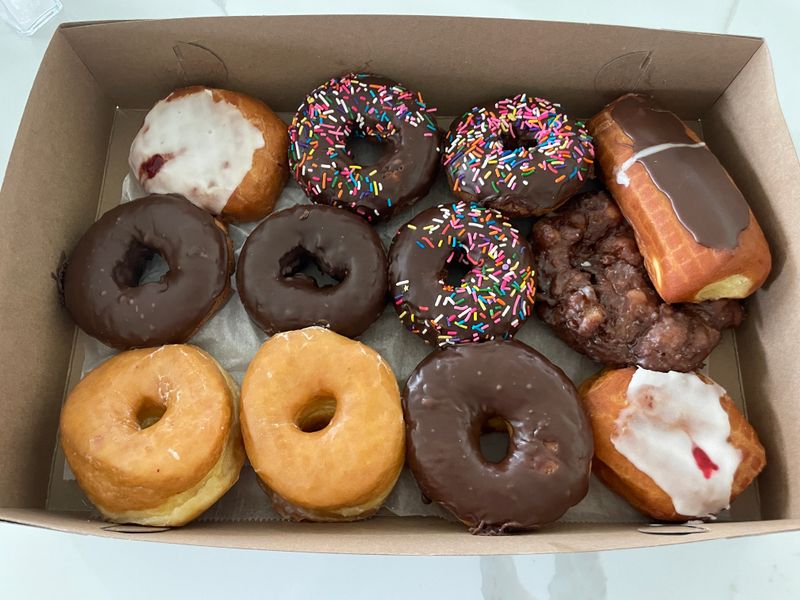
Dom Bakeries in Ypsilanti is the kind of place that used to ignore the clock on principle. For decades, it was known as a 24-hour beacon for students at Eastern Michigan University and workers getting off late shifts.
The air around Washtenaw Road always seemed to smell like rising dough and hot glaze, a sweet signal that fresh donuts were never far away.
The donuts are massive and unapologetic. Apple fritters are the headline, heavy, craggy, and packed with chunks of fruit and cinnamon that make the whole thing feel like a meal disguised as a pastry.
You don’t eat one delicately, you commit and accept the mess.
The ownership story has shifted over the years, including periods shaped by Cambodian refugees who brought their own work ethic and hopes to the counter. What stayed consistent was the role the shop played in local life, a place for late-night lines, early-morning sugar fixes, and the simple comfort of a box in your hands.
A good Dom run has a specific mood. Hoodies, pajama pants, sleepy eyes, and a line that still feels friendly because everyone is there for the same reason. You get a dozen glazed rings that are still warm, and you understand why people attach loyalty to a place like this.
It’s a sweet ending to a Michigan food tour because it feels like continuity. The best legends aren’t the loudest, they’re the ones that keep showing up, serving the same comfort, and making you feel taken care of without asking for much in return.