
Michigan Has A European Deli So Authentic It Feels Like A Secret Market
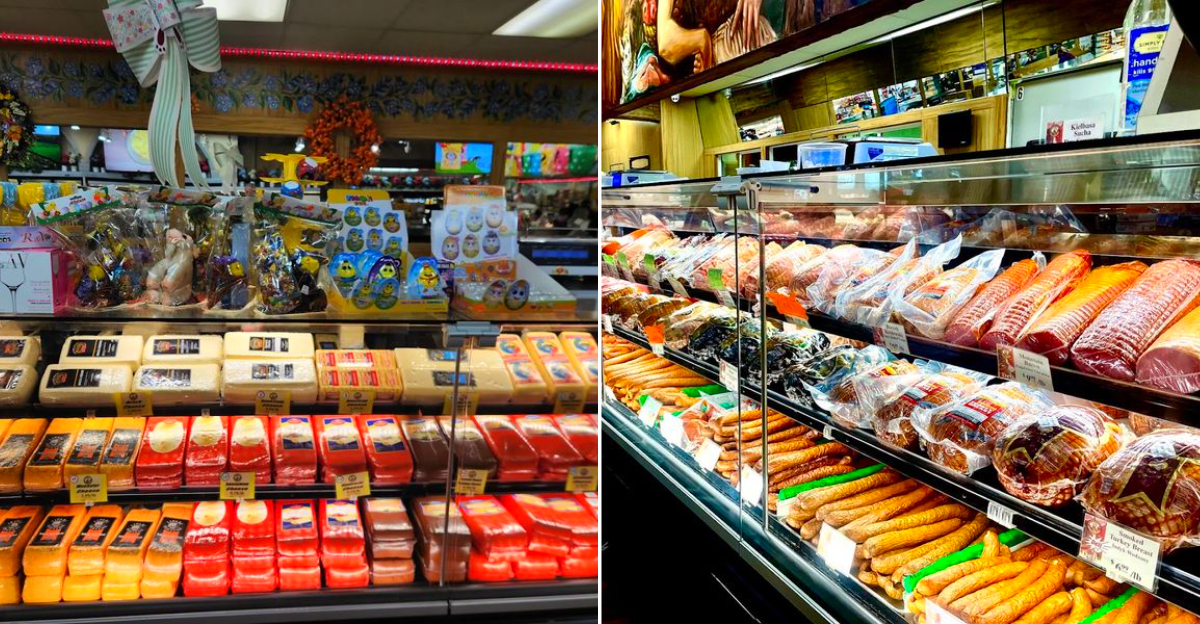
Stepping through the doors of this market feels like crossing a border without showing a passport.
Aisles stacked floor to ceiling with pickles, smoked sausages, plus jarred condiments you cannot find at any chain grocery store stretch past the deli counter where handwritten signs list prices in permanent marker.
The freezer section alone holds enough dumplings to feed a week’s worth of dinners, each bag stamped with a label from a supplier most shoppers have never heard of. Regulars walk in with canvas bags plus a mental list built over years of Saturday morning visits.
They leave with twice as much as they planned to buy, because the bread is still warm from the back oven plus the woman behind the counter always suggests one more thing you did not know you needed.
Michigan has a European deli so authentic it feels like a secret market worth crossing town for.
Fresh Polish Sausage
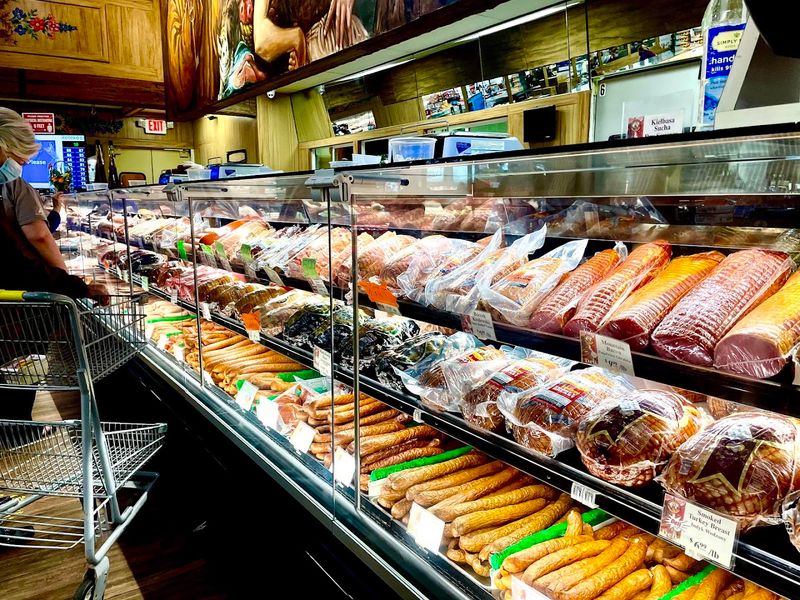
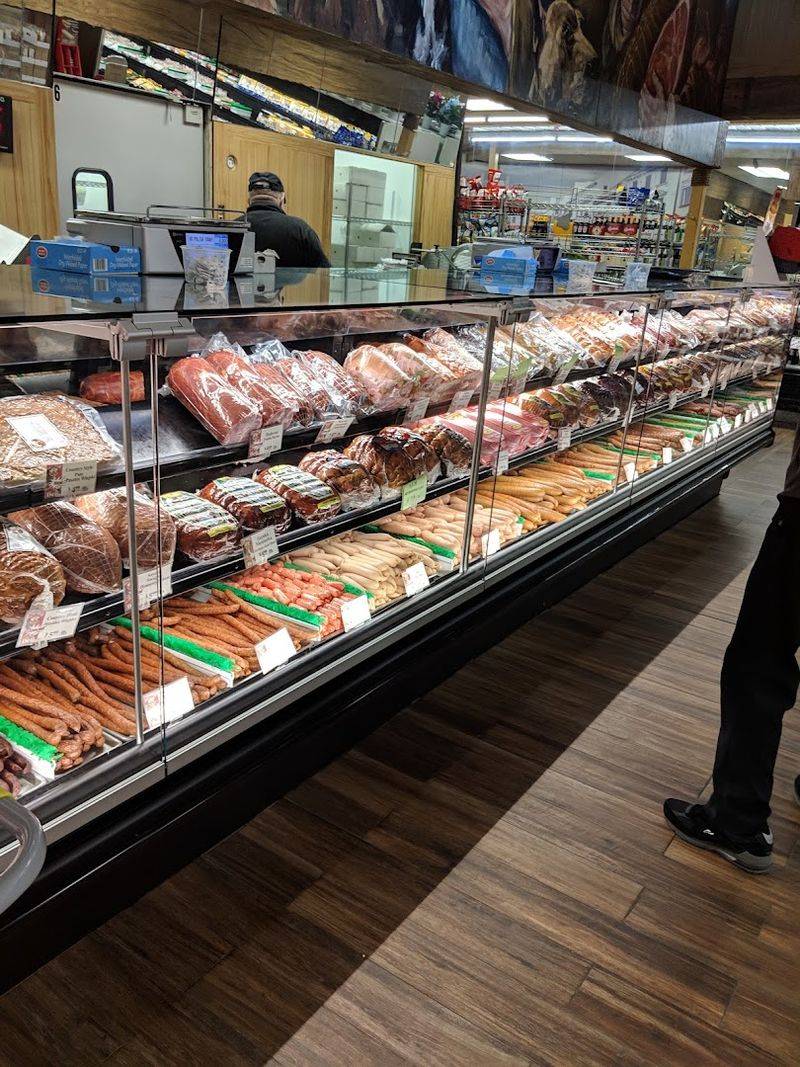
The deli counter is the first place to understand what Polish Market does so well. It stretches with serious intent, loaded with freshly prepared meats that make choosing feel pleasantly difficult.
Among more than 30 sausage varieties, the Fresh Polish Sausage stands out because it is ready for grilling or baking and needs almost no translation.
Its appeal is straightforward: juicy texture, balanced seasoning, and that clean savory flavor that makes Polish sausage a meal centerpiece rather than a side note.
Nearby, blood sausages, Ukrainian smoked sausage, and Hungarian smoked bacon deepen the sense that this is a market built by people who respect regional detail.
Founders Marek and Danuta Kolynicz have long shaped that standard. Start here if you want the clearest expression of the deli’s confidence.
Warsaw Is Tucked Into A Troy Shopping Strip
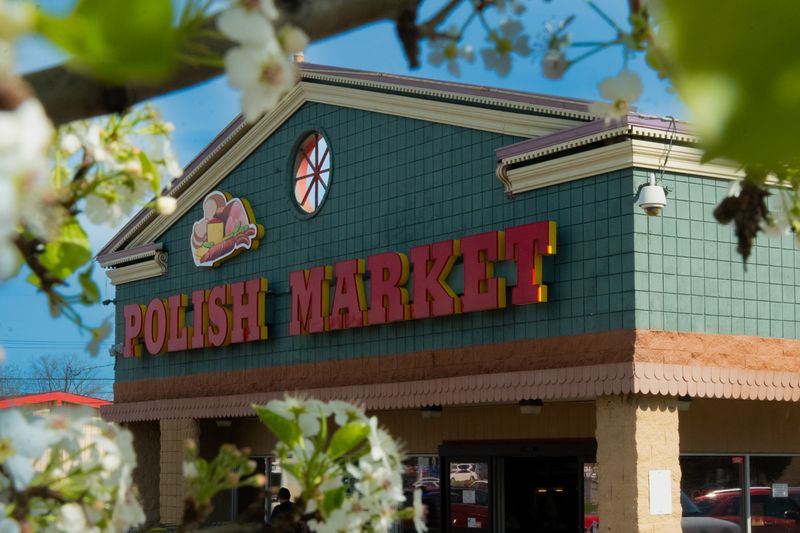
Polish Market is at 2938 East Maple Road in Troy, Michigan, along the commercial corridor between Dequindre and John R roads. Approach directly on Maple Road and stay alert for the market’s storefront among the closely spaced businesses.
The final stretch passes plazas, restaurants, and frequent driveways, so slow down as you enter the 2900 block. Polish Market shares its roadside property with Polka Restaurant next door, making the pair of Polish businesses a more useful clue than the street number alone.
Turn into the shopping property and use the customer parking outside the storefronts. From the lot, follow the Polish Market signage to the grocery entrance rather than entering the neighboring restaurant.
Pączki

Sweetness arrives here with admirable consistency. Polish Market bakes dozens of items fresh daily, and its Pączki are available year-round in more than six flavors, which is a gift if you do not enjoy waiting for a holiday to justify dessert.
These are rich Polish doughnuts, filled and substantial, the kind that feel celebratory even on an ordinary afternoon. Their deeper tradition is tied to Fat Thursday, but the market has built enough production strength to make them a regular pleasure instead of a seasonal memory.
The baking operation in Hamtramck produces tens of thousands of Pączki weekly for the locations, helping keep supply steady and fresh. That scale could sound industrial, yet the result still feels like bakery indulgence with cultural roots intact.
Homemade Pierogi
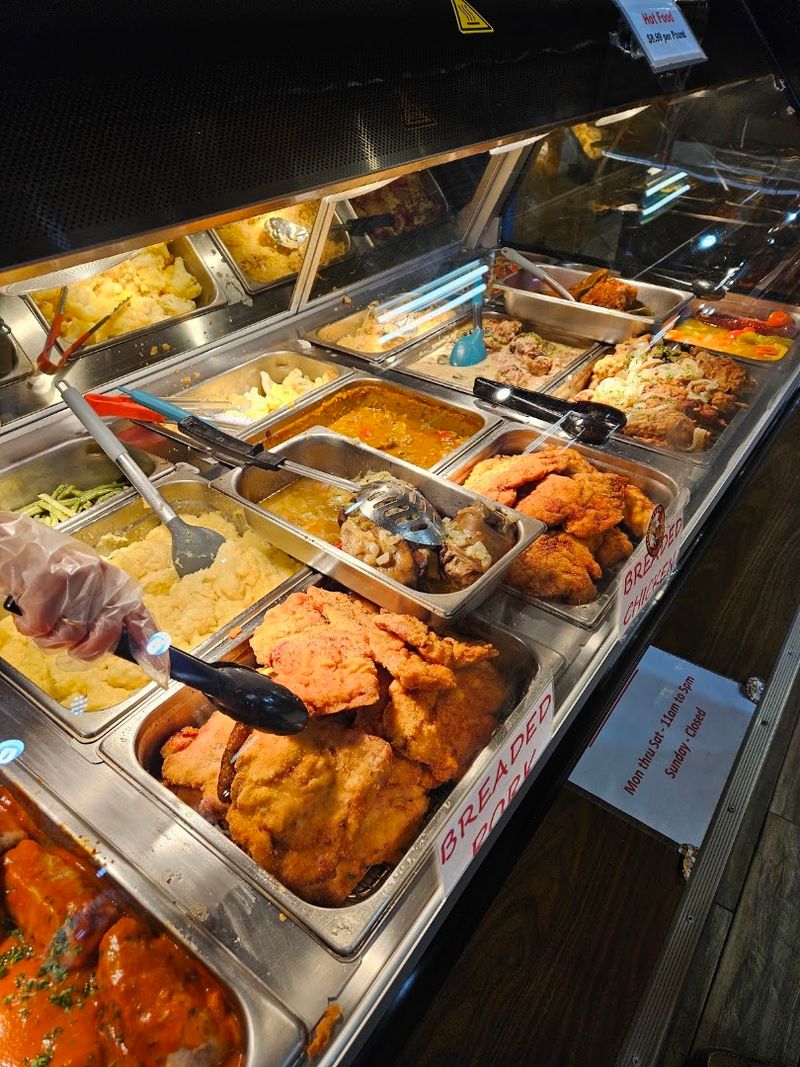
At the hot food bar, the pierogi pull attention without trying very hard. Mushroom pierogi and sauerkraut pierogi sit among the classic prepared foods, offering the kind of comfort that looks humble and ends up being exactly what you wanted.
These dumplings are a Polish essential, and Polish Market treats them accordingly. Beyond the ready-to-eat versions, there is a broad refrigerated and frozen selection for home cooking, all prepared through the market’s central production system so the staples remain dependable across visits.
That practical abundance shapes how people shop here. Pierogi are not framed as precious specialty items, but as something worth stocking in quantity because they solve dinner, lunch, and the occasional homesick craving with equal ease.
Buy extra and thank yourself later.
Stuffed Cabbage
Stuffed cabbage has a way of making a market smell like someone still cooks for the family. At Polish Market, golumpki appear on the hot food bar and in the cold case, ready either for immediate lunch or an easier dinner later in the day.
The dish is classic and sturdy: savory meat and rice wrapped in tender cabbage leaves, with the kind of softness that only makes sense when the filling and wrapper have had time to settle into each other. Nothing about it feels showy, which is exactly why it works.
The aroma around the prepared-food section quietly does half the selling. This is one of those foods that can turn a quick errand into a craving, and its old-country reputation makes complete sense once the first forkful lands.
Rustic Polish Breads
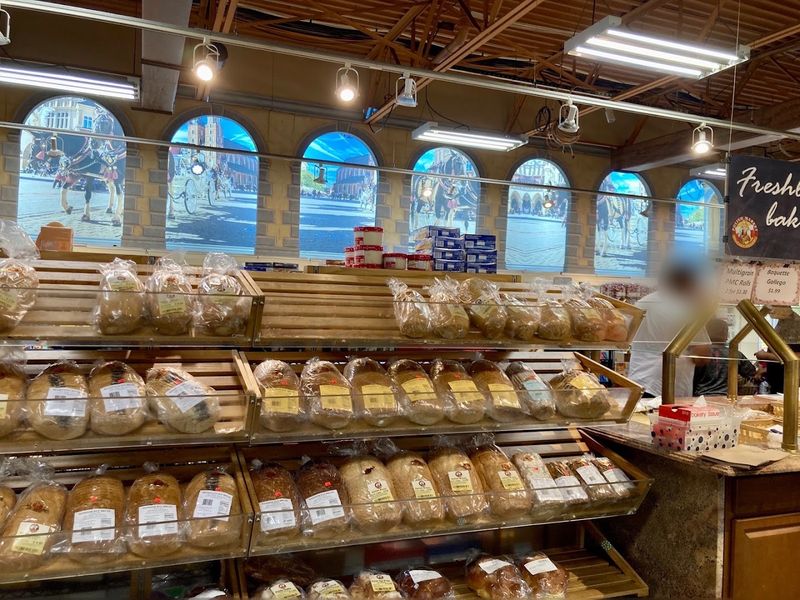
Before the deli meats, before the pastries, the bread smell usually gets there first. It is one of the most persuasive details in the building, and the bakery earns that effect with more than a dozen varieties, including rustic rolls and rye loaves baked fresh daily.
Rye is the anchor. The crumb has enough character to stand beside cured meats and cheeses, while the crust gives each loaf that sturdy, practical elegance common to great European breads.
Nothing here seems designed merely to fill a basket. These breads are built to complete a meal, especially when paired with the market’s sausages, hams, or Polish cheeses, and they make even a simple sandwich feel more considered.
If a first visit needs an easy win, bread is the low-risk, high-reward move.
Hawaiian Tort Cake
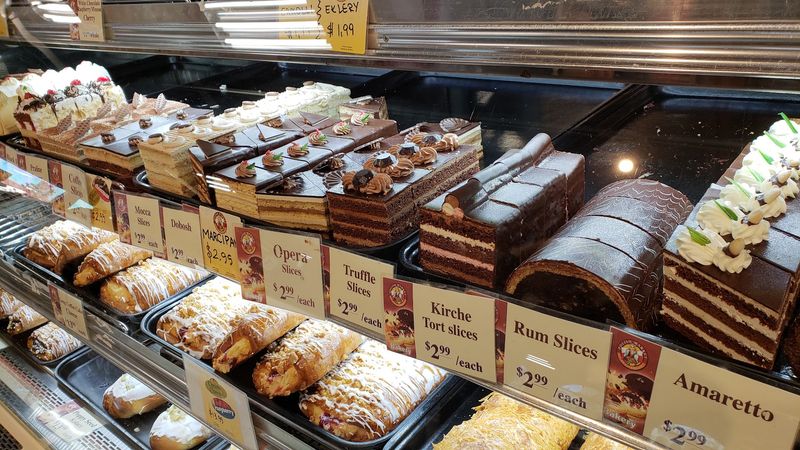
Not every memorable stop in a Polish market has to be savory. The Hawaiian Tort Cake, one of more than twenty dessert and cake options, draws attention with classic European richness rather than flashy decoration.
It is a yellow cake layered generously with hazelnut, vanilla, and chocolate cream, and the combination lands exactly where a special-occasion dessert should: lush, sweet, and just formal enough to feel deliberate.
Hazelnut is especially important here, adding that familiar Central European pastry note that keeps the whole thing from becoming generic.
People often pick up these cakes for birthdays or gatherings, but it also works as the sort of unnecessary luxury that improves an ordinary week. In a market full of practical staples, this is the persuasive argument for making room in the box for pleasure.
Delicate Apricot Kolaches
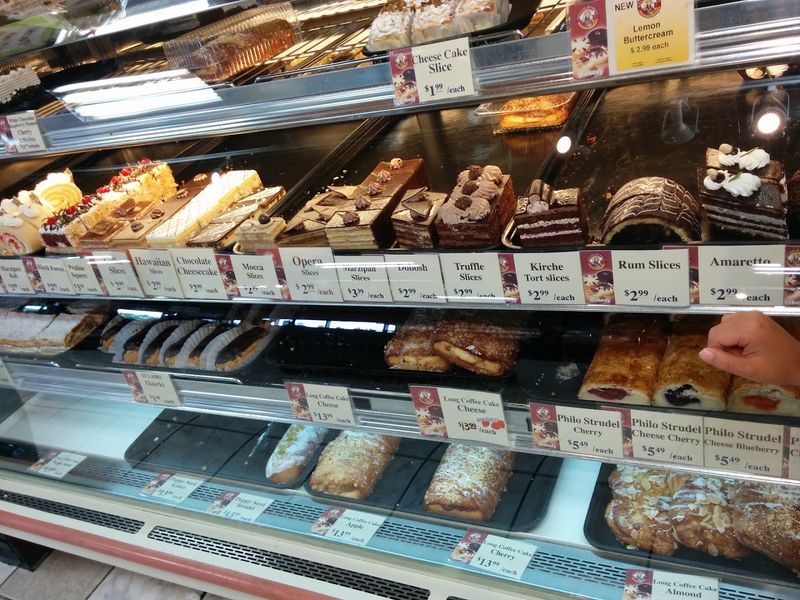
Some pastries announce themselves loudly, but the apricot kolaches rely on texture. Their appeal starts with a flaky, buttery shell, then moves to a sweet apricot filling that is balanced enough to keep each bite bright instead of heavy.
That crisp-meets-tender contrast is what makes them easy to keep reaching for. They feel rooted in the traditional baking style that defines the rest of the bakery, where everyday pastries are treated with the same seriousness as holiday sweets.
Because they are smaller and fruit-forward, kolaches also make sense when a whole slice of cake feels like too much.
They are ideal with coffee while browsing the aisles, and they carry that comforting European bakery logic of giving modest things plenty of care. Subtle pastries rarely win by accident; these do not need to.
Polish Cheeses
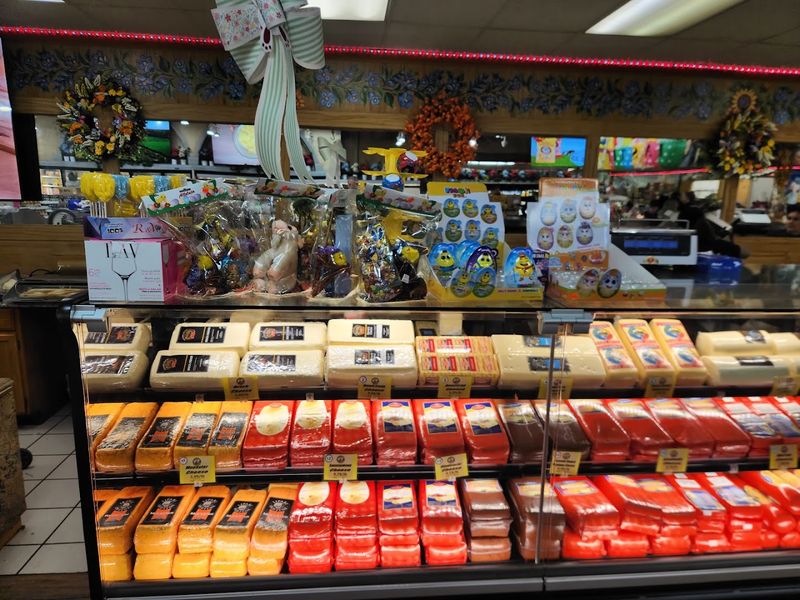
The cheese case deserves a pause, especially if the meat counter has already distracted you. Polish Market carries more than 25 European cheese variations, including Polish cheeses that range from mild and creamy to firmer, more assertive styles, often imported directly.
This is where a simple snack can become a very intelligent purchase. A wedge of Polish cheese with fresh rye bread from the bakery makes an easy, satisfying meal, and it also helps explain the market’s appeal beyond nostalgia or novelty.
The selection is practical for shoppers building a board, but it is just as good for anyone curious about Eastern European dairy traditions. Cheese here is not decorative filler near the deli.
It is part of the conversation, and it rewards anyone willing to assemble a little lunch rather than only chase the obvious specialties.
Imported Pantry Staples
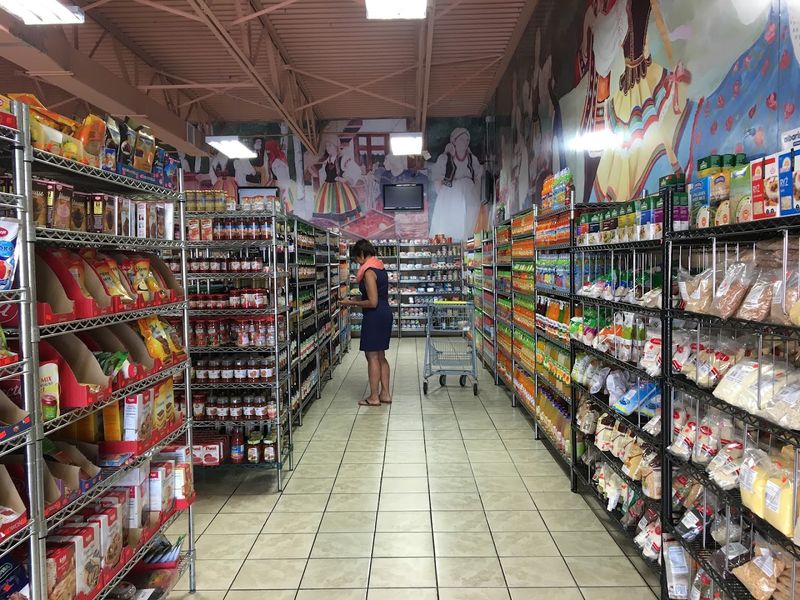
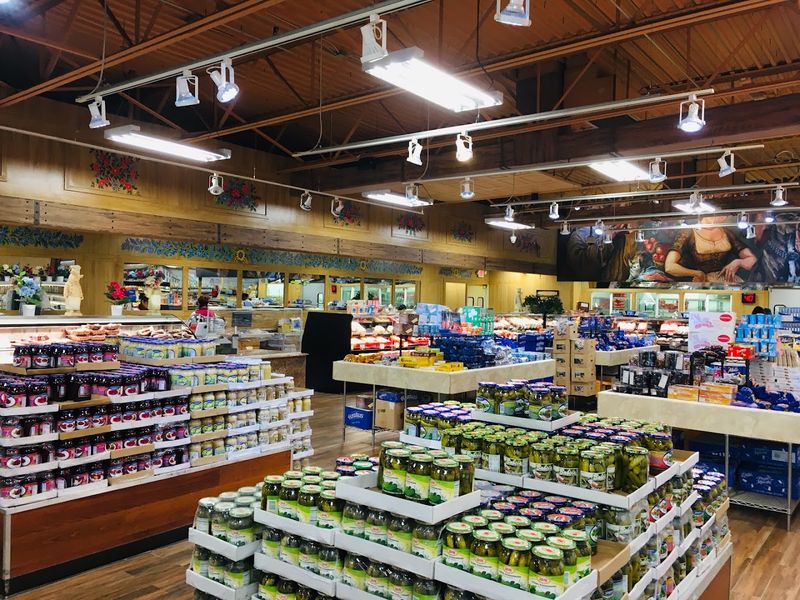
The shelves turn this stop from deli visit into actual food exploration. Beyond the fresh cases, Polish Market stocks imported pantry staples, dry goods, and specialty items that reach across Poland and neighboring Eastern European traditions.
Krakus pickles, Dr Gerard Magic cookies, Polish teas, candies, and other packaged goods create that happy feeling of not quite knowing what to grab first. The selection also extends to items common in Ukraine, Hungary, Russia, and nearby regions, giving the store a broader cultural range than its name alone suggests.
This is where shopping slows down in the best possible way. Pantry items invite repeat visits because they let you recreate familiar dishes at home or discover something new one label at a time, and the market’s variety gives those experiments real depth rather than token shelf space.
Traditional Polish Cheesecake
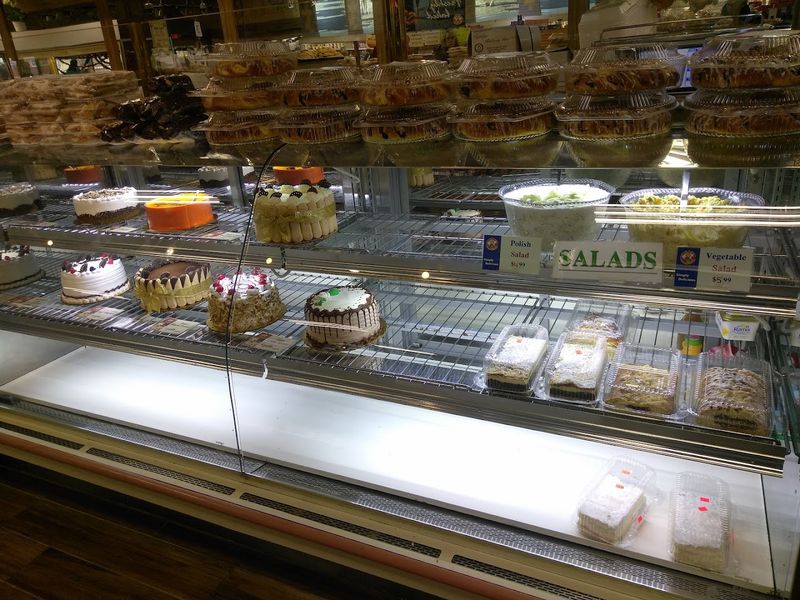
Sernik is a useful reminder that cheesecake does not mean one thing everywhere. At Polish Market, the traditional Polish version keeps its identity through a sweet pastry crust and a creamy filling made with twaróg, the fresh farmer-style cheese that defines its texture.
That ingredient matters. Twaróg gives sernik a distinct character, less like standard American cheesecake and more grounded, slightly drier, and deeply tied to the baking traditions that shaped it.
The result feels familiar enough to welcome anyone, yet specific enough to teach something with each bite. It is the kind of dessert that quietly connects to family tables and holiday memory without needing a speech about heritage.
If the cake case feels overwhelming, sernik is a smart choice because it offers both comfort and a clear sense of place.
Dill Pickle-Potato Soup
Few foods sound as odd on paper and as sensible in the bowl as dill pickle-potato soup. When Polish Market has it in the hot food bar or refrigerated prepared section, it is worth noticing because this is exactly the kind of traditional comfort dish that shows the breadth of the kitchen.
The flavor profile is tangy, savory, and soothing at once, with potatoes giving the soup body while pickles sharpen everything into focus. It is especially appealing on a cold day, when the market’s prepared foods suddenly seem less like conveniences and more like wisdom.
Availability can vary, which somehow makes it more memorable. Seeking out a soup like this also reveals what sets the place apart: familiar ingredients transformed through Eastern European habits into something distinctive, practical, and unexpectedly craveable.