
Michigan Hikes That Deliver A Wildly Good Payoff With Minimal Miles
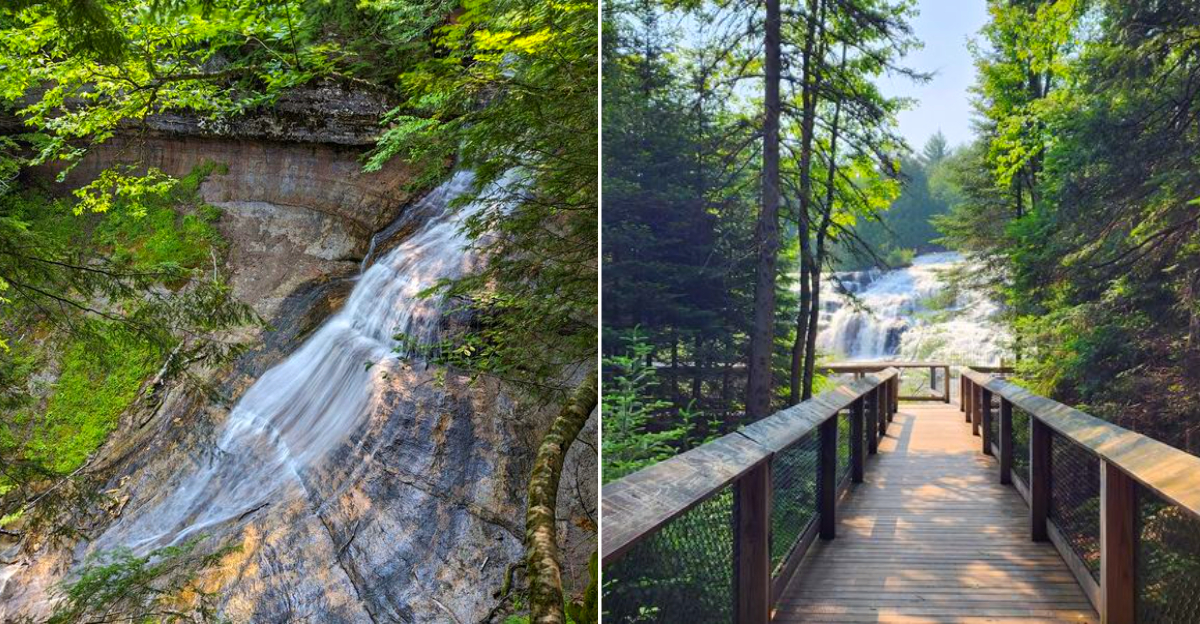
In my personal opinion, there is no medicine quite as potent for the soul, or the quads, as a brisk hike in Michigan. While many wait for the humidity of July, the expert hiker knows that now is the time to find solitude.
You don’t need to pack a heavy rucksack and disappear for days to find Michigan’s wild side; sometimes the most restorative views are found just a mile or two from the trailhead.
I’ve seen ice cracking along creek edges and waterfalls framed by lingering snow that will absolutely rearrange your mental furniture.
Find the best short hikes in Michigan with our guide to scenic winter trails, featuring stunning waterfalls, coastal dunes, and breathtaking overlooks.
If you’re ready to trade your screen for a sweeping overlook, lace up those waterproof boots. These ten trails deliver a high-impact physical and mental reset before the spring crowds even wake up.
10. Empire Bluff Trail
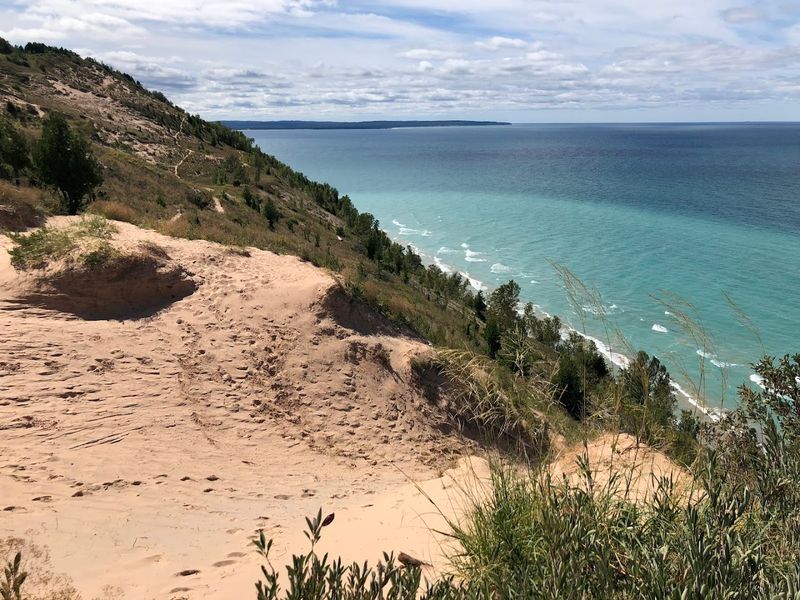
Standing at the top of Empire Bluff Trail, the Lake Michigan view feels almost unfair for a hike this short. The trail is only about 1.5 miles round trip, yet the payoff is huge.
The climb moves through beech and maple forest with a gradual, honest rise. In March, pale light filters through bare branches, and the woods carry that preserved, old-lake feeling.
This trail sits inside Sleeping Bear Dunes National Lakeshore, one of the Midwest’s most visited shoreline landscapes. In early spring, the overlook is often quiet, which makes the reveal even stronger.
You step out of the trees, the dunes and open water appear, and the wind becomes the loudest thing around. It is one of those places where your thoughts get clearer just because the view is so big.
Wear traction if snow or ice remains, especially on the boardwalk near the top. The elevation gain is modest, but it is enough to make slick patches matter.
Because the hike is short, it pairs easily with a stop in Empire afterward. A burger in town can feel like the perfect post-hike reward.
9. Pyramid Point Trail
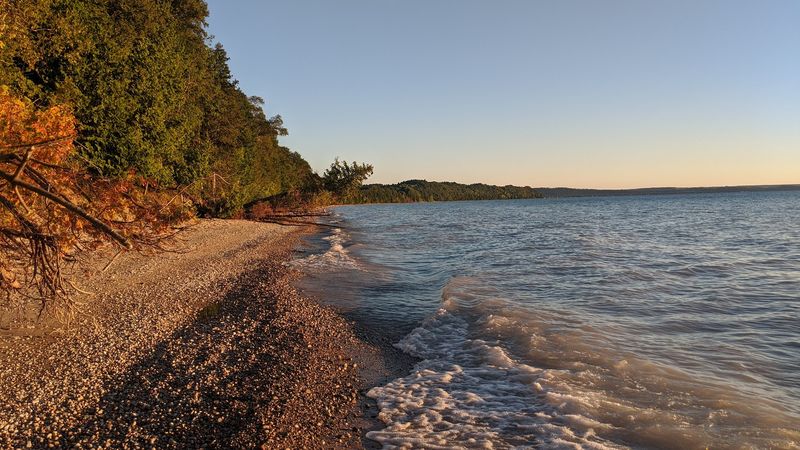
If you want to feel like you’re standing on the edge of the world, Pyramid Point Trail is the destination for you. This is the highest bluff along the Sleeping Bear Dunes shoreline, rising about 200 feet above the crashing waves of Lake Michigan.
The trail that gets you there is only 2.7 miles round trip, but the elevation change gives your legs something to remember the next morning.
The forest on the approach is exceptionally quiet in March, broken only by the sound of meltwater trickling through leaf litter and the occasional drumming of a woodpecker.
When you reach the overlook, the lake opens up in three directions, a panorama of blue that seems to stretch into infinity.
On a clear day, you can spot South Manitou Island sitting low on the horizon, looking like a green ship anchored in the distance.
The payoff at the summit makes every careful step worthwhile, offering a perspective on the Great Lakes that feels more like an ocean view. It’s the perfect spot to sit for a moment, catch your breath, and appreciate the scale of the Michigan wilderness.
8. Miners Castle Overlooks
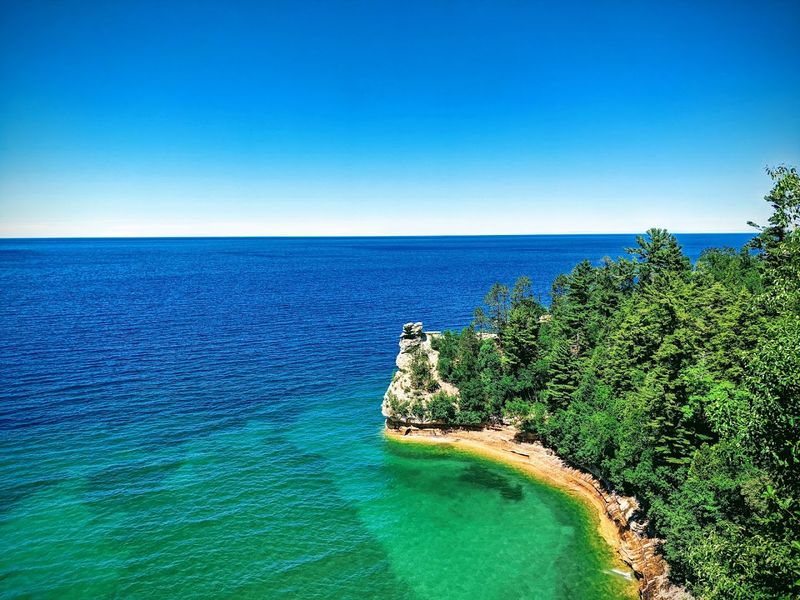
The sandstone turrets of Miners Castle jut out over Lake Superior like something a fantasy novelist sketched on a napkin.
Getting there from the parking area takes less than a quarter mile of walking, which means the payoff-to-effort ratio here is almost absurd.
It is a place that reminds you of the power of time and water, as the elements have spent centuries carving these cliffs into their iconic shapes.
Pictured Rocks National Lakeshore protects this incredible stretch of the Upper Peninsula shoreline, and Miners Castle is easily one of its most photographed features. The rock formation has been eroding slowly for centuries.
In fact, one of its two original towers collapsed into the lake in 2006. It was a stark reminder that this landscape is genuinely alive and constantly changing under the pressure of the Superior gales.
Two separate overlook platforms give different angles on the formation and the swirling lake below. Lake Superior in March runs cold, deep shades of blue and green that photographs can barely capture accurately.
It is a moody, magnificent sight. Because the walk is so short, it’s a great spot to visit if you have younger hikers in tow or if you’re looking to squeeze in one last view before the sun sets.
7. Miners Falls Trail
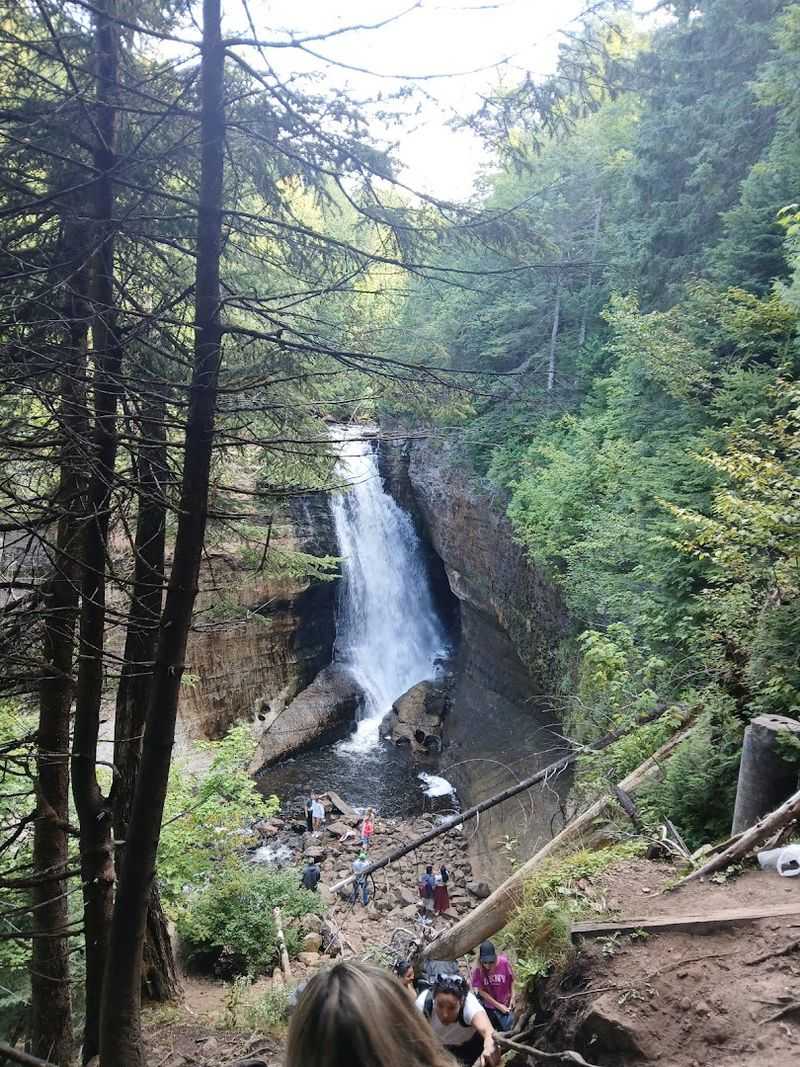
Just a short distance from the castle is the Miners Falls Trail, a 1.2-mile round trip through a beautiful hemlock and birch forest.
The path leads to Miners Falls, a 40-foot cascade that drops into a rocky, moss-covered gorge along the Miners River.
In March, the waterfall often wears a jagged collar of ice around its edges while the center still runs strong. This creates a visual of moving water and frozen architecture that stops people mid-step.
The trail itself is relatively flat and well-marked, making it accessible even when a layer of late-season snow covers the ground. Pictured Rocks National Lakeshore maintains this path as a high-priority part of its broader trail network, ensuring it remains one of the more reliable hikes in the region.
The area around the falls stays remarkably quiet until the spring crowds arrive in late May, offering a peaceful sanctuary. You’ll want to bring microspikes or some form of traction if temperatures have been hovering around freezing.
The mist from the falls tends to drift and freeze on the wooden viewing area platform, making it a bit of a skating rink for the unprepared.
6. Chapel Falls Trail
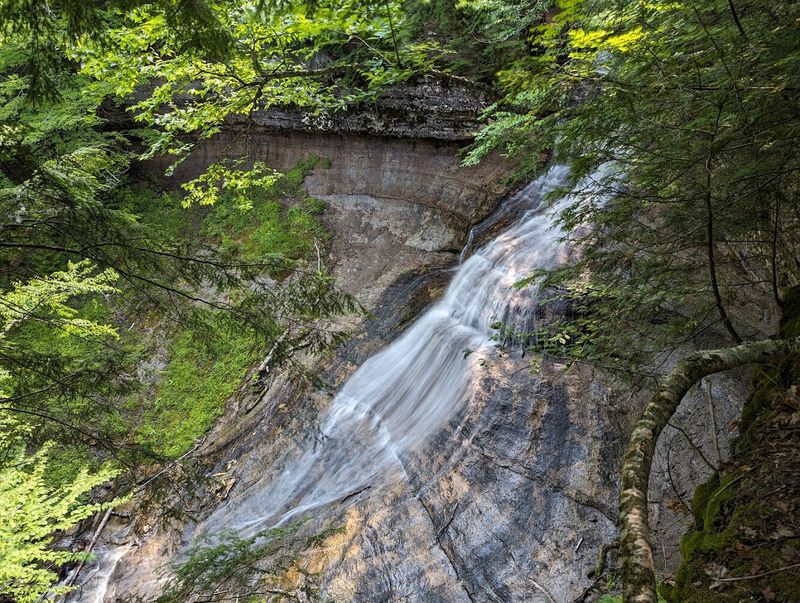
Chapel Falls drops 90 feet through a narrow gorge in a single, dramatic curtain of water, and the trail to reach it is only about 1.8 miles round trip from the Chapel Road trailhead.
That combination of short distance and spectacular result makes this one of the Upper Peninsula’s most rewarding quick hikes.
It feels like a secret garden, tucked away from the more traveled coastal paths.
The forest on the way in is dense with hemlock, providing a canopy that keeps the trail feeling intimate and sheltered. Long before you see the water, the gorge walls begin to amplify the sound of the falls, a low roar that builds with every step.
I have walked this trail in three different seasons, and March has a particular quality of light and silence, a blue-hour feeling that the summer crowds completely erase.
Parking at the Chapel Road trailhead is free and usually uncrowded in early spring, a far cry from the overflowing lot you’ll find in July.
The trail can be quite muddy near the falls as the ground thaws, so waterproof footwear is a practical choice rather than an optional luxury.
5. Wagner Falls Scenic Site Trail
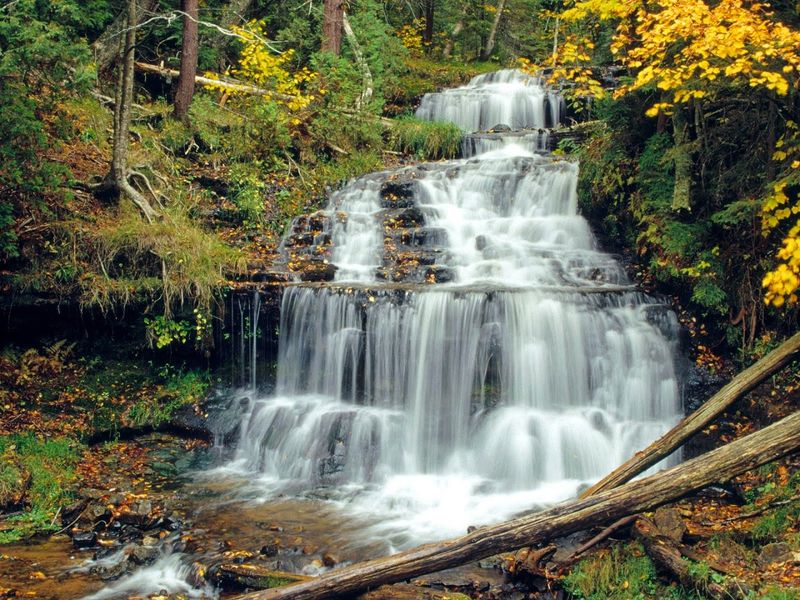
If you are looking for a hidden gem that requires almost zero effort, Wagner Falls Scenic Site Trail near Munising is one of Michigan’s most underrated quick stops.
The trail from the parking area to the falls is barely a quarter mile, a gentle stroll through a corridor of trees that opens up to a multi-tiered masterpiece.
The waterfall fans out across several sandstone ledges in a way that looks almost deliberately arranged by a landscape architect.
The Michigan DNR manages this scenic site, and the maintained path is accessible year-round. In March, snowmelt from the surrounding hills feeds the creek above the falls, pushing the water volume up noticeably.
The falls look much beefier in the spring than they do during the dry summer months, making it the best time to visit for amateur photographers.
The hemlock canopy around Wagner Falls stays a deep, vibrant green through the winter, which gives the site a sheltered, almost enclosed atmosphere even when the surrounding hardwood forests are bare and gray.
If you visit on a weekday morning, you may very well have the whole place to yourself.
4. Tahquamenon Falls Upper Falls Viewpoints
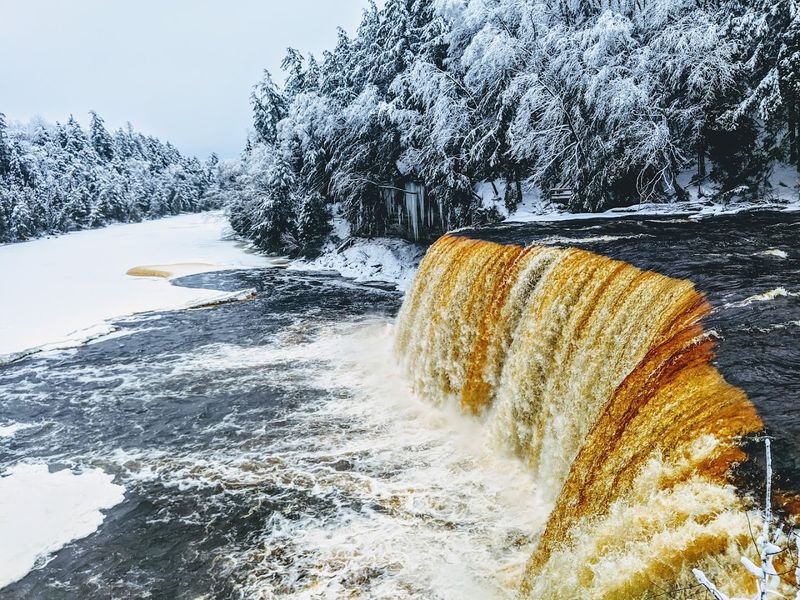
You cannot talk about Michigan hiking without mentioning the Tahquamenon Falls. As one of the largest waterfalls east of the Mississippi, it is a true titan of the Midwest.
The Upper Falls viewpoints are reached by a short series of well-maintained paths totaling less than two miles of walking.
These falls are famous for their unique amber-brown color, caused by tannins leached out of the surrounding cedar and spruce swamps.
It’s a color that looks like root beer and appears almost artificially rich in photographs.
March is a transition period here, it brings the drama of ice breakup along the river. Watching massive chunks of ice float slowly toward the edge and then plummet over the 50-foot drop is one of the stranger, more compelling things you can witness in the state.
The Tahquamenon Falls State Park staff does an excellent job of keeping the main viewpoint trails plowed and passable even during the harshest winters.
The park features a small gift shop and restrooms that are open seasonally, though the real draw is the raw power of the river. Arrive early on weekends to secure a spot in the lot.
3. Bond Falls Scenic Site Boardwalk
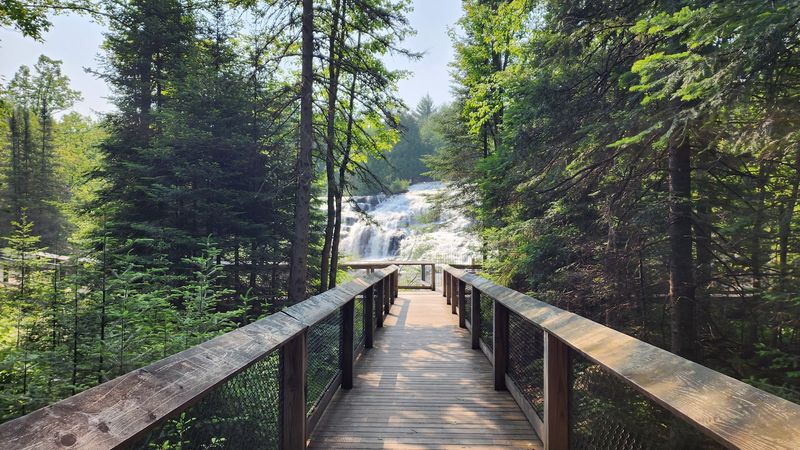
Located in the western Upper Peninsula, Bond Falls spreads across the Middle Branch of the Ontonagon River in a broad, boulder-strewn cascade.
It has a rugged, wild aesthetic that looks more like a Pacific Northwest waterfall than something you’d expect to find in the Midwest.
The boardwalk system around the falls is less than a mile total, but it is ingeniously designed to give you multiple viewing angles at different elevations, allowing you to get remarkably close to the spray.
The Michigan DNR manages the site and keeps the main boardwalk accessible through much of the winter months. In March, the snowmelt from the surrounding highlands pushes an incredible volume of water over the rocks, making the falls appear at their most powerful and photogenic.
The nearest town is Paulding, about twelve miles away, so it is a bit of a trek. Make sure to fill your gas tank and pack plenty of snacks before you head out, as services are sparse in this neck of the woods.
Cell service is notoriously unreliable along the access road, so it is a very good idea to download an offline map in advance. It feels like a true escape from the modern world.
2. Sugarloaf Mountain Trail
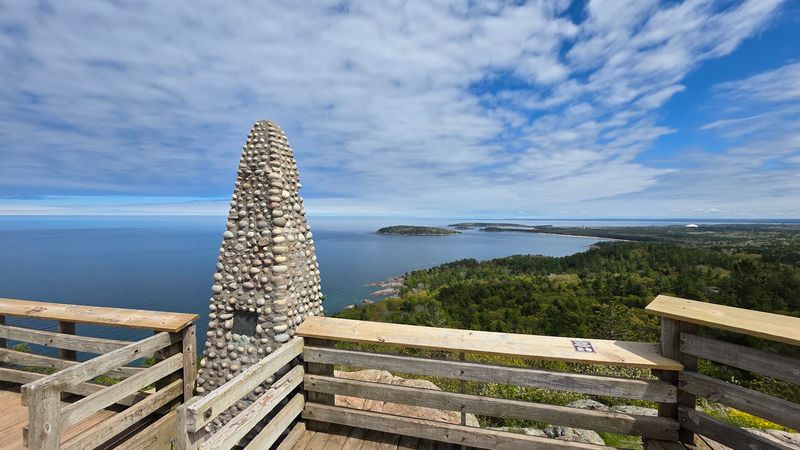
For those who want a bird’s-eye view of the Upper Peninsula, Sugarloaf Mountain near Marquette is the local favorite.
There is a well-constructed staircase section that handles the steepest part of the climb, so you don’t have to worry about scrambling over loose rock. The top is a series of open rock platforms that offer 360-degree views.
On a clear March day, the view sweeps from the icy expanse of Lake Superior to the south across miles of untouched forest. You can see the city of Marquette tucked into the shoreline and the distant peaks of the Huron Mountains.
The mountain is a local landmark that residents use year-round for quick exercise, you’ll likely see locals with their dogs enjoying the crisp air.
The exposed summit can be incredibly windy and significantly colder than the trailhead, so even if you feel warm at the bottom, bring an extra layer in your pack.
The parking area off County Road 550 is small but usually manageable outside of the peak summer season.
Sunrise visits here are particularly worth the early alarm, the light hitting the ice of Lake Superior at dawn in March has a pearlescent quality that stays with you long after you’ve descended.
1. Presque Isle Park Trails
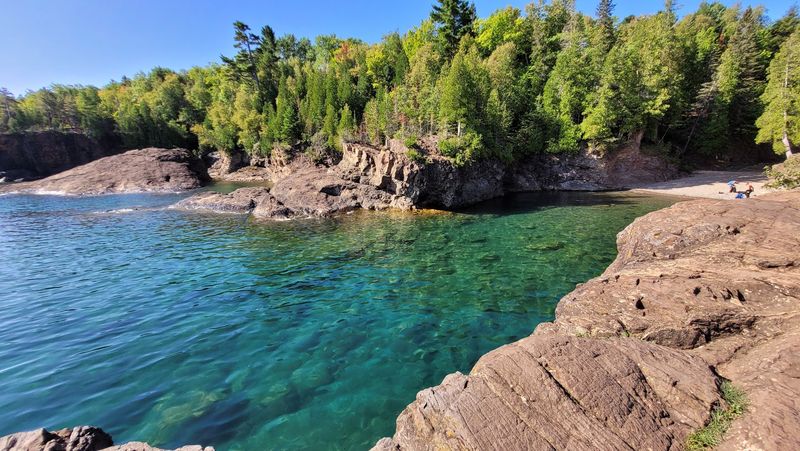
Rounding out our list is Presque Isle Park, situated on a peninsula that juts into Lake Superior just north of downtown Marquette.
Its network of paved and natural trails covers about four miles in total, but because of the layout, you can walk as little or as much as you want.
The lake is visible from almost every section of the path, providing a constant soundtrack of waves hitting the shore.
The park’s black rock shoreline is geologically ancient, part of a Precambrian formation that is over two billion years old. Walking on these rocks makes the ground feel genuinely old in a way that is hard to articulate.
In March, massive ice shelves still cling to the rocks at the water’s edge, and Lake Superior frequently throws up spray that freezes mid-air on cold days, coating the trees in a layer of glass.
A small pavilion and restrooms are available in the park, providing some comfort for winter explorers. Marquette locals are a hardy bunch, you will see them running and walking here daily regardless of the weather.
Their presence tells you something useful about the reliability of the trails and the indomitable spirit of this town.