
10 Michigan Islands Where Locals Would Rather Avoid The Summer Crowds
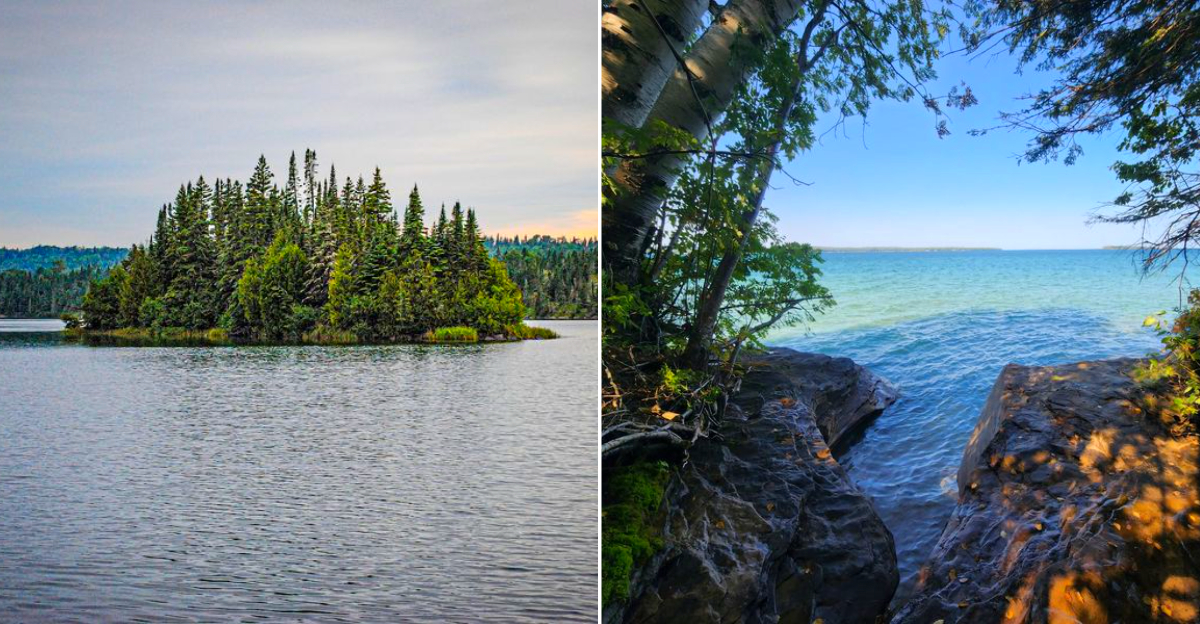
I used to think getting away from the crowds required a plane ticket to somewhere remote. Then I discovered the islands.
Not the famous ones that everyone already knows about. The quieter spots where ferries run on schedules that feel more like suggestions.
Where the loudest sound is water hitting a rocky shoreline. Where cell service disappears and nobody seems to mind.
Each island on this list offers a different version of the same promise: you will not be fighting for a patch of sand.
Some have tiny year-round communities that welcome visitors with a warmth you do not find at the busy resorts. Others feel so untouched that walking their trails feels like stepping onto land nobody has mapped yet. I have kayaked between a few of them.
I have taken ferries that carry more bicycles than cars. If you want to experience Michigan without the shoulder-to-shoulder energy of peak season, these 10 islands where locals avoid the summer crowds are exactly where you need to go.
10. Bois Blanc Island
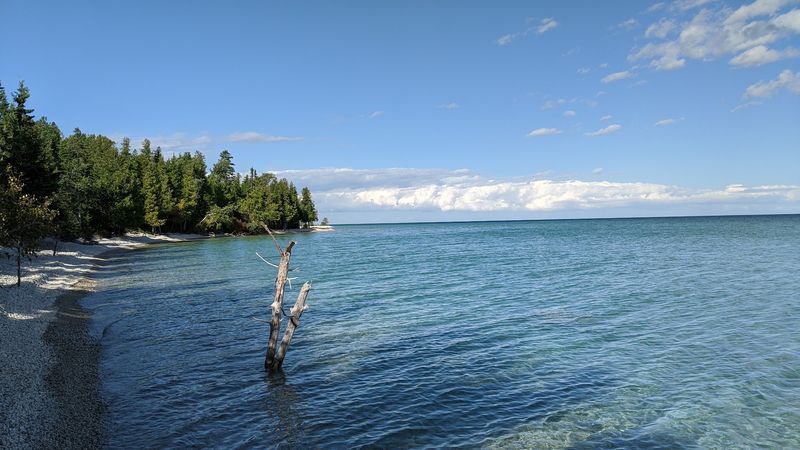
A ferry ride from Cheboygan carries you across the Straits of Mackinac toward a place that seems determined to ignore hurry. Mackinac Island may be nearby, but Bob-Lo trades crowded sidewalks and polished attractions for gravel roads, inland lakes, forest, and long stretches of quiet shoreline.
I would bring groceries, drinking water, bug spray, and anything else needed for the day because services remain limited once you arrive. A vehicle is useful for reaching more of the island, although bicycles suit travelers comfortable with loose surfaces and longer distances.
The late arrival of widespread electricity, which did not reach the island until the 1960s, still fits its independent personality. Nothing feels arranged to entertain visitors on demand.
You create the day yourself by swimming, fishing, watching birds, exploring backroads, or simply sitting beside Lake Huron longer than planned.
Check the ferry schedule before leaving Cheboygan because weather and seasonal operations can affect travel. The best visit begins with realistic expectations: fewer conveniences, more silence, and enough open space to remember that summer does not have to feel crowded, expensive, or tightly scheduled to be memorable.
A slow drive at sunset often becomes the most memorable part of the visit.
9. Drummond Island
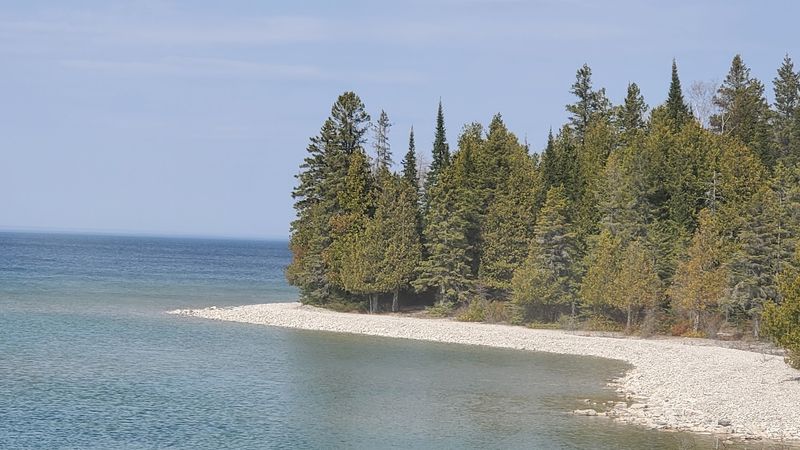
The ferry from DeTour Village takes only a few minutes, but the island waiting on the other side feels large enough to swallow an entire weekend. At roughly 136 square miles, there is room for forest roads, limestone shoreline, paddling routes, hiking, golf, and extensive off-road trails.
I would not treat this as a quick walk-on excursion. Bringing a vehicle, a full tank, water, snacks, and a downloaded map makes exploring far easier, especially where cell service becomes unreliable.
The main roads are straightforward, but the quieter corners reward people willing to leave the obvious route.
Summer can still feel active around the ferry landing and popular recreation areas, yet the island’s scale spreads visitors out quickly. A quiet bay, backroad, or trail is rarely far away.
Passing freighters also provide free entertainment without requiring a ticket or a crowded viewing platform.
Ferry delays are possible when traffic builds, so leave extra time for the return trip. Drummond works best when you stop trying to cover everything.
Pick one part of the island, slow down, and let the distance between stops become part of the escape rather than a problem to solve.
8. Beaver Island
A little more than two hours on the ferry from Charlevoix gives the mainland plenty of time to disappear. By the time the boat reaches St. James, the harbor feels lively enough to be welcoming but calm enough to remind you that this is still an island.
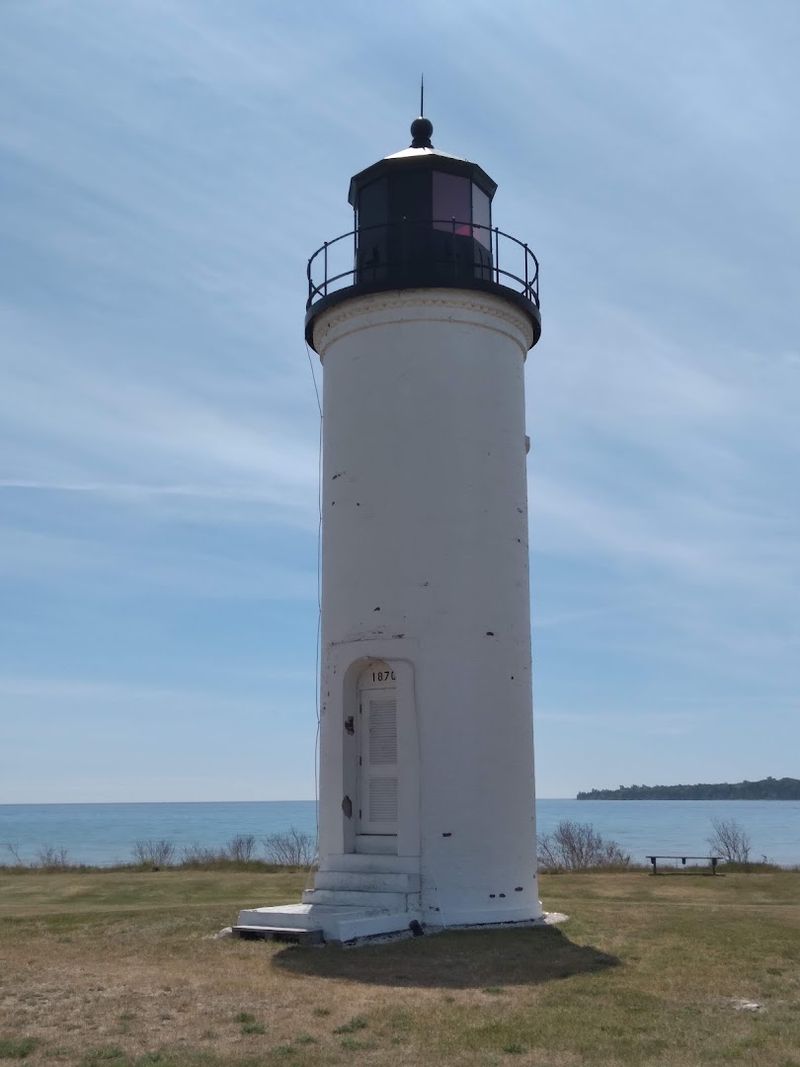
There is more development here than on several other places on this list, yet quiet is easy to find beyond the village. Beaches, inland roads, forests, museums, lighthouses, and long stretches of shoreline make it possible to build several different days from one visit.
Renting a bicycle or bringing a vehicle gives you more freedom than trying to keep everything within walking distance.
The island’s history is layered, including longstanding Odawa connections, Irish settlement, and the unusual nineteenth-century kingdom associated with James Strang. Local museums help explain those stories without making the whole trip feel academic.
Reserve ferry space early if you plan to bring a vehicle during summer. Pack layers because Lake Michigan can cool an afternoon quickly.
The trick is to leave the harbor blocks behind for a while. Once the roads lengthen and water begins flashing through the trees, Beaver Island feels genuinely removed from ordinary summer noise.
7. Grand Island
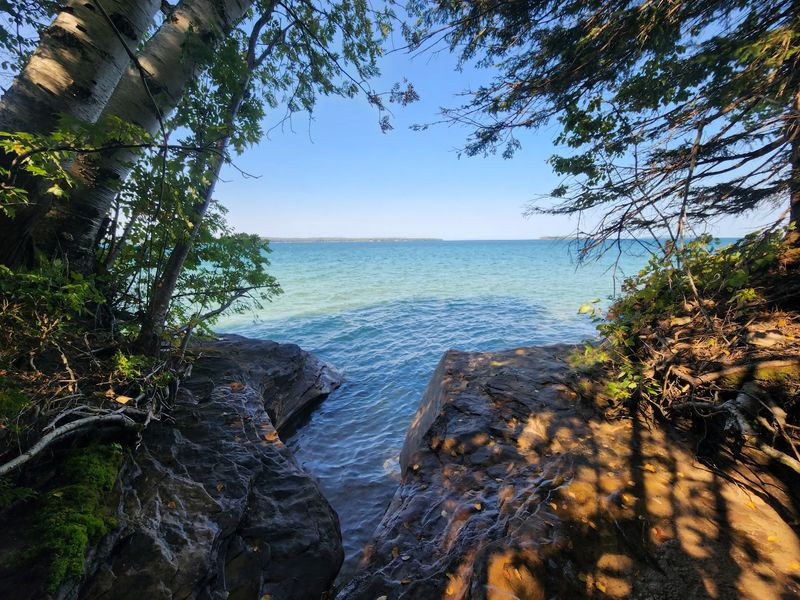
Only a short boat ride from Munising separates the busy mainland from a much rougher Lake Superior landscape. Forest, sandstone cliffs, unpaved roads, beaches, and old lighthouse scenery take over quickly once the ferry reaches Williams Landing.
Bicycling is one of the best ways to explore, although the full loop requires time, stamina, water, and respect for changing weather. Hiking and primitive camping provide slower alternatives, while day visitors can focus on a shorter section rather than treating the entire island like a checklist.
I would download a map before boarding because cell service can be unreliable and distances feel longer on uneven roads. Bring food, extra layers, insect repellent, and enough water for delays.
Some homes and buildings near the landing are private, so posted boundaries deserve attention.
Day-trippers often cluster near the dock before spreading out. Starting early or staying overnight creates much more solitude.
What makes Grand Island work is the balance: it is close enough to reach without a major expedition, yet rugged enough to discourage casual crowds. Once the wind moves through the trees and Munising fades across the water, the island feels far more remote than the short crossing suggests.
6. North Manitou Island
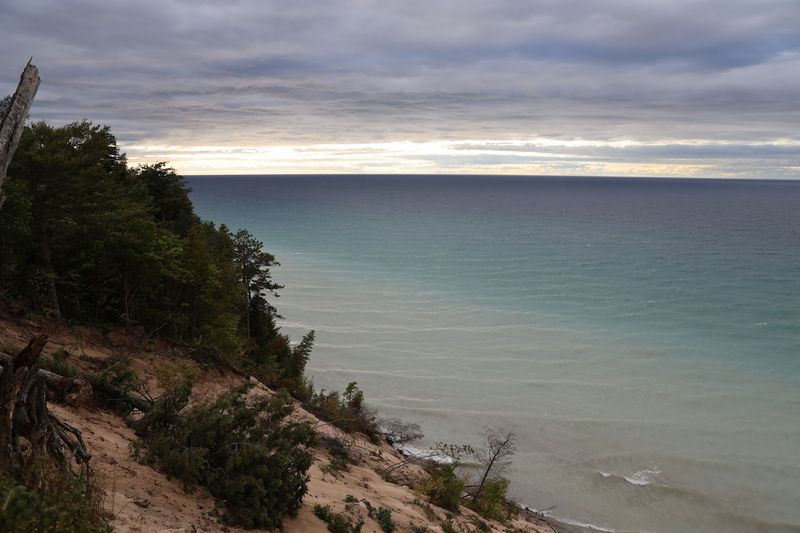
Reaching this island from Leland has never been a casual outing, and current access conditions make planning even more important. Ferry and dock availability can change because of construction, weather, and park operations, so travelers should rely on the latest National Park Service and ferry updates before building a trip around it.
Under normal conditions, the appeal lies in the backcountry. Forest trails, high bluffs, abandoned settlement traces, and long sections of Lake Michigan shoreline reward experienced hikers who arrive prepared to carry what they need.
An overnight stay is usually part of the experience rather than an optional extra.
There are no convenient shops waiting once you land, and that limitation filters out visitors looking for an effortless day trip. Water, food, camping equipment, navigation, and realistic hiking distances all matter.
I would keep the schedule loose and resist trying to cover the island too quickly. The strongest moments are often simple: wind moving through old trees, an empty beach appearing after miles of trail, or the sudden realization that no traffic noise has followed you across the lake.
North Manitou stays quiet because it demands preparation, patience, and respect for a landscape that does not reorganize itself around convenience.
5. South Manitou Island
A ferry from Leland traditionally provides access, but travelers should check current National Park Service and transportation updates before planning around the island. Dock construction, weather, and seasonal restrictions can change how or whether visitors are able to land safely.
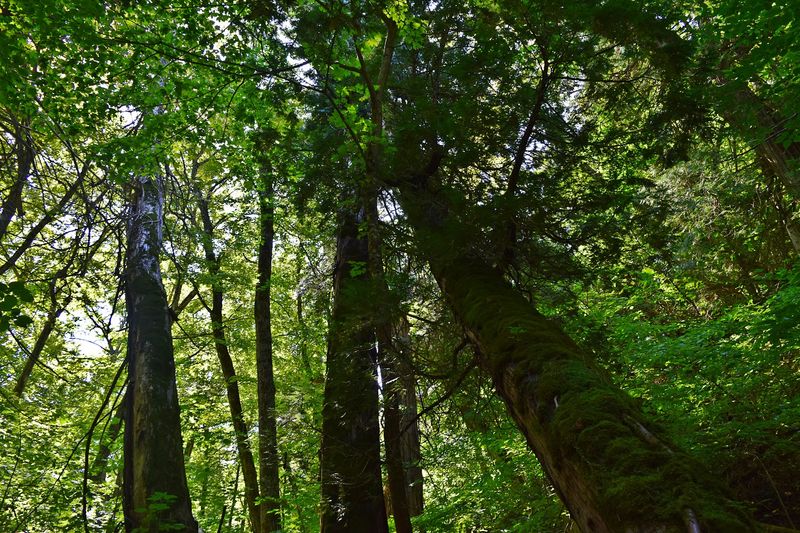
When regular access is available, the island offers an appealing combination of maritime history and wild landscape. The lighthouse, old farm sites, shipwreck views, dunes, campgrounds, and the Valley of the Giants give a visit several distinct layers.
Ancient white cedars in the interior create one of the most memorable walks in Sleeping Bear Dunes National Lakeshore.
This is not a resort stop. Water, food, layers, and realistic expectations need to come with you.
Sand, wind, and distance shape the day more than cafés or organized entertainment.
I would think like a camper even during a shorter visit. Leave room for delays, protect the dunes, and avoid treating every landmark as something to rush through.
The island’s strongest quality is how little competes with the landscape. Once you climb above the beach and look across Lake Michigan, crowded mainland beaches begin to feel strangely unnecessary.
The quiet comes from space, effort, and the absence of anything designed to hurry you along.
4. Isle Royale
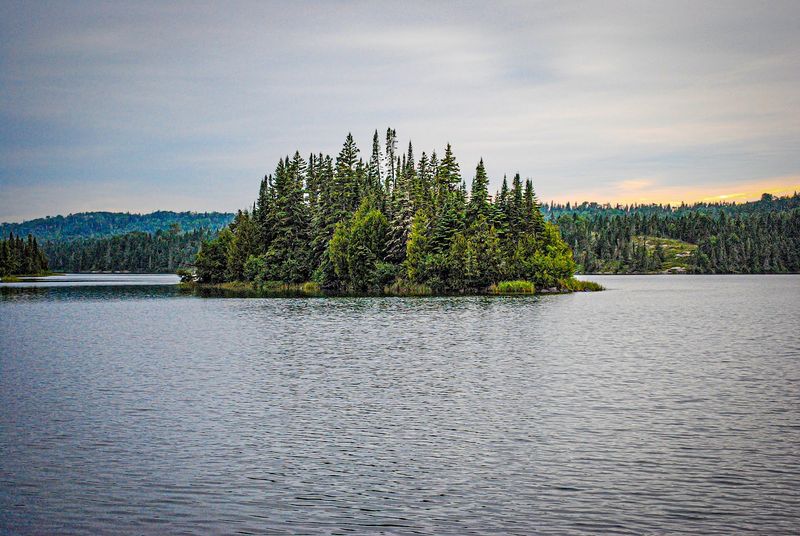
Even the journey acts like a filter. Boats depart from Copper Harbor and Houghton, but reaching the national park still requires time, reservations, and a willingness to let weather influence the plan.
The island is almost entirely wilderness. Backpackers follow long trails between campgrounds, paddlers explore protected channels, and lodge guests can use Rock Harbor as a comfortable base without turning the experience into a conventional resort stay.
There are no roads connecting island destinations and no quick exit when conditions shift.
I would confirm transportation first, then build the itinerary around arrival and departure times rather than the other way around. Food, rain protection, warm layers, and realistic daily distances matter more than fashionable outdoor gear.
Lake Superior can turn a mild forecast into a cold, wet afternoon with little warning.
Wolves and moose receive most of the attention, but silence is what many visitors remember. Dark skies, long stretches without another person, and the feeling of being pleasantly unreachable give the island its real power.
Isle Royale does not offer effortless escape. It asks for commitment, then rewards that effort with a version of summer almost completely separated from traffic, noise, and the pressure to fill every hour.
3. Sugar Island
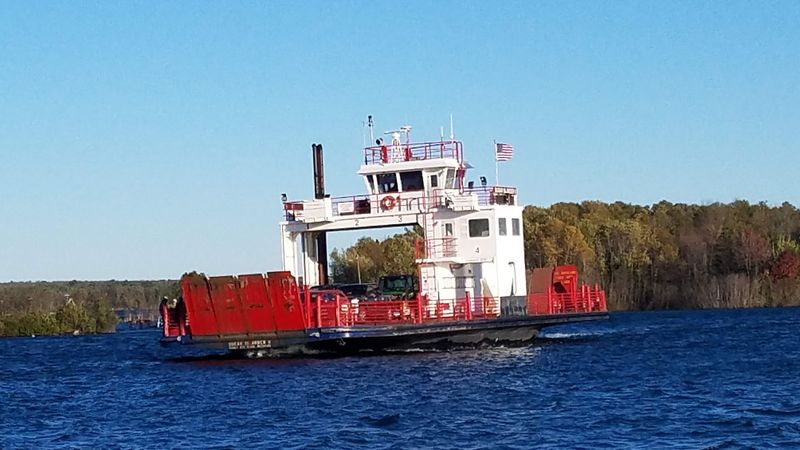
A short ferry ride from Sault Ste. Marie carries you across the St. Marys River to an island that feels residential, quiet, and wonderfully uninterested in becoming a resort.
Roads pass woods, homes, shoreline, and places where freighters become the day’s moving spectacle. I would bring binoculars, snacks, insect repellent, and a flexible plan rather than arriving with a long list of attractions.
Much of the island is private property, so public access points and local rules deserve respect.
The ferry is part of daily life for residents and generally runs frequently, but weather, mechanical issues, or seasonal conditions can still affect service. Checking current updates before leaving the mainland prevents unnecessary surprises.
What works best here is the slower attention the island encourages. Watch a freighter pass, drive without rushing, and notice how close Canada feels across the water.
Visitors who need constant entertainment may find the quiet almost unsettling at first.
Everyone else should give it time. Once the rhythm settles in, boredom starts to look like a luxury.
Sugar Island proves that an island escape does not require dramatic cliffs or remote backcountry. Sometimes a short crossing, a river breeze, and an evening with nowhere urgent to be are enough.
2. Neebish Island
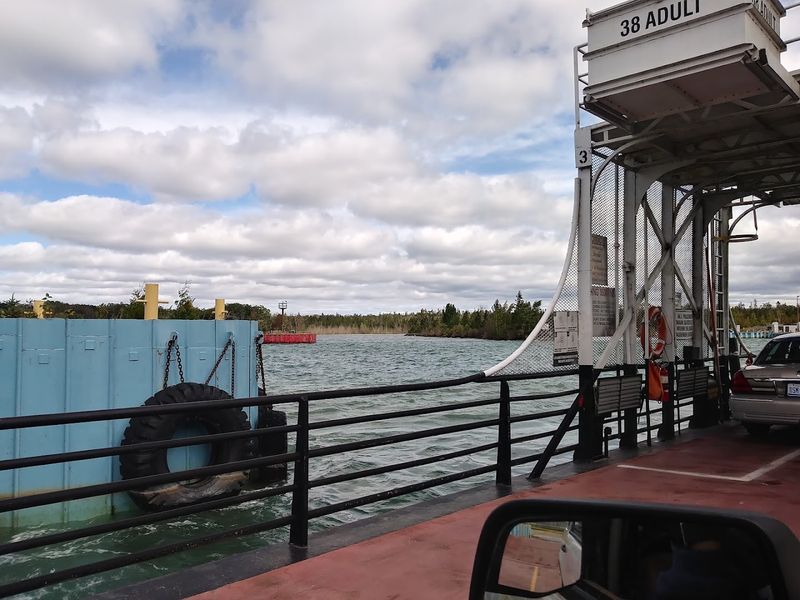
The ferry from Barbeau carries residents, visitors, and vehicles across the St. Marys River to a place with fewer than one hundred year-round residents and almost no interest in performing for tourists.
Woods, farms, cottages, quiet roads, and wide river views define the experience. Upbound and downbound freighters use channels on opposite sides of the island, creating remarkable ship watching without the crowds found near the Soo Locks.
Bring binoculars, fuel, food, and anything essential for the day because services are limited.
Schedules can be less frequent than travelers expect, so plan around the final return rather than assuming boats run continuously. Current service updates matter, especially when weather or maintenance affects access.
There are few conventional attractions, and that is exactly why the island works. Wildflowers, birds, river traffic, and slow drives provide most of the entertainment.
Respect private lanes, homes, and working land while exploring. Neebish rewards people who appreciate small details. A freighter appearing between trees, evening light on the water, or a completely empty stretch of road can become the entire point of the trip.
In a state filled with louder destinations, that kind of quiet feels increasingly rare. A picnic beside the river can feel like an event.
1. Harsens Island
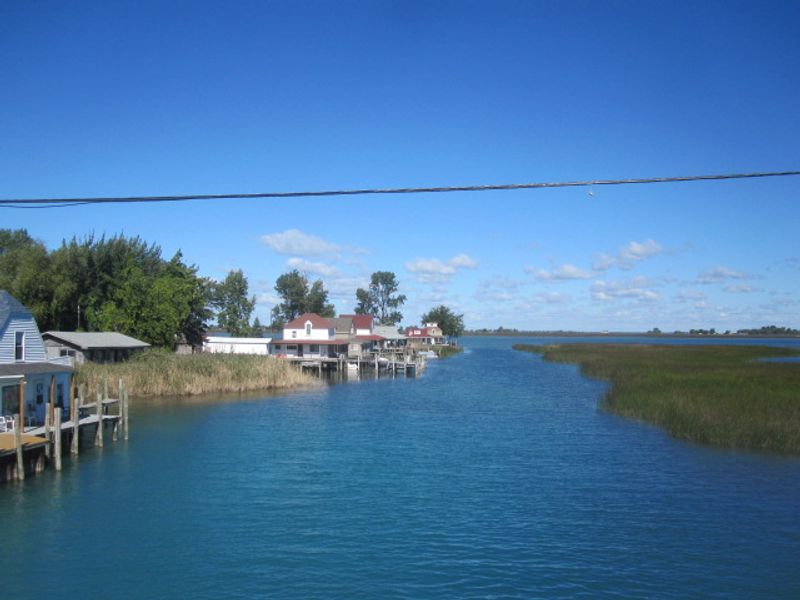
A brief auto ferry ride from Algonac leads into a landscape of canals, marshes, cottages, docks, and roads that seem to follow the water rather than any obvious grid.
Unlike Michigan’s remote wilderness islands, this one feels lived-in and relatively easy to explore. Restaurants, marinas, neighborhoods, wildlife areas, and boating culture share the same low landscape.
The quieter experience comes from choosing the right corner rather than expecting complete isolation.
I like driving slowly, watching birds over the marsh, and stopping wherever a legal public view opens toward passing boats. Summer weekends can still bring ferry lines and activity near popular businesses, so earlier mornings or weekday visits usually feel more relaxed.
Check current ferry fares and operating information before leaving Algonac, then allow extra time for the return. Water levels, weather, and boating traffic can all change the mood of the day.
The strongest moments arrive in the evening, when Lake St. Clair light softens and the channels begin reflecting reeds, boats, and open sky.
Harsens Island may not feel wild, but it offers a different kind of escape: a watery, independent community where summer slows down as soon as you leave the ferry landing behind.