
12 Michigan Rail Trails That Deserve A Spot On Your Cycling Bucket List
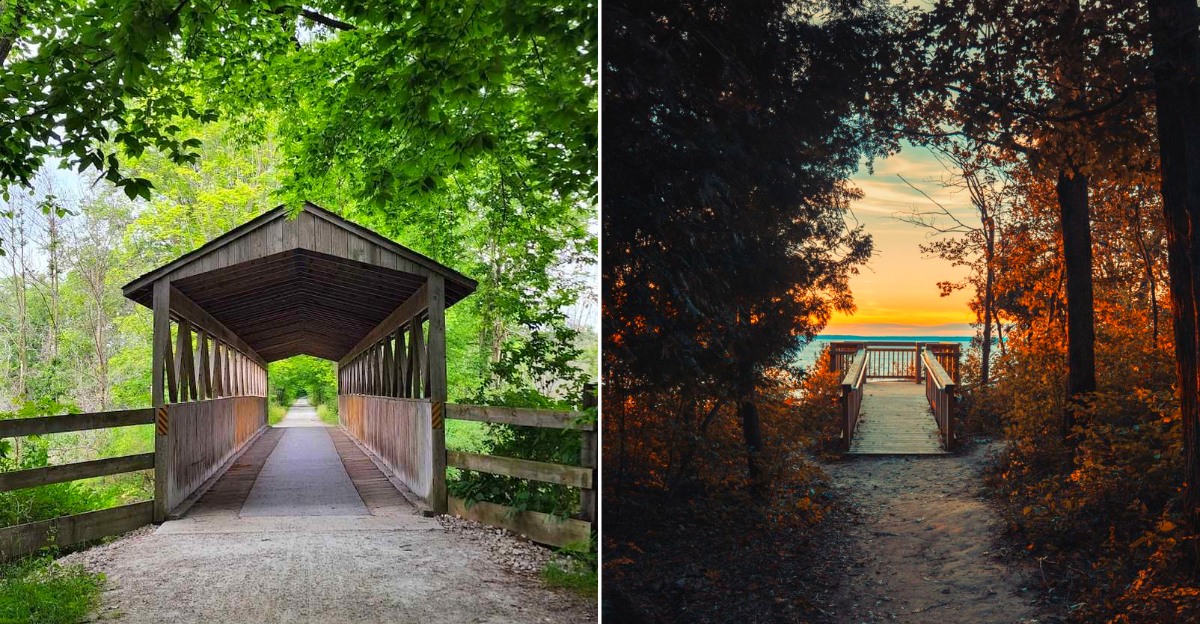
Rail trails have a sneaky way of making you feel like you discovered a secret transportation system built for better moods.
In Michigan, that feeling comes with lake wind, orchard rows, old depot towns, and the satisfying crunch of gravel or smooth pavement under your wheels.
I like these routes because they give you scenery without demanding heroic suffering first. You can ride beside marsh grass flickering in the sun, pass a farm stand that smells like peaches, or roll into a small town just in time for coffee and something irresponsibly frosted.
Michigan rail trails turn old railroad corridors into some of the state’s best biking routes, with lake views, forest stretches, river crossings, and easygoing day-trip energy.
The beauty is in the rhythm. Pedal, coast, look around, repeat.
These twelve trails make a strong argument for slowing down on purpose.
1. Kal-Haven Trail
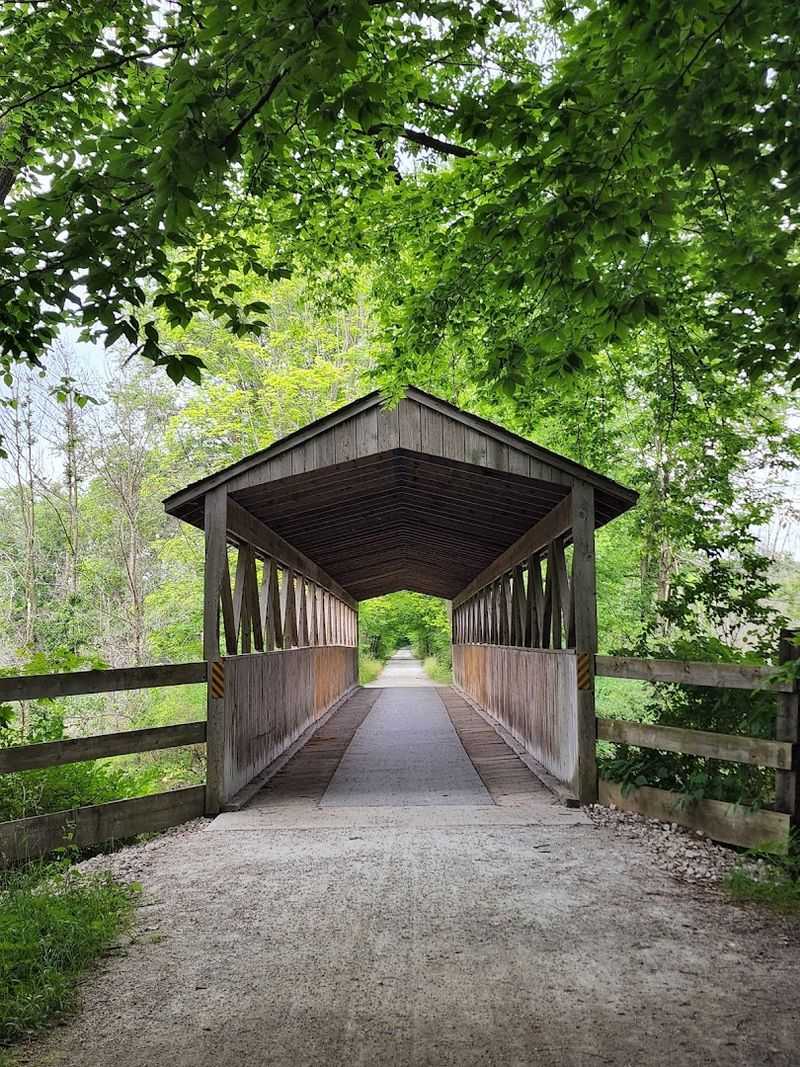
A westward ride on Kal-Haven Trail feels like letting southwest Michigan unfold at exactly the right speed. Kal-Haven Trail State Park runs between Kalamazoo and South Haven, with one useful access point at the 10th Street trailhead in Kalamazoo and another near Bailey Avenue in South Haven, MI 49090.
The route follows an old railroad bed for roughly 33.5 to 34 miles, using a limestone and slag surface that gives the ride a softer, dustier rhythm than a paved path. That texture changes your mood.
You settle in, stop chasing speed, and start noticing farms, tree tunnels, wetlands, bridges, and small communities that once depended on rail movement.
Bloomingdale makes a satisfying middle pause, especially if you like old depot-town atmosphere built into a ride. The trail works beautifully as a point-to-point day if you arrange a shuttle, but shorter out-and-back sections are just as rewarding.
Bring a bike that handles crushed surface well, carry water, and leave room for lake-town wandering if you finish in South Haven. This is one of Michigan’s classic “journey as destination” rides.
2. White Pine Trail
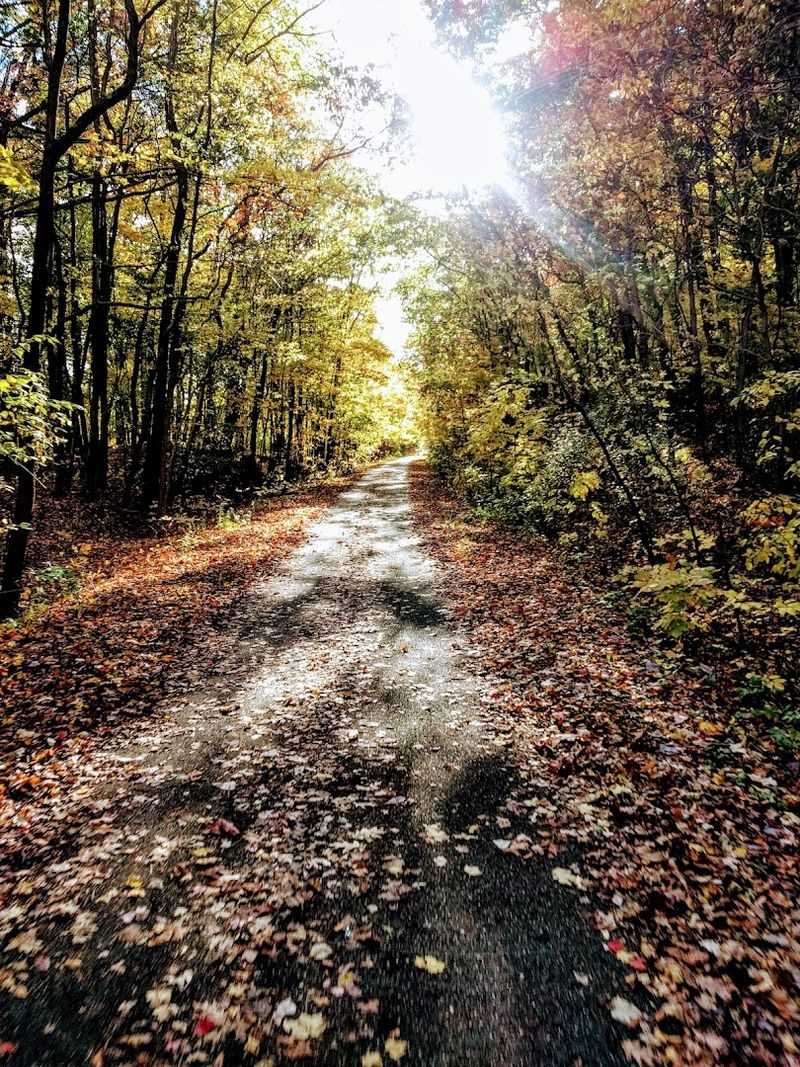
Few Michigan bike paths give you a stronger sense of scale than White Pine Trail. Fred Meijer White Pine Trail State Park stretches about 92 miles from Comstock Park near Grand Rapids to Cadillac, with an official northern access listed at 6093 M-115, Cadillac, MI 49601.
The trail follows the historic Grand Rapids and Indiana Railroad corridor, which gives the ride a clean north-south logic. One section can feel suburban and social, another farm-country open, and farther north the route starts leaning into that quieter, wooded mood that makes long Michigan rides feel restorative.
Because the entire trail is now paved, it is more approachable for a wider range of cyclists than it used to be. That smoothness matters if you want distance without fighting the surface all day.
Towns, bridges, picnic spots, and changing landscapes keep the route from becoming monotonous.
You do not have to ride the whole thing to understand why people respect it. Pick a section, build a day around a trail town, or treat the full corridor as a multi-day goal.
Either way, the size gives the ride a satisfying sense of purpose.
3. Falling Waters Trail
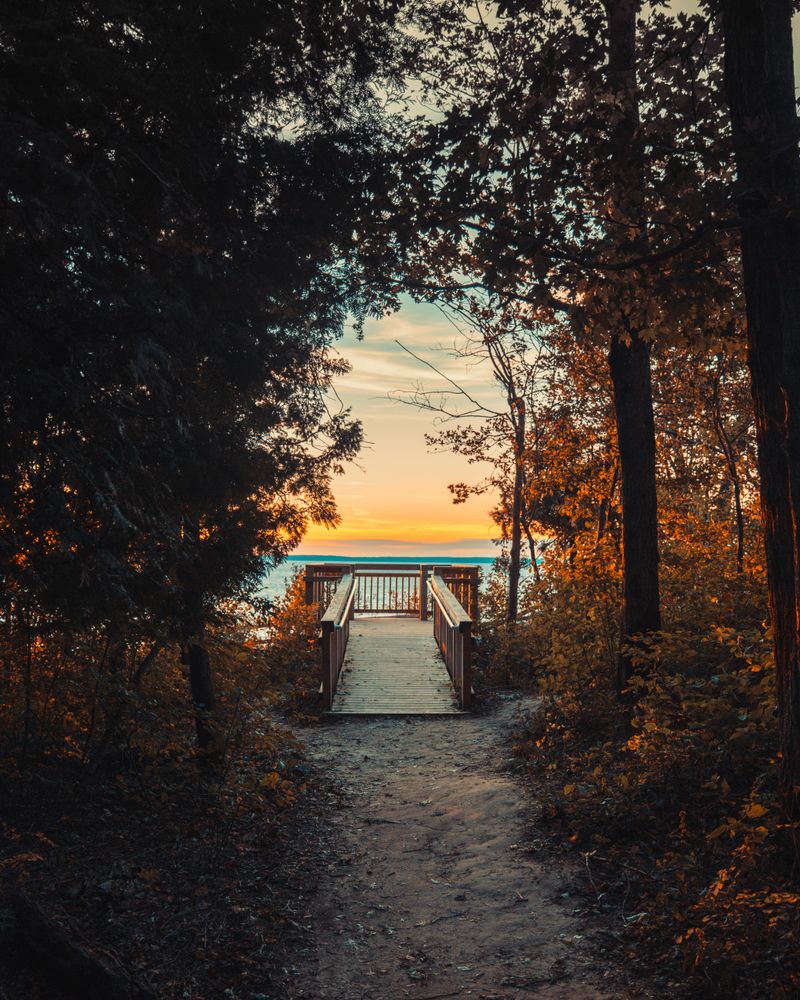
A shorter ride can still feel complete, and Falling Waters Trail proves it. The paved trail runs about 10.5 miles between the Jackson area and Concord, with parking available at Weatherwax Trailhead, 3720 Weatherwax Drive, Jackson, MI 49203.
The route follows an abandoned stretch of the Michigan Central Railroad, which explains the comfortable grade and easygoing pace. Wetlands, creeks, ponds, open stretches, and shady pockets keep water and green space close without making the ride feel remote or difficult.
What I like about this trail is that it does not pretend to be bigger than it is. It gives families, casual riders, and anyone easing back into cycling a ride that feels scenic, manageable, and nicely framed.
The sculpture elements near the eastern end add an unexpected cultural detail, which keeps the trip from being only about mileage.
Use it for a relaxed morning, a first longer ride with kids, or a low-pressure out-and-back when you want movement without a full-day commitment. It is smooth, friendly, and quietly better than its modest length suggests.
4. Betsie Valley Trail
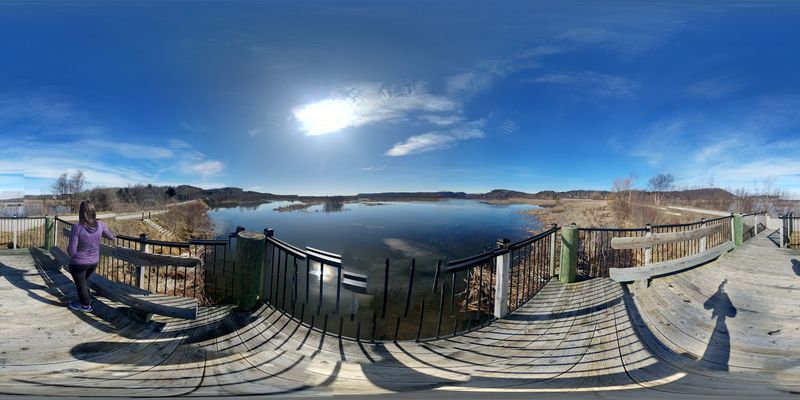
Up in Benzie County, Betsie Valley Trail has the kind of northern Michigan calm that makes cyclists slow down without needing a sign to tell them. The trail runs from Frankfort through Elberta, Beulah, and Thompsonville, with a useful Frankfort access near 510 Main Street, Frankfort, MI 49635.
The core route follows the former Ann Arbor Railroad corridor and is commonly described as a 22-mile trail, though some broader trail listings include extended mileage beyond that main segment. The surface changes by section, with paved stretches and crushed limestone or gravel areas that make bike choice matter.
That variety is part of the appeal. One portion brings you close to Lake Michigan and Betsie Lake, another moves through wetlands, river country, and quieter inland scenery.
The towns along the way feel like natural pauses rather than interruptions.
This is a good trail for riders who want a route with personality, not just distance. Pack for mixed surfaces, plan your section carefully, and leave time for Frankfort or Beulah afterward.
The ride has that rare quality of feeling useful, beautiful, and unforced all at once.
5. Sleeping Bear Heritage Trail
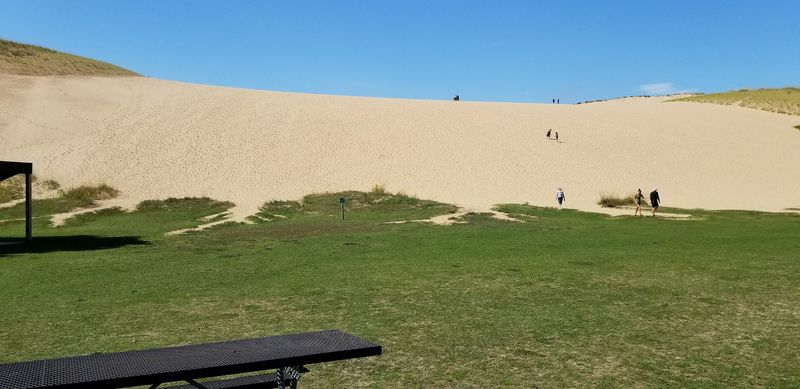
Up in Benzie County, Betsie Valley Trail has the kind of northern Michigan calm that makes cyclists slow down without needing a sign to tell them. The trail runs from Frankfort through Elberta, Beulah, and Thompsonville, with a useful Frankfort access near 510 Main Street, Frankfort, MI 49635.
The core route follows the former Ann Arbor Railroad corridor and is commonly described as a 22-mile trail, though some broader trail listings include extended mileage beyond that main segment. The surface changes by section, with paved stretches and crushed limestone or gravel areas that make bike choice matter.
That variety is part of the appeal. One portion brings you close to Lake Michigan and Betsie Lake, another moves through wetlands, river country, and quieter inland scenery.
The towns along the way feel like natural pauses rather than interruptions.
This is a good trail for riders who want a route with personality, not just distance. Pack for mixed surfaces, plan your section carefully, and leave time for Frankfort or Beulah afterward.
The ride has that rare quality of feeling useful, beautiful, and unforced all at once.
6. Painted Trout Trail
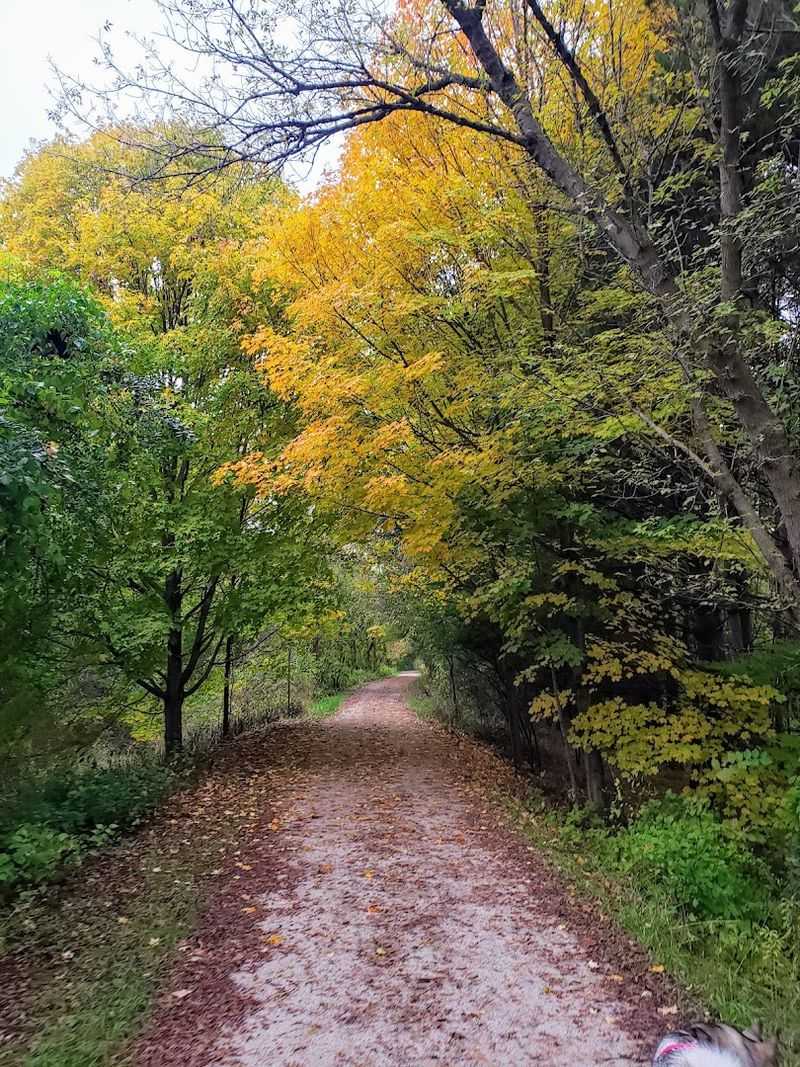
Instead of the draft’s “Painted Trout Trail,” the documented rail-trail here is Paint Creek Trail. This 8.9-mile route is managed by the Paint Creek Trailways Commission, 4393 Collins Road, Rochester, MI 48306, with access points through Rochester, Rochester Hills, Oakland Township, Orion Township, and Lake Orion.
The trail matters historically because it opened in 1983 as Michigan’s first nonmotorized rail-to-trail conversion. That gives the ride more than local charm.
It feels like a small piece of statewide trail history under your tires.
The route follows the former Penn Central Railroad corridor and runs near Paint Creek, a cold-water trout stream that gives the trail a surprisingly natural feel for northeast Oakland County. Wetlands, woods, meadows, parks, and neighborhoods all appear within a short distance, so the ride feels varied without becoming demanding.
Because it connects into a larger trail network, including links toward the Clinton River Trail and other regional paths, its short length does not limit its usefulness. Ride it casually, or use it as one piece of a longer Oakland County cycling day.
7. Little Traverse Wheelway
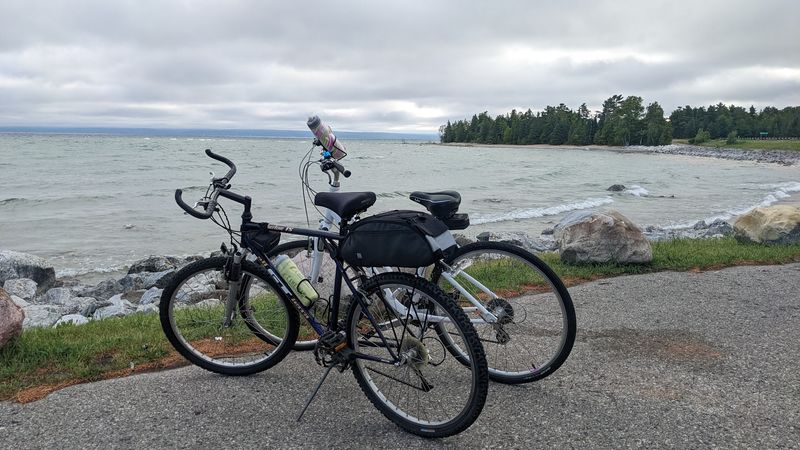
Along Little Traverse Bay, the Little Traverse Wheelway gives northern Michigan one of its most elegant shoreline rides. A practical Charlevoix trailhead is at Charlevoix Township Hall, 12491 Waller Road, Charlevoix, MI 49720, with additional access in Petoskey and Harbor Springs.
The route is not a pure rail-trail, but it earns its place on a cycling bucket list because it follows a historic bicycle corridor and delivers the kind of bay scenery people hope for when they bring bikes north. Official trail mileage is often listed around 23.25 miles, while local connections can extend the experience to roughly 26 miles between Charlevoix and Harbor Springs.
The ride mixes waterfront parks, small towns, bay views, and practical stops for food or rest. That combination makes it social in the best way.
You can ride, pause, look at the water, get coffee, and keep moving without turning the day into a logistics problem.
Clear weather makes the bay shine, but even a breezy day has appeal. If you like cycling routes with scenery and civilized stops in equal measure, this one is easy to love.
8. Pere Marquette Rail Trail
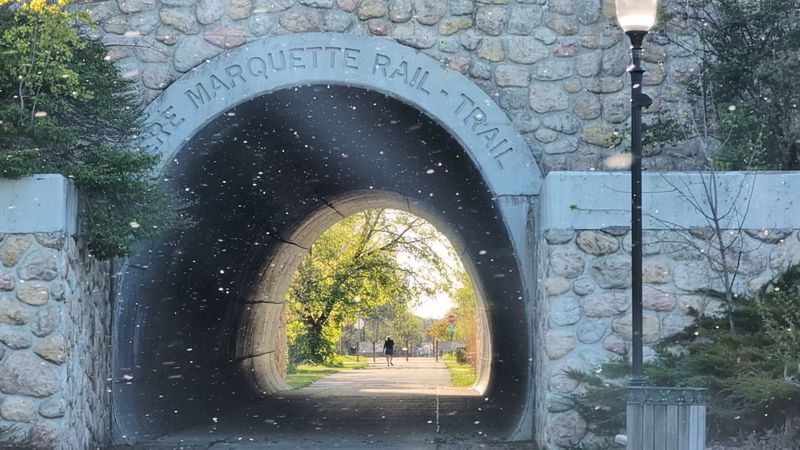
Central Michigan gets one of its smoothest cycling corridors in Pere Marquette Rail Trail. The paved trail runs about 30 miles between Midland and Clare, with a classic Midland starting point near the Tridge area in downtown Midland, MI 48640.
The route follows the former Flint and Pere Marquette Railroad line, which gives it the easy grade and steady direction cyclists appreciate. It passes through Sanford, Coleman, Loomis, and open stretches where the ride feels relaxed but never empty.
This is a strong pick if you like clean pavement, small-town breaks, and a trail that supports real mileage without feeling intimidating. The Hall of Fame recognition from Rails-to-Trails Conservancy makes sense once you experience how straightforward and well-used it feels.
The trail can be sunny in places, so water and sun protection matter more than you might expect. I would plan a stop in one of the trail towns rather than treating the whole ride as a straight fitness project.
The charm is in the rhythm: roll, pause, eat, continue.
9. Fred Meijer Heartland Trail
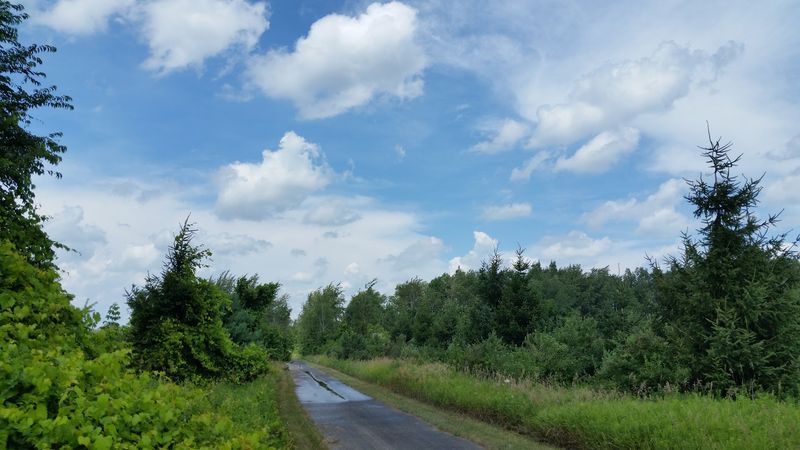
Across central Michigan, Fred Meijer Heartland Trail offers a wide-open ride built on patience and steady momentum. The trail connects Greenville and Alma, with one endpoint near E.
Washington Street in Greenville and another near Prospect Avenue in Alma, MI 48801.
Mileage is listed slightly differently depending on the source, commonly around 42 miles and sometimes closer to 45 when local connections are included. Either way, the experience is long enough to feel like a real journey without demanding technical riding.
The route moves through towns such as Sidney, Stanton, McBride, Edmore, Cedar Lake, Vestaburg, Riverdale, and Elwell before reaching Alma. That procession of small places is the point.
You are not riding toward one dramatic overlook; you are letting rural central Michigan collect itself into a day.
The pavement and gentle grade keep the ride accessible, while farmland and open sky create a meditative mood. Bring enough water, plan town stops, and let the trail’s understatement work on you.
Sometimes the best cycling days are the ones that leave room to think.
10. William Field Memorial Hart-Montague Trail
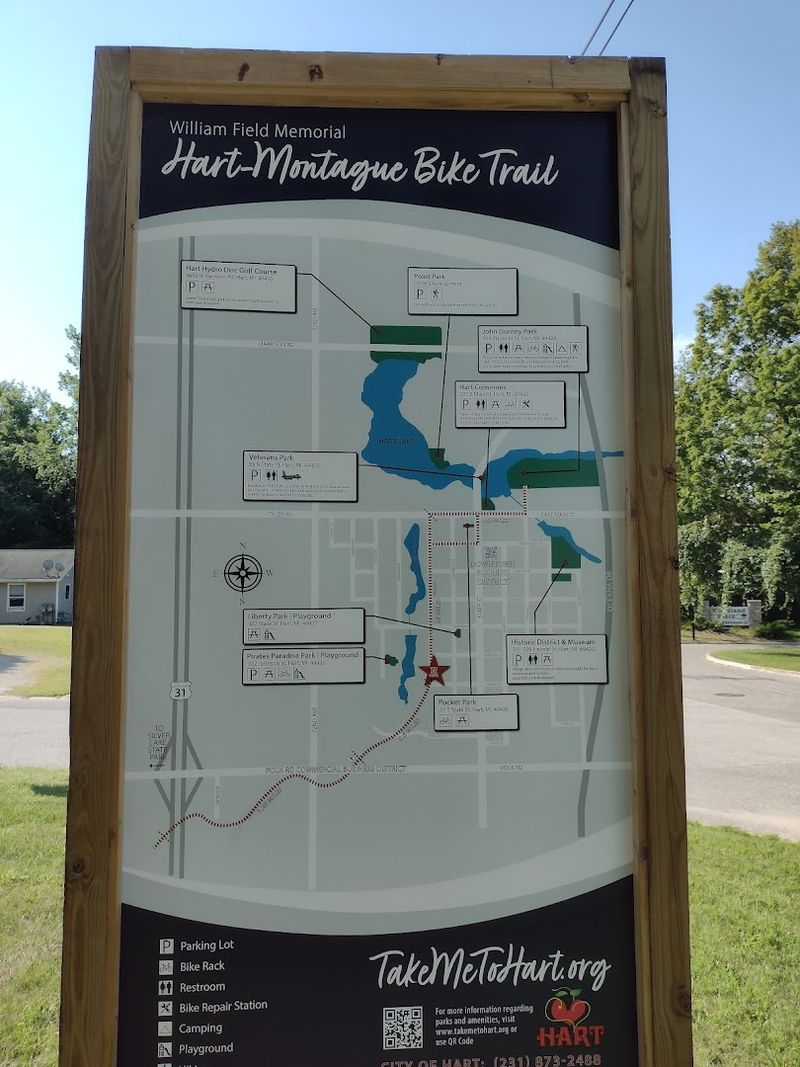
In western Michigan, William Field Memorial Hart-Montague Trail State Park gives cyclists 22 to 22.7 paved miles through farms, orchards, woods, and small towns between Hart and Montague. A useful Montague access point is near Spring Street and Water Street by Trailway Campground and the Medbery Bike Trail, Montague, MI 49437.
The route was converted from an old railroad line in the 1980s, and that history gives it the easy grade rail-trail riders appreciate. It feels practical, cheerful, and deeply connected to the communities along the corridor.
The side trip to Montague’s giant weathervane gives the ride one of the best oddball bonuses in Michigan cycling. A huge structure topped with the schooner Ella Ellenwood is exactly the kind of local detail that makes a trail more memorable than mileage alone.
This is a strong family-friendly ride because the surface is paved and the towns create natural breaks. You can ride a shorter segment, make a full out-and-back, or combine it with lake-country wandering nearby.
It is not flashy, but it is steady, scenic, and very easy to recommend.
11. Clinton River Trail
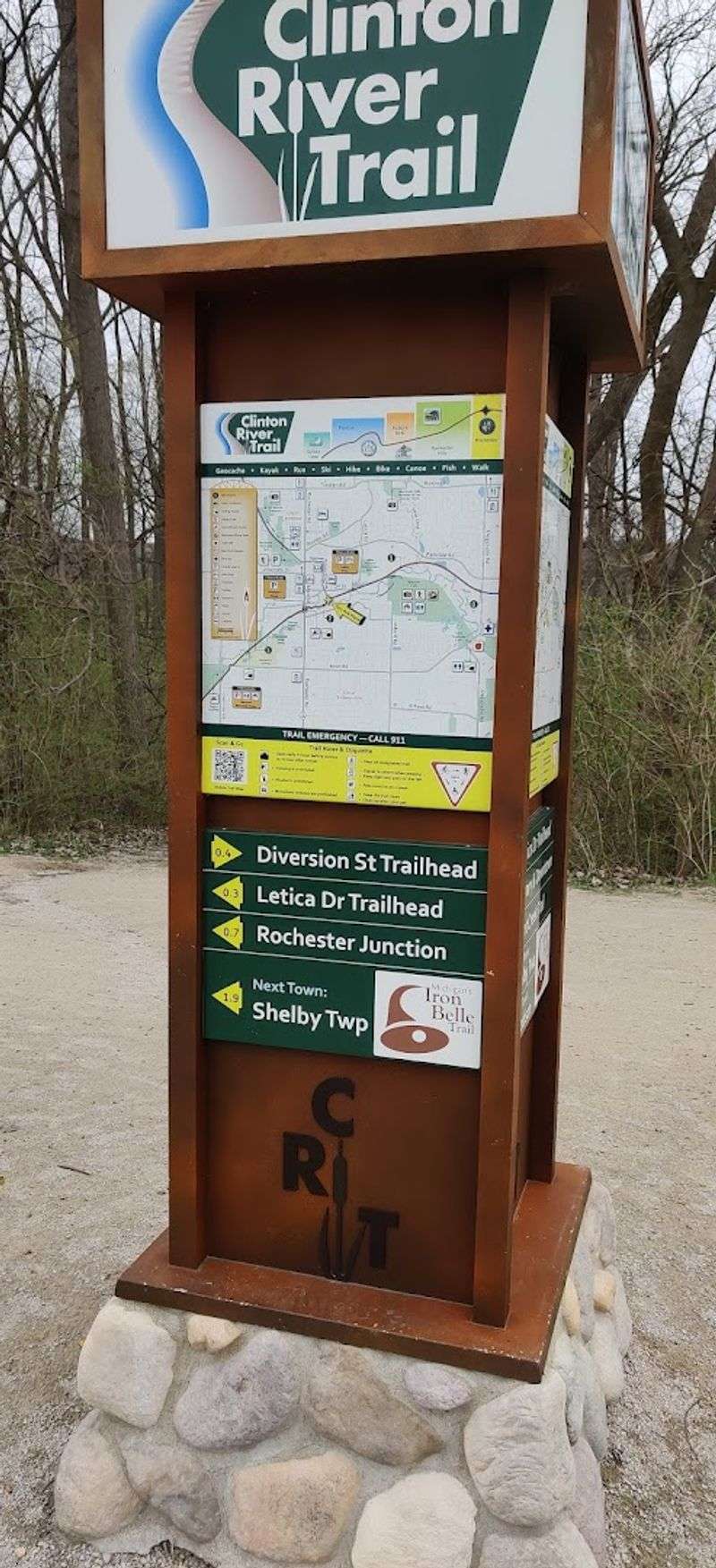
Through Oakland County, Clinton River Trail shows how useful a suburban rail corridor can become when communities actually connect it well. The 16-mile trail runs through Sylvan Lake, Pontiac, Auburn Hills, Rochester Hills, and Rochester, with the Clinton River Trail office listed at PO Box 81971, Rochester, MI 48308-1971.
The route follows abandoned rail line and blends asphalt, crushed stone, parks, river views, neighborhoods, and downtown access. That variety keeps the ride lively even though the trail is not trying to be wilderness.
What makes it especially valuable is the network effect. The Clinton River Trail connects with the West Bloomfield Trail to the west and the Macomb Orchard Trail to the east, and it also links into broader cross-state trail efforts.
For cyclists, that means a 16-mile route can become part of something much bigger.
This is a good choice when you want flexibility. Ride a short section for coffee and river views, or connect multiple trails for a longer day.
It makes everyday cycling feel more possible, which may be its greatest achievement.
12. Lakelands Trail
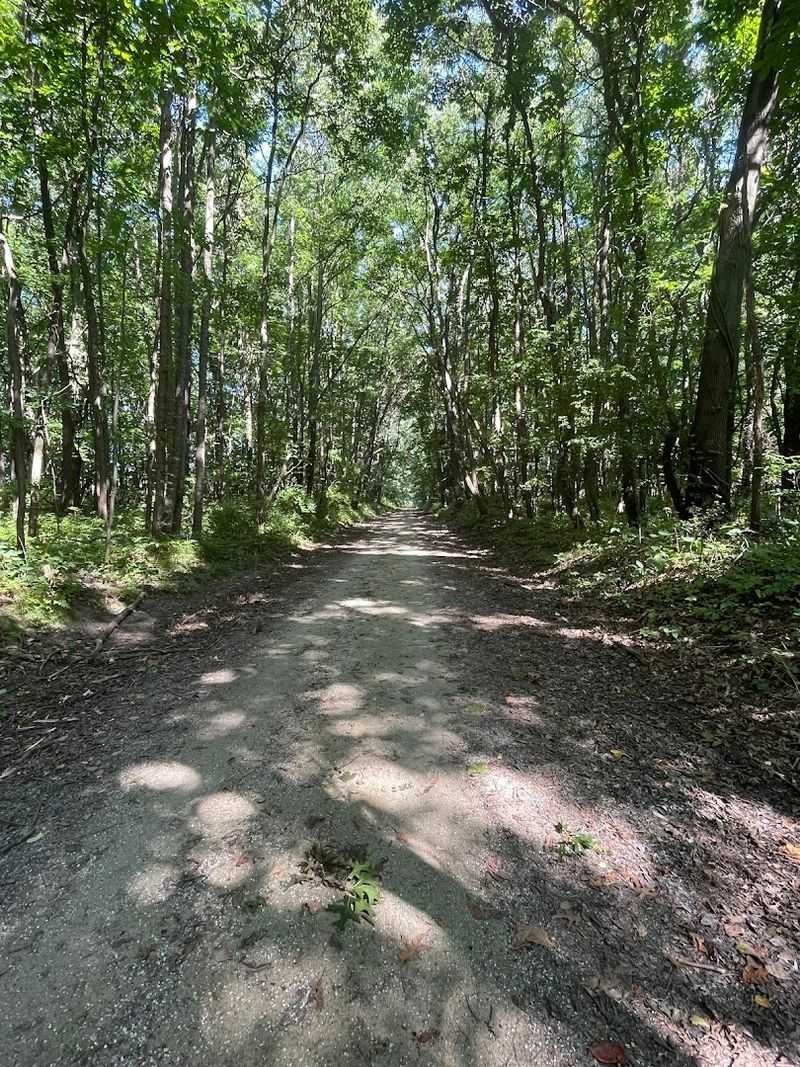
In southeast Michigan, Mike Levine Lakelands Trail State Park gives cyclists a long, relaxed corridor through woods, wetlands, pastures, small towns, and Huron River scenery. The trail is a 34-mile linear state park, with useful access points including Pinckney Trailhead, 499 Pearl Street, Pinckney, MI 48169, and Hamburg Trailhead, 10699 Hamburg Road, Hamburg, MI 48139.
The route was converted from an abandoned railroad corridor and now forms part of the broader Great Lake-to-Lake Trail system. That connection gives it more importance than a casual glance at the map might suggest.
Surface and atmosphere vary, which helps the ride stay interesting. Some stretches feel rural and quiet, others lean more suburban, and the crushed limestone sections encourage a steadier pace than full pavement.
That slightly slower rhythm suits the landscape.
Use this trail when you want reach without complication. It is long enough for a serious ride, accessible enough for shorter sections, and varied enough to make repeat visits worthwhile.
Bring the right tires for crushed surface, carry water, and let the trail reveal southern Michigan in layers.