
Michigan’s Haunted Scenic Drive Along M-119 Winds Through Centuries Of History And One Unsolved Murder
The road has no center line. That is the first thing the sign tells you as you enter this northern Michigan scenic drive.
The Tunnel of Trees lives up to its name. A dense canopy of hardwoods and evergreens closes over the two-lane road for twenty miles, creating a corridor so thick that sunlight breaks through in scattered coins on the asphalt.
Hairpin turns follow the bluff along the water. The route passes through a tiny lakeside community where a general store has operated since 1934, and ends at a Polish restaurant serving hearty plates beneath a roof lined with upturned stove legs.
In 1968, an entire family was murdered in their vacation cottage along this route. The crime was never solved.
Twenty miles of canopy, a century-old general store, and an unsolved murder pack a scenic drive with no center line and no cell signal in Michigan.
Morrow Road – Clay Township / Cottrellville Township
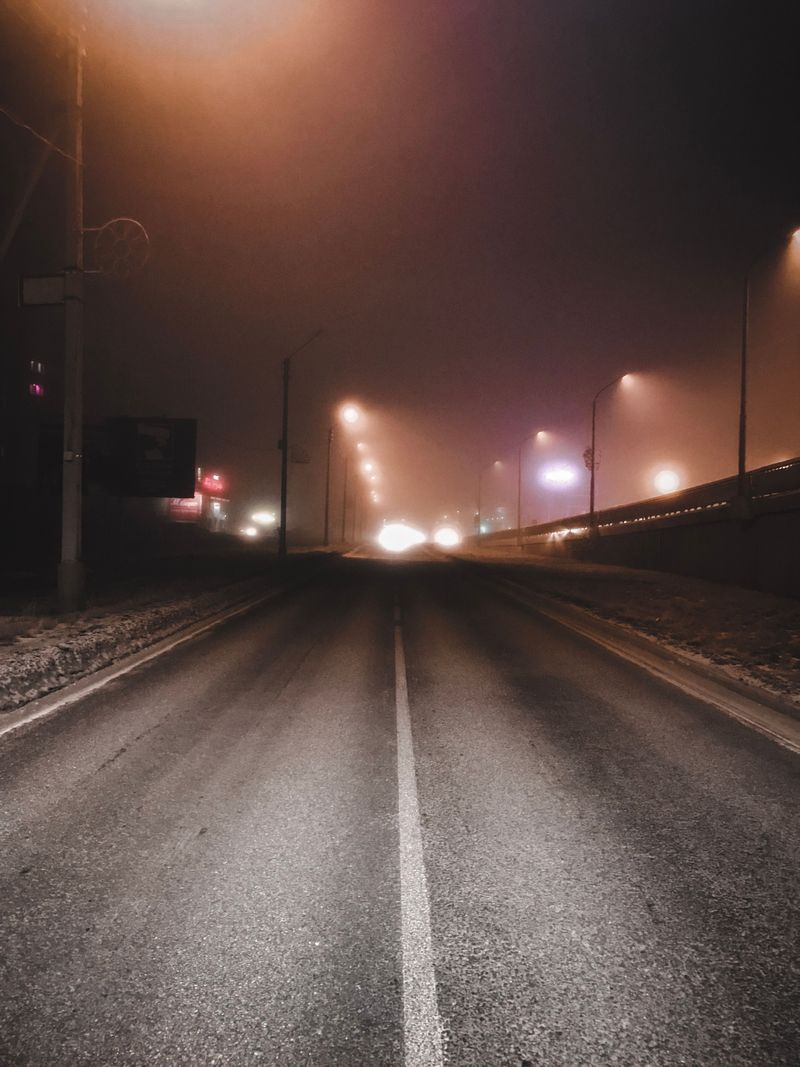
Quiet fields make Morrow Road look harmless, which may explain why its legend lands with such force. The best-known tale describes a grieving mother searching for her missing child during the late 1800s.
Later versions add a pale nightgown, bloody hands, a crying baby, glowing lights, and cars that suddenly refuse to behave.
No reliable historical record confirms the woman’s identity or the supernatural events, so treat the story as folklore rather than evidence. The road passes homes and working land, not a public attraction.
Drive normally, remain inside your vehicle, and never block traffic or enter private property. Honking three times near the former bridge is part of the legend, but disturbing residents is neither brave nor charming.
Daylight reveals the area’s lonely beauty while letting everyone keep their peace. Save nighttime thrills for an organized event where visitors are invited and safety rules are clear.
Marine City Hall – Marine City
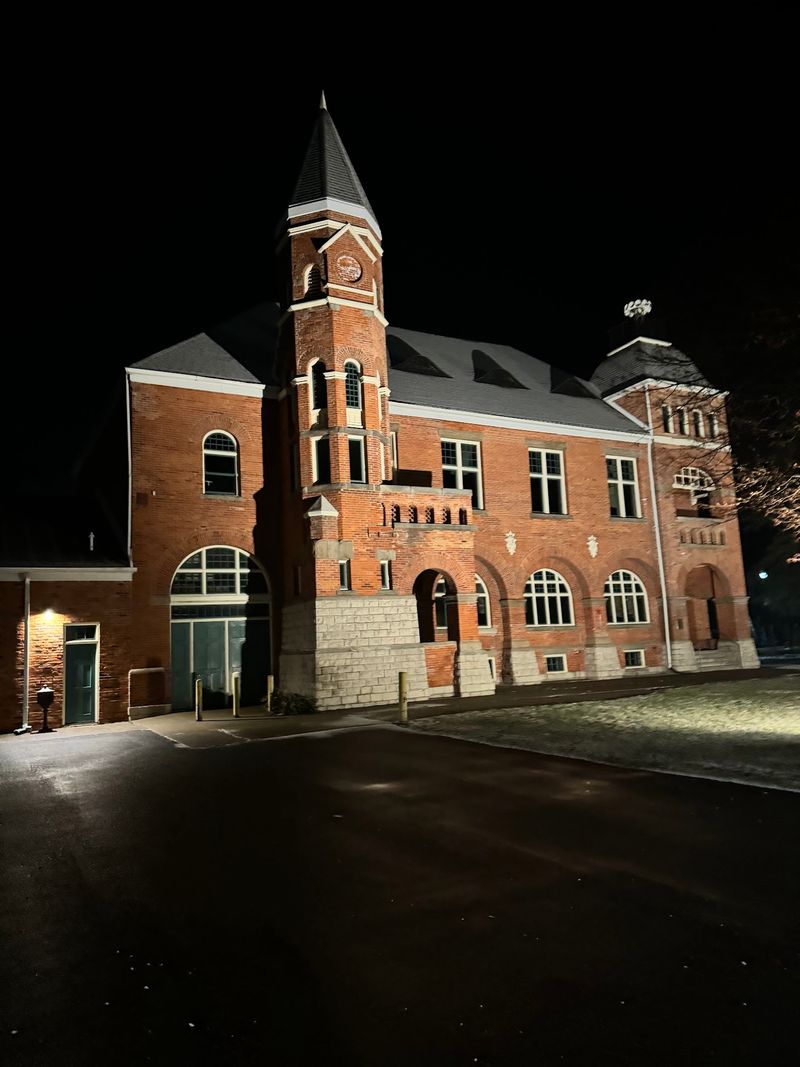
Rounded arches and mismatched towers give the former Marine City Hall the air of a civic castle with excellent posture. Completed in 1885, the red-brick Richardsonian Romanesque landmark was designed by George D.
Mason and Zachariah Rice. Government offices, a fire station, and an upstairs auditorium once shared the building, where performances and public gatherings filled the rooms.
City offices left in 2005, yet preservation work protected a structure listed on the National Register of Historic Places. A paranormal investigation in 2012 helped attach ghostly interest to the site, although such claims remain unproven.
Admire the exterior from public areas and check current access information before expecting to enter because restoration plans and permitted uses can change. In daylight, notice the heavy stone details and broad arches.
After dusk, the dark windows supply plenty of atmosphere without requiring invented footsteps or rattling chains to finish the scene.
Murphy Inn – St. Clair
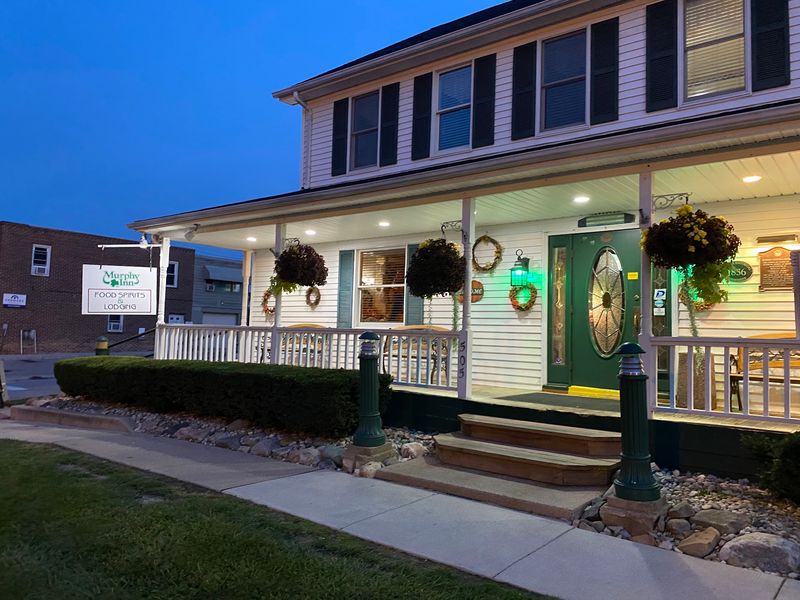
A polished antique bar feels like the proper greeting at Murphy Inn, where travelers have stopped since before Michigan became a state. Opened in 1836 as the Farmers Home, the building later carried the Scheaffer and Murphy names.
River passengers, horse traders, diners, and overnight guests have each left a layer in its unusually long story.
Seven vintage-style rooms and an Irish pub keep the inn active rather than frozen as a museum. Local ghost lore assigns Dorothy Murphy to the Devonshire Room, numbered 206, while a spirit called Rob is linked with the Lancaster Room, numbered 207.
Another tale mentions a gentleman tapping shoulders in the dining room. Consider those accounts entertaining traditions, not guaranteed experiences.
Reserve lodging or dinner ahead, ask staff which historic features visitors may see, and respect other guests’ sleep. The building’s documented age offers enough intrigue, even if every floorboard behaves perfectly throughout your stay.
Carnegie Center – Port Huron
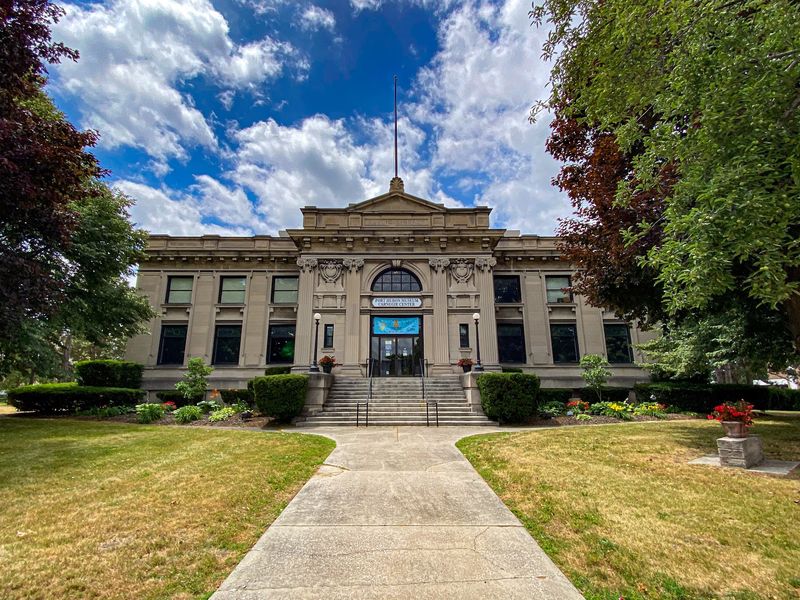
Look upward inside the Carnegie Center, because the historic glass ceiling is far too handsome to lose to hurried sightseeing. Built in 1904 with a Carnegie grant, the Indiana limestone library was designed by Chicago architects Patton and Miller.
It served readers for 63 years before volunteers saved it from demolition and helped reopen it as a museum in 1968.
Today the building anchors Port Huron Museums and holds collections tied to Blue Water Area history, including maritime models and changing exhibitions. Stories about cold spots, wandering shadows, unexplained voices, music, and moved objects have encouraged paranormal programs, but museum interpretation provides the firmer foundation.
Verify hours and admission details online, since exhibits and events rotate. Allow time for both architecture and artifacts instead of treating the galleries as a haunted-house set.
Respectful curiosity pays better dividends here: one carefully labeled object can tell a stranger story than any blurry photograph captured in a dark hallway.
The Vintage Tavern – Port Huron
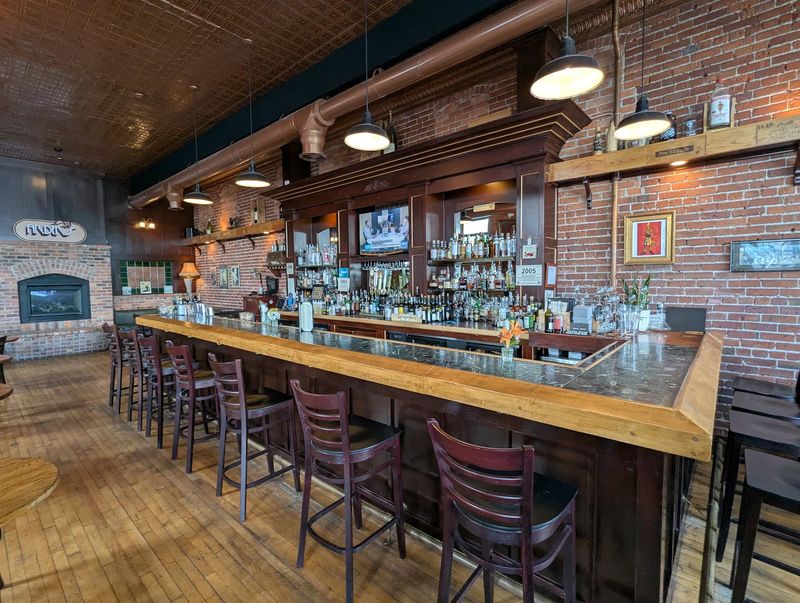
Tin ceilings have a wonderful habit of making dinner feel slightly theatrical, and The Vintage Tavern uses theirs beautifully. The 1904 downtown building at 103 Michigan Street once formed part of Arden’s department store and later housed familiar retail names.
Restoration preserved hardwood floors, stained glass, substantial woodwork, and fireplaces while creating an upscale but relaxed dining space.
Seasonal rooftop seating overlooks the St. Clair River and Canada, making an early reservation especially useful in warm weather. Basement lore centers on apparitions described as two old railroad workers, along with cold sensations and translucent shapes reportedly caught by cameras.
Such experiences are personal accounts, not verified facts, and the basement may not be publicly accessible. Come for food, architecture, and river views first.
Ask permission before photographing private rooms, and never wander away from dining areas. A quiet look at the ceiling provides historical atmosphere without inconveniencing anyone carrying a tray of carefully balanced glasses.
Fort Gratiot Light – Port Huron
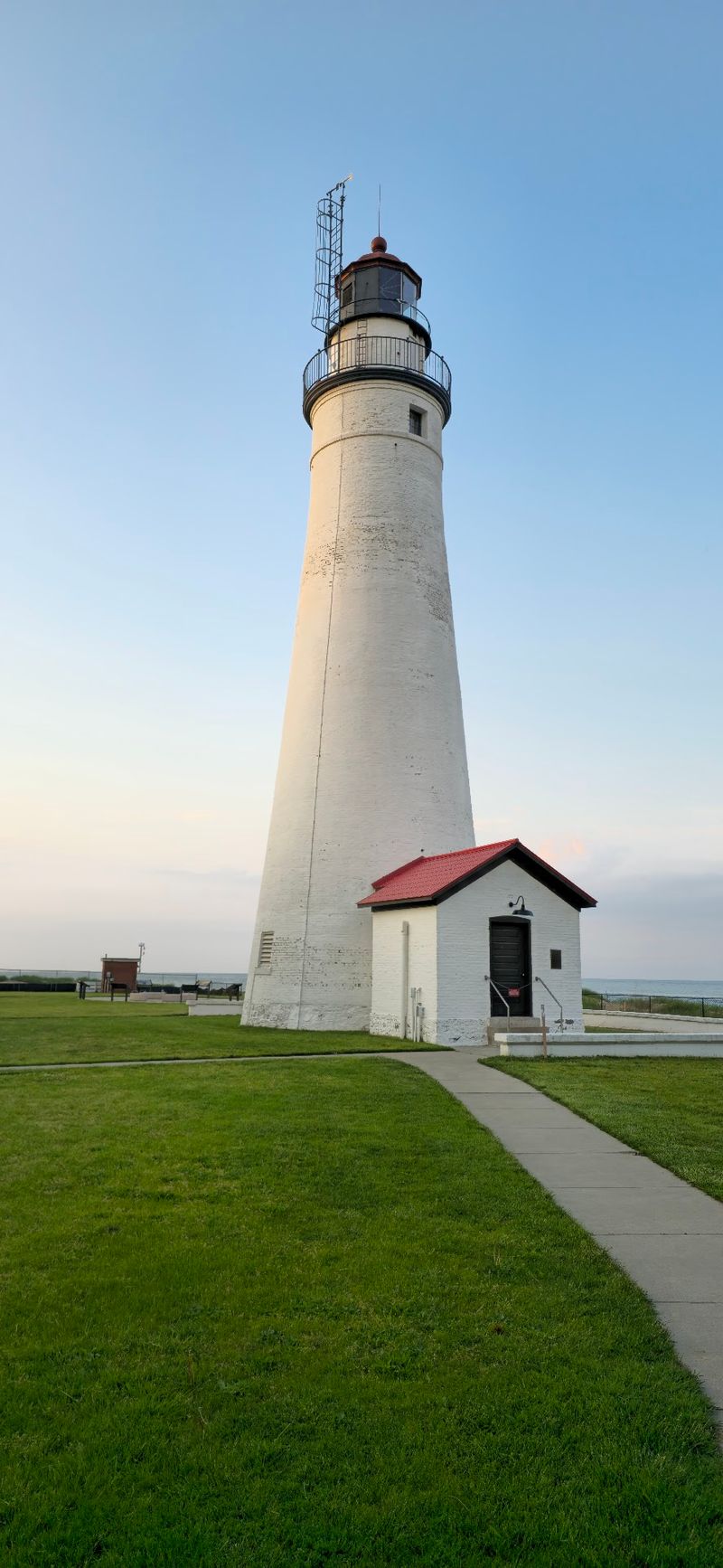
Wind off Lake Huron whistles around Fort Gratiot Light with enough drama to make every loose hinge sound suspicious. Michigan’s oldest lighthouse began with an 1825 tower that collapsed after a storm.
Its 1829 replacement was later raised to 82 feet, and the surviving station includes keeper residences and other buildings shaped by decades of maritime service.
Guided visits may include 94 iron steps to the catwalk, weather permitting, with views toward the Blue Water Bridge and Ontario. Paranormal stories mention temperature drops, flickering flashlights, a child, former keeper Frank Kimball, and a late guide nicknamed Lighthouse Bob.
Treat the names and incidents as folklore unless documentation is provided. Grounds access and tower schedules differ, so consult Port Huron Museums before traveling.
Wear secure shoes, follow climbing restrictions, and expect closures during rough weather. The lake deserves caution even when the only spirit present is a stiff northern breeze.
Cadillac House Inn & Tavern – Lexington
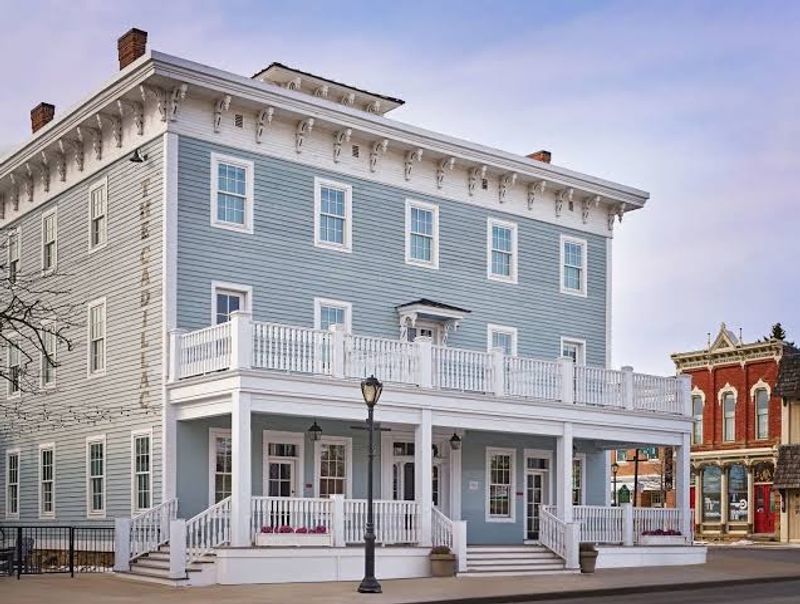
A recreated cupola crowns the Cadillac House, giving downtown Lexington a handsome reminder of its resort-town past. The current Italianate building opened in 1860 after an earlier hotel was replaced.
It welcomed lumber workers, fishermen, merchants, and vacationers before guest lodging ended in 1954. A major restoration returned overnight rooms in 2018 and earned preservation recognition.
Inside, historical character meets modern hotel comforts and an active tavern. Ghost stories often focus on a presence called George, described in some versions as a murdered guest whose killer was never found.
Pacing footsteps and odd experiences are also associated with old room numbers, although renovation and renumbering can complicate such tales. No solid public evidence establishes George’s identity or murder, so present the mystery honestly.
Book ahead during summer, request historical information politely, and remember that paying guests deserve privacy. Preservation, rather than paranormal proof, is the most impressive thing sleeping under this roof.
Sanilac County Historic Village & Museum – Port Sanilac
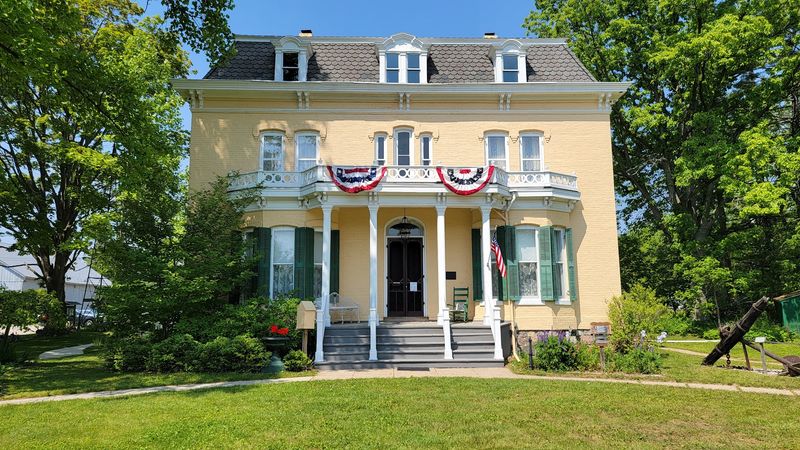
Seventeen historic buildings turn this Port Sanilac campus into the kind of place where a short visit keeps growing extra legs. The 1872 Loop-Harrison Mansion anchors the village, joined by an 1847 schoolhouse, a pioneer cabin, a relocated Victorian church, a general store, barns, a depot, gardens, and a military railcar.
Collections explore farming, domestic life, transportation, local military service, and Lake Huron shipwrecks. Apparitions, voices, shadows, and moving doors have been reported in several older structures, particularly the mansion, church, and schoolhouse.
October programming may add staged seasonal scares, which should not be confused with historical interpretation or alleged investigations. Review the calendar before arriving because buildings, tours, and special events may follow limited seasonal hours.
Comfortable shoes help on the large grounds, while patient reading gives each structure context. Treat furnishings gently and follow photography rules.
Here, an ordinary classroom desk can carry more emotional weight than theatrical fog.
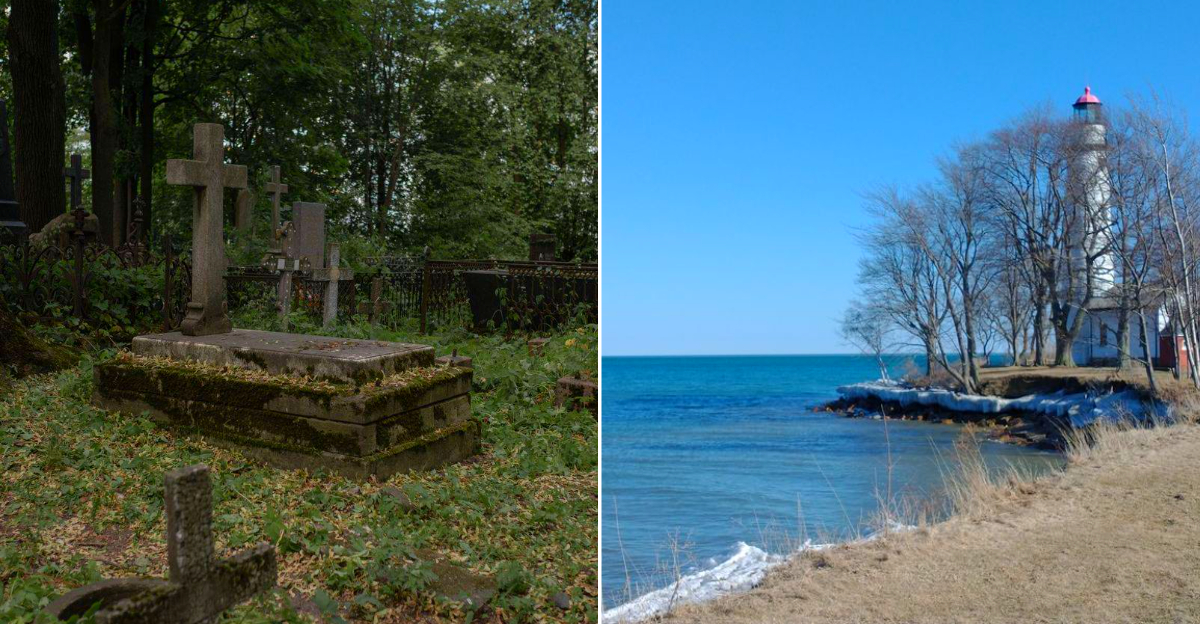
Minnie Quay / Forester Cemetery – Forester
Lake Huron looks beautiful near Forester, yet Minnie Quay’s documented death gives the shoreline a lasting sadness. Mary Jane Minnie Quay was a teenager when she drowned in April 1876.
Tradition says she loved a sailor whose ship was lost and entered the water after learning his fate, though later retellings have embroidered parts of the story.
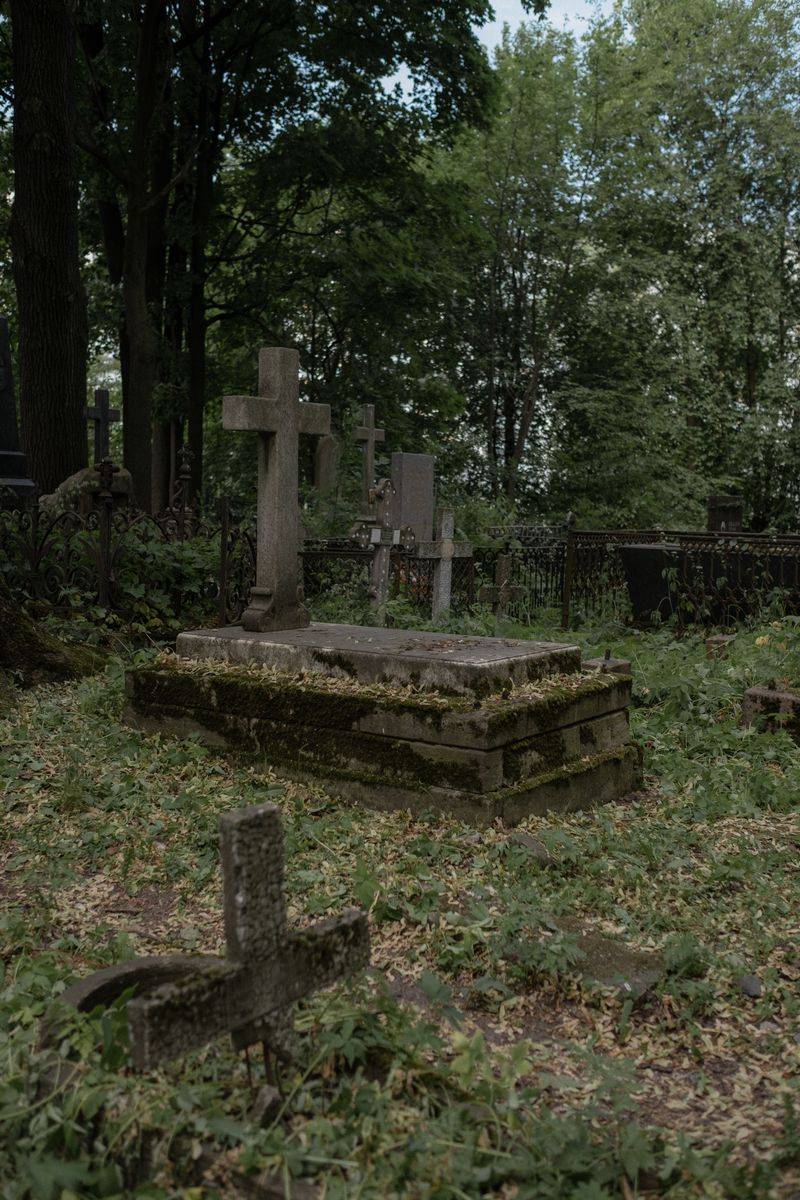
Folklore places her white-clad figure near the former pier and claims whispers drift over the lake. Her grave in Forester Cemetery receives coins and small offerings, while another legend describes boys running there at midnight, sometimes connected with children killed during the 1881 Thumb Fire.
A cemetery is not a nighttime playground. Visit during permitted hours, park responsibly, speak quietly, and never remove objects or touch markers.
Stay away from dangerous water, especially after dark or during rough weather. Minnie’s brief life deserves compassion, not dares.
Reading her stone respectfully is more meaningful than trying to summon her.
Pointe Aux Barques Lighthouse – Port Hope
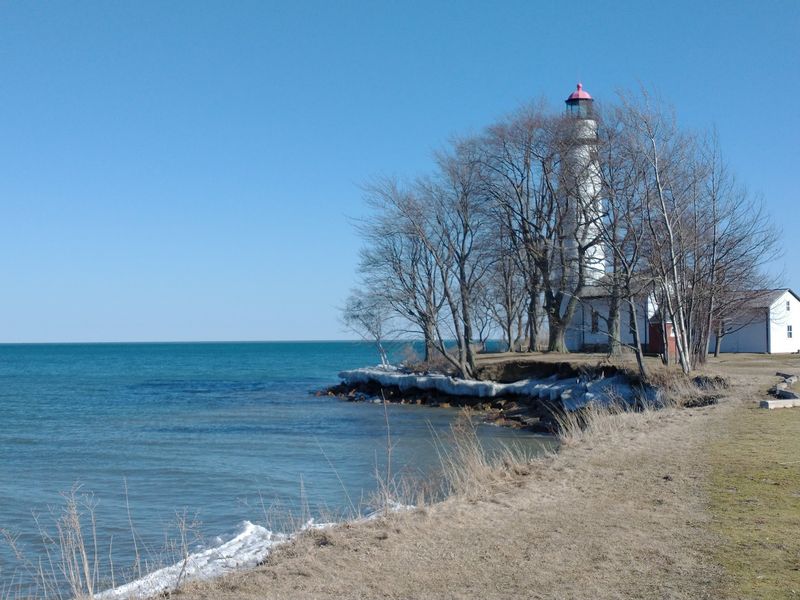
At Michigan’s Thumb tip, Pointe Aux Barques Lighthouse faces open water with the calm expression of something that has seen terrible weather before breakfast. The present 1857 brick tower replaced an 1848 light and continues serving navigation.
Its location warned ships away from shallow waters along a dangerous stretch of Lake Huron shoreline.
The restored station and museum explain lighthouse work, shipwrecks, storms, and local settlement. Ghost tradition remembers Catherine Shook, who kept the earlier light after her husband, keeper Peter Shook, drowned in 1849.
Stories portray her in white, still watching the station, but they remain folklore. Public tower climbs involve more than one hundred winding steps and depend on schedules, staffing, and conditions.
Check Lighthouse County Park information before making the long drive, and wear shoes suited to stairs and uneven grounds. Leave extra time for the museum because Catherine’s documented courage is stronger than any spectral version of her story.