
Michigan’s Keweenaw Peninsula Devotes Five Days To A Wild Berry Too Fragile For Any Grocery Shelf
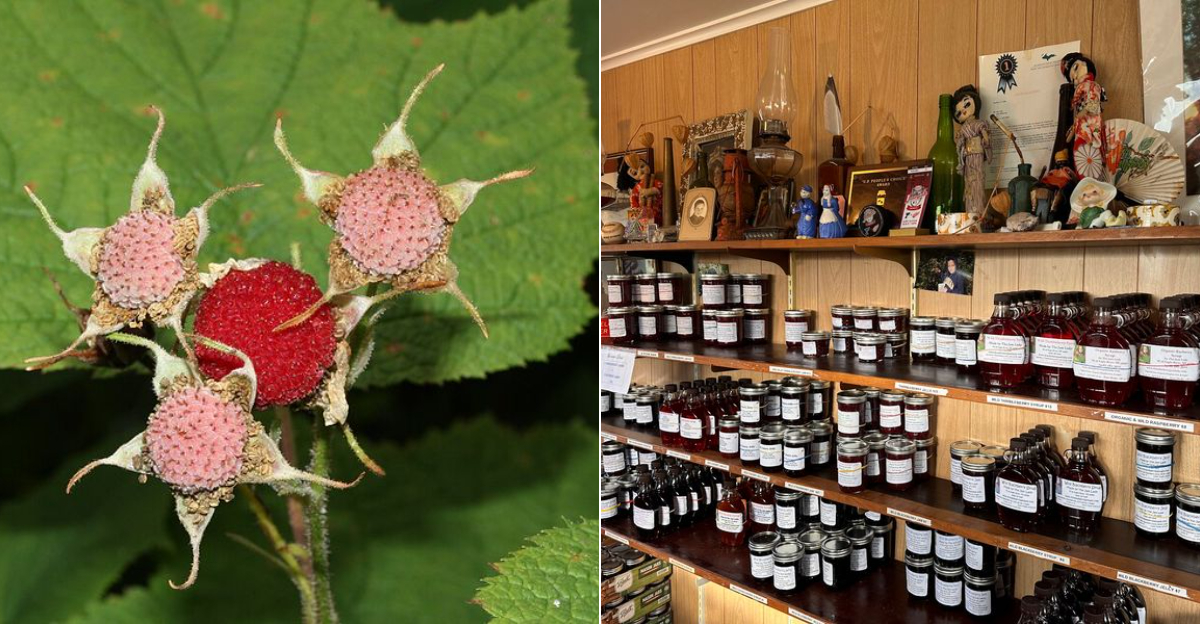
Nobody plans a five-day festival around a berry that falls apart before you get it home. But up here they do.
I first tried one on a roadside hike and I understood immediately. Soft, almost velvety, with a tang that hits before the sweetness. You cannot ship them. You cannot store them.
You eat them standing right there in the ditch, or you do not eat them at all. That is the point. The festival leans into this with donuts, cocktails, and chocolate truffles.
Farmers markets dedicate whole tables to the berry. A guided hike takes you to the wild patches along old logging roads.
The local monastery has been making jam from them for decades. My favorite part is watching someone taste one for the very first time. A wild berry too fragile for any grocery shelf has inspired its own five-day festival in Michigan.
Learn What A Thimbleberry Looks Like
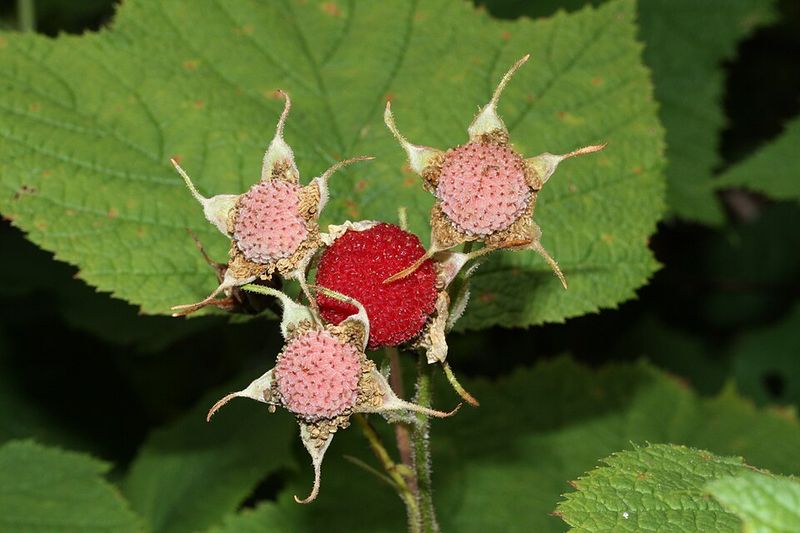
A ripe thimbleberry resembles a shallow red cap balanced loosely on its stem. Large, maple-shaped leaves and thornless canes help identify the plant, but festival guidance remains useful when several wild berries share the same sunny forest edge.
Look closely before touching anything, and never eat a plant you cannot identify with confidence. The fruit is flatter and softer than a raspberry, with tiny sections that can separate under surprisingly little pressure.
Guided festival activities offer the safest introduction because local leaders can explain identification, habitat, and responsible harvesting. Photographs help, yet they cannot replace careful instruction in the field.
Learning the leaves first also makes the search more enjoyable, turning an ordinary patch of green into a recognizable piece of Keweenaw summer.
US-41 Turns Thimbleberry Week Into A Peninsula Road Trip
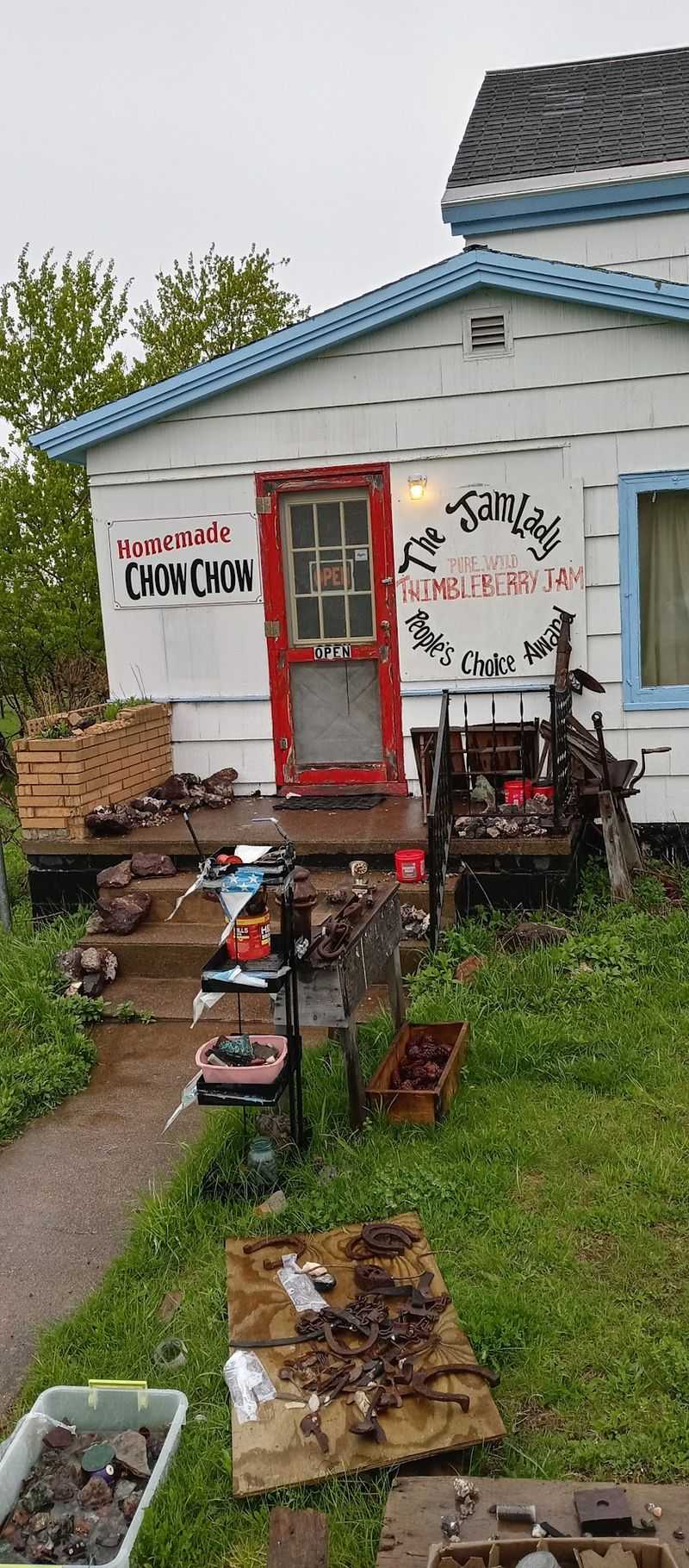
The Keweenaw Thimbleberry Festival spreads across Michigan’s Keweenaw Peninsula, with US-41 serving as the main thread between many of its participating communities. A practical starting point is the Houghton Waterfront Pier, just north of US-41 in downtown Houghton along the Portage Canal.
The 2026 festival runs August 18 through 22, opening with the Downtown Houghton Farmers Market before moving through events in Calumet, Hancock, Lake Linden, and other Keweenaw stops. Each day has its own destination, so expect localized crowds around market hours rather than one central festival traffic pattern.
For the opening stop, use the public parking around downtown Houghton and the waterfront, then walk toward the pier beside the Portage Lake District Library. From there, later festival stops require short drives north or east through the peninsula according to the day’s schedule.
Handle Every Berry With Care
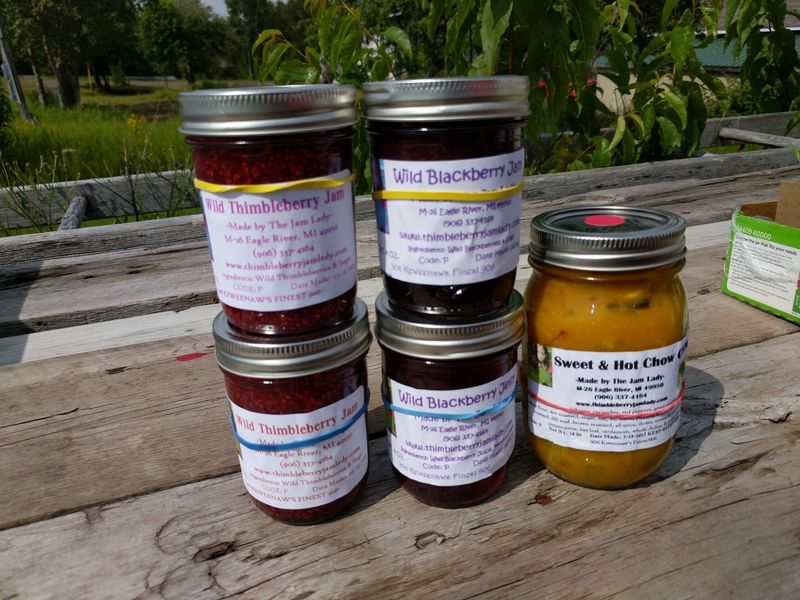
Pressure is the enemy of a thimbleberry. A ripe fruit may collapse while being picked, and a deep container can turn the bottom layer into sauce before the walk back to your vehicle.
Use a clean, shallow container if harvesting is permitted, and place berries inside rather than dropping them. Keep the container level, shaded, and cool, then eat or process the fruit promptly because fresh thimbleberries deteriorate within hours.
Gentle fingers matter, but restraint matters too. Take only ripe berries you can use, avoid breaking stems, and leave plenty for wildlife and future visitors.
Festival guides may provide more specific directions for a particular site. Following their rules protects both fragile fruit and the welcoming tradition that brought everyone outdoors together in the first place.
Reserve Guided Activities Early
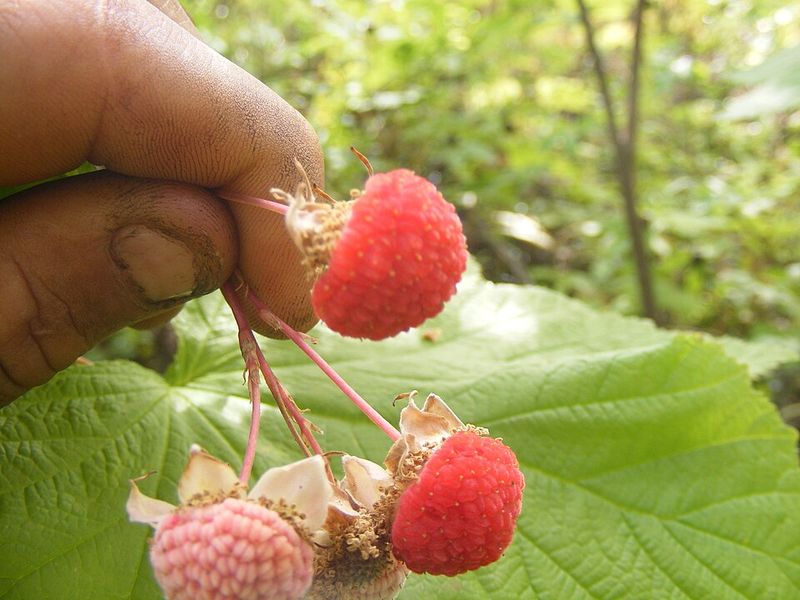
Local knowledge can save an hour of staring hopefully at the wrong shrub. Guided festival walks teach visitors where thimbleberries grow, how to recognize ripe fruit, and why careful picking supports healthy patches.
Spaces may be limited, so check whether registration is required and reserve promptly through the official event organizer. Arrive early with sturdy shoes, water, insect protection, and clothing that covers your legs without becoming uncomfortable in summer humidity.
Listen for instructions about trail conditions and harvesting permissions before reaching for fruit. I found that the smallest field details, such as leaf shape and preferred sunlight, made the landscape suddenly readable.
Even when berries are scarce, a guided outing still provides useful natural history and a closer look at the peninsula’s forest-edge ecosystem during peak summer.
Expect Nature To Set The Menu
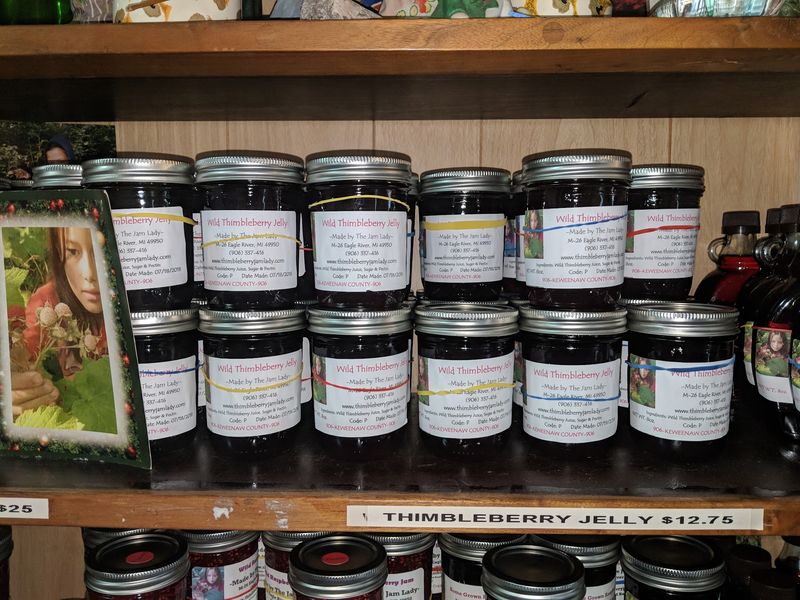
Wild fruit does not study festival calendars. Heat, rain, sunlight, and the timing of the season affect how many ripe thimbleberries appear, so fresh berries or particular foods may sell out quickly.
Treat availability as part of the experience rather than a guaranteed menu. Ask vendors what was made locally, when it was prepared, and whether a product contains thimbleberry alone or blends it with other fruit.
Early August often falls within the broader mid-July to late-August season, but yearly conditions can shift peak ripening. Visit markets earlier in their operating hours for the best selection, while remaining courteous to small producers working with a limited harvest.
Scarcity is not stagecraft here; it explains why each spoonful feels connected to one specific northern summer.
Taste Preserved Flavors Slowly
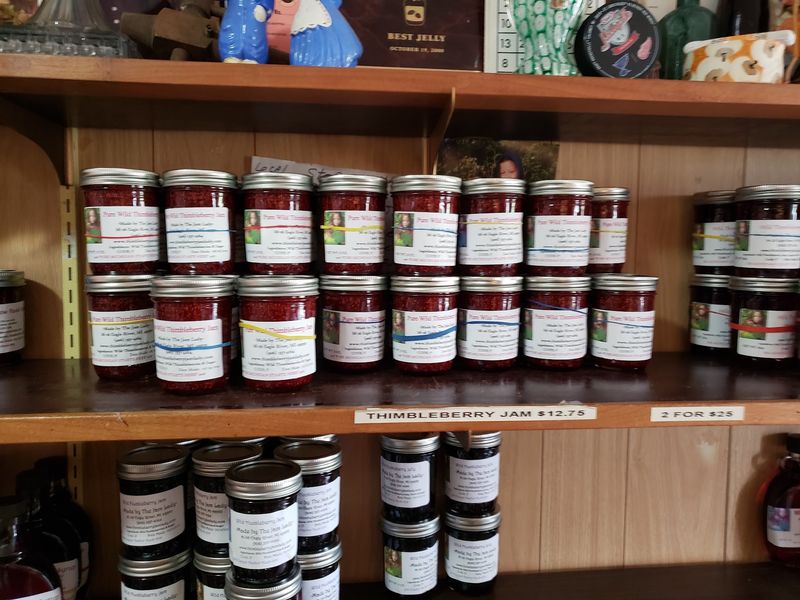
Jam performs the small miracle that fresh thimbleberries cannot: it travels. Cooking preserves the berry’s sweet-tart character, allowing local makers to share a brief summer harvest long after soft fruit disappears from the canes.
Sample festival foods when offered, and notice how preparation changes the flavor. Jam may taste concentrated, while ice cream or baked goods can soften the tang and highlight the berry’s fragrance.
Ask about ingredients if you have allergies or dietary needs, since recipes differ among producers. Prices may exceed those of common fruit spreads because wild berries require patient hand picking and provide limited yields.
Choose a jar size you can finish after opening, protect it from heat in the car, and follow its storage directions at home carefully.
Browse Berry Delicious Markets Thoughtfully
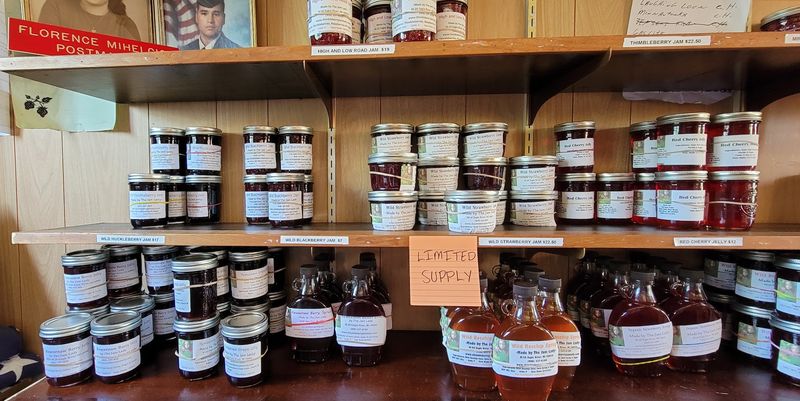
Market tables reveal that the festival celebrates hands as much as berries. Local food, artwork, and crafts sit beside thimbleberry specialties, giving visitors a wider picture of creativity across the Keweenaw community.
Walk through once before buying, then return to the makers whose work caught your eye. Ask respectful questions about materials, production, and the story behind an item; short conversations often explain more about Copper Country than a hurried souvenir stop.
Bring more than one payment option because small vendors may differ in what they accept, and signal strength can affect electronic transactions. Carry a reusable bag with padding for jars and delicate goods.
Buying directly from participating makers supports local work while giving your purchase a clear connection to the festival and region.
Walk The Storybook Trail

Book pages beside a boardwalk make reading feel pleasantly rebellious, as though the library wandered outside. The festival’s Storybook Walk at the Nara River Boardwalk pairs a gentle outing with a locally connected children’s story about thimbleberries and wildlife.
Families can move at their own pace, pausing to read, observe birds, and study wetland plants. Keep children close, share space with other boardwalk users, and leave displayed pages untouched so everyone can enjoy them.
Check current festival information for dates, accessibility notes, and any weather-related changes before setting out. Binoculars add interest without adding much weight.
The walk works especially well between busier events, offering a quieter way to understand how berries fit into the food web beyond human kitchens in this northern landscape.
Dress For Keweenaw Weather
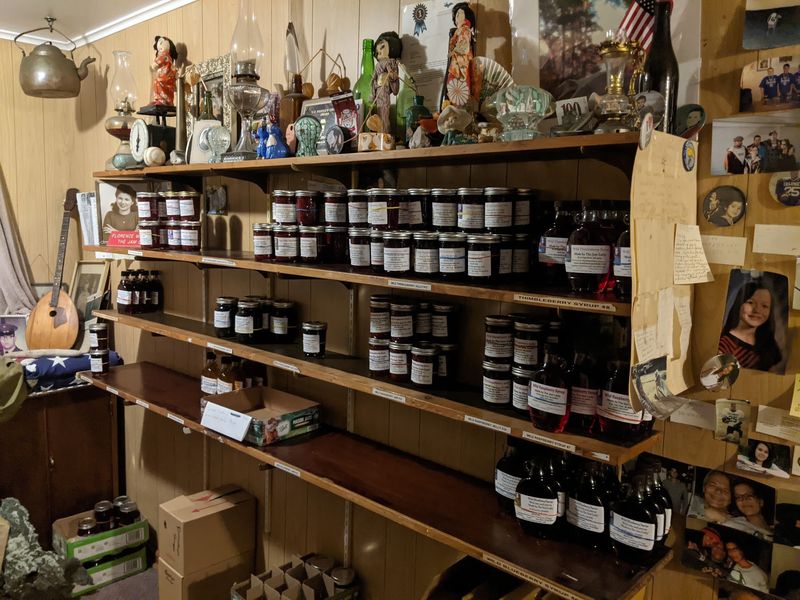
Lake Superior can revise a sunny forecast with very little notice. Festival days may move between warm sun, cool breezes, rain, and damp woodland conditions, sometimes before a visitor finishes one outdoor activity.
Dress in light layers and pack a rain shell rather than relying on one bulky outfit. Closed-toe shoes with dependable grip help on roots, wet grass, boardwalks, and uneven paths, while long pants provide useful protection near dense vegetation.
Add sunscreen, insect repellent, drinking water, and a hat to your day bag. Check the forecast each morning, but also watch changing skies and follow event guidance if weather affects programming.
A spare pair of socks in the vehicle seems overly cautious until the first muddy trail proves otherwise to everyone involved.
Respect Wild Patches And Property
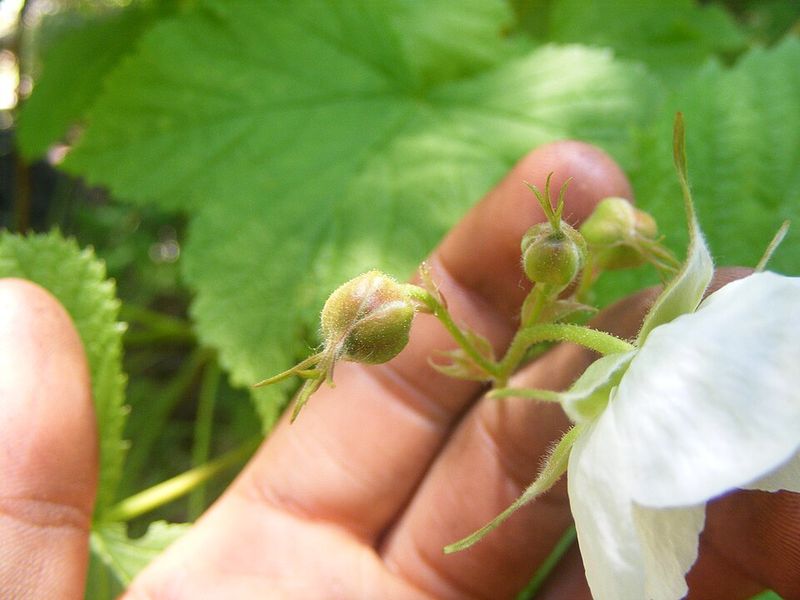
A tempting red patch is not automatically open for picking. Thimbleberries grow along roads, trails, forest edges, and private land, and each location can have different rules about access or harvesting.
Stay on permitted routes, obey signs, and never cross a fence or enter private property without clear permission. Avoid roadside picking where traffic, steep shoulders, or contaminated runoff could create hazards, even when the fruit looks perfect.
Use festival-led opportunities or public areas where regulations are known, and confirm current rules with the responsible land manager. Step carefully around plants rather than trampling neighboring growth.
Responsible behavior keeps landowners comfortable, protects habitat, and prevents a cheerful berry hunt from becoming an awkward conversation. The best souvenir is never one gathered where you were not welcome to begin with.
Carry The Tradition Home
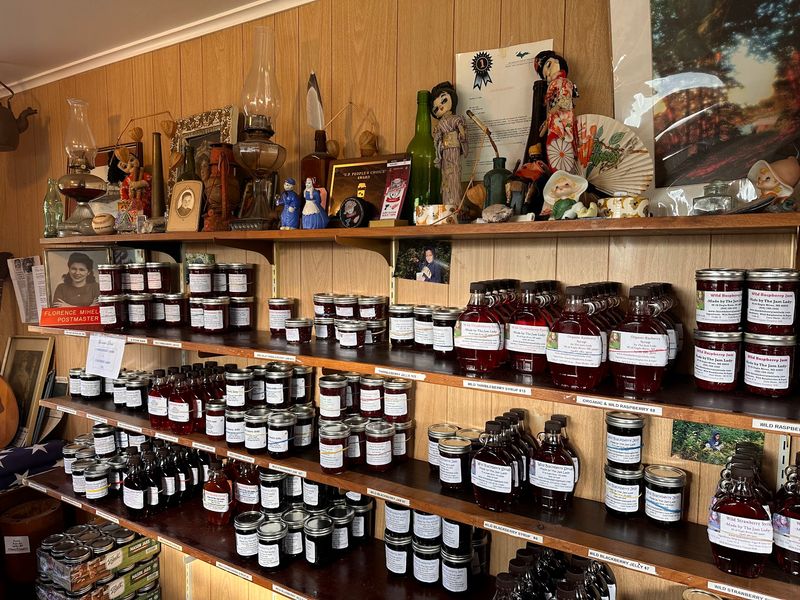
One jar can hold a remarkable amount of geography. Thimbleberry preserves recall sunny clearings, cool lake air, patient pickers, and a community that turns an unruly wild crop into a shared celebration.
Wrap purchases carefully, keep them away from direct sun, and check product labels for storage instructions. Travelers flying home should review current baggage rules, while drivers can place jars upright inside a padded box instead of letting them roll around the trunk.
Photograph maker labels before gifting anything, so recipients know where their food came from and how to find the producer later. Share the festival’s larger lesson too: delicate resources require attention, restraint, and local knowledge.
That story makes breakfast toast far more interesting than an anonymous supermarket spread ever could alone.