
13 Michigan Springtime Attractions That Seem Straight Out Of A Fairytale
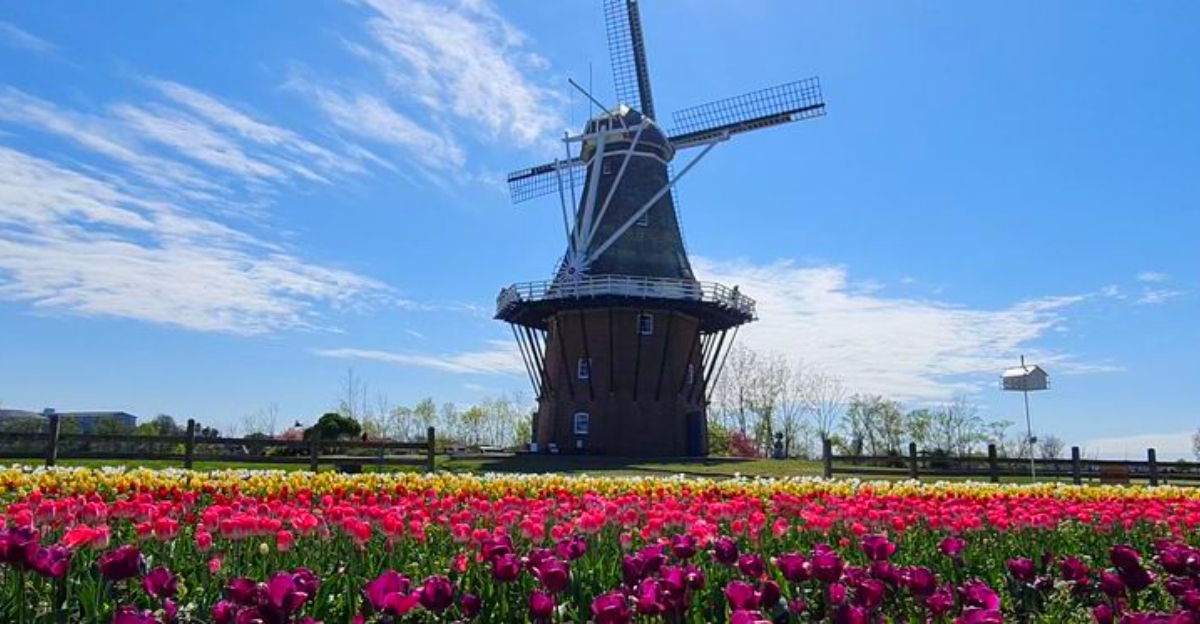
I’m a total sucker for the great Michigan thaw. While everyone else is mourning the ski season, I’m the one hovering over the soil, waiting for that first defiant green shoot.
Spring is my absolute favorite because it’s the only time the world feels like it’s waking up from a long, dramatic nap, and suddenly someone has dialed the saturation up to ten.
I’ve spent countless mornings on river edges where the birdsong is so loud it’s practically a concert, and I’ve walked through small towns where the sidewalks are literally crowded with fallen petals.
Discover the most enchanting Michigan spring destinations, from vibrant tulip festivals to hidden island escapes and blooming arboretums.
I always pack a heavy thermos and a light jacket, because those chilly, sun-drenched afternoons are meant for lingering. You have to slow down to hear the details that make this season feel like a fleeting, edible fairytale.
1. Tulip Time Festival, Holland
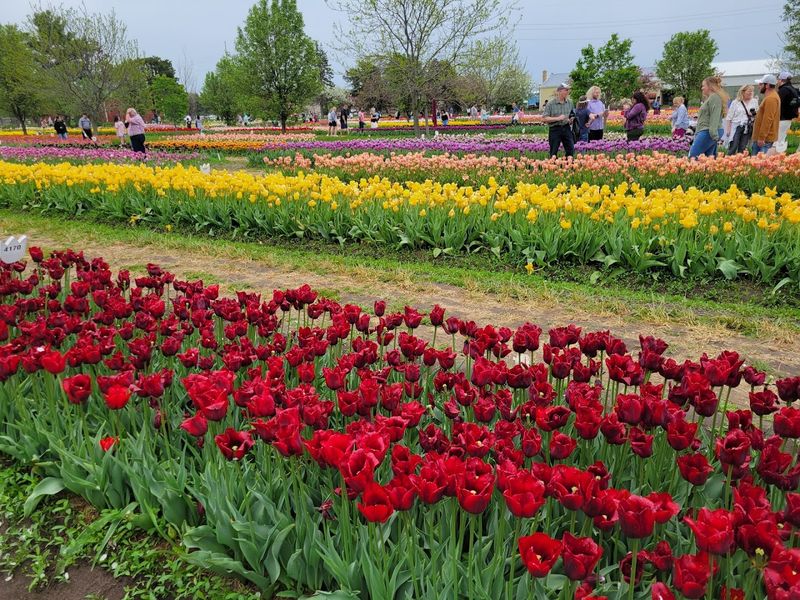
Color surges through Holland each May as more than five million tulips paint streets, lawns, and lake breezes with saturated bands of bloom. Music from marching bands drifts between food vendors and klompen dancers, creating a festival rhythm that feels cheerful without being frantic.
The town’s tidy Dutch storefronts amplify the storybook vibe, especially along 8th Street where petals tumble against brick.
Founded in the 1840s by Dutch immigrants, Holland built Tulip Time to honor heritage and horticulture, and the timeline shows in wooden shoes, heritage costumes, and parades.
I time days around light, catching morning glow in Window on the Waterfront, then the evening sparkle near Centennial Park. Buy tickets ahead, wear layers, and expect happy, pollen-dusted shoes afterward.
2. Windmill Island Gardens, Holland
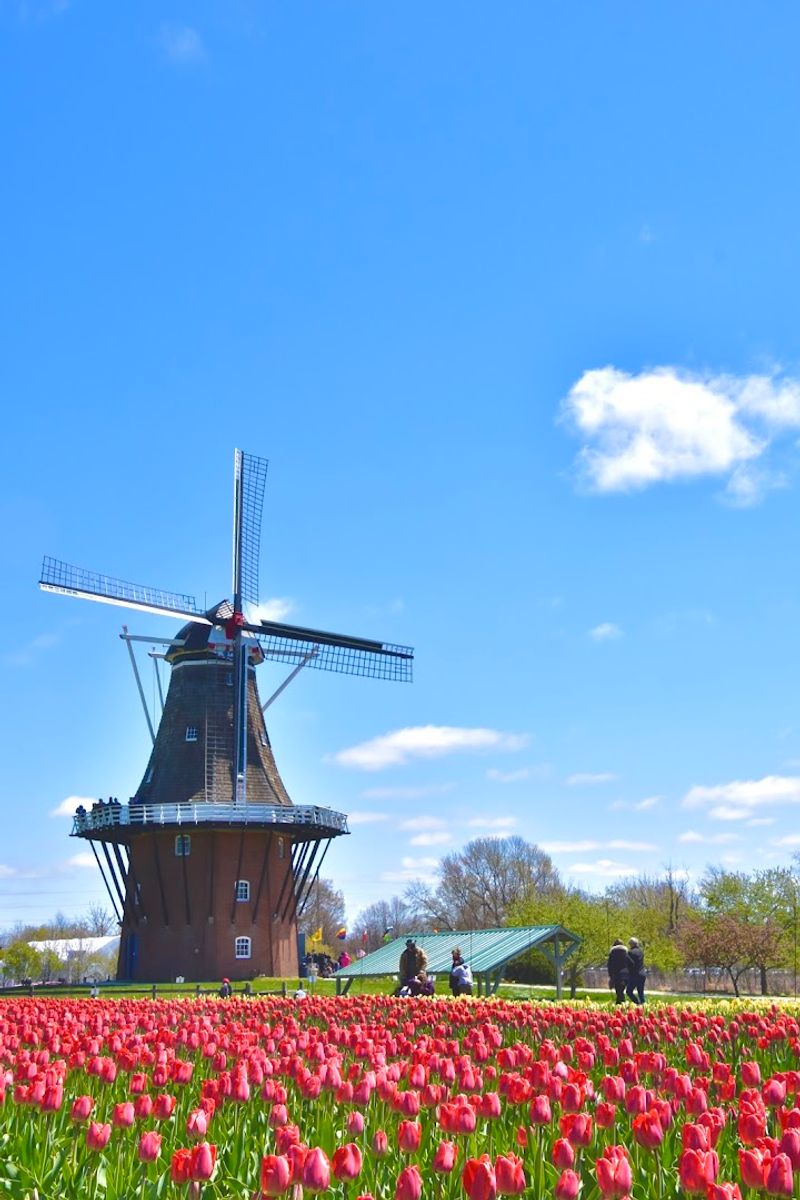
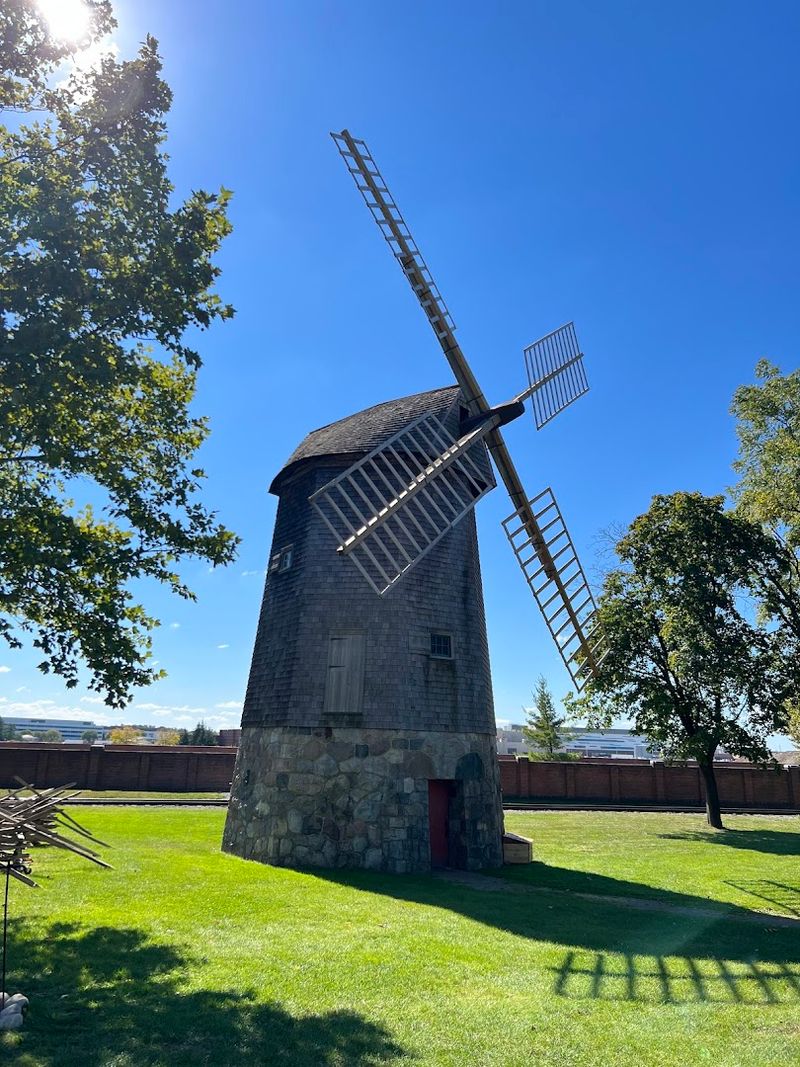
Wind skims the blades of De Zwaan, the working Dutch windmill that anchors this tidy island of gardens and canals. Tulip rows stripe the ground like woven ribbon, and the scent of fresh-milled flour sometimes rides the breeze from the mill.
A painted carousel and little bridges give everything a pocket-size fairytale scale. Organ music jingles faintly, bright as hard candy on breezes.
De Zwaan is an authentic, 18th-century windmill brought from the Netherlands and still grinds flour using traditional methods. Staff in heritage dress explain milling and gardening techniques with patient clarity.
Arrive early for softer light and fewer stroller jams, and buy a small bag of flour to take home for pancakes that taste like Holland in spring.
3. Window On The Waterfront Park, Holland
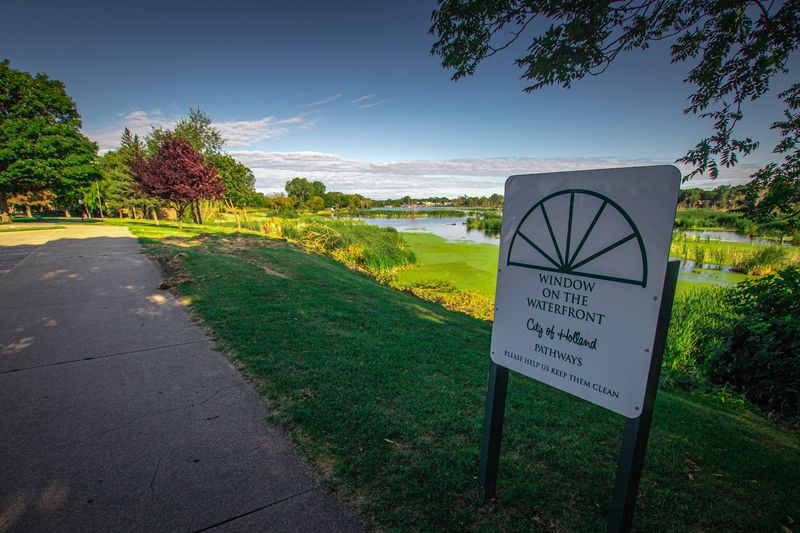
From the boardwalk, tulip beds ripple toward the Macatawa River like a painted tide, and red-winged blackbirds click from cattails. Early light turns dew into glitter, and distant church bells add a gentle metronome to footpaths.
The park feels both open and sheltered, a pause between town and water. Created to showcase waterfront habitat and bulb displays, this green corridor stretches along marshy edges, giving photographers long sightlines across color.
Volunteers maintain plantings that explode in April and May, with varieties labeled for easy note-taking. Parking is free, restrooms are seasonal, and paths are stroller friendly. Visit at sunrise or just before dusk for fewer crowds and the prettiest glow on petals and river. Bring binoculars for osprey and swallows.
4. Frederik Meijer Gardens & Sculpture Park, Grand Rapids
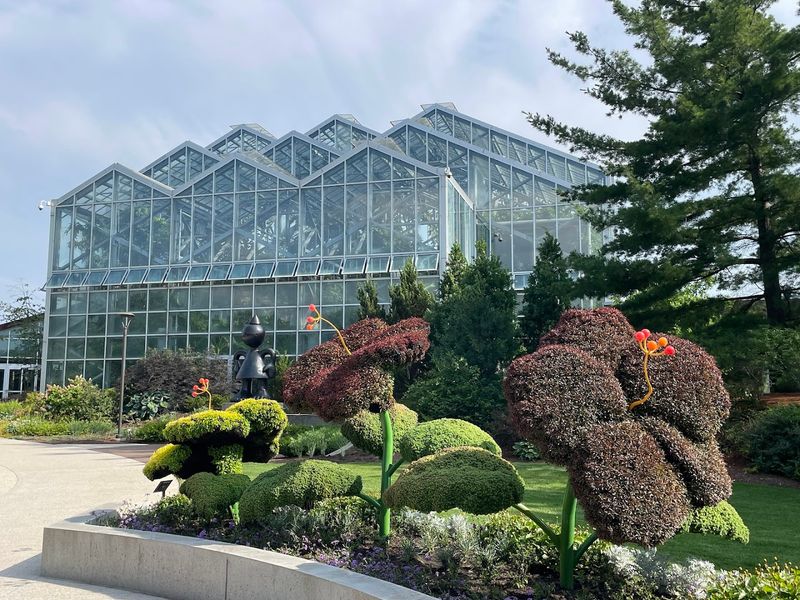
A bronze figure rises among blooming crabapples, and glass conservatories exhale warm, loamy air that smells like possibility. Paths bend past monumental sculptures into quiet corners where bees fuss at hellebore and school groups whisper.
The mix of art and botany feels surprisingly intimate for such a sprawling campus. Opened in 1995, the gardens blend curated landscapes, galleries, and the Lena Meijer Tropical Conservatory with a renowned sculpture collection featuring works by di Suvero, Plensa, and Moore.
I linger in the Japanese Garden, tracing raked gravel patterns and spring maples as koi shoulder past stones. Timed tickets keep lines reasonable. Wear comfortable shoes, and budget several hours, because every turn presents another thoughtful pairing of plant texture and human imagination.
5. Dow Gardens, Midland
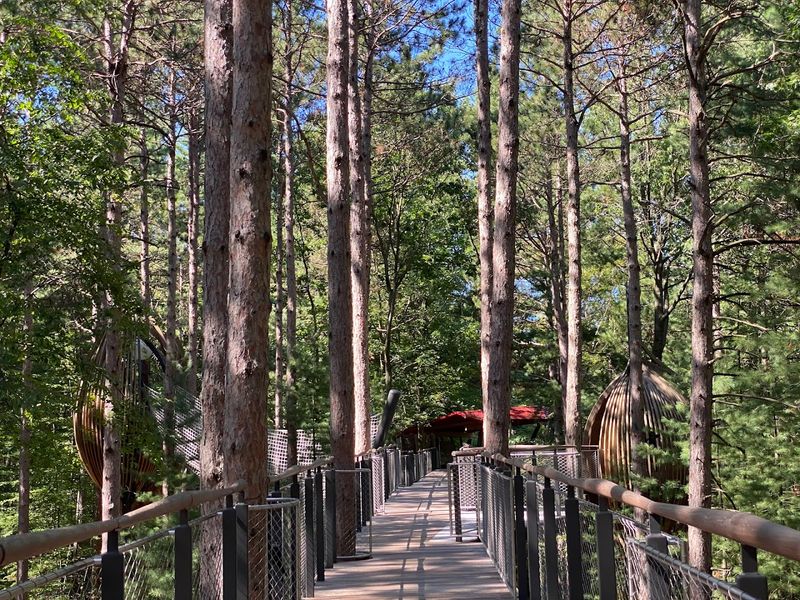
Water curls under arched bridges while early magnolias open like porcelain cups, and the Whiting Forest canopy walk peers above everything like a quiet lookout. Birdsong bounces between pines and sculpted beds, making the grounds feel both playful and deliberate.
Pockets of shade arrive just when needed. Established by Herbert H. Dow’s family, these 110 acres stitch together formal gardens, woodlands, and the nation’s longest canopy walk, suspended among oaks, pines, and an apple basket overlook.
Conservation and design updates have preserved historic plantings while adding thoughtful play spaces and accessibility. Reserve timed entry for the canopy walk, and bring a jacket because breezes above the treetops can surprise. Spring ephemerals along woodland trails reward slow steps and patient looking.
6. Mackinac Island Lilac Festival, Mackinac Island
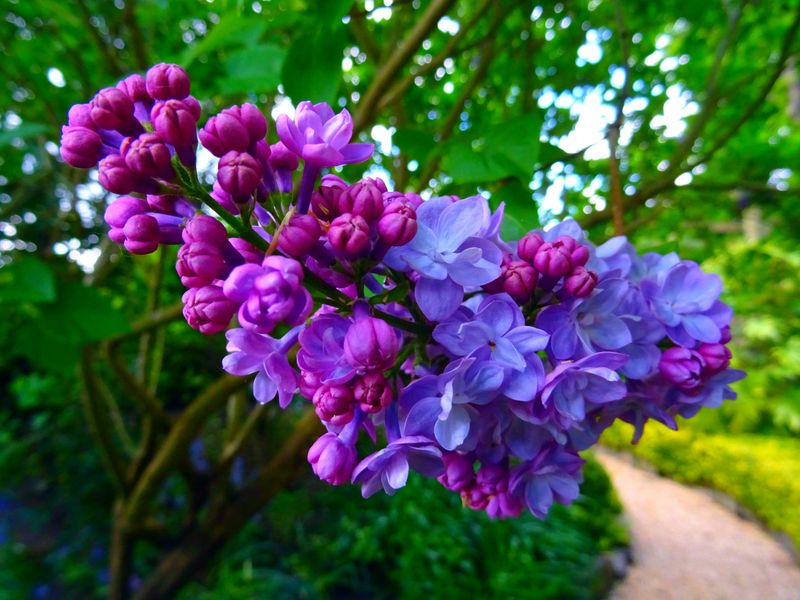
Horse hooves clop against limestone streets while bands of lilac perfume drift like soft scarves around porches and picket fences. Bicycles lace the harbor roads, and storefronts hang purple bunting that makes the whole island feel dressed for a gentle parade.
Lake Huron flashes silver between trees. Since 1949, the Lilac Festival has celebrated Mackinac Island’s remarkable old lilacs, many planted during the Victorian era and now towering like fragrant elders. The island is car free, so carriages, bikes, and walking set the pace, keeping festivities unhurried.
Ferries fill quickly on sunny weekends. Book rooms early, pack layers for changeable lake weather, and taste the limited-release lilac lemonade. Grand Parade and lilac walking tours frame spring in elegant, slow motion.
7. Castle Farms, Charlevoix
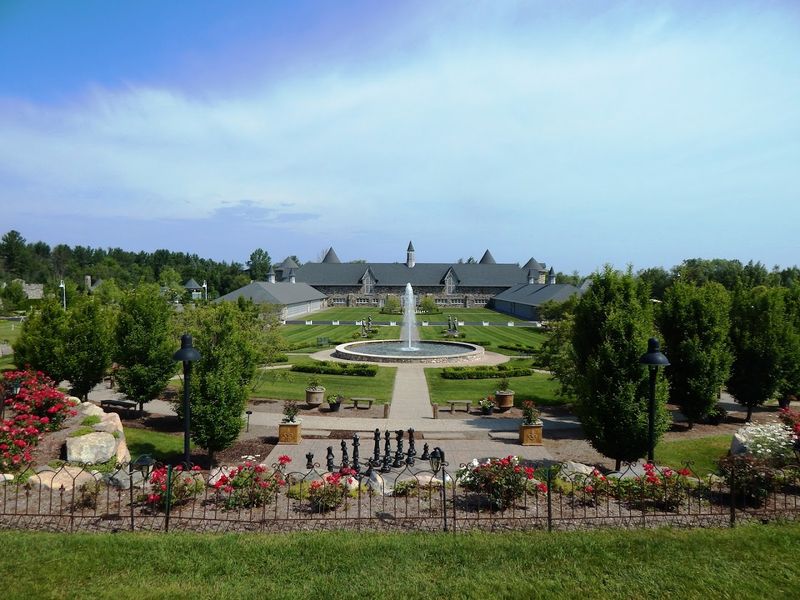
A limestone turret rises above neatly clipped hedges, and swans trace white punctuation across mirror-still ponds. Courtyards echo softly, as if conversations from another century paused here and never quite left. The setting reads like a storybook margin sketched in stone.
Built in 1918 by Albert Loeb and restored with care, Castle Farms shows French Renaissance lines, graceful arches, and barns turned galleries. Artifacts explain the site’s life as a dairy, concert venue, and finally a preserved public estate open to wanderers.
I lose time near the model railroad, watching tiny trains loop between fairy-size buildings and spring blooms. Check seasonal hours, and consider a guided tour for behind-the-scenes history. Evening light on the Queen’s Courtyard makes photographs behave beautifully.
8. Matthaei Botanical Gardens, Ann Arbor
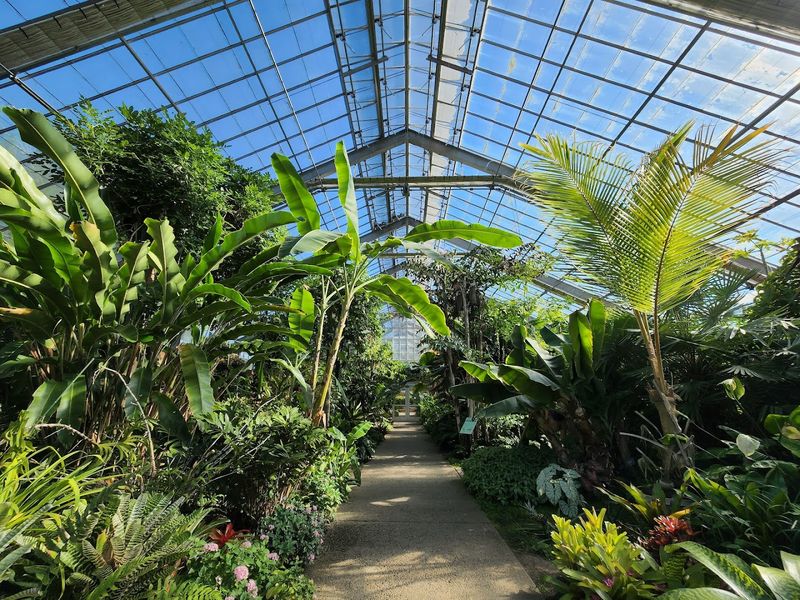
Humidity fogs your glasses in the conservatory before tulips and prairie smoke flip the script outside, where sandhill cranes sometimes bugle from nearby wetlands. Paths crease through natural areas that feel both studied and a little wild.
The shift from glasshouse warmth to spring breeze is bracing in the best way. Operated by the University of Michigan, Matthaei includes a conservatory with arid, temperate, and tropical houses, plus themed outdoor gardens and trails along Fleming Creek.
Horticulture students and volunteers keep collections tidy while preserving native habitats. Parking requires payment via kiosk. Weekdays deliver calmer visits, and golden hour lights the bonsai and perennial borders with painterly softness. Keep an ear out for frogs, who provide unexpected percussion after rain.
9. Nichols Arboretum, Ann Arbor
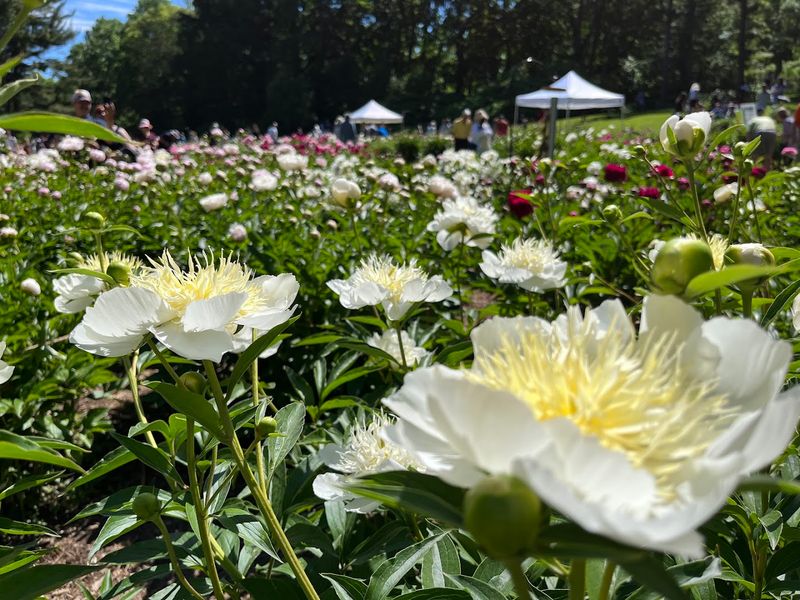
Dawn mist skims the Huron River while towhees whistle from thickets, and rows of peonies gather themselves like ruffled clouds preparing to burst. Trails slip from steep oak savanna to shaded glens in a few minutes, changing the mood with every turn. It is a landscape that rewards unhurried feet.
Founded in 1907 and managed by the University of Michigan, the Arb is famed for its historic Peony Garden, with heirloom varieties peaking late May into June depending on weather. Open grassy bowls host quiet picnics and occasional outdoor performances.
Steep paths can be slick after rain, so good soles help. Parking is scattered around the edges. Visit midweek for fragrance without crowds, and linger as petals fall like confetti.
10. Anna Scripps Whitcomb Conservatory, Detroit
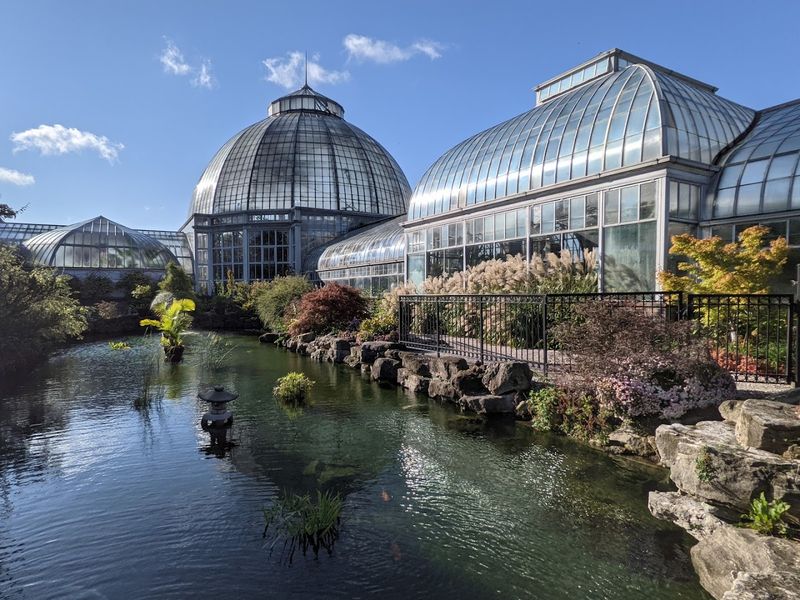
Palm fronds scrape the great dome with a papery hush, and warm humidity wraps the body the moment the door swings shut. Outside, the Detroit River glints around Belle Isle while gulls argue over nothing in particular. Inside feels timeless, a greenhouse heartbeat steady through spring.
Opened in 1904 and redesigned by Albert Kahn, the conservatory spans multiple houses around a central dome, with notable orchid collections named for Anna Scripps Whitcomb’s vast donation in 1955. Restoration work has balanced historic ironwork with modern systems.
I like tracing the transitions from tropical to fernery to cactus court, watching lenses fog before clearing. Parking passes are required for Belle Isle. Afterward, walk to the adjacent aquarium, a petite Art Deco gem.
11. Fernwood Botanical Garden and Nature Preserve, Niles
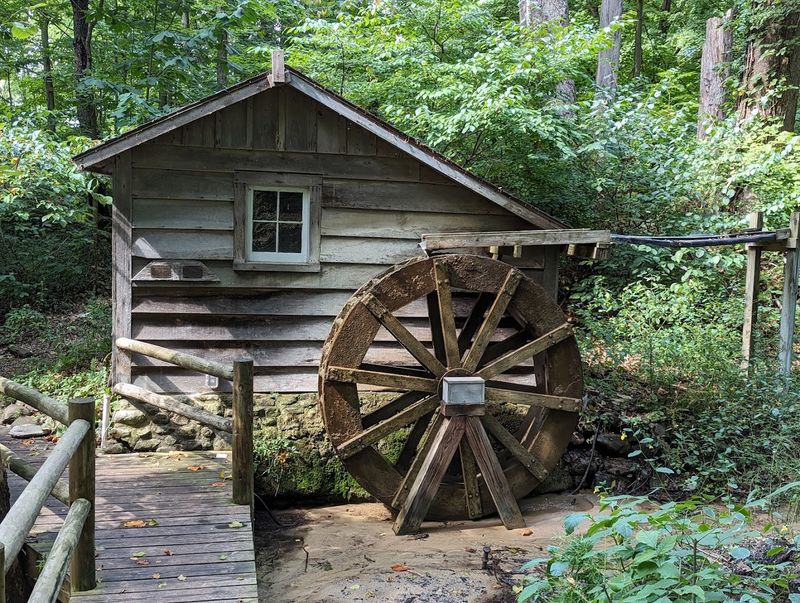
Trilliums salt the forest floor like small constellations, and a miniature railway threads through garden beds with an amiable clatter. The St. Joseph River moves nearby, slow and pewter, inviting deep breaths. Songbirds tilt the air toward bright.
Fernwood’s 105 acres combine curated gardens, woodlands, and prairie remnants, alongside conservatories and a nature center that grounds the experience. The Railway Garden reopens seasonally, charming children and meticulous adults alike.
Trails vary from flat to rolling, with spring wildflowers peaking before full leaf-out. Check the program calendar for art workshops and bird walks. A modest admission supports ongoing restoration and education. Arrive after a rain shower to smell spicebush and leaf duff, then linger on the overlook for soft river light.
12. Palms Book State Park, Manistique
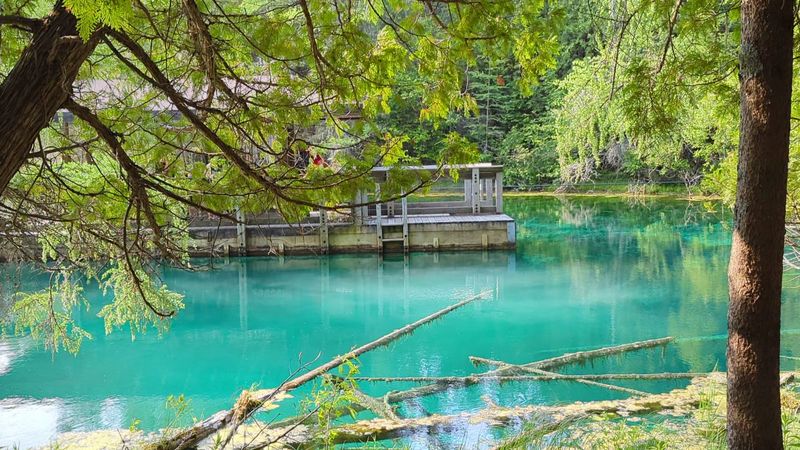
Turquoise water appears almost lit from within, and the self-propelled raft glides over sand that swirls like stirred smoke beneath trout. Every creak of the wheel echoes across cedars, amplifying the feeling that something ancient is paying attention.
Even in spring chill, the spring feels alive and welcoming. Palms Book protects Kitch-iti-kipi, Michigan’s largest freshwater spring, a constant 45 degrees year round with astonishing clarity. The viewing raft is guided by a cable, letting passengers peer through a central opening to see bubbling sand and fish suspended like punctuation.
Facilities are basic, but the experience is anything but. Arrive early to avoid lines, and bring a warm layer. Photos work best on overcast days when glare fades from the surface.
13. Tunnel Of Trees, Harbor Springs To Cross Village
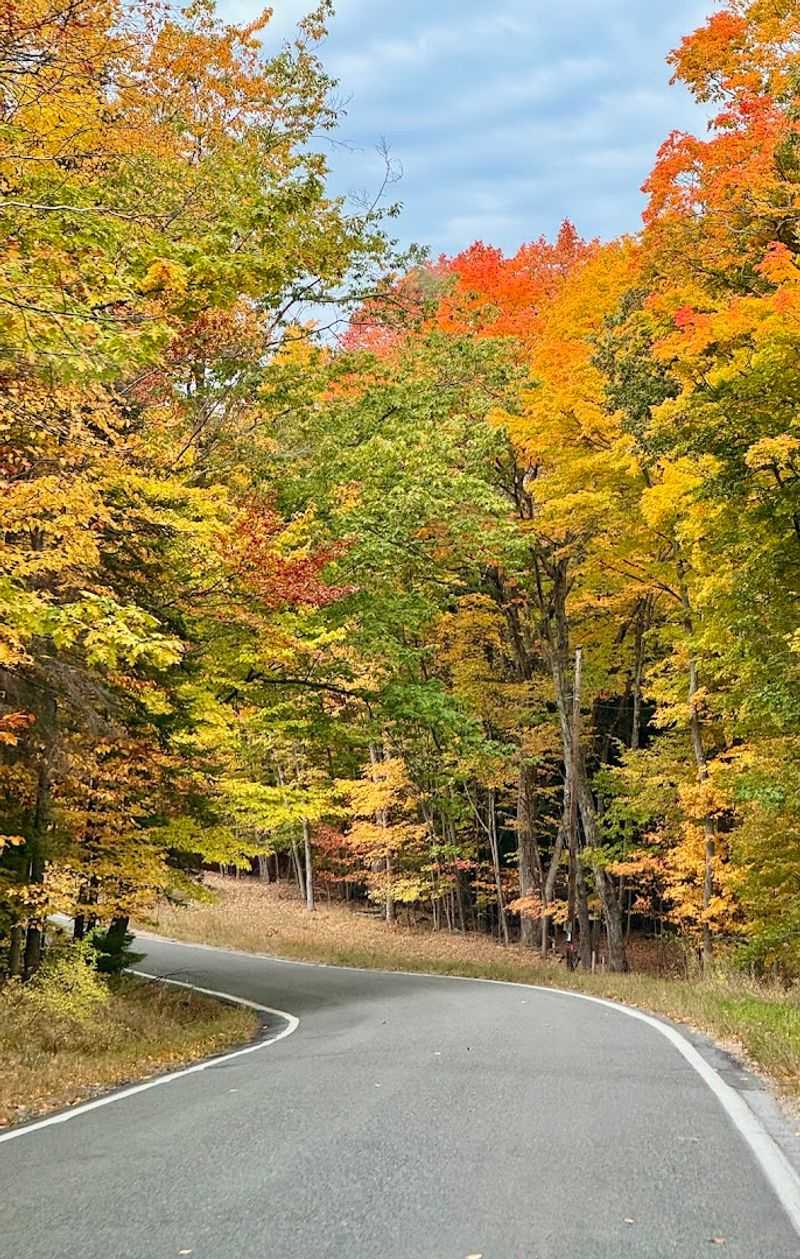
Tires whisper along M-119 as sugar maples knit overhead, braiding light into shifting green ribbons that feel theatrical in spring rain. Vistas open suddenly to Lake Michigan’s steel-blue sweep, then close again to a corridor of trunks and moss.
Occasional lilacs and cottages hint at stories just offstage. This historic shoreline route connects Harbor Springs to Cross Village, narrow and curvy, following an old Native American trail later shaped by early motorists.
Local stops include Good Hart’s tiny shops and the Polish-inspired legs at Legs Inn, where gardens overlook bluffs. Expect tight lanes and patient passing. Drive slowly for cyclists, and pull off only at signed turnouts. Late May brings tender leaf color, trilling frogs, and that crisp pine-lake smell.
14. Sleeping Bear Dunes National Lakeshore, Empire
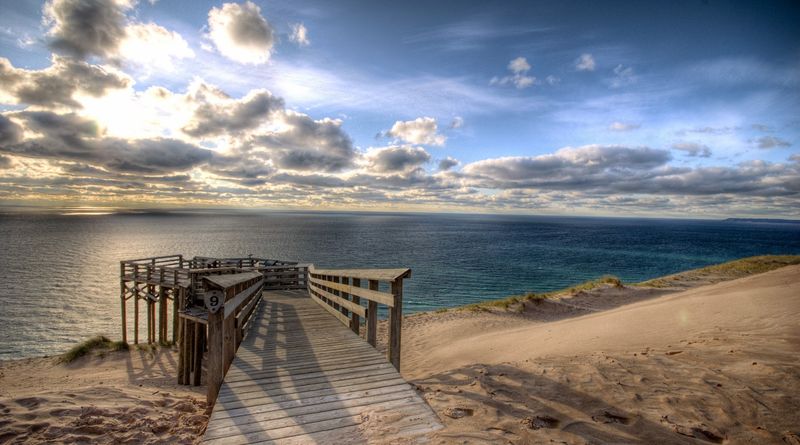
Sand ridgelines glow honey-gold under soft spring sun as lake breezes lift the dune grass into rippling waves. Trillium and hepatica brighten the forested slopes behind you, threading white among still-bare branches.
From the overlook, Lake Michigan looks impossibly teal, a storybook sea cupped by sleeping giants. Take the Dune Climb slowly and you feel tiny, thrilled, and oddly peaceful, like walking a glittering desert beside an inland ocean.
Down at Empire Beach, driftwood frames the water, and the first picnic of the year tastes like adventure. Stay for sunset, when the bluffs blush and the sky turns rose.
15. Tahquamenon Falls State Park, Paradise
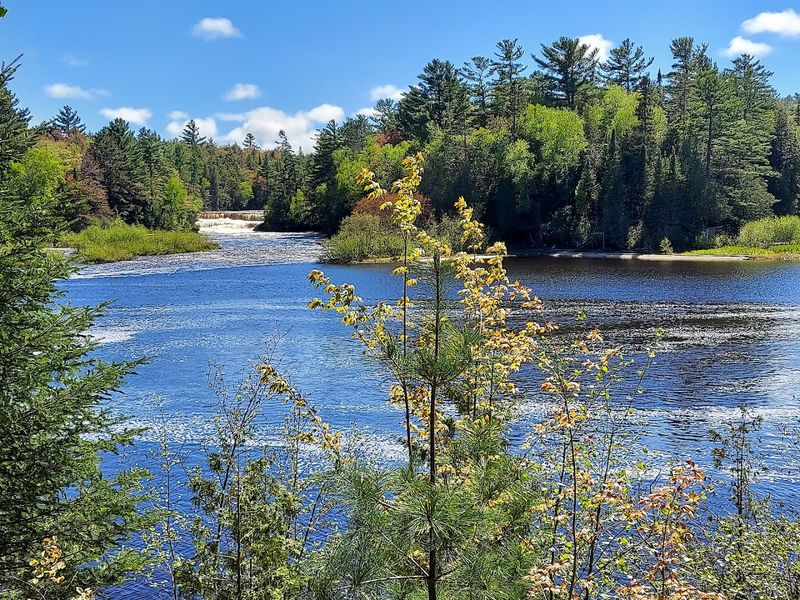
Snowmelt swells the Upper Falls until they thunder like a living heartbeat, pouring caramel water over ancient rock. Mist beads on eyelashes and turns stray sunbeams into glitter, so the trail feels bewitched.
You follow boardwalk curves through cedar and birch, breathing balsam and damp earth while the river sings below.
Spring here is loud yet gentle, with golden foam fanning the edges like lace. Hike to the Lower Falls and rent a rowboat if levels allow, skimming past mossy islands that look painted for a fairy court. End with hot pasties in Paradise, cheeks flushed, boots muddy, and spirit rinsed bright.
16. Greenfield Village, Dearborn
Spring wakes the village with bell chimes, steam puffs, and the sweet clop of horses on brick lanes. Lilac and apple blossoms drift over porches while costumed artisans open doors to warm lamplight and humming looms. You step between centuries as easily as crossing a street, curiosity tugging your sleeve.
Take a Model T ride, then wander to the working farms where lambs wobble and gardens are stitched with orderly hope. Fresh bread scents the air near the bake shop, and the carousel glitters like a pocket watch. It feels slow, handmade, and wonderfully human, exactly the pace spring promises.