
12 Michigan Trails Where Spring Wildflowers Steal The Show
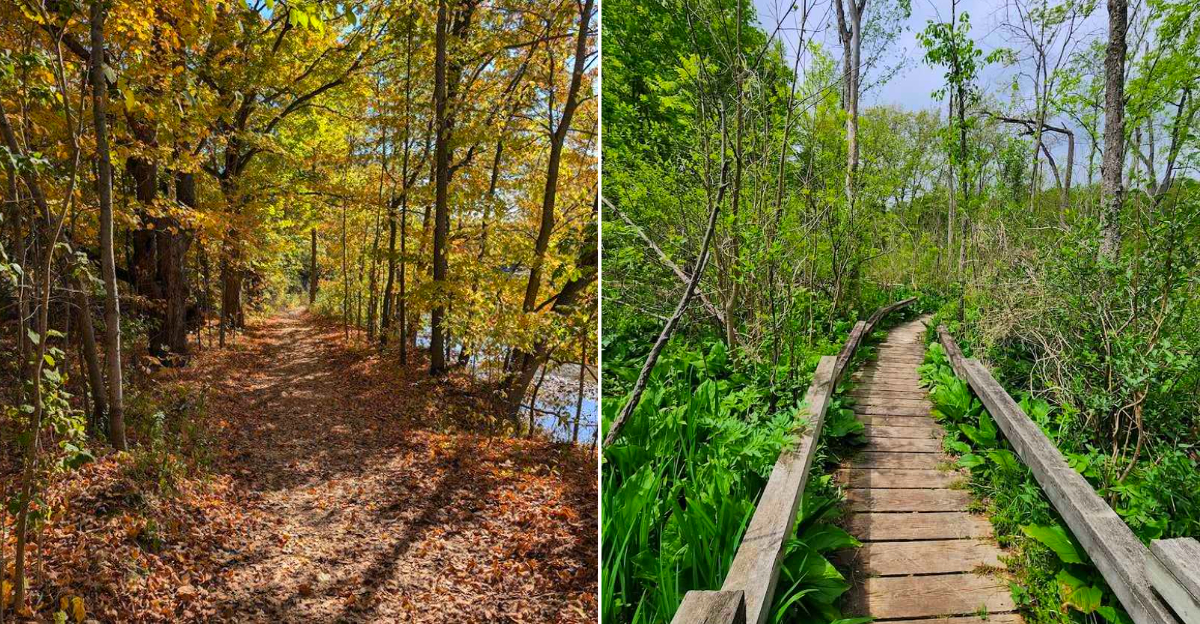
Michigan spring has a sneaky little habit of looking like nothing is happening, then suddenly ambushing you with flowers.
One week the woods are all brown leaves, bare branches, and general “please be patient” energy, the next, trillium and bloodroot are scattered across the forest floor like nature finally found the good confetti.
I like wildflower walks best when they feel accidental. Not a formal display, not a garden behaving itself, but a trail where tiny blooms appear beside roots, dunes, wetlands, and quiet hardwood paths as if the landscape is letting you in on a seasonal secret.
These Michigan spring wildflower trails offer a beautiful way to see trillium, bloodroot, marsh marigold, and other native blooms at their brief seasonal peak.
Timing matters, because this show does not wait around politely. Bring good shoes, walk slowly, and let the small things completely ruin your schedule in the best possible way.
12. Loda Lake National Wildflower Sanctuary
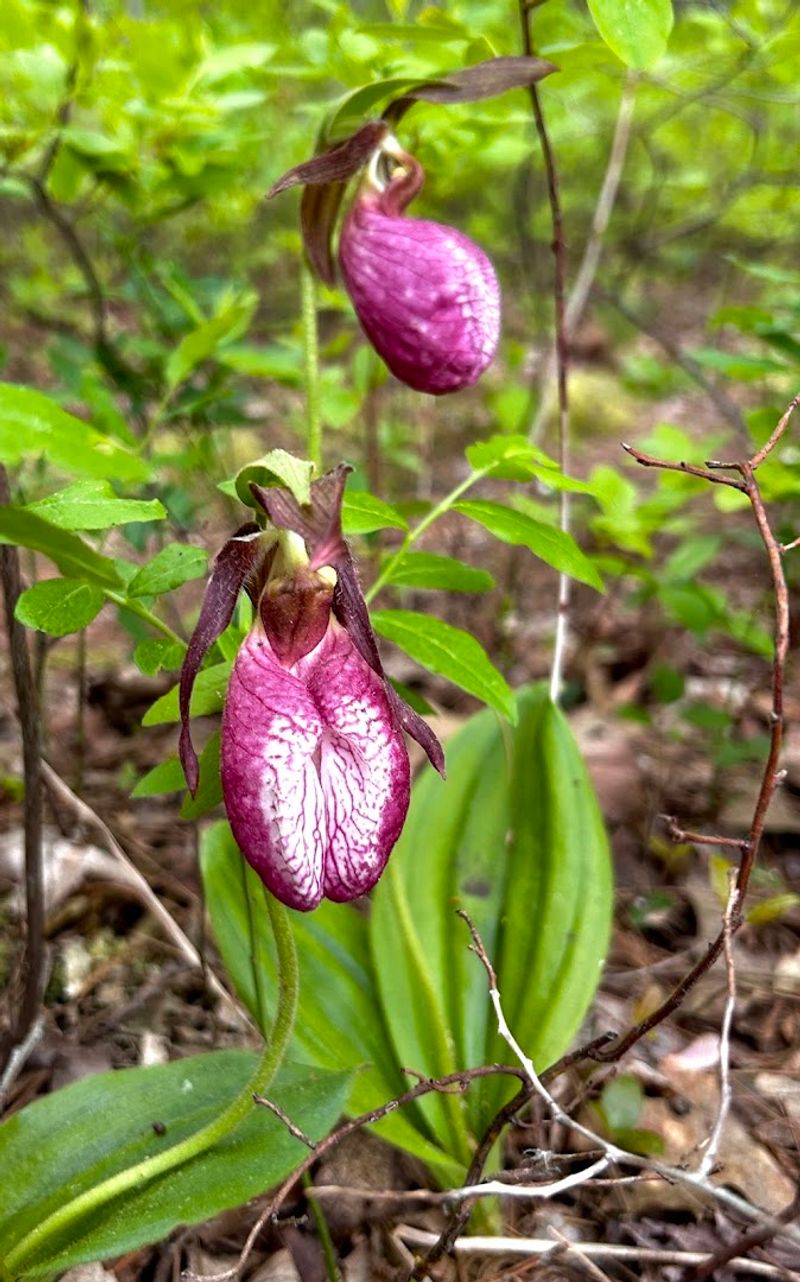
Loda Lake feels built for patient walkers. The self-guided trail threads through oak-maple woods, streamside pockets, shrubs, and wetland habitat, with numbered viewing stations that keep you moving slowly enough to actually notice things.
In spring, that matters, because flowers here can be modest at first glance and unforgettable once you stop hovering over the obvious.
Pink lady’s slipper gets the headlines, but the sanctuary is also known for round-leaved sundew, jack-in-the-pulpit, trailing arbutus, and swamp milkweed later in the season. The route is open from May through October and sits in Manistee National Forest near White Cloud.
Bring a few dollars for the day-use fee, wear shoes that can handle damp ground, and give yourself more time than the map suggests. This is one of those trails that rewards lingering over rushing.
11. Dowagiac Woods Nature Sanctuary
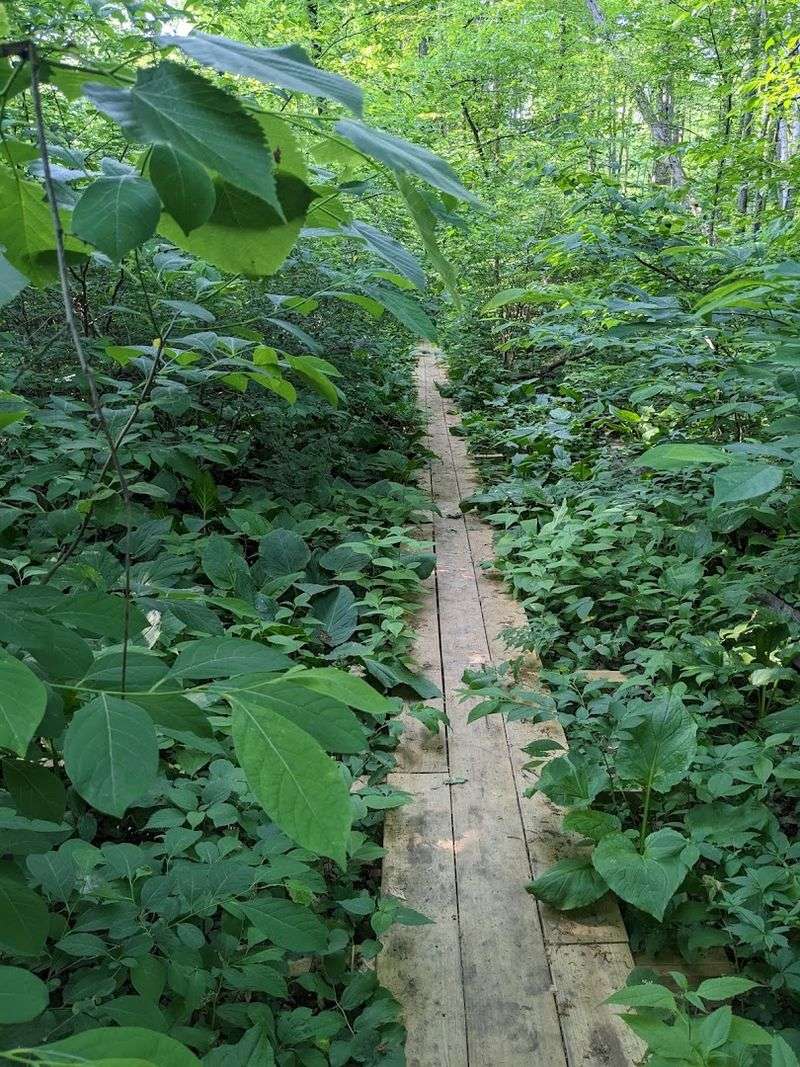
Dowagiac Woods has that deep, cool woodland mood that makes spring flowers look almost theatrical. A boardwalk and footpath carry you through rich forest where the bloom sequence changes by the week, so the walk never feels static.
Instead of one dramatic overlook, the pleasure here is close to the ground and slightly hidden.
The sanctuary is known as one of southern Michigan’s classic wildflower sites, especially when trillium and bluebells begin to brighten the forest floor. Because the terrain stays moist, the color can feel unusually saturated after a rainy stretch.
I like arriving early, before voices travel too far through the trees, and walking slowly enough to catch the smaller details around the main display. If you are choosing between spectacle and intimacy, this one leans beautifully toward intimacy without ever feeling slight.
10. Warren Dunes Nature Study Area
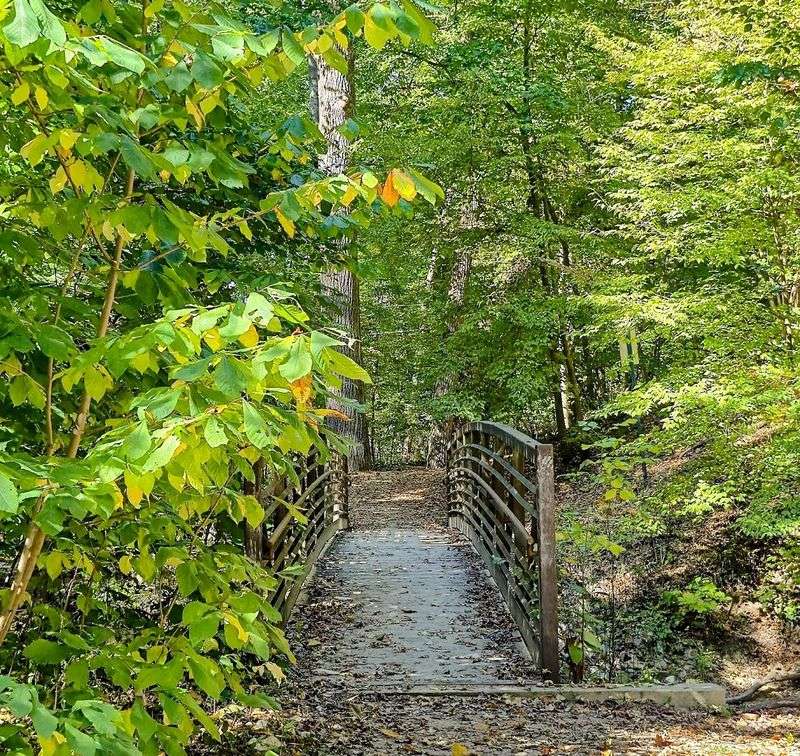
At Warren Dunes, the beach and towering sand usually grab attention first, which is exactly why the Nature Study Area feels like such a satisfying side path.
Step into the woods in early spring and the mood changes from wide-open shoreline drama to a quieter, leaf-littered stage where bloodroot and trillium do their work. The dunes still shape everything, but more subtly.
This area within the state park is especially good if you want flowers without giving up the Lake Michigan setting. Early April can bring bloodroot, and as spring advances, trillium starts appearing beneath the trees.
The contrast is the memorable part: soft white petals, sandy soil, and that cool air drifting inland from the water. Go before the beach crowds build, keep an eye on uneven ground, and treat this as a two-part outing, woods first and shoreline second.
9. Trillium Trail Nature Sanctuary
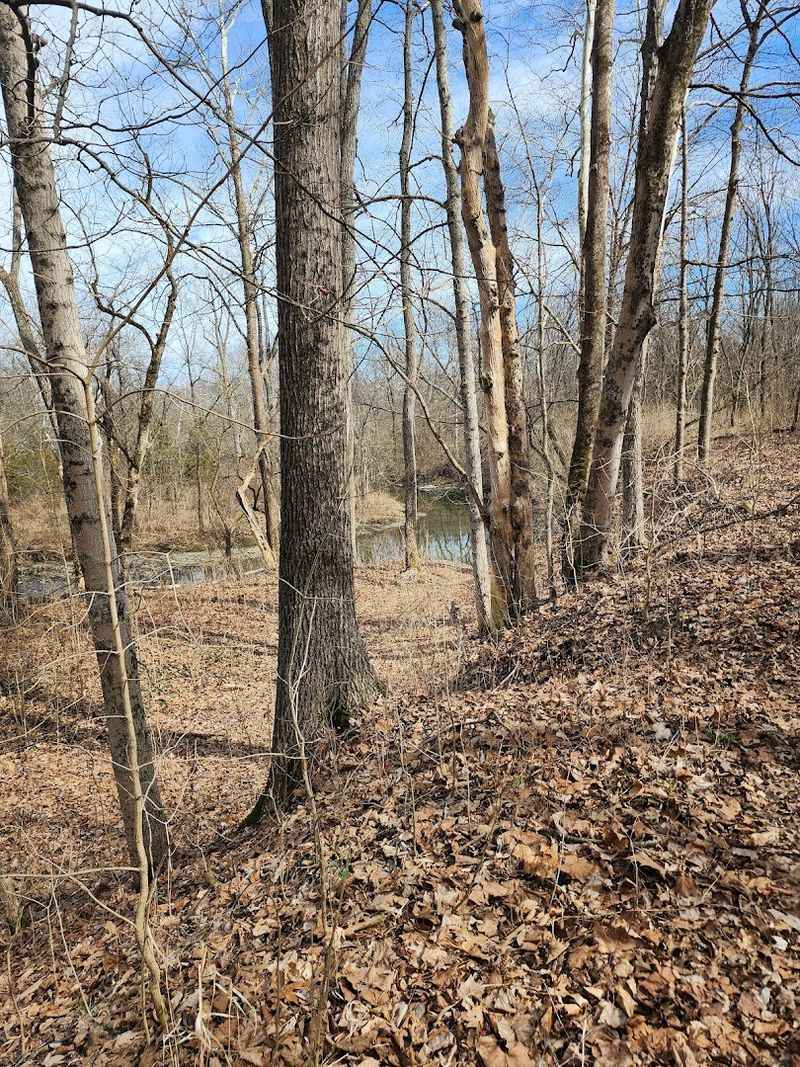
Any place willing to name itself after a flower had better deliver, and Trillium Trail Nature Sanctuary does. In peak spring, the woods take on that hushed, expectant look just before full leaf-out, which lets the understory flowers hold the spotlight.
White trilliums are the stars, but the real pleasure is how the whole forest seems tuned to the same brief season.
This is the kind of sanctuary where you notice the cadence of your own footsteps because everything else feels quiet and temporary. A modest trail through mature woodland can be more affecting than a grand route when the blooms are fresh and the canopy still open.
Timing matters here more than distance, so aim for that narrow late April to May window and do not rush. If the flowers are up, even a short walk can feel complete, like catching a small performance at exactly the right hour.
8. Fernwood Botanical Garden And Nature Preserve
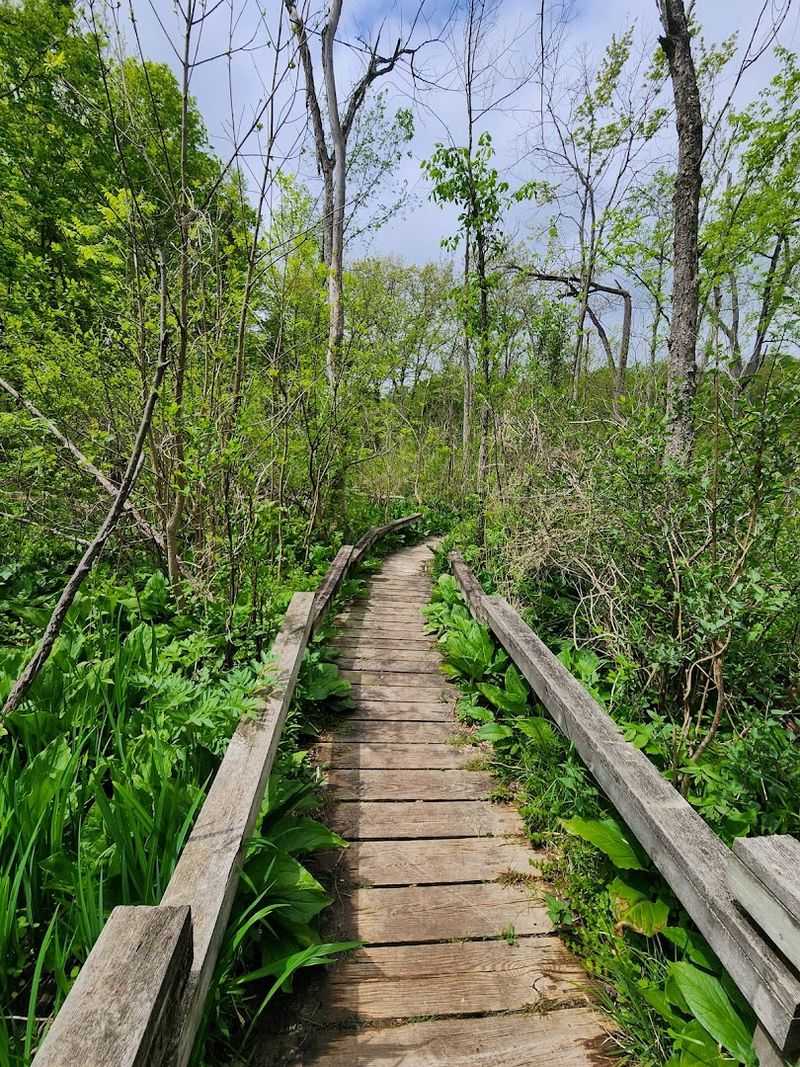
Fernwood makes a persuasive case for the overlap between garden care and true woodland atmosphere. The preserve sits along the St. Joseph River, and the trail system moves between managed plantings and more natural forest in a way that never feels forced.
In spring, the native wildflower displays soften the line even further, so the whole place reads as thoughtful rather than overly arranged.
You can spend a visit admiring the formal side of the grounds, then slip onto quieter paths where spring beauty, trillium, and other ephemerals feel perfectly at home under the trees. That mix is what keeps Fernwood interesting.
I have always liked places that teach you something without sounding like a lecture, and this one does it gently, through layout and pacing. Give yourself time for both the botanical garden and the preserve trails, because the best impression comes from seeing how each half sharpens the other.
7. Matthaei Botanical Gardens
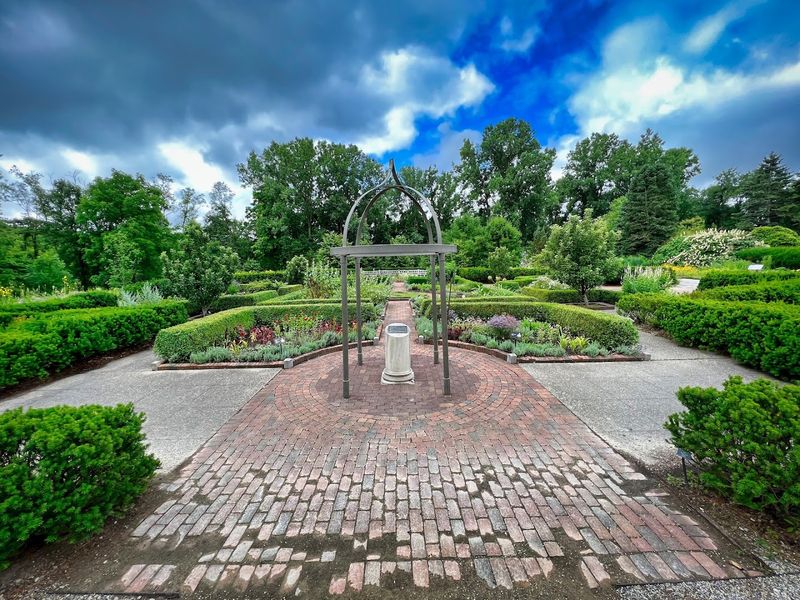
Matthaei is wonderfully precise about spring. The Helen V.
Smith Woodland Wildflower Garden highlights more than a hundred native species, and that clarity makes the season easier to read, even if you are not a practiced flower spotter. Instead of wandering and hoping, you move through a sequence of blooms that feels intentional without losing the pleasure of surprise.
Mid-to-late April usually gets the show started, with peak bloom often arriving in May. Spring beauty, marsh marigold, bloodroot, wood poppies, wild columbine, trillium, and early meadow-rue all make appearances, depending on timing.
Because the gardens are in Ann Arbor and easy to combine with a town day, this is one of the most accessible flower outings on the list. Wear shoes you do not mind getting a little muddy, bring a camera with a close focus, and expect to stop often for labels you suddenly care about.
6. Chippewa Nature Center
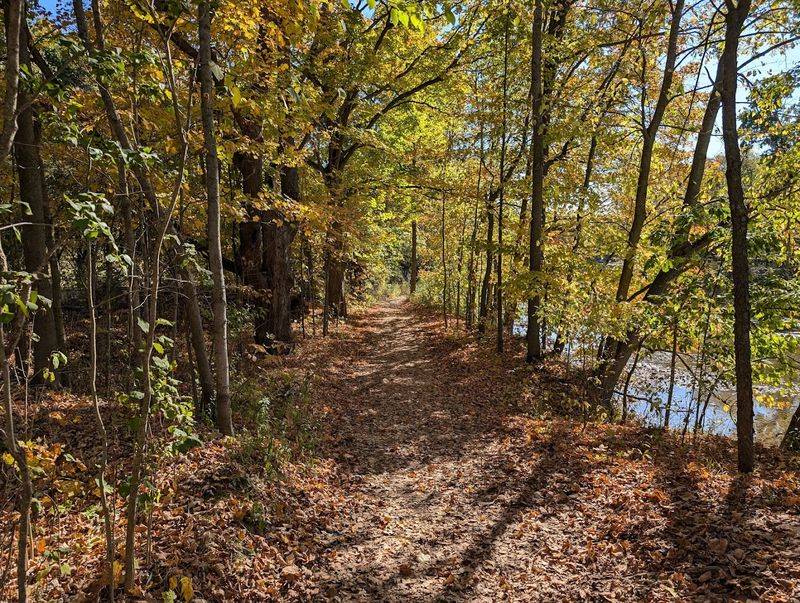
Chippewa Nature Center has the sort of trail network that lets you choose your own spring mood. Some paths feel broad and easygoing, others more tucked into woods and river landscape, and that variety keeps the flower search from becoming repetitive.
You are not just looking for blooms here. You are watching habitats change and noticing how certain species settle into each one.
The center’s trails through forest, fields, and river areas can be especially rewarding during wildflower season, when spring ephemerals briefly take over before taller growth arrives. Educational programs and natural history interpretation add context, but the place never feels heavy-handed.
It is still a good walk first. If you are visiting with someone who wants both scenery and useful information, this is a smart compromise.
Go on a cool morning, pause at the woodland edges, and let the pace stay unambitious. Flowers tend to reward that kind of restraint.
5. For-Mar Nature Preserve & Arboretum
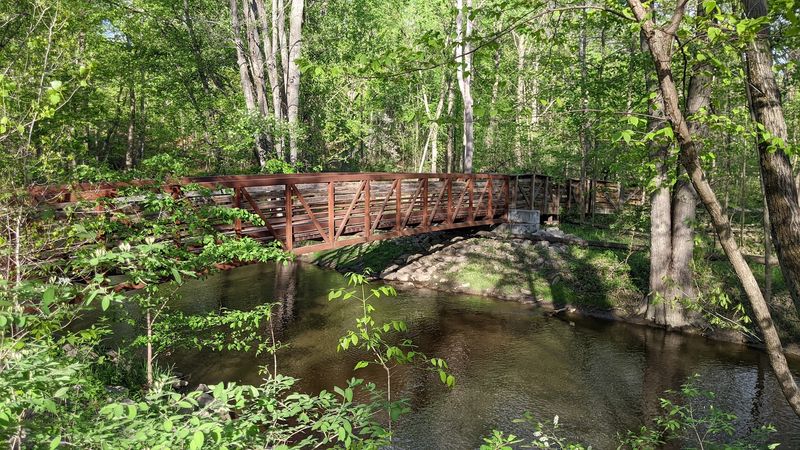
For-Mar is proof that a well-loved local preserve can still surprise you. The mix of woods, open spaces, and maintained trails makes it easy to explore, but spring adds a softer layer as wildflowers begin appearing in the understory.
What stands out most is the sense of accessibility. You can come for an unhurried walk and still feel like you found something seasonal and specific.
Near Flint, this preserve and arboretum offers enough variety to keep a repeat visit interesting, especially during the short window when early blooms are at their best. Boardwalks and smoother paths help on wetter days, which matters in Michigan spring.
I would choose this for a casual outing with someone new to wildflower walks because it asks very little and gives plenty back. Bring binoculars if you like pairing flowers with bird activity, and leave room in your schedule to wander instead of marching straight through.
4. Pictured Rocks National Lakeshore
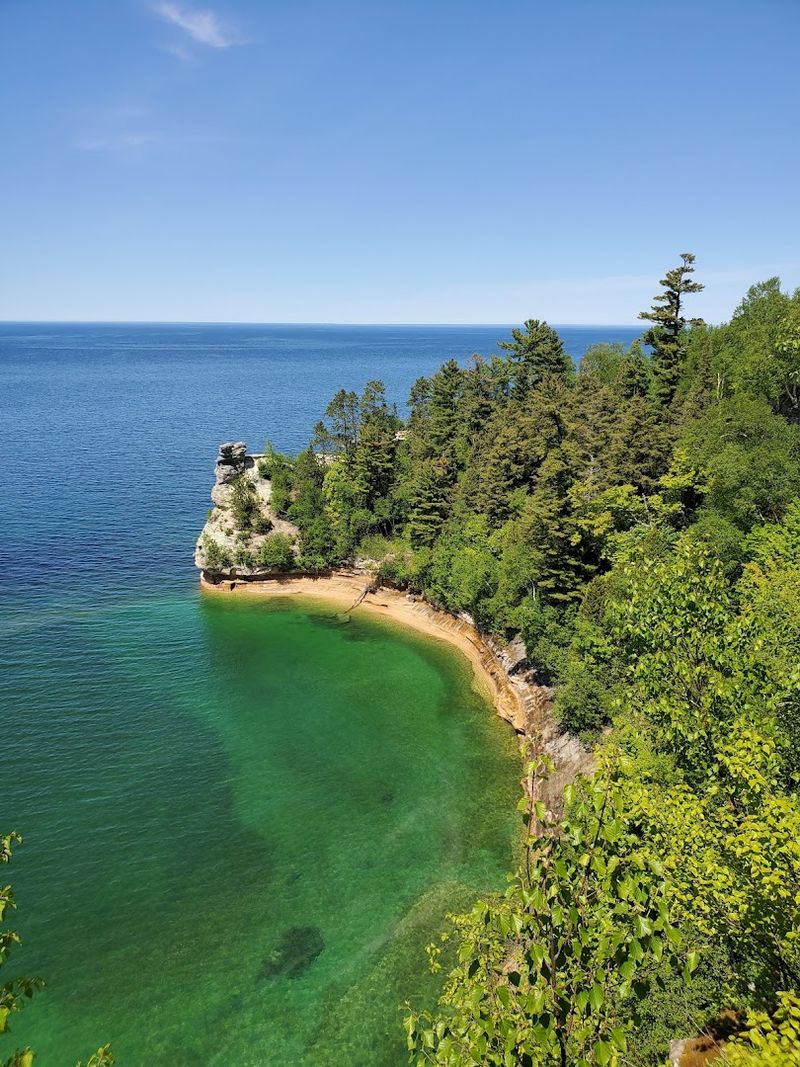
Spring at Pictured Rocks can feel almost stern at first. Lake Superior keeps the air cool, the forest is only beginning to wake up, and then suddenly the trail edges start offering flowers between roots, rocks, and viewpoints.
That contrast is exactly why this place works so well. The blooms do not compete with the landscape. They sharpen it. You notice small color more intensely here because everything around it feels so big, rugged, and weather-shaped.
The Chapel area is a strong pick because the route combines woodland sections with views toward Chapel Lake, Chapel Falls, Chapel Rock, and the lakeshore itself.
On the roughly ten-mile Chapel Loop, wildflowers are part of a longer, more dramatic day rather than the entire point, which gives the outing a satisfying range.
Watch for delicate spring growth in shaded stretches, especially where the trail softens and moisture gathers near low spots. Plan for variable weather, carry water, and do not underestimate distances just because the scenery is distracting.
If you like your spring flowers with a side of sandstone cliffs and cold blue water, this one is hard to top.
3. Sleeping Bear Dunes National Lakeshore
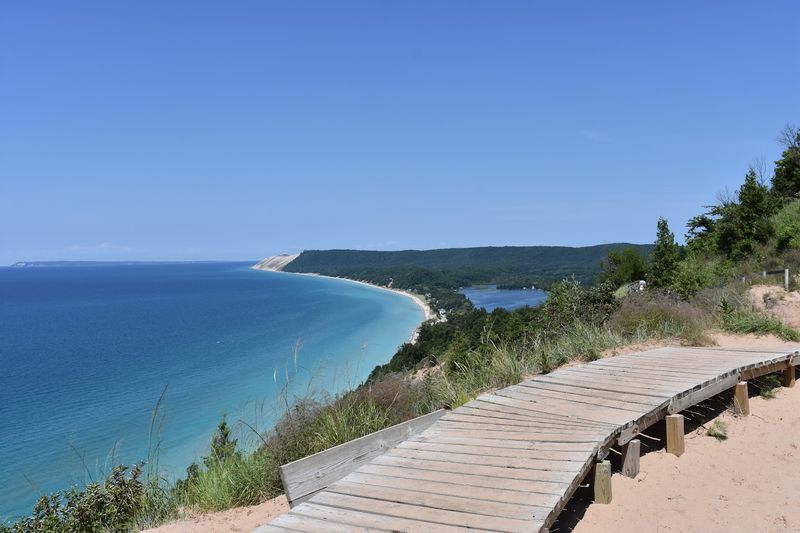
Sleeping Bear in spring feels less crowded, more legible, and somehow more generous.
Before summer fully claims the dunes, trails like Empire Bluff, Cottonwood, and Sleeping Bear Point offer that lovely northern Michigan mix of open views and shaded woodland, with trillium brightening the quieter stretches.
The flowers do not overwhelm the experience here. They slip into it gracefully.
That balance matters because the lakeshore’s famous overlooks could easily make the understory feel secondary, but in spring the two play unusually well together. A short patch of blooms under fresh leaves can make the next Lake Michigan vista feel even clearer.
Choose a trail based on your energy rather than ambition, because wind, sand, and elevation can change the mood quickly. Come layered, start earlier than you think necessary, and keep glancing down as often as out.
At Sleeping Bear, the ground and horizon both deserve equal attention.
2. Timberland Swamp Nature Sanctuary
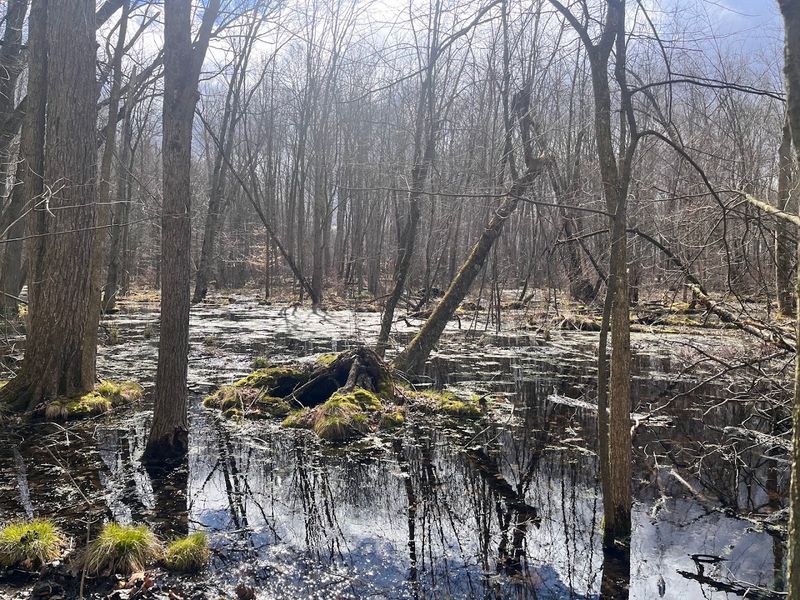
Swamp sanctuaries ask you to appreciate spring a little differently. Instead of broad sweeps of color, Timberland Swamp offers texture, moisture, reflected light, and the low-to-the-ground signs that the season is advancing.
That can be even more absorbing than a big display, especially when the boardwalk or path carries you past still water and emerging growth at close range.
Wet woodland habitats often bring a slower, more atmospheric version of wildflower season, with conditions shifting noticeably after rain and warm spells. Here, the appeal is as much about setting as any single blossom.
You are walking through a place that feels alive in layers, from standing water to tree trunks to the understory beginning to fill in. Go with waterproof shoes, a little patience, and modest expectations of distance.
I have found that swamp trails reward attention better than speed, and this sanctuary fits that rule beautifully.
1. Lyle And Mary Rizor Nature Sanctuary
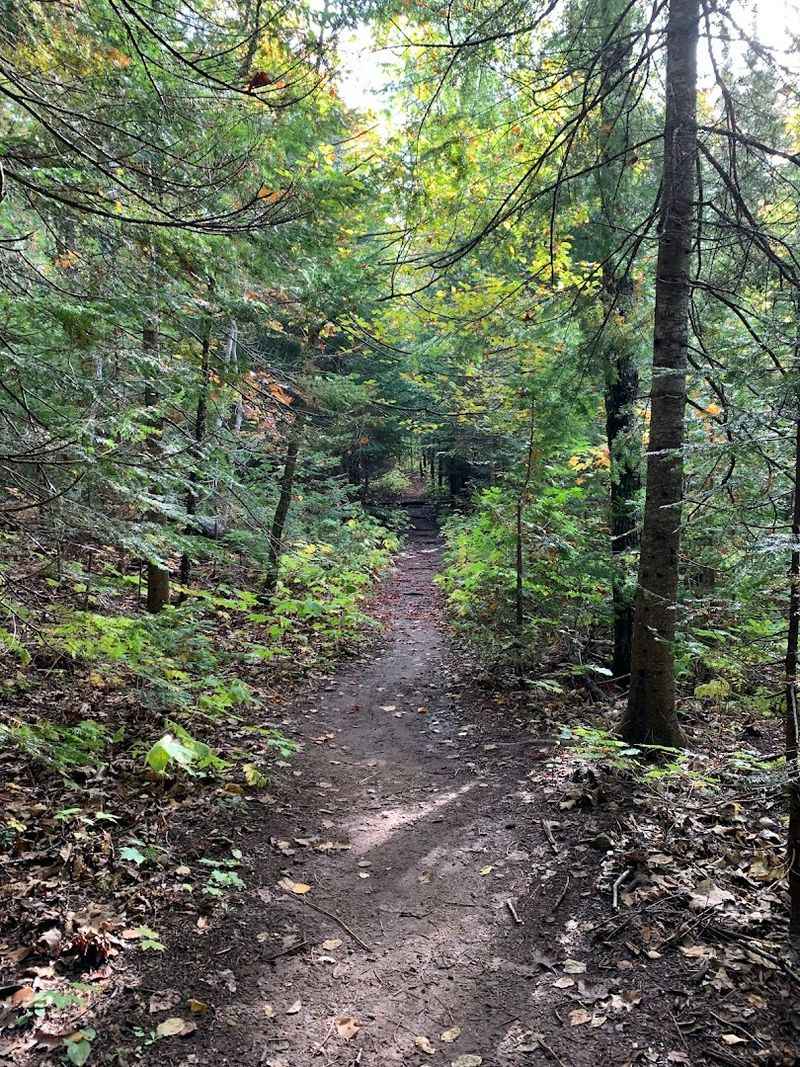
The Lyle and Mary Rizor Nature Sanctuary has the kind of quiet presence that makes you lower your voice without thinking about it. Spring suits places like this especially well, because the trail experience depends less on a single landmark and more on attentiveness to the woods themselves.
Fresh leaves, scattered blooms, birdsong, and damp earth do most of the storytelling. I like that the setting asks for patience rather than excitement, because the best details often appear only after you stop scanning for something obvious.
That understated quality is exactly why it belongs on a spring wildflower list. Smaller sanctuaries often deliver a more intimate encounter with ephemerals than bigger destination parks, simply because there is less competing spectacle and less pressure to keep moving.
You can pause, look carefully, and let the sequence of flowers unfold at a human pace. Look near trail edges, shaded pockets, and slightly wetter patches where spring plants tend to gather in modest clusters.
Aim for a weekday or early morning if possible, wear shoes for uneven or soft ground, and treat this as a slow walk rather than a mileage project. The sanctuary rewards careful noticing more than anything else.