
12 Minnesota Dishes That Outsiders Always Order Wrong (And Locals Gently Correct)
Minnesota has a food culture all its own, shaped by Scandinavian heritage, Iron Range miners, and church basement suppers. When visitors roll into town hungry, they often stumble over pronunciations, ingredient expectations, and local traditions that seem simple but carry deep meaning.
Locals usually smile and set the record straight, because in the Land of 10,000 Lakes, getting your hotdish right is practically a civic duty.
1. Hotdish (Tater-Tot Hotdish)
Calling it a casserole is the fastest way to spot an outsider in Minnesota. Hotdish is the state’s iconic comfort food, and the name matters more than you might think. Locals take pride in this one-dish wonder that feeds families, potlucks, and church suppers across the state.
Tater-tot hotdish is the crown jewel of the hotdish family, with crispy golden tots forming the top layer over seasoned ground beef and vegetables. The tots are not a topping you swap out for fries or chips.
When ordering, never say casserole and always specify tater-tot if you want the classic version. Minnesotans will gently correct you with a smile, but they will remember. Hotdish is tradition, and tradition demands respect, even if it comes with a side of Midwestern niceness.
2. Jucy Lucy (Or Juicy Lucy)
Asking for a cheese-stuffed burger without naming the place is like walking into a friendly turf war. Two Minneapolis bars claim the invention, and locals have strong opinions about which spelling and recipe reign supreme.
The cheese is sealed inside the patty, not melted on top, so your first bite can scorch your tongue if you rush. Visitors often expect a standard cheeseburger and get surprised by the lava-like American cheese center. Locals know to let it cool and savor the experience with napkins at the ready.
Specify which bar you want when ordering, or prepare for a friendly debate. Minnesotans love sharing their favorite version and will happily guide you to the right spot.
3. Lefse
Treating lefse like a tortilla or plain flatbread misses the entire Norwegian tradition behind it. This delicate potato-based treat is rolled thin, cooked on a griddle, and meant to be enjoyed with butter, sugar, and sometimes a dusting of cinnamon.
Pronunciation matters too, so say it like lef-suh, not lef-see, if you want to blend in with the locals. Lefse is a holiday staple in many Minnesota homes, passed down through generations with family recipes and well-worn griddles.
Some families spread it with butter and roll it up, while others add jam or even savory fillings. Outsiders often grab it and fold it like a wrap, missing the ritual entirely.
4. Lutefisk
Ordering lutefisk as an everyday seafood entree is a rookie move that locals spot immediately. This is not mild tilapia or a fish taco. Lutefisk is lye-soaked dried cod with a gelatinous texture and a distinctive smell that divides rooms at Scandinavian holiday dinners and church basements across Minnesota.
Lutefisk is a seasonal tradition, not a casual Tuesday night meal, and it comes with ritual and nostalgia. Many Minnesotans eat it once a year out of heritage and duty, often smothered in butter and white sauce to tame the texture. Outsiders expecting a flaky fillet get a surprise they will not soon forget.
Ask if it is being served church-dinner style and prepare yourself for the experience. Locals respect anyone willing to try it, even if you politely decline seconds.
5. Walleye
Assuming walleye is just another white fish is like calling the Mississippi River just another stream. Walleye is Minnesota’s prized catch, revered by anglers and diners alike for its mild, sweet flavor and delicate texture.
Classic preparations include pan-fried with a light breading and served with tartar sauce and coleslaw. The key is respecting the fish’s natural flavor and not drowning it in heavy sauces or overcooking the tender fillet.
Walleye deserves better, and Minnesotans will tell you so with a gentle but firm correction. Order it the local way and savor every flaky bite. Your taste buds and your Minnesota hosts will thank you.
6. Wild Rice (And Wild Rice Soup)
Thinking wild rice is interchangeable with white rice is a mistake that reveals unfamiliarity with Minnesota’s state grain. Wild rice is not actually rice at all but a grass seed native to the Great Lakes region, harvested by hand in canoes by Ojibwe communities.
Wild rice soup is a Minnesota classic, rich and creamy with vegetables, chicken, and that signature chewy texture. Outsiders sometimes expect it to be soft like white rice and end up confused by the bite.
Locals know that texture is part of the charm and the tradition. Order it with confidence and expect a heartier mouthfeel. Wild rice is Minnesota pride in every spoonful.
7. Knoephla Soup
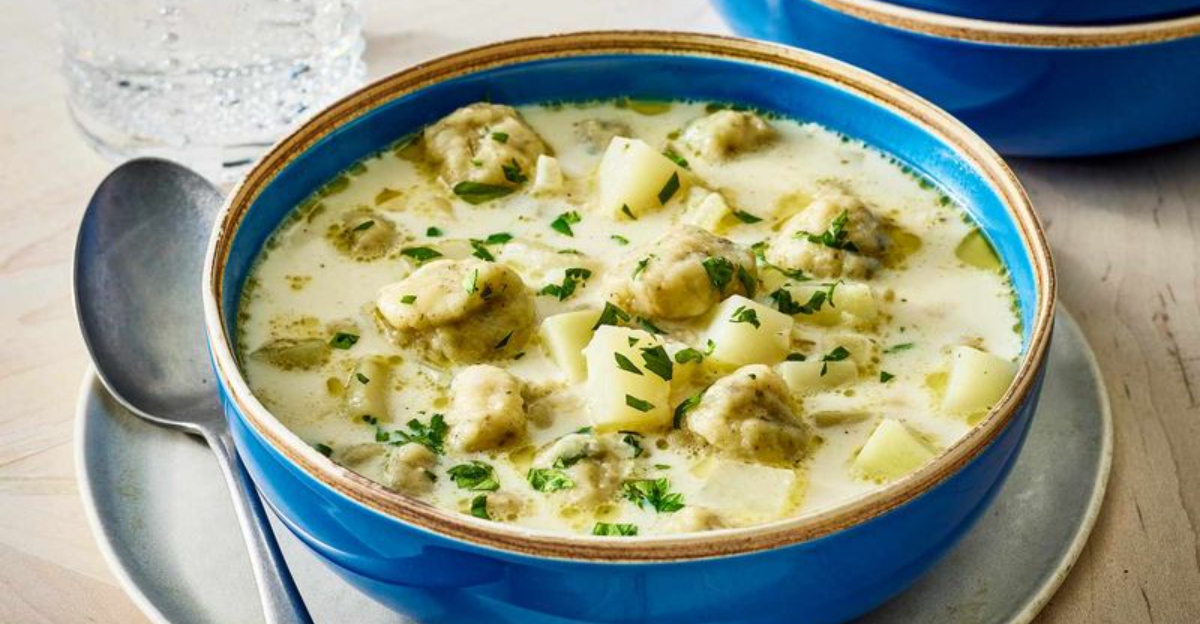
Confusing knoephla with generic chicken and dumplings is like mistaking a waltz for a polka. This German-Russian comfort soup is a Minnesota staple, especially in communities with strong immigrant roots.
Pronunciation trips up most outsiders, but saying nef-lah will earn you a knowing nod from locals. The dumplings are not fluffy biscuit-style but dense and chewy, soaking up the rich broth.
I once ordered it at a small-town cafe and mispronounced it completely, but the waitress just smiled and brought me the best bowl of soup I had all winter. Ask what kind of dumplings are used and prepare for a cozy, filling meal.
8. Pasties (Iron Range Pasty)
Ordering a pasty and expecting a delicate hand pie will leave you hungry and confused. The Iron Range pasty is a hefty miner’s meal, packed with beef, rutabaga, potatoes, and onions, all wrapped in a thick pastry crust.
Pronunciation is key too, so say pas-tee, not paste-ee, or locals will know you are not from around here. This dish comes from Cornish miners who settled in northern Minnesota, and it was designed to be a portable, filling lunch that could survive a day underground.
The rutabaga is non-negotiable, giving the filling a slightly sweet, earthy flavor that sets it apart from other meat pies. Outsiders sometimes ask for it without the rutabaga, which is like asking for pizza without cheese.
9. Tavern-Style (Minnesota) Pizza
Expecting New York slices or Neapolitan pies when you order pizza in a Minnesota tavern is a setup for disappointment. Tavern-style pizza is thin, often cracker-crisp, and cut into squares rather than triangles.
The crust is the star here, providing a satisfying crunch that holds up toppings like sausage, cheese, and pepperoni without getting soggy. Outsiders sometimes complain it is too thin or not cheesy enough, but locals know this style is perfect for sharing and snacking over conversation.
It is bar food at its finest, designed for casual munching, not fine dining. Order it by the square and enjoy the crispy, no-frills tradition that defines Minnesota pizza culture.
10. Taco Pizza
Assuming taco pizza is a novelty or a joke is a mistake that reveals unfamiliarity with Midwestern bar menus. This dish is a beloved classic, combining seasoned ground beef, cheese, lettuce, tomatoes, and sometimes crushed Doritos or refried beans on a crispy pizza crust.
The key is understanding that some toppings are added after baking, so the lettuce and tomatoes stay fresh and crunchy. Outsiders sometimes expect everything to be cooked together and end up confused by the assembly.
Taco pizza is a bar staple, often found at local chains and neighborhood spots, and it pairs perfectly with a good company. Order it the local way and embrace the quirky genius of Midwestern fusion food.
11. Jell-O Salad
Giggling and ordering Jell-O salad as dessert is a dead giveaway that you have never been to a Minnesota potluck. In church basements and community gatherings across the state, Jell-O salad is a proud savory-adjacent tradition, often featuring fruit, marshmallows, shredded carrots, or even cottage cheese.
The flavors range from lime to strawberry, and the textures can surprise anyone expecting a simple gelatin treat. Some versions include whipped cream or cream cheese, while others go full retro with canned pineapple and mini marshmallows.
Outsiders sometimes laugh at the concept, but Minnesotans know it is a nostalgic staple that brings people together. Call it by name and ask which flavor is the must-try at that table.
12. Booya (Booyah) Stew
Expecting booya to be a quick weeknight dinner or a restaurant menu item is missing the entire point of this Upper Midwest tradition. Booya is a communal kettle stew, slow-cooked in massive pots over open flames at festivals, fundraisers, and big community gatherings.
The recipe varies by town and cook, but the spirit is always the same: sharing food with neighbors and celebrating together. Outsiders sometimes try to order it at a restaurant and wonder why it is not on the menu.
Booya is not fast food or fine dining, it is a shared, slow-cooked ritual that brings people together over steaming bowls and good conversation. If you see it, know it is a festival thing and treat it with the communal respect it deserves.