
14 Montana Places That Don’t Get Nearly Enough Attention
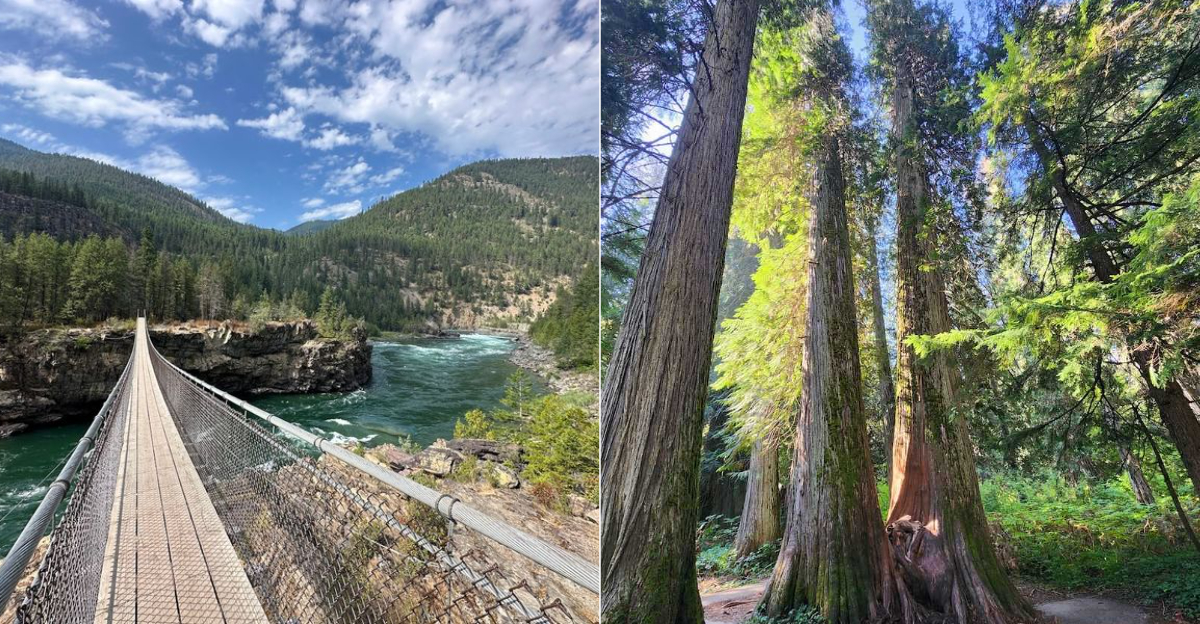
Montana has a funny way of hiding its best moments in plain sight. Like it’s not trying to impress anyone, yet somehow still casually steals the whole show.
You’ll drive for miles thinking it’s just open space… and then suddenly you’re staring at a view that feels like it should come with a soundtrack and a movie credit roll.
It’s easy to ask: “How are places like this not packed year-round?” But that’s kind of the point.
These spots aren’t built for crowds or noise. They’re the quiet overachievers of the map.
Small towns with big character, overlooks that stop conversations mid-sentence, and corners of nature that feel untouched even when you’re standing right in them.
Instead of following the usual tourist trail, Montana rewards the curious ones. The people willing to take the long road just to see what’s waiting at the end.
And trust me, what’s waiting usually feels like it should’ve been famous all along.
1. Makoshika State Park
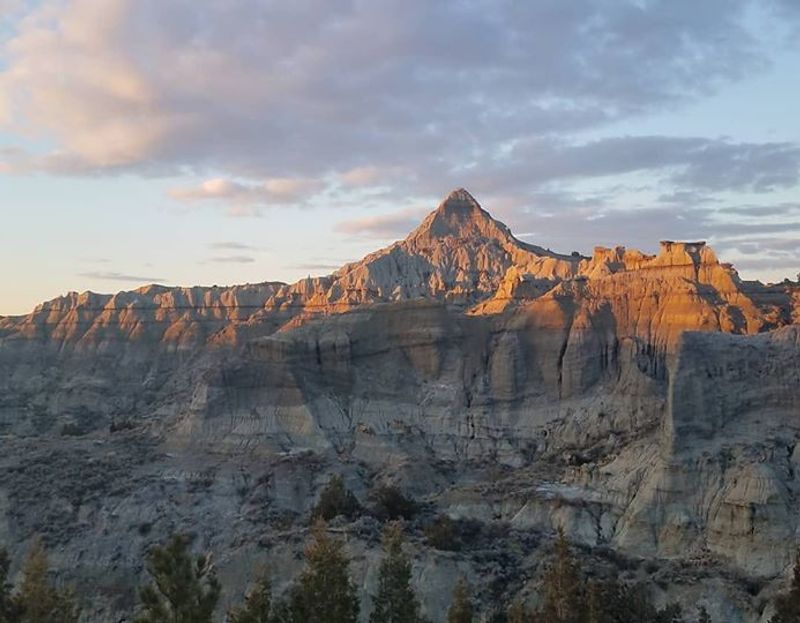
Montana has its own version of the Badlands, and it is somehow even wilder than the famous one in South Dakota.
Makoshika State Park is the largest state park in Montana, and it earns that title with layers of ancient rock, sweeping canyon views, and a landscape that looks straight out of a sci-fi film.
Located at 1301 Snyder St, Glendive, MT 59330, this park sits on the eastern edge of the state where the terrain gets dramatic fast.
The name Makoshika comes from the Lakota language, roughly translating to “land of bad spirits,” which honestly makes it sound even cooler.
Dinosaur fossils have been unearthed here, including Triceratops and T. rex remains, making every hike feel like a treasure hunt. There is also a disc golf course, an archery range, and camping under skies so dark you will lose count of the stars.
Sunsets here paint the rock formations in shades of amber and violet that no filter can replicate. Makoshika is the kind of place that humbles you and thrills you at the same time.
2. Medicine Rocks State Park
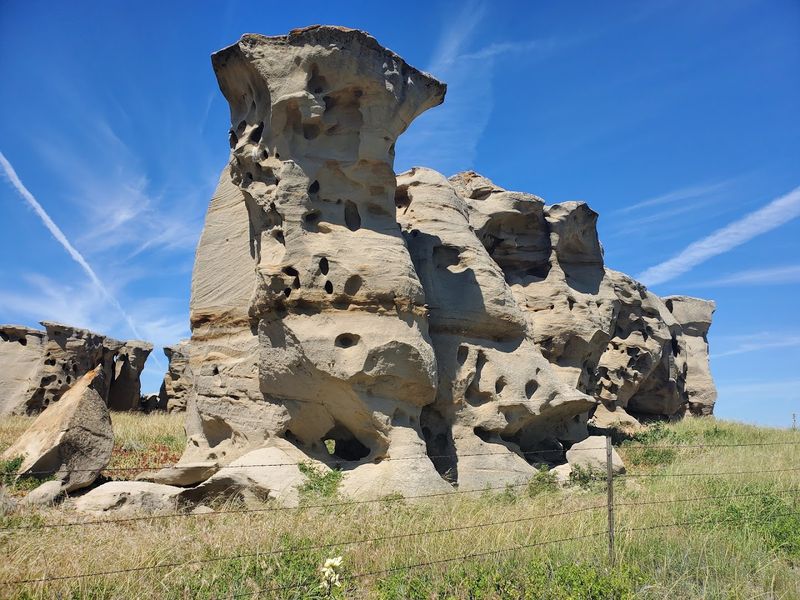
Picture giant sandstone pillars riddled with natural holes, ancient carvings etched into their surfaces, and a silence so complete you can hear your own heartbeat.
Medicine Rocks State Park near Ekalaka, MT 59324, along MT-7, is the kind of place that makes you stop mid-sentence and just stare. Theodore Roosevelt himself camped here in the 1880s and called it a place of “fantastically beautiful” scenery.
Native American peoples revered this area for centuries, considering it sacred ground where spiritual energy gathered in the unusual rock formations.
The carvings left by early travelers and Indigenous peoples add a layer of storytelling that no museum exhibit can fully capture. Stargazing here is next-level because the dark skies are practically uninterrupted for miles in every direction.
Wildlife wanders freely through the area, and photographers come chasing that perfect shot of the rocks glowing gold at dusk.
Medicine Rocks is proof that southeastern Montana is criminally underrated, and the secret is slowly getting out.
3. Bannack State Park
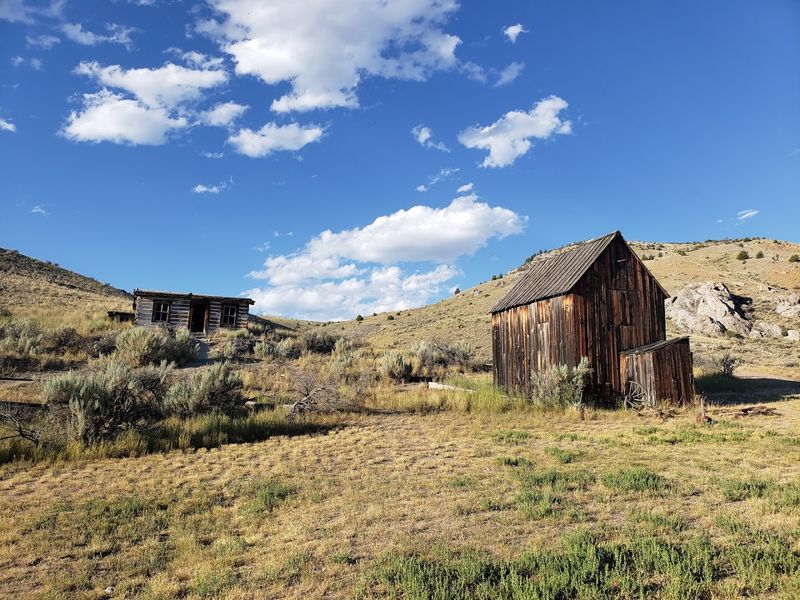
Walking into Bannack feels like the entire town hit pause in 1890 and nobody pressed play again. More than 50 historic log and frame buildings still stand along a deserted main street, making it one of the best-preserved ghost towns in the American West.
Bannack State Park is located at 721 Bannack Rd, Dillon, MT 59725, tucked into a quiet valley that once roared with Gold Rush energy.
Montana’s first major gold discovery happened here in 1862, and the rush that followed turned this remote spot into the territory’s first capital almost overnight. The stories layered into these walls range from prospectors striking it rich to frontier justice playing out in real time.
Each July, Bannack Days transforms the ghost town into a living history celebration with re-enactors, pioneer demonstrations, and a whole lot of nostalgia.
Camping near Grasshopper Creek adds a peaceful contrast to the town’s dramatic history. Bannack is a National Historic Landmark that rewards every visitor who makes the drive out to find it.
4. Kootenai Falls
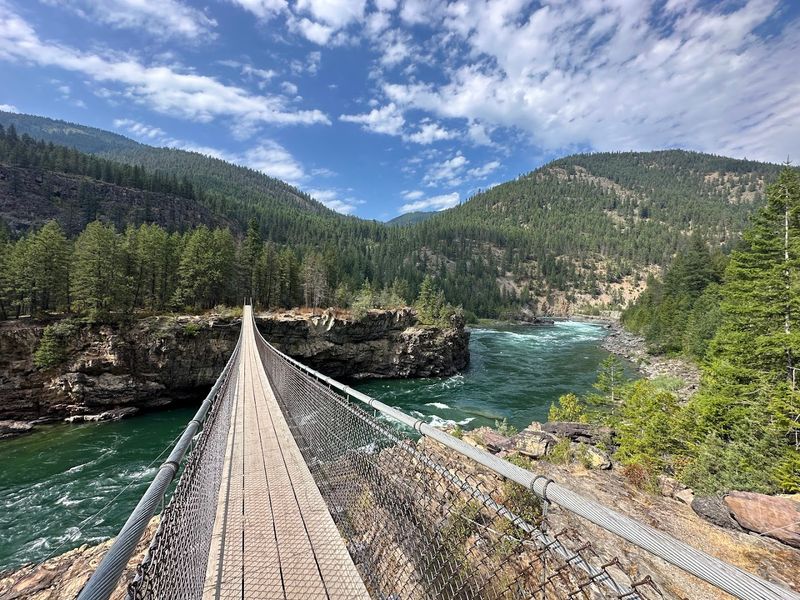
Few waterfalls in Montana hit you with the kind of raw, thundering force that Kootenai Falls delivers.
The Kootenai River drops dramatically here, sending up a mist that you can feel long before you see the falls.
Situated near 31374 US-2, Libby, MT 59923, this spot is tucked along a scenic stretch of highway that most road-trippers blow right past without realizing what they are missing.
The Kootenai Tribe holds this place as sacred, and standing at the edge, it is easy to understand why. A thrilling swinging bridge spans the churning river below the falls, giving you a perspective that is equal parts terrifying and magnificent.
Fans of the film “The River Wild” might recognize this location since Kootenai Falls served as a filming backdrop.
Hiking trails wind through old-growth forest to multiple viewpoints, each one revealing a different angle of the falls. The sheer volume of water moving through this canyon is genuinely staggering.
Kootenai Falls deserves its own dedicated road trip, not just a quick roadside stop.
5. Ross Creek Cedar Grove Scenic Area
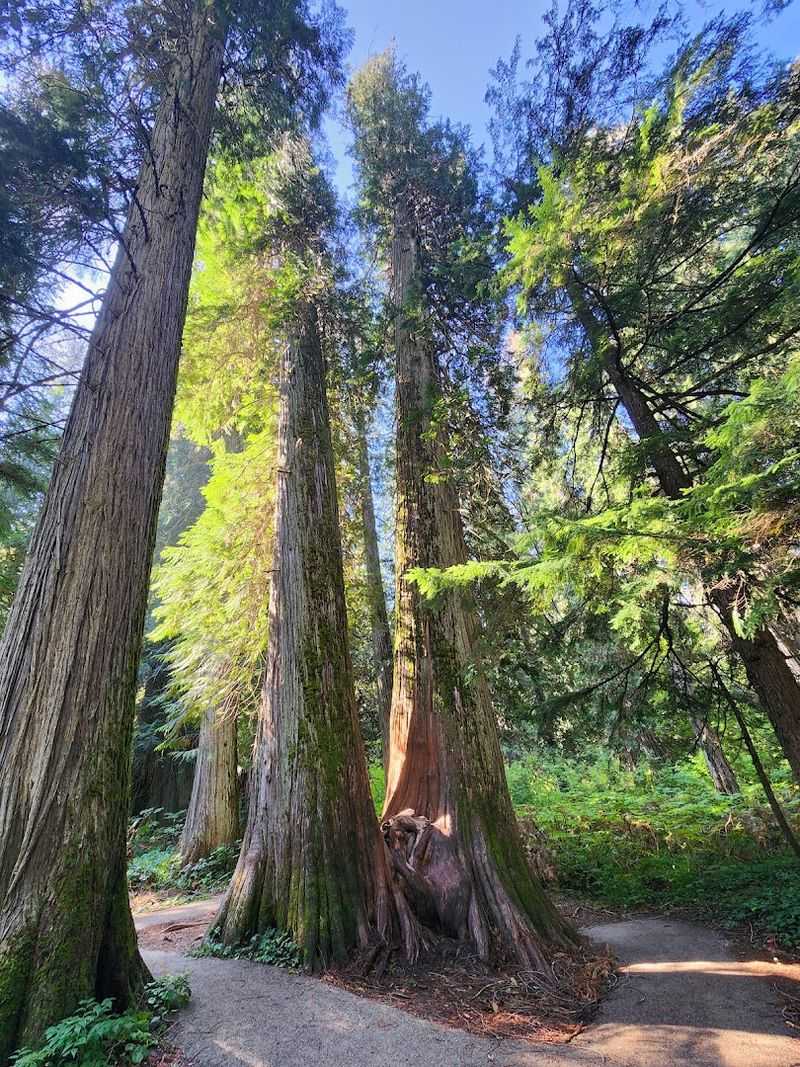
There is a moment walking through Ross Creek Cedar Grove when the trees get so tall and the canopy so thick that the outside world simply disappears.
This grove is home to some of the oldest western red cedars in Montana, with some trees stretching over 500 years old and trunks reaching 12 feet in diameter. You will find it along Ross Creek Road 398 off Hwy 56, Troy, MT, in the remote northwest corner of the state.
The atmosphere inside the grove feels genuinely ancient, like stepping into a cathedral built entirely by nature over half a millennium.
A self-guided nature trail winds peacefully through the trees, and interpretive signs along the way explain the rich ecology of this rare inland rainforest environment.
The moss, ferns, and filtered light create a setting that feels more Pacific Northwest than Montana.
The grove has faced challenges from flooding in recent years, but its enduring giants still inspire wonder at every turn. Ross Creek Cedar Grove is a reminder that Montana holds ecosystems most visitors never even suspect exist.
6. Missouri Headwaters State Park
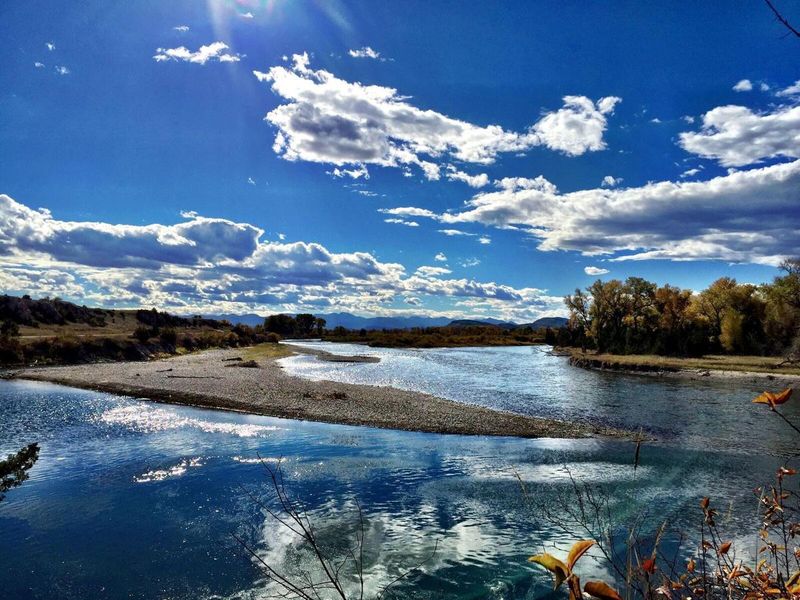
Standing at the spot where three great rivers merge into one legendary waterway is the kind of moment that makes history feel immediate and alive.
Missouri Headwaters State Park marks the confluence of the Jefferson, Madison, and Gallatin Rivers, the very birthplace of the mighty Missouri River. The park is located at 1585 Trident Road, Three Forks, MT 59752, in a valley that has witnessed centuries of extraordinary human and natural history.
The Lewis and Clark Expedition passed through here in 1805, and Sacagawea recognized these lands from her childhood, giving the journey a deeply personal turning point.
Interpretive displays throughout the park bring those stories to life without ever feeling like a dusty textbook.
Camping, hiking, and river activities fill out a visit that blends outdoor adventure with genuine historical depth.
Lush vegetation lines the riverbanks, and wildlife sightings are common for those who move quietly through the area. The Missouri Headwaters is one of those places where geography and history collide in a way that leaves a lasting impression long after you drive away.
7. Pictograph Cave State Park
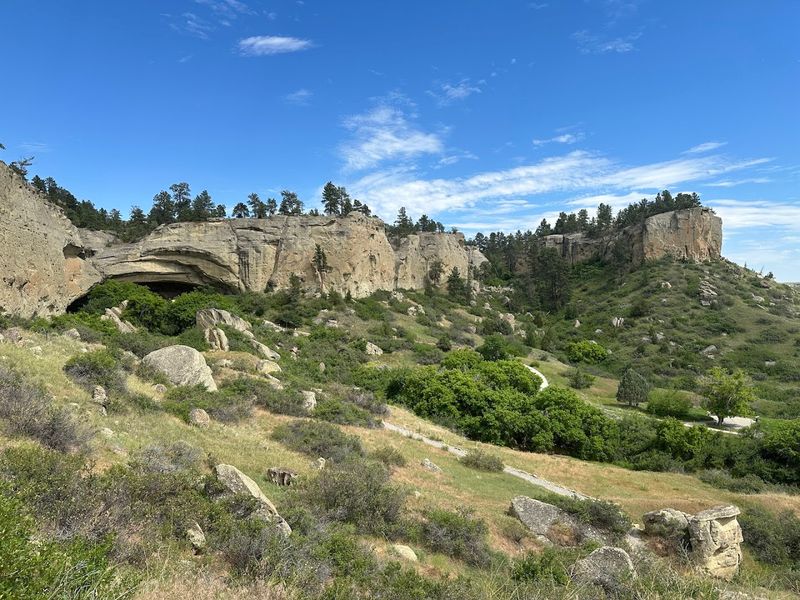
Somewhere between Billings and another dimension, Pictograph Cave State Park exists as one of Montana’s most quietly remarkable places.
The cave walls here hold prehistoric rock paintings that are more than 2,000 years old, images left by people who called this landscape home long before anyone wrote it down.
The park is easily reached at 3401 Coburn Road, Billings, MT 59101, making it surprisingly accessible for such an ancient site.
Three caves make up the park: Pictograph, Middle, and Ghost Cave. Together they represent thousands of years of continuous human use, and archaeologists have excavated more than 30,000 artifacts from this site.
A three-quarter mile loop trail winds pleasantly to the cave viewpoints, and bringing binoculars genuinely improves the experience of seeing the artwork up close.
The park carries National Historic Landmark status, which it wears quietly without the fanfare that designation usually brings.
Pictograph Cave is the kind of place where you stand still, look at the walls, and feel the full weight of human history pressing gently against the present moment.
8. Lost Creek State Park
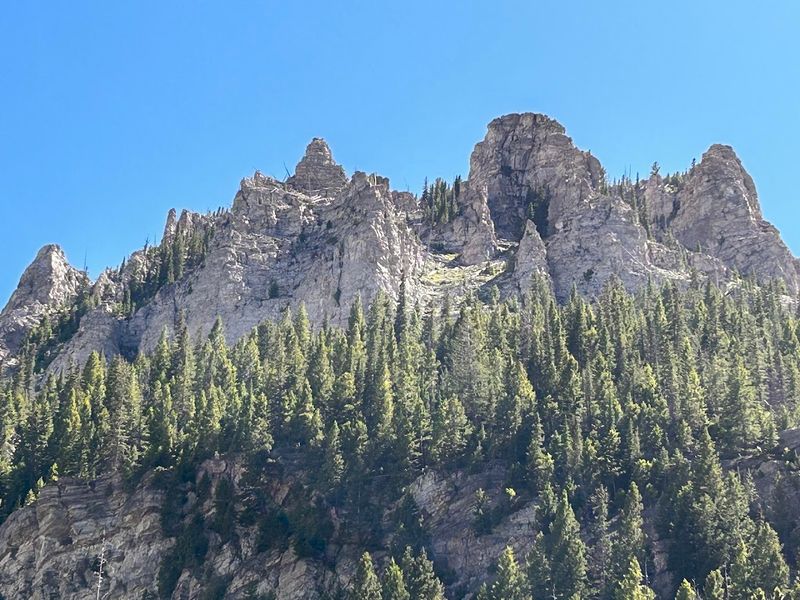
Not every spectacular Montana canyon makes the highlight reel, and Lost Creek State Park is living proof of that unfair oversight.
Towering limestone and granite cliffs rise 1,200 feet above the canyon floor in a display of geological drama that genuinely stops you in your tracks. The park is nestled at 5750 Lost Creek Road, Anaconda, MT 59711, in the Flint Creek Range west of Anaconda.
The star attraction is Lost Creek Falls, a 50-foot cascade that drops into a lush basin surrounded by aspen and conifer forest.
Mountain goats pick their way across the high ledges with casual confidence, and bighorn sheep are frequent visitors to the rocky outcrops above. Fall is an especially magical time here when the aspen trees ignite in brilliant shades of gold and orange against the grey cliff faces.
Hiking, fishing, and bicycling round out the activities, and the park’s secluded atmosphere means you rarely share the trails with large crowds.
Lost Creek is the kind of hidden gem that regulars guard jealously, and now you know why.
9. First Peoples Buffalo Jump State Park
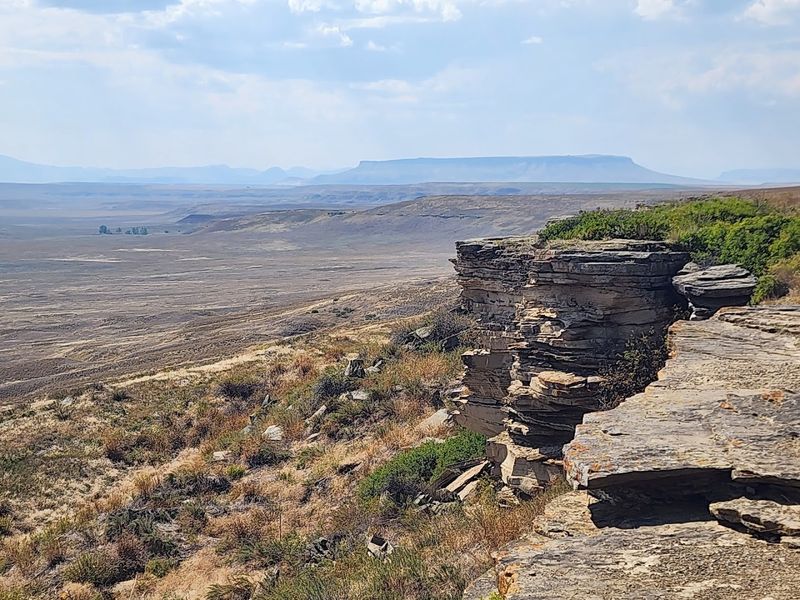
There are places in Montana where the scale of human history becomes almost impossible to wrap your head around, and First Peoples Buffalo Jump is absolutely one of them.
This is one of the largest buffalo jumps in North America, a mile-long sandstone cliff where Native peoples drove bison herds for millennia to sustain entire communities.
The park is located at 342 Ulm-Vaughn Road, Ulm, MT 59485, rising above the surrounding prairie with quiet authority.
Below the cliff, up to 18 feet of compacted bison remains tell the story of countless generations of careful, skillful, and deeply strategic hunting.
A modern visitor center explores the rich buffalo culture of the Plains peoples with exhibits that are genuinely engaging rather than just informational. The interpretive trail along the cliff edge delivers sweeping views of the prairie that stretch seemingly forever in every direction.
First Peoples Buffalo Jump holds National Historic Landmark status and represents a connection to Indigenous heritage that is both humbling and profound.
Standing at the cliff edge, the wind in your face, you feel the full weight of ten thousand years of human ingenuity.
10. Grant-Kohrs Ranch National Historic Site
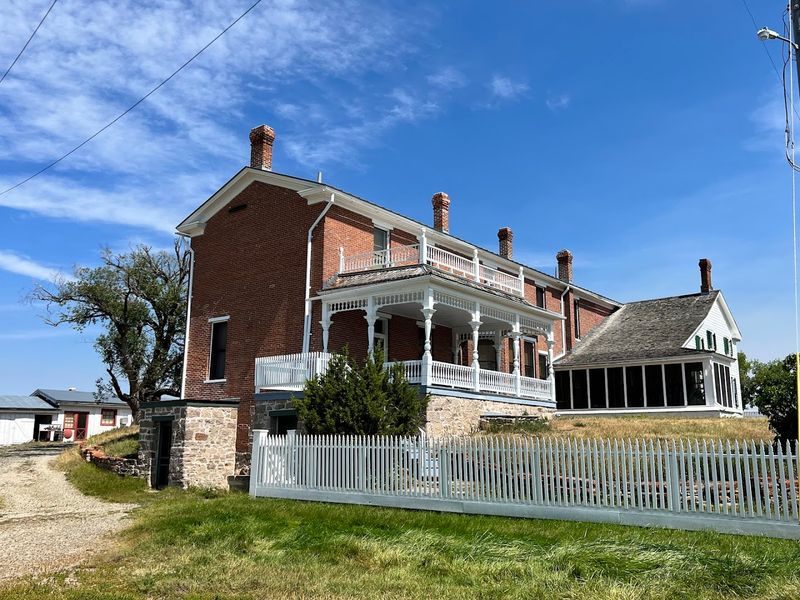
If you have ever romanticized the era of the great American cattle drives, Grant-Kohrs Ranch is where that romance becomes tangible and real.
This living history ranch in Deer Lodge preserves the story of one of the most ambitious cattle operations in Western history. The site is located at 266 Warren Lane, Deer Lodge, MT 59722, and it operates today much as it did over a century ago.
Johnny Grant established the ranch in 1862, and Conrad Kohrs later expanded it into a sprawling 10-million-acre cattle empire that stretched across multiple states.
Historic ranch buildings, original furnishings, and carefully preserved artifacts fill the property with authentic detail that no replica could match. Guided tours of the main house reveal the surprisingly refined lifestyle that cattle wealth could produce on the frontier.
Blacksmith demonstrations, wagon tours, and cattle still grazing on the pastures make every visit feel dynamic and alive.
Grant-Kohrs Ranch is a National Historic Site that tells the full, complicated, and fascinating story of what built the American West.
11. Sluice Boxes State Park
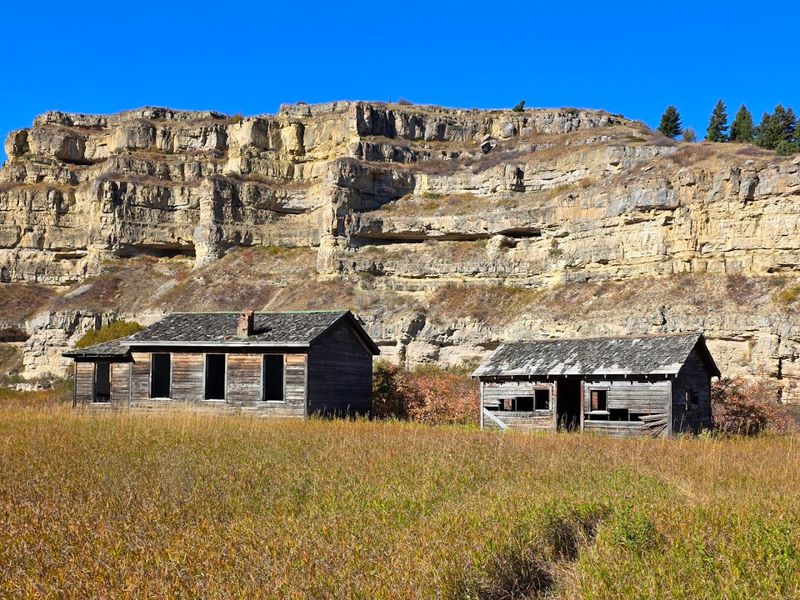
Sluice Boxes State Park sounds like something from a treasure hunt, and in a way, it absolutely is. This rugged canyon along Belt Creek delivers a hiking experience that feels genuinely adventurous without requiring expert-level fitness.
The park is found at 38 Evans Riceville Rd, Belt, MT 59412, tucked into a part of central Montana that most road atlases treat as empty space.
An old railroad grade serves as the main hiking path, winding through the canyon past remnants of mining operations and the skeletal remains of a historic railroad bridge.
The geology here is extraordinary, with towering limestone cliffs pressing in from both sides while the creek carves its own path below. Deep, clear pools along the creek are perfect for wading on a warm afternoon.
The area was once a vital corridor for mining activity, and that industrial history adds a layer of gritty character to an already beautiful natural setting.
Sluice Boxes rewards curious explorers who are willing to venture slightly off the beaten path for something genuinely spectacular.
12. Painted Rocks State Park
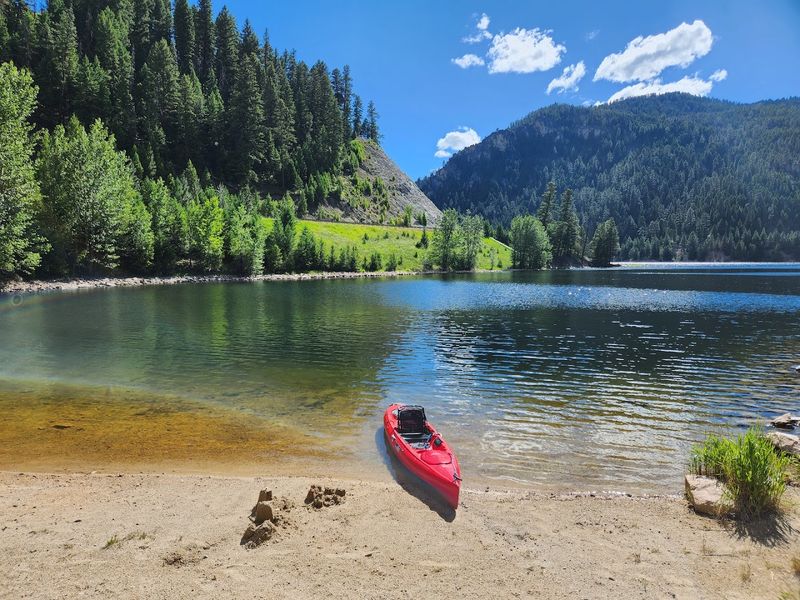
Nature has been quietly painting the canyon walls of this remote Montana valley for centuries, and the result is breathtaking.
Painted Rocks State Park takes its name from the vivid green, yellow, and orange lichens that coat the rock surfaces in patterns that look almost intentional.
The park is located at 8809 West Fork Road, Alta, MT 59829, deep in the West Fork Valley of the Bitterroot Mountains.
The Painted Rocks Reservoir sits at the heart of the park, created by the Painted Rocks Dam and offering excellent boating, fishing, and shoreline camping.
Elk, deer, and a wide variety of bird species move through the surrounding forest, making wildlife watching a genuine highlight of any visit. The Salish people hold this area as culturally significant, adding a layer of historical meaning to the natural beauty.
Dark skies here rival anything you will find at a designated stargazing preserve, and the isolation that makes the drive feel long is exactly what makes the nights feel magical. Painted Rocks is the Montana that postcards never quite manage to capture.
13. Thompson Falls State Park
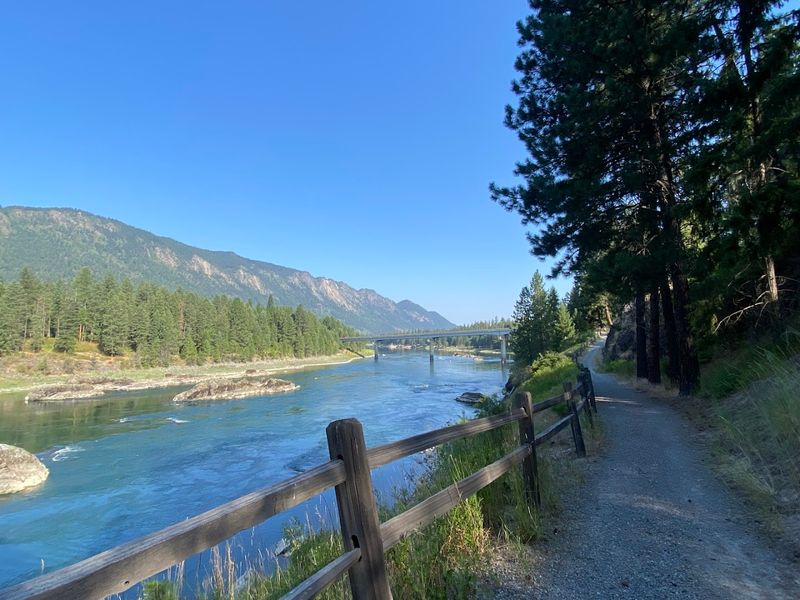
Sometimes the best outdoor experience is not the most dramatic one but the most peaceful, and Thompson Falls State Park has perfected the art of calm.
Tucked along the Clark Fork River at 2220 Blue Slide Rd, Thompson Falls, MT 59873, this park offers a shaded riverside retreat that feels like a well-kept secret among those who know western Montana well.
Mature mixed conifer forest creates a canopy that keeps temperatures comfortable even on warm summer days, and the sound of the river provides a constant, soothing backdrop.
Fishing and boating on the Clark Fork are highlights, and a riverside trail makes bird watching particularly rewarding during the spring and fall migration seasons. The park connects to local community trails, giving active visitors more ground to cover.
Thompson Falls itself, a short distance away, is a town worth exploring before or after a day at the park.
The combination of river access, forest shade, and genuine quiet makes this spot ideal for anyone who needs to reset without disappearing entirely off the grid.
14. Pompeys Pillar National Monument
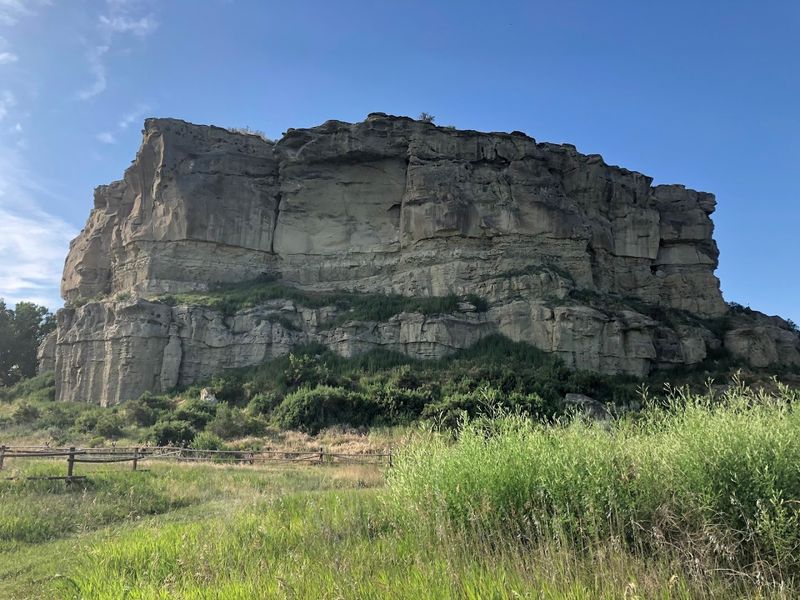
Somewhere along a quiet stretch of Montana highway, a solitary sandstone butte rises 120 feet into the big sky and quietly holds one of the most significant signatures in American history.
Pompeys Pillar National Monument, located at 3039 US Highway 312, Pompeys Pillar, MT 59064, is the only remaining physical evidence of the Lewis and Clark Expedition left in the natural landscape.
Captain William Clark carved his name and the date, July 25, 1806, directly into the sandstone on his return journey east.
That inscription, still visible today behind a protective cover, connects you to a moment in American exploration history with a directness that no museum exhibit can replicate.
Hundreds of other etchings and petroglyphs cover the rock surface, left by Native peoples and later travelers over thousands of years.
A boardwalk trail climbs to the top of the pillar, rewarding visitors with expansive views of the Yellowstone River valley stretching out below.
Pompeys Pillar is where American history literally wrote itself into the rock, and you can go read it yourself. How many places can honestly say that?