
Most Michigan Campgrounds Are Crowded, But This Off-The-Grid Spot Stays Empty And Gorgeous
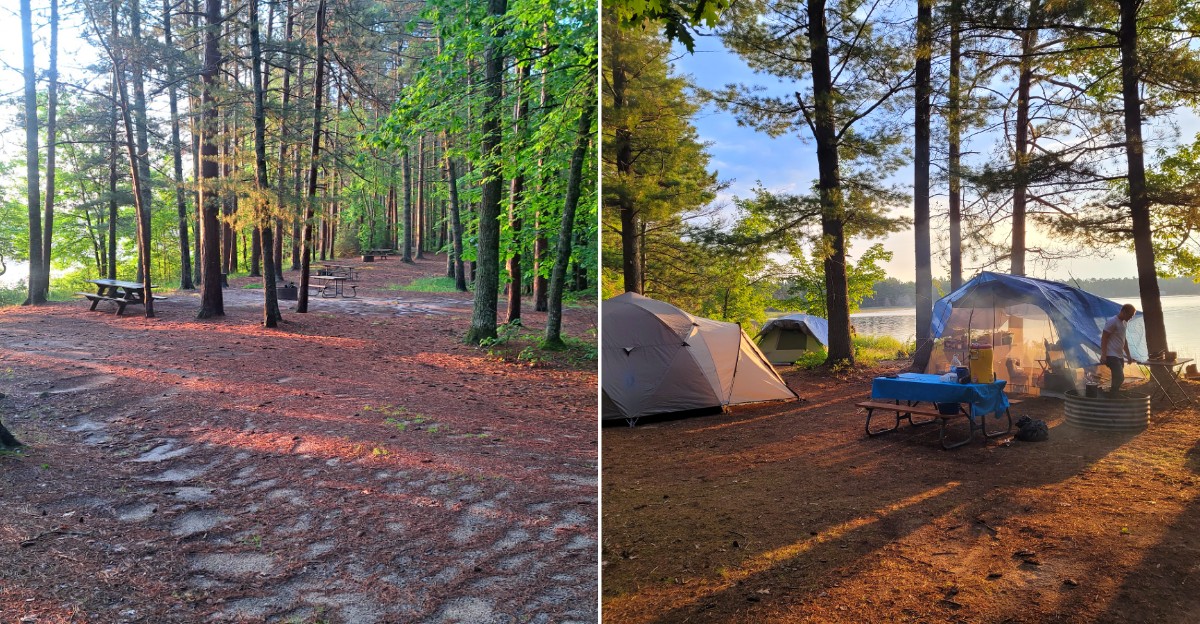
Reservations killed the adventure. This campground never adopted them. Twenty sites line Bodi Lake on a first-come basis, and the absence of electric hookups keeps the RV crowd away. A hand pump provides water.
Vault toilets handle the rest. The site stays quiet. The lake sits close enough to hear from the tent. A mile-and-a-quarter trail circles the shore through pine and cedar.
Thirty miles of dirt road separate the entrance from the nearest gas station. The reward for the long drive is silence thick enough to notice.
Loons call across the water at dusk. The Superior shoreline waits a short drive north, past lighthouses that most tourists never visit.
A recreation passport covers the fee. Campers who arrive on a Tuesday in June might have the entire place to themselves. Solitude costs less than forty dollars a night in Michigan, and it never runs out.
Arrive With A Backup Plan
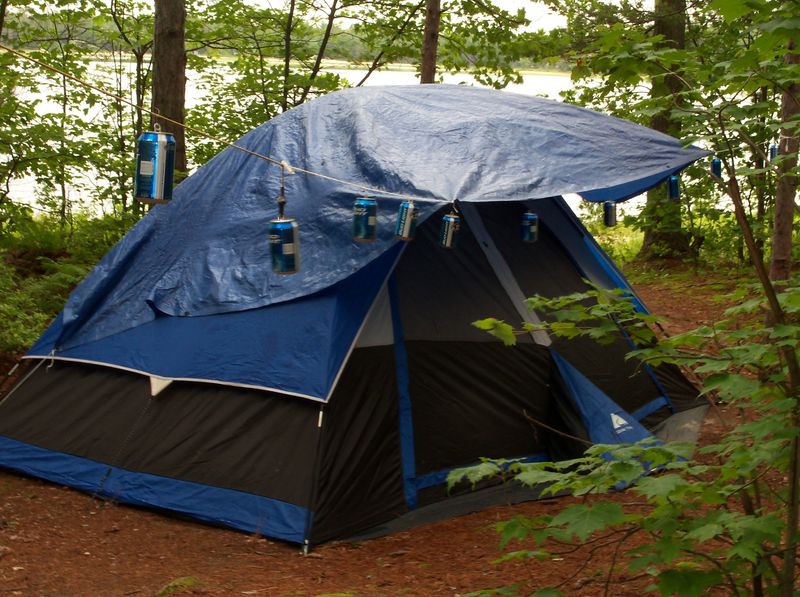
An empty-looking campground is not a promise of an open site. Bodi Lake’s sites are offered on a first-come, first-served basis, so you cannot count on a reservation holding your place.
Weekends and good summer weather may bring more campers than a quiet weekday does.
Try to arrive with enough daylight to look over available spots and set up safely. Keep another camping option in mind in case the campground is full.
Before settling in, check the posted information for current fees, stay limits, and any site rules.
Once you choose a spot, leave space for your neighbors to come and go. A little patience at arrival makes the whole stay easier.
It also protects the calm that drew you down that long road in the first place, whether you find company or solitude.
Take The Forest Road Slowly
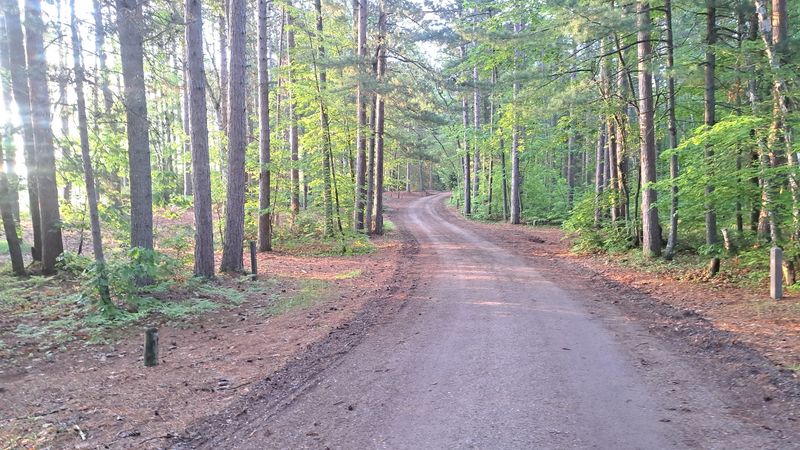
Bodi Lake State Forest Campground sits on the northwest side of Bodi Lake in Michigan’s Upper Peninsula, roughly northeast of Newberry. M-123 gets you into the right part of the forest, then County Road 500 and County Road 437 handle the final approach toward the lake.
The last stretch is properly remote, with paved highway giving way to gravel and seasonal forest roads. Once County Road 437 starts running through thick woods toward Bodi Lake, the campground signs and the lake itself become much more useful than any street address.
Turn into the campground and use the internal loop to reach one of the 12 rustic sites. The boat launch is on the left as you enter, and overnight campers register at the information kiosk before settling into a first-come, first-served site.
Pack For A Truly Rustic Stay
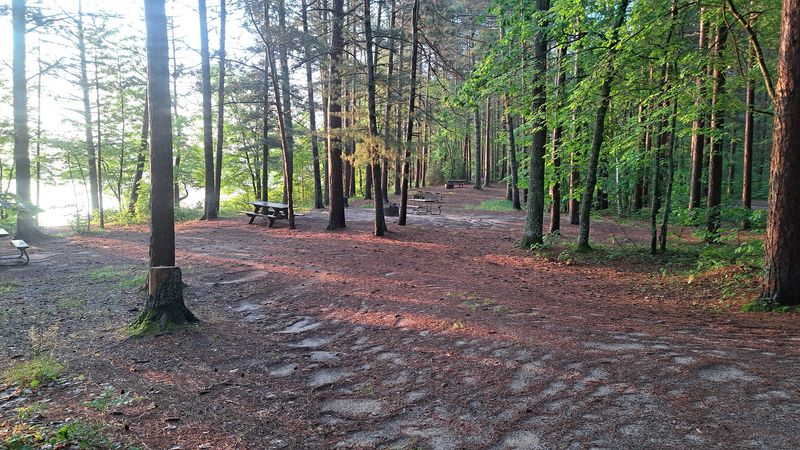
A picnic table and fire ring can feel wonderfully generous when the woods are doing most of the decorating. Bodi Lake is a rustic state forest campground, with vault toilets and a hand-pump water source rather than the hookups found at larger parks.
Plan as though you will need to handle your own light, power, and cooking.
Bring a headlamp, extra batteries, and a way to keep food cold. Pack drinking water too, especially if you want a ready supply while setting up or if the pump is unavailable.
Check current campground notices before your trip for any change in facilities.
Keep your gear list simple but complete. A small repair kit and dry layers take little space and can save an evening.
The reward for that preparation is a campsite where the lake gets your attention instead of an outlet.
Look Closely At The Lakefront Sites
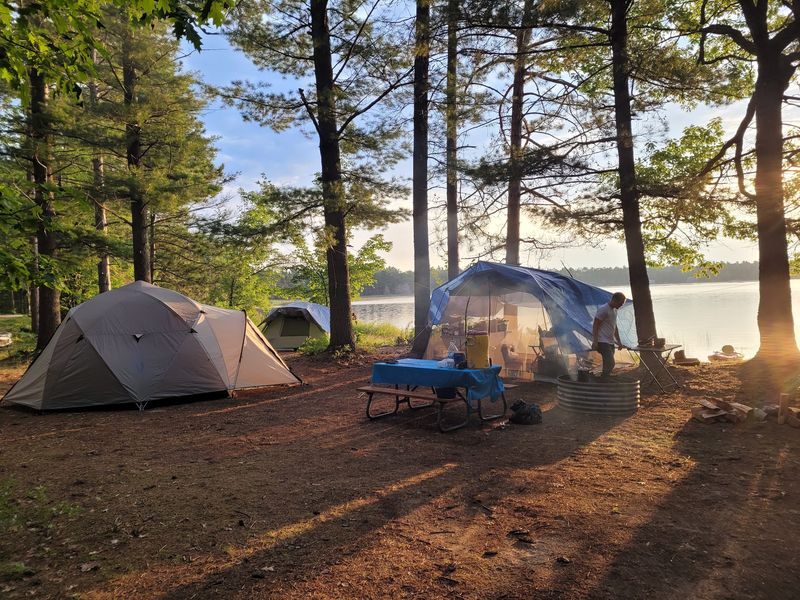
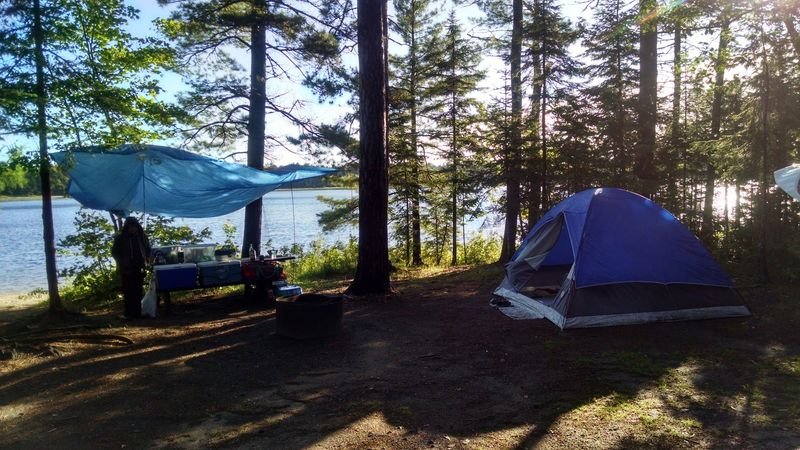
Water views can change from one campsite to the next. Several sites at Bodi Lake sit near the shore, while trees and the shape of the ground give each spot its own feel.
Walk the open sites before unloading, if you can do so without blocking the campground road.
Think about more than the view. Look for a level place for your tent, room to park within the site, and a safe path to the table and fire ring after dark.
Keep tents and gear within the established camping area instead of clearing plants for extra space.
A lakeside spot may be lovely at breakfast and breezy by night. Secure loose items and bring an extra layer.
If another camper is already settled nearby, give them room; the quiet here works best when everyone treats privacy as a shared favor.
Bring A Small Boat, Not A Big Schedule
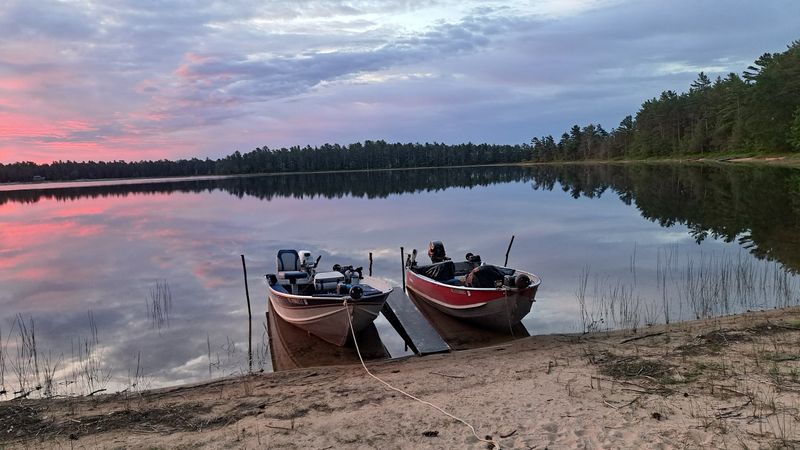
A canoe looks right at home beside a lake this quiet. Bodi Lake has a boat launch for small watercraft, making a paddle an easy way to see the wooded shoreline from another angle.
Check posted boating rules and current conditions before putting in, rather than assuming the lake will stay calm all day.
Wear a properly fitted life jacket, tell someone your plan, and watch the sky. Wind can make the return trip harder than the outward paddle, even on a lake that first appears still.
Clean and dry your boat and gear between lakes to help keep invasive species from spreading.
Leave the shoreline as you found it. Use the established launch instead of dragging a boat through plants, and give anglers and other paddlers space.
There is no need to cover every corner before lunch.
Treat Fishing As A Patient Game
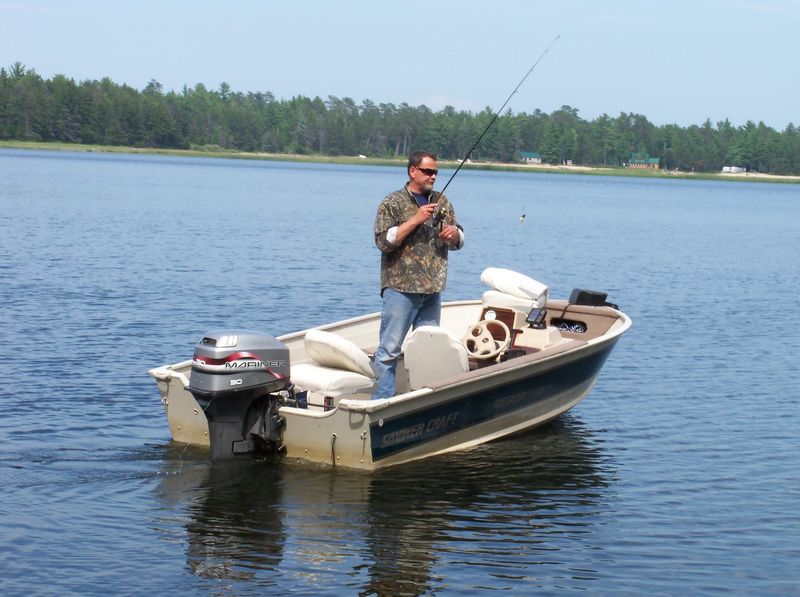
Some mornings, the most active thing at Bodi Lake is the fishing line. The lake draws anglers interested in species such as walleye and northern pike, but a fishing trip still needs more than a promising stretch of water.
Check Michigan’s current license rules, seasons, size limits, and catch limits before you cast.
Bring tackle suited to the fish you hope to catch, plus a safe way to handle hooks. Give people fishing from shore enough room to cast.
If you use a boat, keep your distance from other lines and move at a considerate pace near camp.
Fishing can be good even when the catch is small. A patient hour lets you notice the light on the lake and the sounds along its edge.
Pack out old line, which can injure wildlife long after you leave.
Give The Pathway Room To Surprise You
The Bodi Lake Pathway offers a change of pace when sitting by the water has made you pleasantly lazy. Its short loop runs through forest and near the lake, so you can explore without turning a campground stay into a full-day hike.
Trail conditions can change, and some stretches may be grown in.
Wear shoes that can handle roots and damp ground. Bring a map or download one before arrival, since phone service may be weak.
Stay on the marked path where possible, and turn back if you lose the route rather than making a new trail through the plants.
Take your time with the small details: different leaf shapes, bird calls, and changes in the ground under the trees. Check yourself for ticks after walking.
The loop is short enough to enjoy slowly, which suits this campground rather well.
Let The Night Stay Dark
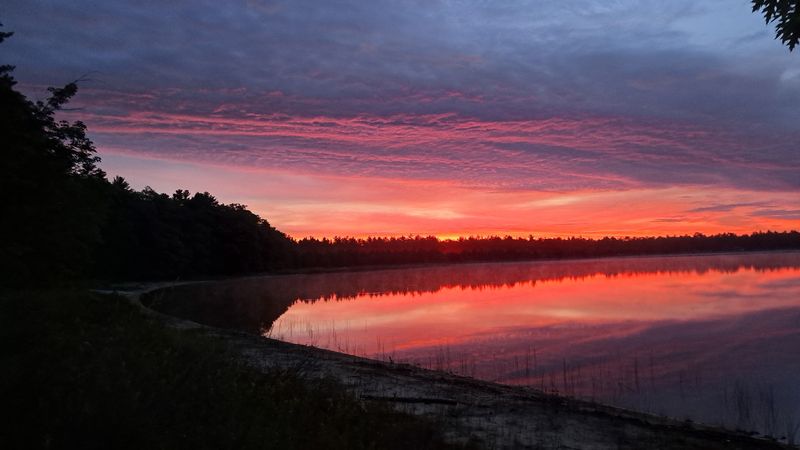
Without electric hookups at your site, nighttime asks for a little planning. Bring a headlamp for trips to the vault toilet, and keep another light where you can find it from your sleeping bag.
Test batteries before the drive in; a phone flashlight is a poor substitute when its charge also holds your map.
Use only the light you need around camp. Aim lanterns down so neighboring sites can enjoy the dark too, and put out your campfire completely before bed.
Follow any posted fire restrictions, even if your site has a fire ring.
Once the chores are done, switch off the lights for a few minutes. The lake and trees look different when your eyes adjust.
You do not need a packed evening program here. Listening from your own campsite is an activity, even if nobody thought to give it a name.
Prepare For Bugs And Shifting Weather
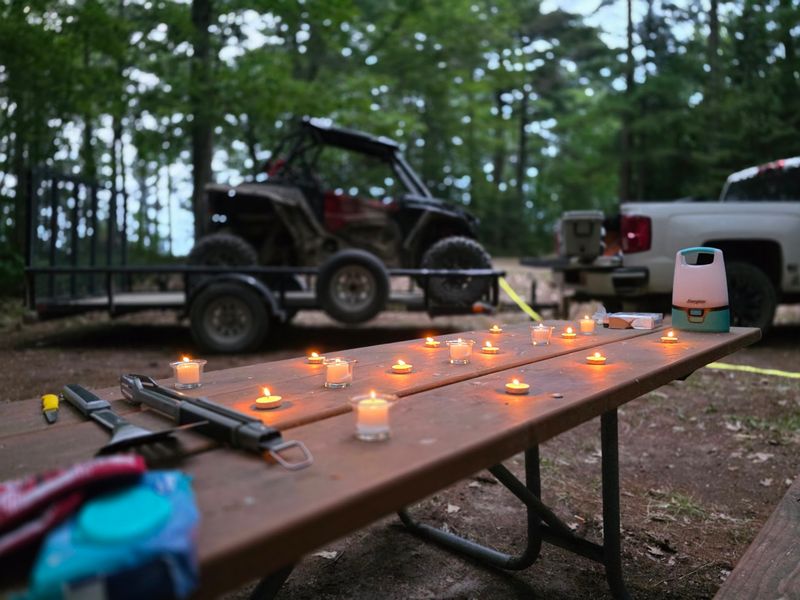
A calm lake evening can change character when mosquitoes arrive. In Michigan’s warmer months, pack insect repellent and clothing that covers your arms and legs.
A tent with a working screen makes bedtime much easier, especially when someone has forgotten to close the door during dinner.
Weather deserves the same attention. Bring rain gear and a dry set of clothes, even when the forecast looks friendly.
Keep sleeping bags off wet ground and store food where animals cannot reach it. Before departure, check the forecast and any state campground alerts; conditions may change while you are beyond dependable phone service.
Good preparation does not make the trip fussy. It leaves you free to sit outside when conditions are pleasant and get comfortable quickly when they are not.
At Bodi Lake, simple gear choices often matter more than fancy equipment.
Make A Plan For Being Offline
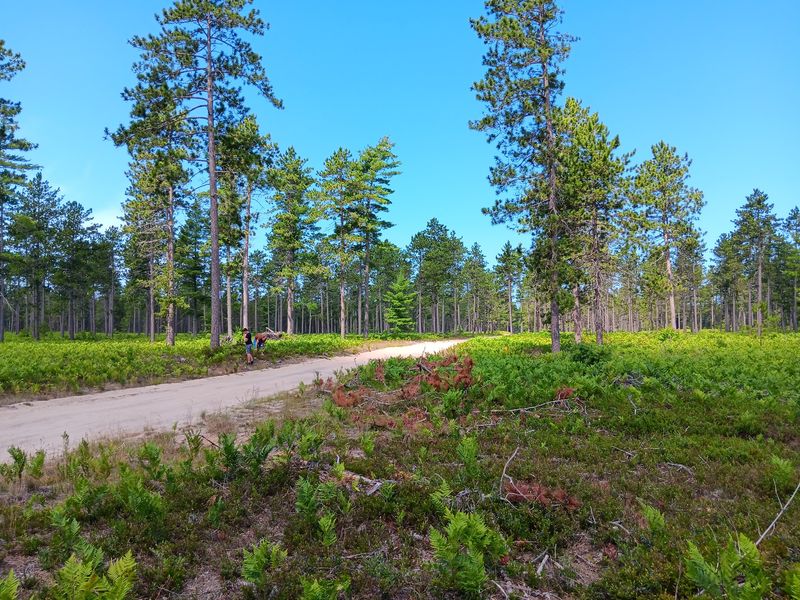
A phone with no signal is much less charming when it holds your only directions. Service can be unreliable around this remote campground, so download maps before leaving and carry a paper backup.
Tell someone at home where you plan to camp and when you expect to check in again.
Save important information while you are connected, including the route out and the number for help. Bring a charged power bank, but do not rely on it to create coverage.
If you travel with others, agree on a meeting spot before anyone heads down the pathway or out onto the lake.
After that, the lack of notifications may feel like a gift. A book, cards, or an unhurried meal fills the space nicely.
Being offline works best when the practical decisions were made while you still had a signal.
Protect The Quiet You Came For
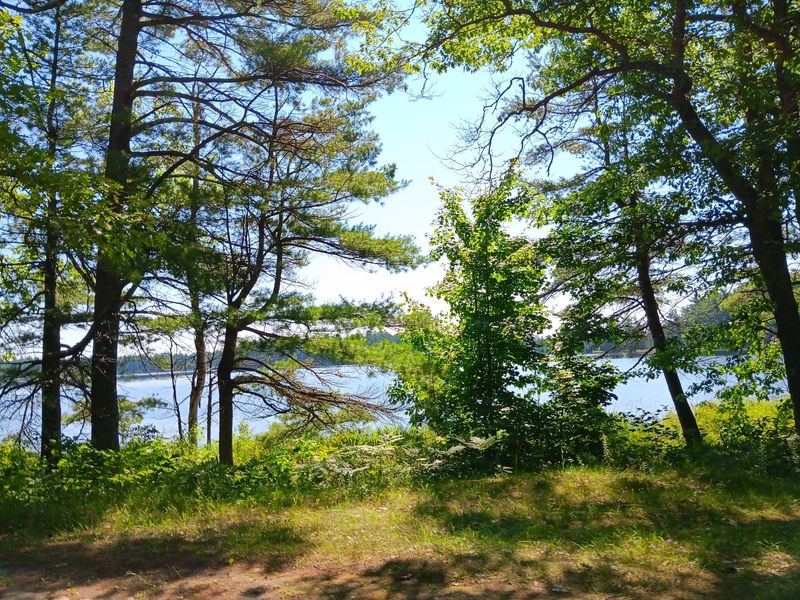
Quiet is not a campground feature that anyone can install. At Bodi Lake, it depends on what visitors do after they arrive.
Keep voices and music low, especially early and late, and remember that sound travels easily across water. Other people may be resting, fishing, or simply enjoying a break from busy places.
Use established campsites and paths, and pack out everything you bring. Follow posted guidance for trash, fires, and pets.
If you see wildlife, watch from a distance and keep food secure rather than offering a snack. Small habits protect both the animals and the next camper’s visit.
Before leaving, take one last look around your site for bits of litter and forgotten gear. An empty fire ring and a clean picnic table are a fine farewell.
The goal is not to keep Bodi Lake secret, but to keep it cared for.