
Most People Forget This Quiet Michigan Town Was Once Considered For The State Capital
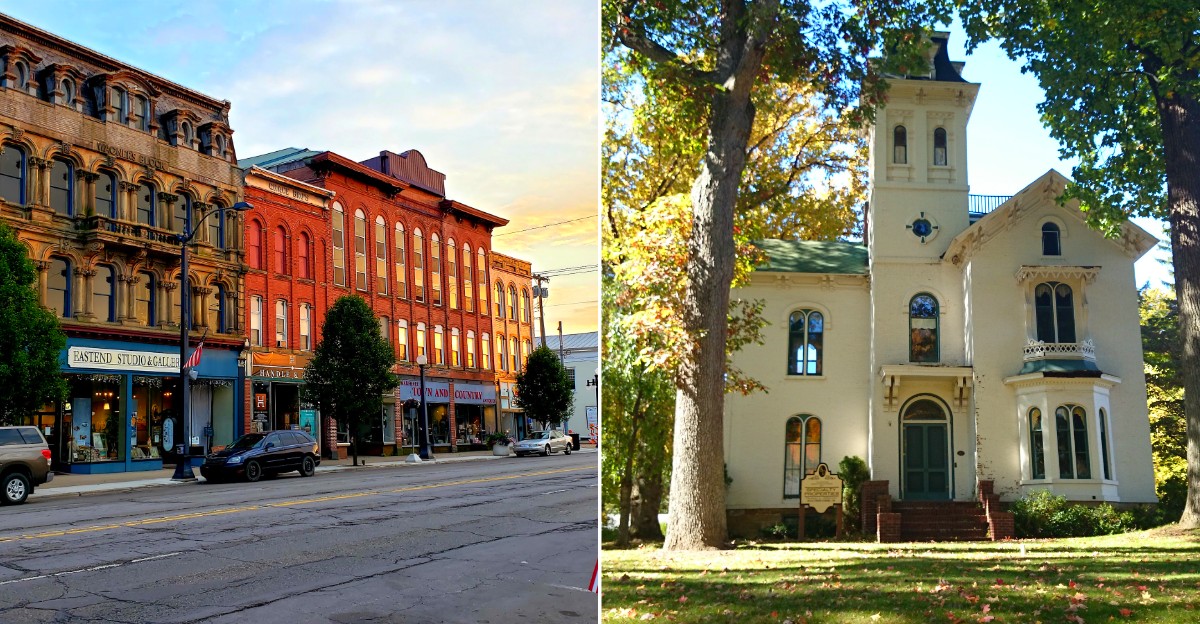
Twelve towns competed for the state capital in eighteen thirty-nine. Marshall had the strongest case. Brick mansions lined the streets. A thriving business district stretched along the Kalamazoo River.
The legislature voted anyway, and a village called Lansing with eight residents won instead. The loss stung for a generation. Then it saved the town. No capital building boom meant no demolition wave.
Eight hundred historic structures survived into the present, earning Marshall the largest National Historic Landmark District in its category. The National Park Service called it a textbook of nineteenth-century small-town architecture.
Tree-lined streets, brick crosswalks, and period lampposts still look the way they did when the vote went the other direction.
Walking through downtown feels like stepping into a preservation that nobody planned. Losing the capital turned into the best thing that ever happened to this Michigan town, and the buildings prove it.
Find The Governor’s Mansion
A building called the Governor’s Mansion is a fine clue that Marshall once had big plans. Its Greek Revival design suits the town’s capital hopes, although no Michigan governor made it an official residence.
Stand back far enough to take in the shape before moving closer to study the details. The house tells a more interesting story when you resist treating its name as proof that the capital moved here.
Check current access arrangements before planning an indoor visit; historic properties do not always keep daily public hours. Even a look from the public sidewalk adds something to a walk through Capitol Hill.
Imagine how bold it felt to prepare a home fit for a governor before the decision was settled. Then look at the nearby streets.
The mansion is one part of a larger neighborhood shaped by early confidence in Marshall’s future.
The Fountain Is The Center Of Everything
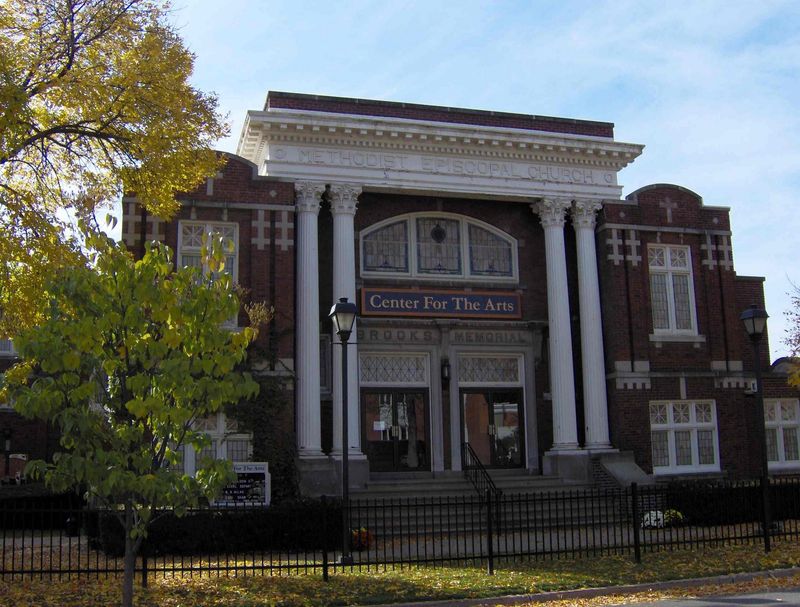
Marshall, Michigan, is easiest to approach from I-94 via Exit 110, then follow the local streets toward downtown and West Michigan Avenue. Brooks Memorial Fountain at 323 W Michigan Avenue is the best arrival anchor because it puts you right in the middle of the historic core.
The final approach tightens into a preserved 19th-century downtown, with brick storefronts, historic buildings, and the fountain circle making it obvious when you have reached the center. Once the white Brooks Memorial Fountain appears, you are in the most walkable part of town.
Park in one of the free public spaces around downtown and continue on foot from the fountain area. The Welcome Center is also at 323 W Michigan Avenue, so it makes a useful first stop for maps before wandering the surrounding streets.
Read The Buildings Like A Book
Rooflines change as you walk through Marshall. One house looks formal and balanced; the next has playful trim or a deeper porch.
The city’s National Historic Landmark District is known for its remarkable range of nineteenth-century architecture, so a short walk can feel like turning several pages of a picture book.
Make a small game of spotting differences rather than trying to name every style. Look for window shapes, columns, brick patterns, and additions that hint at how homes changed with their owners.
Remember that many of these beautiful places are private homes. Enjoy them from the sidewalk, keep driveways clear, and save close-up visits for buildings that welcome the public.
A free afternoon works better than a rushed checklist here. The value is in seeing a whole neighborhood, not just collecting photos of its grandest houses.
Give Honolulu House A Second Look
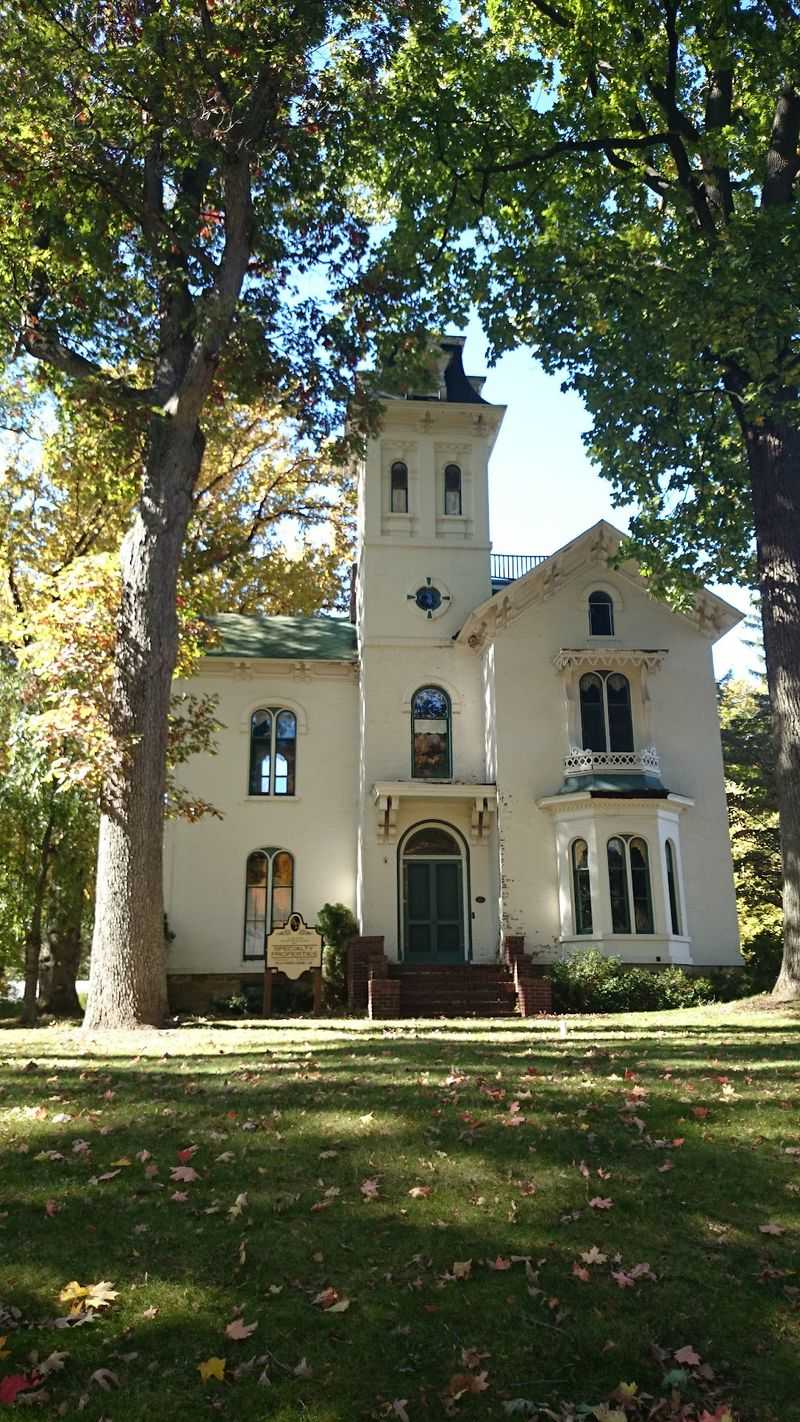
Honolulu House is not a name you expect to meet on a Michigan history walk. The 1860 home was built by Abner Pratt, who had served as a United States consul in the Hawaiian Islands.
Its unusual mix of design influences stands out even in a town full of striking old buildings.
Before visiting, check the Marshall Historical Society for current tour dates and hours. If a tour fits your schedule, listen for how Pratt’s travels shaped the house, then compare its features with the more familiar homes you passed on the way.
If the doors are closed, the exterior still rewards a careful look from permitted public areas. Allow a little extra time here; the pleasure comes from spotting choices that feel unexpected in this setting.
Marshall’s past reaches farther than its capital campaign, and this house makes that clear.
Follow The Capitol Hill Walk
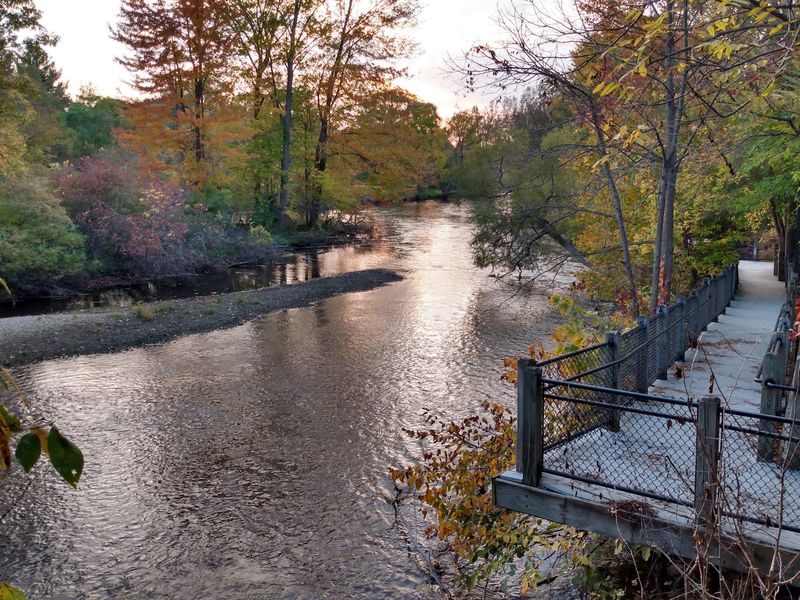
The easiest history lesson in Marshall may be the one you take on foot. A walk through Capitol Hill links the town’s capital hopes with buildings that survived long after Lansing won the decision.
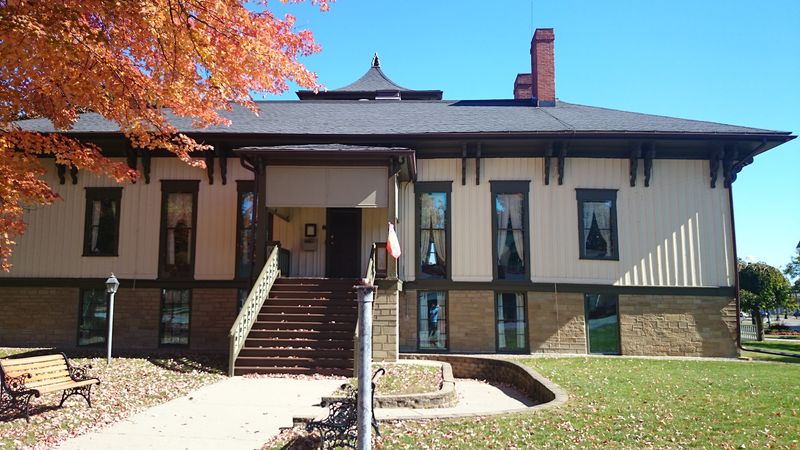
The Governor’s Mansion and Capitol Hill School give you useful landmarks, but leave room to notice the ordinary houses between them.
Pick up a current walking guide, or check a local history resource before setting out. A map helps you find the stops without staring at your phone for the whole trip.
Wear comfortable shoes and watch for uneven pavement near older properties. As you go, imagine a neighborhood where plans for government offices once seemed possible.
Its appeal now is quieter: school history, home life, and political ambition sit close together. That scale makes the almost-capital story easier to grasp than any timeline alone.
Notice The School Story
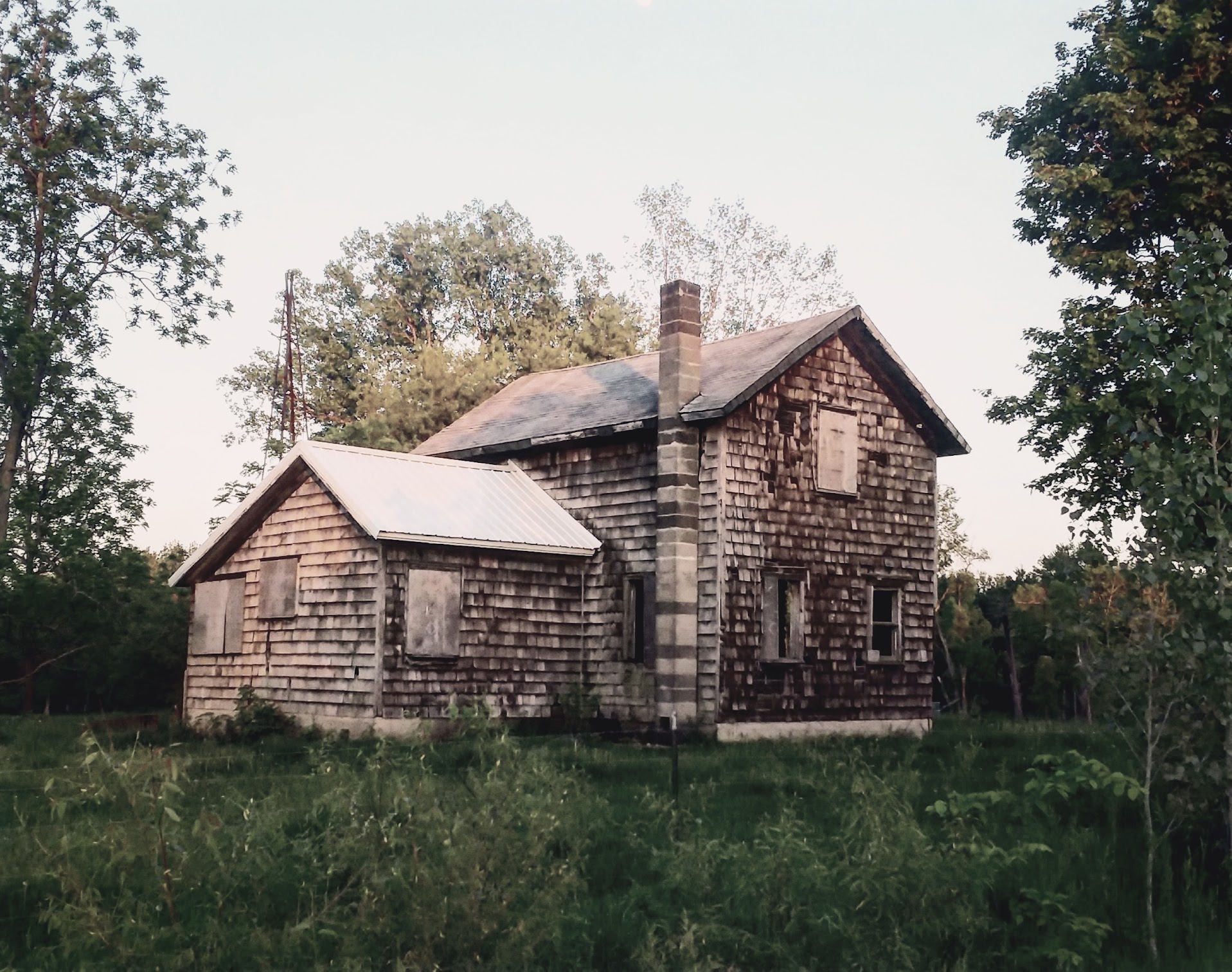
Not every important Marshall story ends with the capital vote. Early residents Isaac Crary and the Reverend John Pierce helped shape Michigan’s public school system.
That history gives the Capitol Hill School more weight than its modest size might suggest. A town that hoped to lead the state also had people working on how its children would learn.
Pause at the school as part of a neighborhood walk, and check with the Marshall Historical Society if you hope to see inside. Museum access can depend on scheduled openings.
For younger visitors, this is a good place to ask a simple question: what would a school day have felt like here long ago? Look at the building, then compare it with a school you know today.
The exercise turns a name on a marker into something children and adults can picture together.
Make Room For Freedom’s History
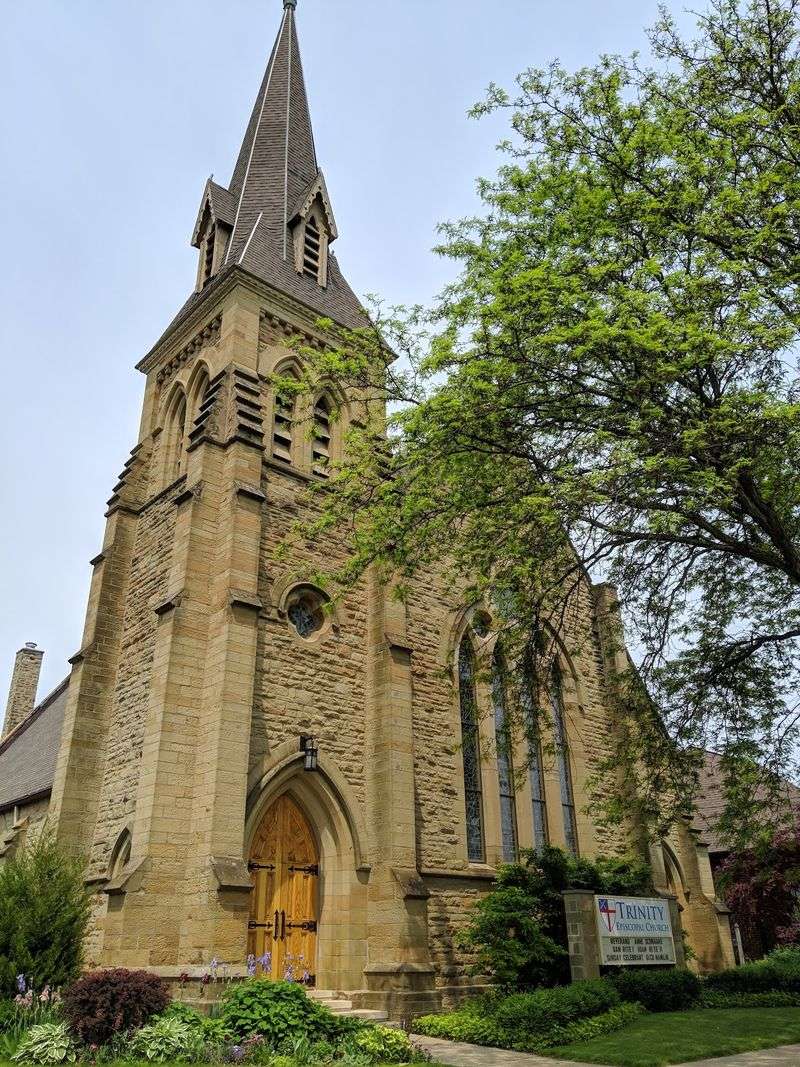
Some of Marshall’s most important history is harder to see than a grand house. The town has links to the Underground Railroad and to people who resisted slavery.
It deserves more than a quick mention between photographs of porches and gardens. Seek out reliable local history materials to learn about the people involved and the risks they faced.
Read markers closely, and be careful with stories attached to particular buildings. A familiar house can attract legends that sound certain even when the evidence is thin.
Local museums and historical groups are better starting points for names, dates, and documented events. If you are traveling with children, explain that people seeking freedom made dangerous choices and needed help from others.
Leave space for the seriousness of that story. Marshall’s attractive streets should invite closer attention to its past, not make the difficult parts disappear.
Save Time For A Little Magic
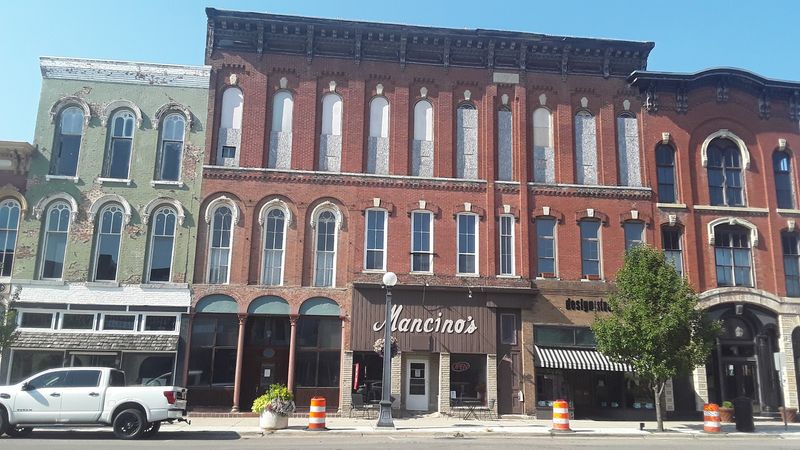
After a few hours of houses and history, a magic museum feels like Marshall has pulled a surprise from its hat. The American Museum of Magic collects the posters, props, and stories of stage performers.
It is an enjoyable change of pace, especially if your group includes someone who thinks museums are all the same.
Check opening hours before you go, since a small museum may not follow the schedule you expect. Inside, slow down at the old posters.
Their bold pictures show how performers caught an audience’s eye before anyone took a seat. Props can be fun to study, but the people behind the acts are part of the story too.
Keep a little room in your day for this stop rather than squeezing it between appointments. Marshall is at its best when you let its odd details surprise you.
Trade Brick Streets For The Riverwalk
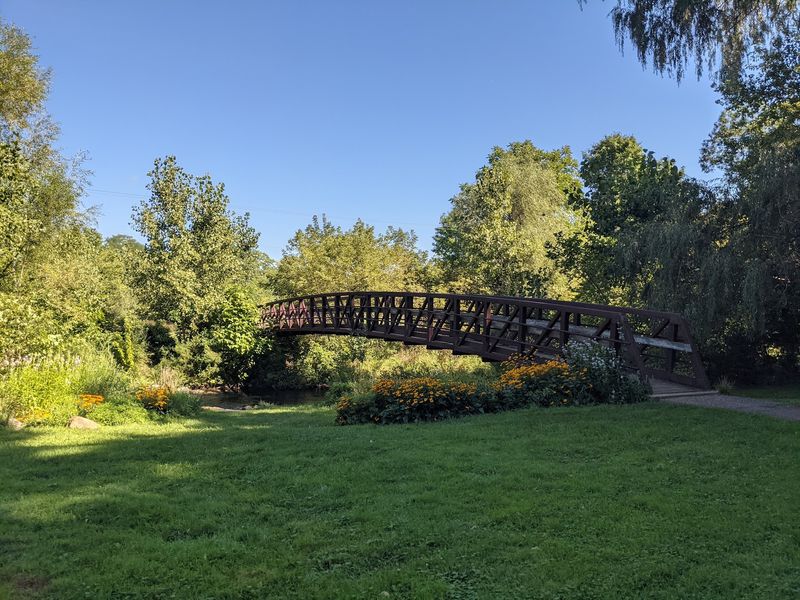
Water and trees offer a useful break from Marshall’s busy architectural details. The Marshall Riverwalk follows Rice Creek and the Kalamazoo River, giving you a different view of a town often praised for its buildings.
Try it after a museum visit, when your feet want to keep moving but your mind needs fewer dates.
Check the weather and current path conditions before you set out, especially after heavy rain. Take water on a warm day, and give other walkers room on narrower stretches.
Listen for birds, watch the creek, and notice how quickly the street scene falls away. You do not need to cover every part of the route to enjoy it.
A short walk can reset the pace of your visit. When you return downtown, the houses may seem sharper because you stepped away from them.
Plan Around A Home Tour
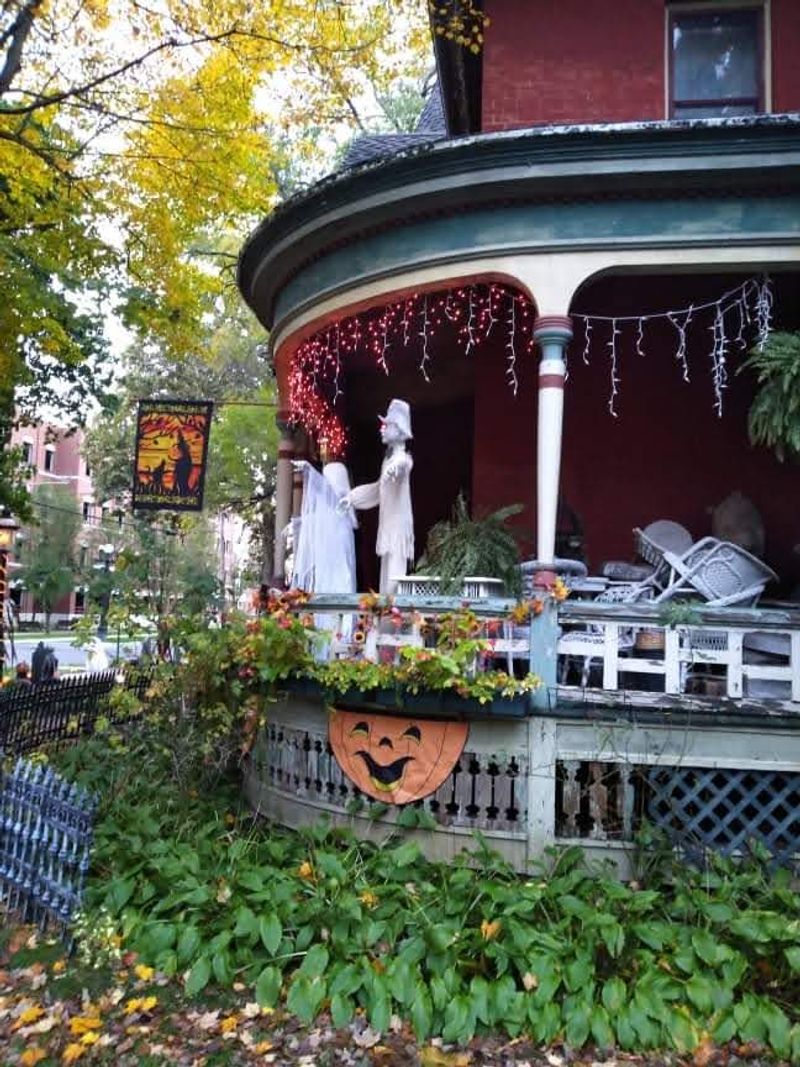
A private home tells a different story when its doors open to visitors. Marshall’s annual Historic Home Tour offers that rare chance, with changing selections of local properties.
It is a strong reason to plan an autumn trip if architecture is what brought you here. Dates, tickets, and participating houses can change, so confirm the year’s details with the organizers before booking travel.
Bring shoes suited to walking and follow each home’s rules about photographs and areas open to guests. Residents and volunteers make these visits possible; a little patience keeps the experience pleasant for everyone.
Between stops, look at how the homes fit into their streets rather than treating each one as a separate exhibit. If your dates miss the tour, do not worry.
Public sidewalks still offer plenty to see, and Marshall’s everyday neighborhood character is part of the attraction.
Leave An Afternoon Unplanned
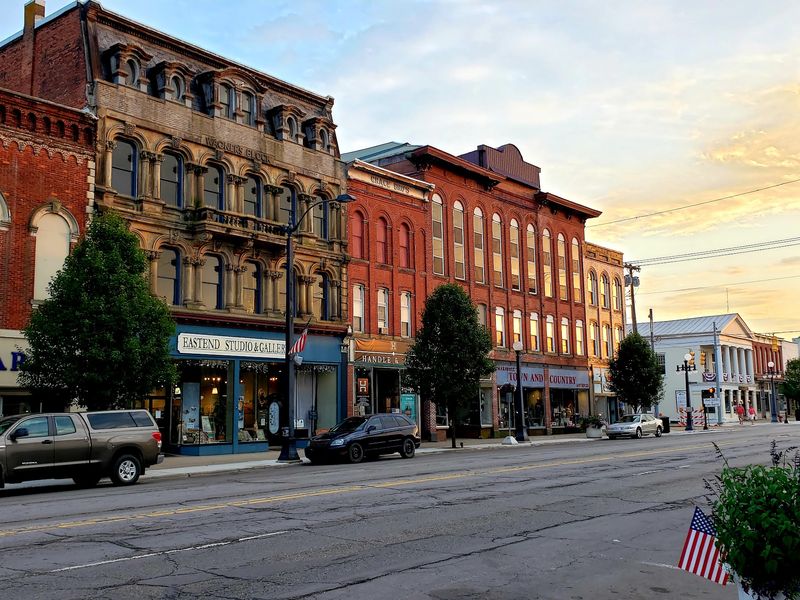
A rigid schedule can make Marshall feel smaller than it is. Set aside an open hour downtown for a café stop, a shop window, or one more street you did not mean to take.
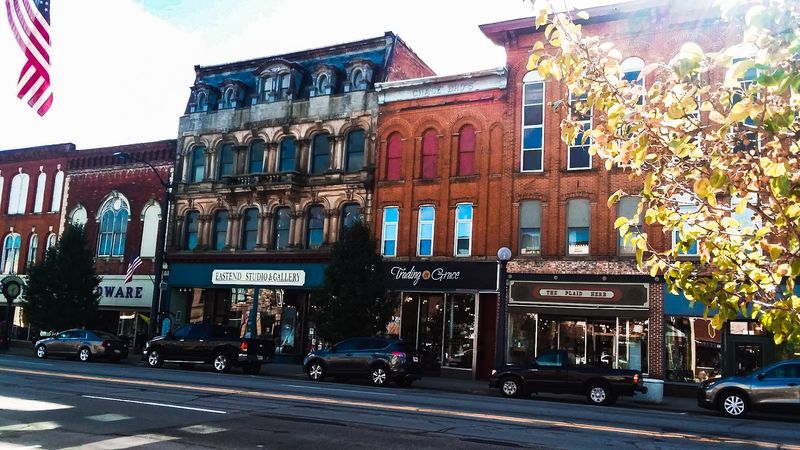
Historic storefronts share space with businesses people use today. That mix keeps the center of town from feeling like a set built only for visitors.
Check shop hours if a particular stop matters to you, then let the rest of the walk unfold. Look above the windows for older building details, and notice the wider view when you reach a corner.
You can finish with a meal downtown or return to a museum you passed earlier. The capital story may have brought you to Marshall, but an unhurried afternoon helps explain why the town still holds attention.
Its past is visible, while daily life carries on around it.