
Most People Just Drive Past Flagstaff, Arizona And Miss This Hidden Gem
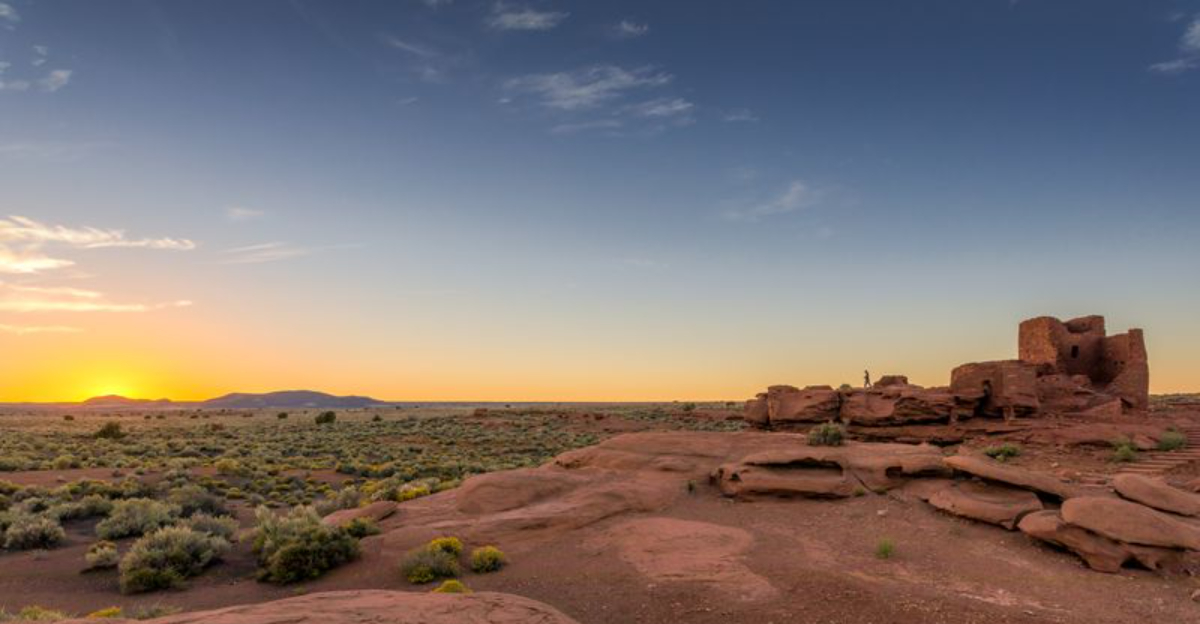
I’ll admit it: the first time I drove past the turnoff for Wupatki National Monument, I almost kept going. Flagstaff was calling, the Grand Canyon was just up the road, and I figured I’d catch whatever this place was on the way back.
Spoiler alert: I never made it back that trip, and I kicked myself for months. When I finally rolled into Wupatki a year later, I realized I’d been skipping one of Arizona’s most astonishing time capsules.
Picture this: 800-year-old pueblos rising from red rock, a natural blowhole breathing cool air from underground chambers, and panoramic views that stretch across painted desert and volcanic fields.
Most travelers blast right past on Highway 89, chasing the big-name attractions, completely unaware that just a short detour away sits a landscape where ancient communities thrived, traded, and built architectural marvels that still stand today.
Trust me, this is the kind of place that changes your entire road trip.
Ancient Architecture That Defies Time
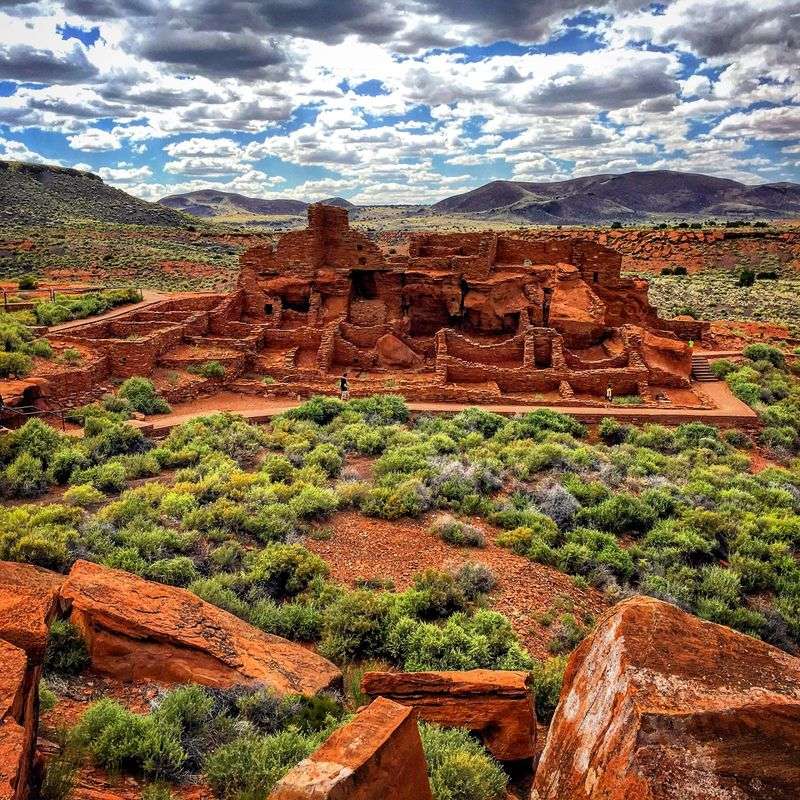
Standing in front of the main Wupatki Pueblo, I felt like I’d stepped through a portal into another century. This isn’t just a pile of old rocks.
The structure once housed more than 100 rooms and rose multiple stories high, making it the largest pueblo in the region during its peak around 1180 AD. The craftsmanship is stunning.
Red sandstone blocks fit together with precision, and you can still see the original mortar made from mud and ash. Walking the paved trail that circles the pueblo, I noticed how the builders positioned rooms to catch sunlight in winter and shade in summer.
They weren’t just surviving in this harsh desert. They were thriving, creating a community hub that drew people from miles around.
The pueblo sits on a natural rise, offering views in every direction, which wasn’t just for aesthetics but also for defense and communication with other settlements. What struck me most was the scale.
This wasn’t a small family dwelling. At its height, Wupatki was a bustling center of trade and culture, and you can still feel that energy in the walls.
The Blowhole That Breathes
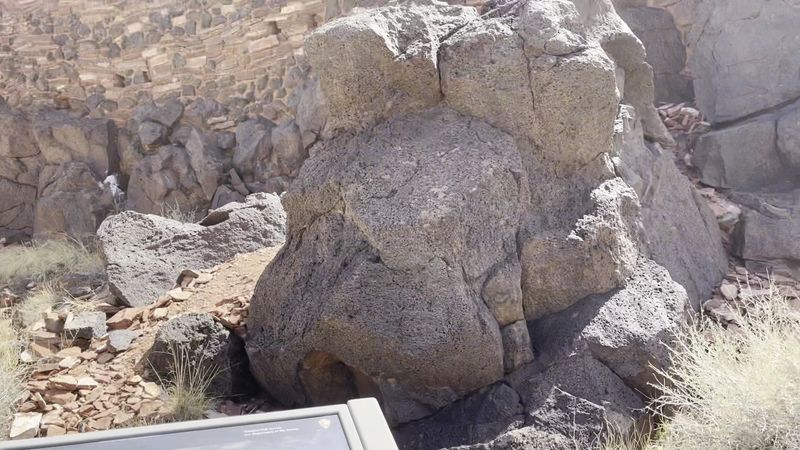
I’d heard about the blowhole before my visit, but I figured it was one of those overhyped natural features that looks better in photos. I was completely wrong.
This thing is genuinely bizarre and fascinating. The blowhole is a natural vent connected to an underground cave system, and depending on atmospheric pressure, it either sucks air in or blows air out.
The day I visited, it was exhaling, and the cool breeze coming from the earth felt like nature’s air conditioning in the middle of the desert. The Ancestral Puebloans knew about this phenomenon and built a small structure around it, likely using it for ceremonial purposes or simply as a gathering spot on hot days.
Modern scientists have tried to map the cave system below but haven’t found all the connections yet. Some estimates suggest the underground chambers extend for miles.
Standing over the opening, I stuck my hand near the vent and felt the steady stream of air. My hat nearly flew off.
It’s one of those rare natural wonders that actually lives up to the hype, and it’s completely free to experience.
Wukoki Pueblo’s Dramatic Perch
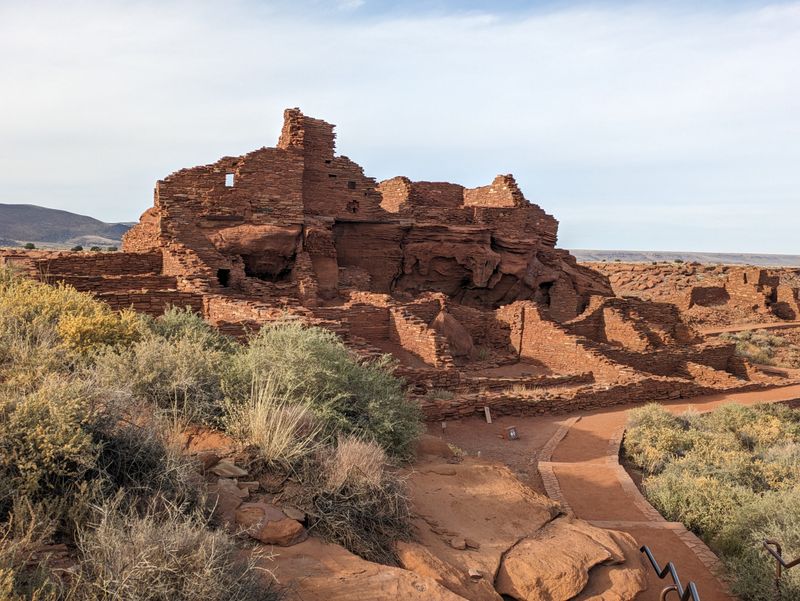
If you only have time for one detour before reaching the visitor center, make it Wukoki Pueblo. This structure sits on a rocky outcrop like a sentinel watching over the desert, and the views from here are absolutely stunning.
The tower rises three stories and was probably used as a lookout point, giving residents a clear line of sight to approaching travelers or threats. The short walk from the parking area takes maybe five minutes, and the path is paved, making it accessible for most visitors.
What I loved about Wukoki was how intact it feels. The walls still stand tall, and you can walk right up to peer through the doorways and windows.
The red sandstone glows at sunrise and sunset, making it a favorite spot for photographers. I visited in late afternoon, and the light was perfect.
The surrounding landscape is a patchwork of colors: red rock, black volcanic soil, green shrubs, and distant purple mountains. It’s the kind of view that makes you want to sit and soak it all in.
Bring your camera, but also take a moment to just be present.
A Landscape Shaped By Fire And Time
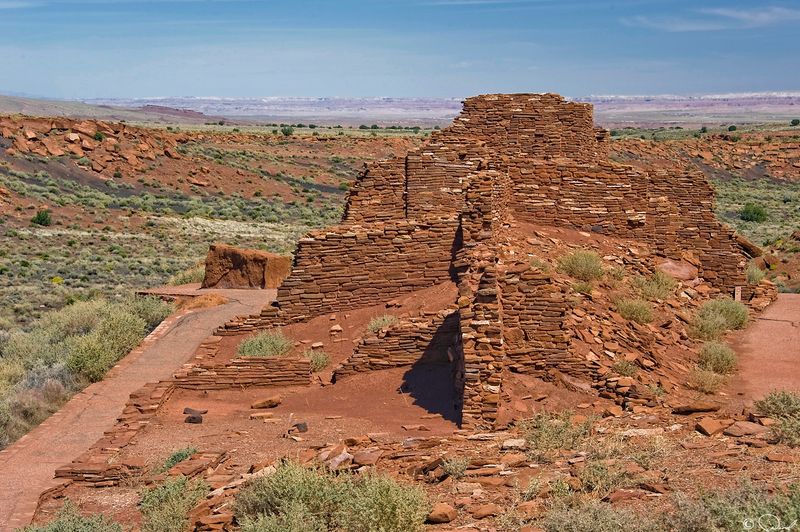
One of the most unexpected aspects of Wupatki is the landscape itself. The monument sits between two very different geological zones: the Painted Desert to the north and the San Francisco Volcanic Field to the south.
This means you’re standing on ground shaped by volcanic eruptions that happened less than 1,000 years ago, right next to ancient sedimentary layers millions of years old.
The black cinder and basalt from Sunset Crater Volcano (which you can visit on the same loop road) actually enriched the soil here, making it more fertile and likely contributing to the population boom that led to Wupatki’s construction.
The contrast between the black volcanic rock and the red sandstone is visually striking and tells a story of how geology shaped human history. As I drove the loop road, I kept pulling over to take in the views.
The landscape shifts dramatically every few miles, from dense volcanic fields to open desert plains dotted with juniper trees. It’s a geology lesson without the textbook, and it makes you appreciate how adaptable the people who lived here had to be.
Self-Guided Exploration At Your Own Pace
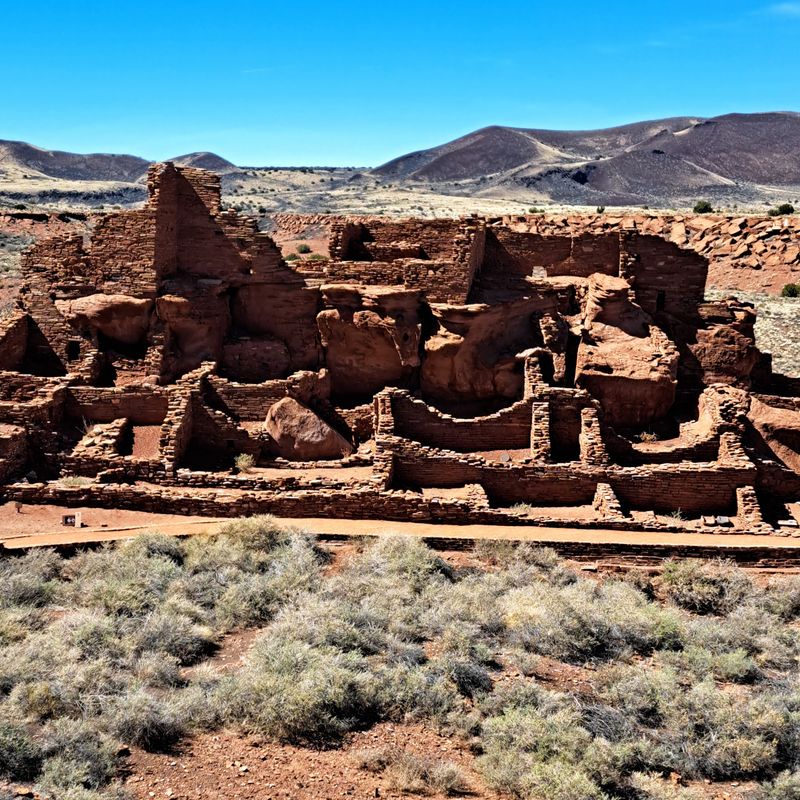
I’m not usually a fan of guided tours. I like to wander at my own speed, stop when something catches my eye, and move on when I’m ready.
Wupatki is perfect for that approach. The monument offers self-guided trails at five different pueblo sites, and you can visit as many or as few as your schedule allows.
The main Wupatki Pueblo has the most developed trail system, with interpretive signs explaining what you’re seeing. I grabbed the $2 trail guide from the visitor center, and it was worth every penny.
It added context and stories that brought the ruins to life. The trails are short, mostly paved, and easy for kids and older visitors to navigate.
What I appreciated most was the freedom to linger. At the main pueblo, I spent nearly an hour just sitting on a bench, watching the light change and imagining what daily life might have been like here 800 years ago.
No rushing, no crowds, just me and the ruins. The other sites like Lomaki and Citadel Pueblo offer similar experiences with even fewer people.
Connecting The Dots With Sunset Crater
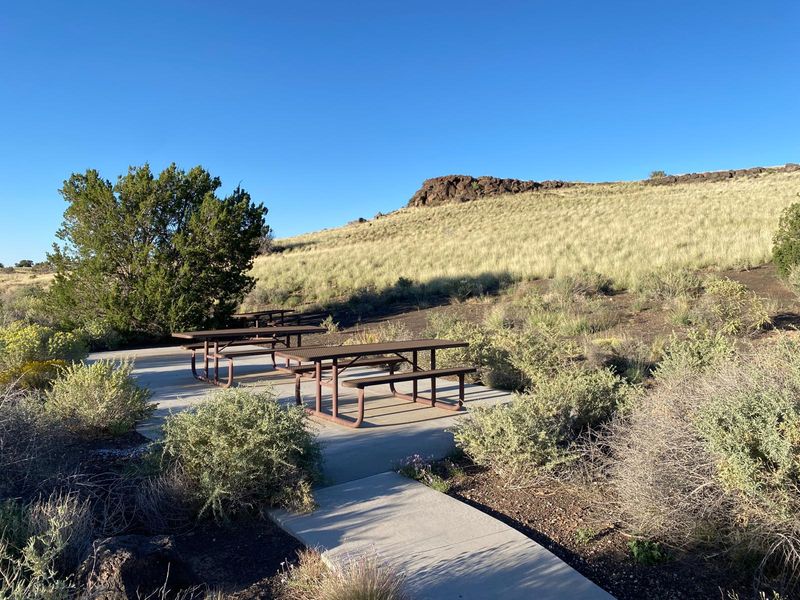
Here’s a pro tip: don’t visit Wupatki in isolation. The monument is connected to Sunset Crater Volcano National Monument by a 35-mile scenic loop road, and the two sites tell a connected story.
Sunset Crater erupted around 1085 AD, blanketing the area in ash and cinder. While the eruption must have been terrifying, it ultimately made the soil more fertile and may have drawn people to the area.
I started my day at Sunset Crater, hiked the Lava Flow Trail through the bizarre black landscape, then drove north through the loop to Wupatki. The transition from volcanic moonscape to ancient pueblos is dramatic and helps you understand the environment these communities inhabited.
The entire loop takes about two to three hours if you stop at the major sites. The visitor center at Wupatki serves both monuments, and you can get your National Park passport stamps for both locations here.
If you’re planning your visit, buy the $25 combined pass that covers both sites, or better yet, use your America the Beautiful Pass if you have one.
Planning Your Visit Like A Pro
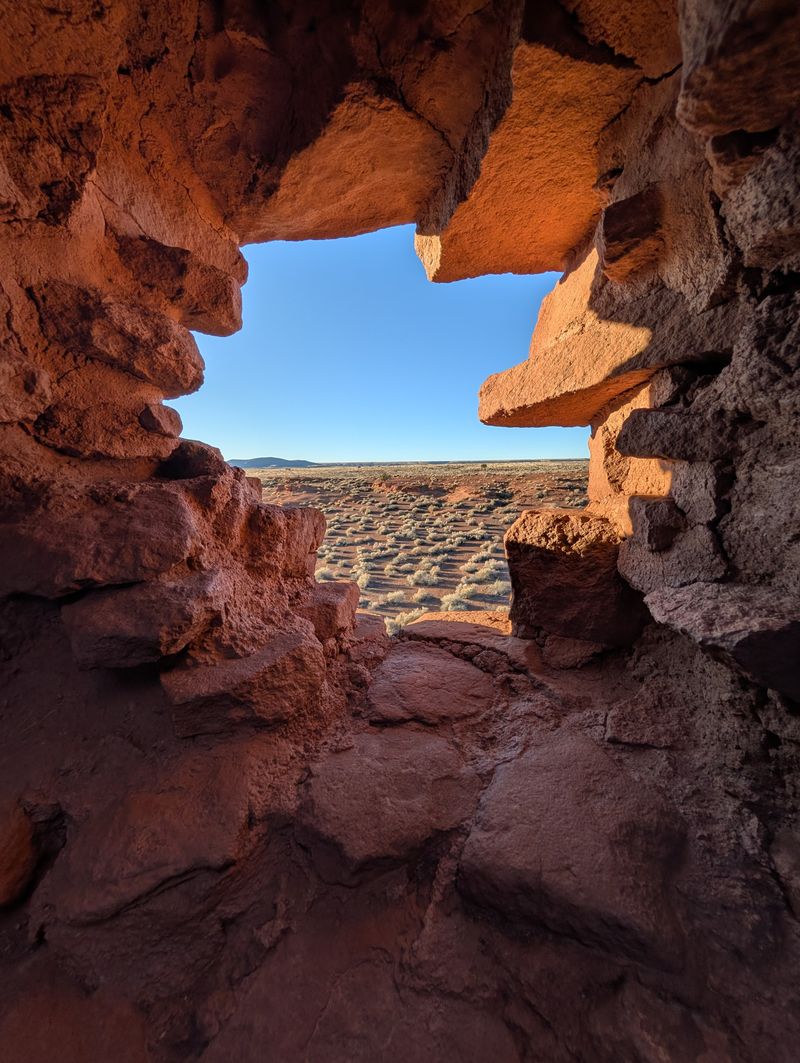
Timing matters at Wupatki. I learned this the hard way on my first visit when I showed up at noon in July and nearly melted.
The desert here gets brutally hot in summer, with temperatures regularly hitting 95 degrees or higher. Spring and fall are ideal, with mild temperatures and wildflowers if you’re lucky.
Winter can be cold and windy but also beautifully empty. The visitor center is your essential first stop.
Rangers here are incredibly knowledgeable and can point you to the best trails based on your interests and time constraints. Restrooms are available at the visitor center and at most pueblo sites, which is a blessing in the desert.
Bring plenty of water, sunscreen, and a hat regardless of season. The monument is about 30 miles north of Flagstaff on Highway 89, then east on the loop road.
There’s no food or gas once you enter, so fuel up beforehand. Dogs aren’t allowed on trails to protect the archaeological sites, so plan accordingly.
Give yourself at least two to three hours to see the main sites, or a full day if you want to explore everything thoroughly.