
Most People Skip This Florida Dirt Road, But It Leads To A Stunning Secret State Park
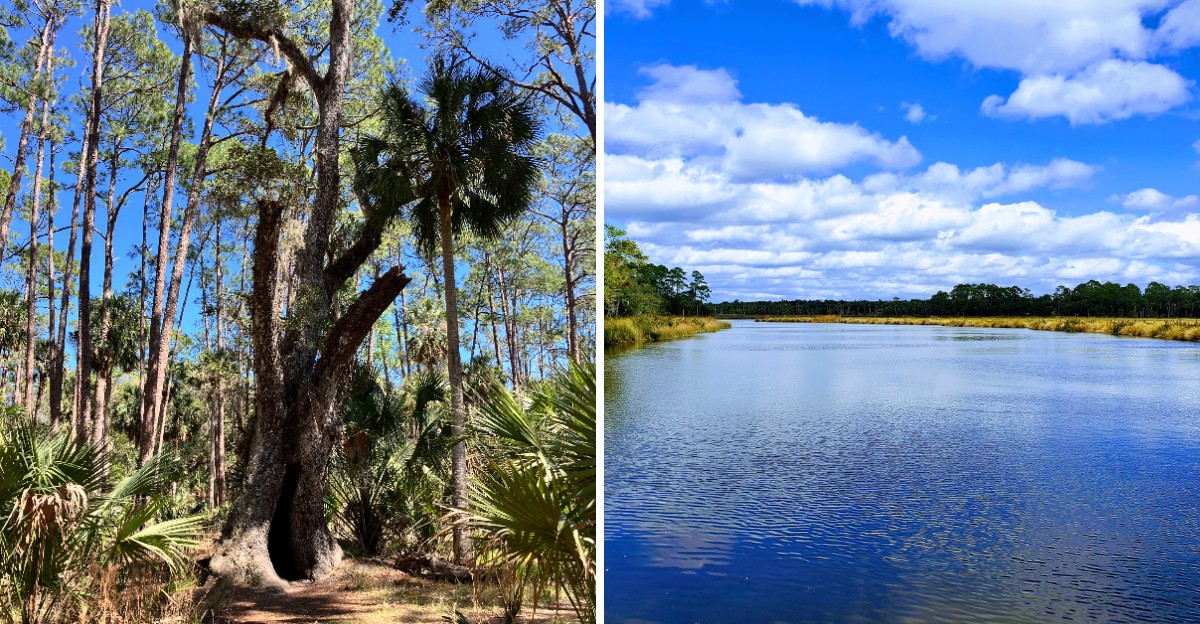
John James Audubon once visited a sugar plantation that now sits in ruins at the end of a narrow dirt road. He arrived on Christmas Day in 1831 and stayed into January 1832.
Four years later, the whole place was burned.
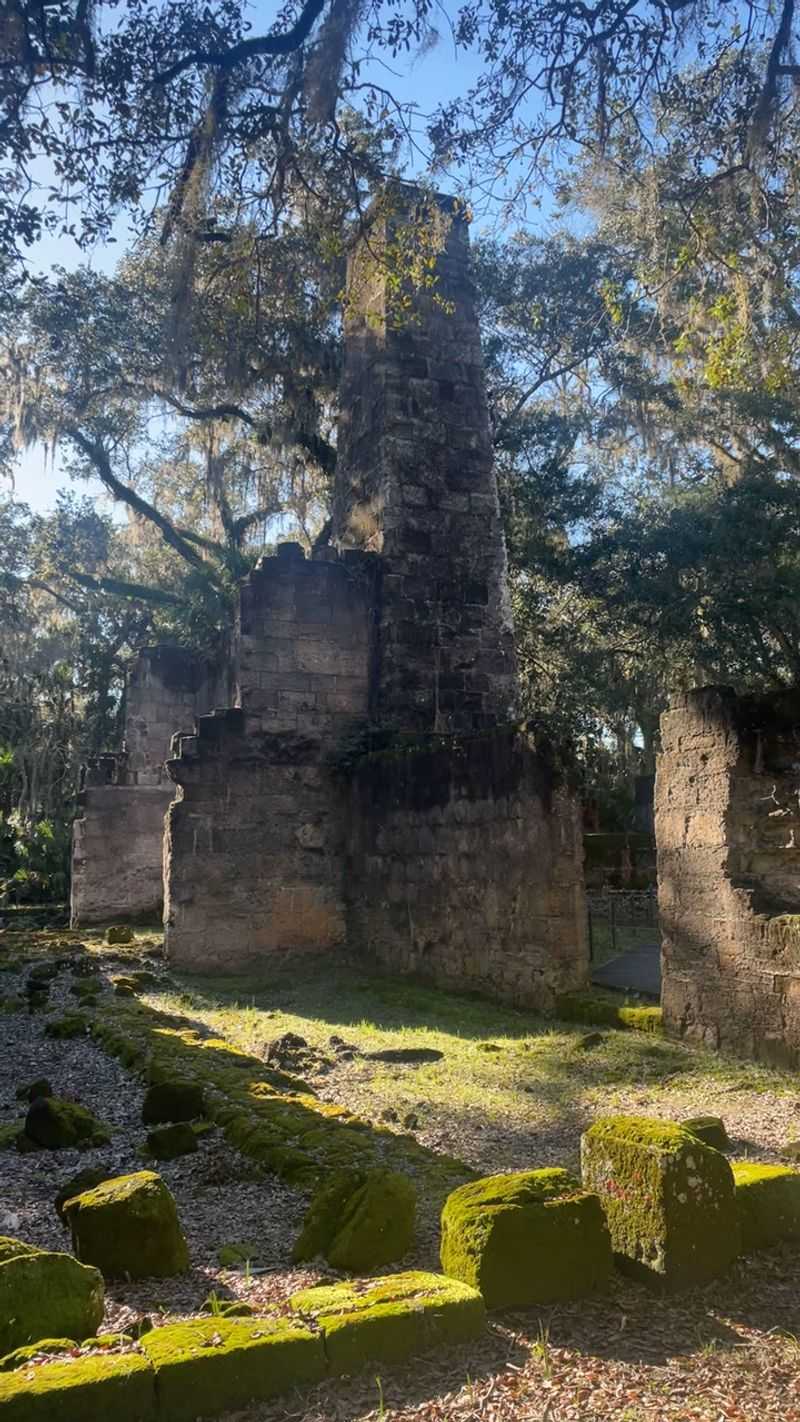
The coquina walls of the old sugar mill still stand among the oaks. Moss, palmettos, and shade surround what was once the largest plantation in East Florida.
I like how the forest seems to have taken the land back on its own terms.
Getting there takes a little faith. The long lane feels like it leads nowhere, and plenty of drivers never make the turn.
I believe that slow road is part of the magic.
History, wildlife, a quiet creek, and a trail through old-growth woods all wait at the end. So why do so many people keep driving right past it?
That Bumpy Dirt Lane Is Your Ticket To Old Florida
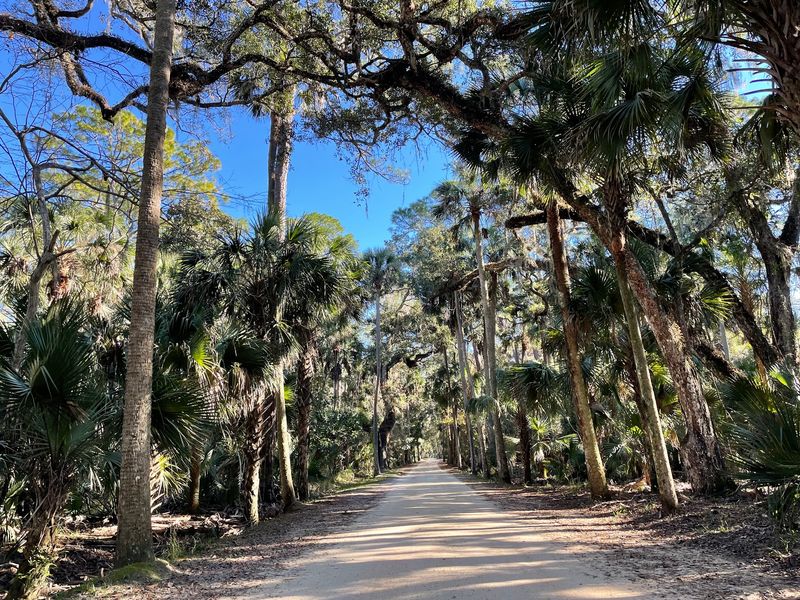
Pavement gives up early on the way to Bulow Plantation Ruins Historic State Park. The final stretch is a long, narrow dirt road lined with trees.
That lane is no random shortcut. It follows the original long laneway that once led into the plantation itself.
So the drive in is actually your first history lesson. You’re rolling along a route people traveled back in the 1800s.
Take it slow and keep your windows down if the weather is nice. The trees crowd close, and the shade feels like a tunnel into another century.
A sedan can handle the trip, so no monster truck is required. Just watch for bumps and ease off the gas when the road narrows.
Plenty of travelers zip right past the sign on their way to the beach. That’s a shame, because the payoff at the end is big.
I love that the park doesn’t try to impress you at the entrance. It lets the quiet woods do the talking first.
Think of the dirt road as a warm-up. By the time you park, the noise of the highway feels very far behind you.
The Sugar Mill Walls Still Stand Tall After Nearly Two Centuries
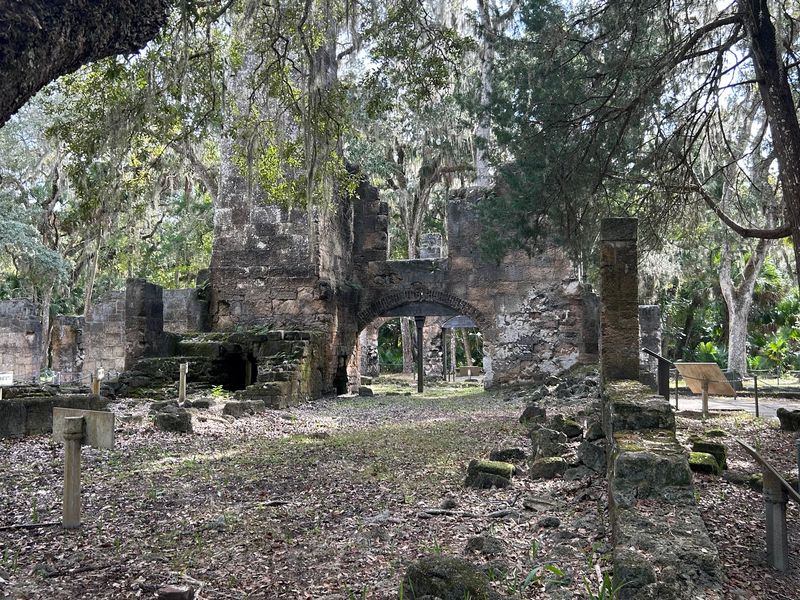
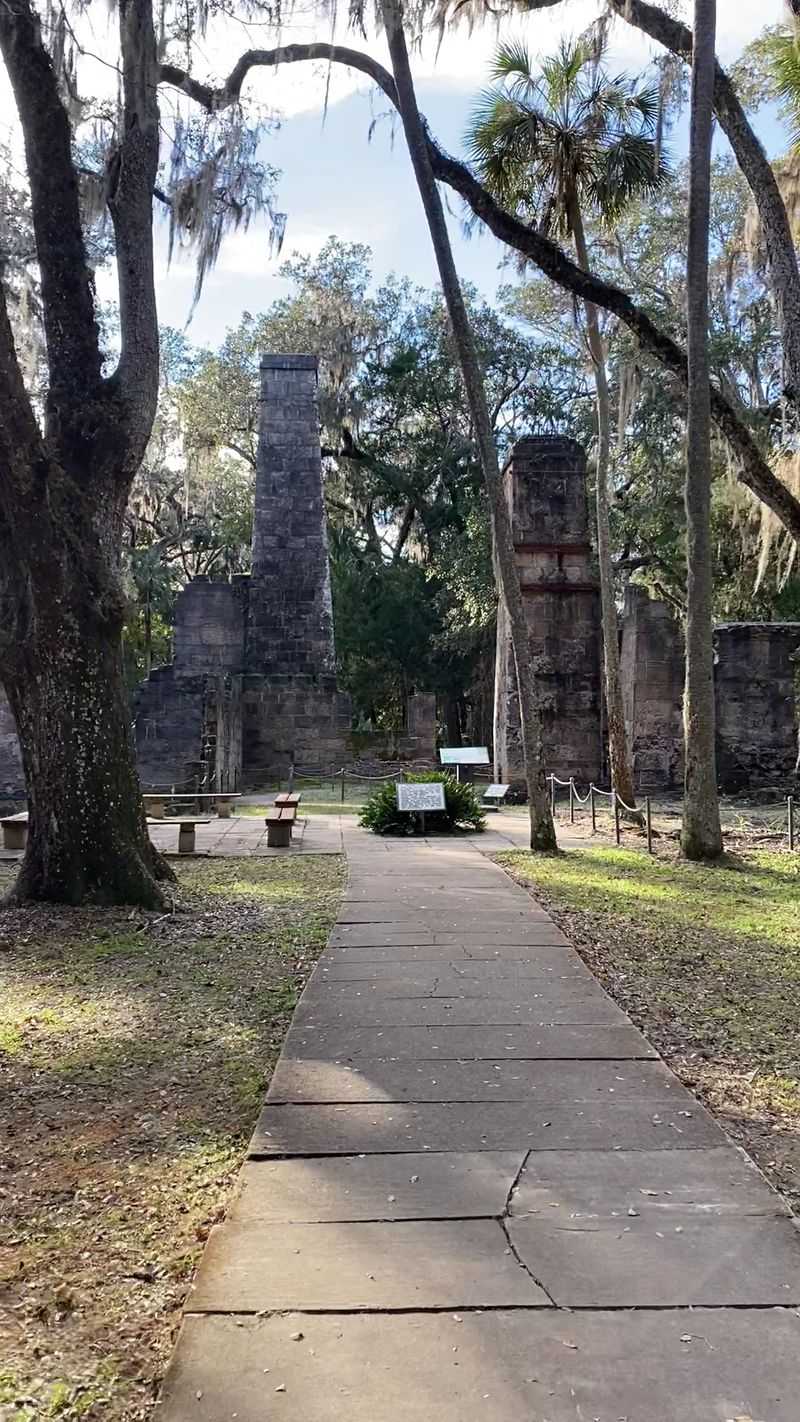
Coquina is a rock made from tiny crushed shells. Builders used it to raise the sugar mill, and its walls still rise from the forest floor today.
The mill ruins are listed on the National Register of Historic Places. They’re the star attraction, and they earn the title.
Arches, chambers, and thick stone walls show how big the operation once was. Signs nearby explain how sugar cane turned into sugar, step by step.
The process sounds exhausting, especially in Florida heat. Reading those signs while standing in the shade makes the work feel very real.
You can reach the ruins two ways. A short scenic trail leads there from one parking area, or you can drive closer and walk a bit.
Bring a camera, but also bring some patience. The details in the stonework reward anyone who slows down and looks closely.
Kids usually love spotting the openings and guessing what each space was for. It turns a field trip into a bit of a puzzle.
Keep off the walls, though. They’ve survived since the 1830s, and they deserve a little respect from all of us.
A Plantation Story Worth Hearing, Even The Hard Parts
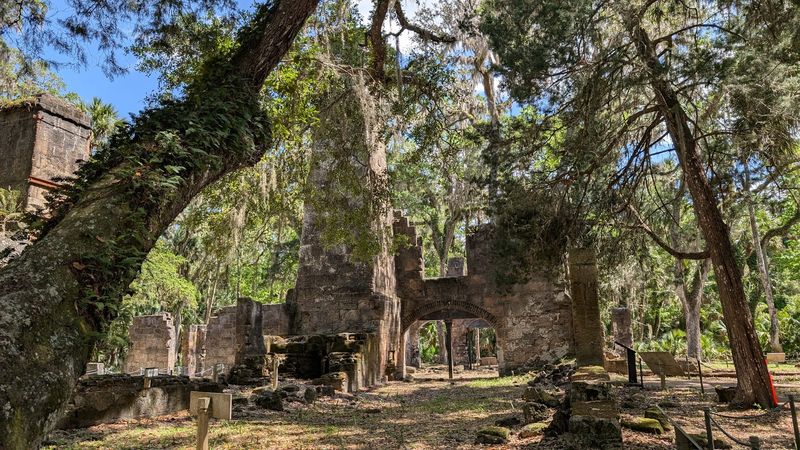
Back in 1821, Major Charles Wilhelm Bulow started this plantation. His son, John Joachim Bulow, later ran the estate.
It grew into the largest plantation in East Florida. The land covered 4,675 acres, with 2,200 acres cleared for crops.
Sugar cane, cotton, rice, and indigo all grew here. None of it happened without forced labor, and that truth sits at the center of this place.
Between 150 and 400 enslaved people worked the plantation. They lived in about 46 cabins, and foundations from those cabins remain in the park.
A short trail from the picnic area leads to those cabin remains. It’s easy to miss, so look for it on purpose.
The plantation house is gone too, with only its foundation outline left. Standing there gives you a clear sense of who lived well and who did not.
Bulow Plantation Ruins Historic State Park tells this story honestly. That honesty is what makes a visit meaningful instead of just pretty.
Give yourself a quiet moment here. The ruins ask you to think, and that’s a good thing.
Audubon Dropped By, And Then Everything Went Up In Flames
Famous visitors don’t always show up in the backwoods. But on Christmas Day in 1831, artist and naturalist John James Audubon arrived at the Bulow Plantation, where his visit continued into January 1832.
Audubon was known for painting birds in amazing detail. A creek full of wading birds must have been a treat for him.
Just four years later, the story took a sharp turn. In 1836, during the Second Seminole War, the plantation was looted and burned.
American troops had abandoned the property before that happened. The Seminoles then set it ablaze, and the Bulow estate never recovered.
That’s why you see ruins today instead of buildings. The fire froze the plantation in time, leaving only stone behind.
For more than a century, the land sat quietly. The State of Florida acquired it in 1945 and later dedicated it as a historic park in the mid-1950s.
I find that timeline wild. One decade brought fame and wealth, and the next left only charred walls in the woods.
Keep that story in mind as you walk. It makes every crumbling stone feel like a page from a dramatic book.
Peek At Real Artifacts Inside The Interpretive Center
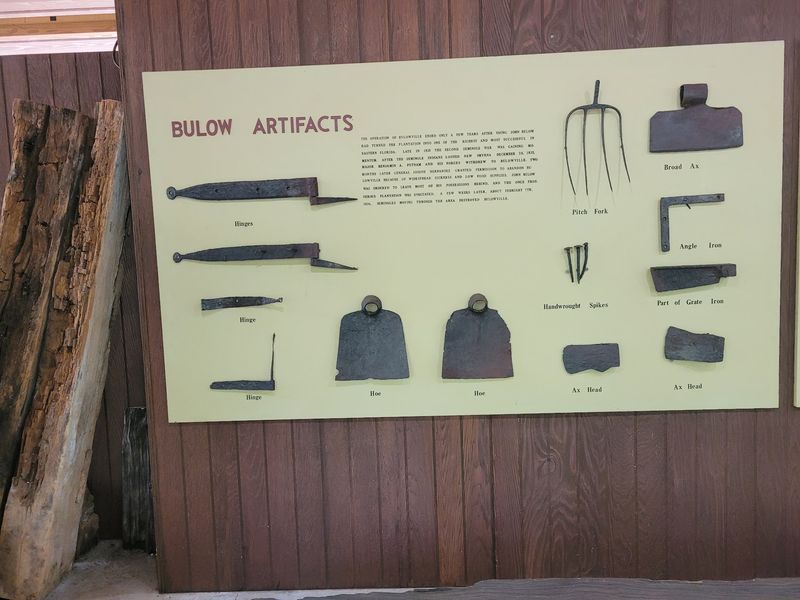
Old tools and household items sit behind glass near the ruins. They’re small, but they tell big stories about daily life on the plantation.
The interpretive center adds context to everything you see outside. Panels explain the rise and fall of the estate in clear, easy steps.
It’s a smart first stop if you like knowing what you’re looking at. The ruins make a lot more sense once you’ve read the backstory.
Families will appreciate how quick the exhibit is to explore. Younger kids can stay curious without getting worn out.
Want even more detail? Watch for a ranger talk, which can break down the history in a lively way.
Restrooms are close by too. That’s a handy perk before heading out on a trail.
I like that the displays focus on real objects rather than flashy screens. Seeing an actual tool makes the past feel a lot closer.
Spend ten minutes here, and the walk to the sugar mill becomes way more interesting. Knowledge really does make the scenery better.
Lace Up For The 6.8-Mile Bulow Woods Trail
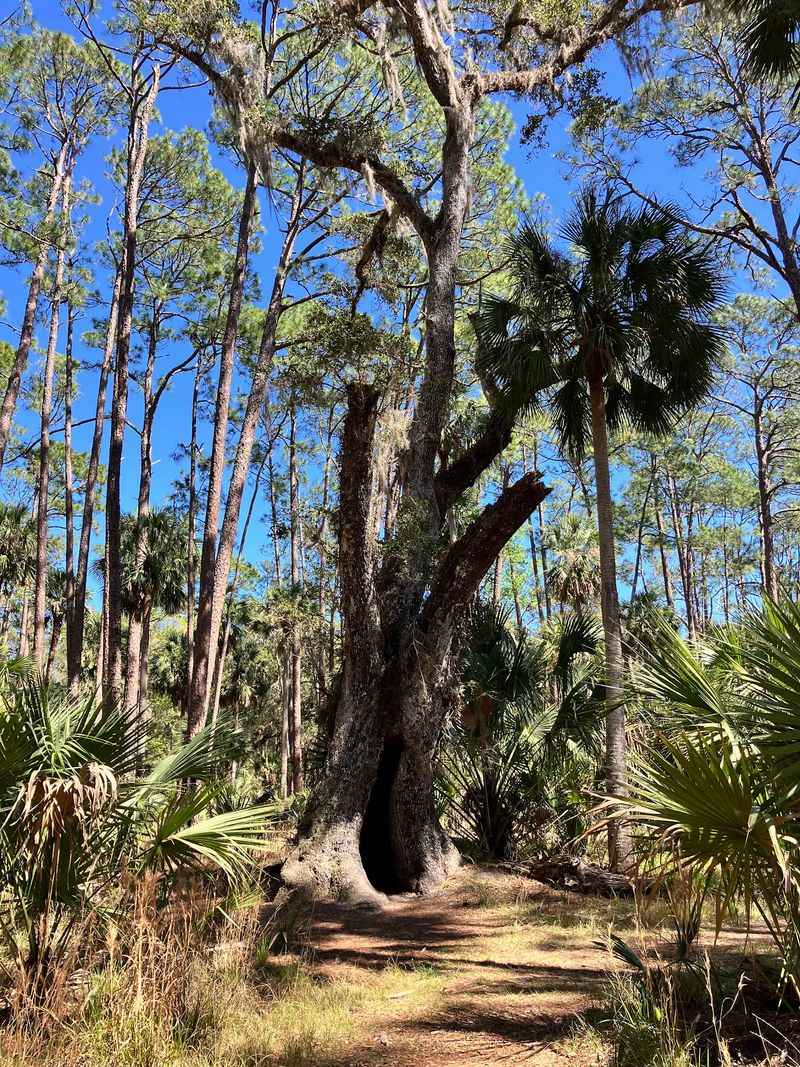
Serious walkers, this one’s for you. The Bulow Woods Trail stretches 6.8 miles through some of the prettiest forest in the region.
It connects the park to the Fairchild Oak in nearby Bulow Creek State Park. Along the way, you’ll pass old-growth forests, oak hammocks, and salt marshes.
Both hikers and bikers use this route. Keep your eyes open for white-tailed deer, barred owls, and raccoons.
Before you go, check the trail status. Some sections have been closed because of storm damage, and cleanup is still happening.
Not up for the full distance? A shorter walking trail leads to the sugar mill ruins and still delivers plenty of shade and scenery.
Florida humidity can sneak up on you fast. Pack extra water, bug spray, and sunscreen, even on cloudy days.
Start early if you can. Cooler air makes the miles feel lighter, and wildlife tends to be more active.
I can’t imagine a better way to earn a picnic lunch. A long walk under giant oaks beats a treadmill every single time.
Bulow Creek Wants You In A Canoe
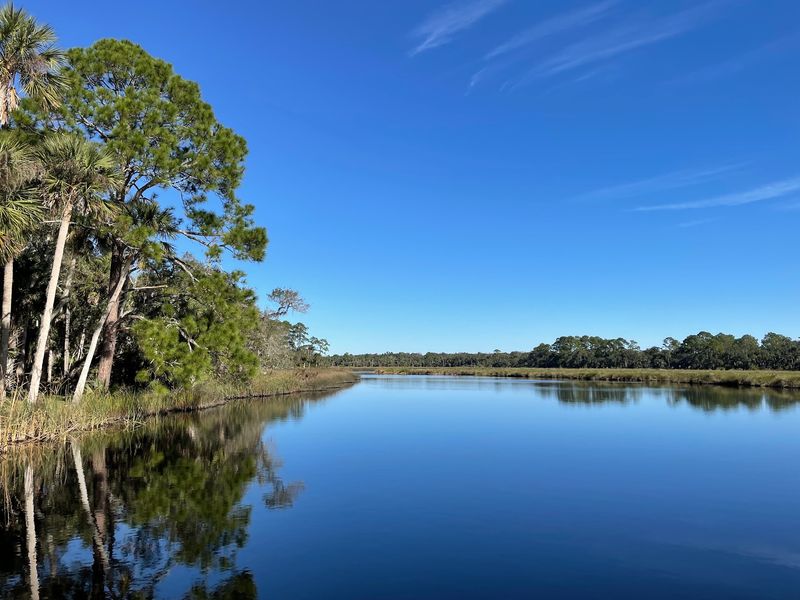
Paddlers get a special treat at Bulow Plantation Ruins Historic State Park. Bulow Creek is a designated State Canoe Trail, and it’s gorgeous.
The park has a boat ramp for canoes and small powerboats. Don’t own a canoe?
Rentals are available at the park office.
The water winds past marsh and forest. Bald eagles, swallow-tailed kites, and wading birds often show up overhead or along the banks.
Manatees and alligators live here too. Give both plenty of space, and keep your hands inside the boat.
Calm water makes this a great spot for beginners. Even so, wear a life jacket and check the weather before launching.
A waterfront area with seating sits near the launch. It’s a lovely place to rest before or after your paddle.
Bring binoculars in a dry bag if you have them. Spotting a bird you’ve never seen before is a real thrill.
Out on the creek, the quiet feels almost unreal. Only the splash of your paddle breaks the spell, and that’s the best part.
Cast A Line And See What Bites
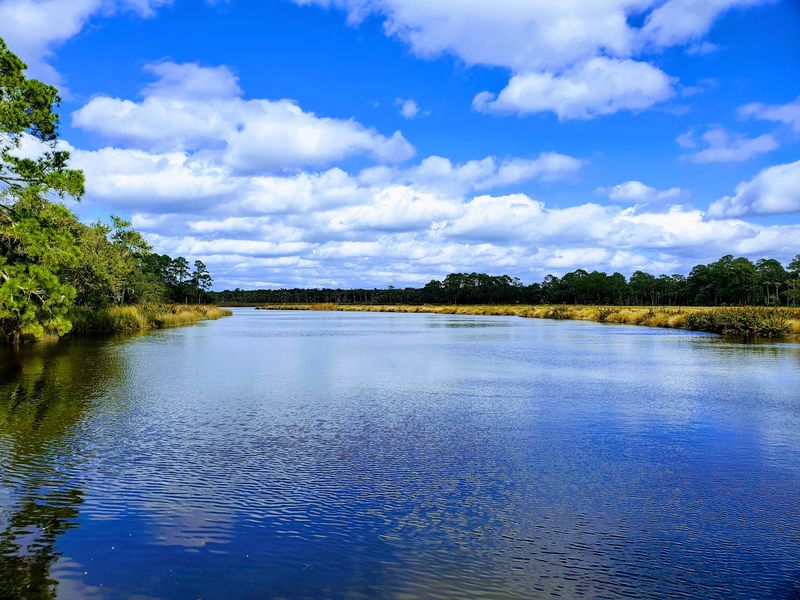
Snook, redfish, and mangrove snapper all swim in these waters. That’s a pretty exciting lineup for a quiet park at the end of a dirt road.
Freshwater fans have choices too. Largemouth bass, bluegill, redbreast sunfish, and channel catfish can turn up on the line.
Some catches look a bit prehistoric. Bowfin, Florida gar, and chain pickerel add a little adventure to any fishing trip.
You can fish from the dock or head out in a boat. The dock works well for families who want an easy, relaxed setup.
Remember to follow Florida fishing rules and licensing requirements. A quick check before your trip saves headaches later.
Patience matters more than fancy gear here. Pack snacks, find a comfy spot, and let the creek set the pace.
Early mornings and late afternoons usually feel cooler and calmer. Just keep the park hours in mind, since gates close at 5 p.m.
Even a slow fishing day comes with a bonus. Birds, breezes, and marsh views make empty hooks way easier to forgive.
Plan Smart Before You Turn Onto Old Kings Road
Timing matters more than usual for this trip. The park opens Thursday through Monday from 9 a.m. to 5 p.m., and it’s closed Tuesdays and Wednesdays.
Showing up midweek means facing a locked gate. Mark your calendar and save yourself a long, dusty U-turn.
Plug 3501 Old Kings Road, Flagler Beach, FL 32136 into your GPS. The park covers 150 acres of woods, ruins, and waterfront.
A small entrance fee is collected on an honor system. Bring some cash, just in case card options aren’t working that day.
Picnic facilities make it easy to stay a while. A screened pavilion is available for reservations, which is handy for family gatherings.
Restrooms are on site too. That little detail matters when you have kids or a long hike ahead.
Beaches and other Florida attractions sit a short drive away. You can easily pair the ruins with an afternoon by the ocean.
Bulow Plantation Ruins Historic State Park rewards anyone willing to take the slow road. Most people skip it, but you’ll know better.