
Most Travelers Rush Through This Arizona Desert Monument And Miss Its 21-Mile One-Way Mountain Loop
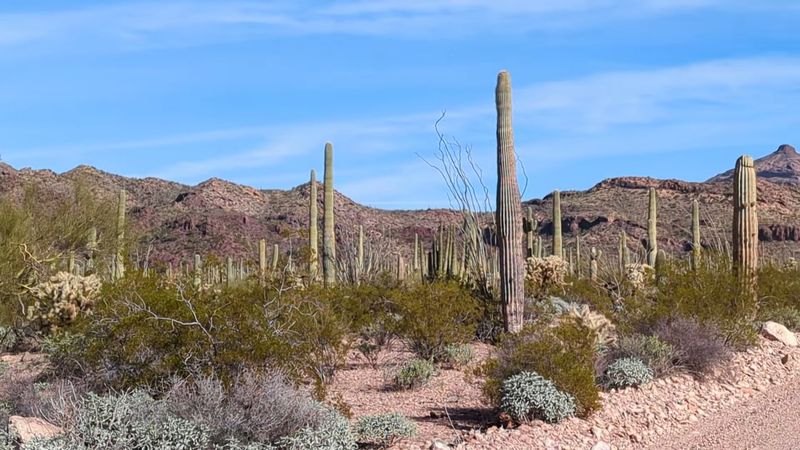
A 21-mile dirt road in southern Arizona turns one-way after its very first mile. Once you commit, there’s no turning back, and honestly, you won’t want to.
That road climbs out of sandy washes and into rugged, rust-colored mountains. Along the way, it passes a cactus that grows naturally in large numbers nowhere else in the United States.
I like how the drive makes you slow down without ever asking twice. The dips and curves set the pace, and the desert scenery fills every quiet gap between the numbered stops.
Plenty of travelers race past the turnoff on the highway, snap a quick photo, and keep rolling toward the border. I honestly can’t imagine skipping the best part of the whole trip, can you?
A Desert Monument Sitting Right Near The Mexican Border
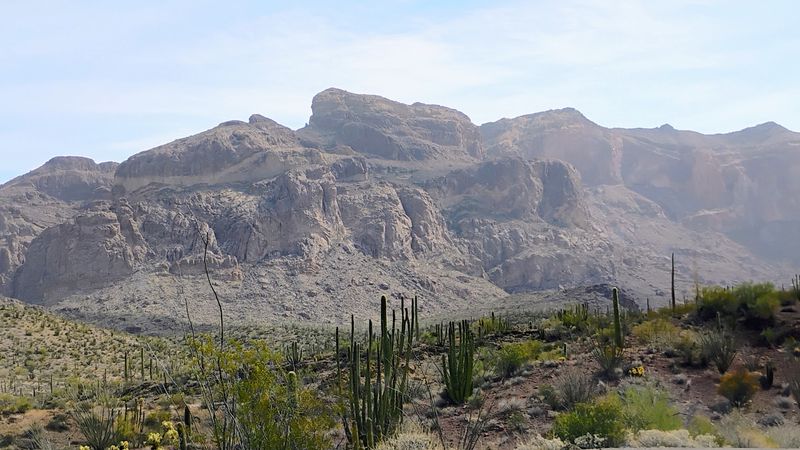
Down in the far southwestern corner of the state sits Organ Pipe Cactus National Monument, a protected slice of the Sonoran Desert. It lies in Pima County, Arizona, roughly five miles north of the international border near Lukeville.
Getting there takes some intention. The visitor center sits about 34 miles south of the small town of Ajo, right along Arizona Highway 85.
Remote is the honest word here. You won’t find shopping strips, fast food, or much traffic once the highway thins out into open desert.
That emptiness is part of the appeal. The land feels wide, quiet, and gloriously uncluttered, with mountains rising on nearly every horizon.
Most people know the monument for its namesake cactus. Fewer realize that its single best introduction is a winding dirt road called the Ajo Mountain Drive.
Park staff and travelers alike also call it the Ajo Mountain Loop. Either name leads to the same rewarding 21 miles through washes, canyons, and mountain foothills.
Think of the monument as a big, sunny classroom for the Sonoran Desert. The loop is the field trip that brings every lesson to life, one bumpy curve at a time.
And yes, the drive alone justifies the long trip south. Everything else is a generous bonus.
How A 1937 Proclamation Saved This Stretch Of Sonoran Desert
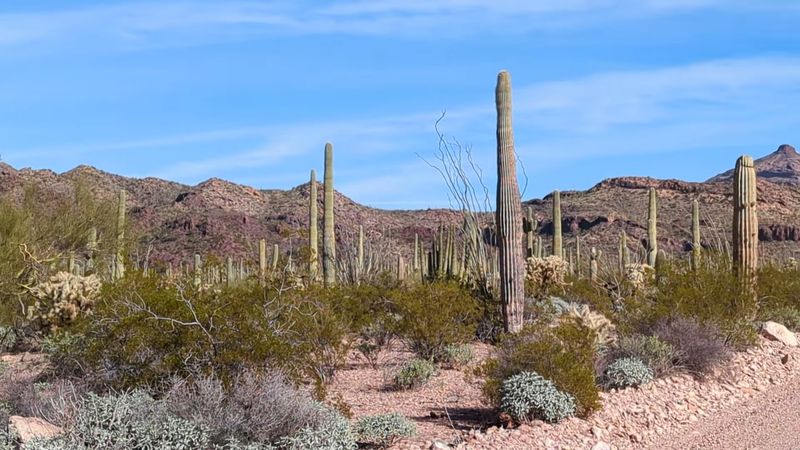
Franklin D. Roosevelt signed a presidential proclamation on April 12, 1937.
With that signature, Organ Pipe Cactus National Monument officially came to be.
The goal was refreshingly simple. Leaders wanted to preserve a pristine example of the Sonoran Desert for future generations to enjoy and study.
Nearly nine decades later, that mission still shows. The landscape looks remarkably wild, with few buildings and plenty of room for plants and animals to thrive.
Global recognition followed, too. The monument is designated an International Biosphere Reserve, a title that highlights its ecological importance well beyond Arizona.
So what makes it so special? The Sonoran Desert here supports plants and animals that you won’t find anywhere else in the United States.
That’s a pretty bold claim for a place many drivers only see through a windshield on Highway 85. The protection effort clearly paid off.
Knowing this history adds weight to every mile of the Ajo Mountain Loop. You’re not just touring scenery; you’re rolling through a carefully guarded natural treasure.
It also explains why rules here matter so much. Staying on the road and leaving plants alone helps keep that 1937 promise intact for the next wave of visitors.
Twenty-One Miles Of Dirt Road With No U-Turns Allowed
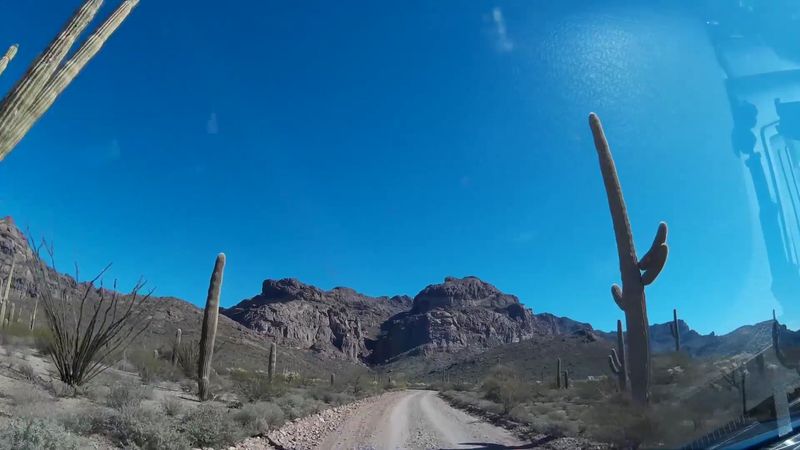
Commitment issues? This road will cure them quickly.
After the first mile, the Ajo Mountain Drive becomes one-way, so you’re signing up for the full loop.
The route covers 21 miles of graded dirt. It starts in desert washes, then climbs steadily into the foothills of the Ajo Mountains.
Plan on about two hours of driving without stops. Realistically, you’ll want much longer once the views start pulling you out of the car.
The road twists and dips constantly. Some travelers find that keeping well below posted speeds makes the ride smoother, safer, and far more scenic.
It’s the most popular scenic drive in the monument for good reason. No other route offers such a complete overview of the landscape in a single afternoon.
The one-way design actually helps. You won’t meet oncoming traffic on narrow curves, which lets you focus on the cacti instead of the shoulder.
Road conditions can change, especially after rain. Checking current alerts with the National Park Service before you go can save you a disappointing surprise.
Once you start, settle in and enjoy the rhythm. The loop rewards patience far more than speed, and that’s exactly the point.
Your Sedan Can Probably Handle It, But Leave The Big Rig Home
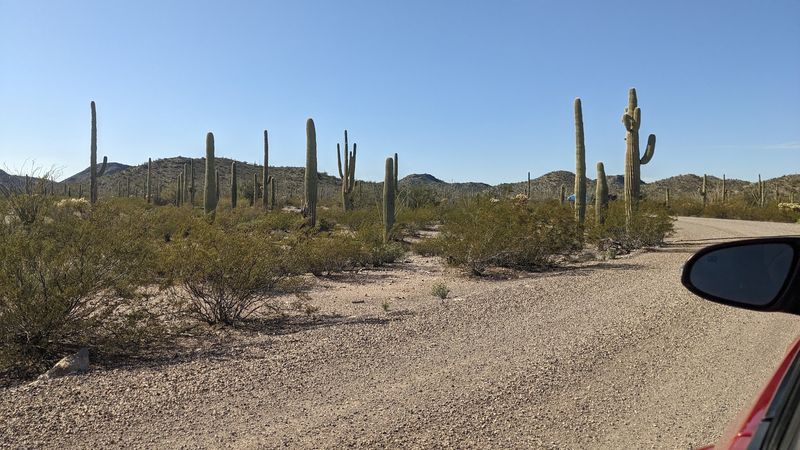
Good news for everyday drivers. Standard passenger cars can usually handle the Ajo Mountain Drive when driven with care.
Big vehicles are a different story. Trailers, buses, and RVs longer than 25 feet are prohibited on the loop.
The reason makes sense once you see the road. Sharp twists, steep dips, and no turnaround points on the one-way sections make long rigs a real problem.
Low points deserve some respect, too. Very low-clearance vehicles may scrape in a few spots, so slow and steady works best.
Got a camper you can’t detach? Leave it at your campsite or a safe parking area before heading out on the loop.
A smaller vehicle also makes stopping easier. Pulling over at numbered stops and picnic areas becomes far simpler without extra length behind you.
Weather plays a role in road quality as well. Summer monsoon storms can damage sections, and repairs sometimes follow afterward.
Rangers at the visitor center are great sources for current conditions. A quick question before you drive can make the whole trip smoother.
Bottom line? Bring the car, not the convoy.
Your suspension and your nerves will both appreciate the decision.
The Cactus That Gave This Whole Place Its Name
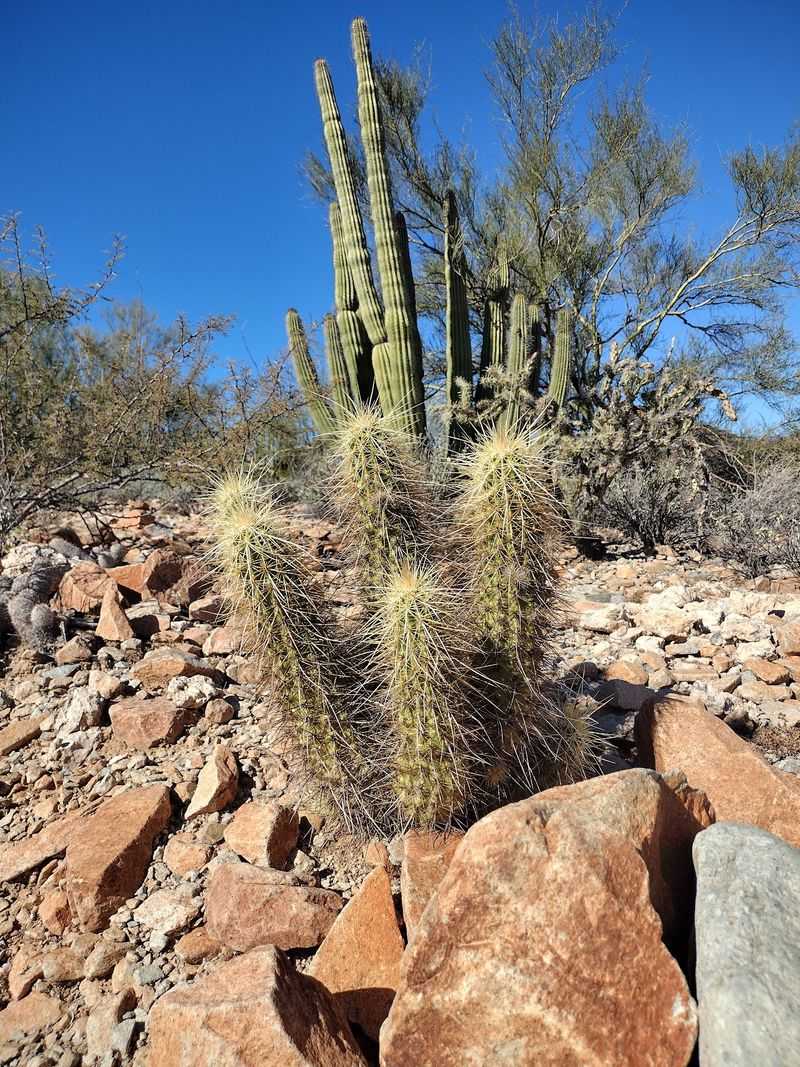
Here’s a fun one for trivia night. Organ Pipe Cactus National Monument is the only place in the United States where organ pipe cacti grow naturally in large numbers.
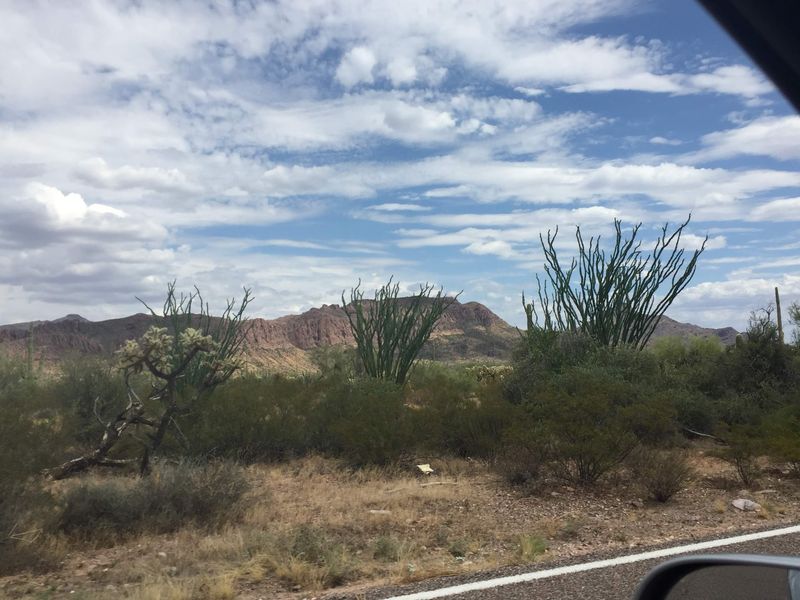
Unlike the single-trunk saguaro, the organ pipe sends multiple stems straight up from its base. The result looks a lot like the pipes of a church organ.
The Ajo Mountain Loop passes large stands of these striking plants. Spotting them becomes something of a game as the road winds through the foothills.
Photographers have plenty to work with here. Clusters of upright arms catch the light beautifully against the rocky slopes and blue sky.
Arizona has saguaros in many places, but organ pipes are a much rarer treat in this country. That alone makes the drive feel a little like a scavenger hunt with guaranteed prizes.
Bringing the free stop guide helps you learn what you’re seeing. It turns casual glances into real appreciation for how these plants survive.
Some visitors even get a taste of desert life through ranger talks. Programs vary, so check what’s offered during your visit.
Either way, these cacti steal the show. You’ll leave knowing exactly why the monument carries their name.
Saguaros, Cholla, And Barrel Cacti Make A Stellar Supporting Cast
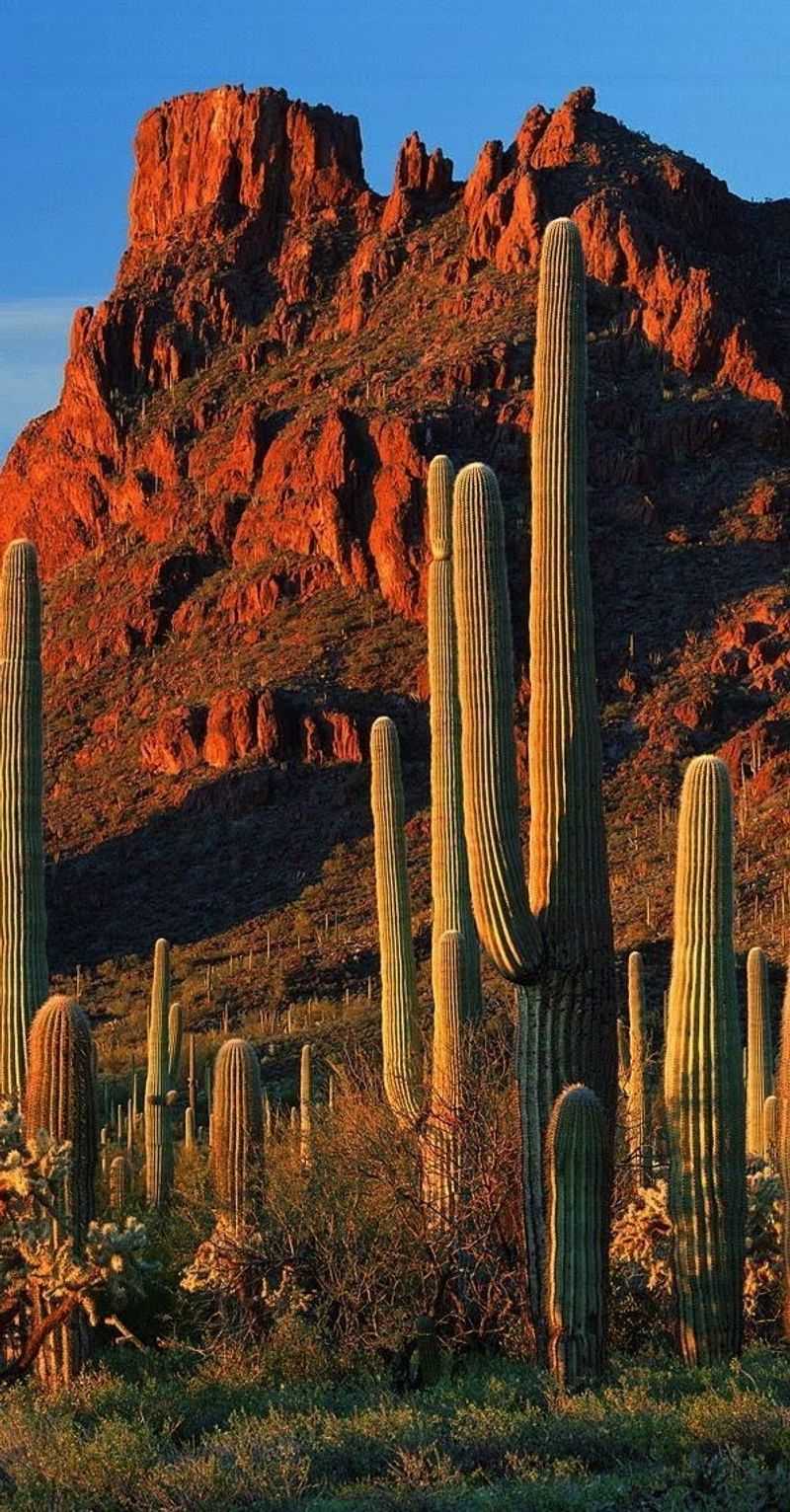
Every headliner needs a solid band. Along the Ajo Mountain Loop, saguaros, cholla, and barrel cacti fill out the lineup beautifully.
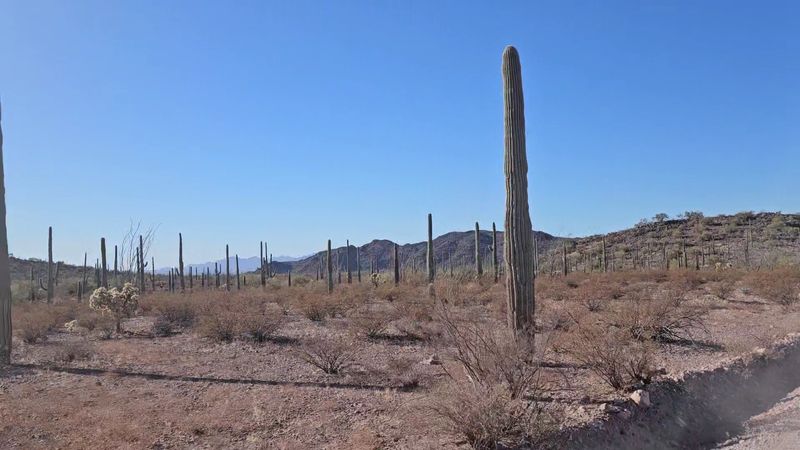
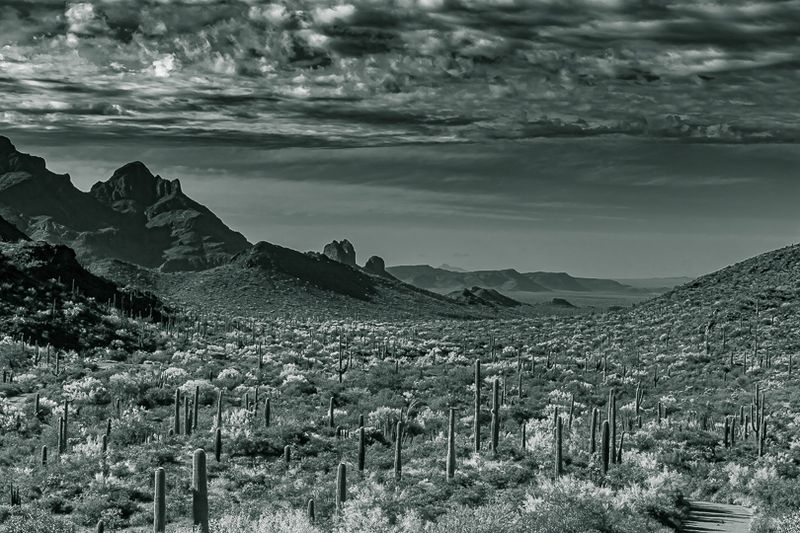
Towering saguaros stand like sentries over the washes. Their mix with the many-armed organ pipes creates a scene you rarely get anywhere else.
Cholla adds a fuzzy, glowing texture, especially when sunlight hits it from behind. Admire it from a distance, though, since those spines are famously clingy.
Barrel cacti keep things low and round. They’re easy to overlook until you start noticing them tucked between rocks along the roadside.
The geology deserves applause as well. Reddish-brown rhyolite gives the Ajo Mountains their warm color and rugged, dramatic profile.
Spring can bring desert flowers into the mix. Bloom timing varies each year, so it’s worth checking with rangers before planning around wildflowers.
This variety is exactly why the loop works so well as an overview. In one afternoon, you see a broad cross-section of Sonoran Desert life.
Camera batteries tend to drain fast out here. Pack a spare, because the plant diversity keeps serving up new compositions around every bend.
A Free Numbered Guide Turns The Drive Into A Rolling Lesson
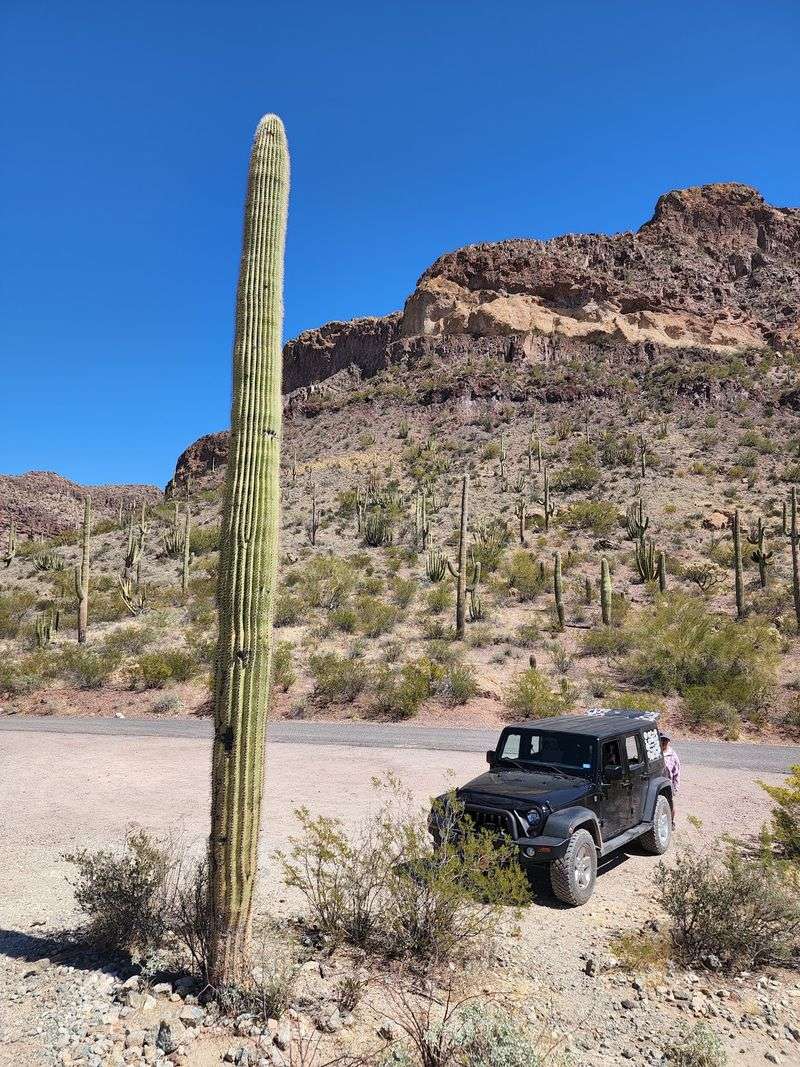
Numbered posts dot the Ajo Mountain Drive. Pair them with the free guide, and suddenly the scenery starts explaining itself.
You can pick up a printed copy at the Kris Eggle Visitor Center. Prefer screens?
A digital version is available through the NPS App or as a PDF download.
Each stop corresponds to an entry in the guide. Plants, landforms, and desert stories come into focus as you move from post to post.
Downloading the digital guide ahead of time is a smart move. Cell signal can be unreliable in remote desert areas, so having it saved helps.
The guide also helps with pacing. Instead of rushing the loop, you’ll naturally pause, read, and look around at each marker.
Kids often enjoy tracking the numbers like checkpoints. It gives the drive a clear sense of progress and a bit of friendly competition.
Adults benefit just as much. Learning why a plant grows in a certain spot makes the next one more interesting.
Honestly, driving the loop without the guide feels like watching a documentary on mute. Grab it first, and every mile carries more meaning.
Pack A Lunch Because The Picnic Stops Are Calling
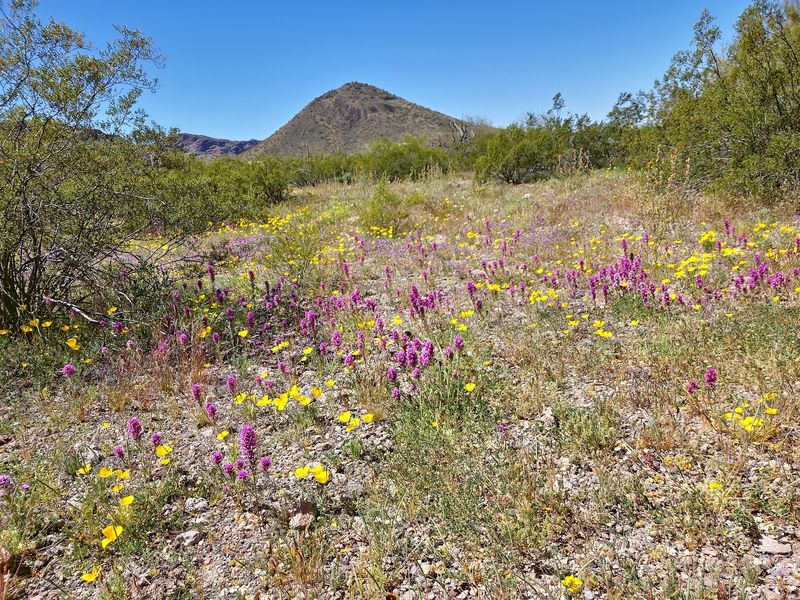
Sandwiches taste better with a mountain view. Luckily, the Ajo Mountain Drive includes four designated picnic sites along its route.
Stop #6 offers a shaded picnic area. In a landscape with few trees, that shade feels like a small luxury.
Estes Canyon, just after Stop #11, provides a ramada and backcountry restrooms. It’s a natural halfway point for stretching your legs and refueling.
Bringing your own food is essential. There are no stores or restaurants on the loop, and options nearby are limited.
Fires aren’t permitted on the drive, so plan a no-cook menu. Wraps, fruit, trail mix, and plenty of cold drinks work perfectly.
Packing out every bit of trash keeps these spots lovely. The desert recovers slowly, and tidy picnic areas make the next visitor’s lunch just as pleasant.
A picnic also changes the whole tone of the drive. What could be a quick sightseeing loop becomes a relaxed, unhurried day outdoors.
So stock the cooler before you leave town. Few lunch spots in Arizona come with saguaros and rugged canyon walls as your dining room decor.
Trailheads That Tempt You Right Out Of The Driver’s Seat
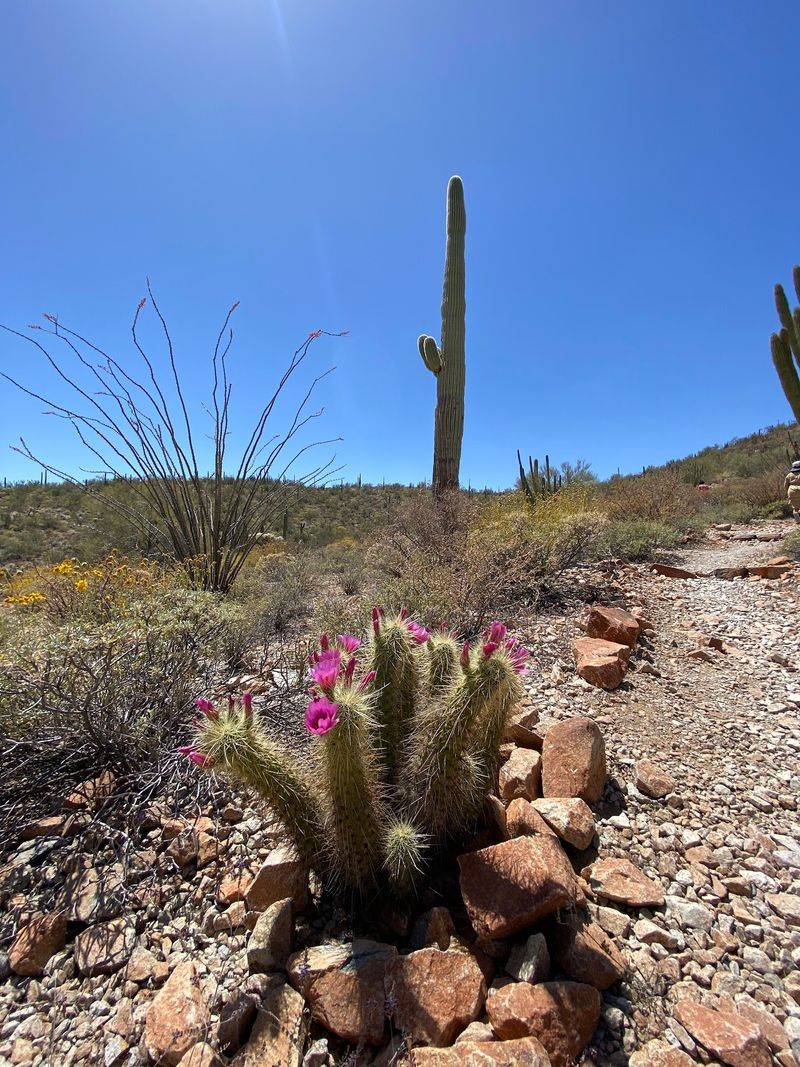
Sitting still gets hard on this loop. Several trailheads branch off the Ajo Mountain Drive, each one practically daring you to lace up your boots.
Arch Canyon Trail leads toward a natural rock arch. Parts of the route can be challenging, so turning back early is perfectly reasonable.
The Estes Canyon and Bull Pasture trails also start along the drive. They head deeper into the mountains for broader views of the surrounding desert.
Old Pima County Road is another option reachable from the loop. Trail choices give hikers different lengths and levels of effort.
Proper gear matters here. Sturdy shoes, sun protection, and lots of water make a big difference on rocky desert paths.
Pets aren’t allowed on trails, though service animals are permitted. Plan accordingly if your four-legged buddy is riding along.
The monument also offers a Hike for Health program. Log enough documented miles, and you can earn a pin as a fun souvenir.
Even a short walk adds texture to the drive. Feeling the gravel underfoot and hearing desert silence up close beats any windshield view.
Make The Visitor Center Your First Stop, Not An Afterthought
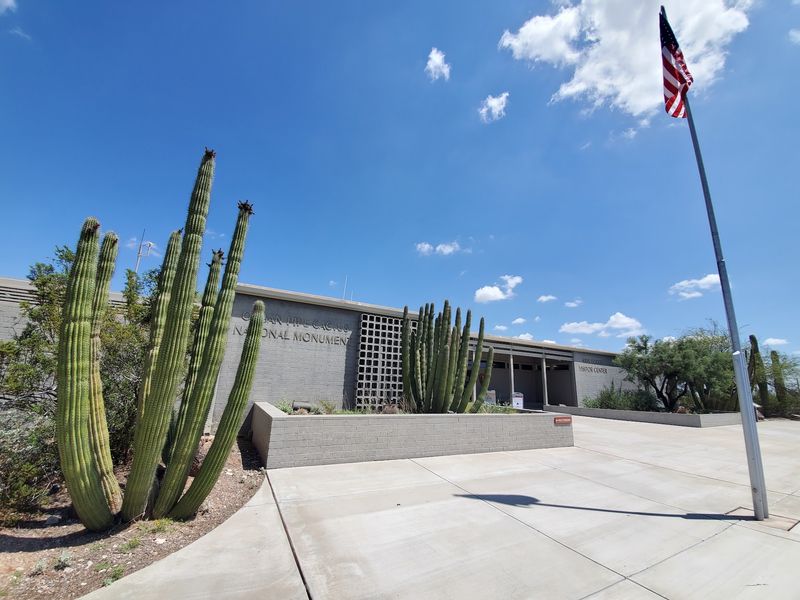
Start smart at the Kris Eggle Visitor Center. It sits at 10 Organ Pipe Dr, Ajo, AZ 85321, near Mile Post 75.2 on Highway 85.
The Ajo Mountain Drive entrance is directly across the highway. That makes the visitor center a convenient launch point for the loop.
Inside, exhibits cover the park and surrounding region. A small museum area and a gift shop round things out nicely.
Outside, a short trail showcases the types of cactus found in the monument. It’s a handy preview before you meet them in the wild.
Rangers and volunteers can share current road conditions and trail tips. Their guidance is especially helpful after storms change the terrain.
Restrooms and a picnic area near the parking lot add convenience. It’s an easy place to regroup before heading into the backcountry.
Hours can vary, so checking the National Park Service site before visiting is wise. Arriving early gives you the most daylight for the drive.
Skipping this stop means skipping valuable context. A few minutes here can transform the loop from pretty scenery into a story you actually understand.
Cooler Months Make This Loop Shine Brightest
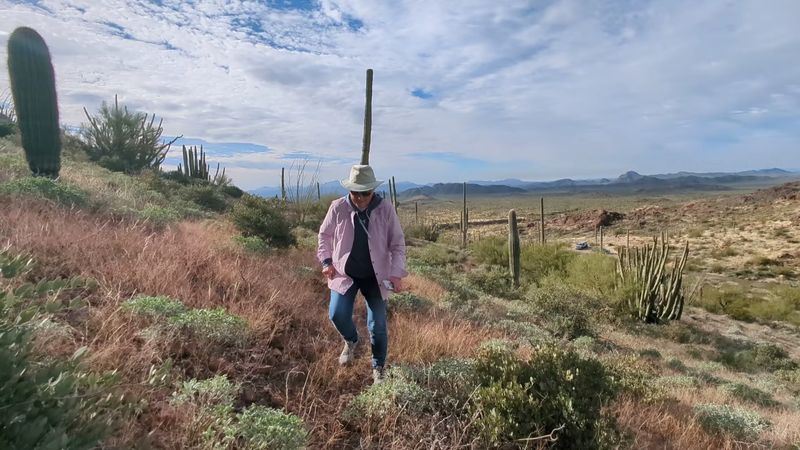
Summer here means business. Temperatures frequently climb above 110 degrees Fahrenheit, which calls for serious planning.
That’s why fall, winter, and spring are so appealing. Milder weather makes long stops, picnics, and short hikes much more comfortable.
Winter highs can feel downright pleasant in southern Arizona. It’s the kind of weather that makes a slow, all-day loop feel easy.
Brave summer travelers do still come. Quieter conditions can make the monument feel almost private, though heat safety becomes non-negotiable.
If you go in warmer months, start early. Morning hours offer gentler temperatures and softer light for photographs.
Monsoon season adds another factor. Storms can damage roads and send water rushing through washes without much warning.
Shade is scarce along the drive. A wide-brimmed hat, sunscreen, and a reliable cooler make every season more enjoyable.
Timing your visit well truly shapes the experience. Pick a comfortable window, and the Ajo Mountain Loop becomes one of the most relaxing scenic drives in the state.
Water, Washes, And A Few Ground Rules Worth Remembering
Water tops the packing list, period. None is available anywhere along the Ajo Mountain Drive, so bring more than you think you need.
Flooded washes demand respect. Never try to cross one, even if it looks shallow from behind the wheel.
Fires and camping aren’t permitted on the drive itself. Keep the loop a daytime adventure and save overnight plans for the campground.
Pets must stay leashed at all times. They aren’t allowed on trails or in the backcountry, while service animals are welcome on trails.
Fuel up before arriving, too. The nearest gas and groceries are back in Ajo, so an empty tank can cause trouble.
Telling someone your plans adds peace of mind. Remote roads reward a little extra preparation before you head out.
Slow speeds also count as a safety measure. Dips and curves arrive quickly, and a relaxed pace keeps everyone comfortable.
None of these rules spoil the fun. They simply help the desert stay wild while making sure your day ends with great stories instead of stress.
Stretch The Day Into Night At Twin Peaks Campground
Why rush home after the loop? Twin Peaks Campground lets you trade highway miles for a desert sunset and starry skies.
Sites are largely level, and many are pull-through. Some come with a saguaro right next door, which is quite the neighbor.
The campground offers water and a dump station but no electric hookups. Solar-equipped campers will feel right at home under all that sunshine.
Generators aren’t part of the scene here. That quiet makes evenings feel calm and wonderfully uncluttered.
Ranger programs sometimes take place at the campground amphitheater. Topics like bats can make an evening surprisingly entertaining.
Night skies are a real highlight. Looking up for owls, bats, and nighthawks becomes its own little adventure after dark.
The short Desert View Trail makes a nice sunset stroll. It’s an easy way to close the day with sweeping desert views.
Staying overnight also sets you up for an early start. The cool morning hours are perfect for tackling the Ajo Mountain Loop before the sun climbs high.
The Turnoff You’ll Be Glad You Didn’t Miss
Plenty of road trips have a single moment that sticks. For many travelers through southern Arizona, that moment waits just across Highway 85 from the visitor center.
Organ Pipe Cactus National Monument packs a lot into one loop. Rare cacti, rugged mountains, picnic spots, and trailheads all line up along 21 winding miles.
The effort is modest compared to the reward. A passenger car, a cooler, a full water supply, and a free guide cover most of what you need.
Value-minded explorers will appreciate the simplicity. There’s no theme park polish here, just honest desert beauty that speaks for itself.
Families, photographers, hikers, and quiet-loving retirees all find something to enjoy. The pace suits anyone who likes discovery more than crowds.
Yes, it’s far from big cities. That distance is exactly what keeps the experience feeling peaceful and special.
So next time Highway 85 carries you south, resist the urge to keep cruising. Turn onto the Ajo Mountain Drive and give the desert a few unhurried hours.
Chances are, you’ll be planning a return trip before the dust settles. Some loops are simply too good to drive only once.