
The Most Unique Tunnel In Georgia Comes With A History Locals Still Talk About
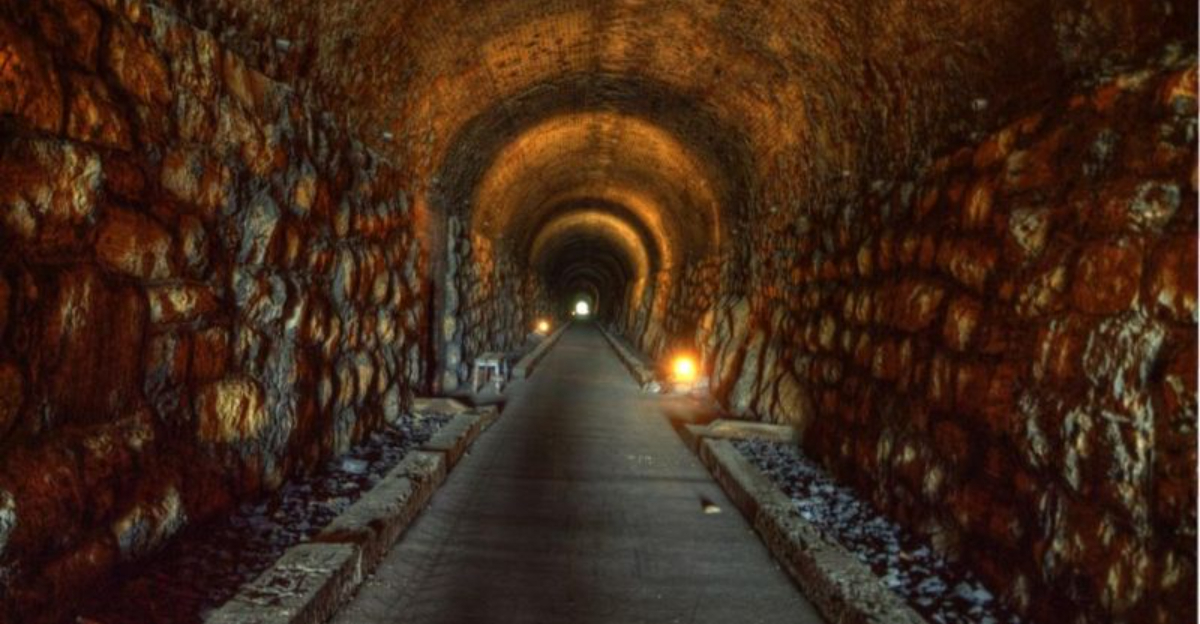
I’ve explored my fair share of landmarks, but Western & Atlantic Railroad Tunnel? It’s different.
Built by slaves and free laborers alike, this engineering marvel once fueled Sherman’s March to the Sea.
Yet, it’s the legends that haunt me most.
They say a soldier’s spirit lingers here, cursed by a love lost to war.
When I ran my hand along the tunnel’s weathered walls, I imagined the sweat and secrets embedded in the rock.
It’s more than a relic-it’s a testament to resilience and tragedy, a place where history doesn’t just live; it breathes.
Visitors often pause in awe, feeling the weight of centuries pressing in from every stone.
At dusk, the tunnel takes on an almost otherworldly glow, making it easy to believe the stories whispered by locals for generations.
The South’s First Major Railroad Tunnel
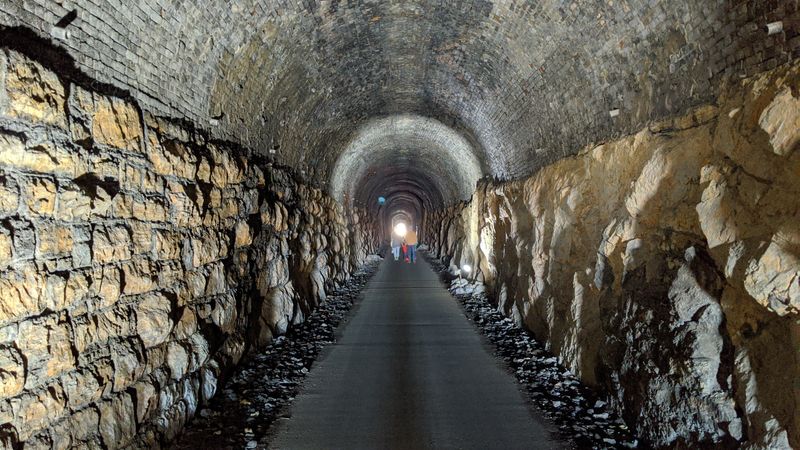
Back in 1850, workers completed something nobody in the South had ever seen before.
The Chetoogeta Mountain Tunnel stretched 1,447 feet through solid rock, connecting Dalton to Ringgold in what seemed like magic at the time.
Engineers tackled this massive project without modern equipment or technology.
Hand tools and black powder were their only weapons against stubborn mountain stone.
Workers chipped away day after day, creating a passage that would change transportation forever.
The tunnel proved that Southern ingenuity could match anything the North had built.
Located at 215 Clisby Austin Dr in Tunnel Hill, this engineering wonder opened new possibilities for trade and travel.
Trains could now move goods and passengers through mountains instead of around them.
The achievement put Georgia on the map as a leader in railroad innovation.
Today, visitors can walk through the same space where history was literally carved into stone.
The Great Locomotive Chase Connection
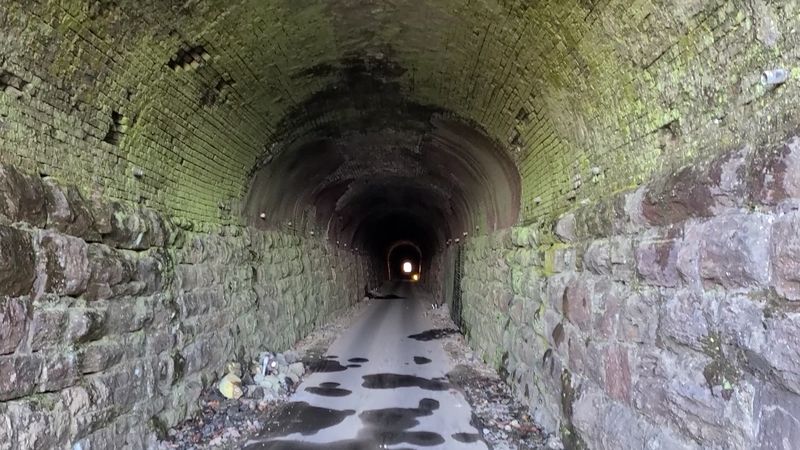
April 12, 1862, brought one of the wildest chases in American history right through this tunnel.
Union soldiers, disguised as civilians, hijacked a locomotive called The General in a daring raid.
Their mission was to destroy Confederate supply lines by wrecking bridges and tracks heading north.
The chase covered 87 miles and included a dramatic dash through the Chetoogeta Mountain Tunnel.
Confederate conductor William Fuller pursued the stolen train on foot, by handcar, and eventually another locomotive.
The raiders never managed to destroy the tunnel despite their best efforts.
This event became known as Andrews’ Raid and inspired countless books and movies.
Standing inside the tunnel today, you can almost hear the thundering wheels and shouting voices.
The story remains so popular that locals retell it with fresh enthusiasm every time.
Guided tours at the site bring this incredible chase to life with fascinating details.
Confederate Field Hospital Underground

Wounded soldiers found refuge in the strangest hospital ward imaginable.
During the Civil War, Confederate forces transformed the tunnel into an emergency medical facility.
The constant cool temperature inside made it ideal for treating injured men during hot Georgia summers.
Doctors performed surgeries by lamplight while trains occasionally rumbled through on urgent military business.
Blood stained the tunnel floor as medical staff worked desperately to save lives.
Hundreds of soldiers received treatment in this underground sanctuary, though many never left.
Some visitors today report feeling an eerie presence, especially during night tours offered at the site.
The tunnel walls absorbed countless stories of pain, courage, and final moments.
Tour guides share these haunting tales, and the atmosphere definitely shifts when you hear them inside.
Walking through, you gain profound respect for everyone who suffered and served here.
General Sherman’s Strategic Headquarters
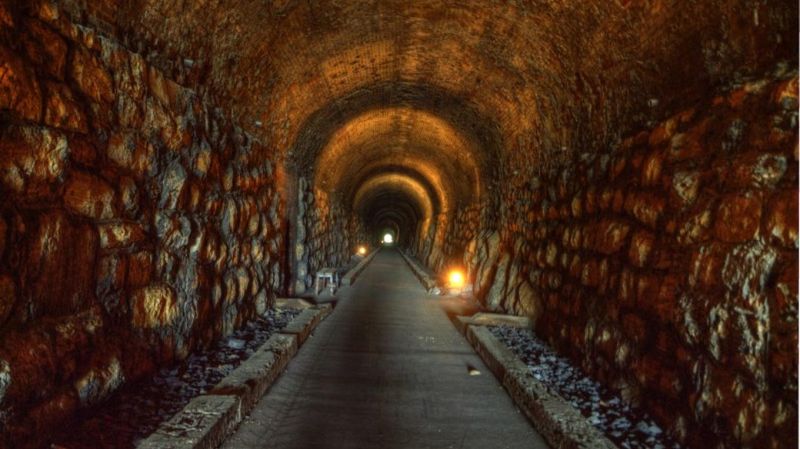
Union General William T. Sherman recognized military gold when he saw it.
During his famous Atlanta Campaign, he established headquarters right at this strategic location.
Controlling the tunnel meant controlling supply lines that fed Confederate armies further south.
Sherman understood that whoever held this passage held tremendous power over regional transportation.
His troops guarded the tunnel fiercely, knowing its value to both sides.
From this position, Sherman coordinated movements that would eventually lead to Atlanta’s fall.
The general himself walked through this very tunnel, planning battles that changed American history.
I remember touching the tunnel wall during my visit and thinking about all the momentous decisions made here.
Maps were studied, orders were given, and destinies were sealed in this mountain passage.
The tunnel witnessed both Confederate desperation and Union determination in equal measure.
Engineering Marvel Of The 1850s
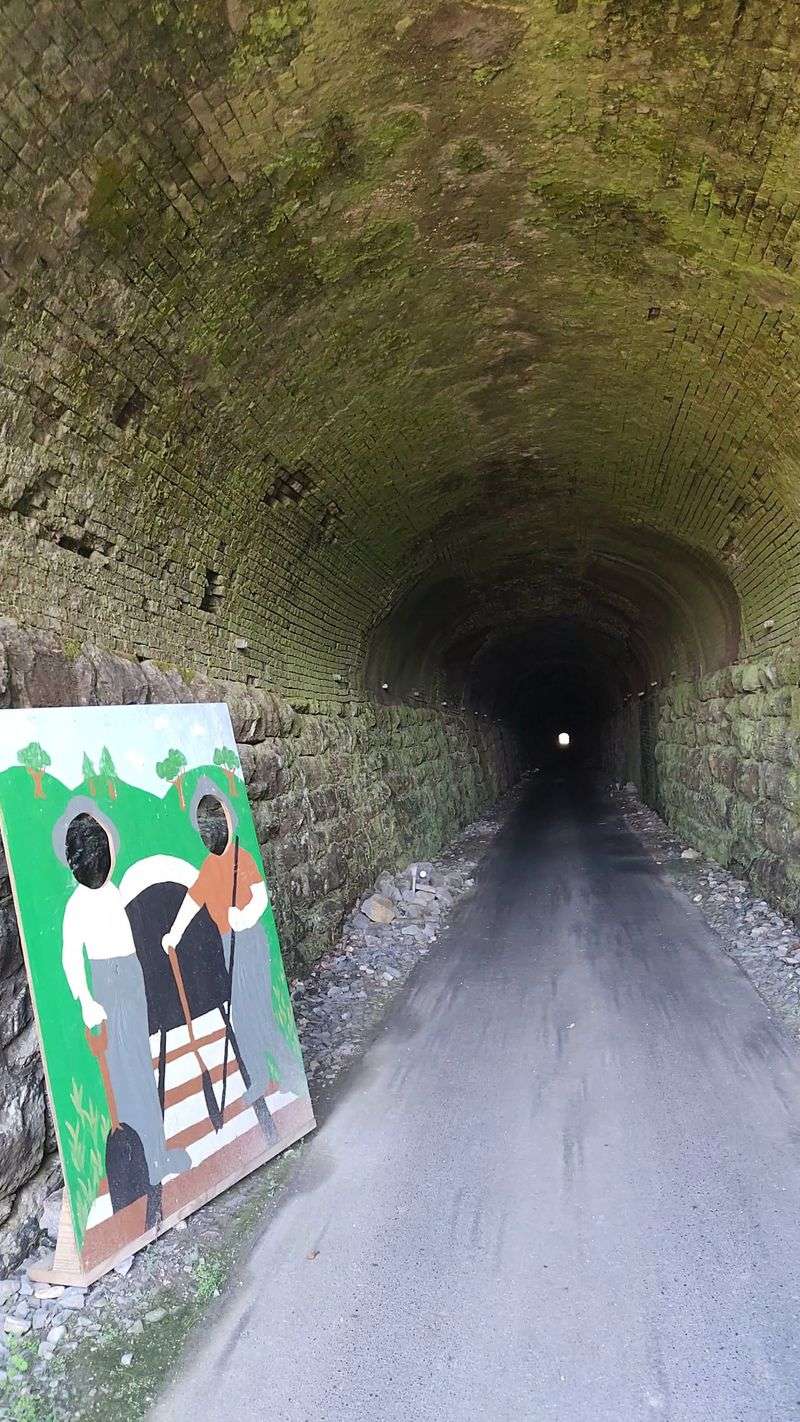
Building a tunnel through solid mountain in 1850 required guts, brains, and backbreaking labor.
Engineers surveyed Chetoogeta Mountain and planned a route that seemed impossible to many observers.
Workers drilled holes by hand, packed them with black powder, and blasted away tons of rock.
The tunnel had to maintain precise grades so trains could actually pass through without stalling.
Ventilation posed serious challenges since workers needed breathable air deep inside the mountain.
Water seepage threatened progress constantly, requiring clever drainage solutions.
Despite these obstacles, construction teams completed the project and proved Southern engineering could accomplish anything.
The tunnel’s arch design distributed weight perfectly, allowing it to stand strong for over 170 years.
Modern engineers still study this structure and marvel at what was achieved with primitive tools.
Visiting today, you can appreciate the precision that went into every carefully placed stone.
The 1928 Replacement And Abandonment
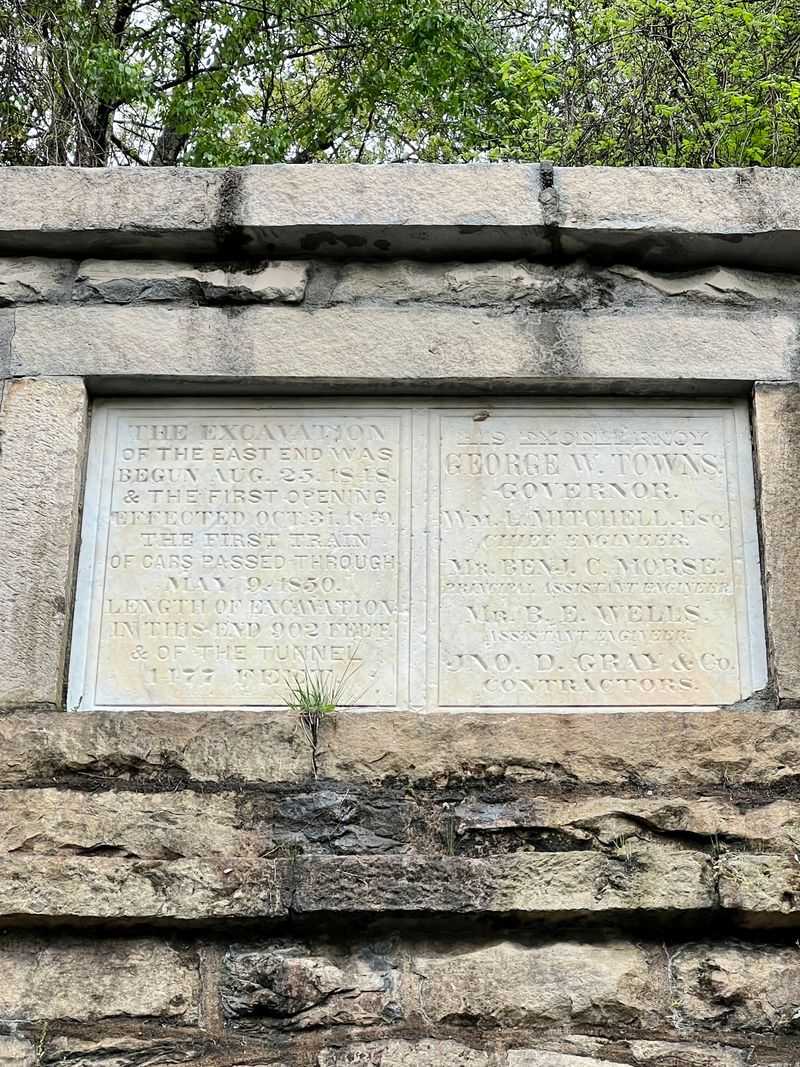
Progress eventually outgrew this historic passage.
By 1928, locomotives had grown too large and rail traffic had increased beyond the original tunnel’s capacity.
Railroad companies made the tough decision to construct a bigger, more modern tunnel nearby.
The old tunnel that had served faithfully for 78 years suddenly became obsolete.
Workers sealed the entrances, and nature began slowly reclaiming the space.
For decades, the tunnel sat forgotten while trains rumbled through its younger neighbor.
Vines crept over the entrance, and local kids whispered spooky stories about the abandoned passage.
The tunnel that once represented cutting-edge technology became a relic gathering dust and mystery.
Historians worried that this important piece of American history might crumble away completely.
Thankfully, preservation efforts would eventually rescue this treasure from permanent obscurity.
Preservation And Reopening In 2000
Saving history sometimes requires vision and determination from everyday people.
In 1992, preservation efforts began to rescue the crumbling tunnel from complete decay.
Local historians, volunteers, and government agencies worked together on this ambitious restoration project.
They cleared debris, stabilized the structure, and made the tunnel safe for public access.
The timing proved perfect because the year 2000 marked the tunnel’s 150th anniversary.
Reopening ceremonies drew crowds eager to walk through this reborn piece of Georgia heritage.
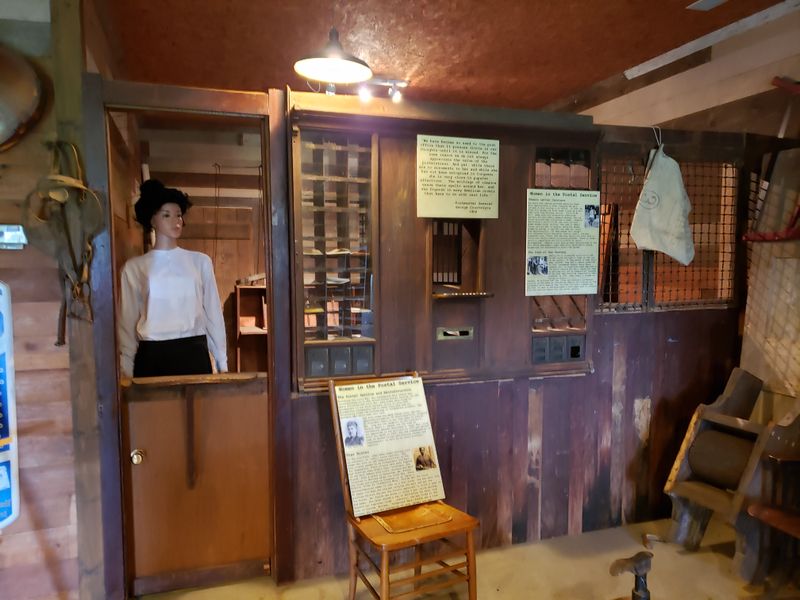
The Tunnel Hill Heritage Center and Museum opened alongside, providing context and education for visitors.
Now rated 4.8 stars with 185 reviews, the site welcomes history enthusiasts from everywhere.
Open Tuesday through Saturday from 10 AM to 4 PM, tours run regularly throughout the day.
Preservation transformed a forgotten ruin into a vibrant educational destination that honors everyone who passed through before.
Guided Tours And Golf Cart Adventures
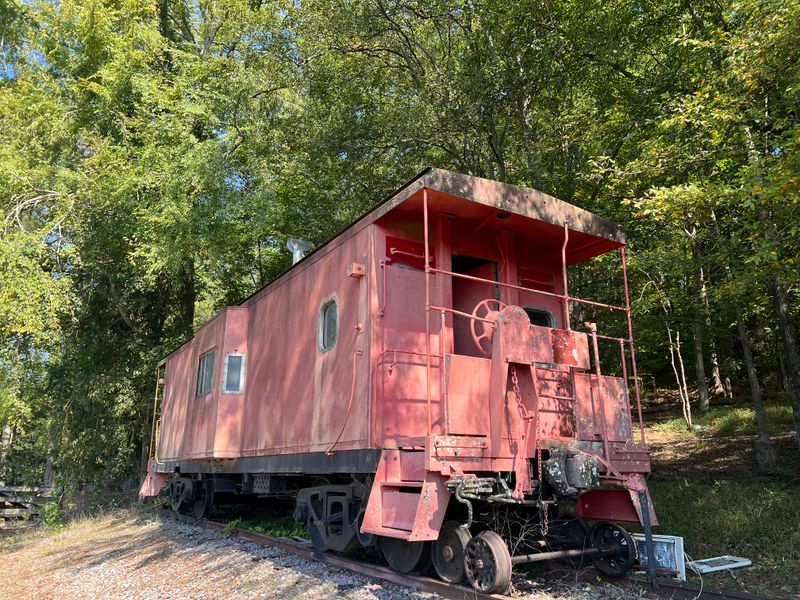
Exploring this historic site offers options for every type of visitor.
Self-guided tours let independent explorers walk through the tunnel at their own pace.
Guided tours, costing around fifteen dollars per person, provide deeper insights with knowledgeable guides.
Golf cart tours take visitors beyond the tunnel to the Clisby Austin House and other historic buildings.
Tour guides like Dave and Gerry receive glowing reviews for their expertise and engaging storytelling.
Most tours run about an hour but often extend longer when guides share extra fascinating details.
Visitors rave about the reasonable prices and the incredible value they receive.
The tunnel stays naturally cool inside, providing welcome relief during hot Georgia summers.
For those with mobility concerns, the guided golf cart option eliminates the long walk through the passage.
Every tour reveals new layers of history that textbooks simply cannot capture adequately.
The Clisby Austin House And General Store
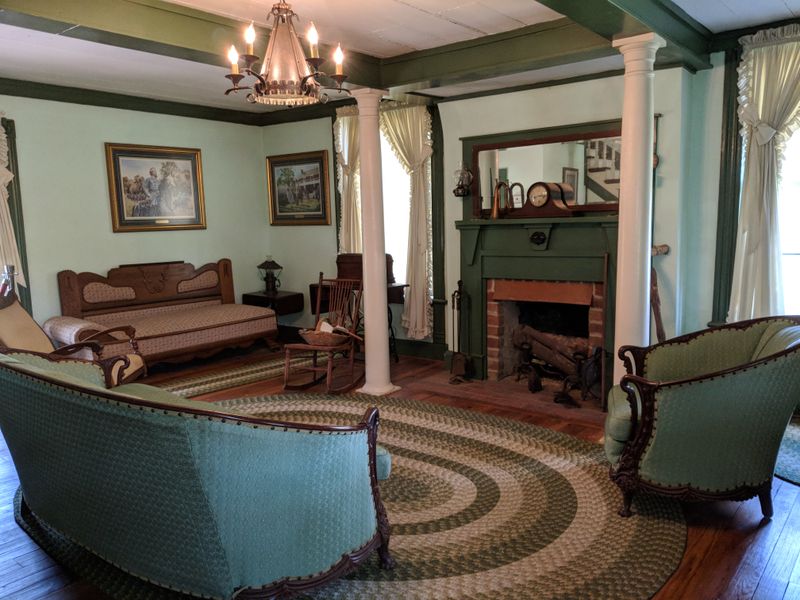
History extends beyond the tunnel to surrounding buildings that tell their own compelling stories.
The Clisby Austin House stands as a testament to civilian life during wartime chaos.
This home witnessed the Great Locomotive Chase firsthand and later served medical purposes during battles.
Visitors can explore the interior and see period furnishings that recreate 1860s domestic life.
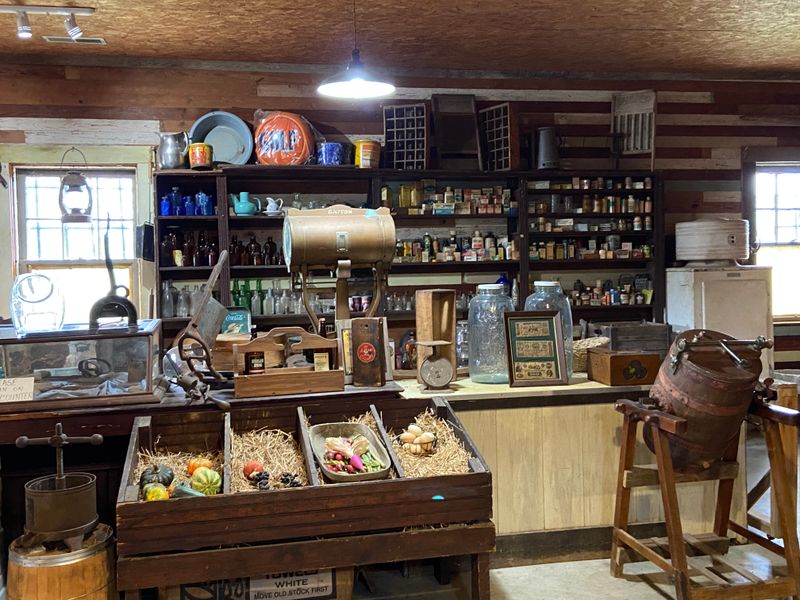
The adjacent General Store offers glimpses into commerce and daily routines from that era.
Shelves display goods that settlers and soldiers would have purchased for survival and comfort.
Tour guides explain how families like the Austins navigated the dangers of living in a war zone.
The buildings help visitors understand that real people with ordinary concerns lived through extraordinary times.
Standing in these rooms, history stops being abstract dates and becomes tangible human experience.
Combined with the tunnel tour, these sites create a complete picture of this remarkable period.
Paranormal Experiences And Night Tours
Some visitors come seeking history, while others hope to encounter something beyond explanation.
The tunnel’s role as a hospital and battlefield location has sparked numerous paranormal reports.
Night tours specifically cater to those interested in ghostly encounters and unexplained phenomena.
Multiple visitors describe feeling presences or experiencing strange sensations inside the dark passage.
One reviewer mentioned definitely feeling the presence of those who passed away in the tunnel.
The combination of tragic history and enclosed darkness creates an atmosphere thick with emotion.
Whether you believe in ghosts or not, the tunnel certainly holds an eerie quality after sunset.
Tour guides share documented experiences and let visitors draw their own conclusions about supernatural activity.
Even skeptics admit the tunnel feels different at night compared to daytime visits.
These special tours add another dimension to understanding how deeply this place affected human lives.
A Living Monument To American History
Few places pack so much American history into such a compact space.
This tunnel represents engineering achievement, military strategy, medical innovation, and preservation dedication all at once.
Families consistently praise it as an excellent educational destination that engages both kids and adults.
Located at 215 Clisby Austin Dr, Tunnel Hill, GA 30755, the site remains accessible and welcoming.
You can call ahead or visit civilwarrailroadtunnel.com for current information and tour schedules.
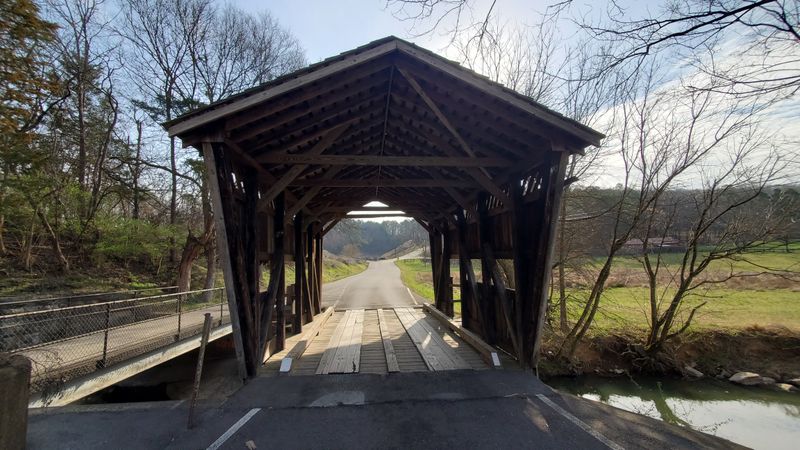
The covered bridge, museum exhibits, and surrounding grounds provide a full afternoon of exploration.
Reviews highlight the friendly staff, reasonable admission prices, and wealth of authentic artifacts on display.
This hidden gem deserves recognition as one of Georgia’s most important historical treasures.
Walking through connects you directly to pivotal moments that shaped the nation’s destiny.
Every visit supports ongoing preservation efforts that will protect this monument for future generations to experience and appreciate.