
Most Visitors Stay On The Pavement At This Arizona Cactus Park And Miss Its Rugged Bajada Loop Drive
More than 200 ancient rock carvings sit on a single hill along a dusty desert road. Some of them may be around 1,550 years old.
Most travelers never see them because they stick to smooth pavement.
The road in question is a 6-mile loop of graded dirt in southern Arizona. It winds through foothills packed with giant saguaros.
You usually don’t even need a high-clearance vehicle to drive it.
I like how this loop rewards a little curiosity with picnic spots, trailheads, and quiet pullouts. It feels like the slower, scrappier sibling of a famous park.
I believe that’s exactly its charm.
There’s one catch right now, though. Storm damage has closed much of the route.
So is it still worth the trip? Let’s look closer.
A Cactus Park With Two Very Different Personalities
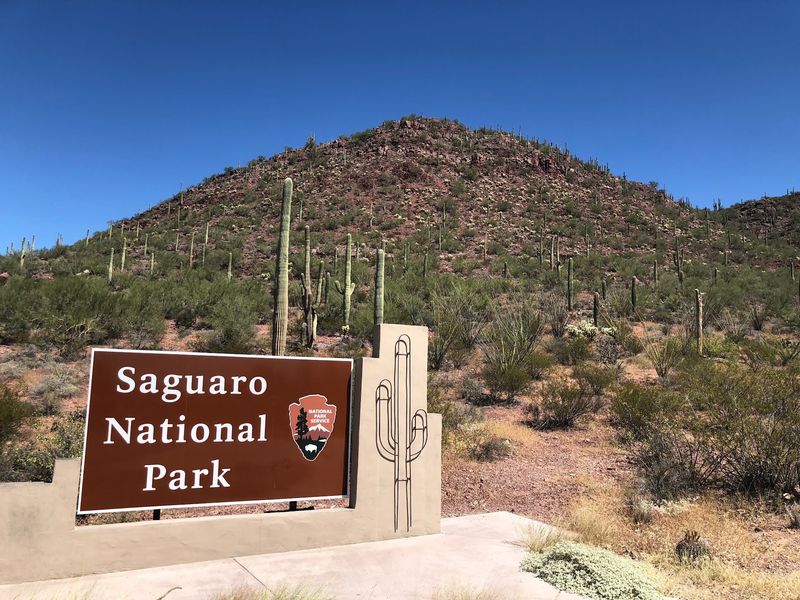
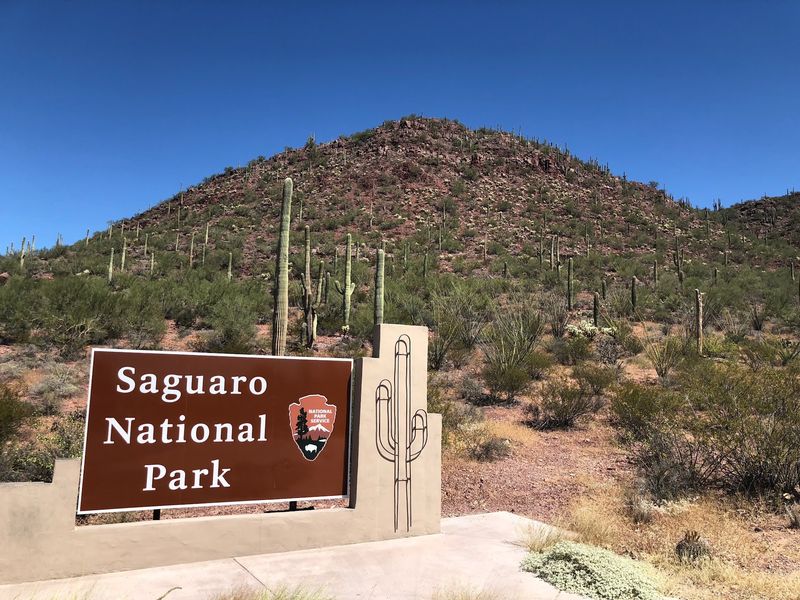
Saguaro National Park actually comes in two pieces, split by the city of Tucson. The Rincon Mountain District sits on the east side, while the Tucson Mountain District holds down the west.
Saguaro National Park West is the half this story cares about. It’s home to the Bajada Loop Drive, a dirt road that many visitors skip without a second thought.
The east side gets plenty of attention for its paved Cactus Forest Loop Drive. That road runs 8 miles one way and stays open from 5:00 AM to 8:30 PM.
It’s smooth, easy, and lovely, no argument there.
The west side feels rougher around the edges. Its main scenic drive is unpaved, which scares off some drivers who picture rocky ruts and spinning tires.
Under normal conditions, the reality is far gentler than the reputation.
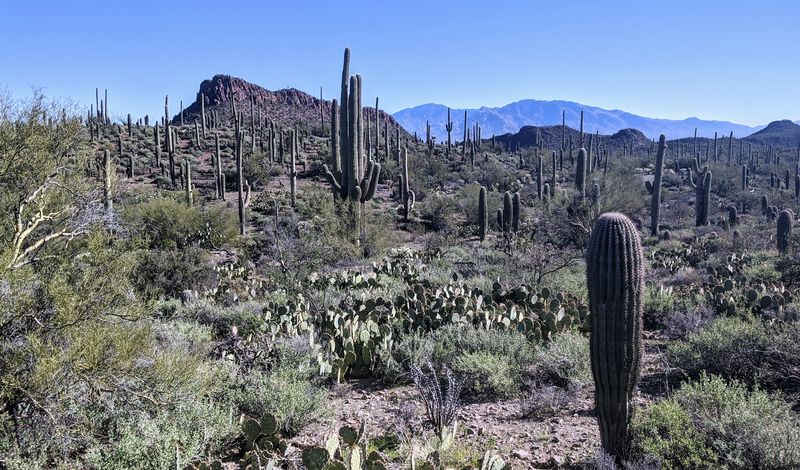
Both districts protect the giant saguaro, a cactus native to the Sonoran Desert. Each one offers trails, viewpoints, and that unmistakable Arizona scenery of arms reaching skyward.
So think of the park as two siblings with different styles. One is polished and paved.
The other wears dusty boots and hides its best stories down a gravel road. Guess which one we’re exploring today?
How A Presidential Signature Saved A Forest Of Giants
March 1, 1933, is a big date for anyone who loves tall cacti. President Herbert Hoover created Saguaro National Monument that day to protect saguaro forests in the Rincon Mountains.
The western section came later. In 1961, President John F.
Kennedy added the Tucson Mountain District to the monument.
Then came the upgrade everyone remembers. Congress made the area a full national park in 1994.
That’s a long road from monument to park, and the cacti waited patiently the whole time.
The story of this land goes back much further than any signature, though. Indigenous cultures lived here long before roads or rangers.
The Hohokam people called the region home between roughly 200 and 1450 CE.
Their presence still shows up in the West District today. You’ll see proof later in this article, carved right into the rocks.
The Civilian Conservation Corps also left a mark on the park. Crews helped build the original Cactus Forest Loop Drive over on the east side.
Knowing this history changes how the drive feels. Every bend of the Bajada Loop passes through land with layers of human stories.
It’s hard to look at a saguaro the same way after that.
Six Miles Of Dirt That Sound Scarier Than They Are
Dirt road. Those two words send plenty of drivers straight back to the pavement.
That’s a shame, because the Bajada Loop Drive is usually friendlier than it sounds.
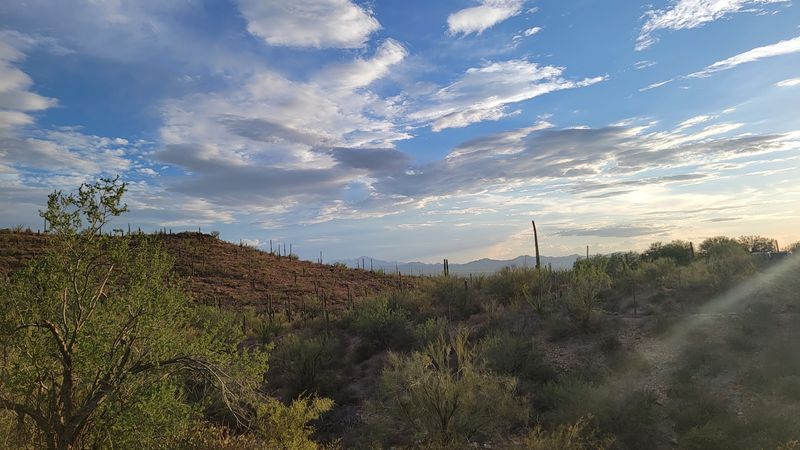
The loop covers about 6 miles of graded dirt. It winds through the foothills of the Tucson Mountain District, right among the saguaros.
Under normal conditions, a high-clearance or four-wheel-drive vehicle generally isn’t required. A regular car can typically handle it with slow, careful driving.
Your sedan may get dusty, but it should survive just fine.
The name itself tells you something about the land. A bajada is the sloping apron of ground at the base of desert mountains.
The road follows that terrain, so the views shift as you roll along.
Bicycles are allowed on the loop, too. Riders get the same scenery with a lot more breathing time to enjoy it.
The pace here is the whole point. Gravel naturally slows you down, and slowing down means noticing more cacti, more ridgelines, and more quiet.
A paved road lets you zip through. This one asks you to stay awhile, and honestly, that’s a pretty good deal.
The Storm Damage Detail You Need Before Leaving Home
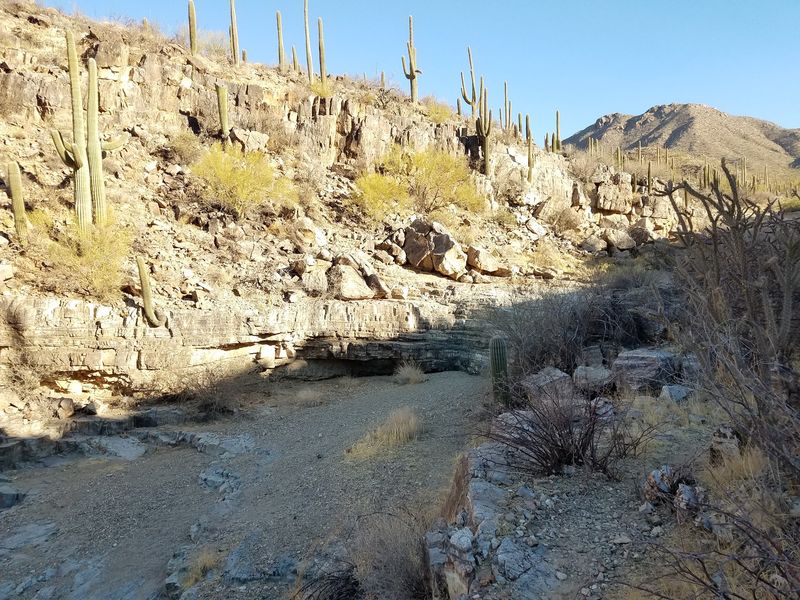
Bad news first, then the good stuff. Much of the Bajada Loop Drive is currently closed because of storm damage.
Hohokam Road, which forms part of the loop, is open only as far as the Sus Picnic Area. Beyond that point, the route is off-limits for now.
That’s a real bummer for anyone dreaming of the full circle. Still, a partial drive is far better than none.
Sus Picnic Area makes a pleasant stop for lunch with a view of the desert.
The Red Hills Visitor Center remains open during the closures. Many trails in Saguaro National Park West are also still accessible.
Closures like this can change, so checking current park alerts before you head out makes sense. Conditions in the desert shift quickly after heavy rain.
The park can also close sections during emergency conditions at any time of year. A quick check could save you a disappointing turnaround on a gravel road.
Think of it as part of the adventure. Plan for the open stretch, pack a backup trail, and keep an eye on updates.
When the full loop reopens, you’ll already know exactly why it’s worth the dust.
Ancient Artists Left Their Mark At Signal Hill
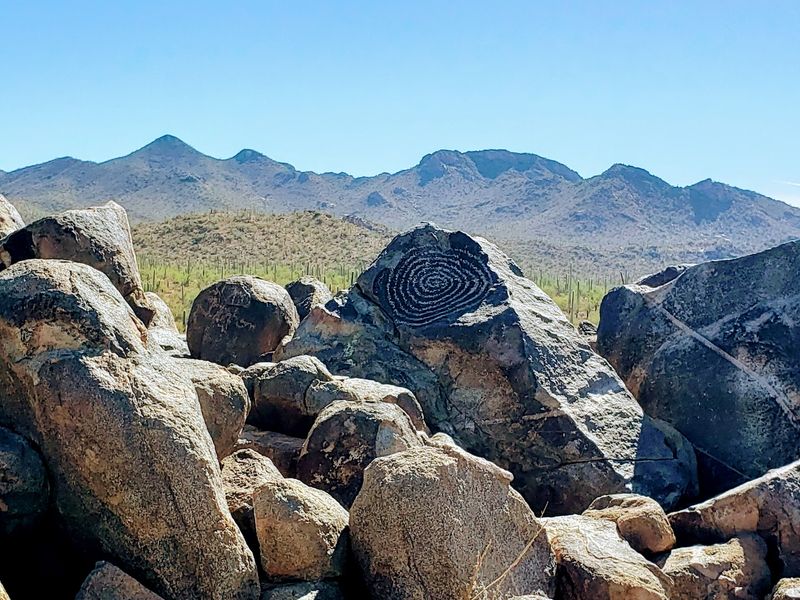
Over 200 rock carvings cover the boulders at Signal Hill. It holds the title of the largest petroglyph site in Saguaro National Park.
Some of these images may be up to 1,550 years old. That makes them older than most buildings you’ve ever stood beside.
The carvings were left by ancient Native American people who lived in this desert. The Hohokam made this region home for centuries.
Their artwork has outlasted every storm and summer since.
Signal Hill also works as a picnic area along the Bajada Loop. So you can pair a sandwich with a look at ancient art, which beats most lunch breaks.
Treat the site with care when you visit. Touching petroglyphs can harm them, and they’ve survived a remarkably long time already.
Here’s the catch worth remembering. Signal Hill sits on the loop, and much of the drive is currently closed from storm damage.
Check access before planning your day around it.
Once the road is fully open again, this stop alone could justify skipping the pavement. Few spots in Arizona let you see this much history in one short walk.
Picnic Tables With Some Seriously Prickly Neighbors
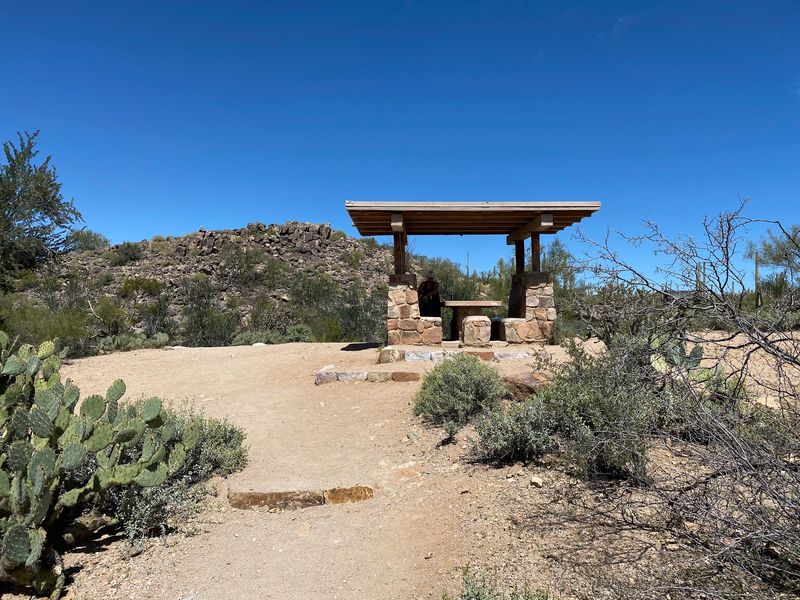
Lunch tastes better with a saguaro looming nearby. The Bajada Loop offers several picnic spots, each with its own slice of desert scenery.
Sus Picnic Area, Signal Hill Picnic Area, and Ez-Kim-In-Zin Picnic Area all sit along the drive. Right now, Sus is the one reachable by car on Hohokam Road.
Picnic areas in the park often include picnic tables, grills, waterless toilets, and trash cans. That covers the basics for a simple, budget-friendly outing.
No fancy reservations or dining tabs needed. Pack your own food, grab a table, and enjoy one of the most affordable lunches with a view in Arizona.
Bring plenty of water, though, since the desert takes it seriously. Shade can be limited, and the sun works overtime even in cooler months.
Families tend to find these spots handy as a halfway pause. Kids can stretch their legs while grown-ups refuel.
Carry out what you can, and use the trash cans when available. Keeping these spots clean helps protect the wildlife roaming nearby.
After all, the javelinas don’t need your chip crumbs, no matter how hopeful they look.
Trails That Turn A Drive Into A Real Adventure
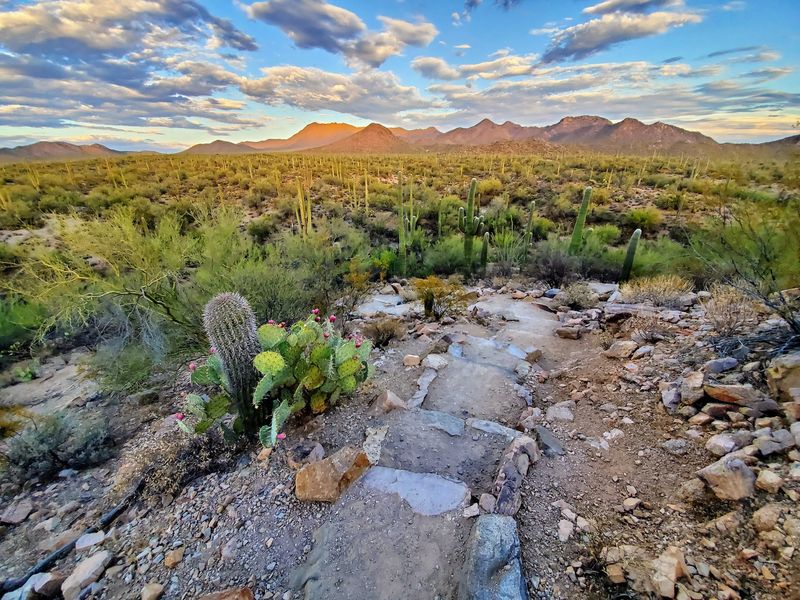
Got hiking shoes? The park counts about 165 miles of trails across both districts.
That leaves plenty of room to wander.
The routes range from easy strolls to tough climbs. So everyone from casual walkers to serious hikers can find something fitting.
In the West District, the Desert Discovery Trail is one well-known option. It’s a friendly introduction to the plants and landscape of the Sonoran Desert.
The Valley View Overlook Trail is another West District favorite name. As the title suggests, it leads toward wide views of the desert valley below.
Many trailheads connect to the Bajada Loop Drive. With parts of the loop closed, some access may be limited for now.
Still, many trails remain open during the closure.
Timing matters a lot here. Desert hikes feel best in the cooler months, and early mornings help any time of year.
Summer heat in southern Arizona is no joke.
Carry more water than you think you’ll need. Wear sun protection and sturdy shoes, too.
The cacti are beautiful, but brushing against cholla is the kind of souvenir nobody wants to bring home.
Roadrunners, Gila Monsters, And A Whole Cast Of Desert Characters
Beep beep is optional, but roadrunners really do live here. They’re just one part of the lively cast in Saguaro National Park.
Javelinas, bobcats, and Gila monsters also call the park home. Spotting any of them depends on luck, timing, and patience.
The plants deserve just as much attention. More than 25 cactus species grow in the park, beyond the famous saguaros.
Prickly pear spreads its flat pads across the ground. Barrel cacti sit stout and round.
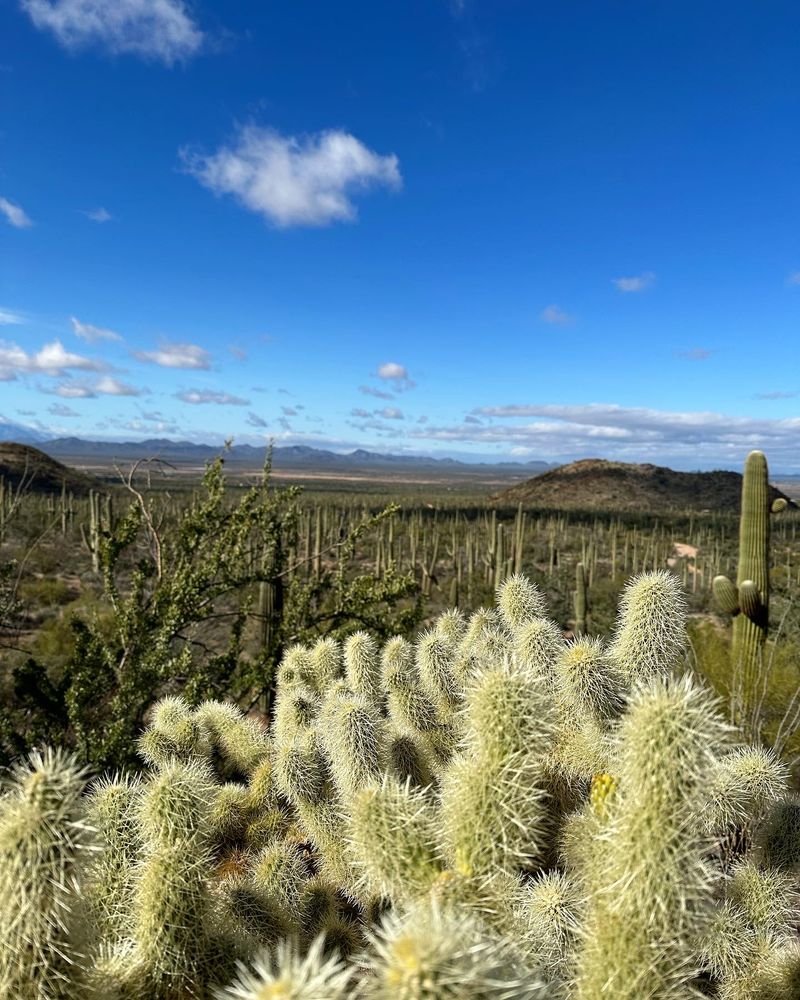
Cholla bristles with spines that look almost fuzzy from afar, which is a clever disguise.
The saguaro remains the headliner, of course. Protecting these giant cacti is the main reason the park exists at all.
A slow dirt road is great for wildlife watching. You naturally drive at a gentler pace, giving you time to scan the brush.
Keep your distance from any animals you see. Gila monsters especially deserve respect and space.
Binoculars can help you enjoy the view without crowding anyone. Honestly, a roadrunner darting across the gravel might be the best free show in Tucson.
When The Sun Goes Down, The Sky Takes Over
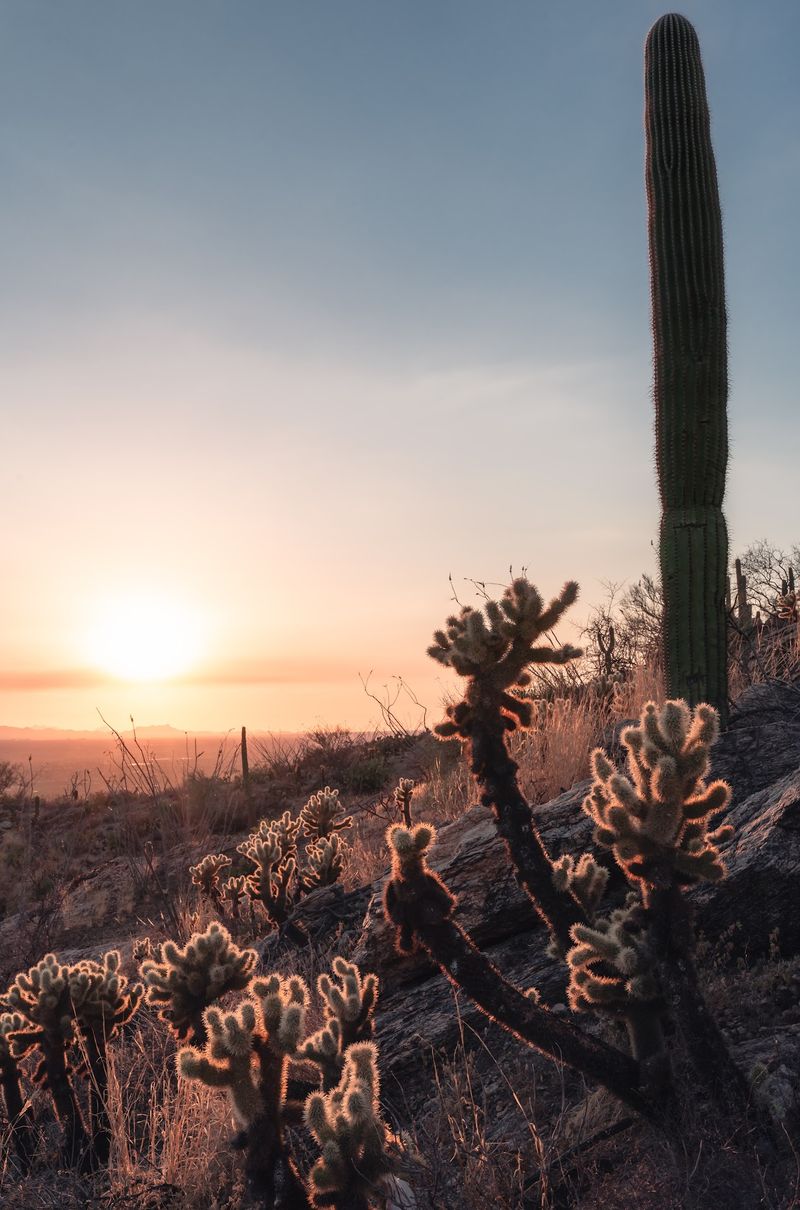
Only 16 places worldwide have earned the Urban Night Sky Place designation. Saguaro National Park is one of them.
That’s impressive for a park sitting right next to a city. It means the stars still get their moment, even with Tucson glowing nearby.
Saguaro silhouettes against a starry sky make a classic Arizona scene. Few desert views feel quite so magical.
Timing takes some planning, though. The Bajada Loop Drive runs from dawn to dusk, with exact times shifting by season.
So driving the loop after dark isn’t an option.
The park is accessible for walking or biking around the clock. Just stay aware of rules, closures, and your own safety in the dark.
Summer evenings bring welcome relief from daytime heat. That makes stargazing an easy way to enjoy the desert during the hottest months.
Bring a red flashlight to protect your night vision. A blanket or folding chair makes the wait more comfortable, too.
Then just look up. With a little patience, the sky starts filling in, and suddenly the gravel road earlier that day feels like the opening act.
Your First Stop Should Be The Red Hills Visitor Center
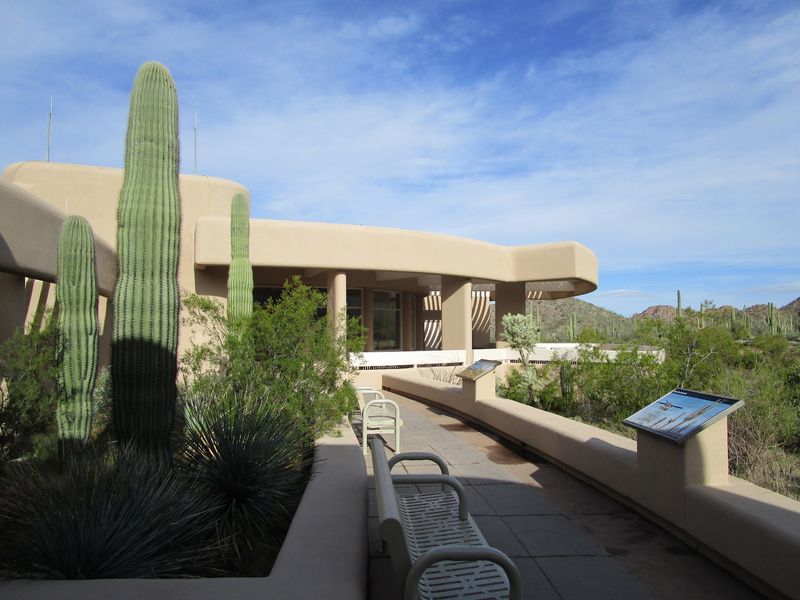
Smart trips start with good intel. The Red Hills Visitor Center serves Saguaro National Park West and stays open despite the loop closures.
You’ll find it at 2700 N Kinney Rd, Tucson, AZ 85743. It’s an easy place to get your bearings before heading into the desert.
Hours change with the seasons. From October 1 to May 31, it’s open daily from 9:00 AM to 5:00 PM.
From June 1 to September 30, the schedule shifts earlier. Doors open at 8:00 AM and close at 4:00 PM, which makes sense given summer heat.
The park itself is open every day except Thanksgiving and Christmas Day. Emergency conditions can close certain areas, though.
Stopping here helps you plan around the current storm damage. You can learn which roads and trails are open before burning fuel on a dead end.
The Desert Discovery Trail is also in the West District, so it pairs nicely with a visitor center stop. Grab your info, stretch your legs, and then decide how far you want to roam.
It’s a simple start that sets up a much smoother day.
Neighbors Worth Adding To Your Day Trip
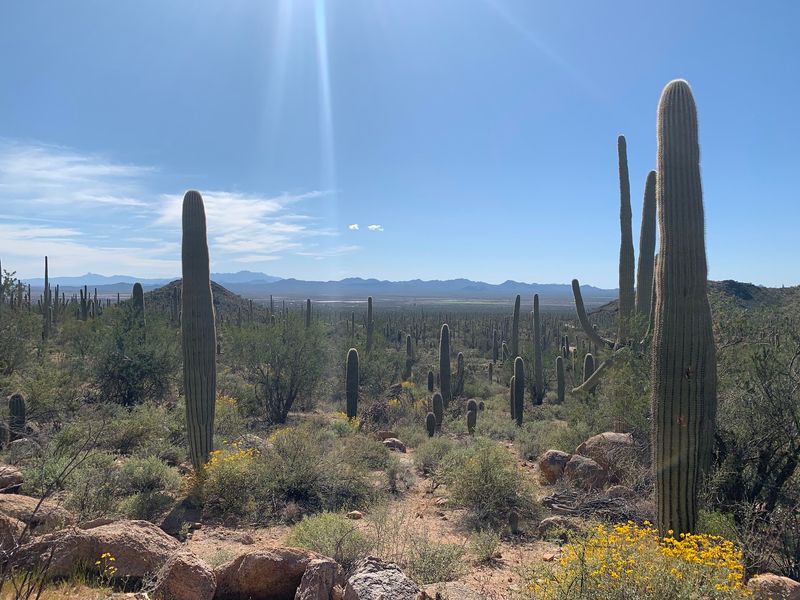
One stop rarely satisfies a curious traveler. Luckily, Saguaro National Park West has some notable neighbors nearby.
The Arizona-Sonora Desert Museum sits very close to the West District. It combines a zoo, botanical garden, and natural history museum in one place.
That makes it a natural pairing with a park visit. You can learn about desert plants and animals, then go spot them in the wild.
Old Tucson is also nearby. The western-themed attraction leans into the cowboy movie side of southern Arizona.
Stacking these stops can turn one drive into a full day. It’s an efficient plan for anyone traveling from Phoenix or beyond.
Hours and admission vary at each attraction, so check before going. Planning ahead keeps the day relaxed instead of rushed.
The Tucson Mountain District area rewards slow exploring. Kinney Road connects much of the action, so you won’t spend half your day backtracking.
Mix in a picnic at Sus, a short trail, and a museum stop. That’s a well-rounded desert outing without any fancy price tag attached to the park side.
Why The Gravel Road Still Deserves A Spot On Your List
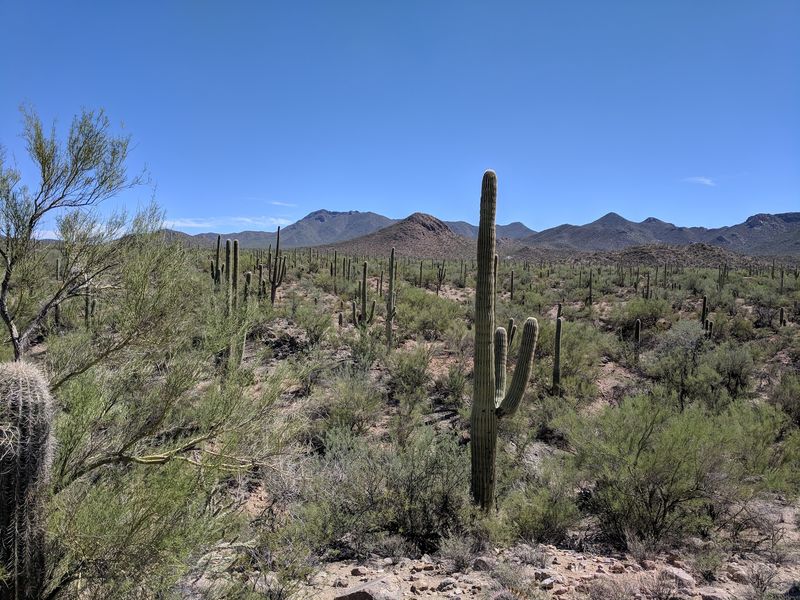
Pavement is easy. Easy isn’t always memorable, though, and that’s where the Bajada Loop Drive quietly wins.
Six miles of graded dirt lead past saguaros, picnic spots, trailheads, and centuries-old petroglyphs. Most visitors simply never make the turn.
Right now, storm damage limits the experience. Hohokam Road reaches only Sus Picnic Area, and much of the loop remains closed.
That makes this the perfect time to plan, not cancel. Visit the Red Hills Visitor Center, hike an open trail, and enjoy the partial drive.
Saguaro National Park West suits families, hikers, cyclists, and anyone who loves slow travel. It also fits a budget-minded Arizona day trip, especially with a packed lunch.
Cooler months tend to bring the most comfortable visits. Summer works too with early starts, extra water, and evening stargazing.
When the full loop reopens, Signal Hill and its ancient carvings will be waiting. So will the quiet bends of road that most drivers skip.
A little dust on your tires feels like a fair trade for that kind of scenery, wouldn’t you agree?