
Most Visitors Wander This Free Arizona Ruin Alone And Miss What Its Moon-Tracking Walls Reveal
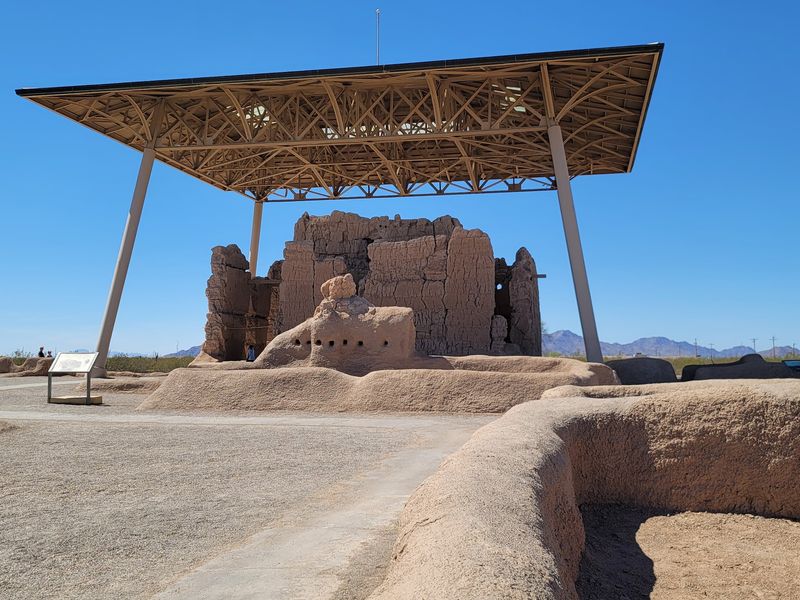
One small hole in an old adobe wall lines up with the setting moon only once every 18.6 years. Somebody planned that.
They planned it centuries ago, using desert soil, sharp eyes, and a whole lot of patience.
The building holding that hole stands four stories tall in the Arizona desert. Other openings in its walls mark the solstices and the equinoxes.
In other words, the walls kept a calendar long before anyone printed one.
I like how quiet the place feels about all this. You could stroll past those openings and never guess what they tracked.
That is exactly why I believe the free ranger walk beats wandering solo.
A ranger can point at a gap in the wall and turn it into a story about sun, moon, and farming. Admission costs nothing, too.
So why go it alone?
A Four-Story Calendar Rising From The Desert Floor
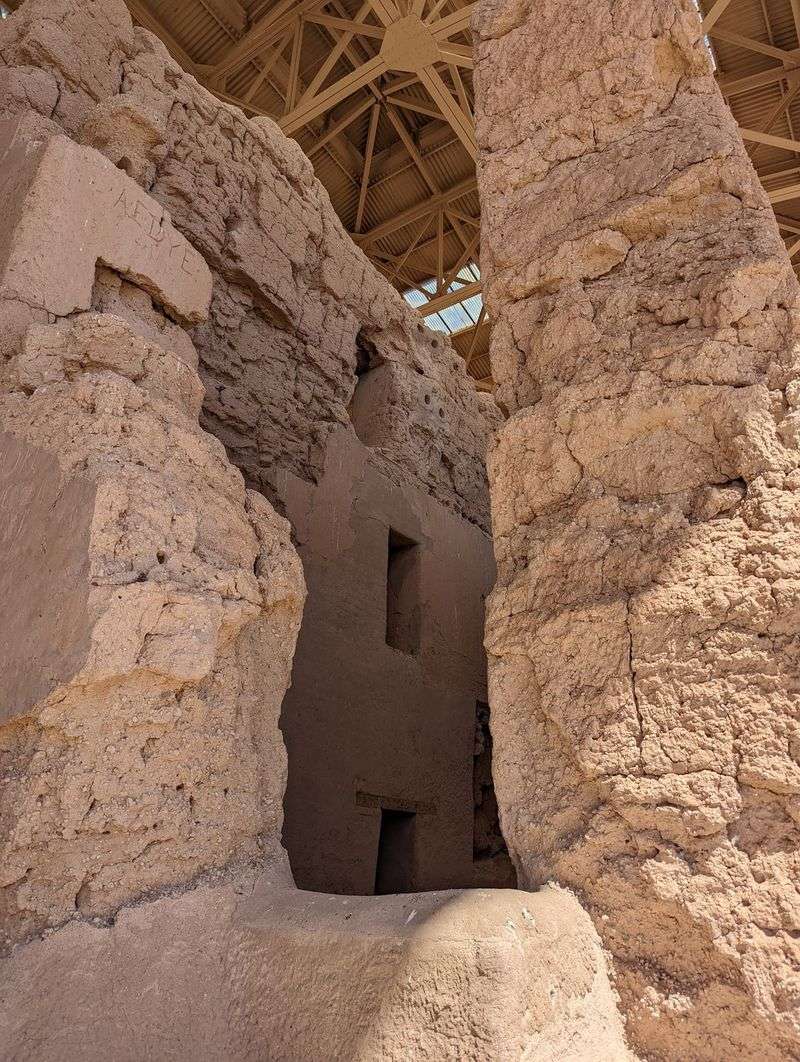
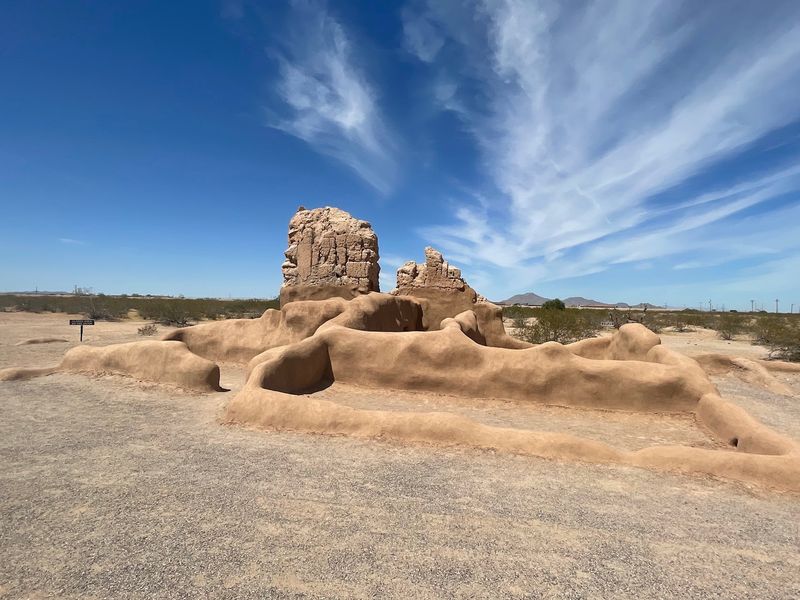
Casa Grande Ruins National Monument sits in Coolidge, Arizona, roughly between Phoenix and Tucson. Its star is the Great House, a 1300s-era building standing four stories tall.
Spanish visitors later called it Casa Grande, meaning big house. The name stuck, and honestly, it fits.
Few desert buildings from that era reached this height.
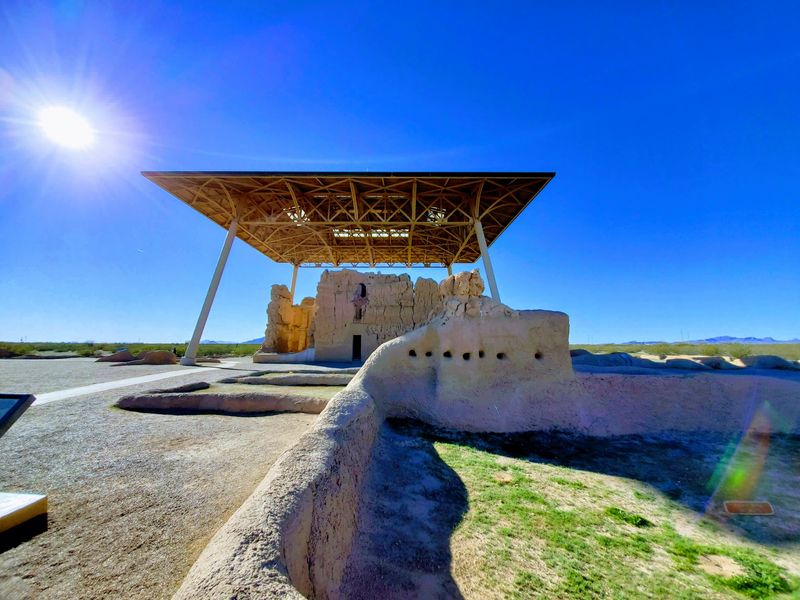
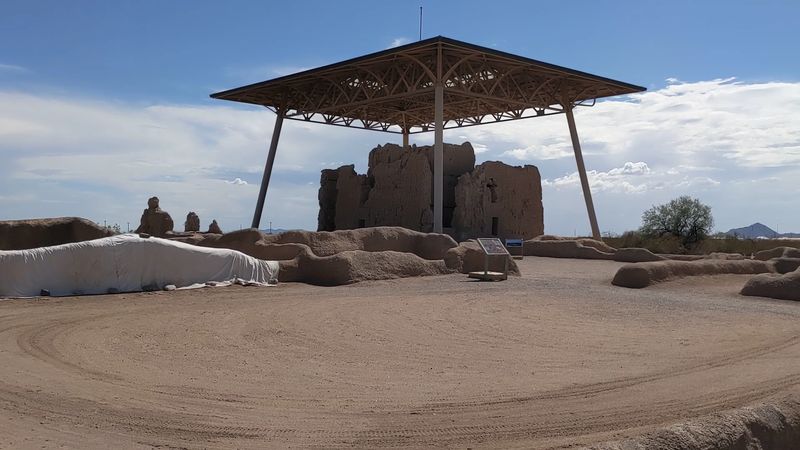
The Great House sits inside a walled compound built by the Ancestral Sonoran Desert People, often called the Hohokam. A large protective canopy now covers it.
That roof shields the old walls from rain and also casts welcome shade.
So what makes it worth a stop? The building appears to work as a sky tracker.
Openings in its walls line up with the sun at the solstices and equinoxes.
One opening even aligns with the setting moon once every 18.6 years. That is a long wait between appointments.
The builders clearly took the sky seriously.
You can see the ruins from the parking lot, which is a nice teaser. Still, seeing them and understanding them are different things.
The rest of this guide explains why a ranger makes that difference.
Spoiler: the walk is free. That makes the decision pretty easy.
Farmers Who Moved Rivers Across The Gila Valley
Water built this place. The Ancestral Sonoran Desert People farmed the Gila Valley for more than a thousand years, and they did it with canals.
Hundreds of miles of canals, actually. They dug them by hand and shaped them to carry river water to fields across a very dry landscape.
That kind of system needed teamwork on a huge scale. Communities had to plan, share, and keep channels clear year after year.
Trade stretched far beyond the valley, too. Shell jewelry and copper tools arrived from distant places, showing just how connected these farmers were.
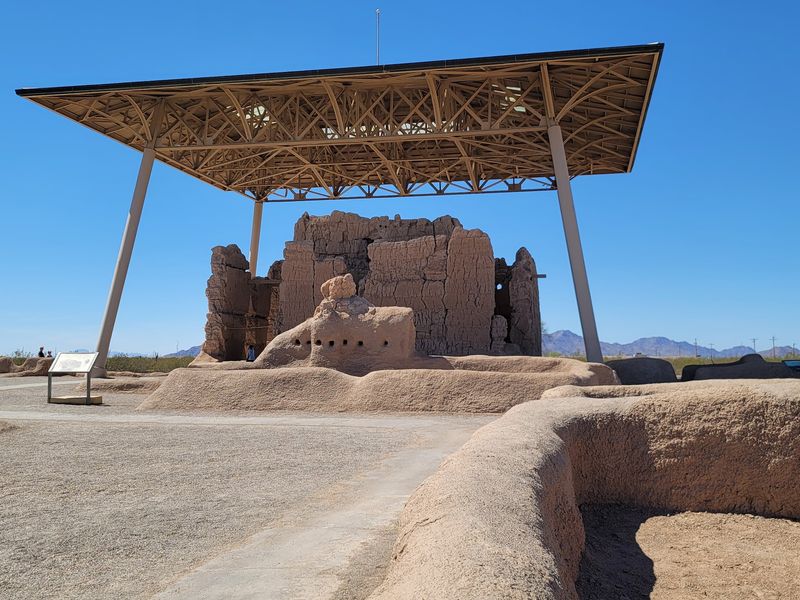
Their building material came from the ground beneath them. Caliche, a natural desert concrete of soil and clay, formed walls sturdy enough to last centuries.
Around 1450 CE, the communities here were gradually left behind. Archaeologists still debate the reasons, which adds a nice layer of mystery.
Standing near the Great House today, it can feel hard to believe water once flowed nearby. The land looks quiet and dusty now.
Yet the canal remnants tell a different story. Once you know about them, the whole desert starts looking like an old farm map, and the Great House starts looking like its headquarters.
Why The Ranger Walk Wins Over Wandering Solo
Free and departing from the visitor center, the ranger-guided tour is the smartest move at Casa Grande Ruins National Monument. It costs you nothing but a little time.
Tours typically run during the cooler months, from mid-November through early March. They’re usually offered twice a day, so plan your arrival around them.
Here’s why it matters. Rangers stop at different spots around the property and share details a self-guided stroll might miss.
That includes the big question: what was the Great House tracking? A ranger can connect wall openings to solstices, equinoxes, and that rare lunar alignment.
Questions are welcome along the way. Rangers at this monument are known for being friendly and well versed in the history.
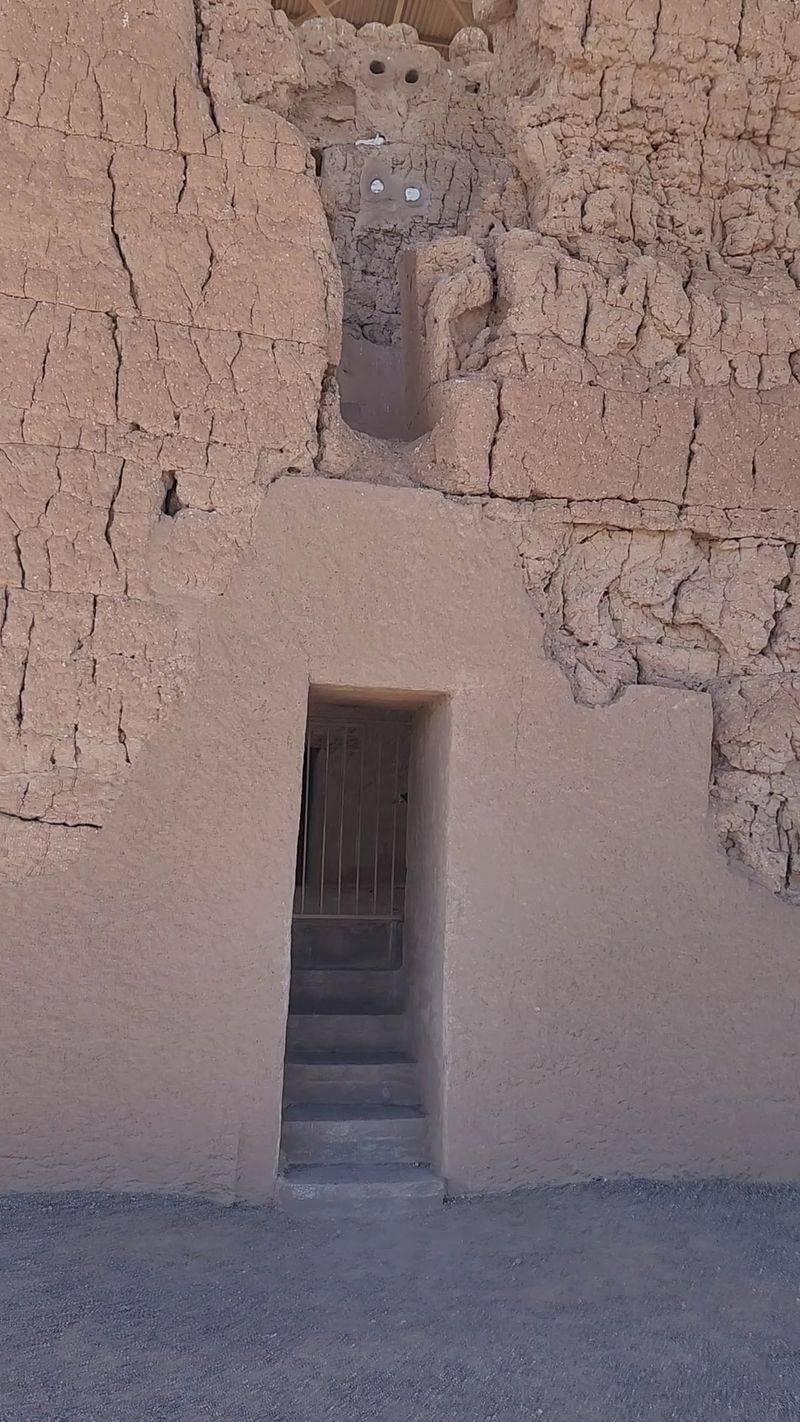
One rule never bends. Visitors can’t enter the Great House, and nobody should touch the walls.
Fair enough, since those walls have survived for centuries. A guide helps you appreciate them from the right angles instead.
When the tour wraps up, you’re free to keep exploring on your own. So really, you get both experiences.
Think of the ranger walk as the director’s commentary. The movie is the same, but suddenly every scene makes sense.
The Short Loop Still Has Its Charms
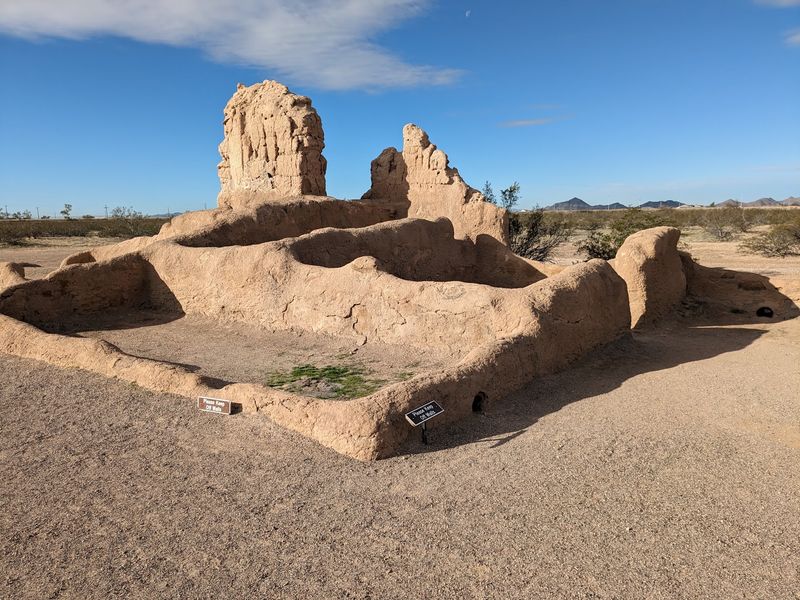
Missed the tour time? No disaster.
A short walking loop circles the main archaeological area, and it’s roughly 0.2 miles long.
Wayside signs line the route. They explain the structures and describe daily life here around 700 years ago.
You’ll get close views of the Great House and the surrounding compound walls. Remnants of rooms and perimeter walls show how big this village really was.
Look for the ball court viewing platform, too. It’s reachable from near the picnic area and adds another piece to the community puzzle.
The walk is easy on the legs. Sidewalks run almost all the way to the ruins before switching to flat gravel.
That makes the site friendly for many wheelchair users and strollers. Automatic doors at the visitor center help as well.
Rangers often rove the grounds during the day. They keep an eye on the ruins and happily answer questions along the way.
So the solo loop works fine in a pinch. You just won’t hear the sky story told with the same detail.
And between us? The sun-and-moon part is the best part.
That alone makes waiting for the next ranger walk worth it.
Pottery, Shell Jewelry, And A 22-Minute Head Start
Shell jewelry in the middle of the desert is a fun puzzle. The visitor center museum helps solve it.
Exhibits show off pottery, tools, and shell pieces made or traded by the Ancestral Sonoran Desert People. Together, they hint at wide trade networks and serious craftsmanship.
The museum is compact and easy to cover. Even so, it packs in plenty of history without feeling crowded with text.
Next up, the orientation film. It runs about 22 minutes and offers a solid introduction to the site and its cultural importance.
The film also touches on the people connected to this place today. That adds a meaningful layer before you head outside.
Watching it before the ranger walk is a sharp strategy. You’ll arrive at the ruins already knowing the basics.
A bookstore and gift shop share the building. Native American jewelry is among the finds, which makes for a memorable souvenir.
Collectors of park passport stamps can grab one here. Don’t skip it if you’re keeping a record.
Restrooms and a water bottle filling spot are available, too. In Arizona, that last detail earns real gratitude on a warm afternoon.
Picnics, Junior Rangers, And Owls In The Rafters
Great horned owls have been spotted perched in the canopy rafters above the Great House. Bird lovers, keep your eyes up.
Of course, owls keep their own schedules. Consider any sighting a lucky bonus rather than a promise.
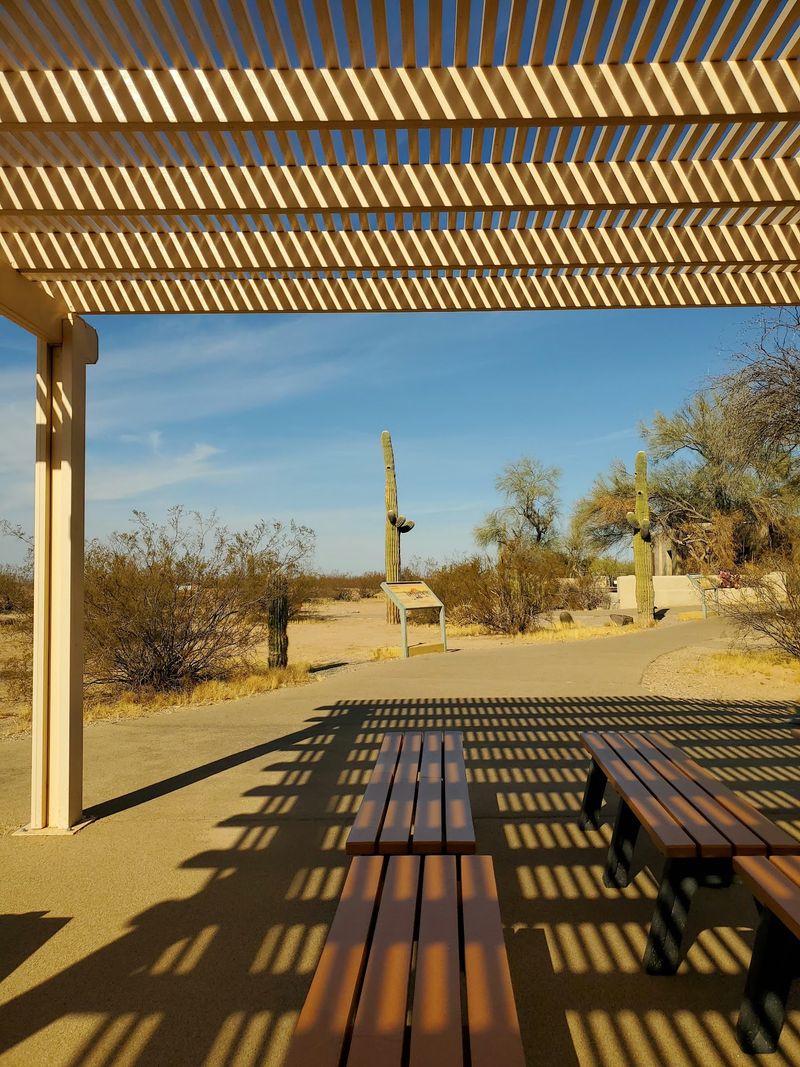
Back on the ground, a shaded picnic area sits near the visitor center. Tables and trash cans make packing lunch an easy choice.
Planning a bigger gathering? Groups can reserve an outdoor kitchen space for meals in the desert air.
Kids ages 6 to 16 can join the Junior Ranger program. They complete activities and earn a badge, which tends to motivate young explorers nicely.
One heads-up for families: climbing on the walls is not allowed. Little ones should keep hands off the ruins.
Leashed pets are welcome in outdoor areas. A designated pet walking area sits near the picnic spot.
That makes this a rare history stop where the dog can tag along. Just bring water for everyone.
Put it all together and you get an easy, relaxed outing. It suits history buffs, curious kids, birders, and anyone needing a calm break from the highway.
First In Line For Protection Back In 1892
Long before many famous parks got protection, this site already had it. In 1892, it became the nation’s first archaeological preserve.
That’s a big deal. People recognized early that the Great House needed safeguarding from weather and wear.
The protection grew over time. In 1918, the site officially became Casa Grande Ruins National Monument.
Today, the monument covers about one square mile. Inside that boundary are the Great House, remnants of a walled village, and other archaeological sites.
Preservation work over the years has helped stabilize the old walls. The canopy overhead is part of that long effort.
Sadly, some modern visitors have etched marks into the adobe. That’s exactly why rangers patrol and why the no-touching rule matters so much.
The monument also honors living connections. Descendant communities still regard this place as part of their heritage, not just a relic.
For Arizona history fans, that combination is powerful. You get ancient engineering plus a story of care that spans more than a century.
Standing near those walls, the calm feels earned. Lots of people worked to keep this place standing for you.
Free Admission, Easy Parking, And A Sky Worth Learning
Admission is free. That sentence alone should move this onto your Arizona day trip list.
Casa Grande Ruins National Monument sits at 1100 W Ruins Dr, Coolidge, AZ 85128. It’s easy to reach from Highways 87 and 287.
Hours run 9 AM to 4 PM daily. The monument closes on Juneteenth, Independence Day, Thanksgiving, and Christmas.
Plan on one to two hours for the full experience. A quick 30-minute stop works, but the film and ranger walk deserve more time.
Parking is plentiful, with dedicated spaces for RVs and trailers. Camping and overnight parking aren’t allowed, though.
Timing matters most for the ranger tours. Aim for mid-November through early March, when tours usually run twice a day and the weather cooperates.
Summer visits can get very hot. If you go then, arrive early and lean on the cool visitor center.
So here’s my soft verdict. Skip the solo loop if a ranger walk is available, and let someone explain what those wall openings tracked.
The Great House kept time for centuries. Giving it an hour of yours feels like a fair trade.