
Most Washington Families Have Never Heard Of This Ghost Town Where Old Storefronts Still Line The Street
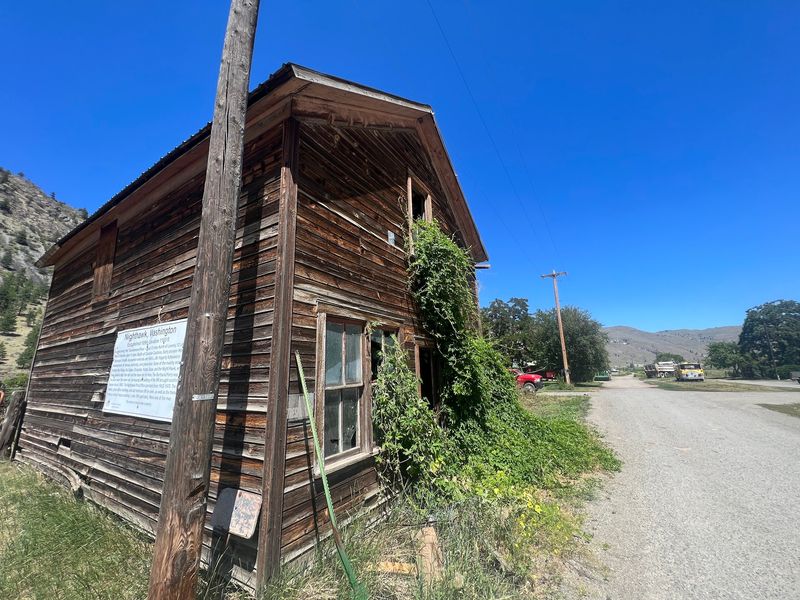
Nobody can agree on how this little river settlement got its name. One story credits a nearby mine, while another points to the swooping birds that still fill the evening sky.
I love that mystery right away. A town that cannot settle its own origin story already feels like the start of a campfire tale.
The place sits beside a winding river in a quiet corner of north-central Washington. Weathered buildings stand along the road like they forgot to leave when everyone else did.
Sagebrush hills roll in every direction, and the pavement feels almost optional out here.
I can’t imagine a better way to spend a slow Saturday with curious kids in the back seat. It costs nothing to look, and the stories come free.
So who actually stayed behind, and what did they leave standing?
A River Town Hiding In Plain Sight Up North
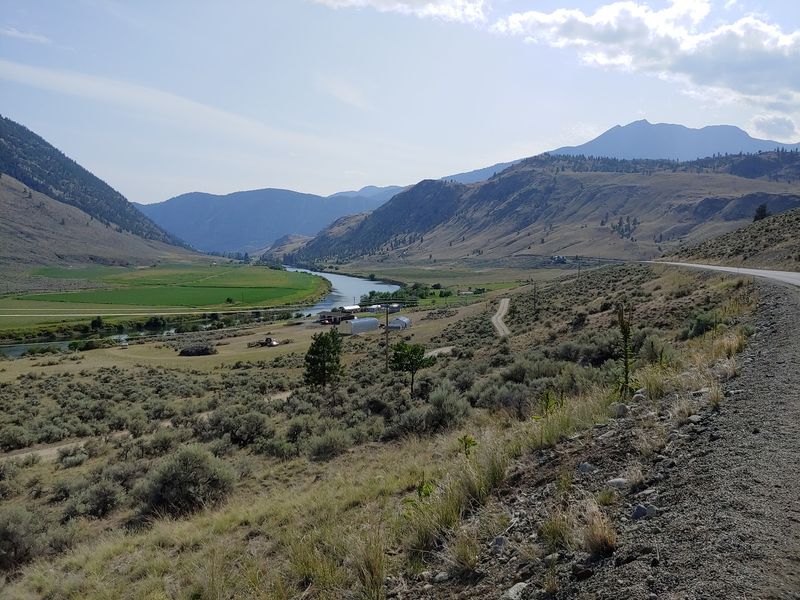
Okanogan County holds plenty of secrets, and Nighthawk might be its quietest one. The unincorporated community sits right on the banks of the Similkameen River in north-central Washington.
Most travelers zip toward Oroville or Osoyoos without ever hearing the name. That’s a shame, because the setting alone feels like a movie set nobody bothered to tear down.
Nighthawk lies close to the Canadian border, in dry country shaped by rivers and rocky hills. The landscape looks wide open, with sagebrush slopes rising above the green ribbon of the river.
Calling it a town today is generous. It’s really a scattering of old structures, a few homes, and a whole lot of sky.
That emptiness is exactly the appeal. Nighthawk gives families a real look at what boom-era settlements left behind once the excitement faded.
Think of it as a history lesson without the classroom. Nobody hands out tickets, nobody rushes you along, and the river keeps doing its thing in the background.
Two Origin Stories And Zero Agreement
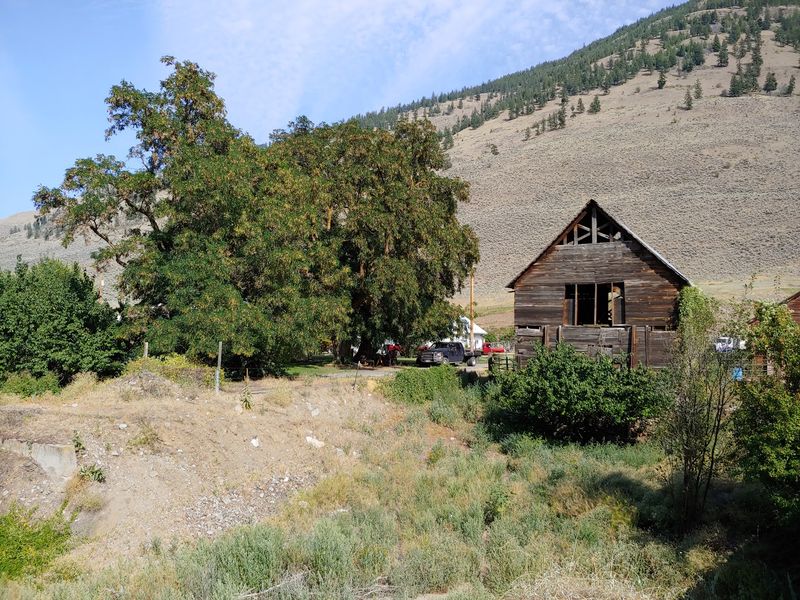
Names usually come with a neat little plaque. Nighthawk got two competing explanations instead, and both still float around today.
The first says the town took its name from a nearby mine. That fits the area’s rough-and-tumble mining past, when prospectors poured into the Okanogan hills chasing ore.
The second story points skyward. Common nighthawks are birds that swoop and dart through the area, especially around dusk, and some say the town was named for them.
Which version wins? Honestly, nobody needs to pick a side to enjoy the visit.
Kids especially love a puzzle like this one. Ask them to vote on their favorite theory during the drive and watch the debate heat up.
Bird lovers get a bonus round, too. Keep an eye on the evening sky and you might spot the very creatures that possibly inspired the name.
I like that the mystery stays unsolved. It gives Nighthawk a bit of personality that a tidy, documented history never could.
Old Storefronts That Refused To Leave
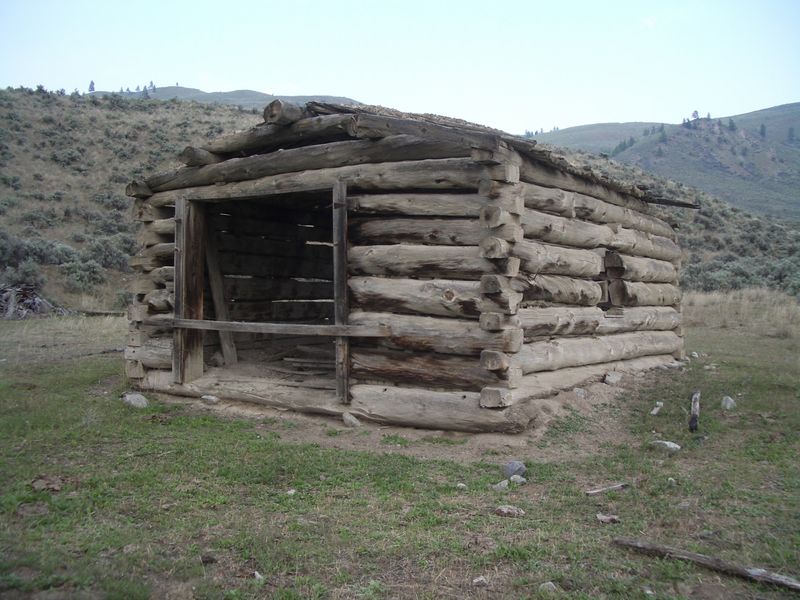
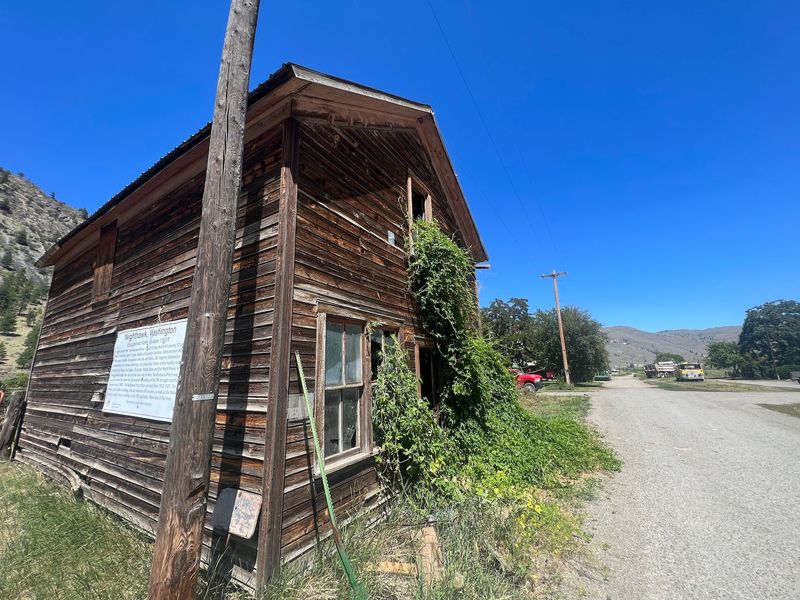
Faded wood and sagging rooflines tell the story better than any brochure. The old buildings along the road in Nighthawk look like they’re still waiting for customers who stopped coming long ago.
These structures are what make the drive memorable. They sit close to the road, so you can take in the scene without wandering anywhere you shouldn’t.
Weather has done most of the decorating here. Sun, wind, and decades of seasons have turned the boards soft gray and wonderfully crooked.
Photographers tend to slow way down at this point. Morning and late afternoon light can make the old wood glow against the brown hills.
Here’s a friendly reminder, though. Many buildings in tiny communities like this sit on private land, so admire them from the road.
Peeking through dusty windows might feel tempting. Resist it, snap your photos from a respectful distance, and leave everything exactly as you found it.
That small courtesy keeps places like Nighthawk standing for the next curious family. It also keeps the neighbors happy, which matters in a town this small.
Mining Dreams In The Okanogan Hills
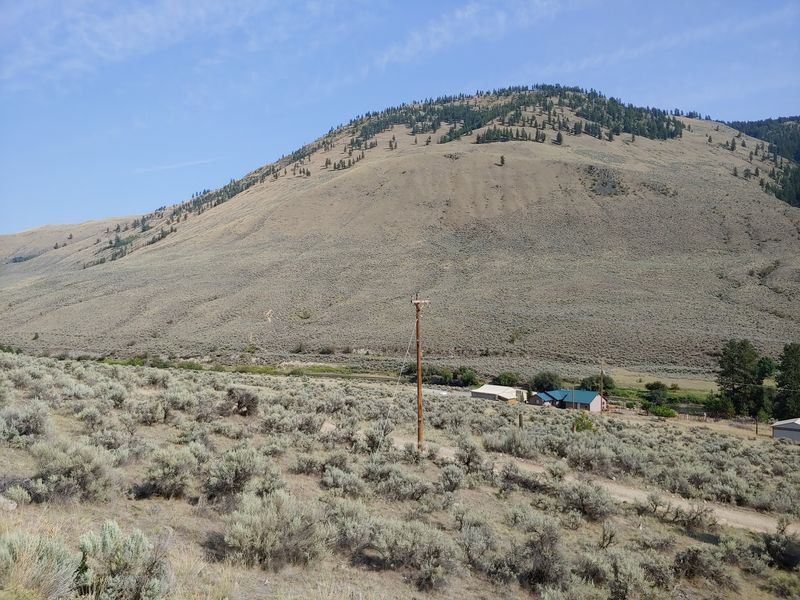
Gold and silver fever once swept across this corner of Washington. Prospectors flooded the Okanogan region hoping the next shovelful would change everything.
Nighthawk grew up in that hopeful era. Its possible namesake mine hints at how deeply the town’s fortunes were tied to what lay underground.
Mining towns rarely stayed big for long. When ore ran thin or prices dropped, people packed up and moved on to the next promising strike.
That pattern shaped much of north-central Washington. Small settlements bloomed quickly, then quieted down just as fast.
Standing in Nighthawk today, you can almost feel that rhythm. The leftover buildings are like bookmarks from a chapter that ended before anyone finished reading.
For kids, this is a great chance to talk about risk and reward. Why would families move to such remote country with no guarantee of success?
Those conversations tend to stick longer than any textbook. A real place, real buildings, and a real river make history feel personal instead of distant.
The Similkameen River Steals The Show
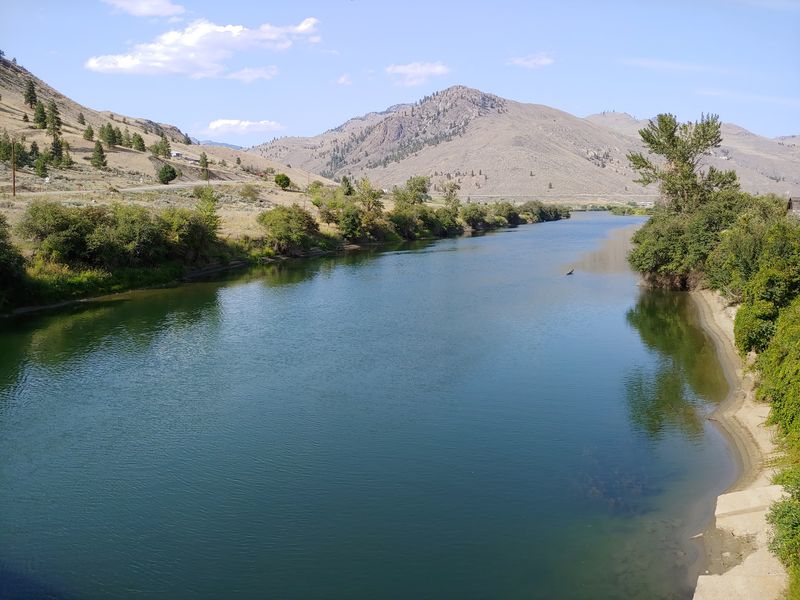
Water changes everything in dry country. The Similkameen River curls right past Nighthawk, painting a bright strip of green through otherwise tawny hills.
That contrast is striking. One minute you’re surrounded by sage and rock, and the next you’re looking at cottonwoods and moving water.
The river flows down from British Columbia before crossing into Washington. It eventually joins the Okanogan River farther south near Oroville.
Rivers like this one explain why settlers chose the spot in the first place. Water meant life, travel routes, and a fighting chance in a rugged landscape.
Today the Similkameen mostly offers scenery and a calming soundtrack. Pull over at a safe spot and just listen for a minute.
Families with young kids should stay cautious near the banks. River currents can be stronger than they look, especially during spring runoff.
Still, nobody needs to touch the water to enjoy it. The view alone makes the trip feel worthwhile, and it pairs perfectly with those weathered buildings across the road.
Nighthawks Swooping Over The Valley At Dusk
Evening brings a different kind of show. If the bird theory holds up, Nighthawk’s real namesakes might appear right on cue as the light fades.
Common nighthawks are fascinating little fliers. Despite the name, they aren’t hawks at all, which makes for a fun surprise to share with kids.
They tend to feed on insects in the air, darting and swerving in quick, jerky patterns. Watching them feels a bit like seeing tiny acrobats at work.
Bring binoculars if you have them. Even a basic pair can make a twilight stop feel like a real wildlife adventure.
Wide open skies help, too. With few buildings and almost no city glow, the valley offers clear views in nearly every direction.
Timing your visit for late afternoon may give you the best of both worlds. You’ll catch golden light on the old storefronts, then stick around for the evening flyover.
Of course, wildlife never follows a schedule. Consider any sighting a lucky bonus rather than a guarantee.
Quiet So Deep You Can Hear The Wind
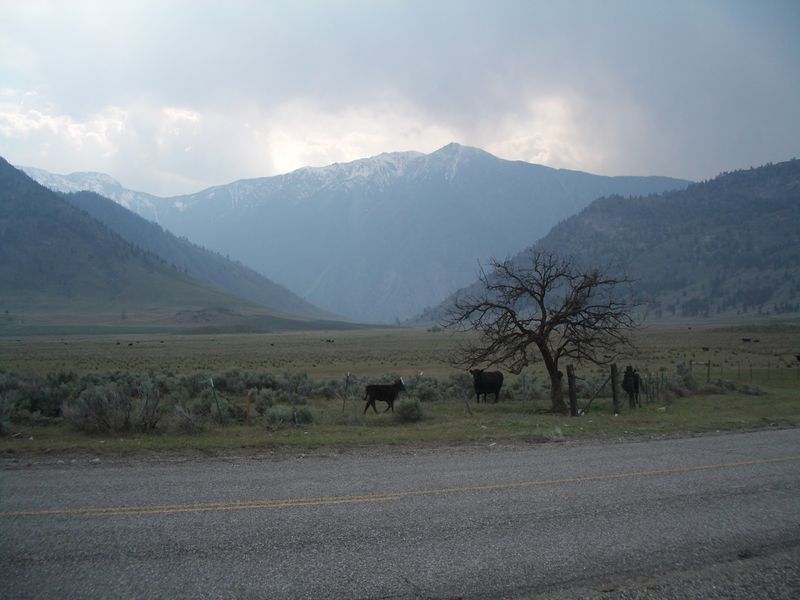
Silence is the main soundtrack here. Nighthawk sits far from busy highways, so the loudest thing around might be the breeze rustling the grass.
That calm can feel startling at first. Many families rarely experience true quiet, especially if they’re coming from the Seattle area or Spokane.
Give it a few minutes, though. The stillness starts to feel peaceful instead of strange.
Kids who spend their days glued to screens might find this oddly refreshing. Challenge them to count how many sounds they can pick out in one minute.
Wind, water, birds, maybe a distant vehicle. It turns into a sneaky little lesson in paying attention.
This mood also suits older visitors looking for a slower pace. Retirees and road-trippers who love lingering will appreciate how nothing here demands hurrying.
Just remember that quiet also means remote. Services are limited out this way, so plan ahead and bring what you need for the day.
Who Will Love This Off-The-Map Stop Most
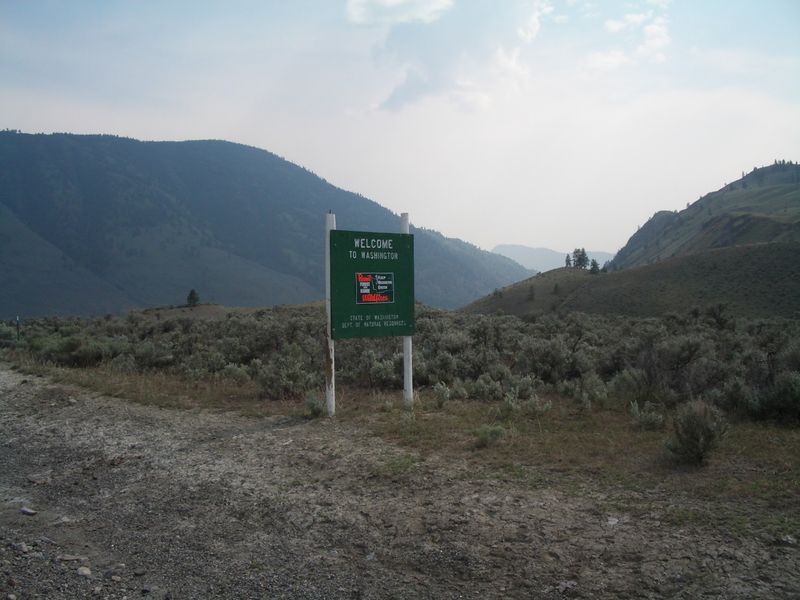
History buffs win big here. Anyone fascinated by boom-and-bust mining towns will find Nighthawk a perfect real-world example.
Photographers come next on the list. Old wood, river light, and rolling hills make for frames that practically compose themselves.
Families with school-age kids may get the most out of it. The ghost town angle grabs attention fast, and the name mystery keeps the conversation going.
Very young children might lose interest quickly, though. Pair Nighthawk with other stops nearby so little ones stay happy.
Budget-minded travelers should also take note. Looking around costs absolutely nothing, which makes this a wallet-friendly outing in a pricey travel world.
Retirees who love scenic backroads will feel right at home. The slower pace suits a relaxed day of driving, pulling over, and soaking up views.
Who might skip it? Anyone expecting gift shops, guided tours, or snack bars will leave disappointed.
Nighthawk is raw, simple, and wonderfully unpolished.
Finding Your Way To ZIP Code 98827
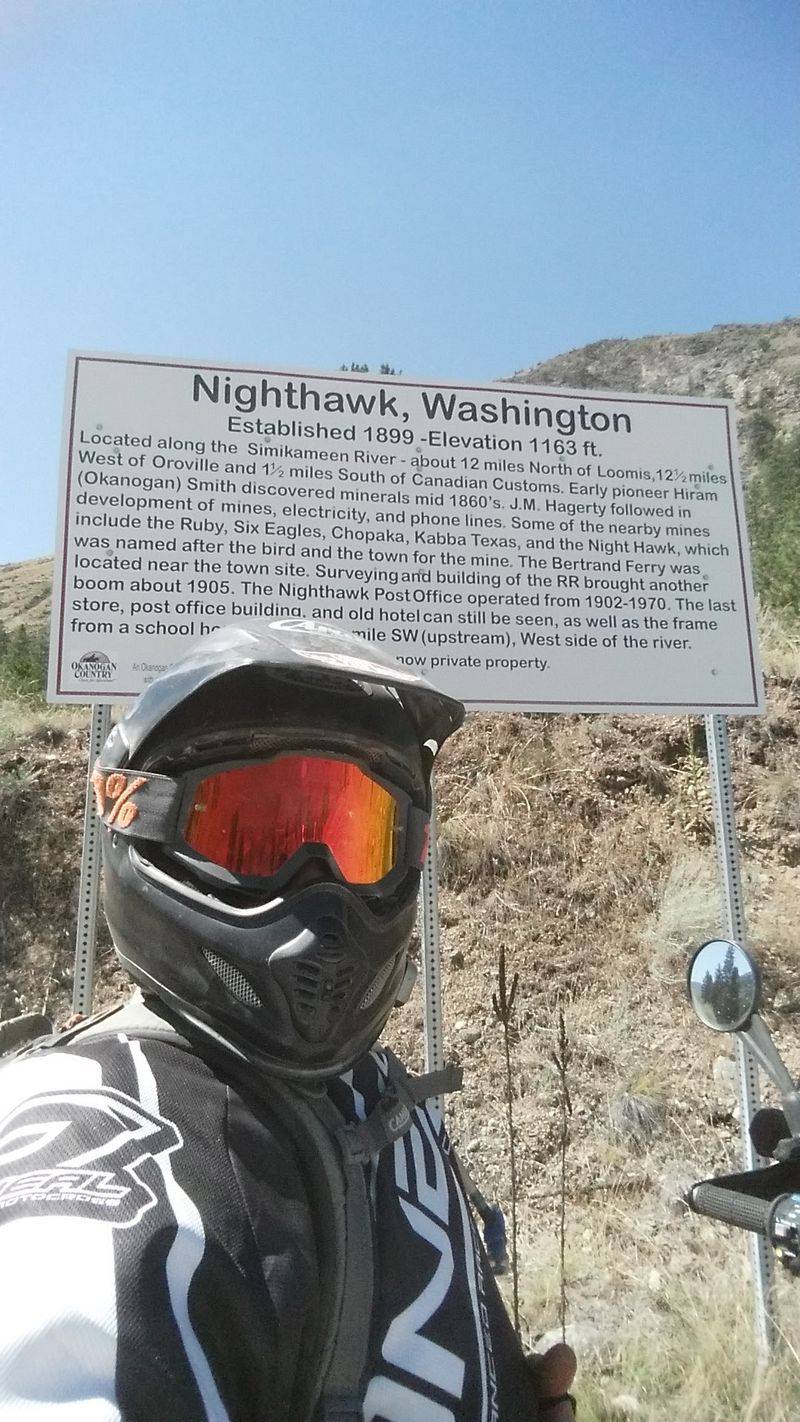
Directions start with a ZIP code that might surprise you. Nighthawk falls under Washington 98827, the same postal area as the nearby community of Loomis.
Getting there takes some intention. You’ll head into the northern reaches of Okanogan County, not far from the Canadian border.
Plugging the location into a map app works best. Cell signal can get patchy in remote stretches, so download offline maps before leaving town.
Fill your gas tank in a larger community first. Stations are scarce in this part of Washington, and running low out here isn’t anyone’s idea of fun.
Roads in the area can include gravel or narrow sections. Drive slowly, watch for wildlife, and give yourself extra time.
Winter weather can make travel trickier in this region. Check road conditions before heading out during colder months.
Spring through fall generally offers easier driving. Summer can run hot in this dry valley, so pack plenty of water and sun protection for everyone.
What Hours And Admission Look Like Here
Good news for your wallet first. Nighthawk isn’t a formal attraction, so there’s no ticket booth, admission fee, or gate to worry about.
That also means no official hours. You simply drive through and enjoy the scenery from public roads whenever conditions allow.
Daylight is your best friend, though. Old buildings look their best in natural light, and remote roads are easier to navigate before dark.
Restrooms and visitor centers aren’t part of the package. Plan bathroom breaks in larger towns before you arrive.
Pack snacks and drinks, too. A simple picnic can turn a quick drive-through into a lovely afternoon, as long as you choose a legal pull-off.
Remember the golden rule of small communities. People still live in the area, so keep noise down and never block driveways or roads.
Treat it like visiting someone’s neighborhood, because that’s exactly what it is. Respect turns a quick stop into a welcome one.
Turning One Ghost Town Into A Full Day Out
One stop rarely fills a whole day, and that’s fine. Nighthawk works beautifully as part of a bigger north-central Washington loop.
Loomis sits nearby and shares the same ZIP code. It’s another small community with its own historic roots in the region’s mining and ranching days.
Palmer Lake also lies in this general area. Its open water against dry hills makes a pretty contrast worth a scenic pause.
Oroville is the larger town to the east. It’s a handy place for fuel, groceries, and a meal before or after your backroad adventure.
Families can build a relaxed route around these spots. Mix scenic driving, short stretches outside, and plenty of snack breaks to keep everyone cheerful.
Map your loop before leaving cell coverage. Remote areas reward planning, and a little prep keeps surprises pleasant instead of stressful.
The best part? Every stop adds another layer to the story of this rugged borderland country.
Why This Faded Little Town Deserves A Detour
Flashy attractions come and go. Nighthawk just sits by the Similkameen River, quietly holding onto its weathered storefronts and its unsolved name mystery.
That’s exactly why it’s worth the drive. Few places in Washington let families touch history this directly without paying a dime.
You won’t find souvenir stands or guided tours. What you will find is a river, wide skies, and buildings that remember a busier time.
I believe that kind of simplicity sticks with kids. They may forget a theme park ride, but a real ghost town tends to stay in their imagination.
Plan for remote travel and respect private property. Those two habits make the trip smooth for you and kind to the folks who still call the area home.
Go for the photos, the birds, or just the quiet. Each visitor seems to take away something a little different.
So which origin story will your crew believe? Settle the debate on the drive home, and maybe plan your next backroad adventure while you’re at it.